Recycled Reefs and Living History: New England Adventures 2026 by CHRISTINA HARKNESS

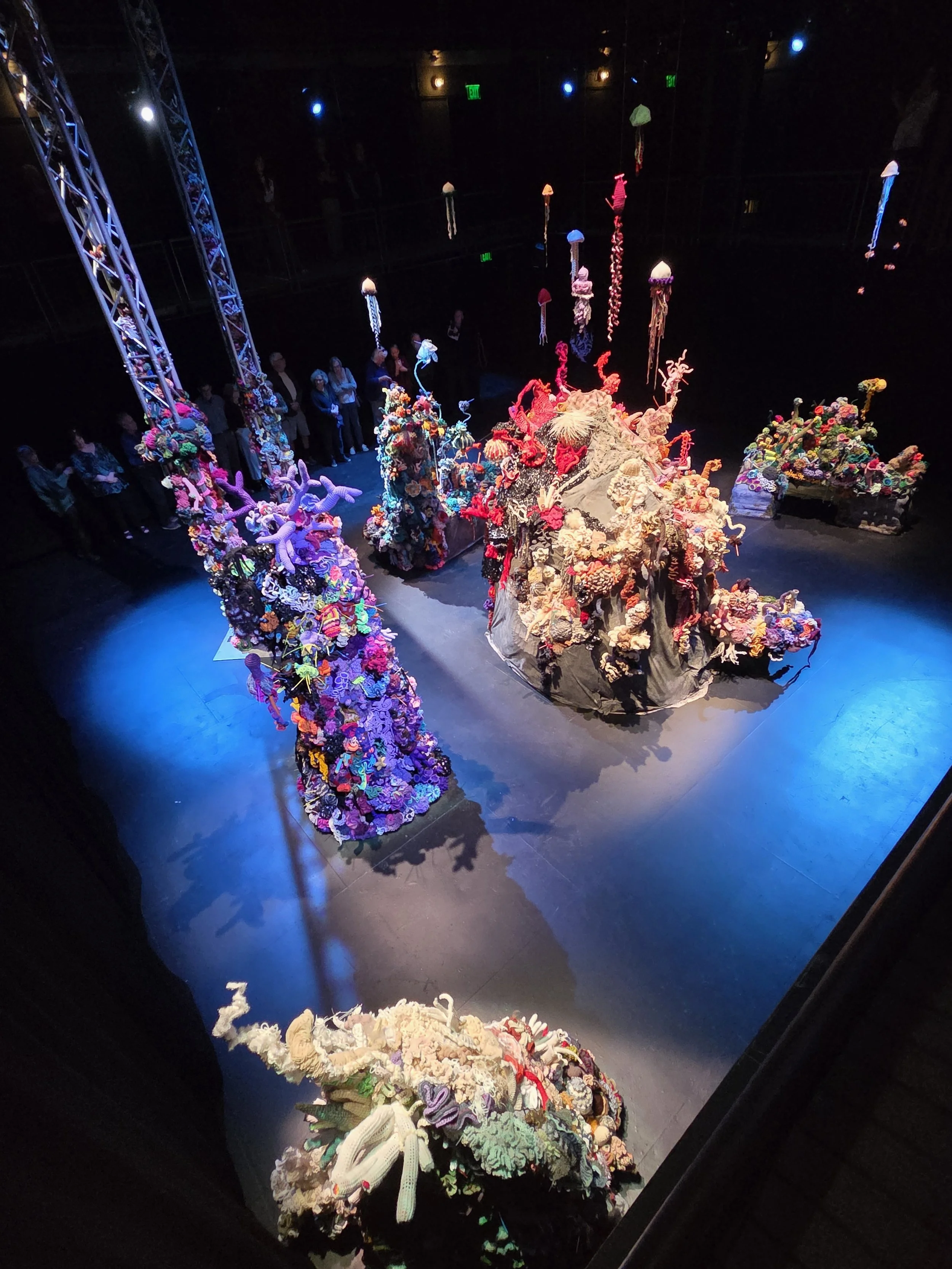
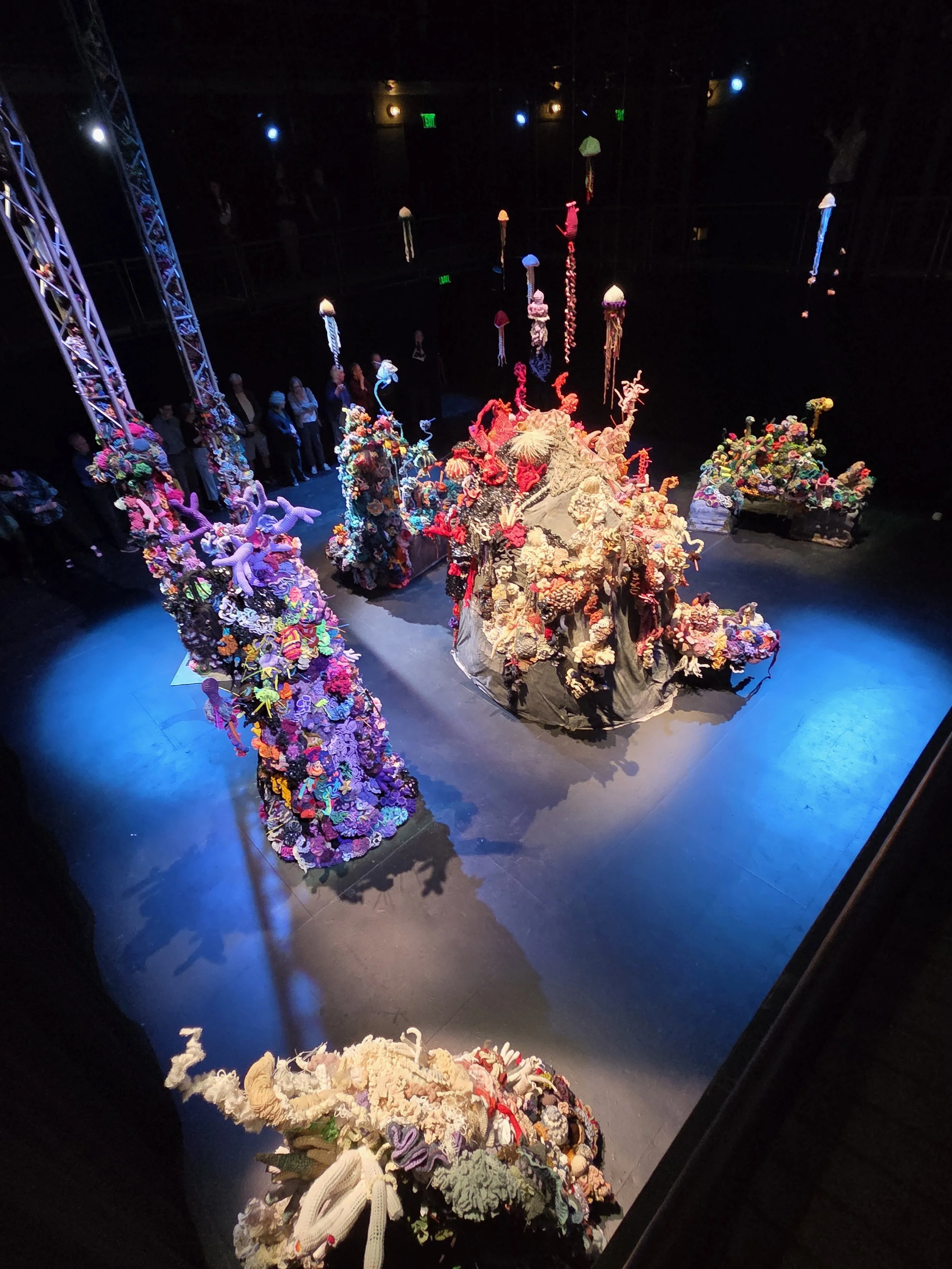
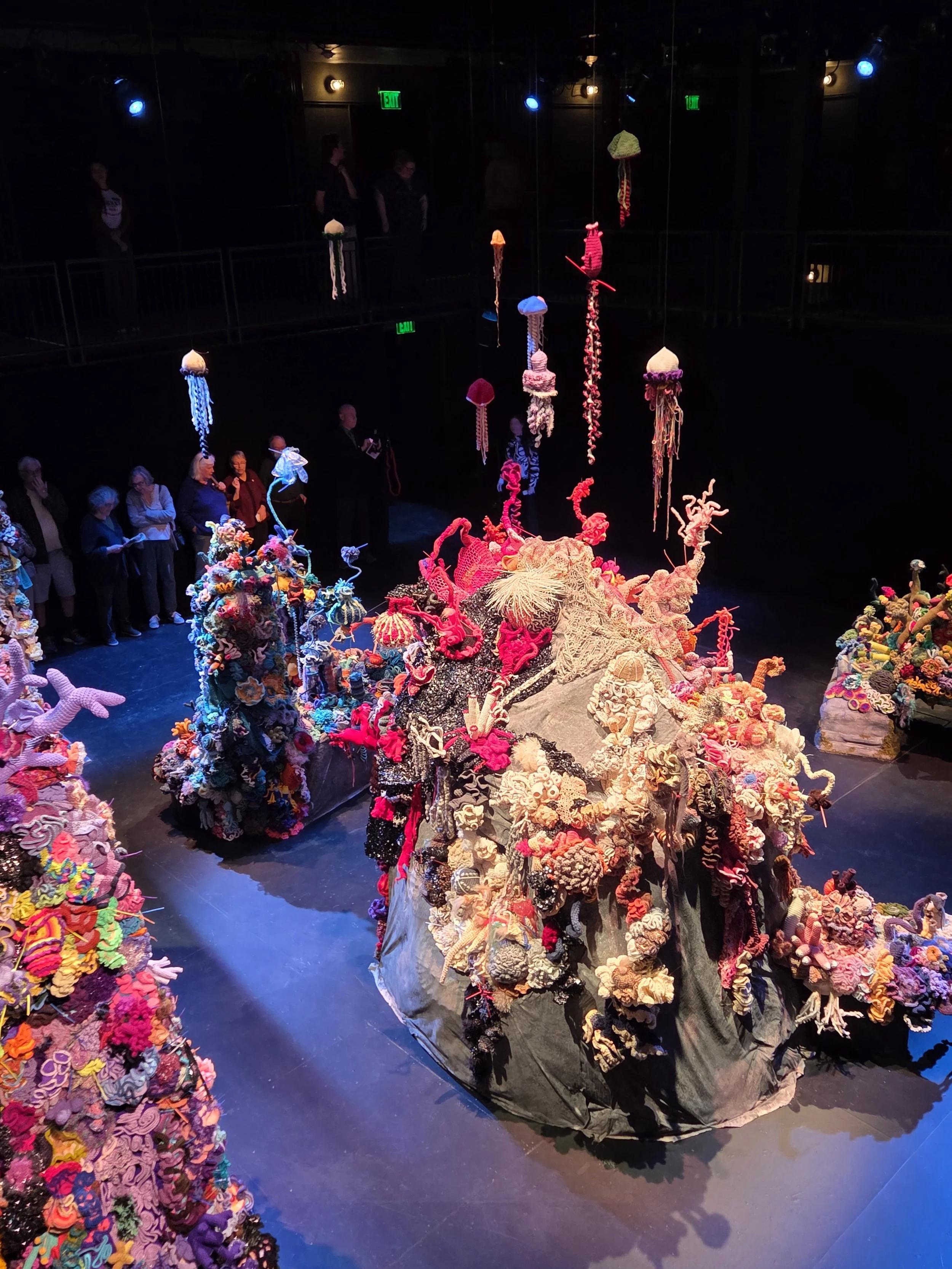
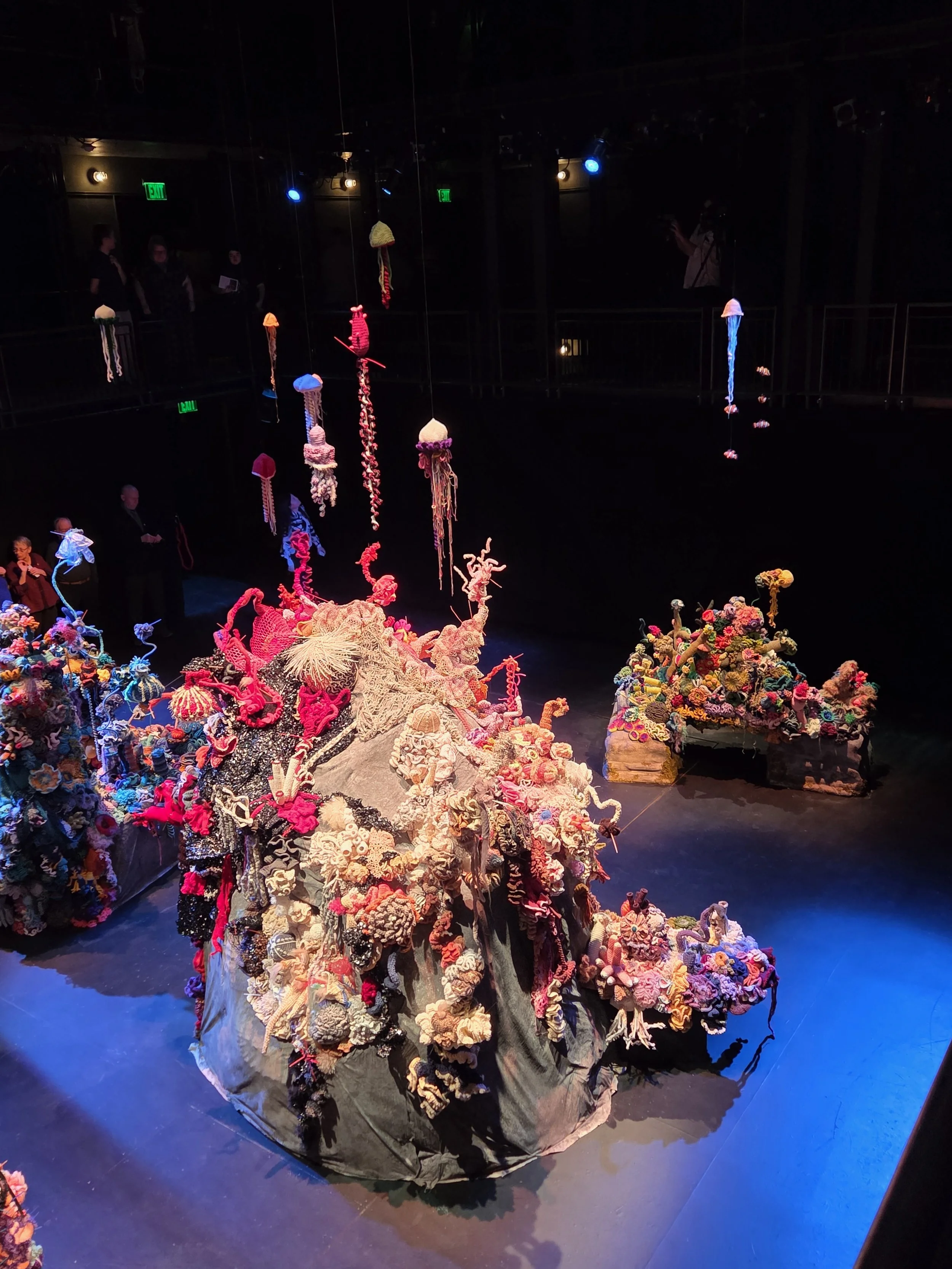
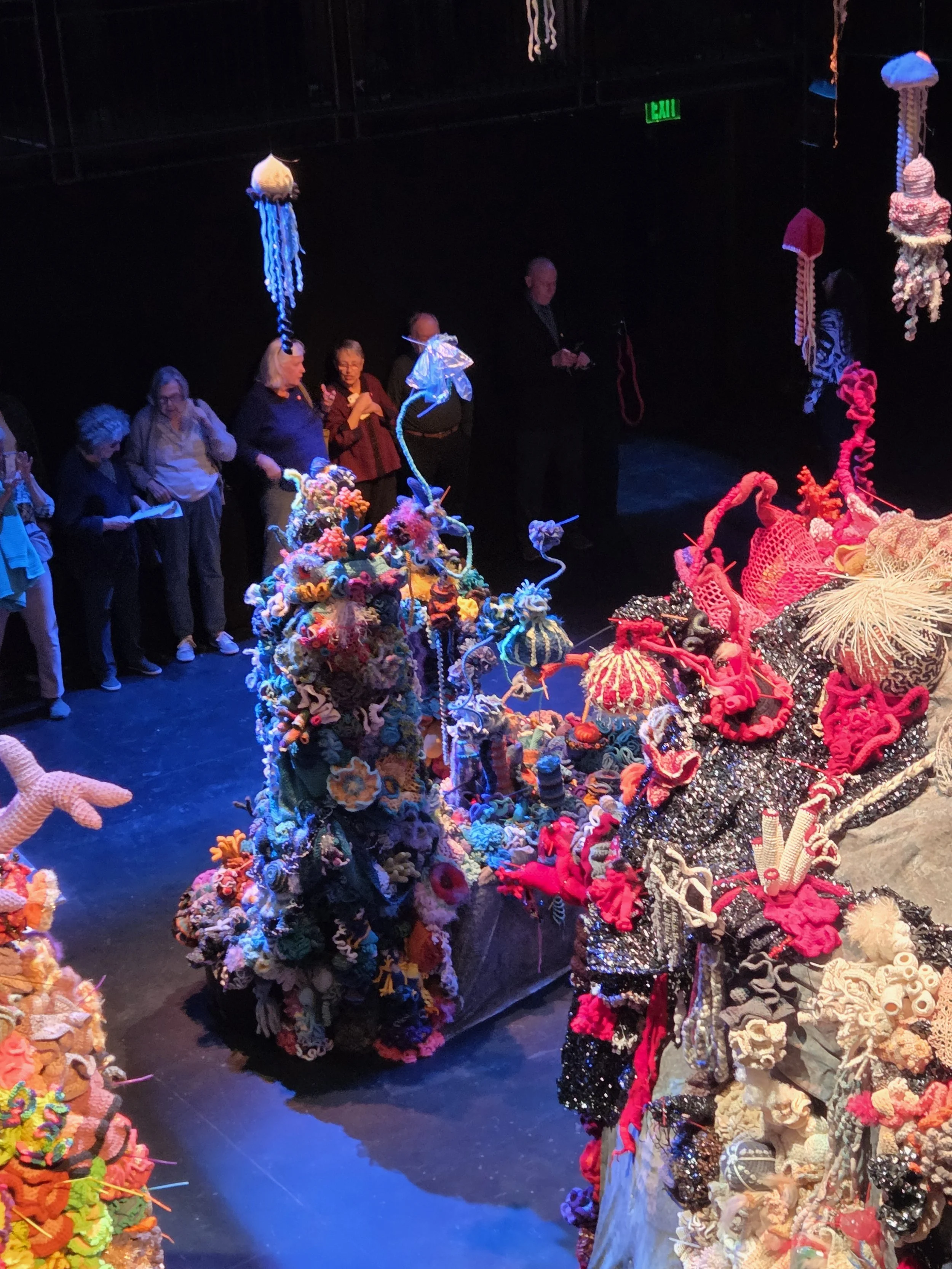
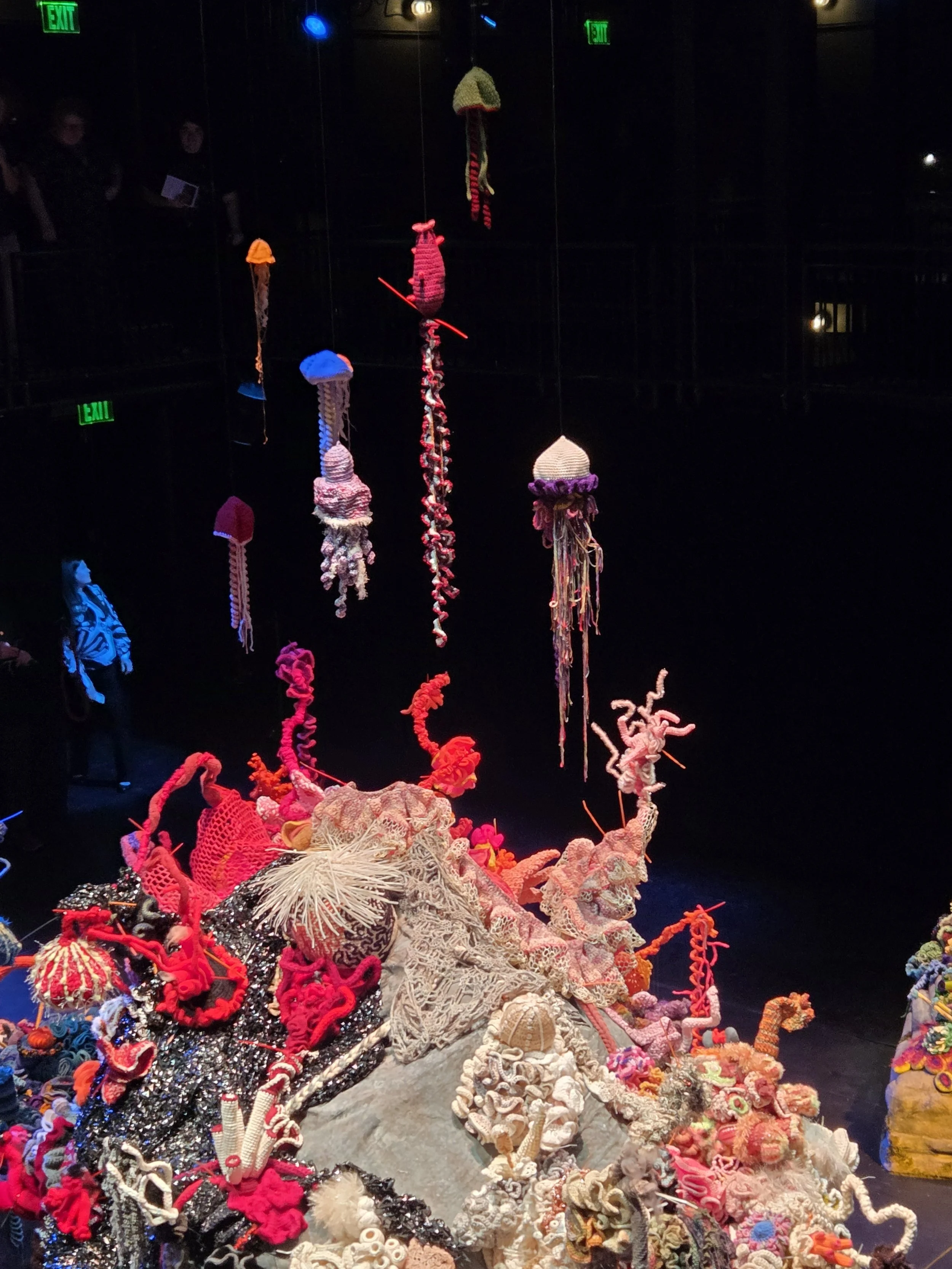
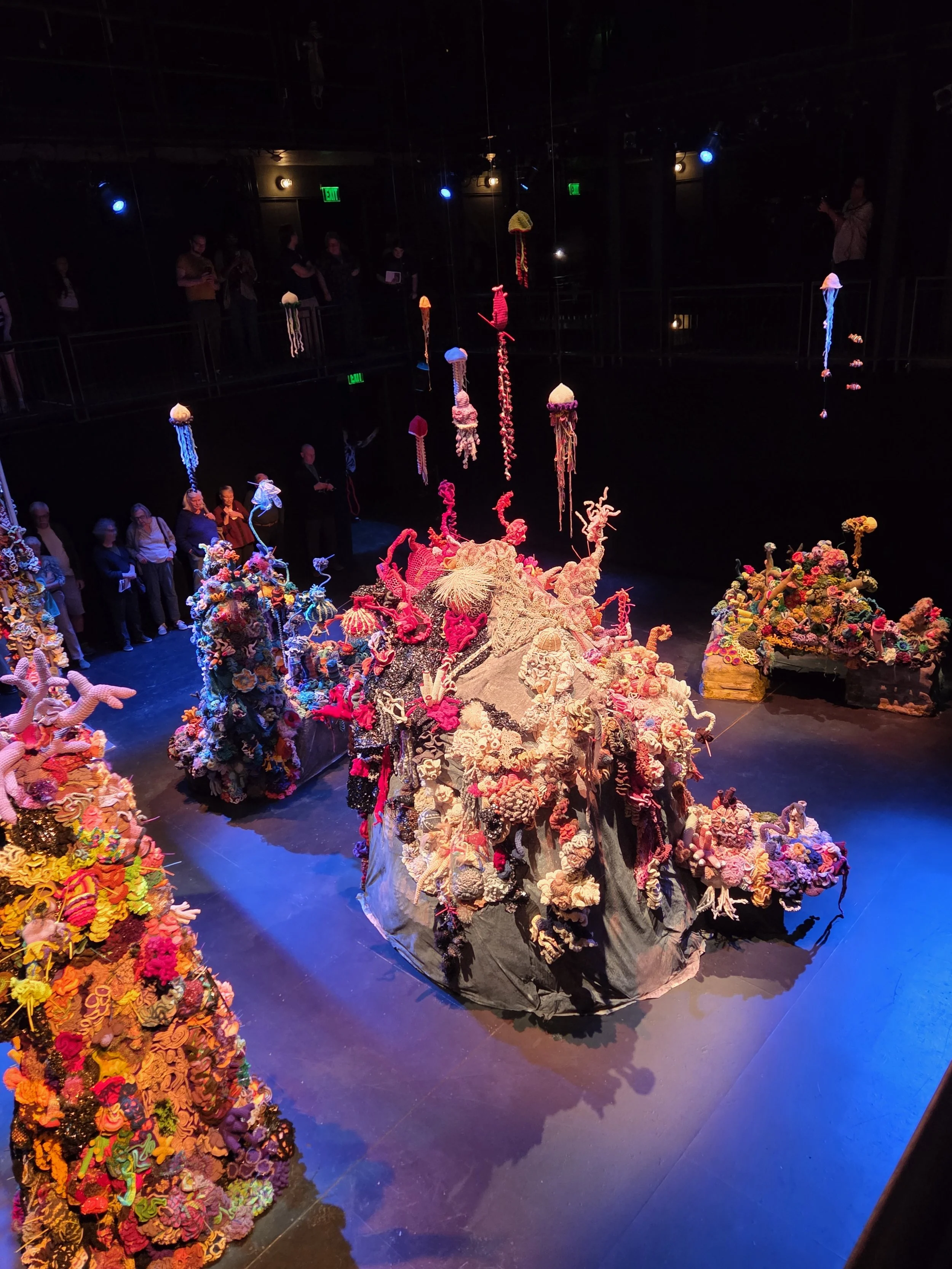
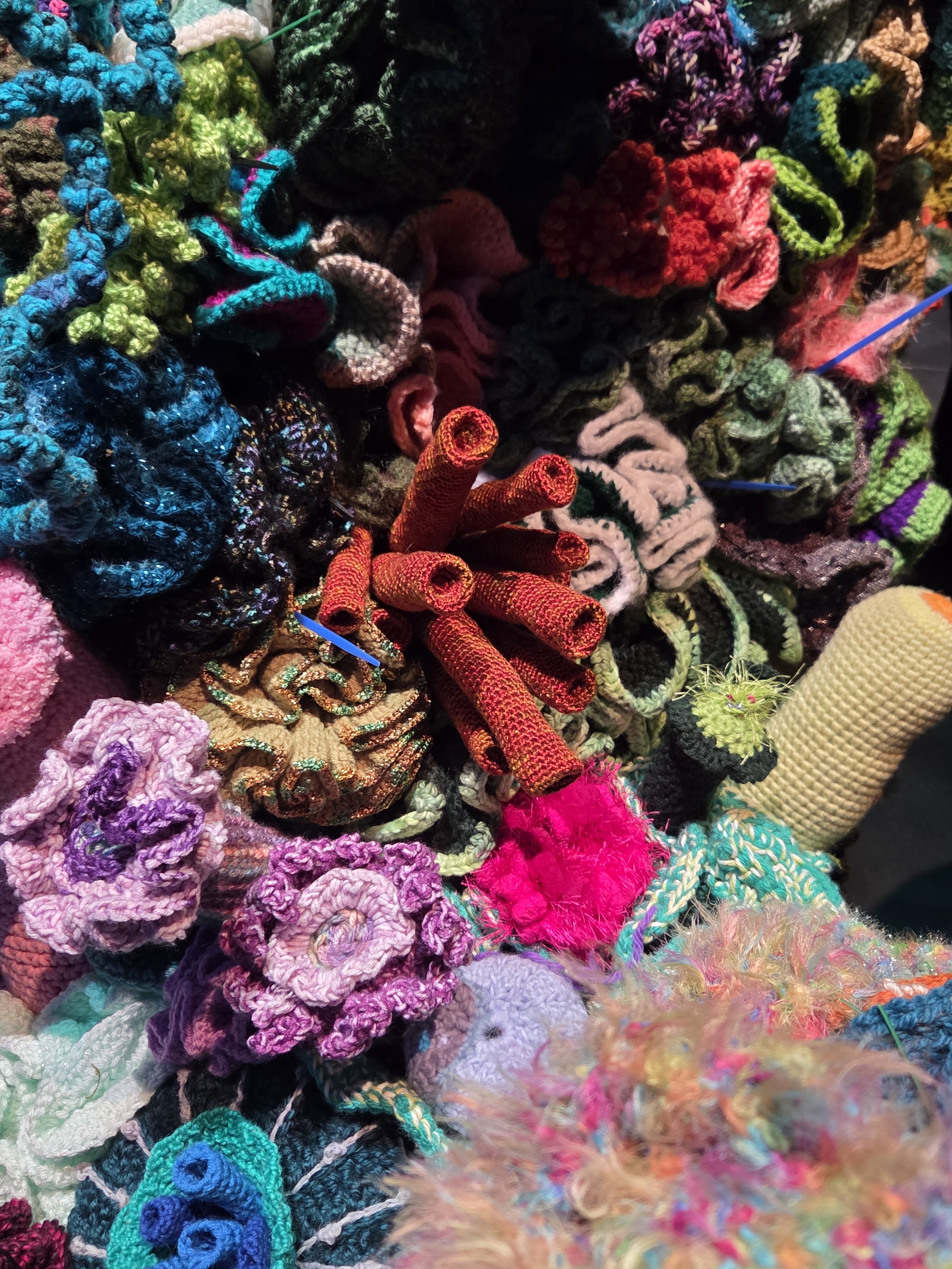
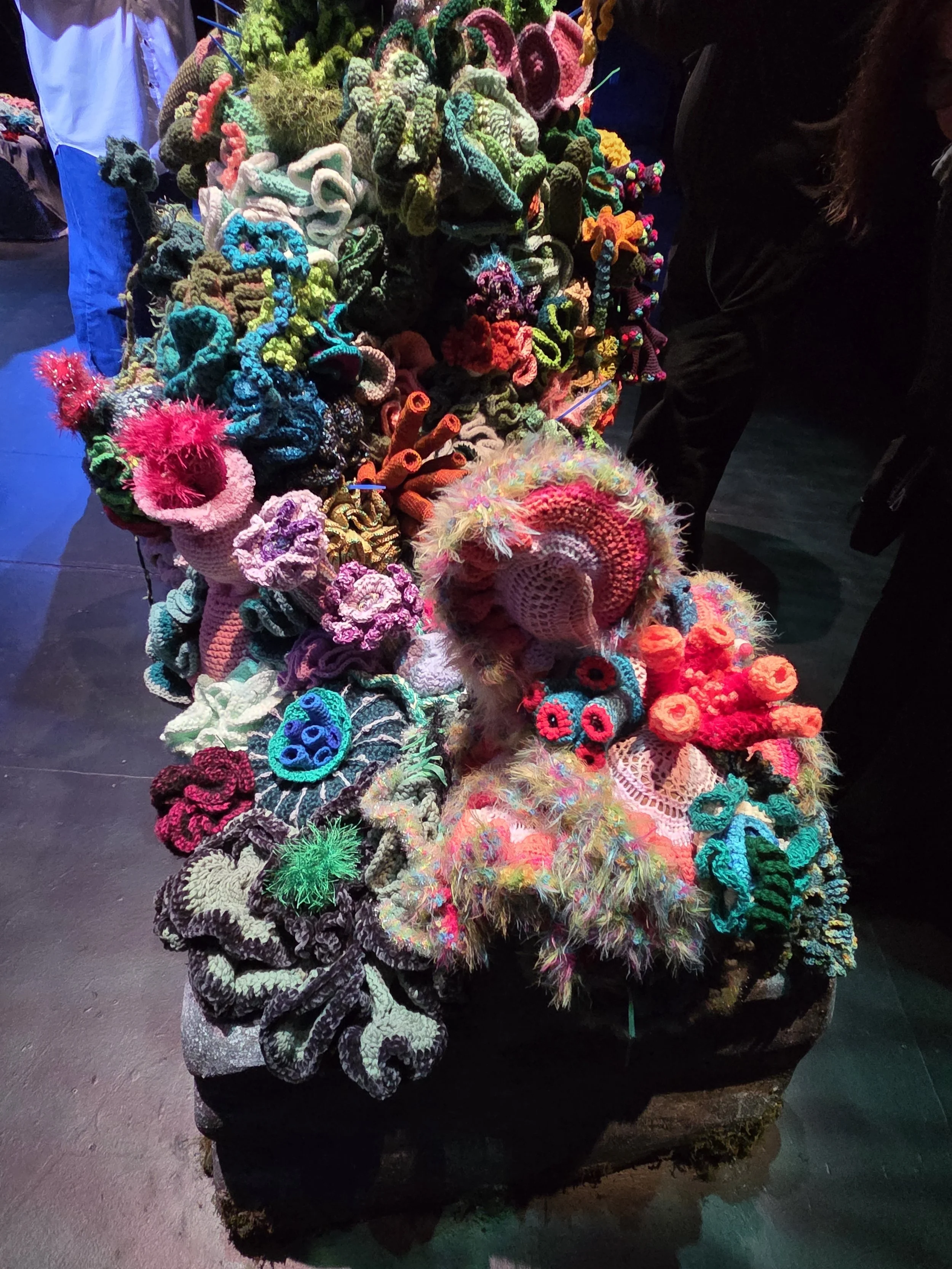
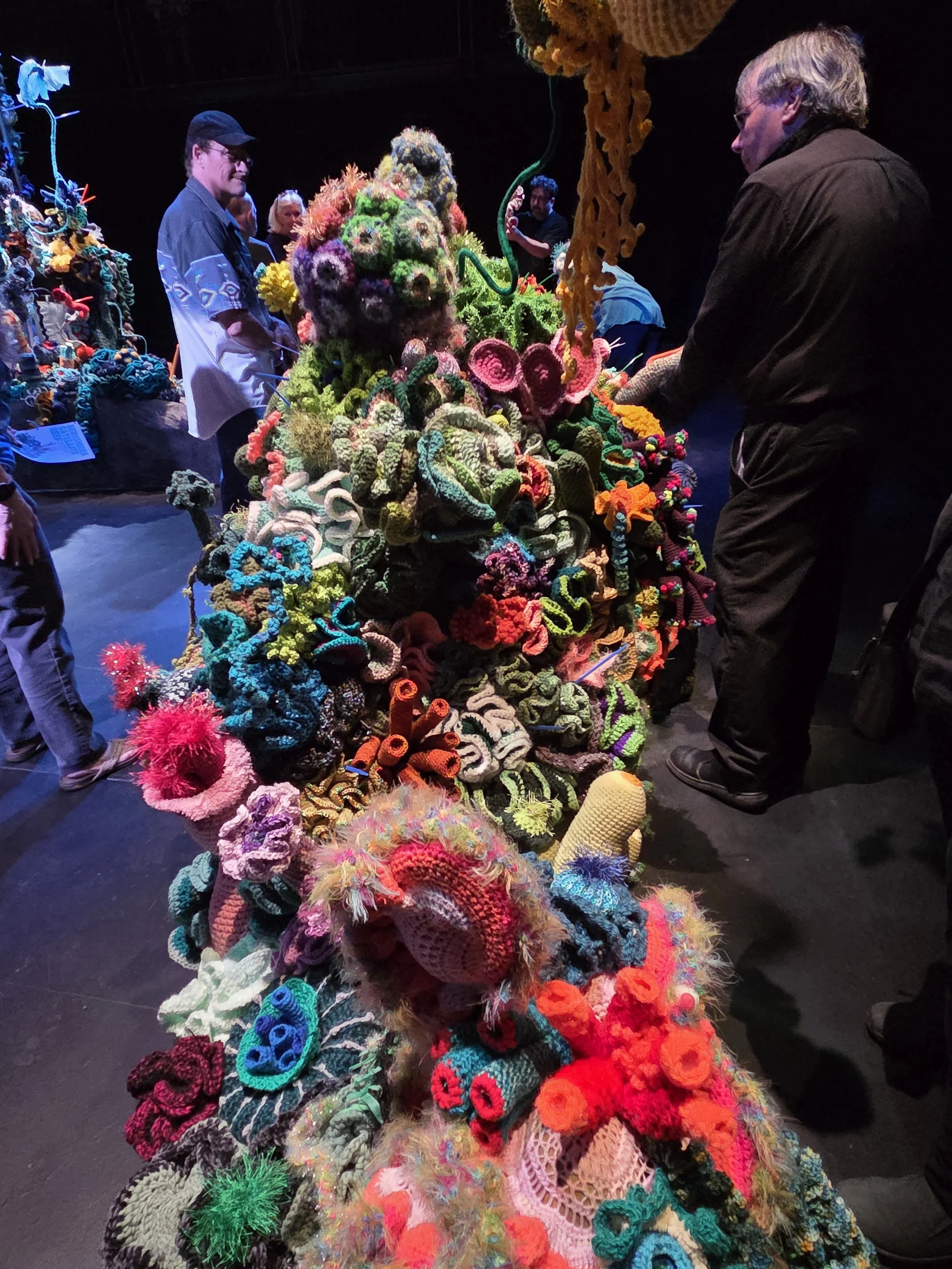
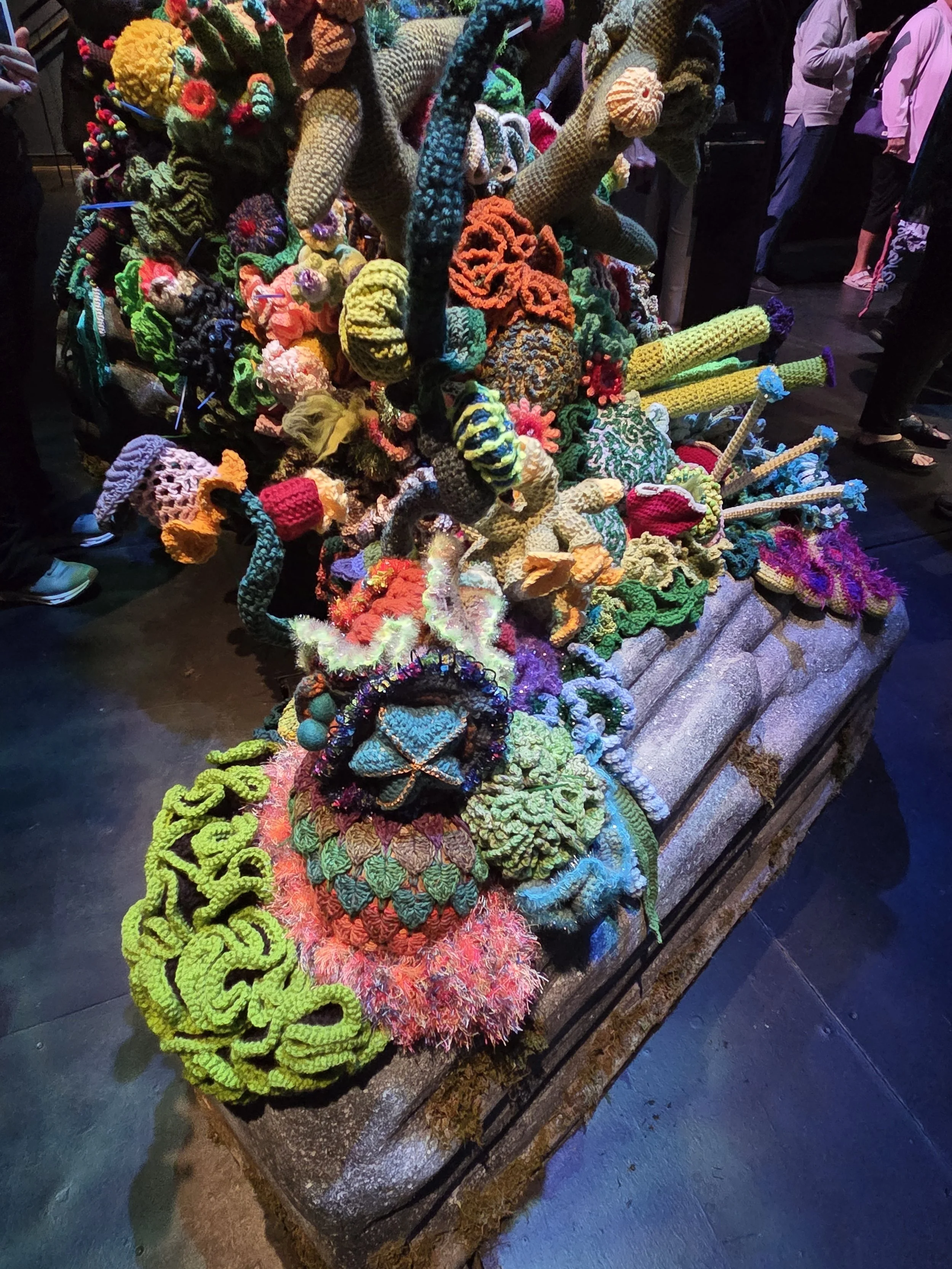
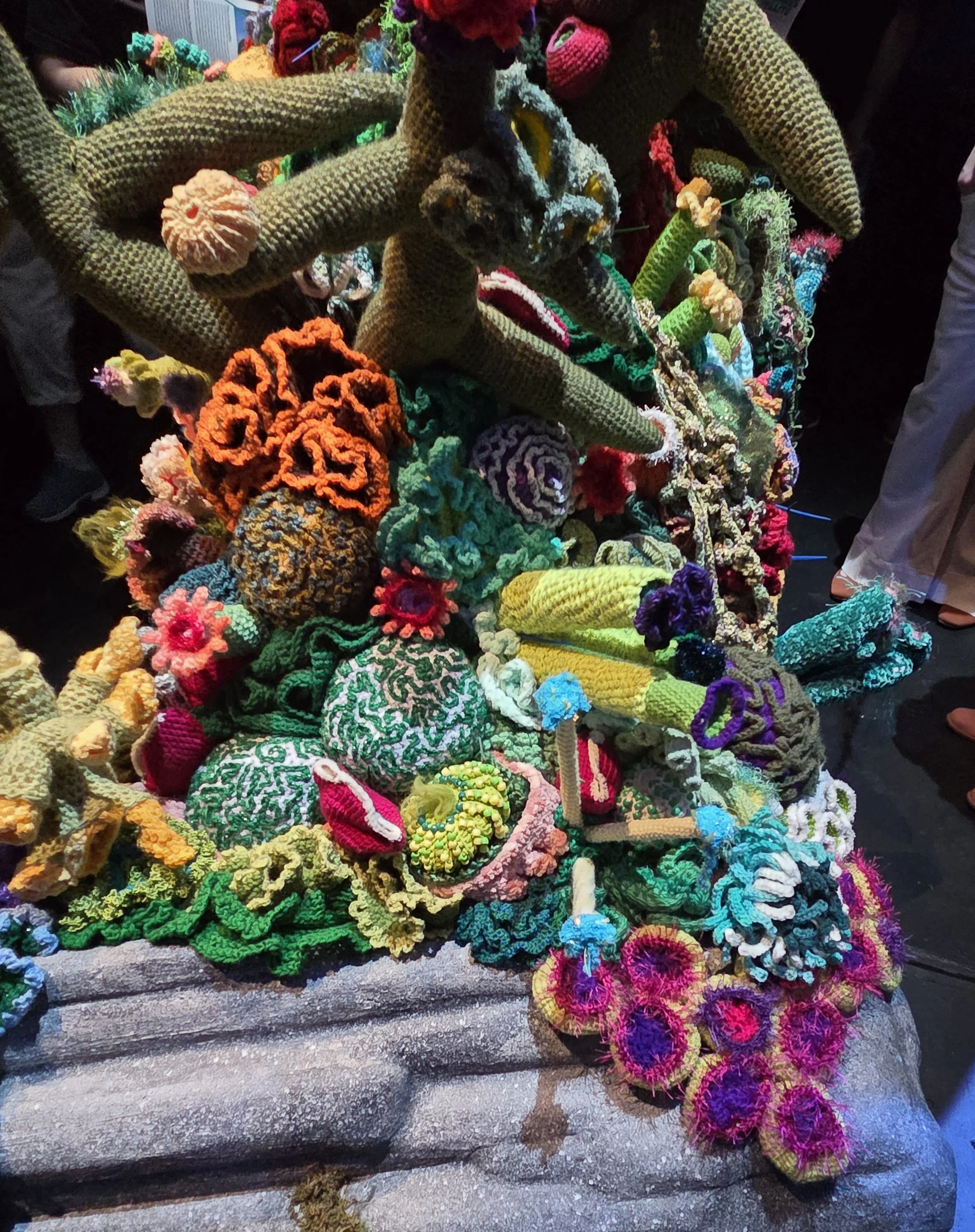
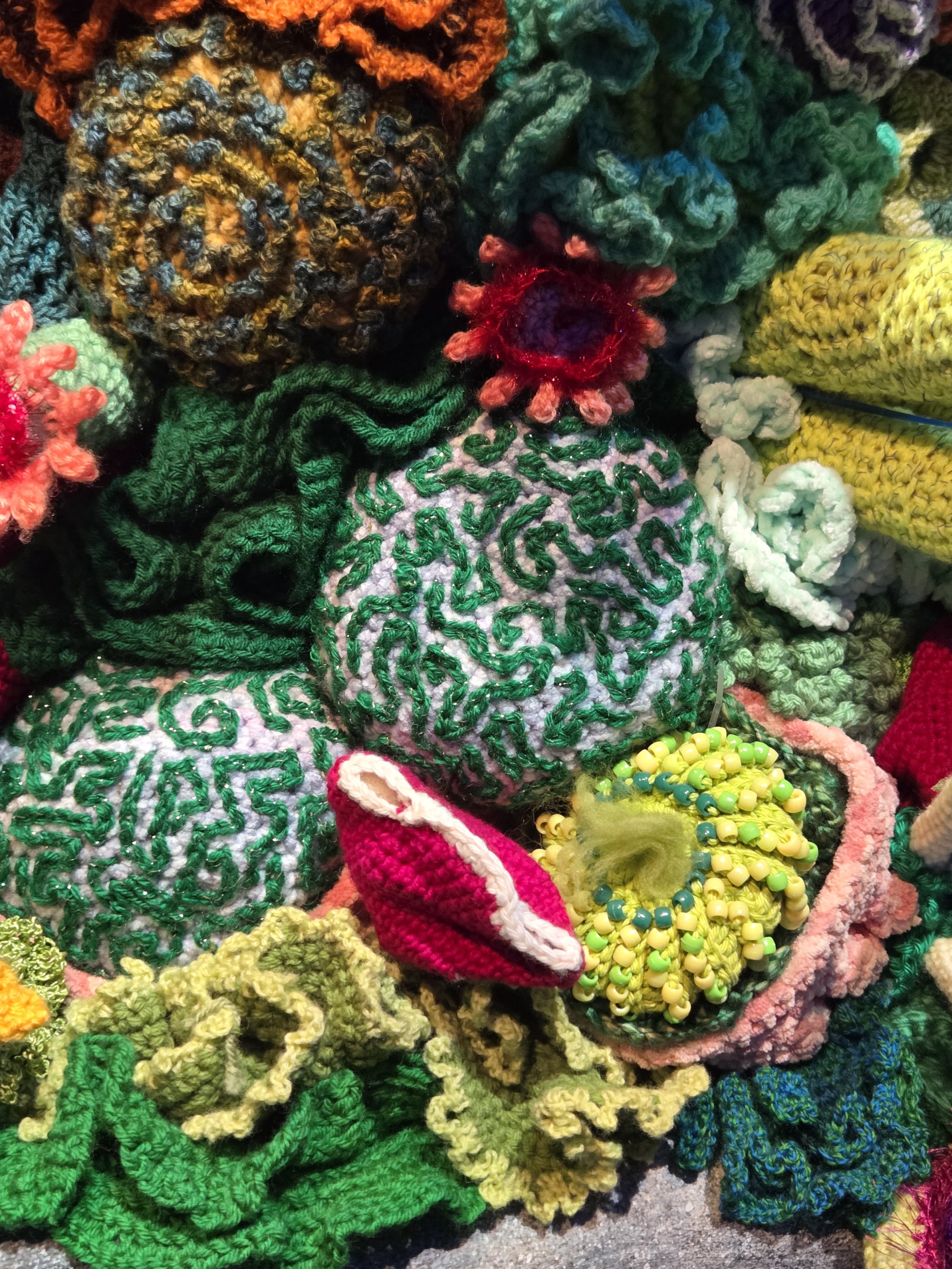
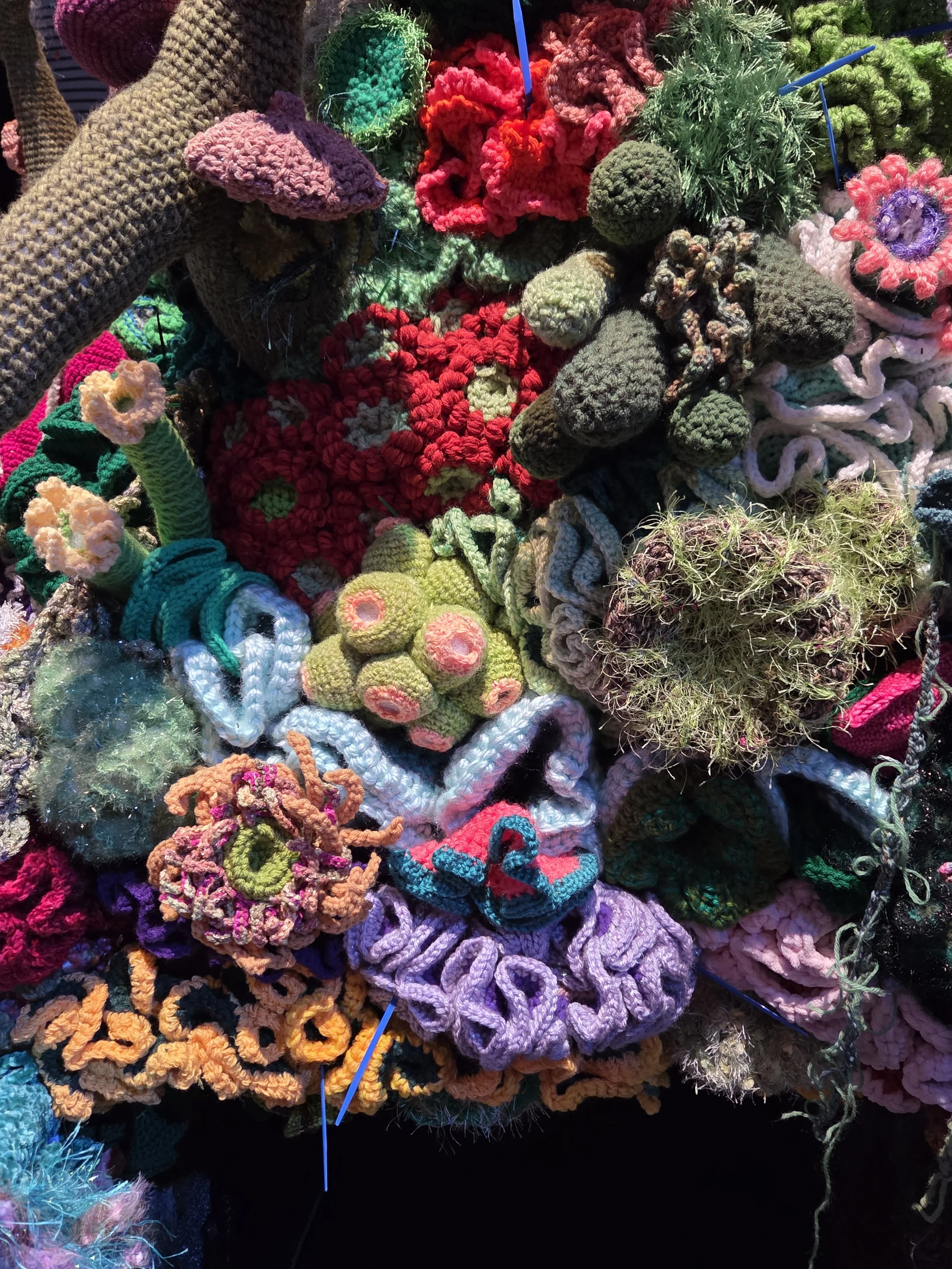
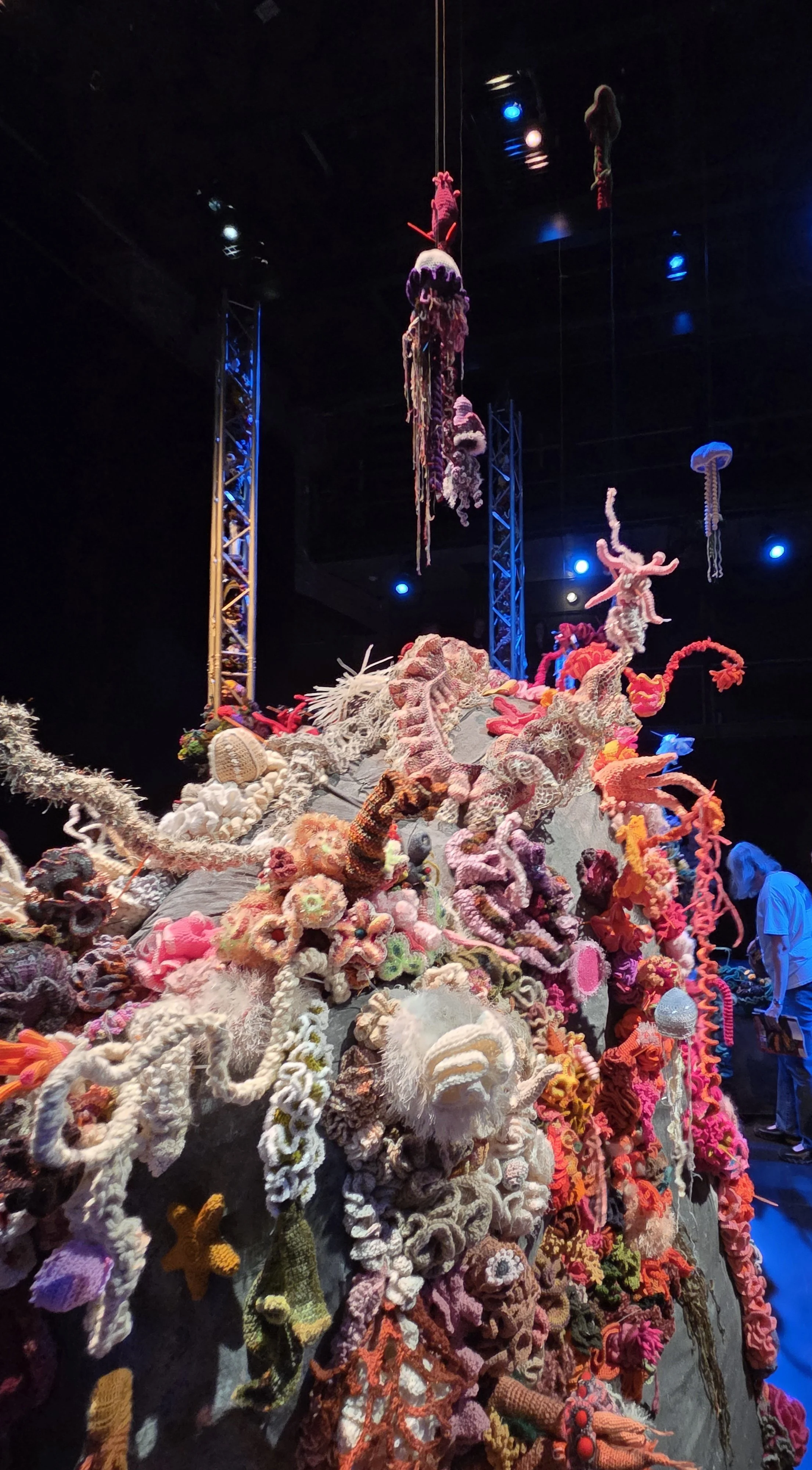
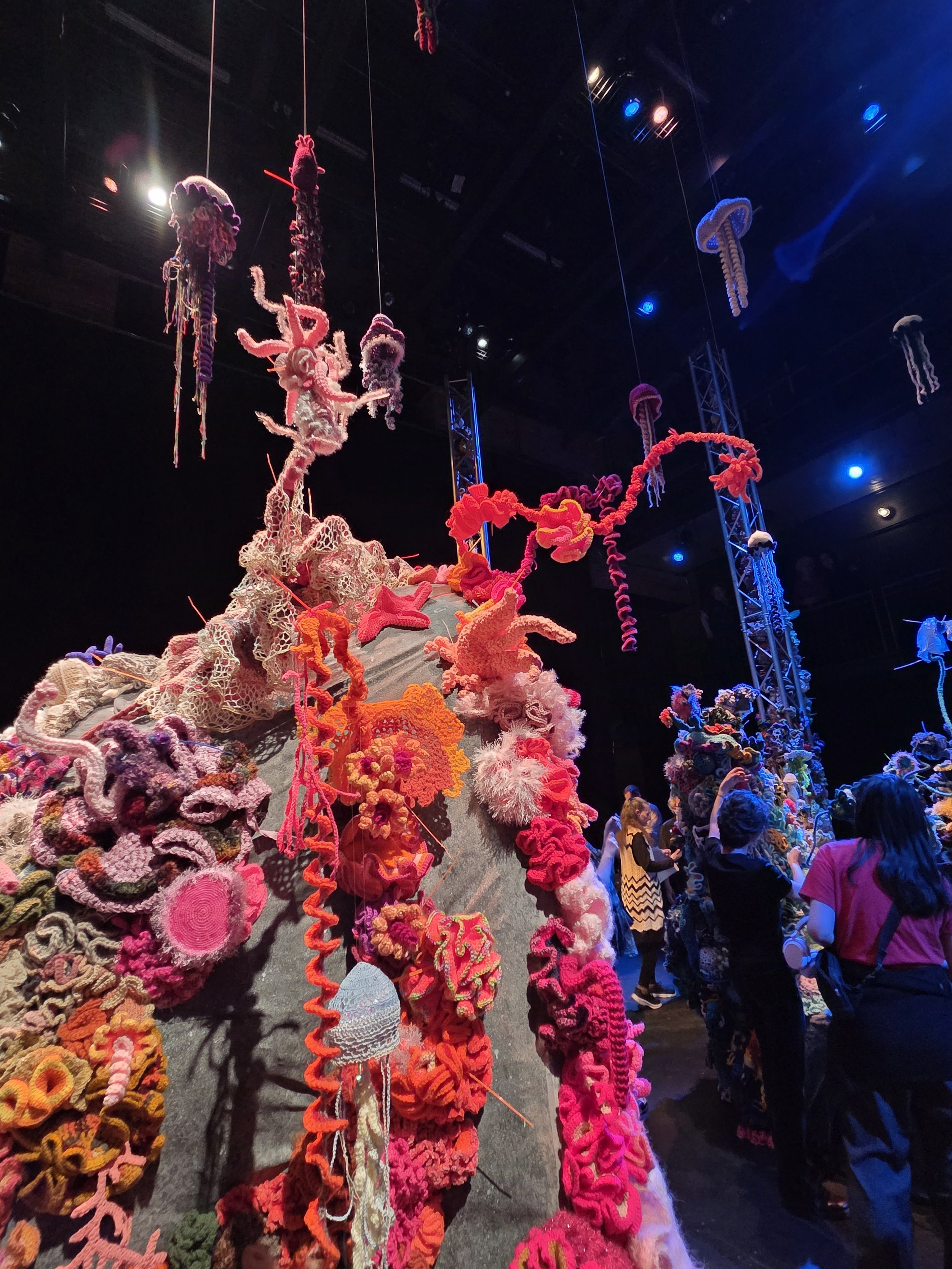
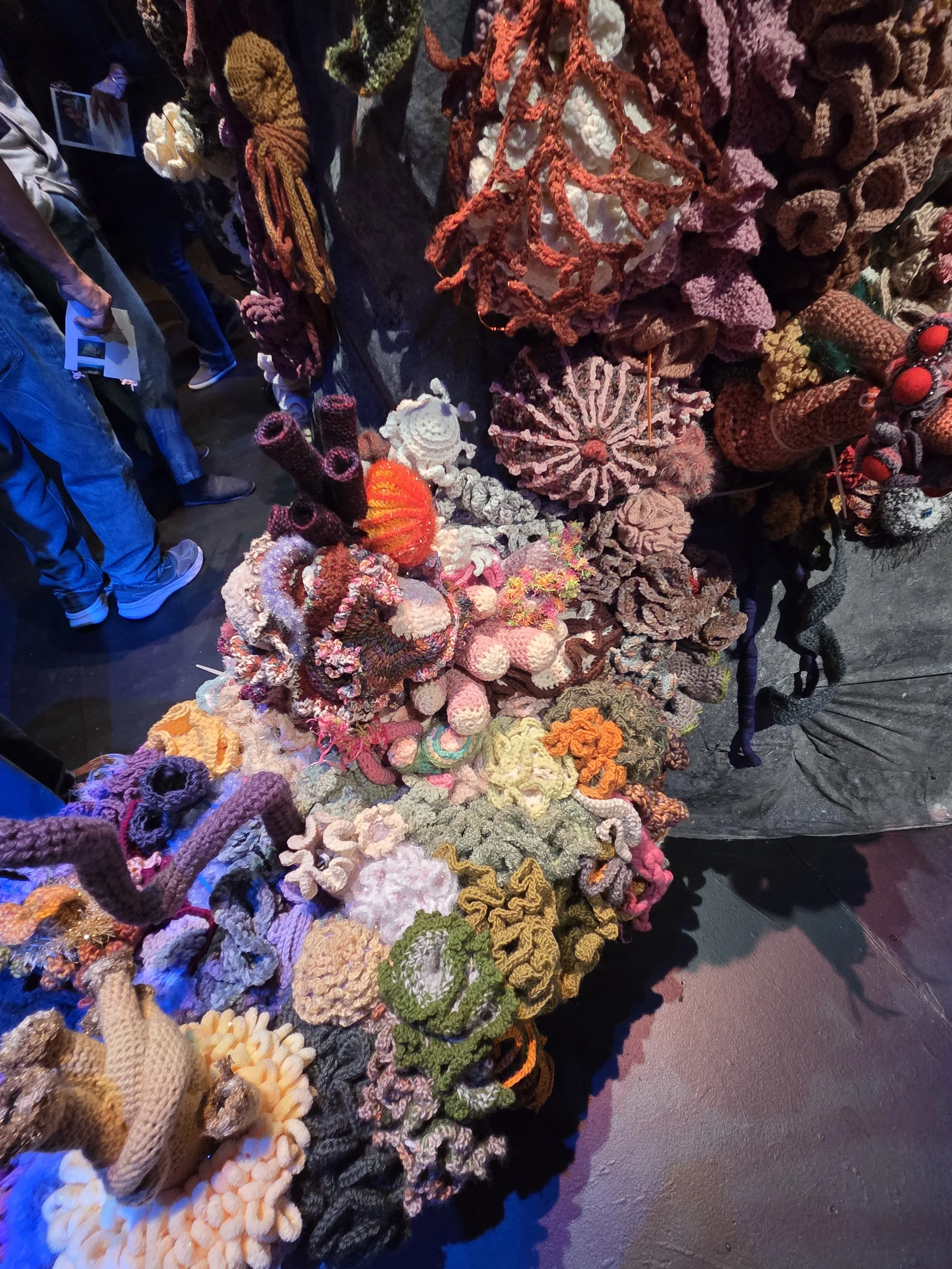
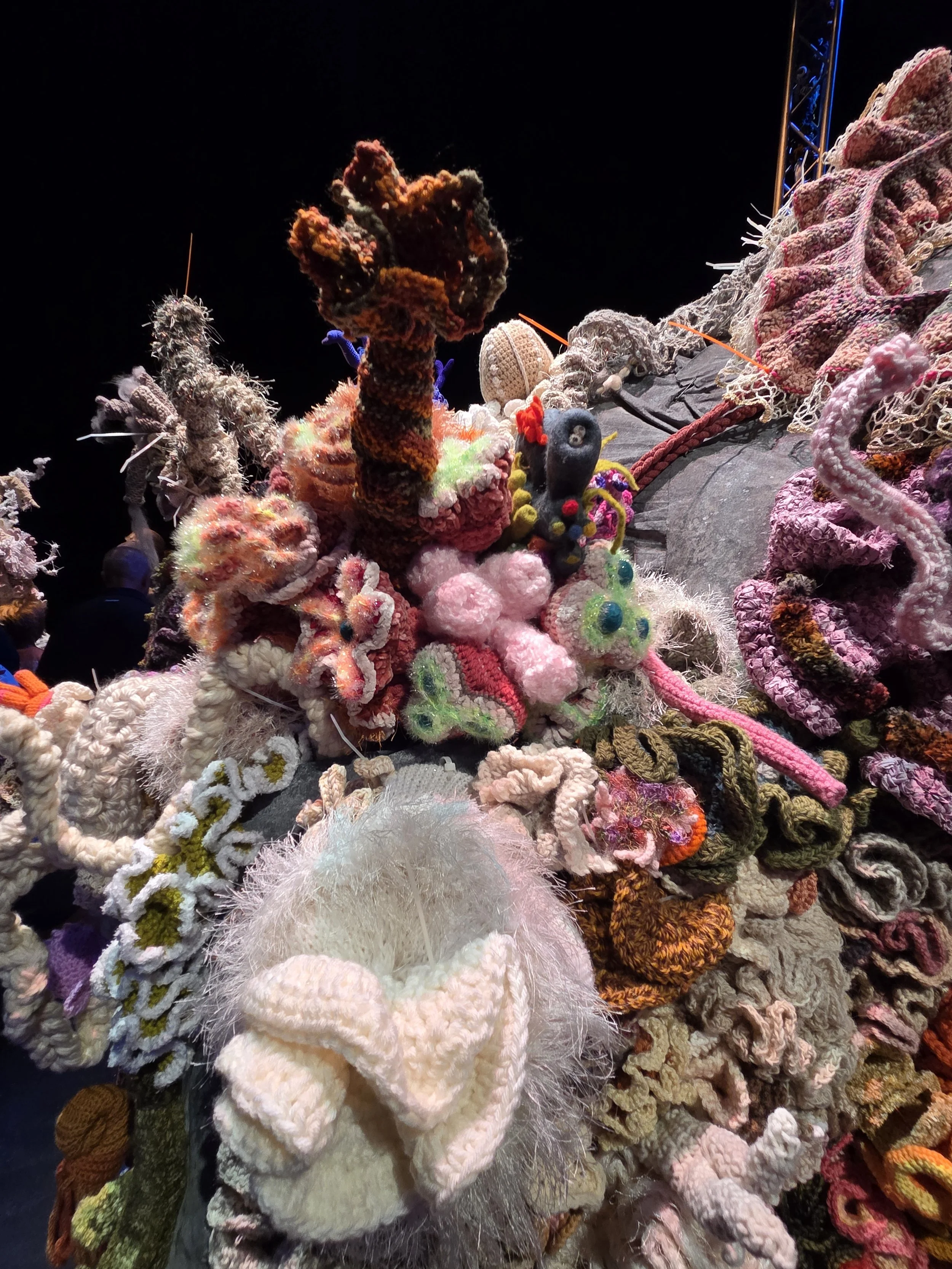
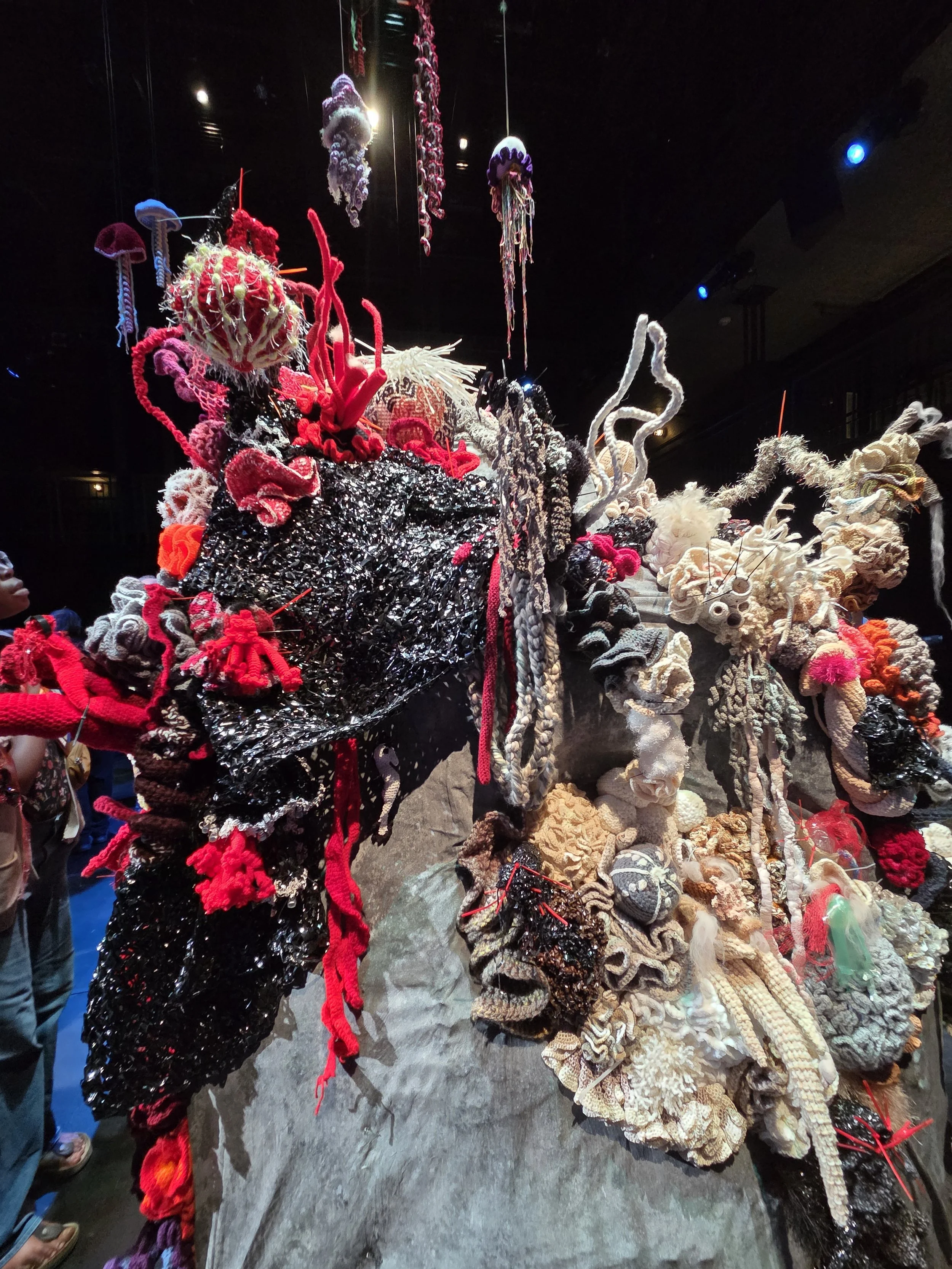
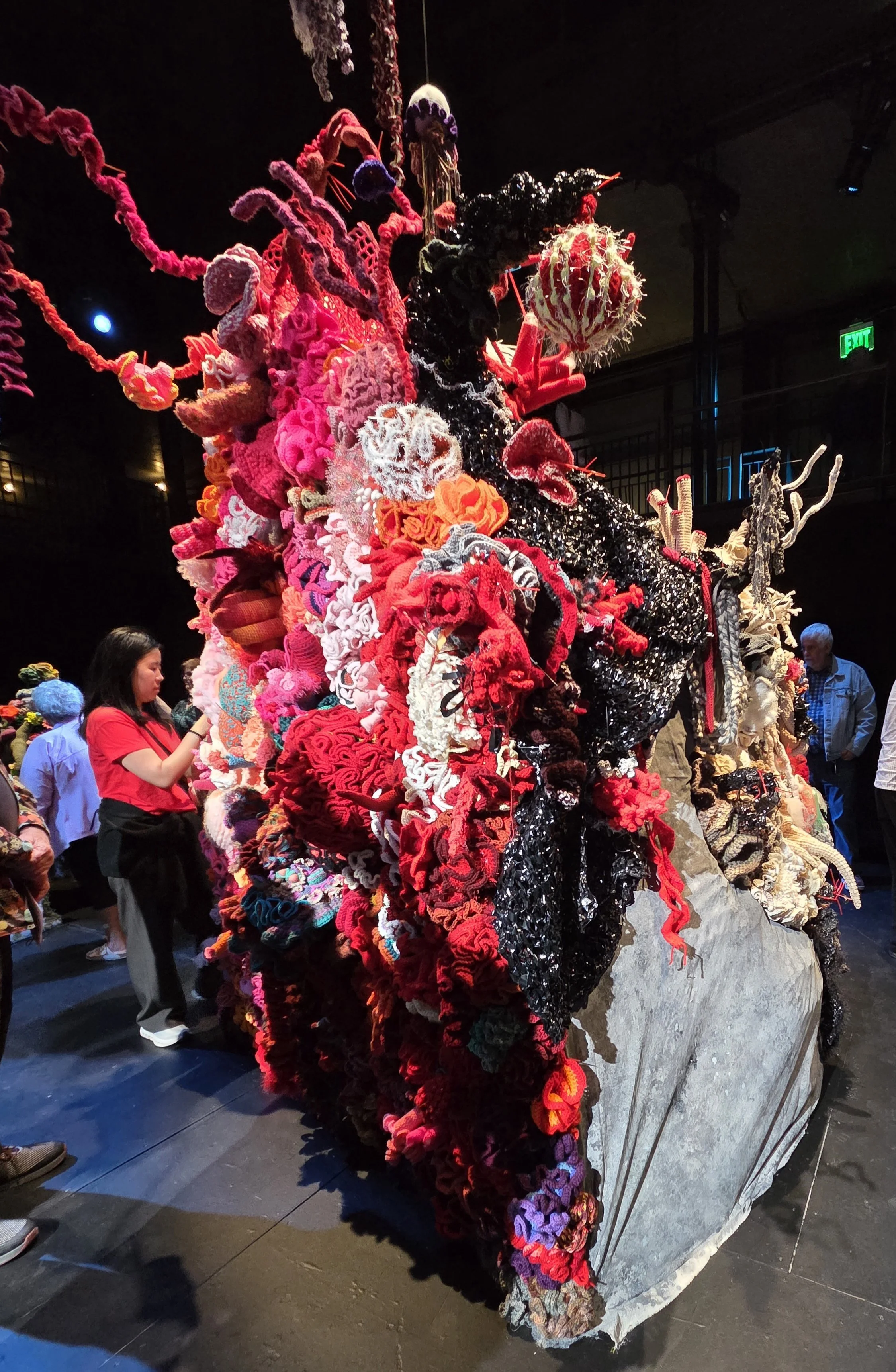
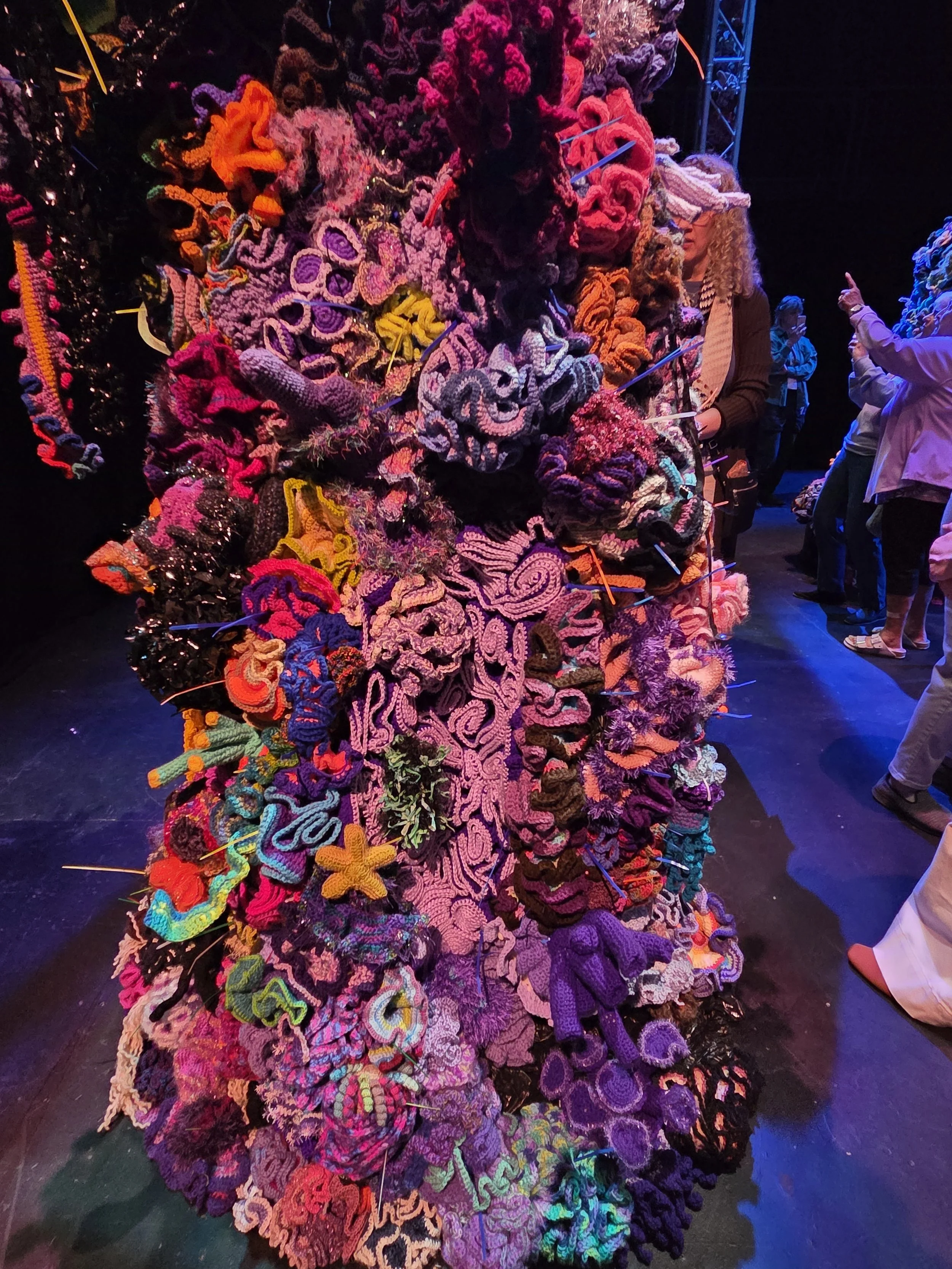
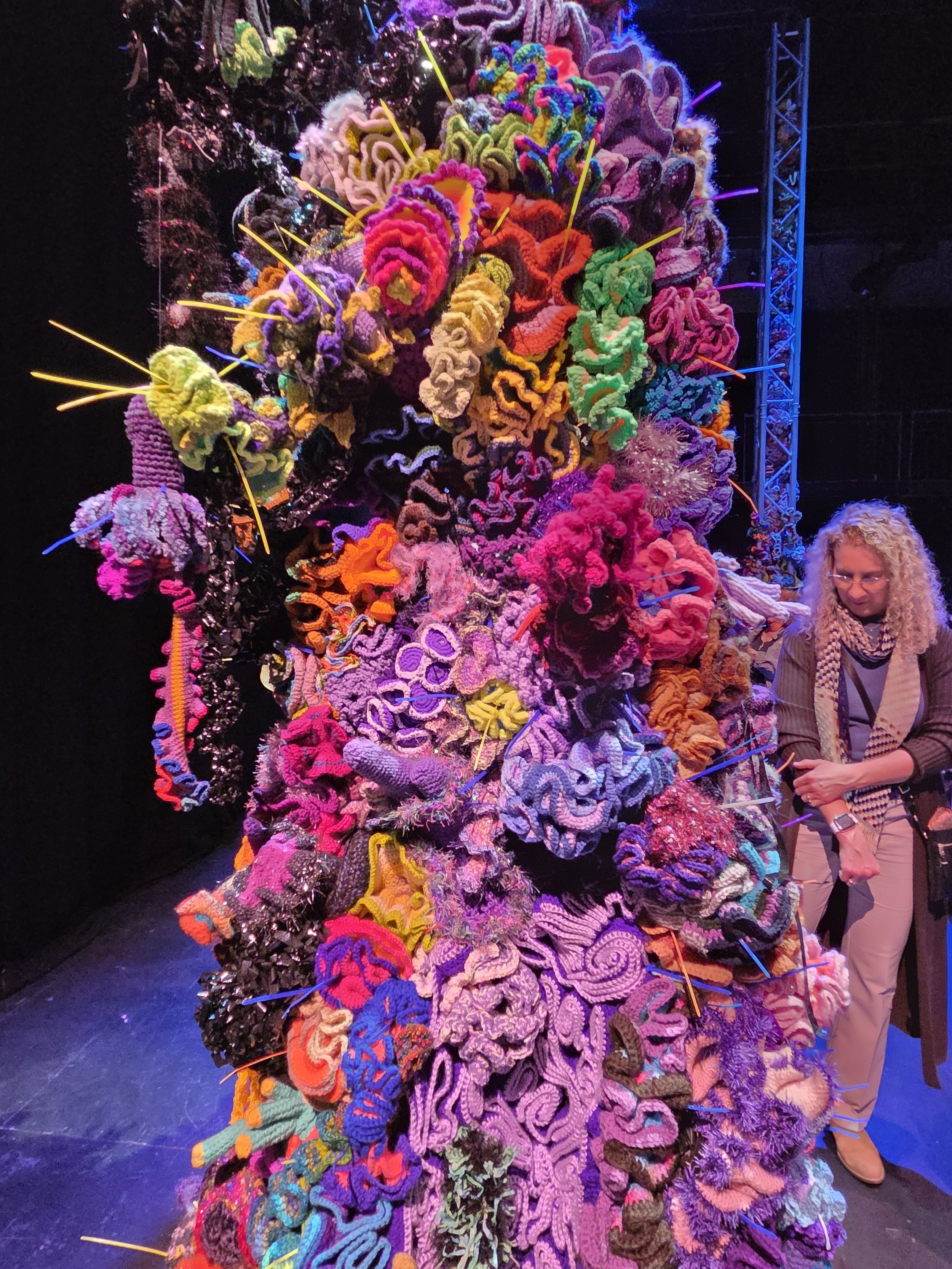
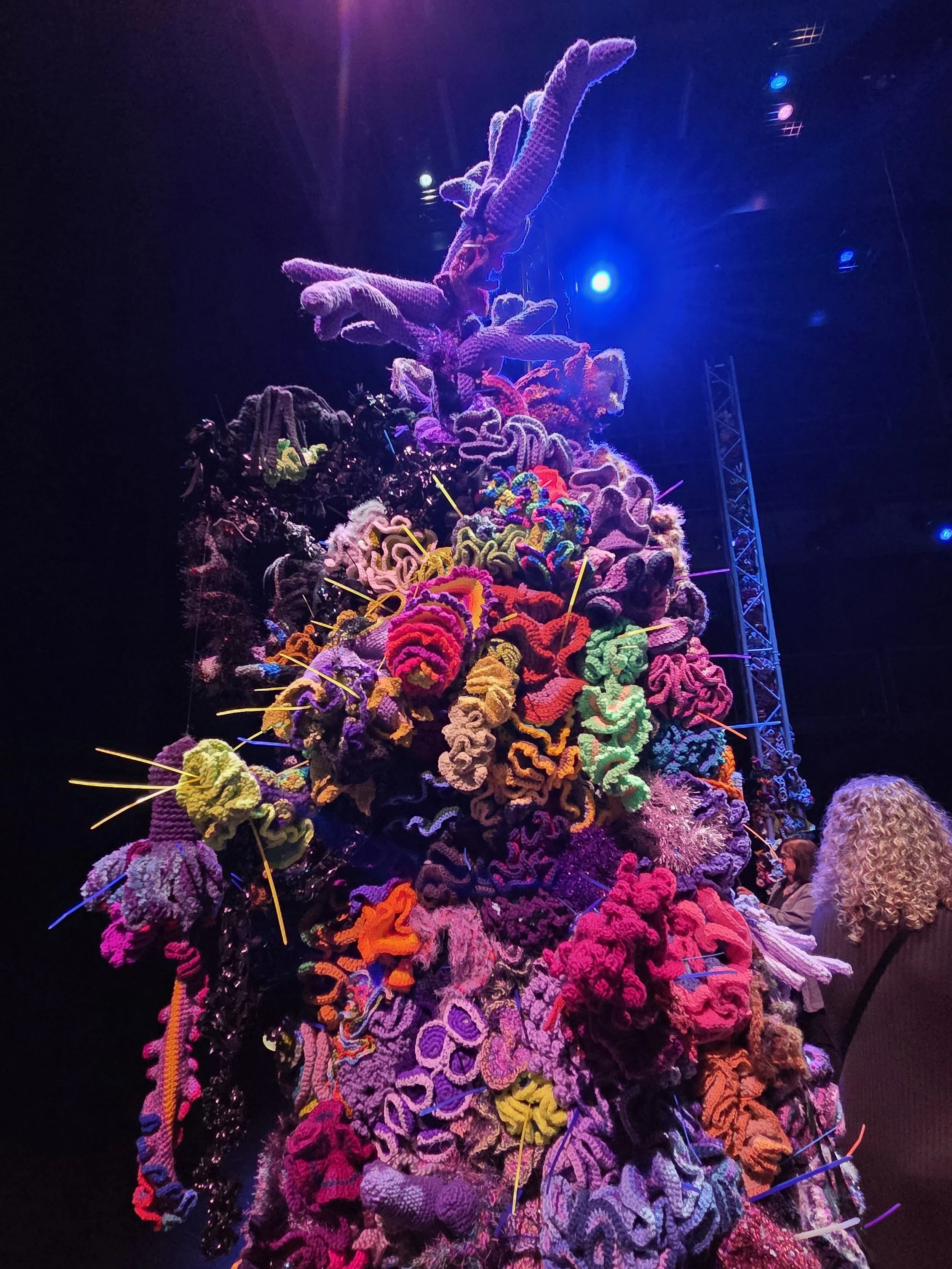
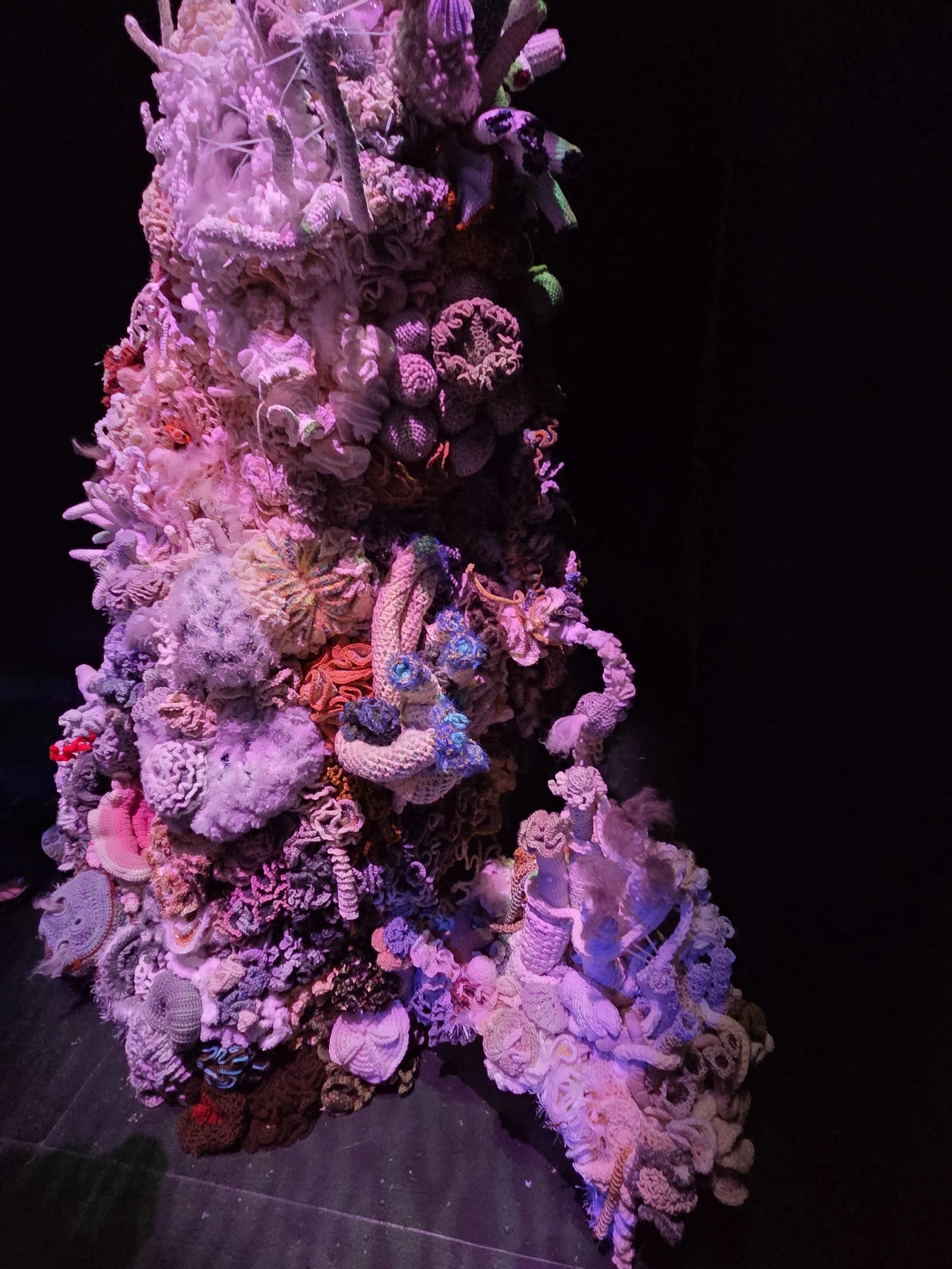
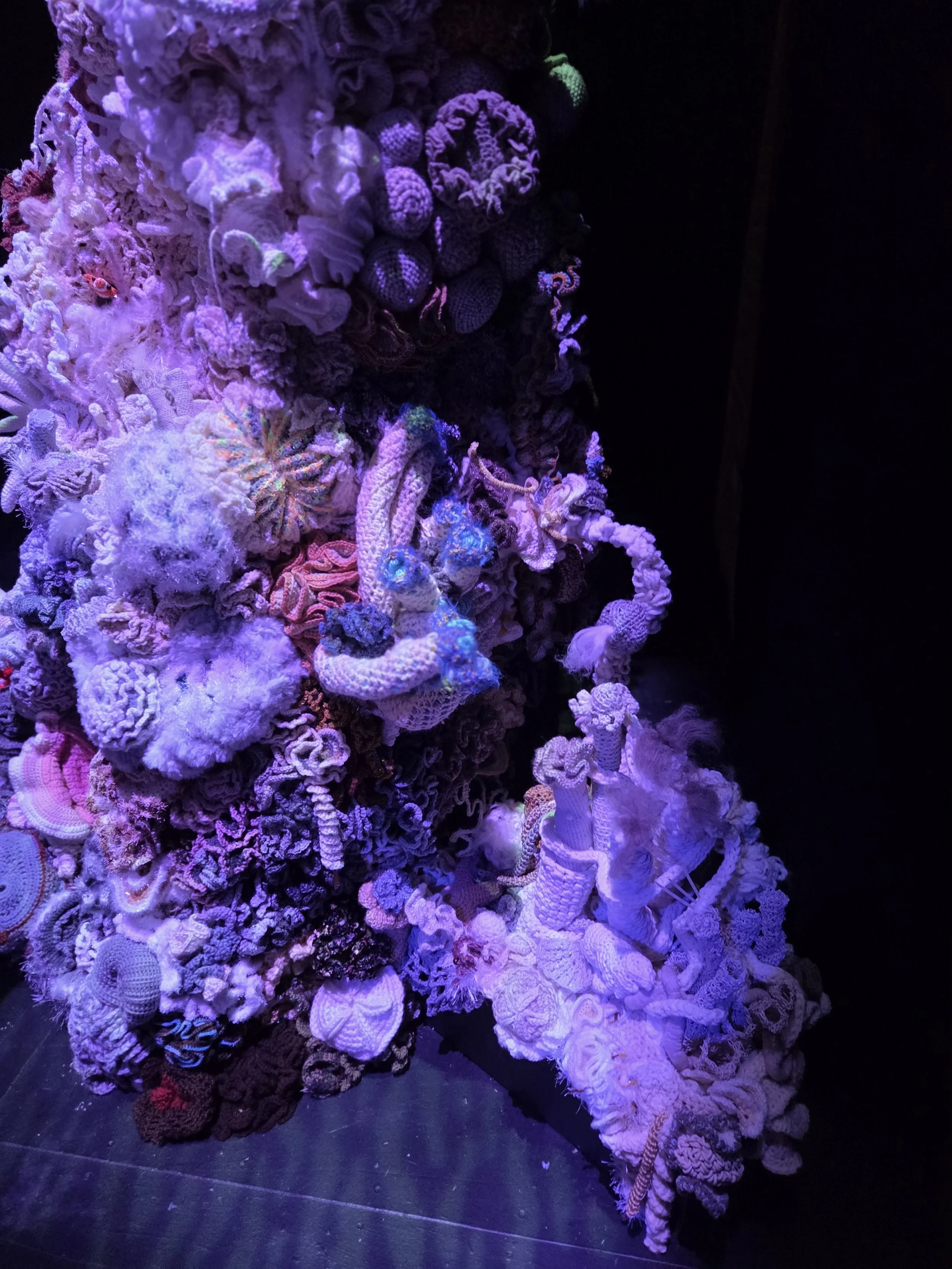
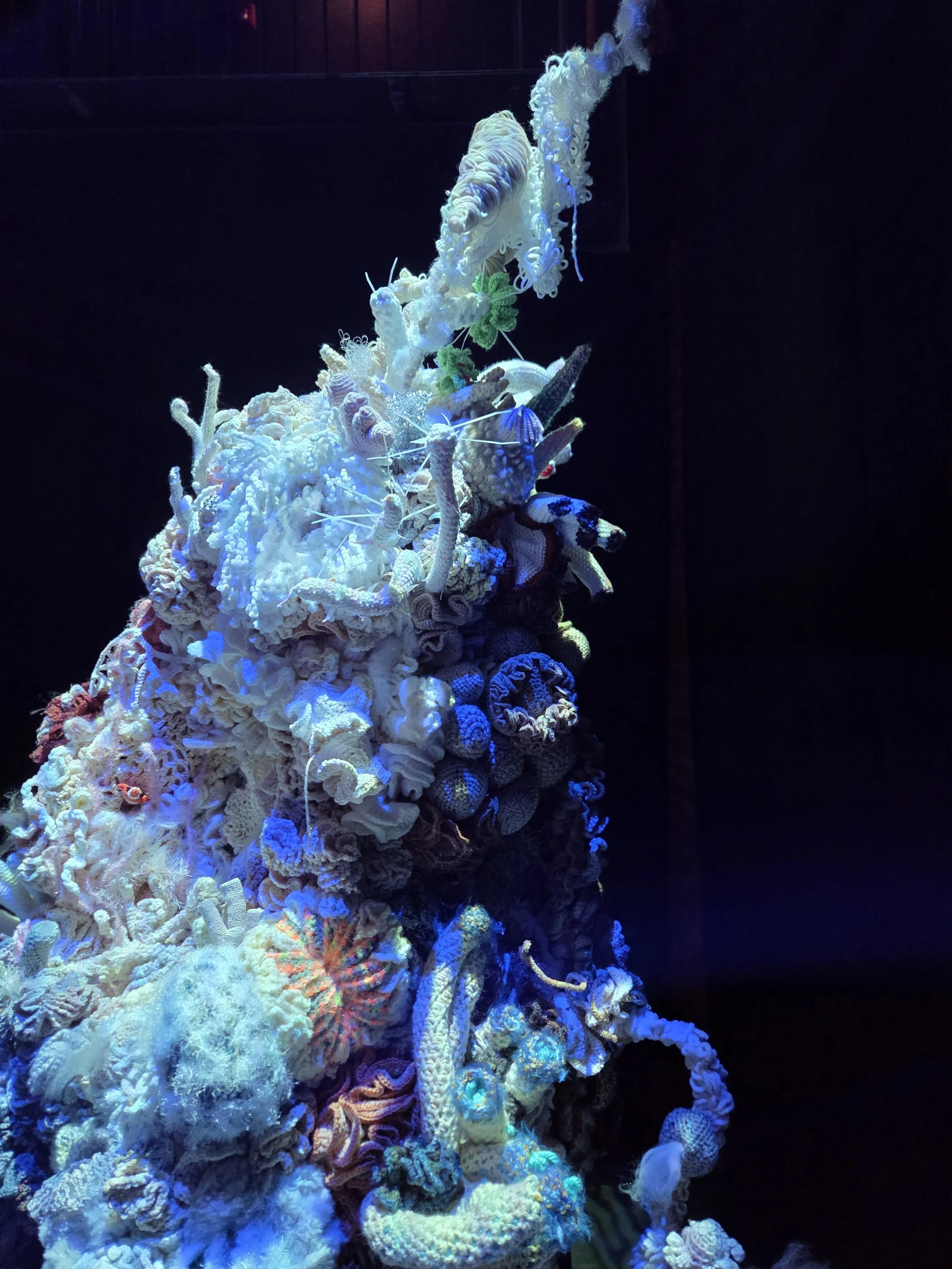
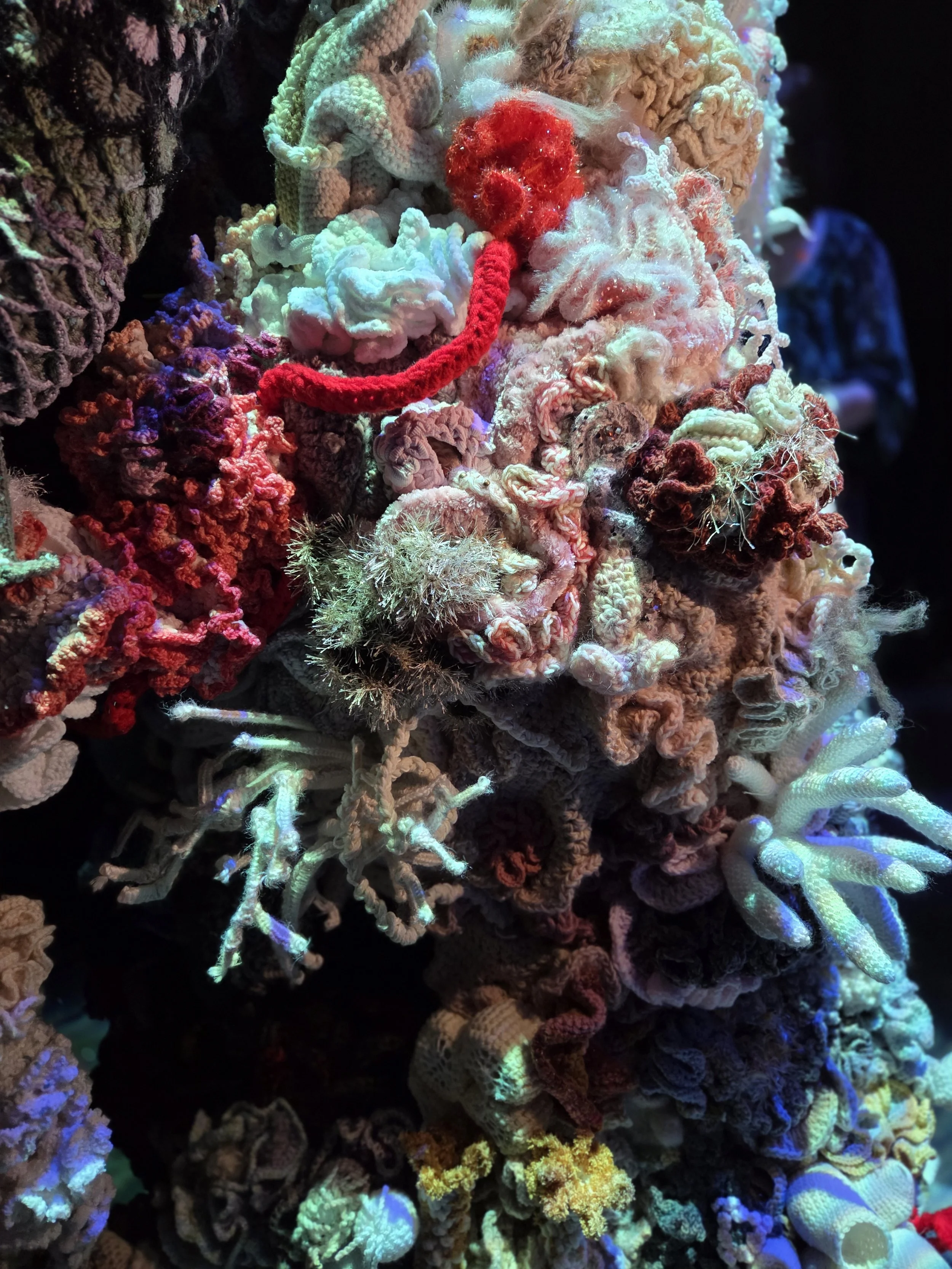
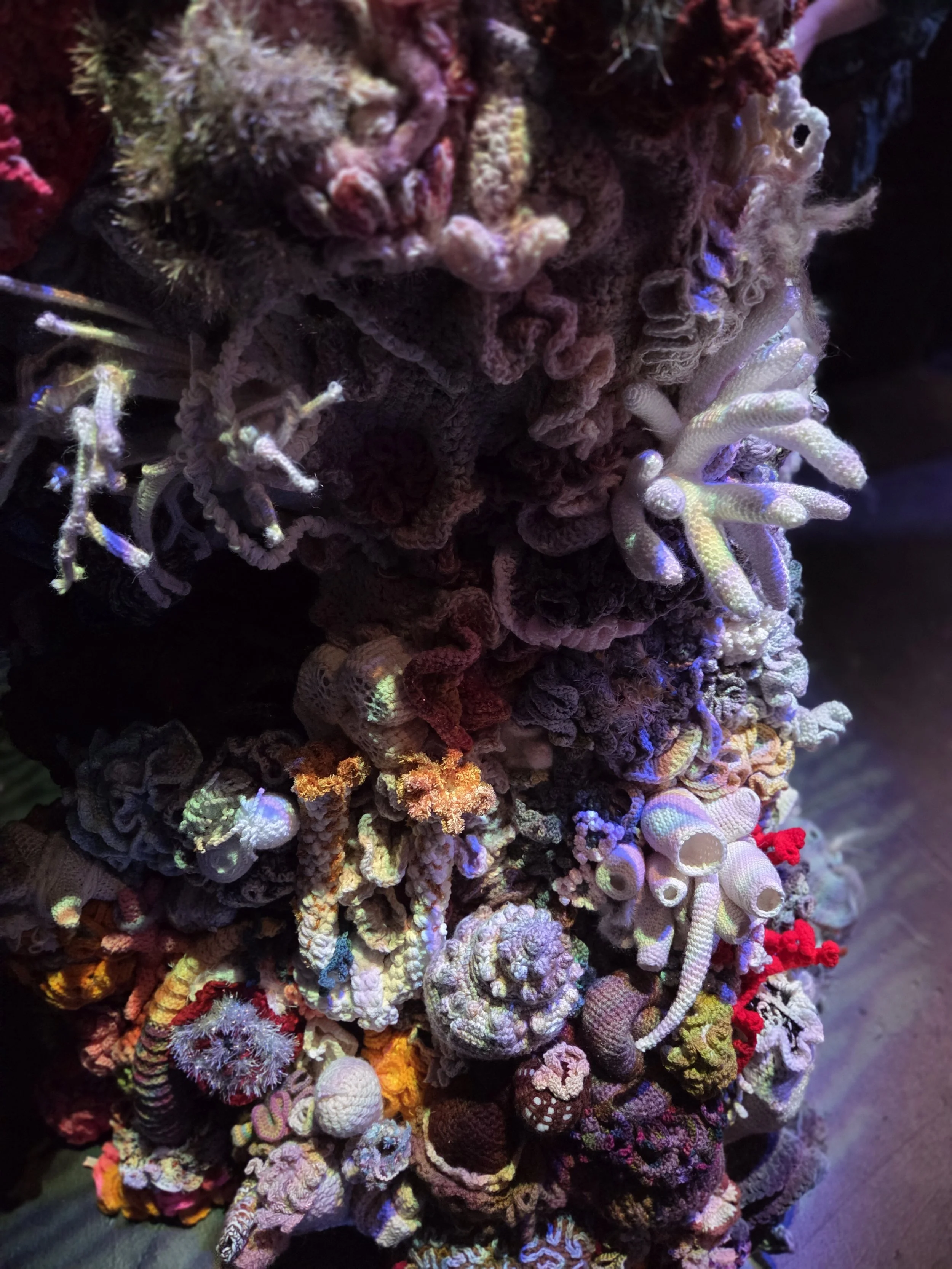
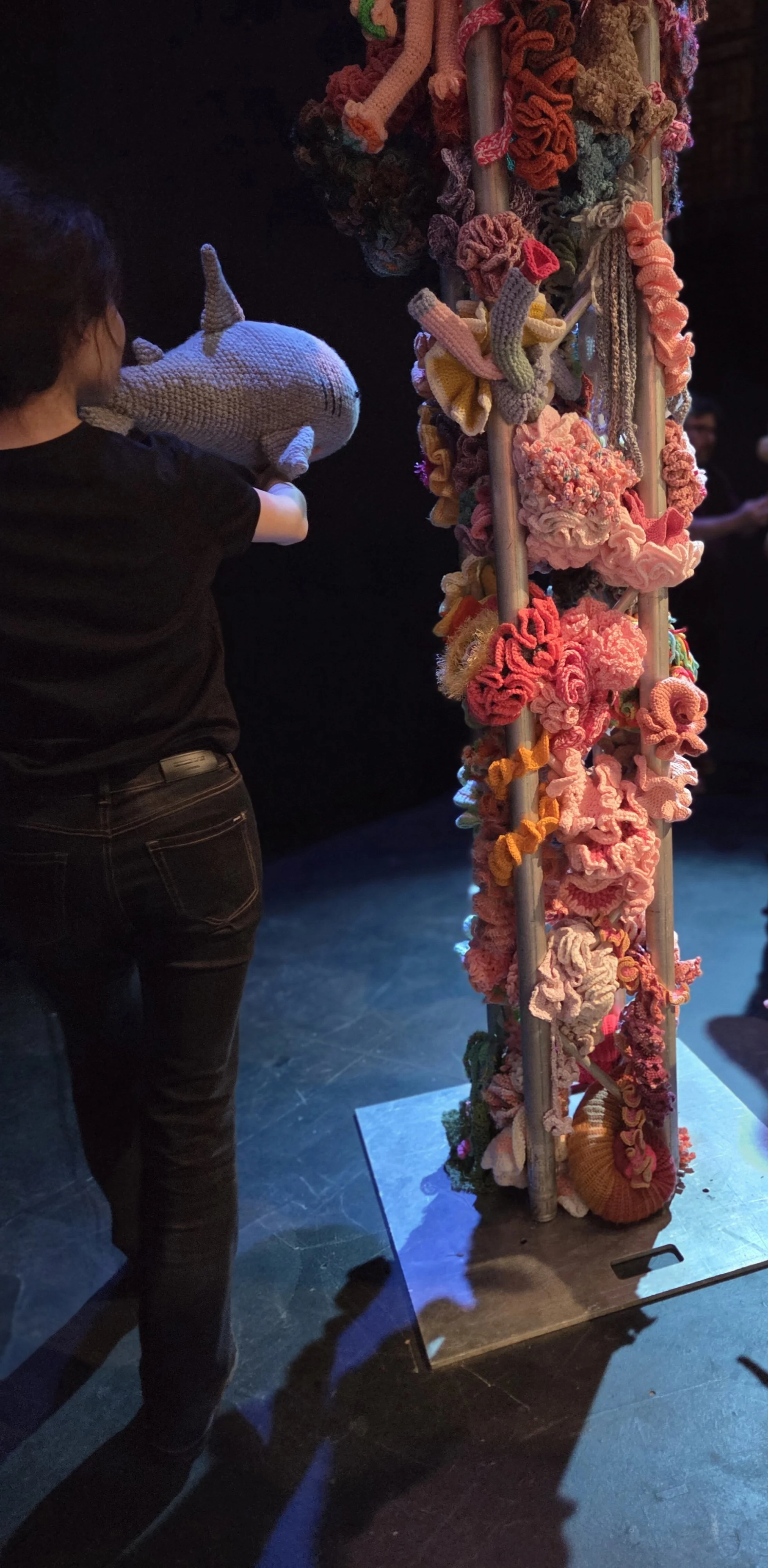
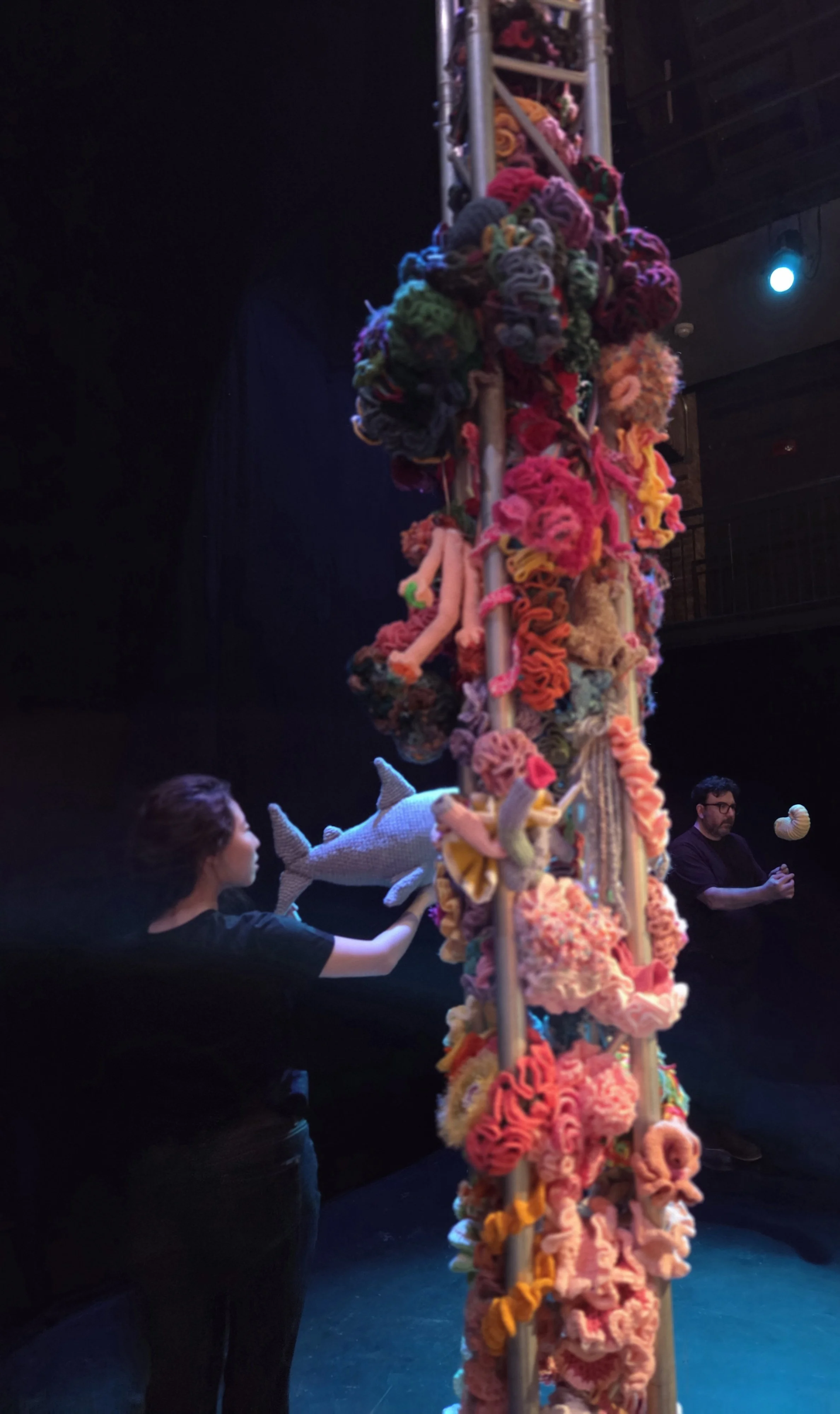
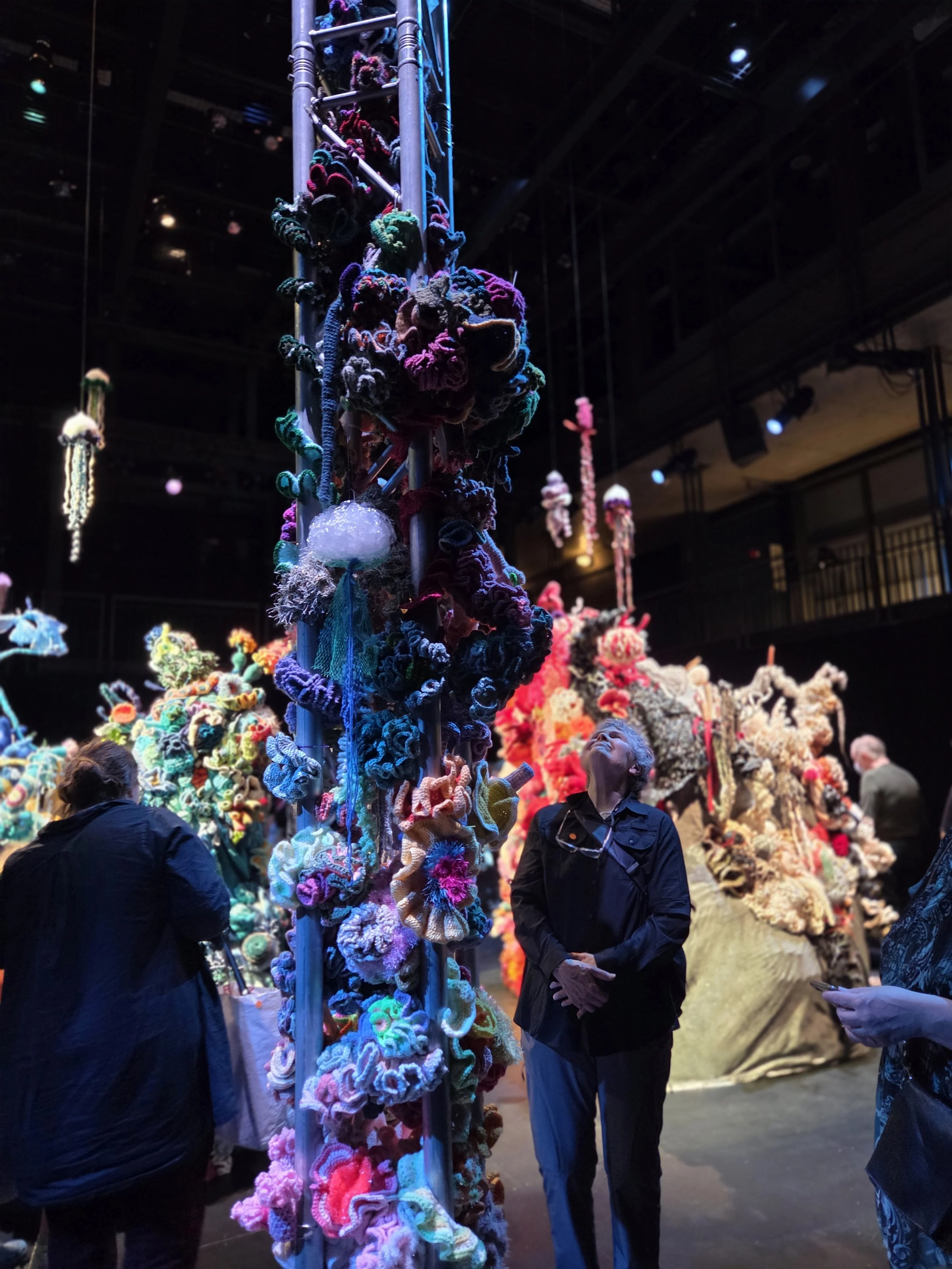
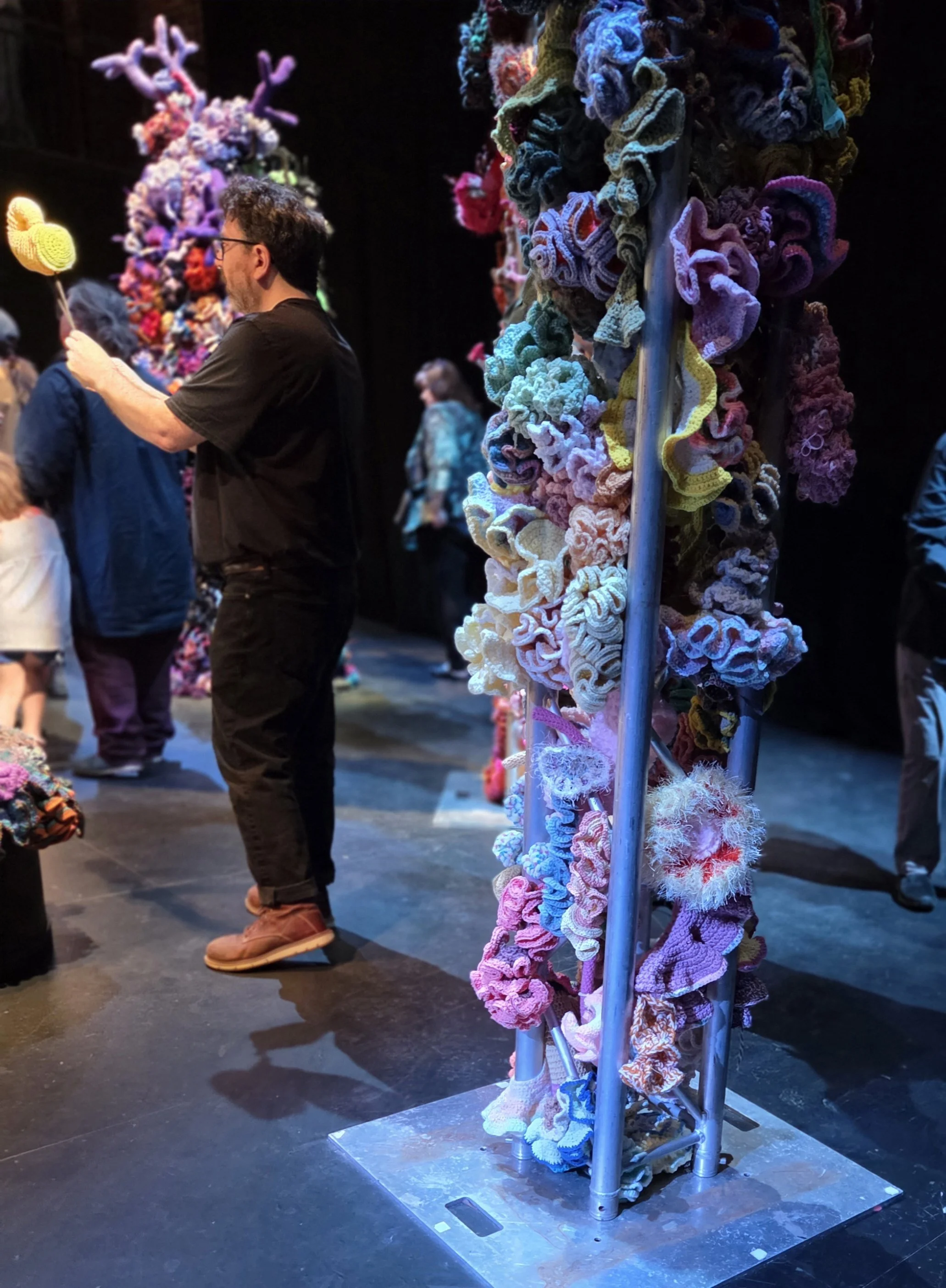
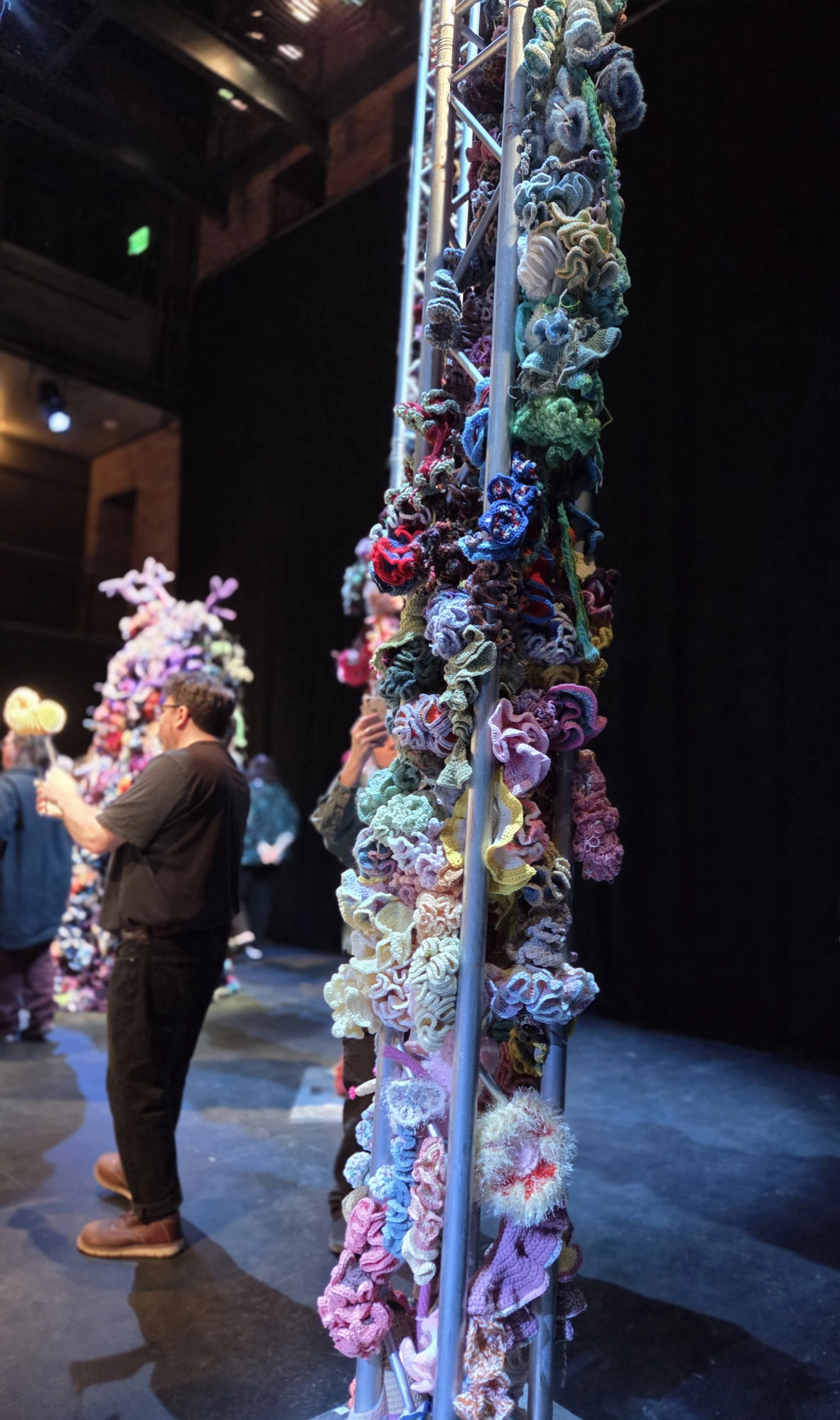
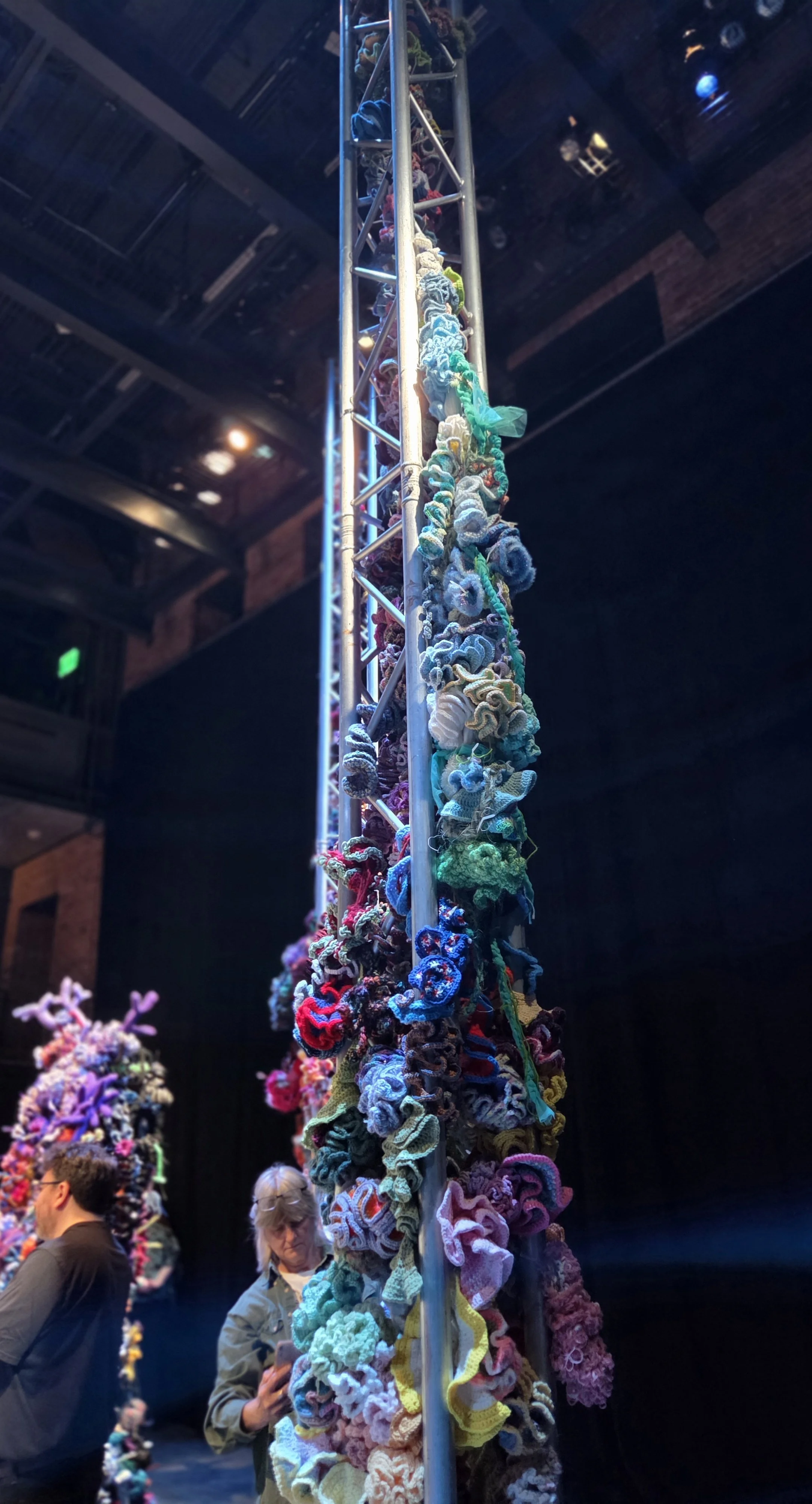
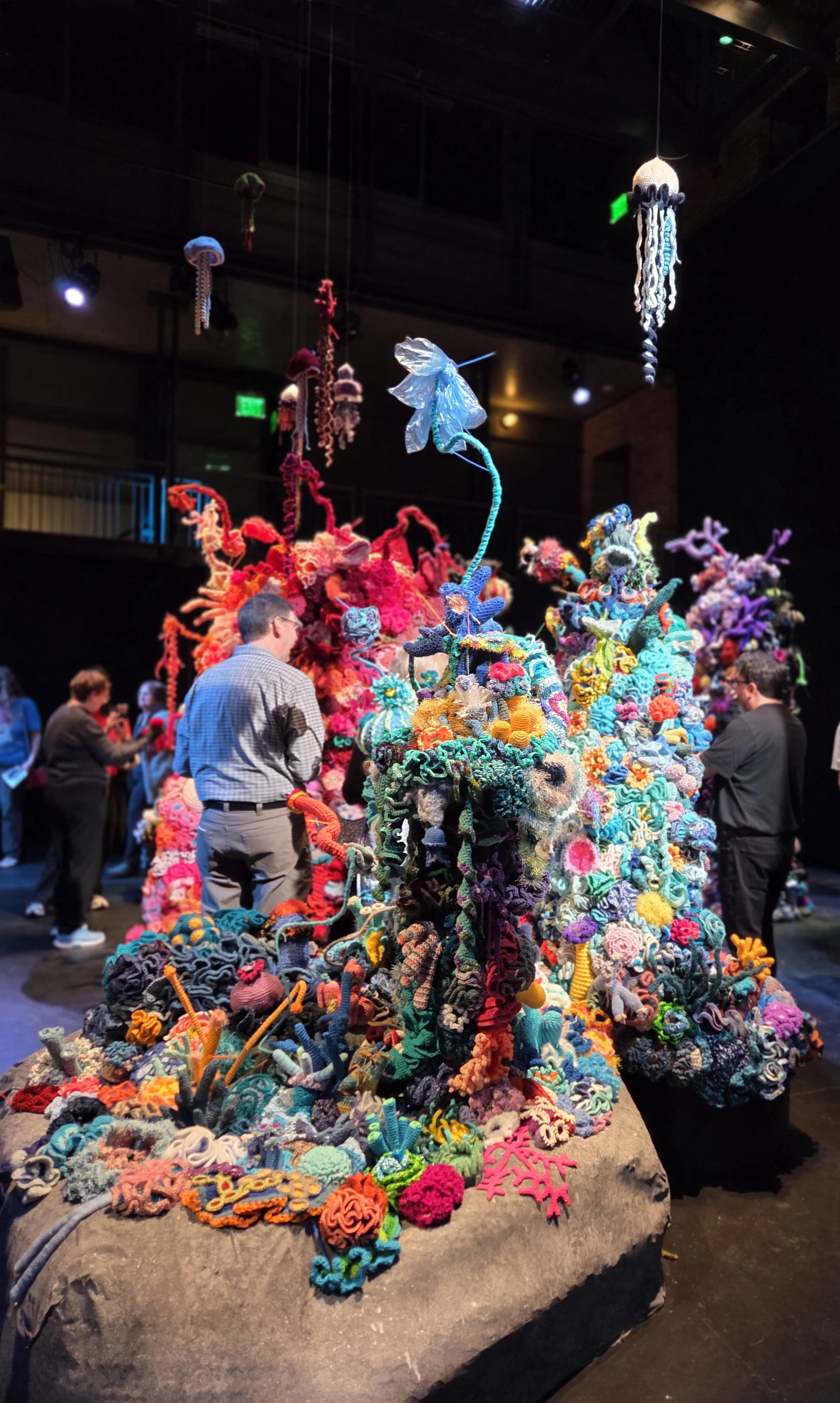
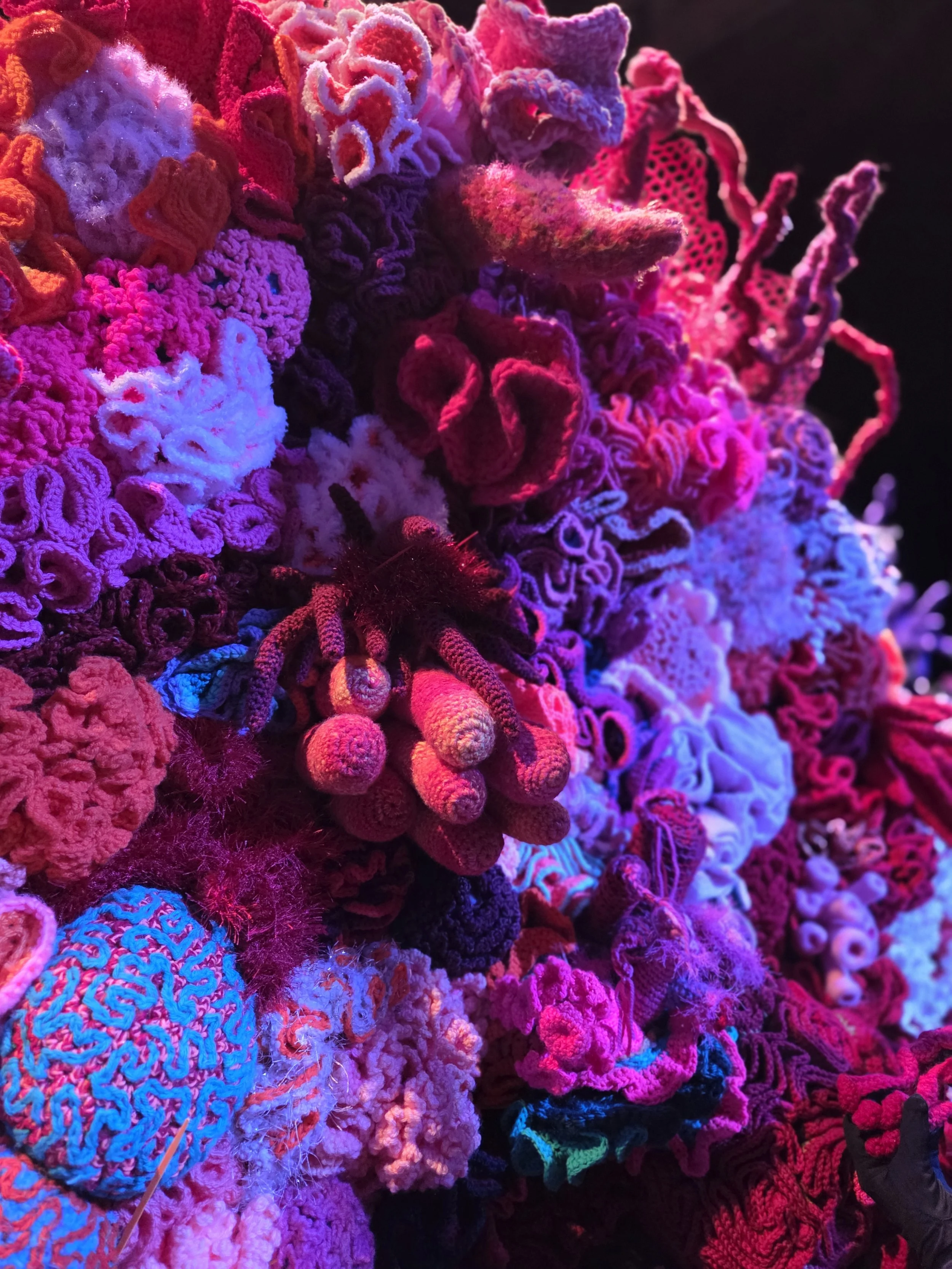
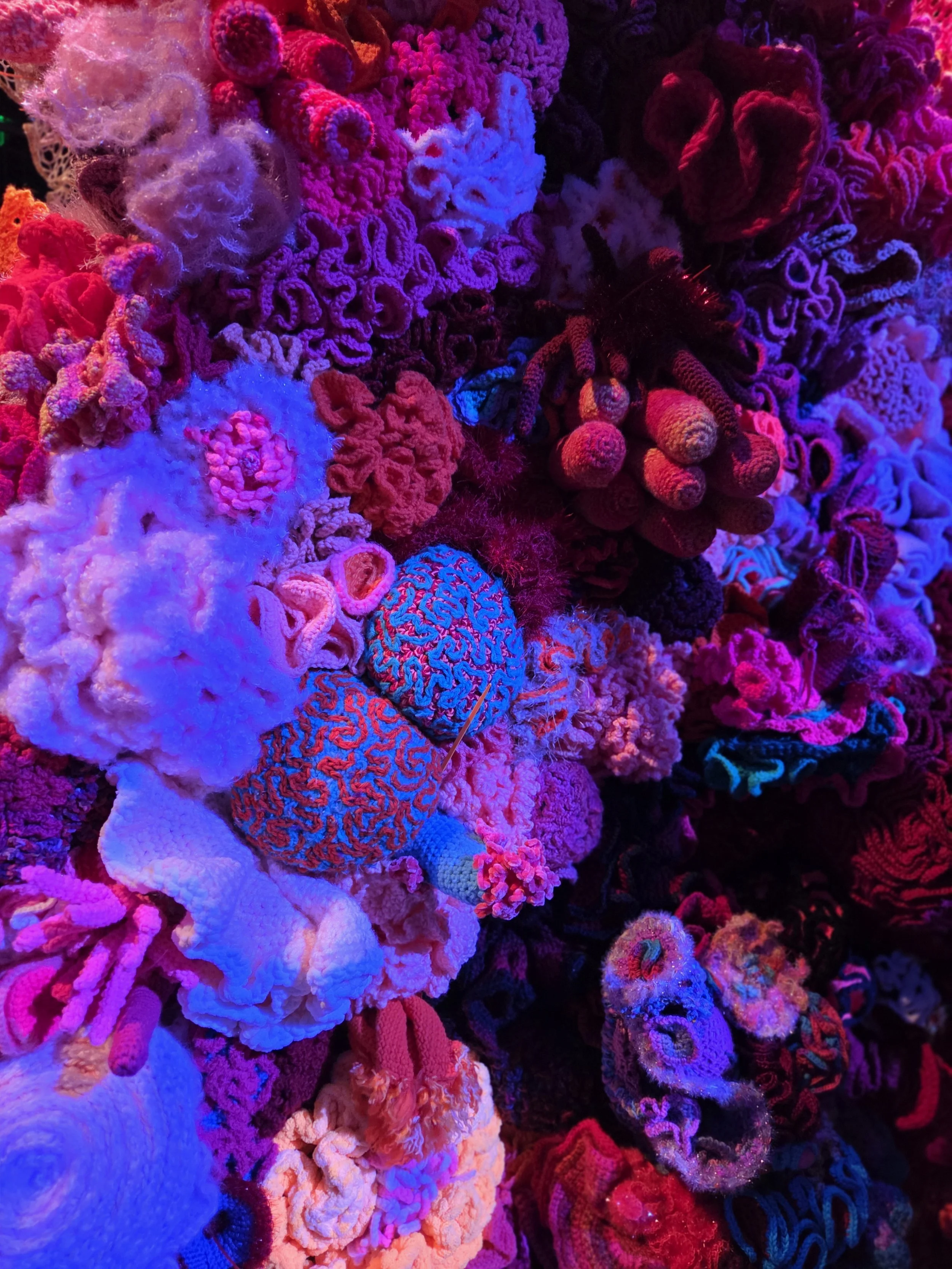
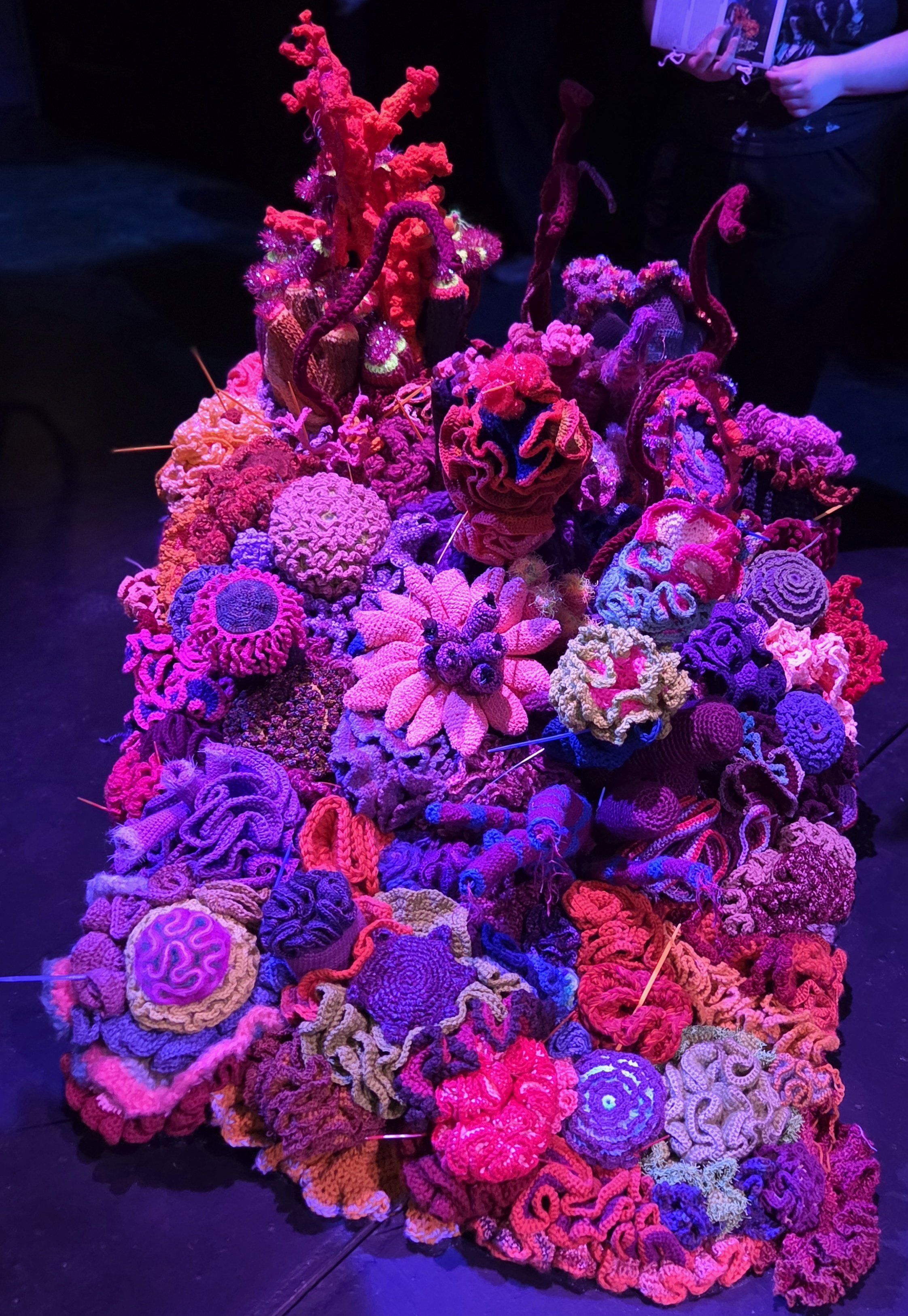
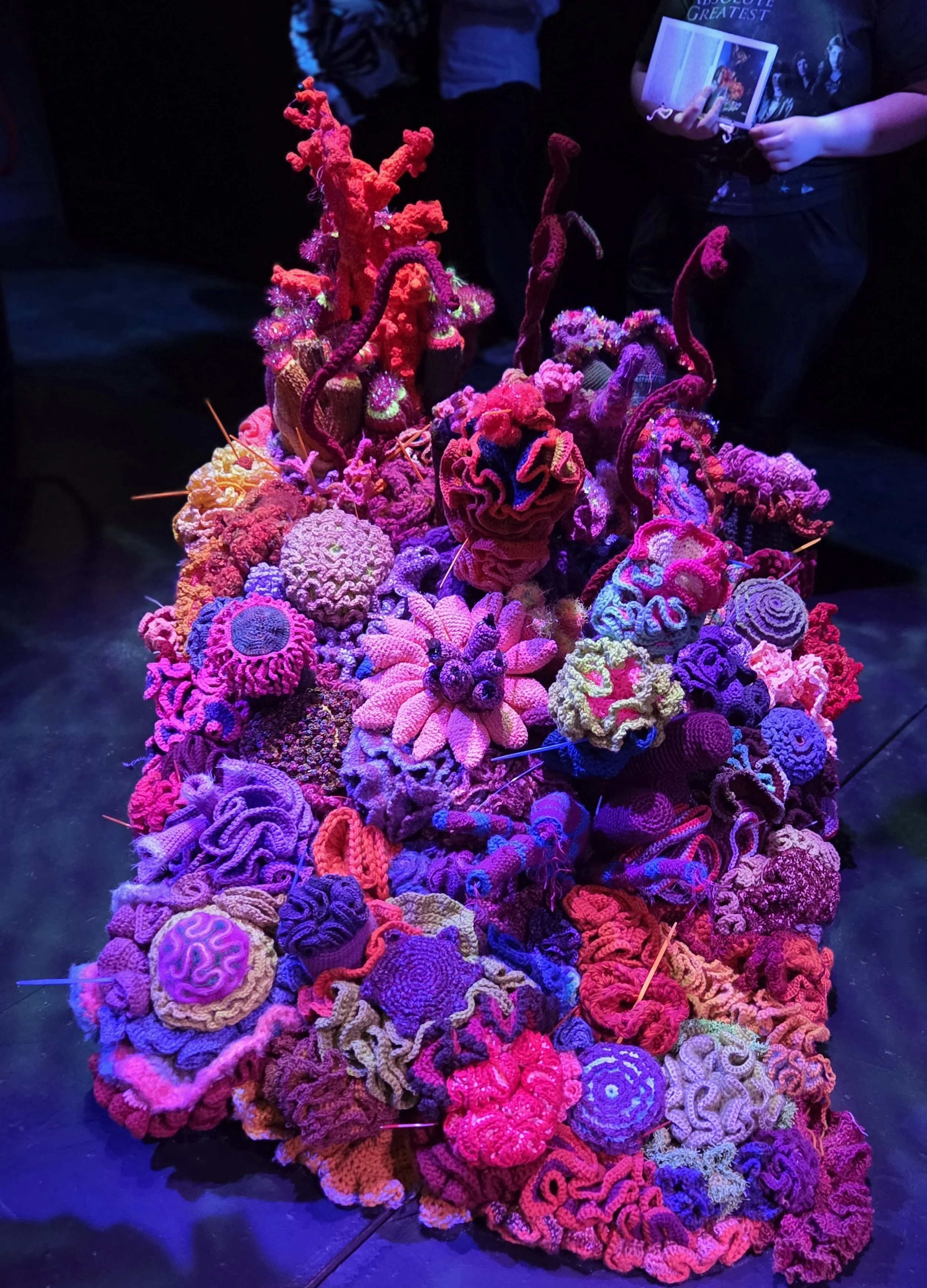
One of the lingering ongoing tasks since the PNW Community Coral Reef was decommissioned has been searching for new homes for our coral pieces. Over the past six months or so, I have been sending large care packages to a new fiber art coral reef that was being created at Williams College in Williamstown, Massachusetts. My hope has been to use the “recycle” part of our reef’s message quite literally.

I would say that a “normal” response would be to send the boxes off with good wishes and go on to the next project but this reef has occupied five years of my life and I really felt the need to see the new reef in situ. As it was a Wertheim Reef, I also had the goal of experiencing a fiber art coral reef from the people who created the idea in the first place.

So, I planned an East Coast trip to take in the opening of the reef and visit a few bucket list places along the way. I used to live in Maine a million years ago when I first started college and my favorite parts of Minnesota, where I lived for 20 years, always reminded me of the rocky coast of Maine.

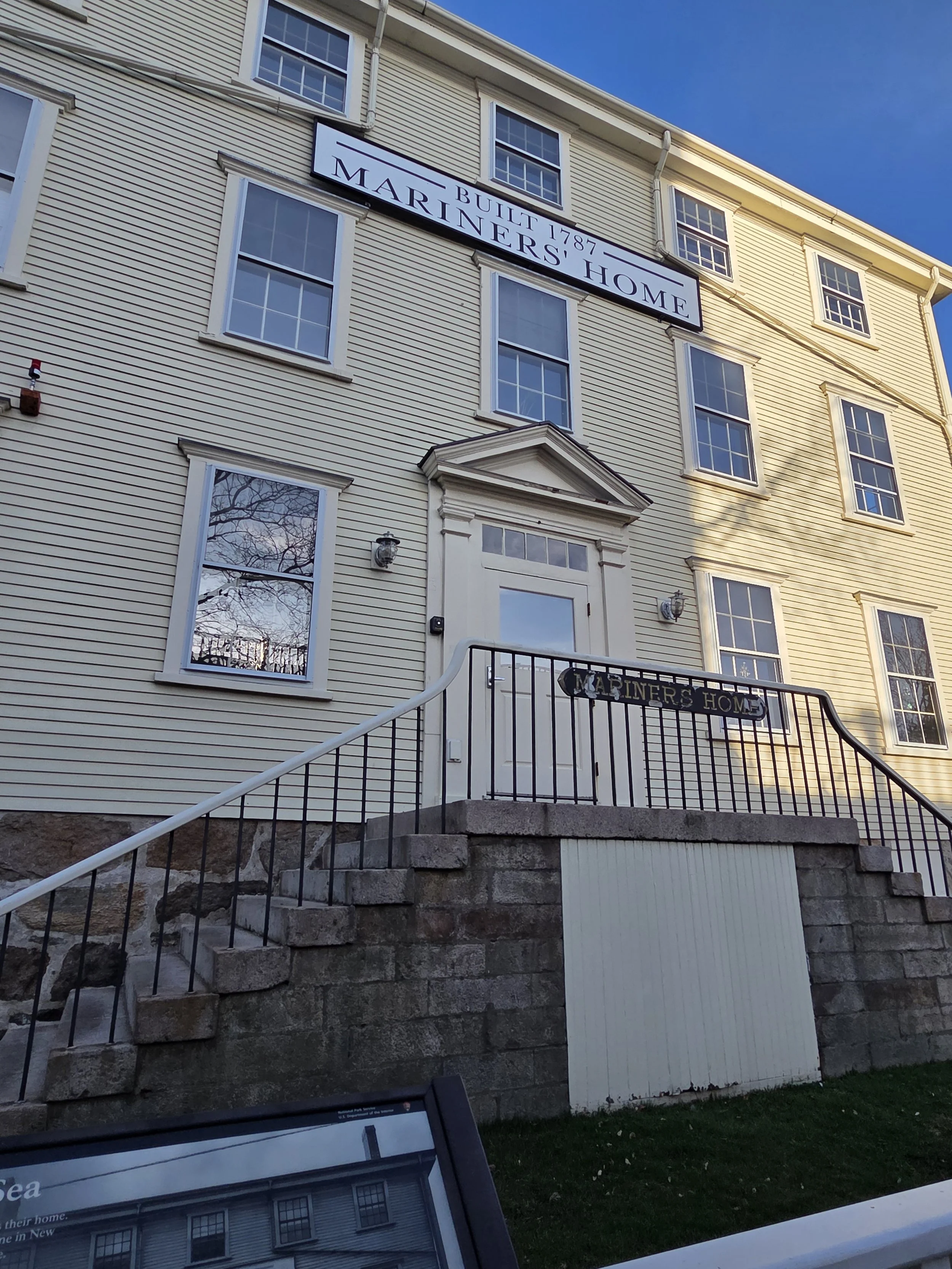
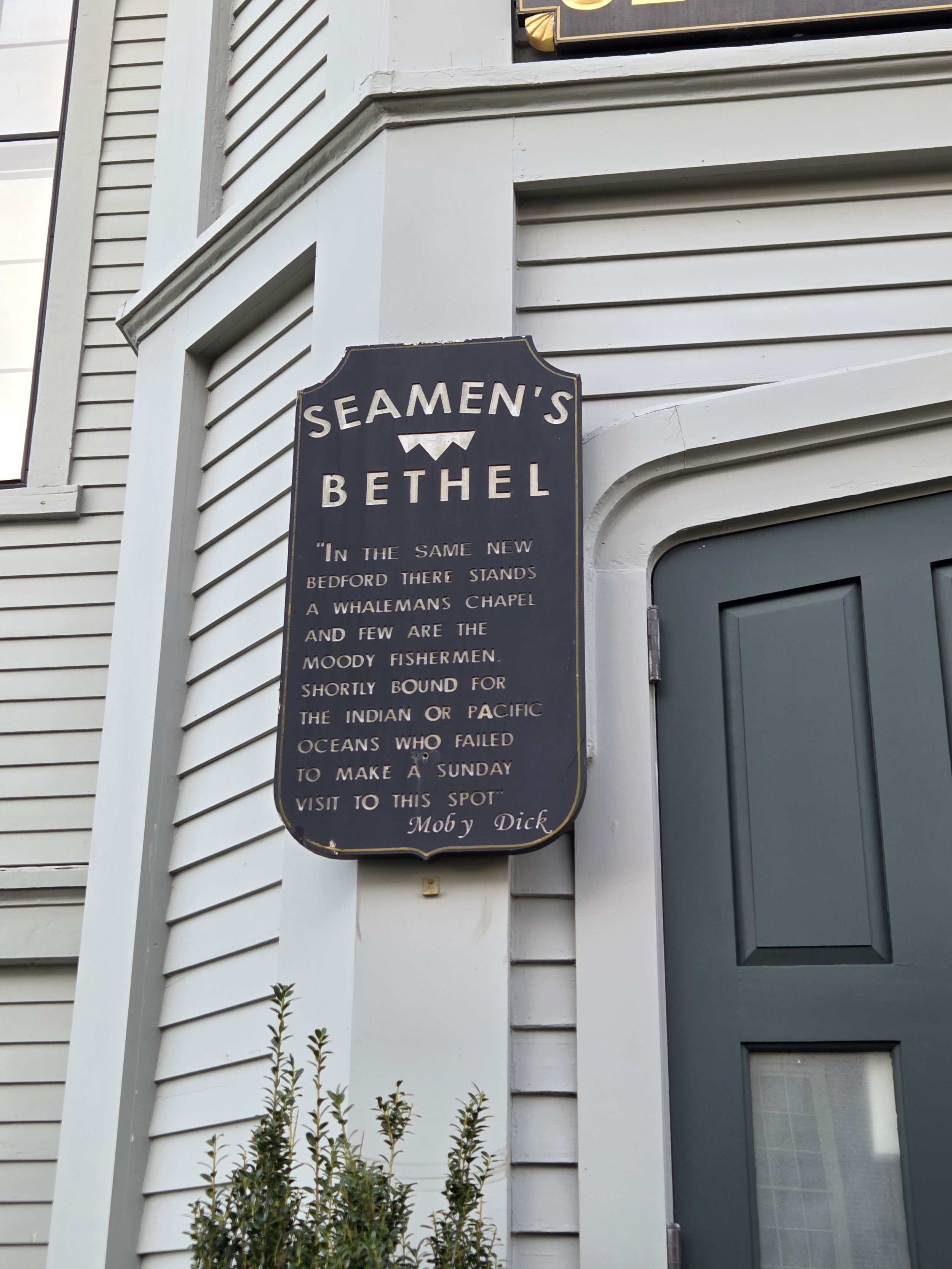
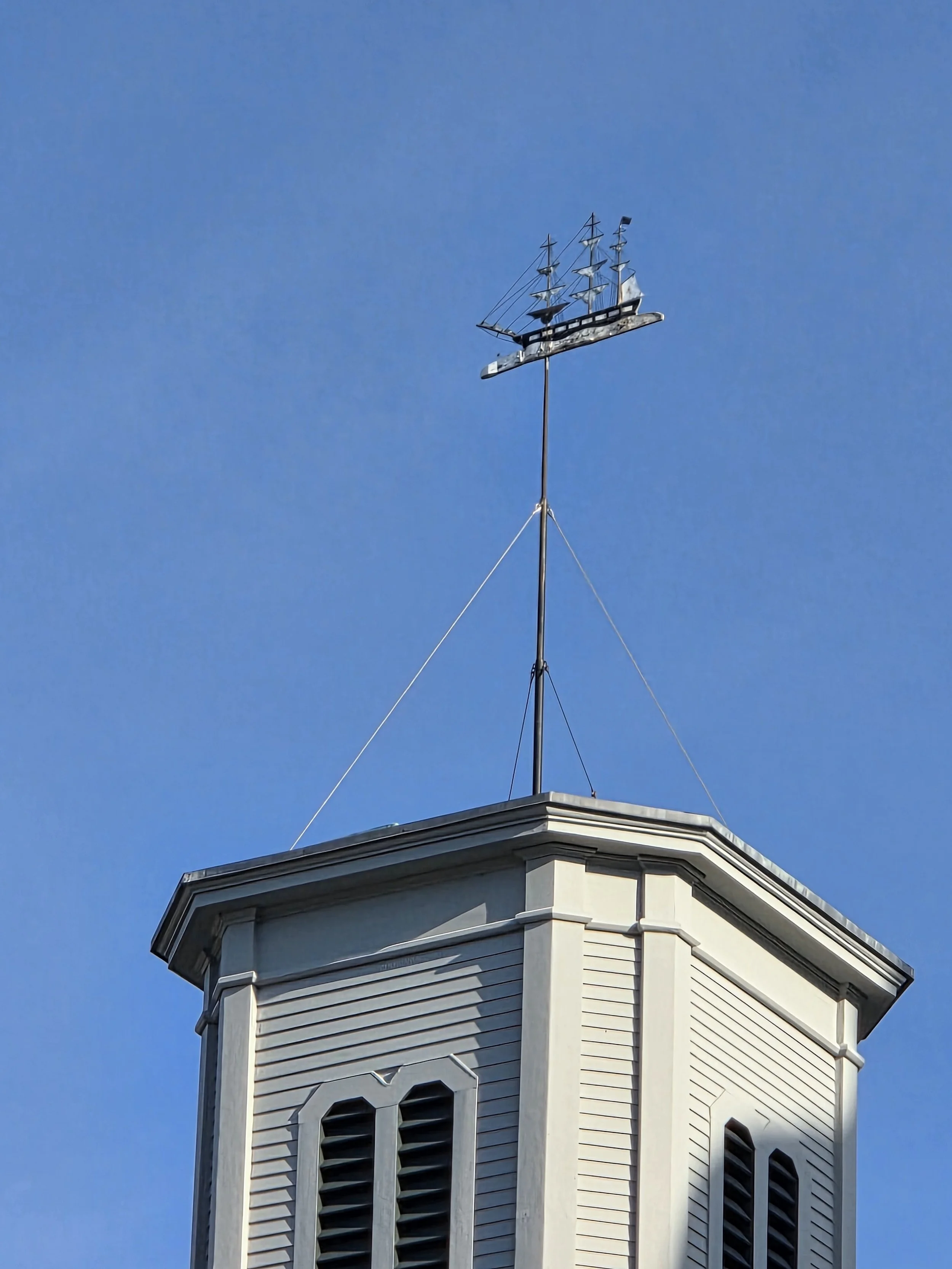
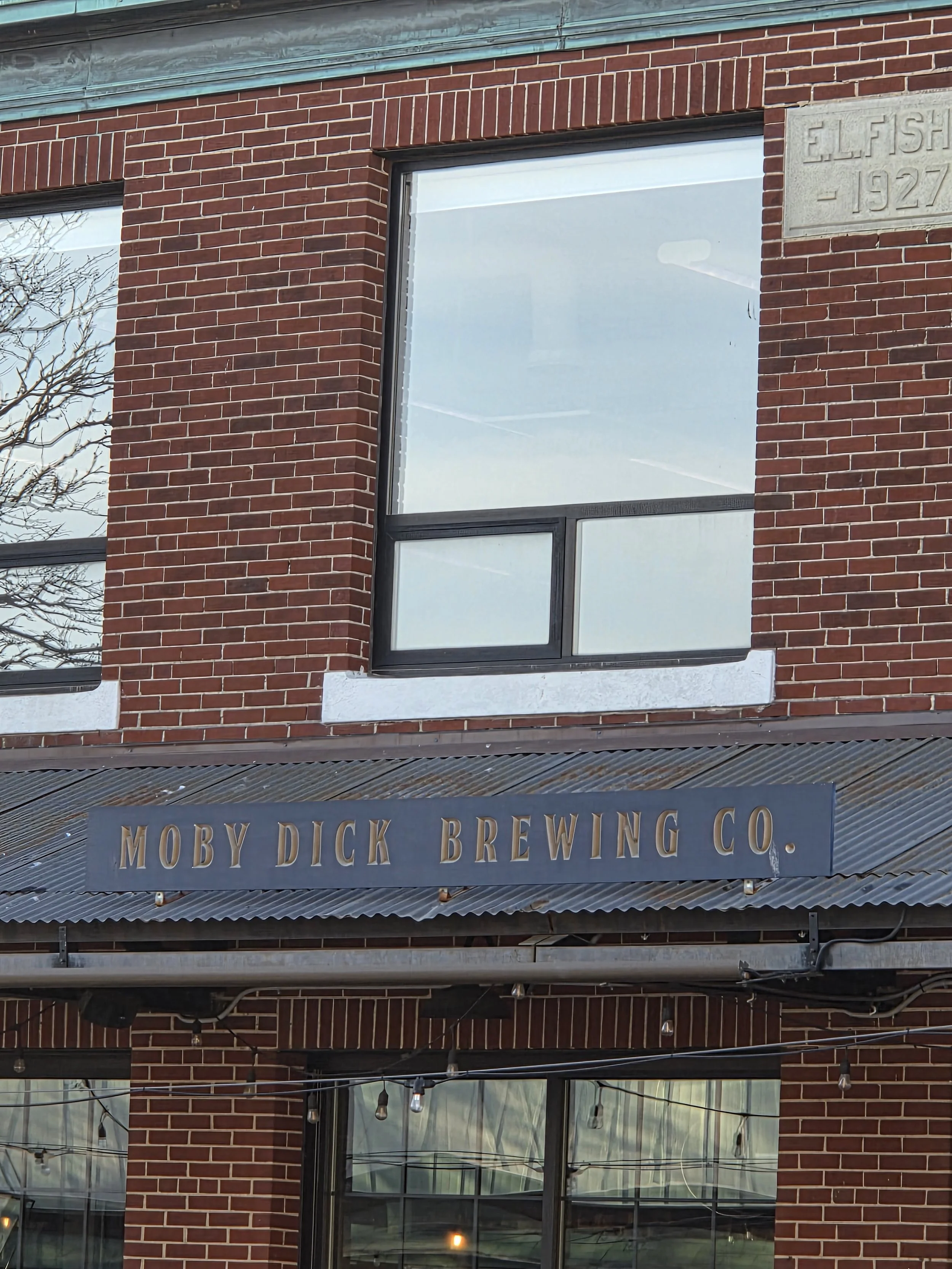
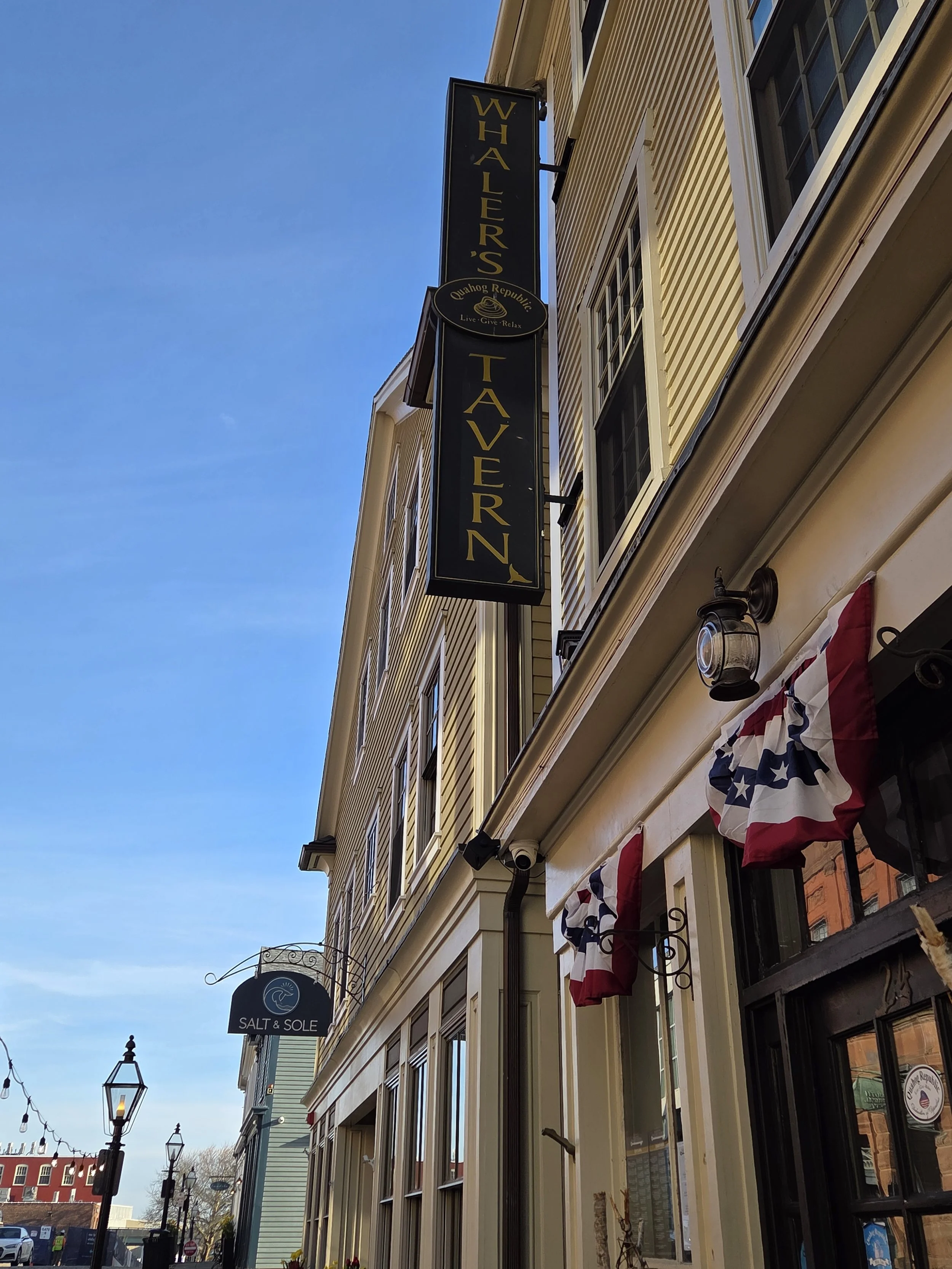
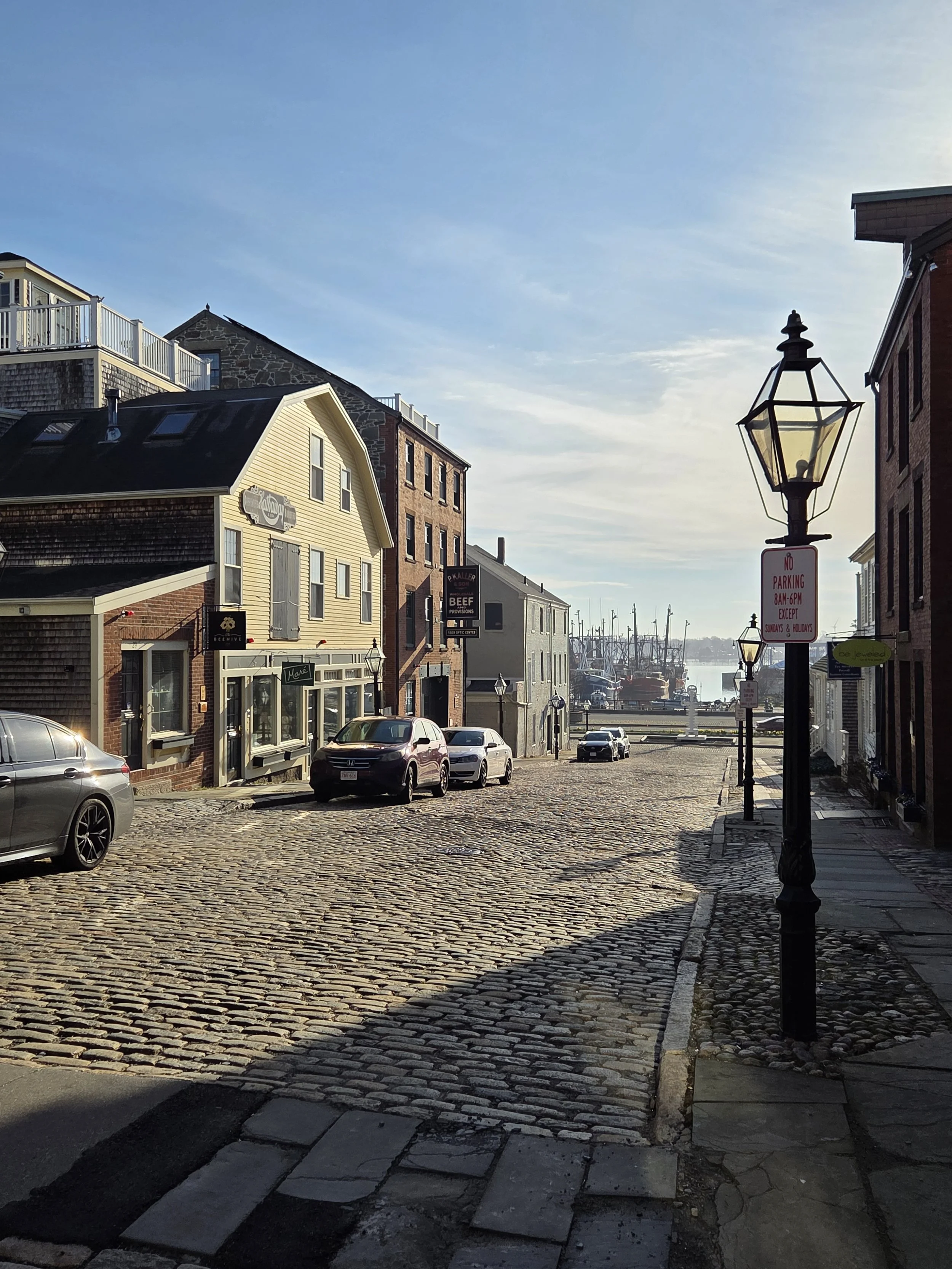
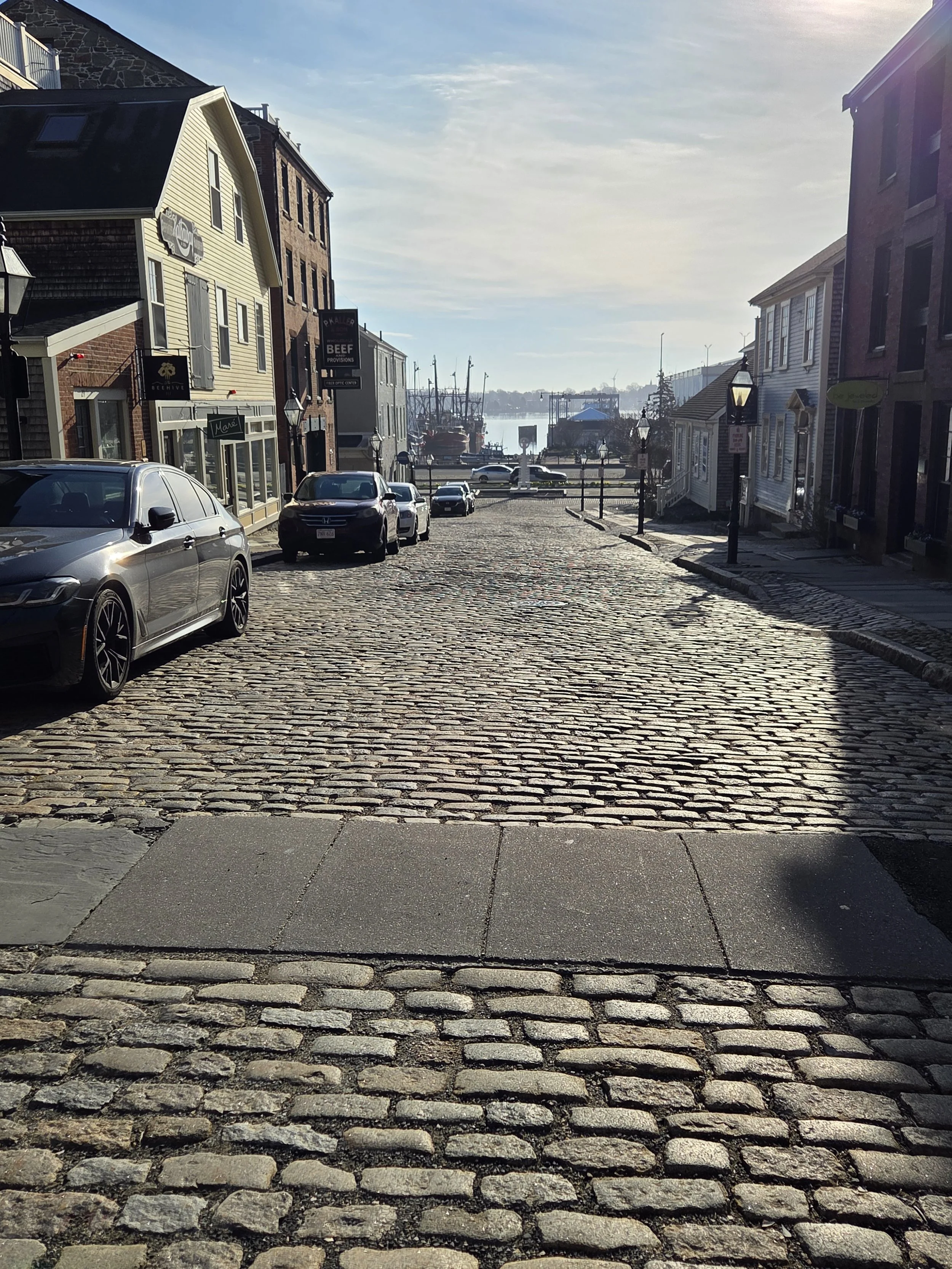
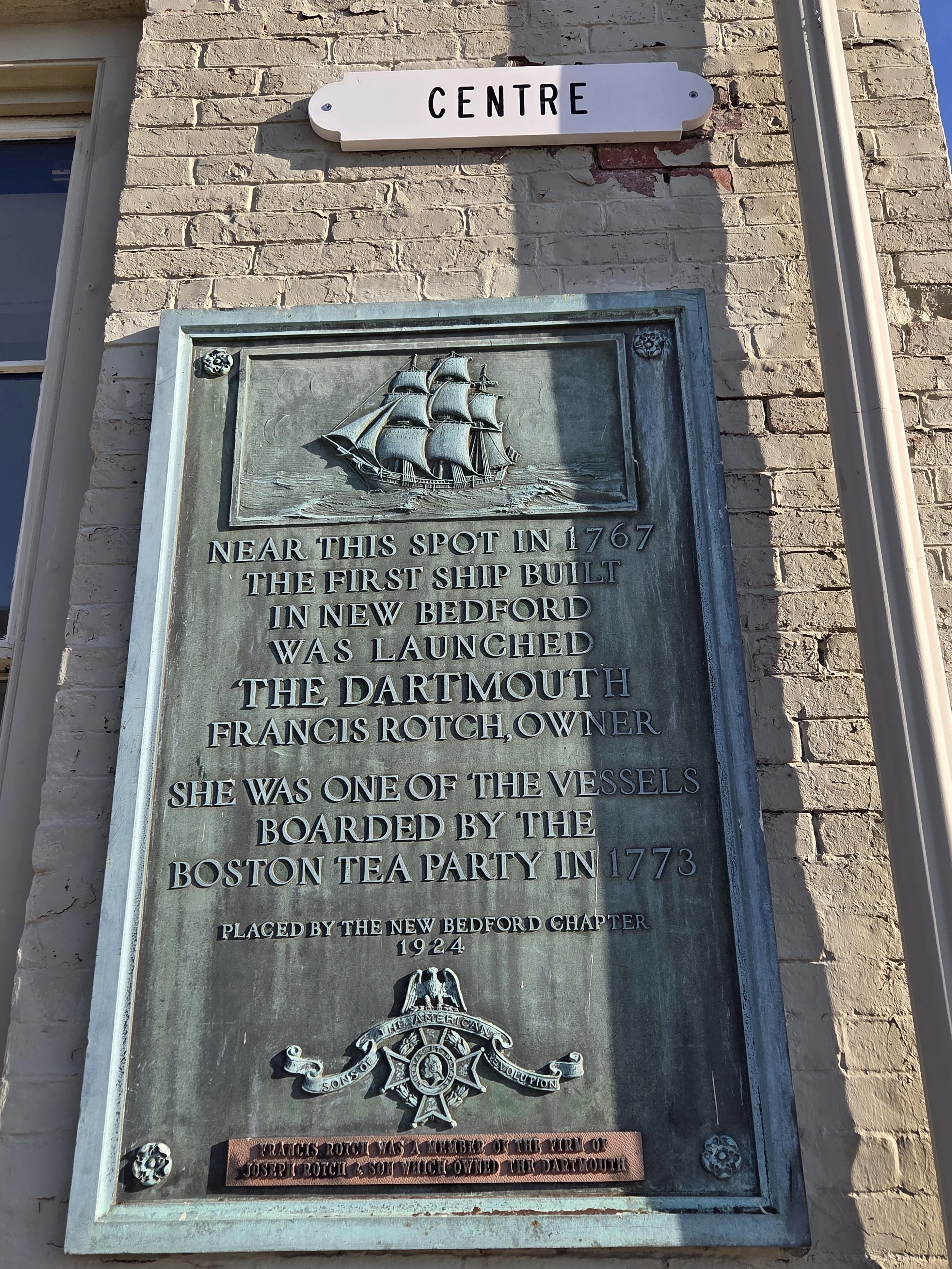
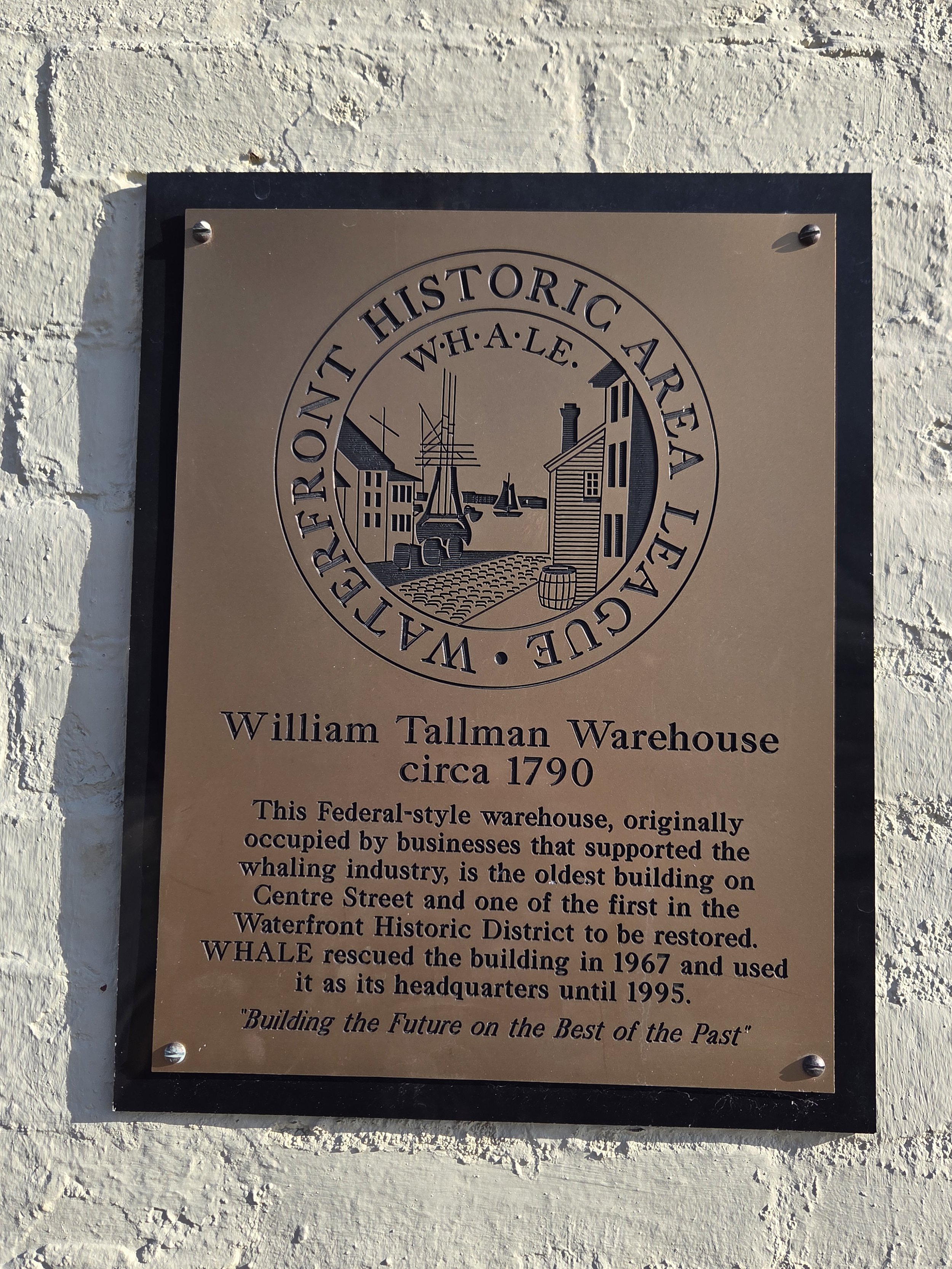
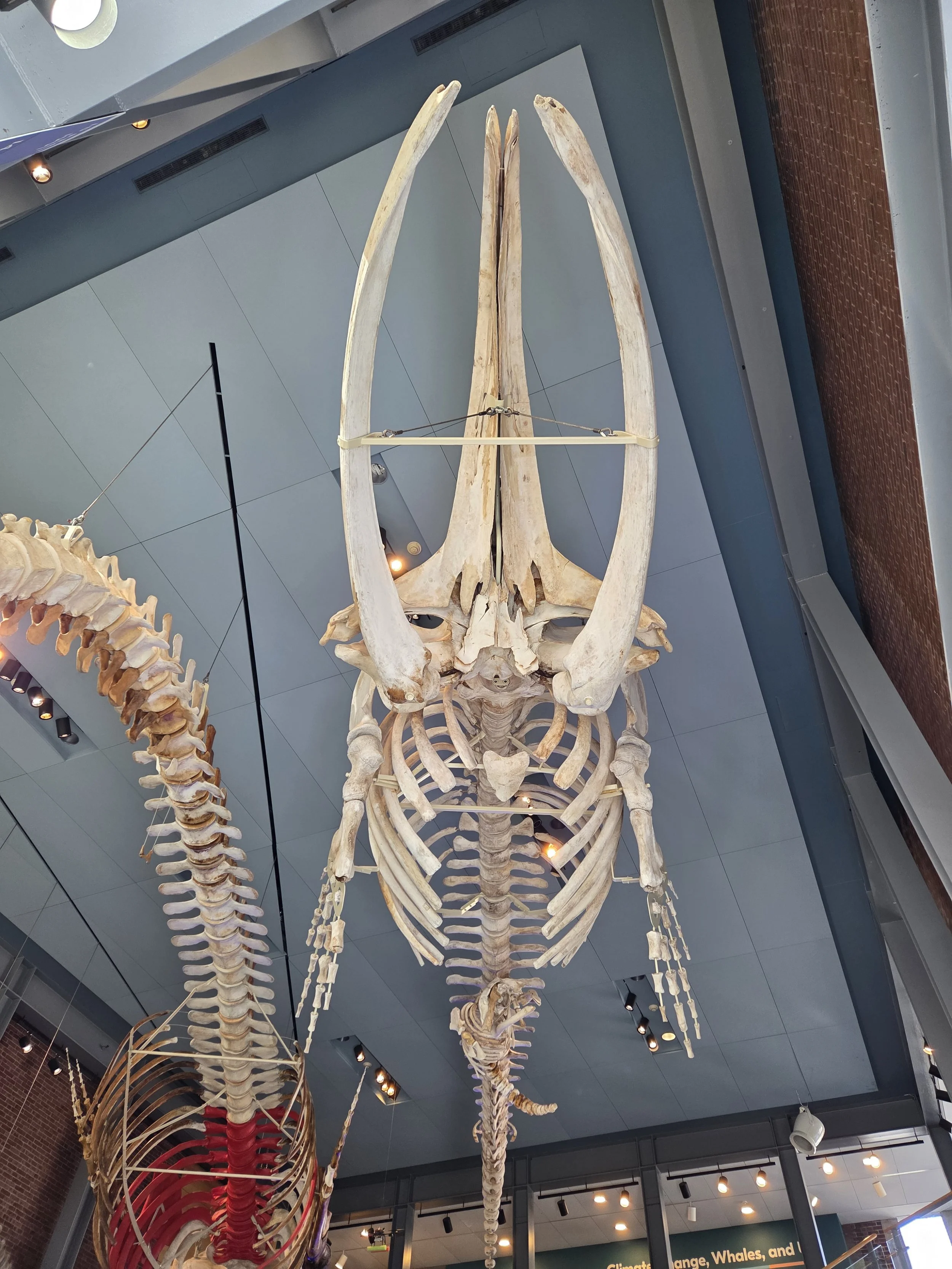
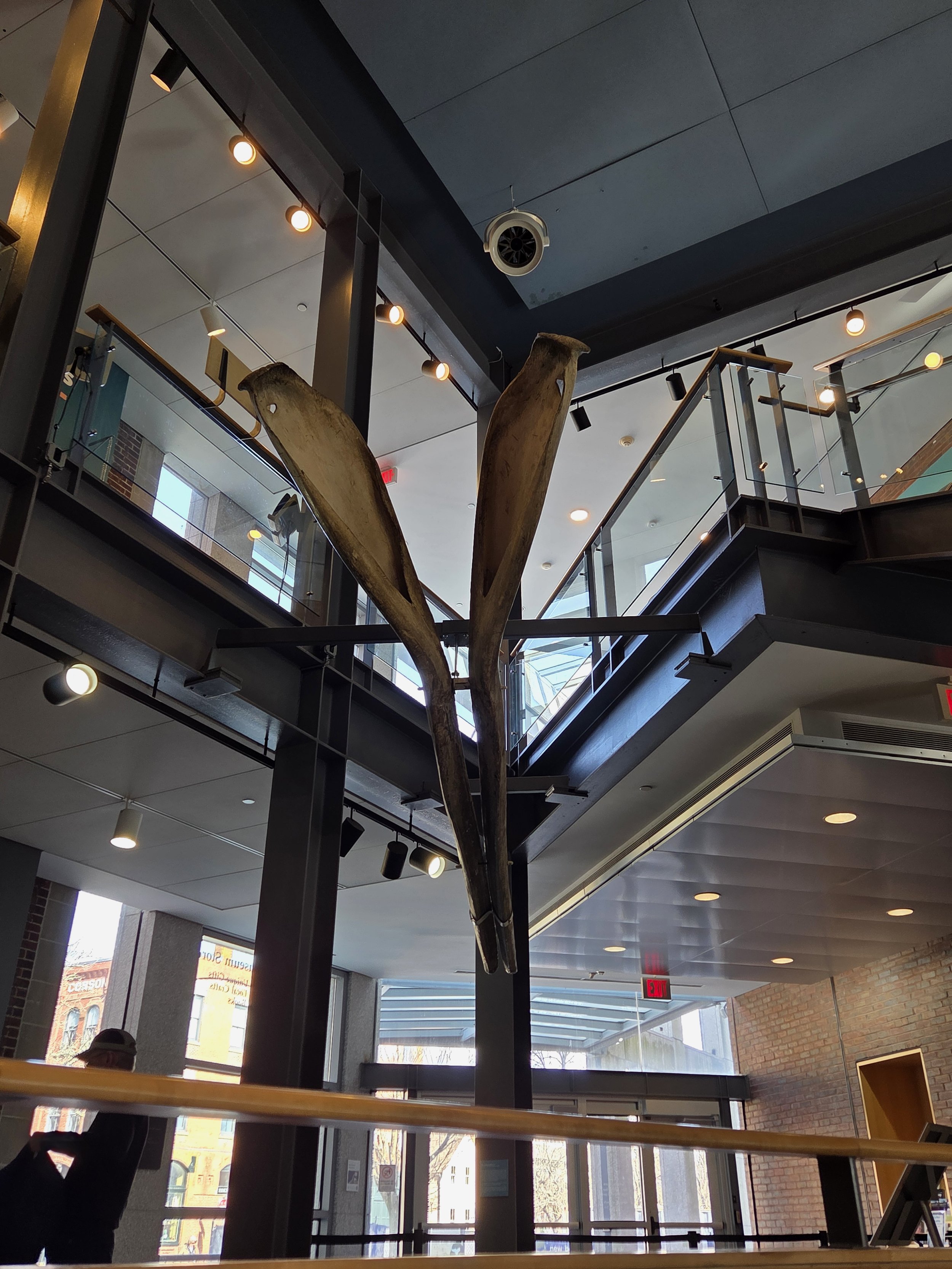
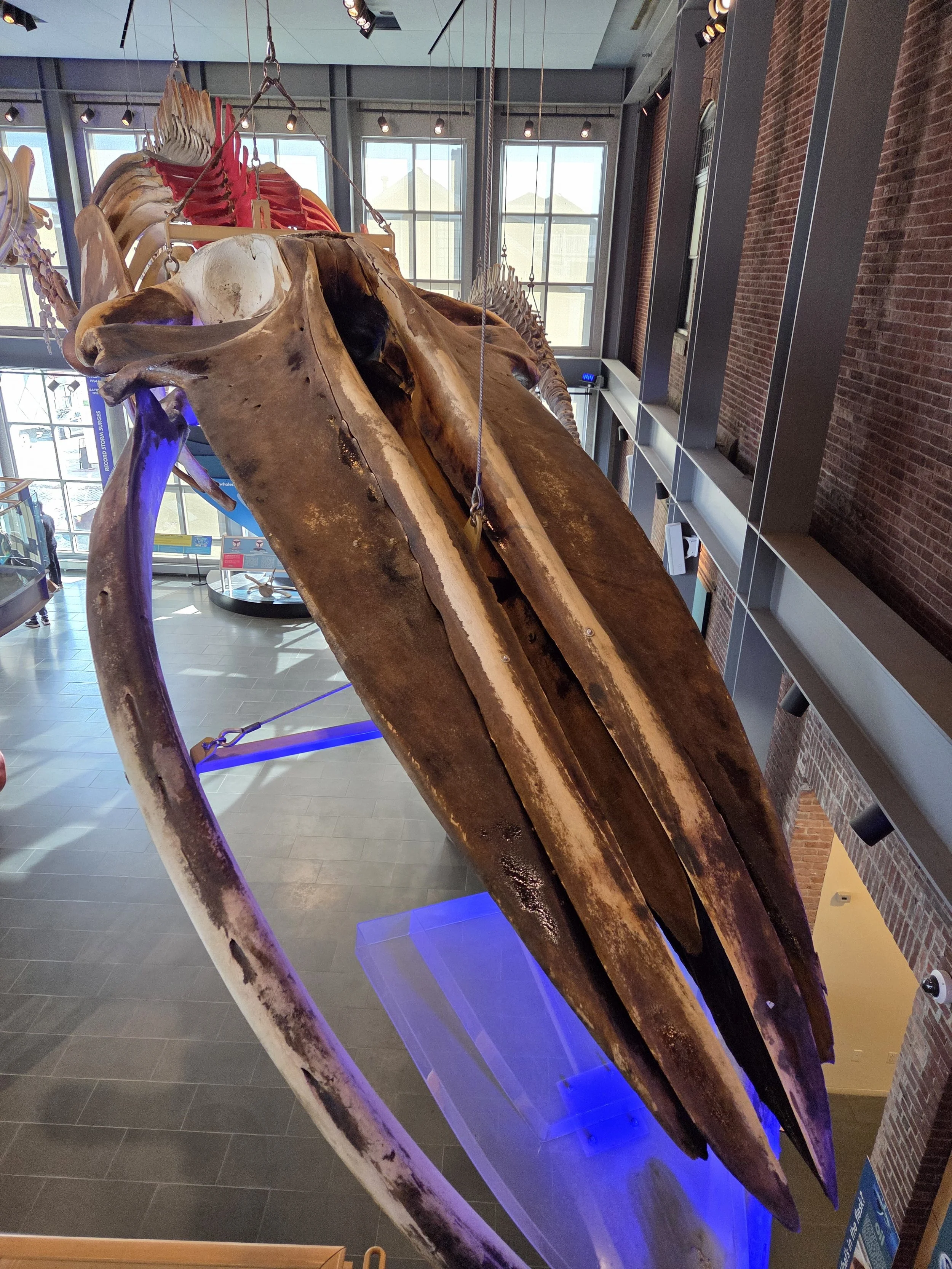
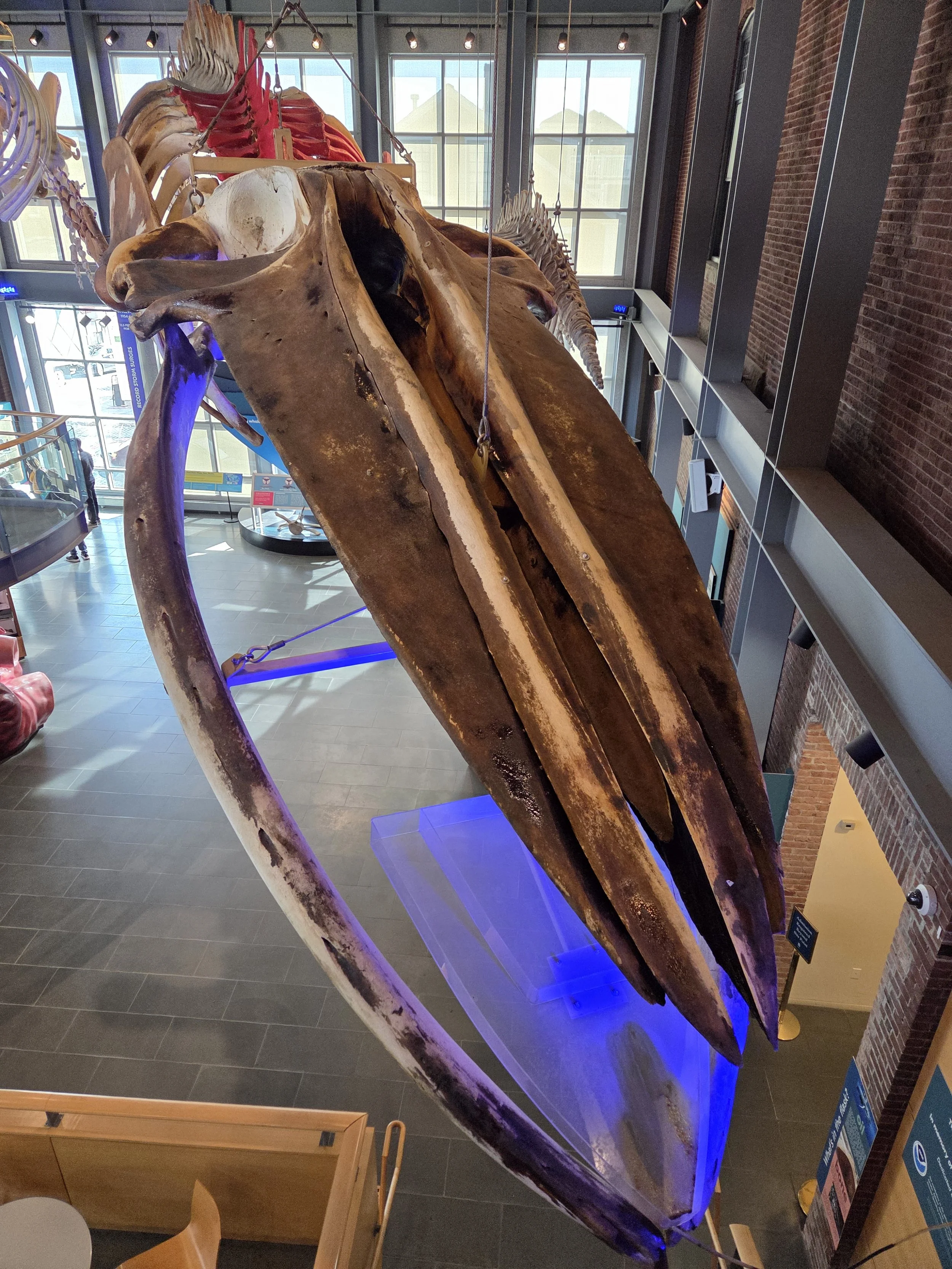
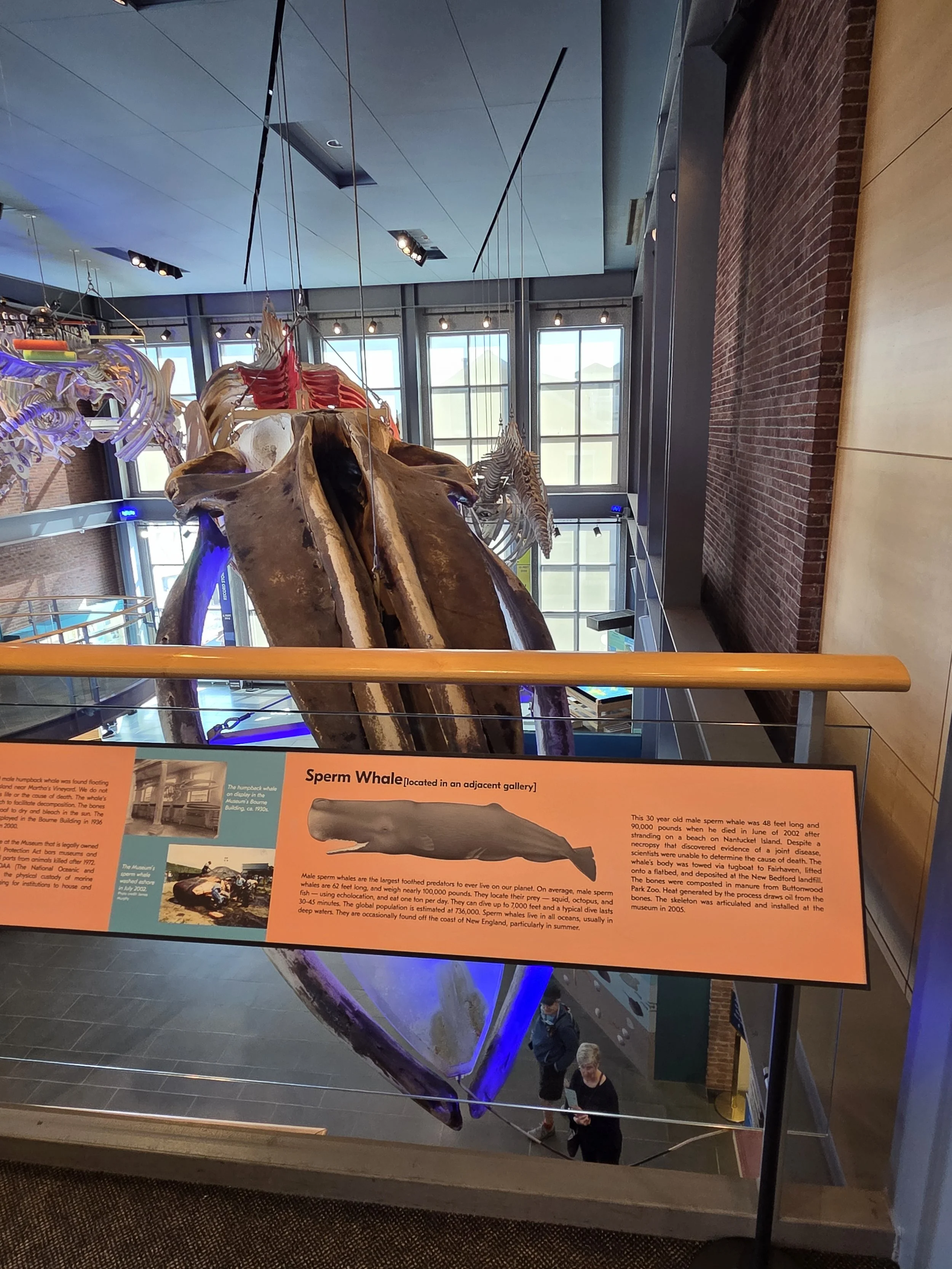
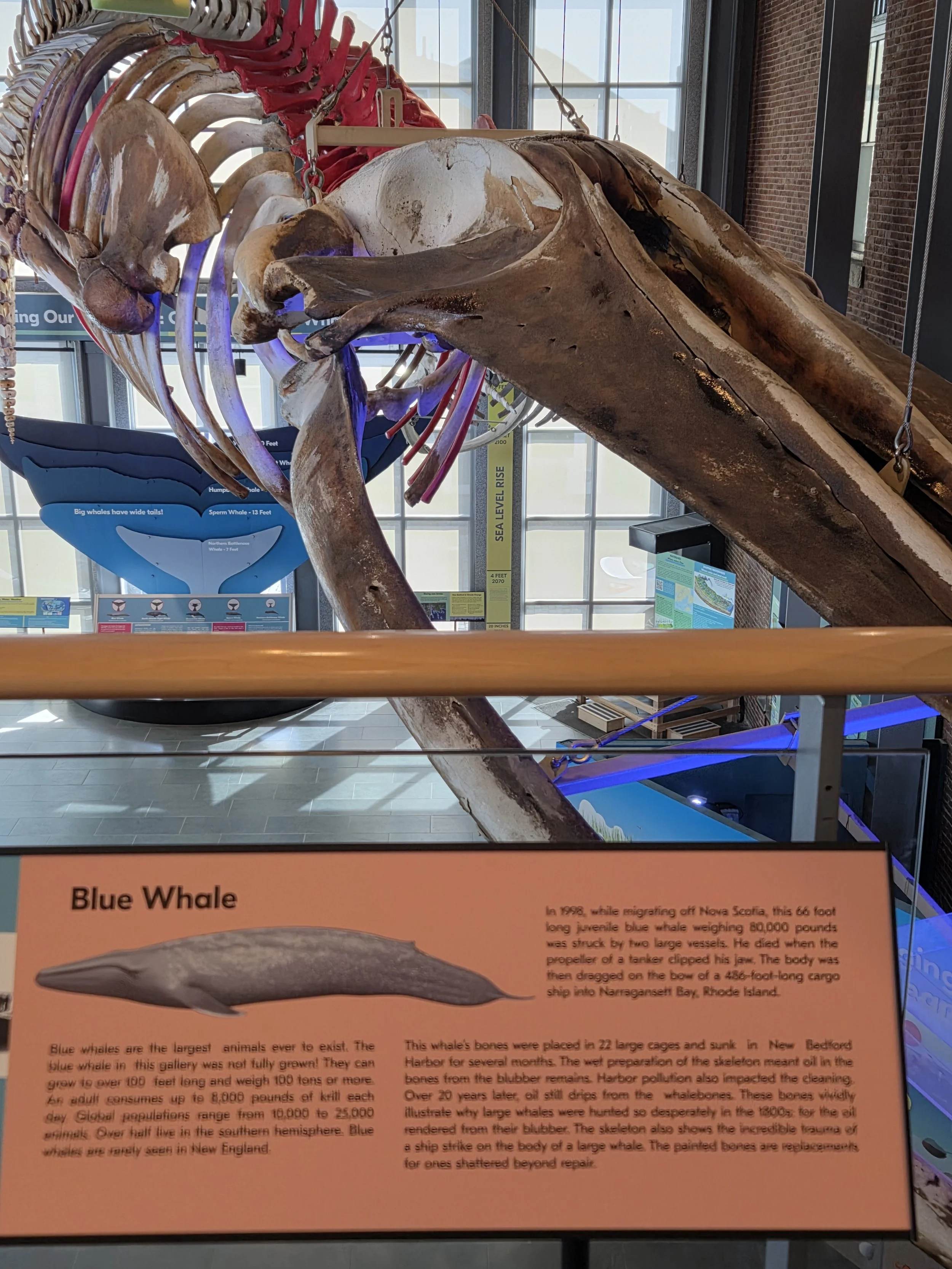
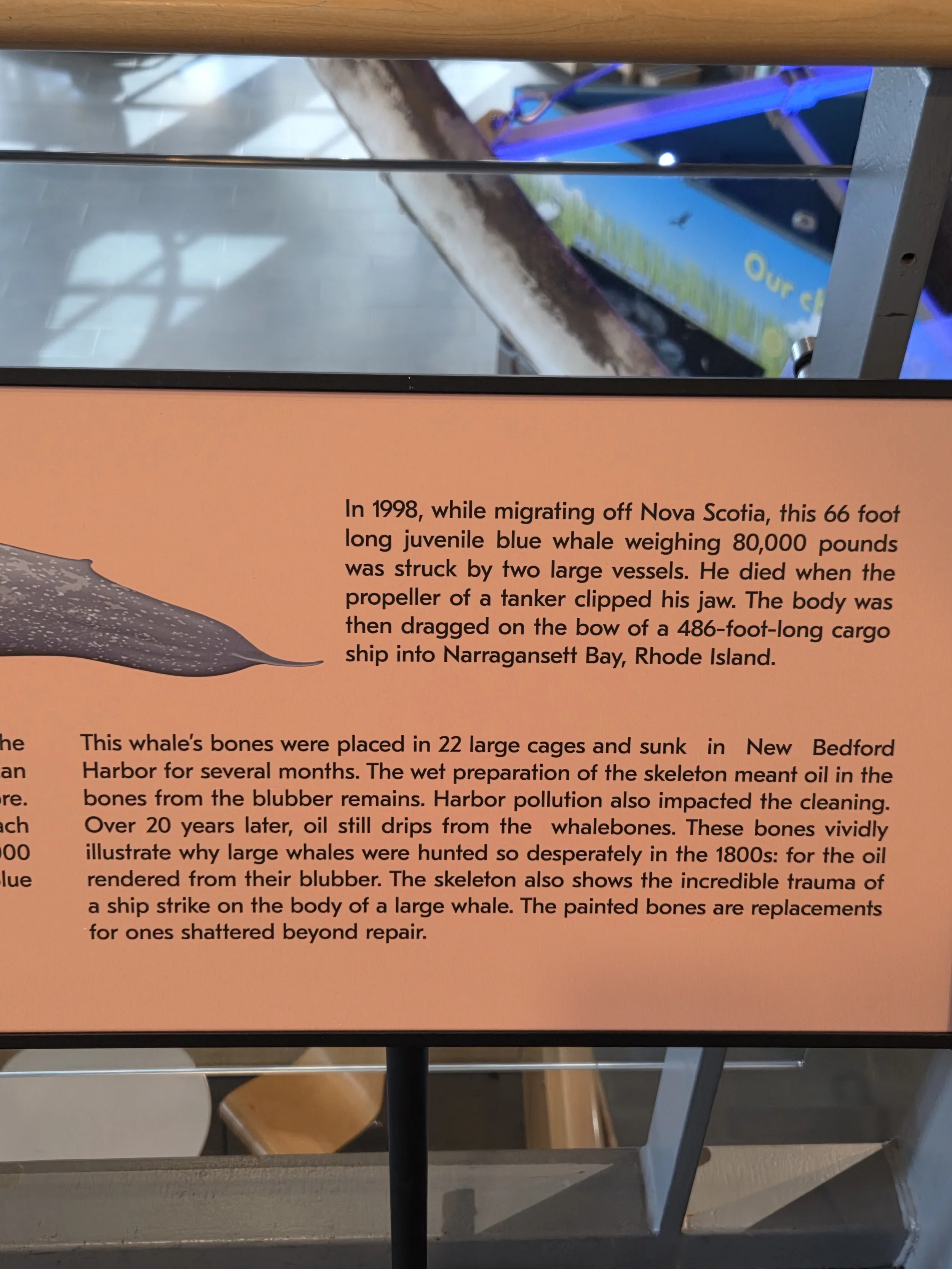
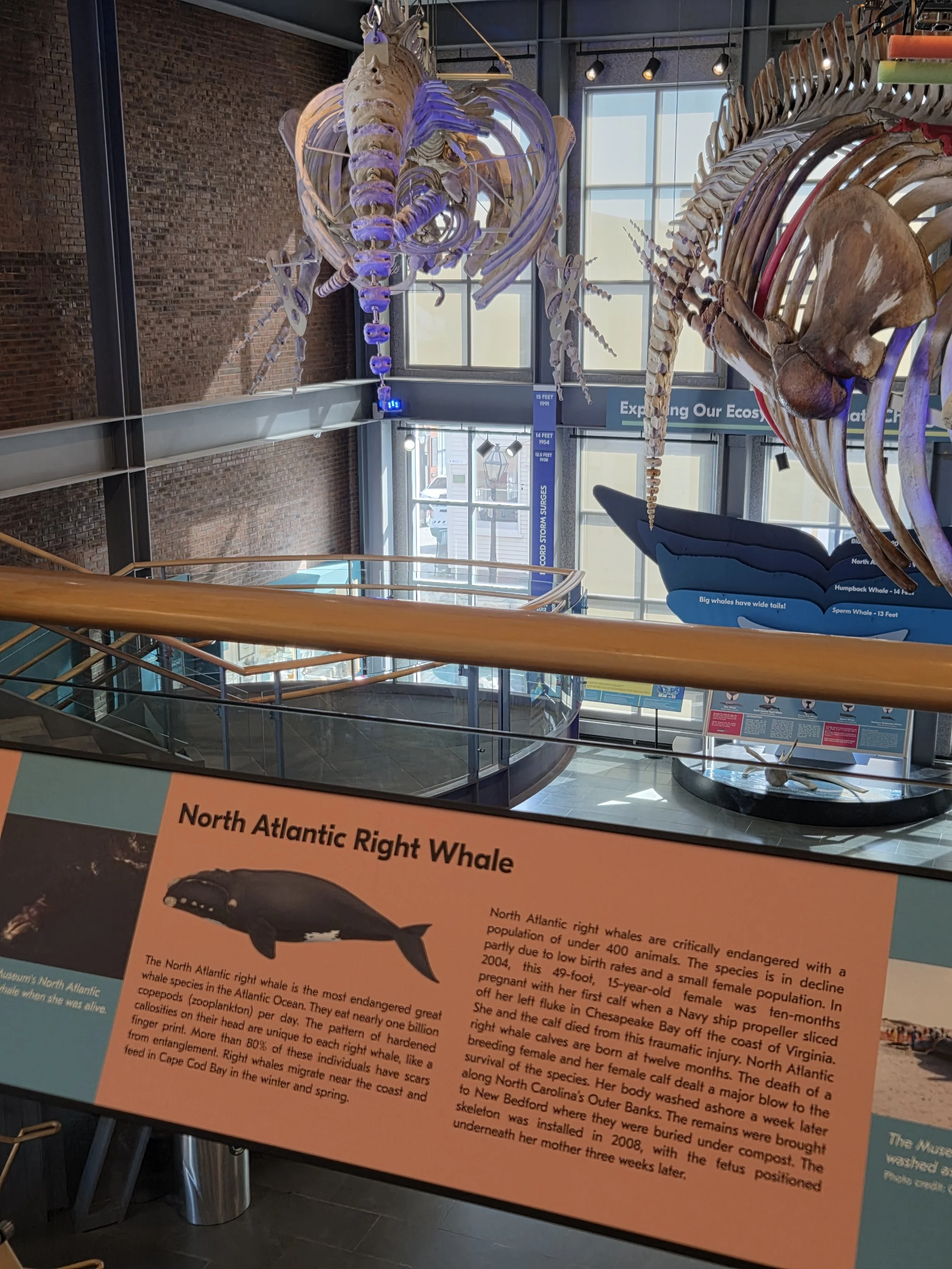
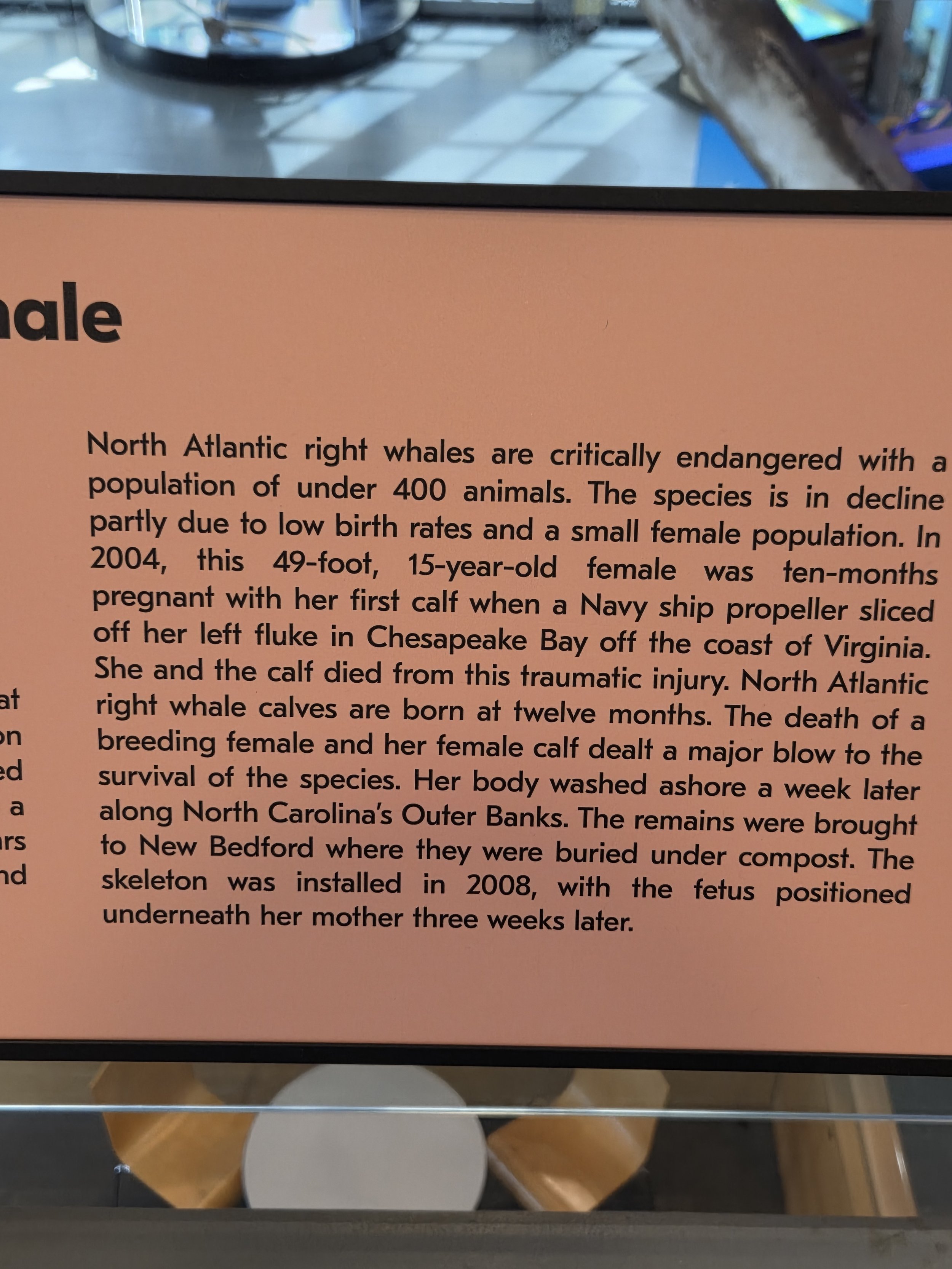
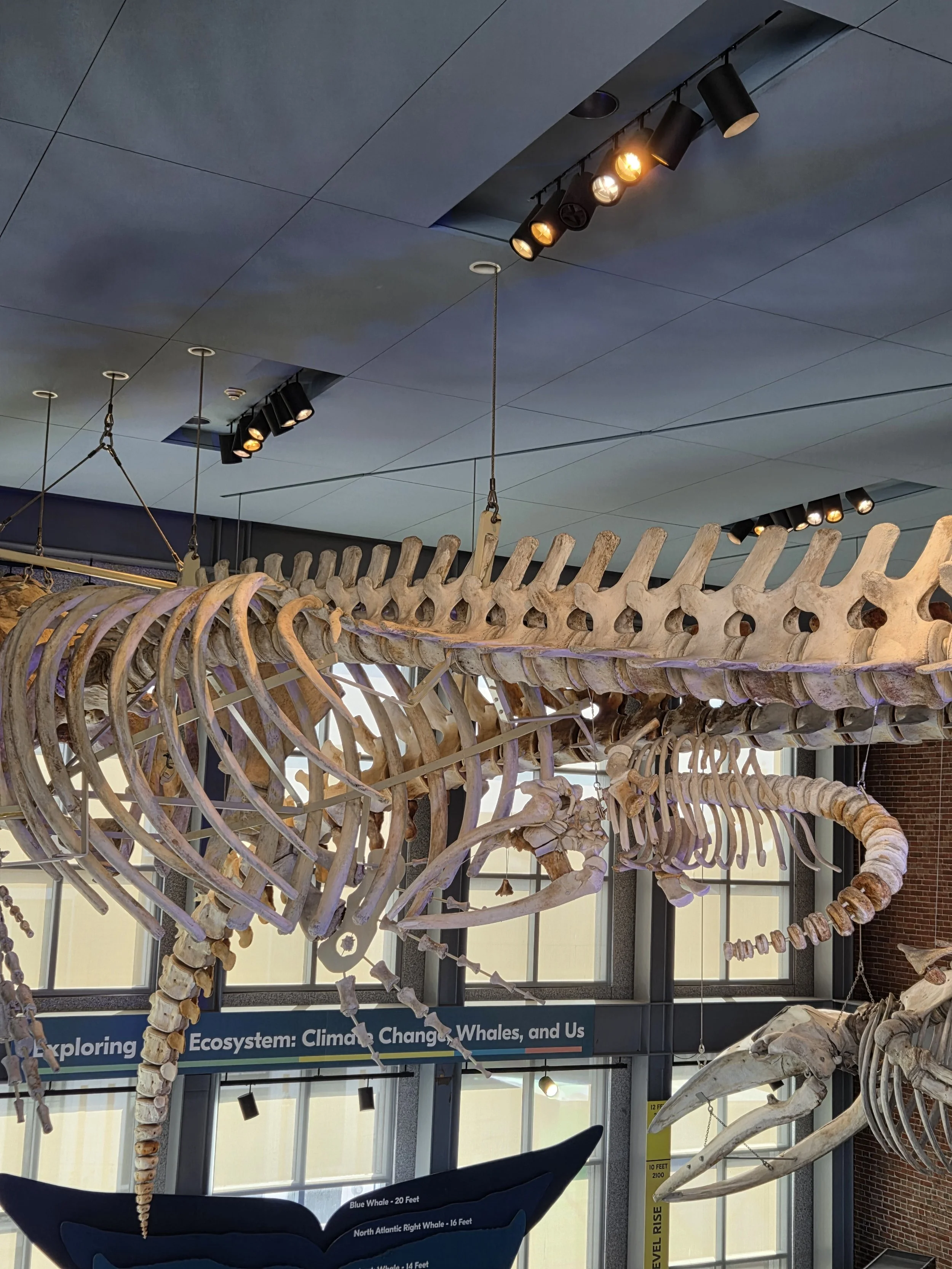
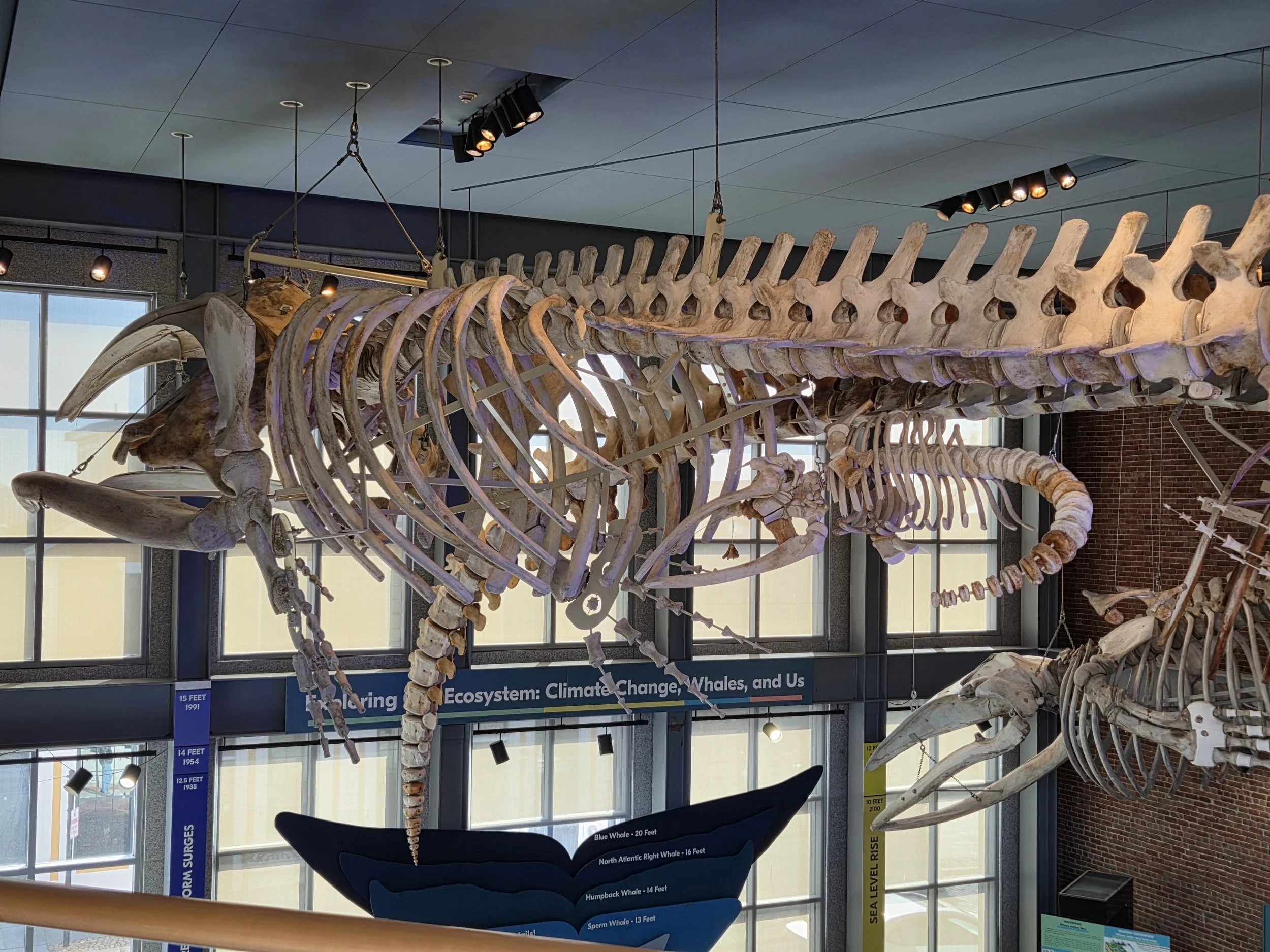
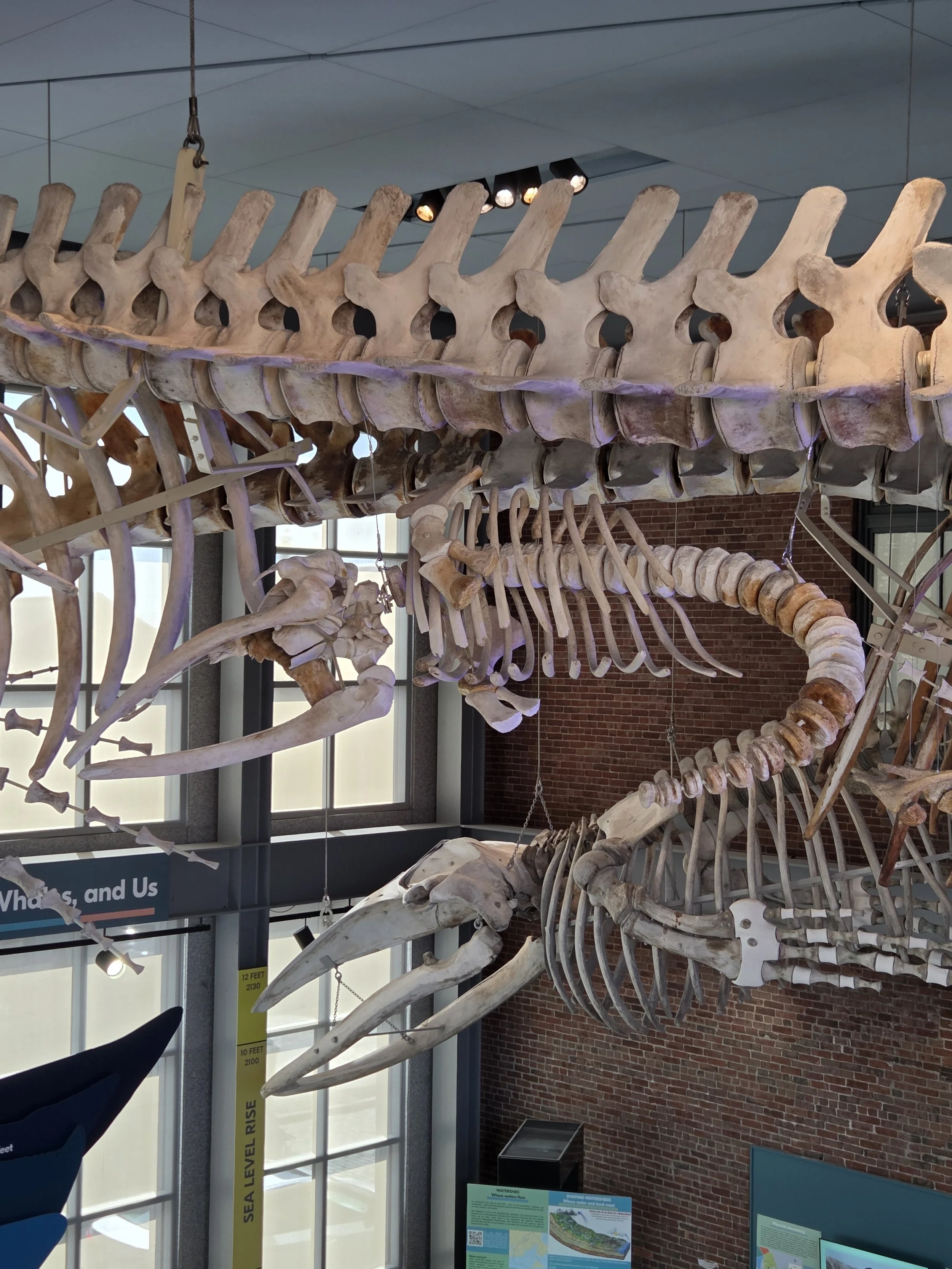
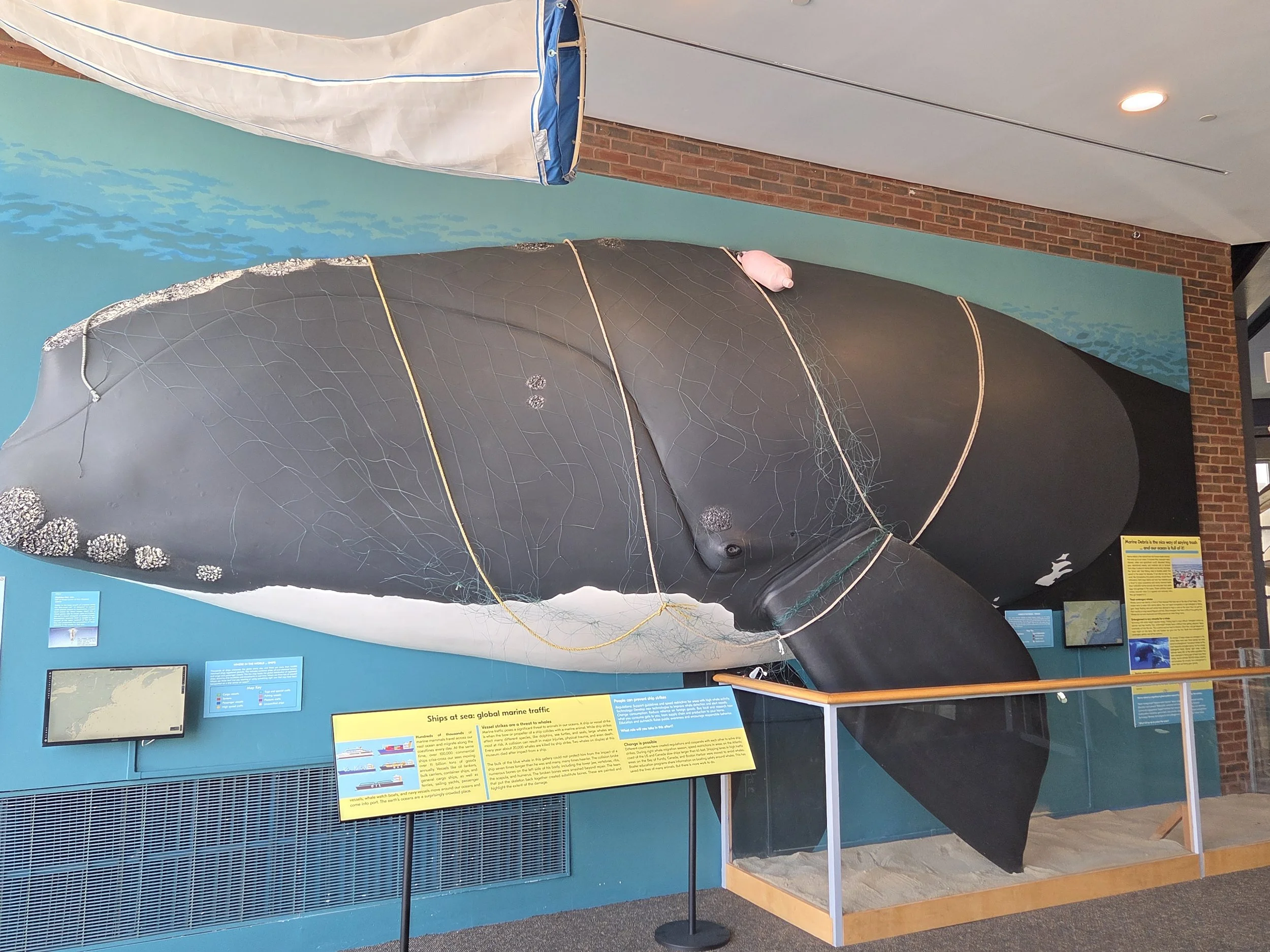
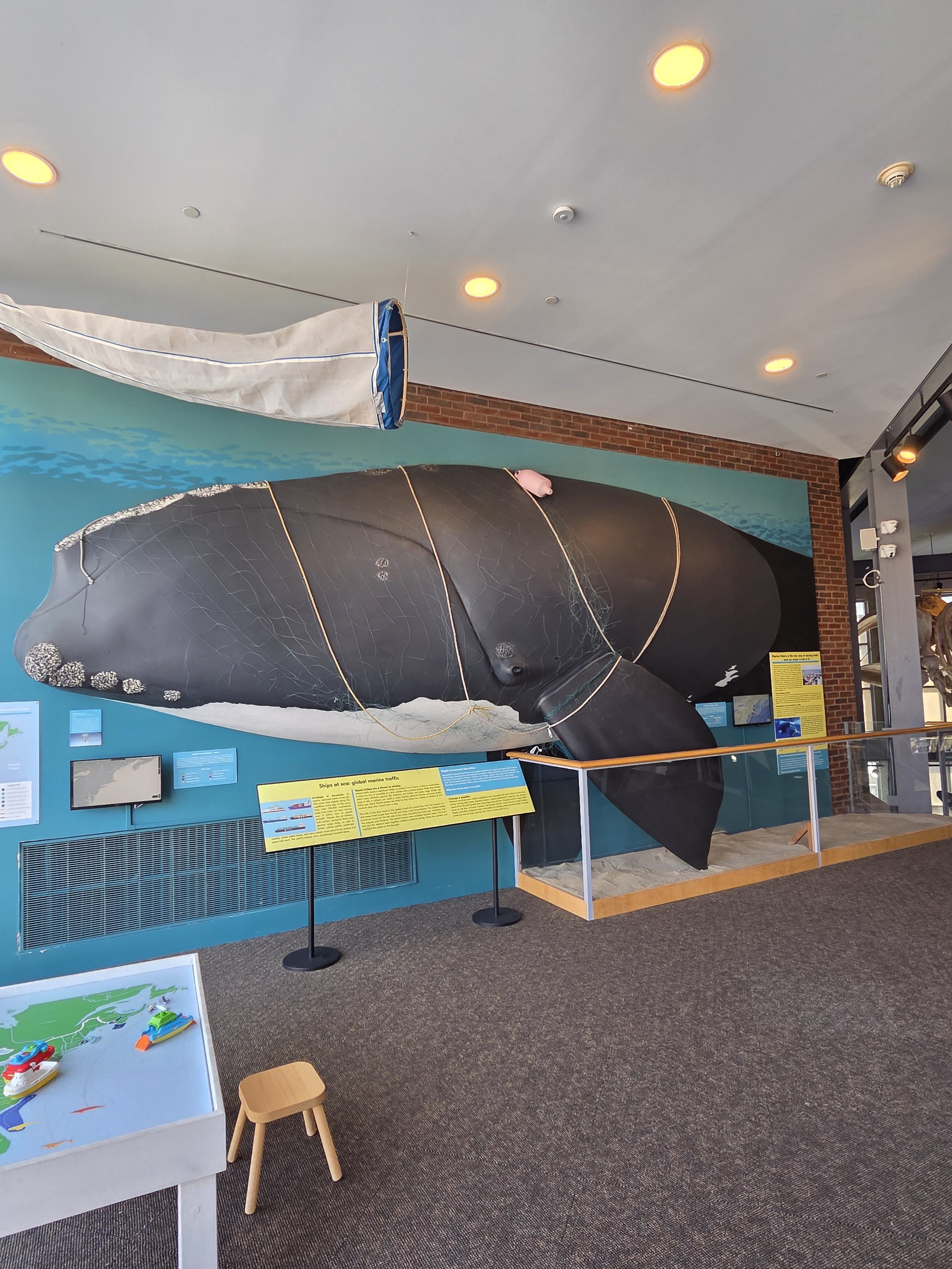
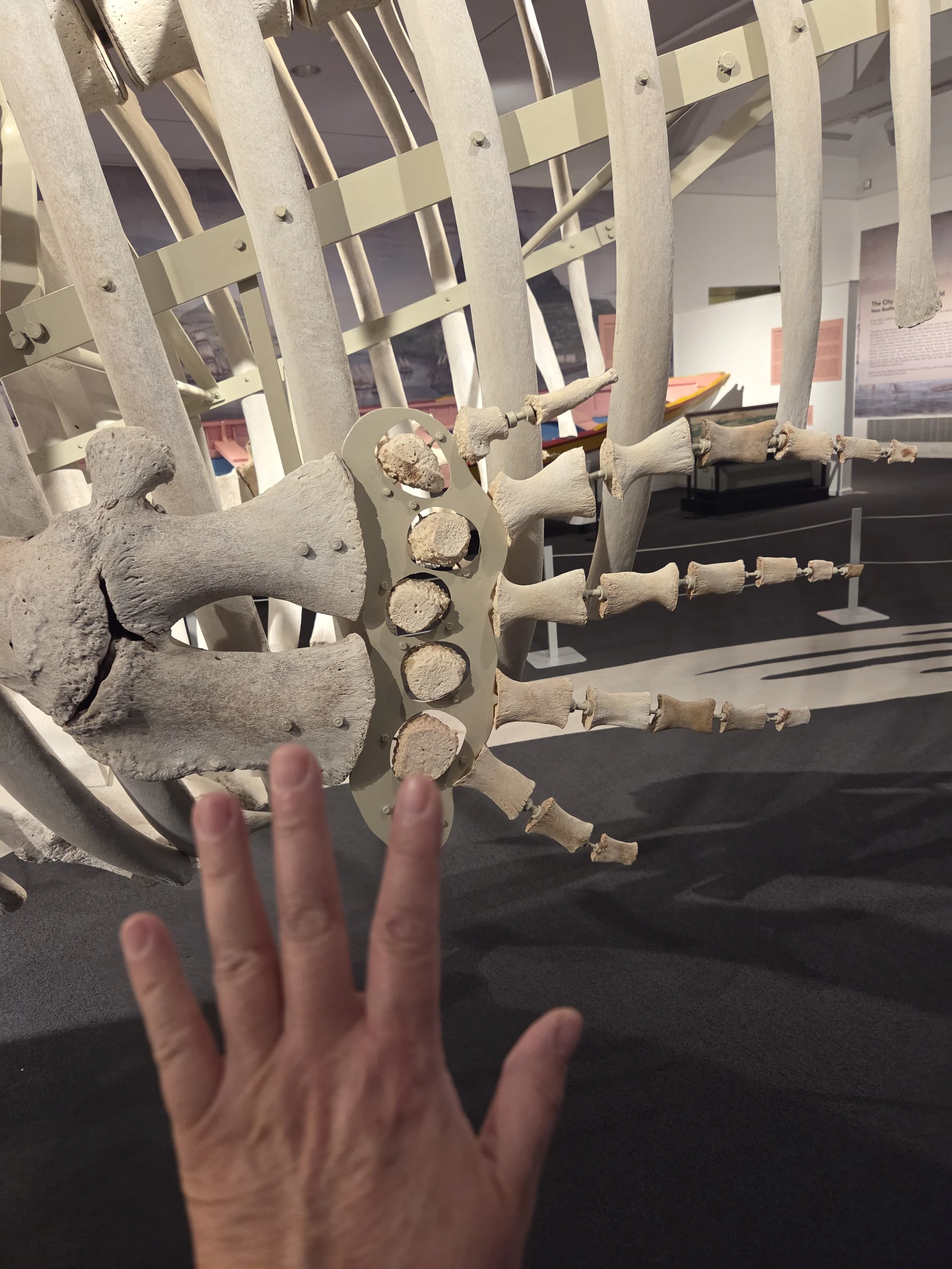
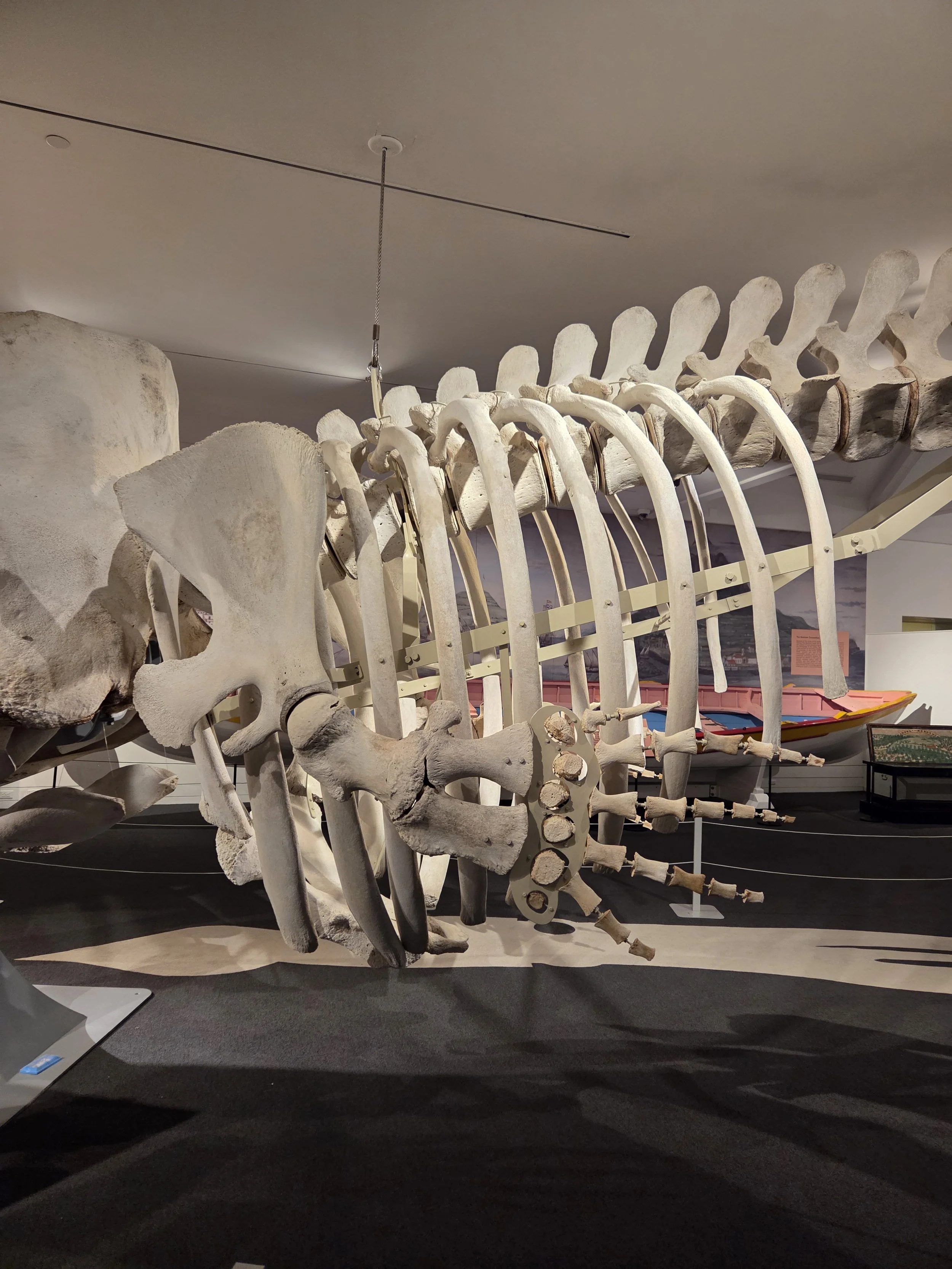
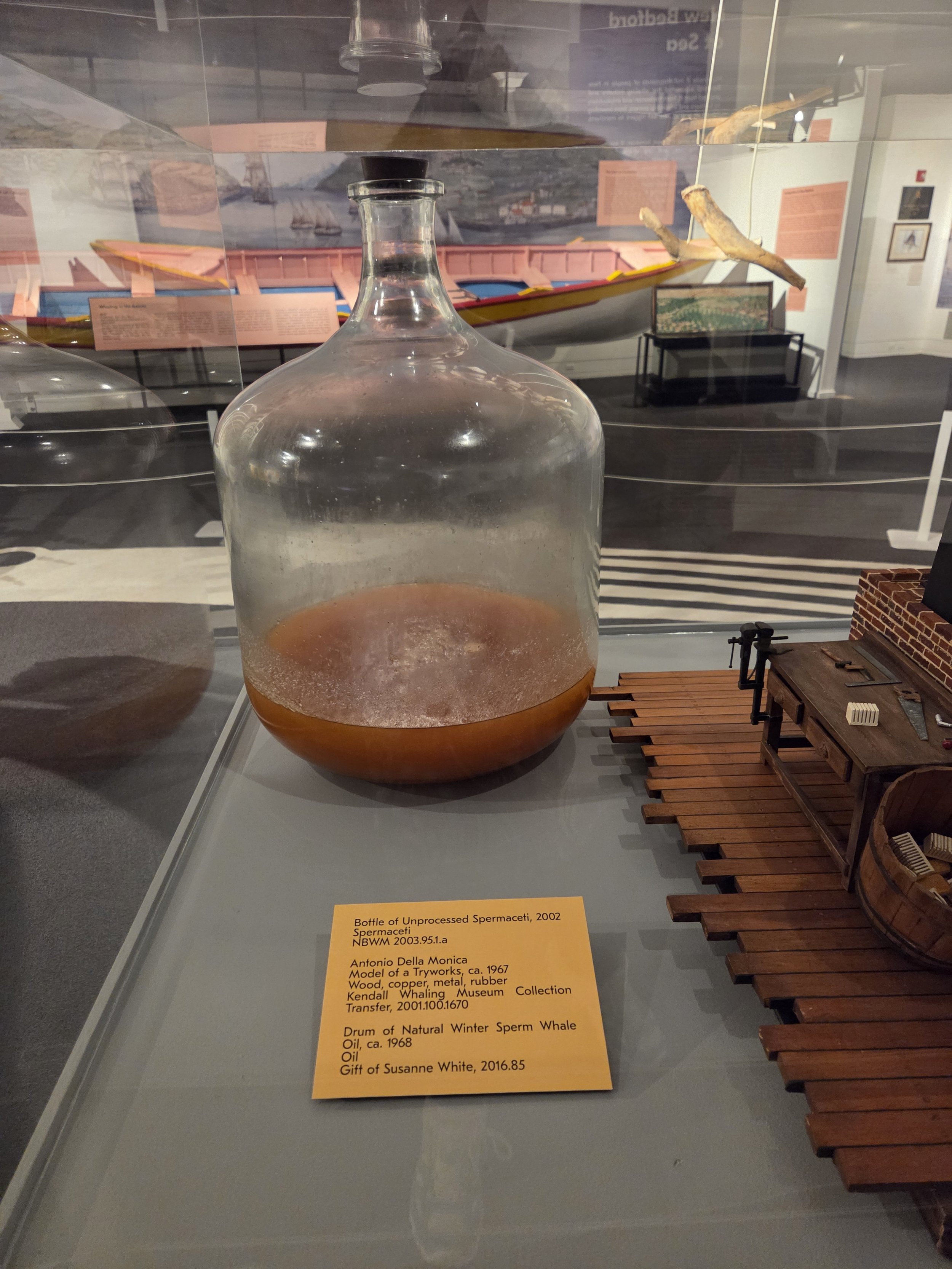
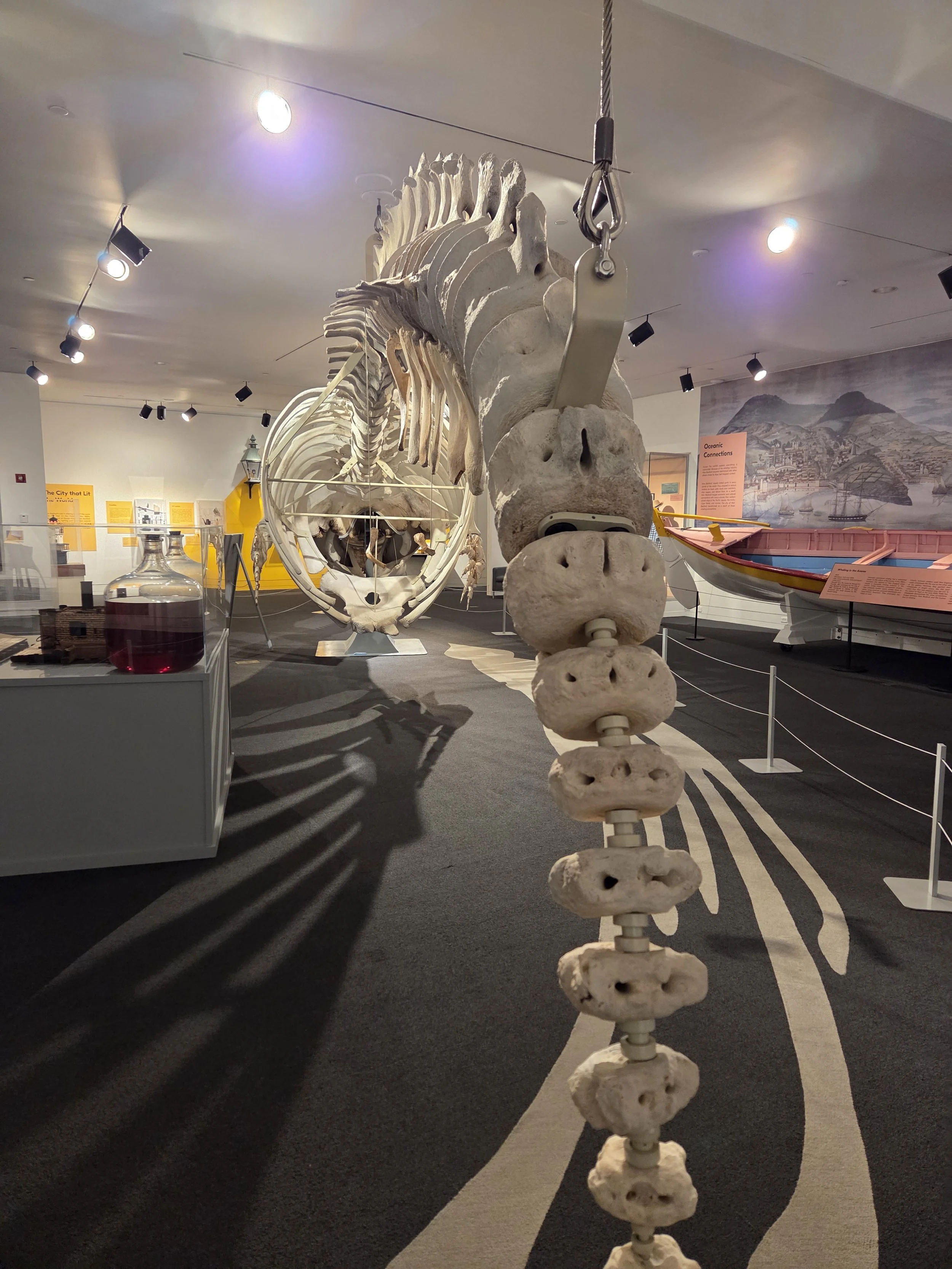
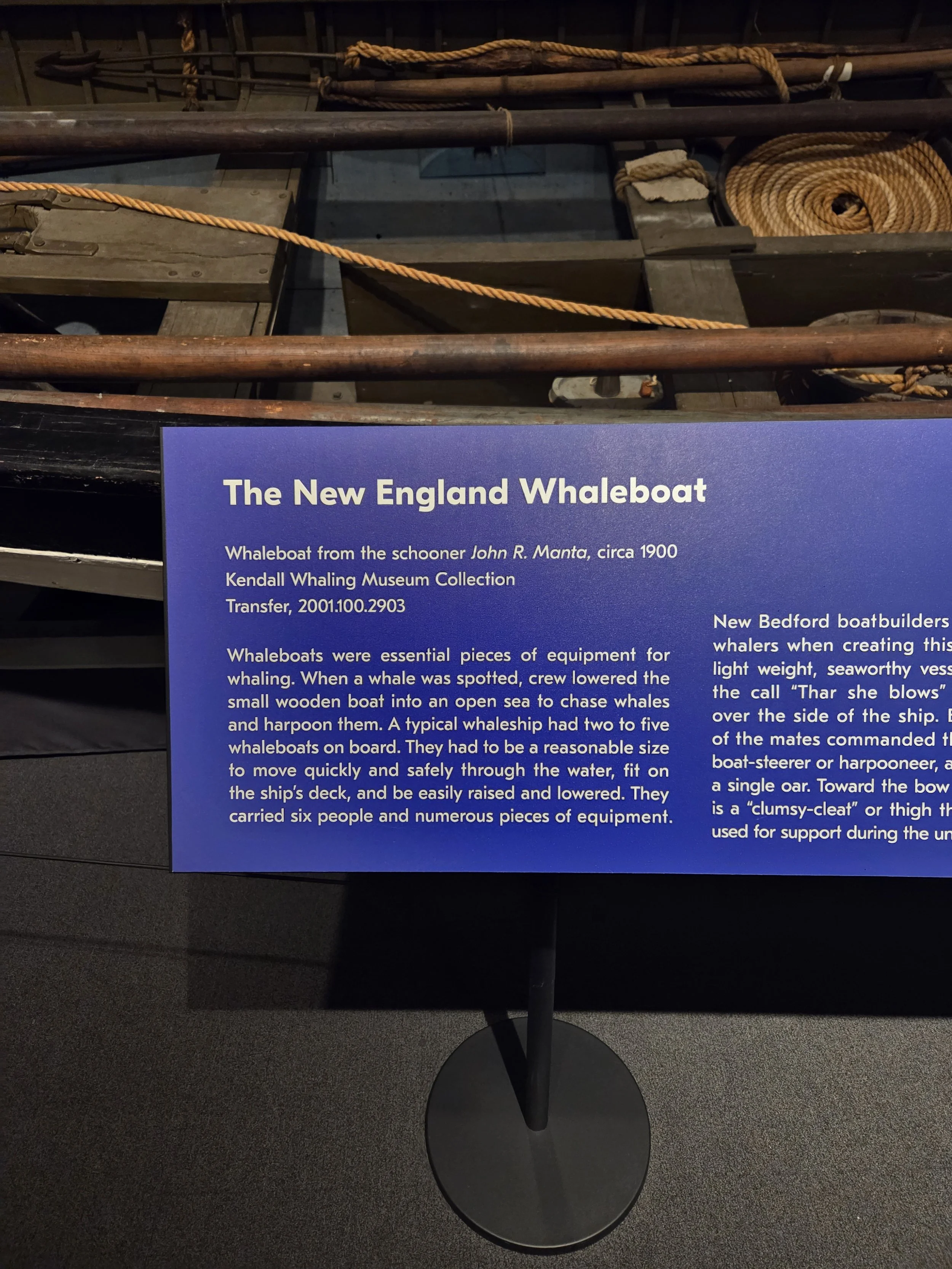
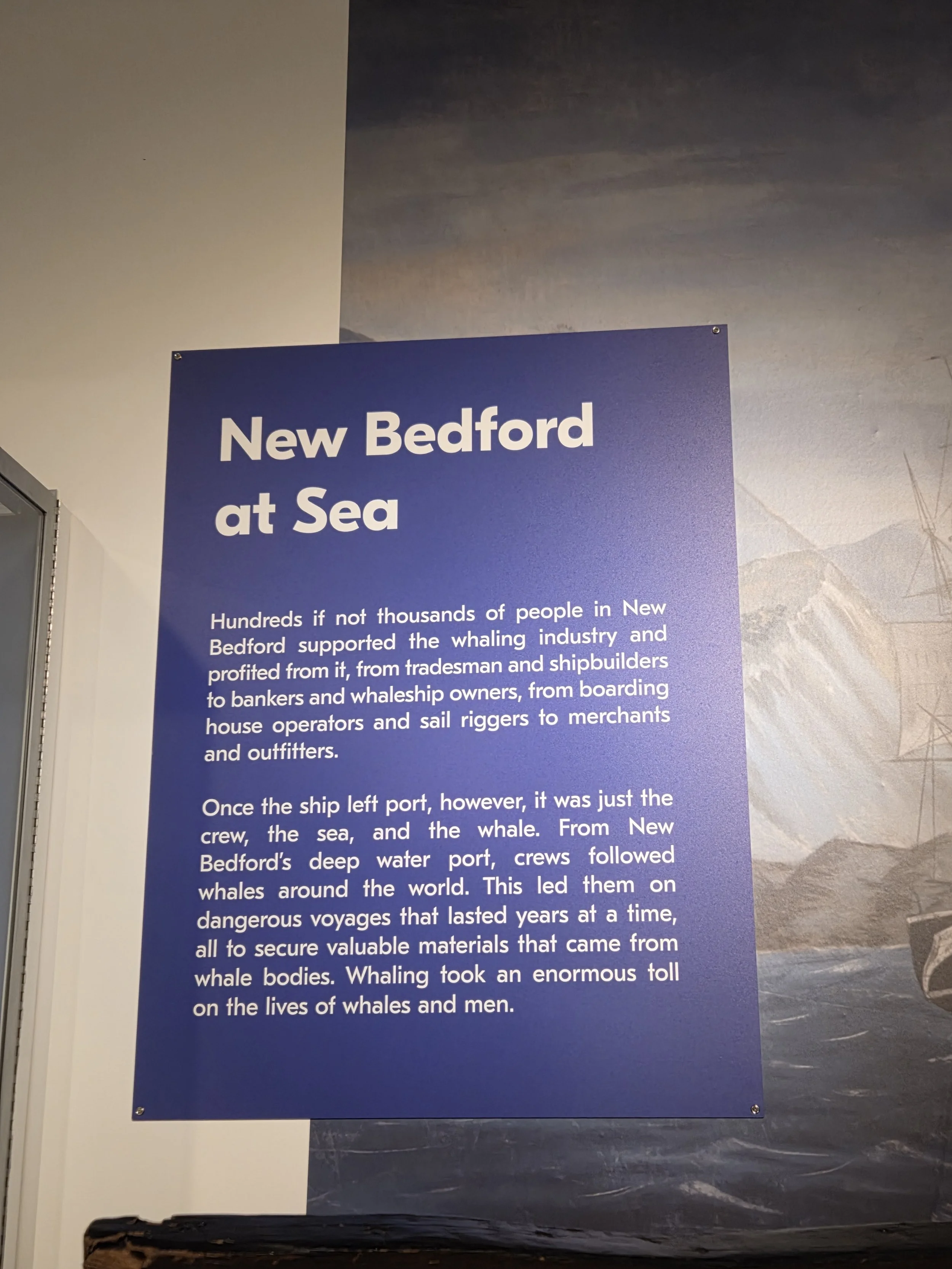
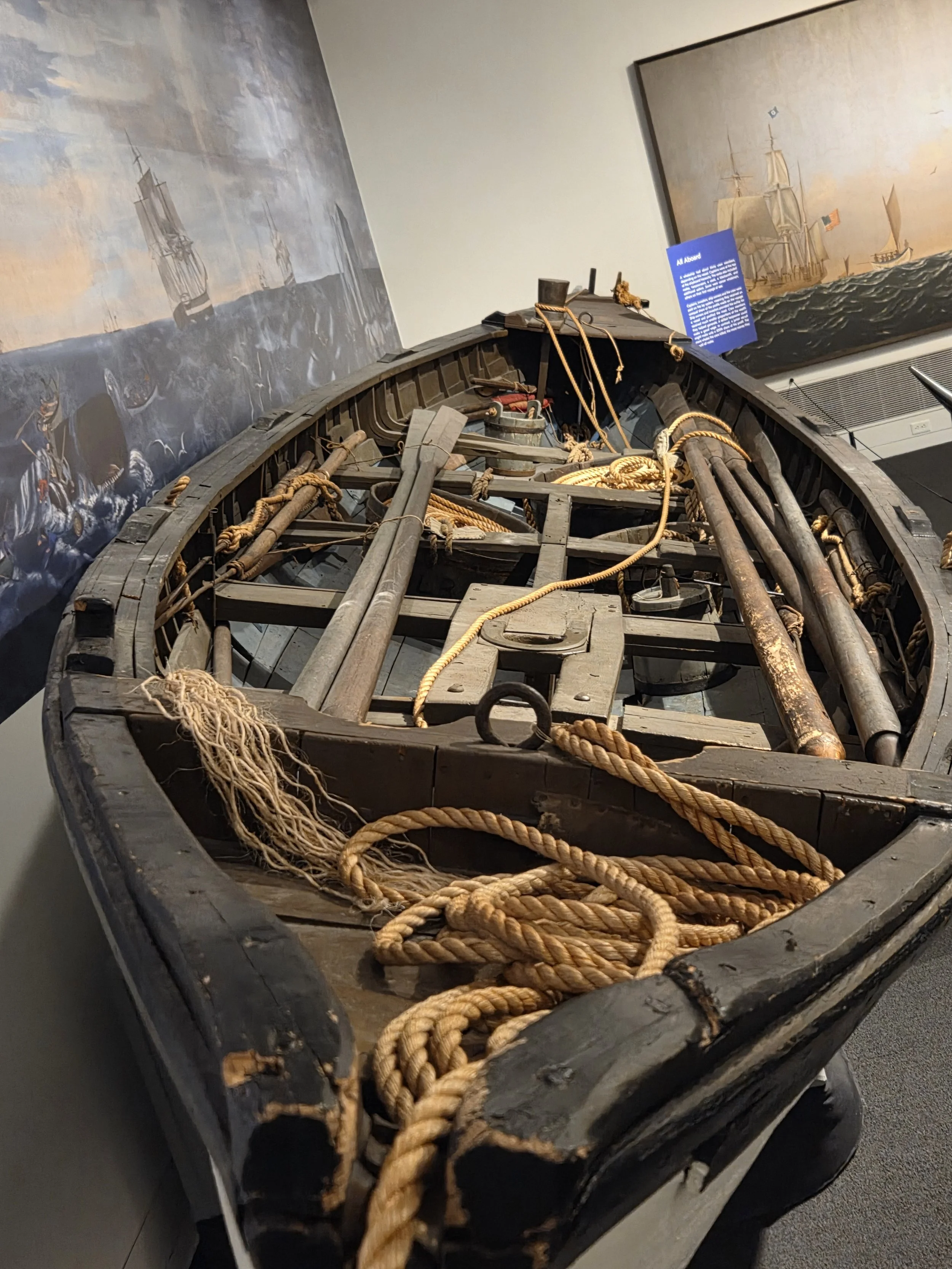
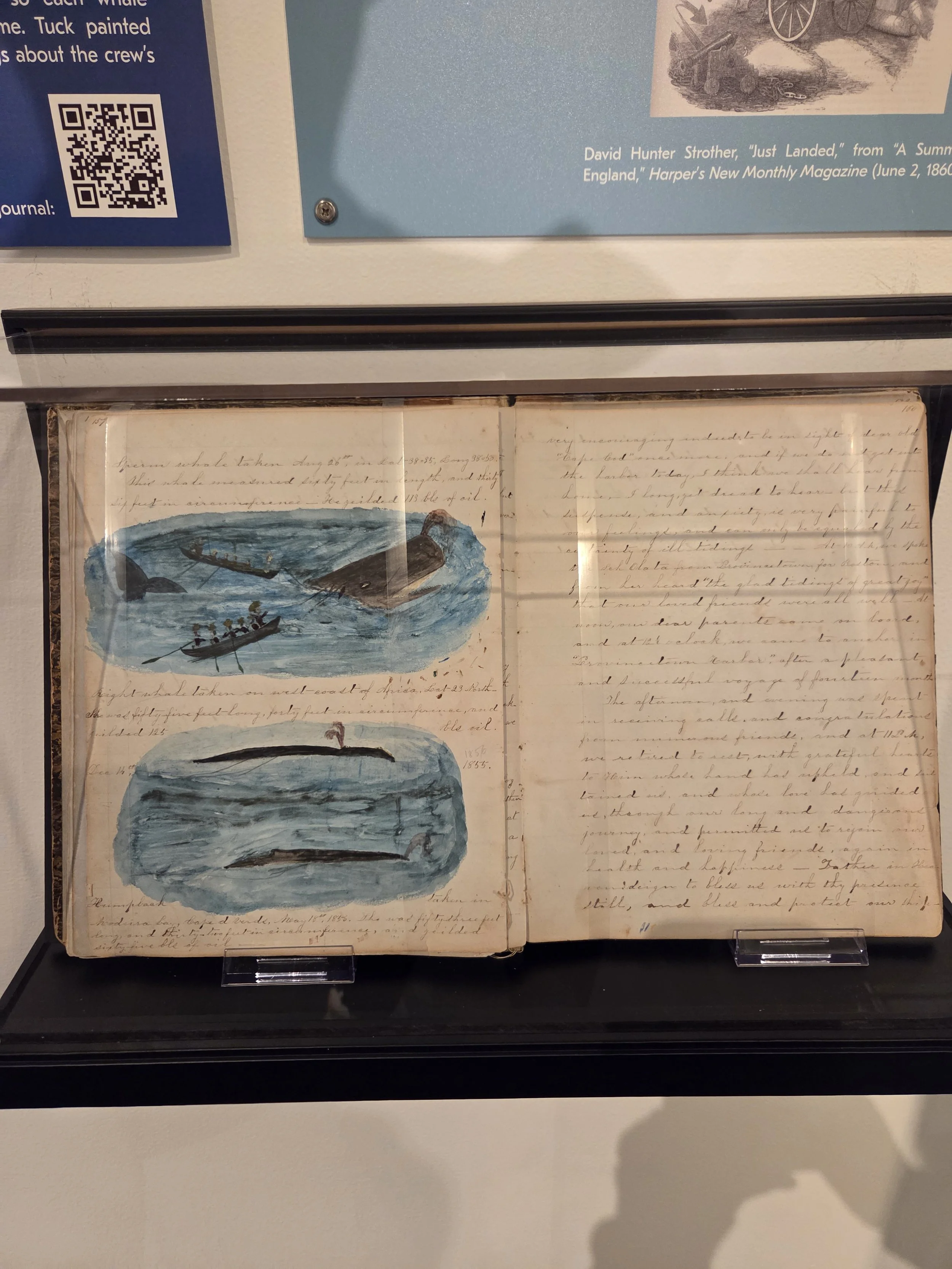
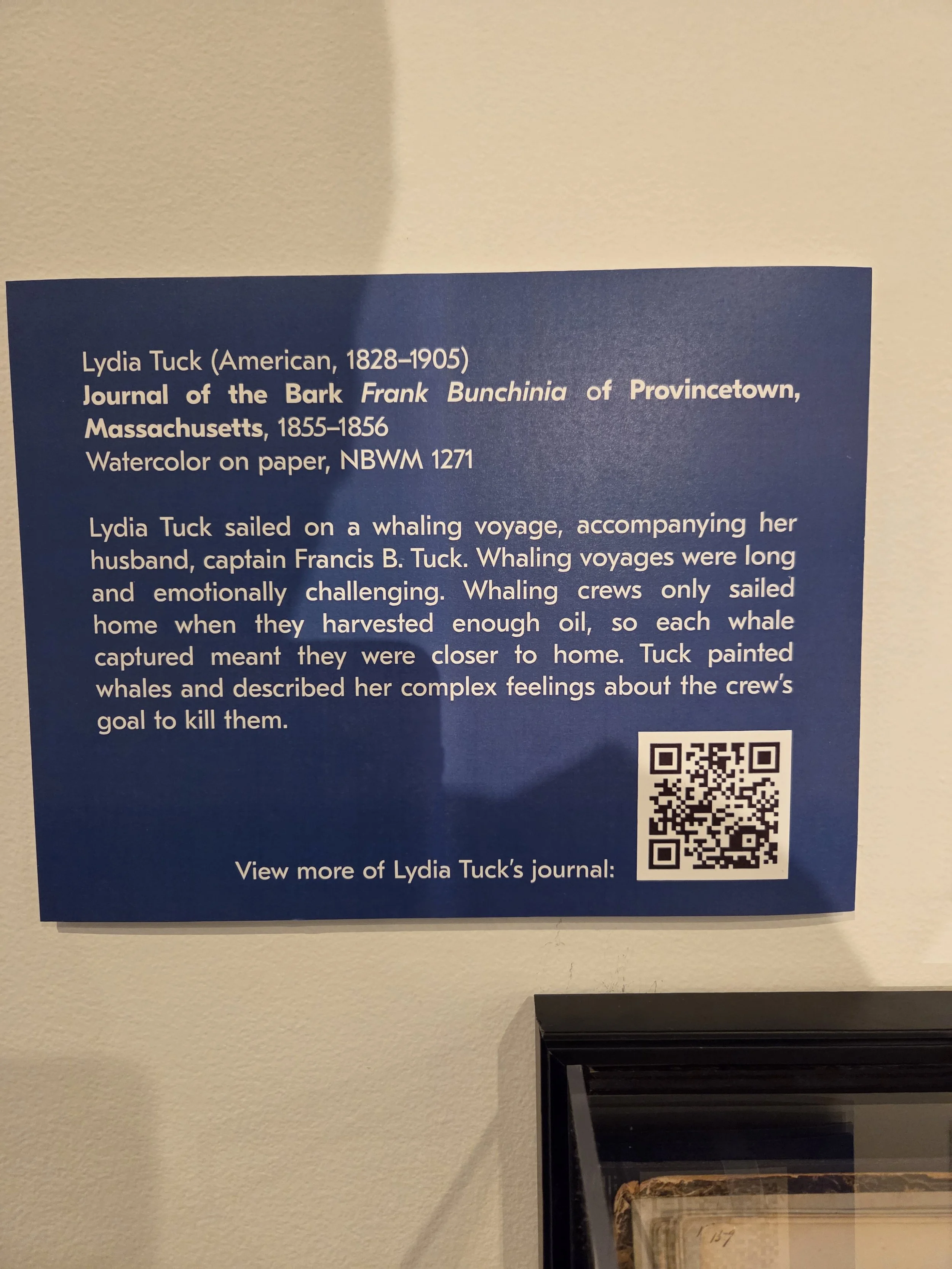
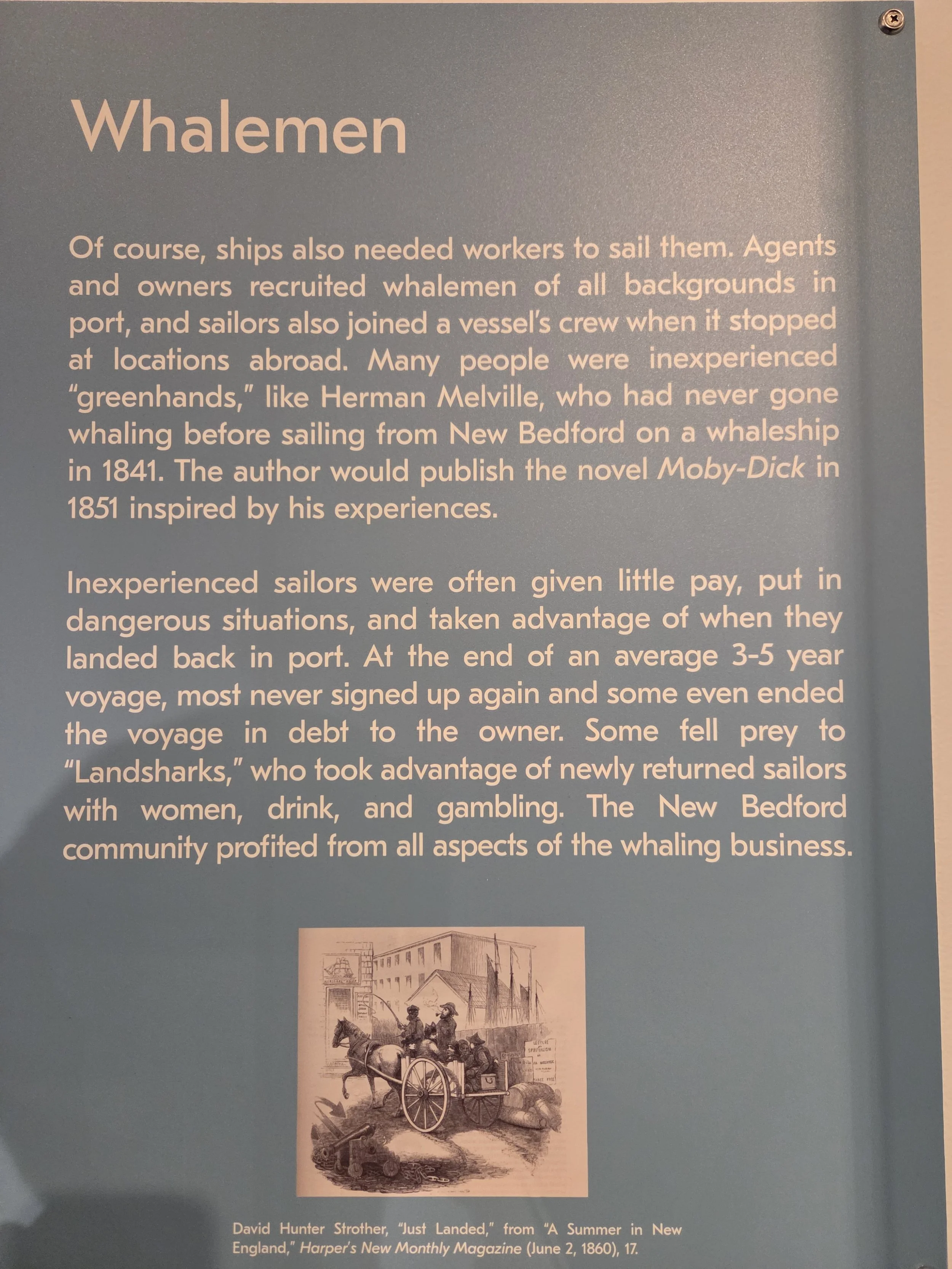
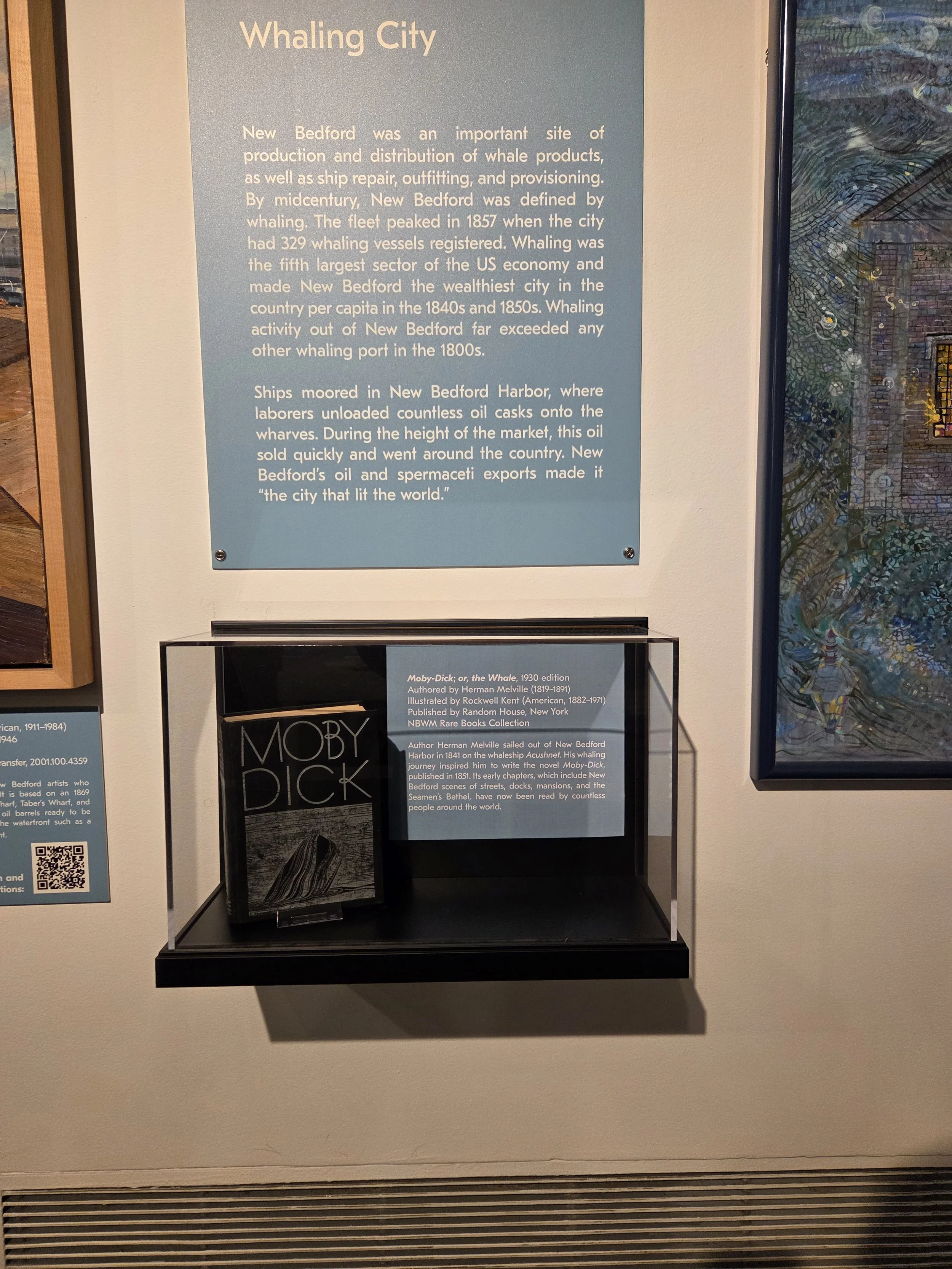
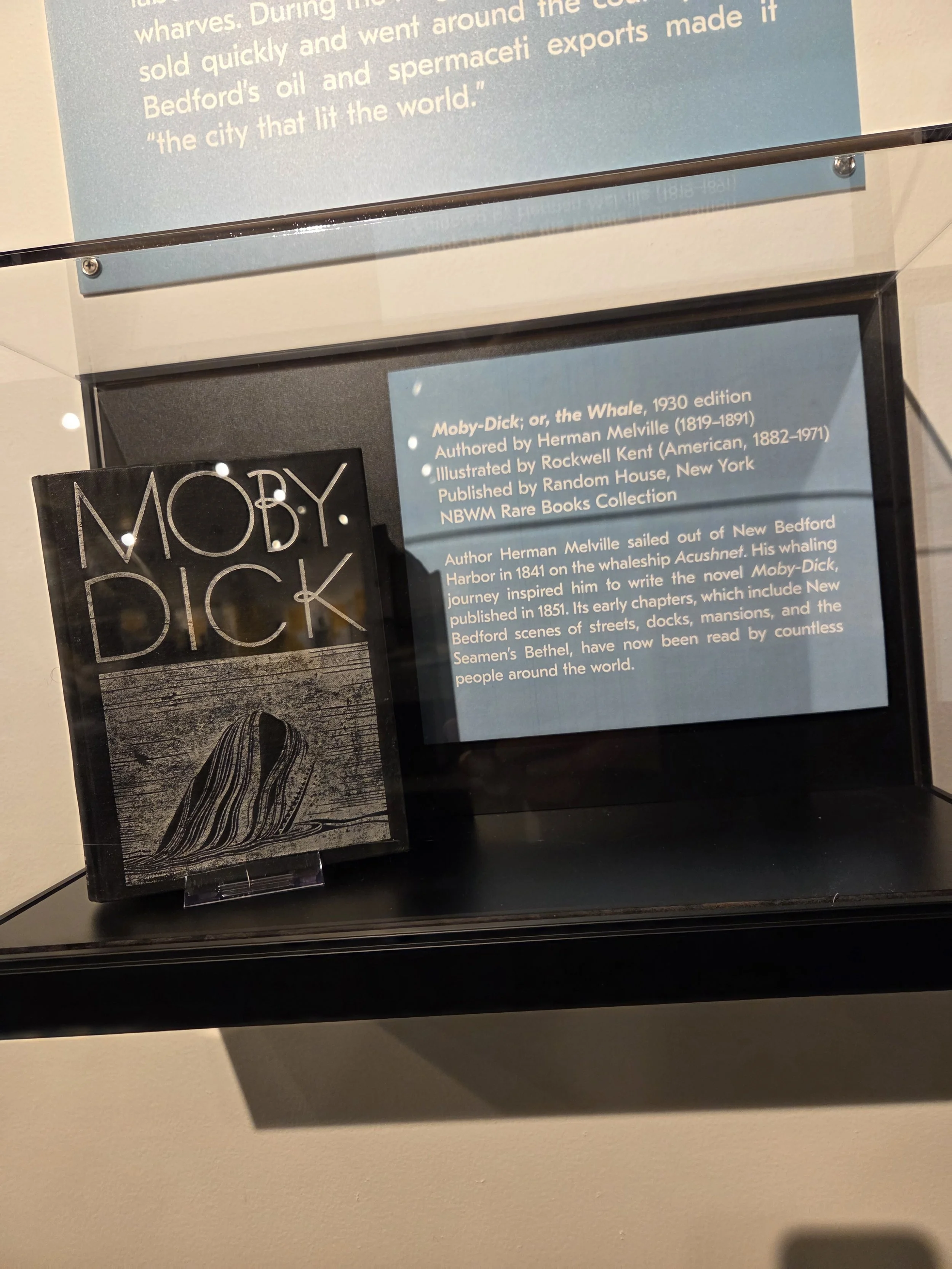
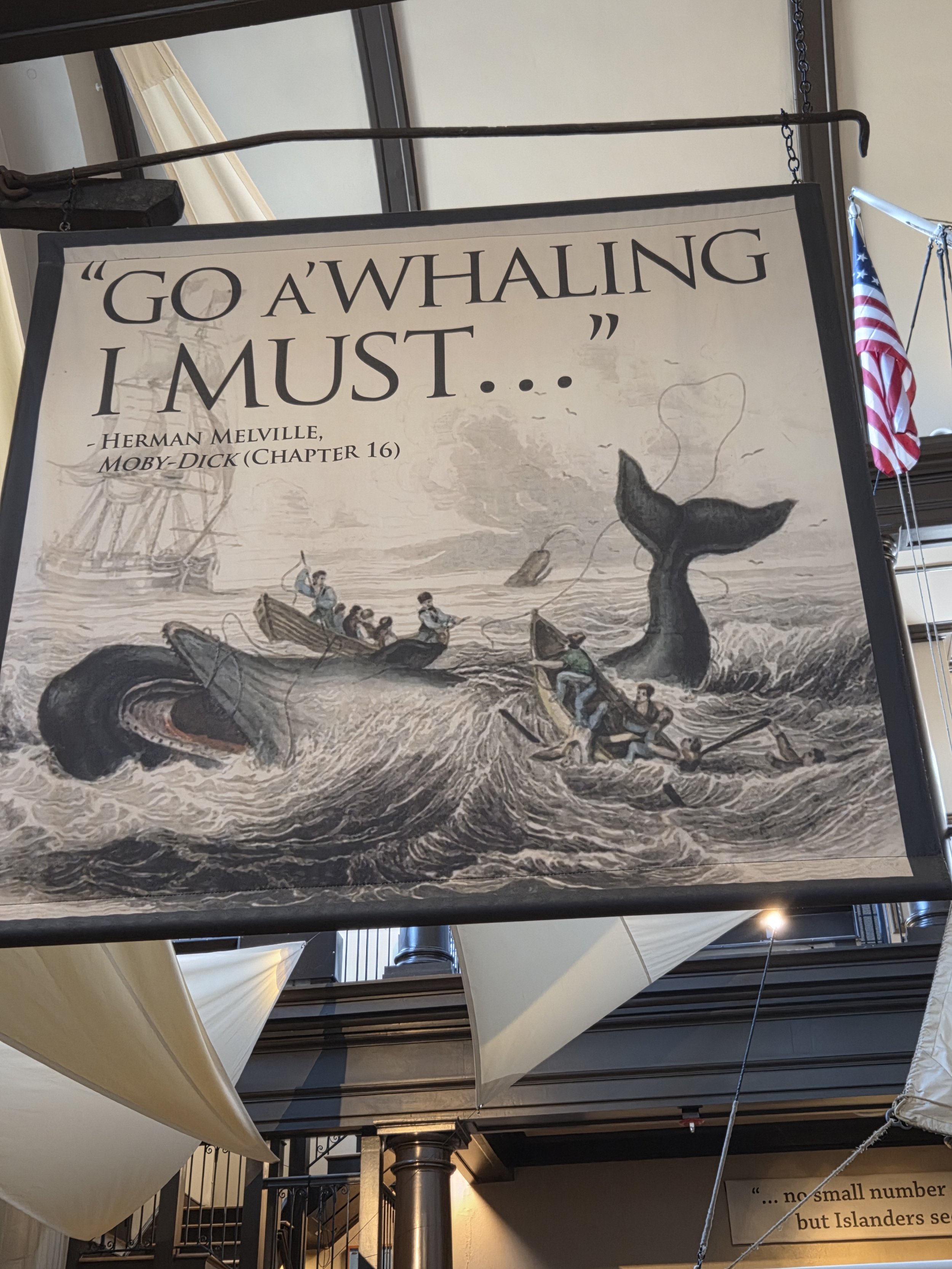
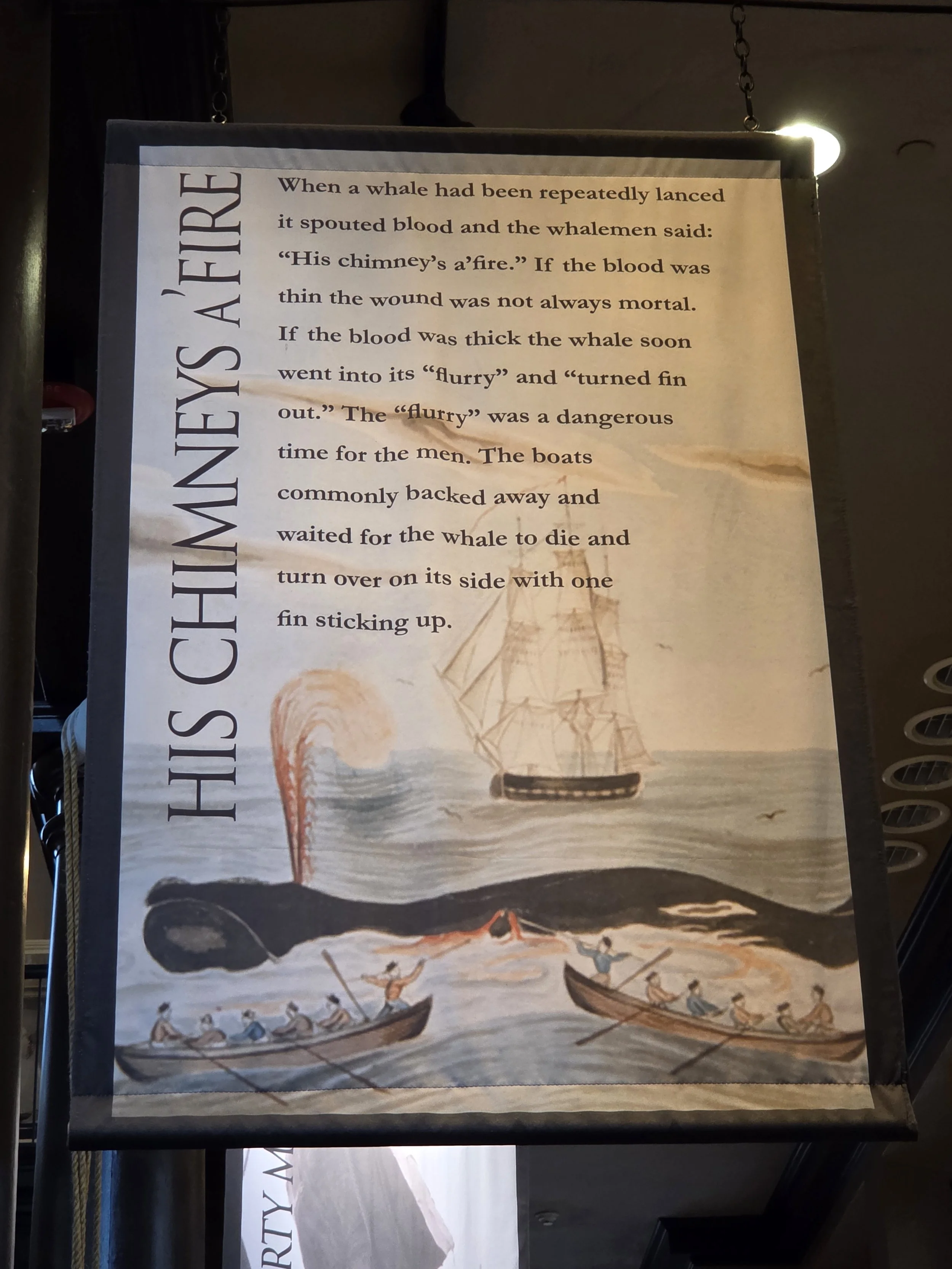
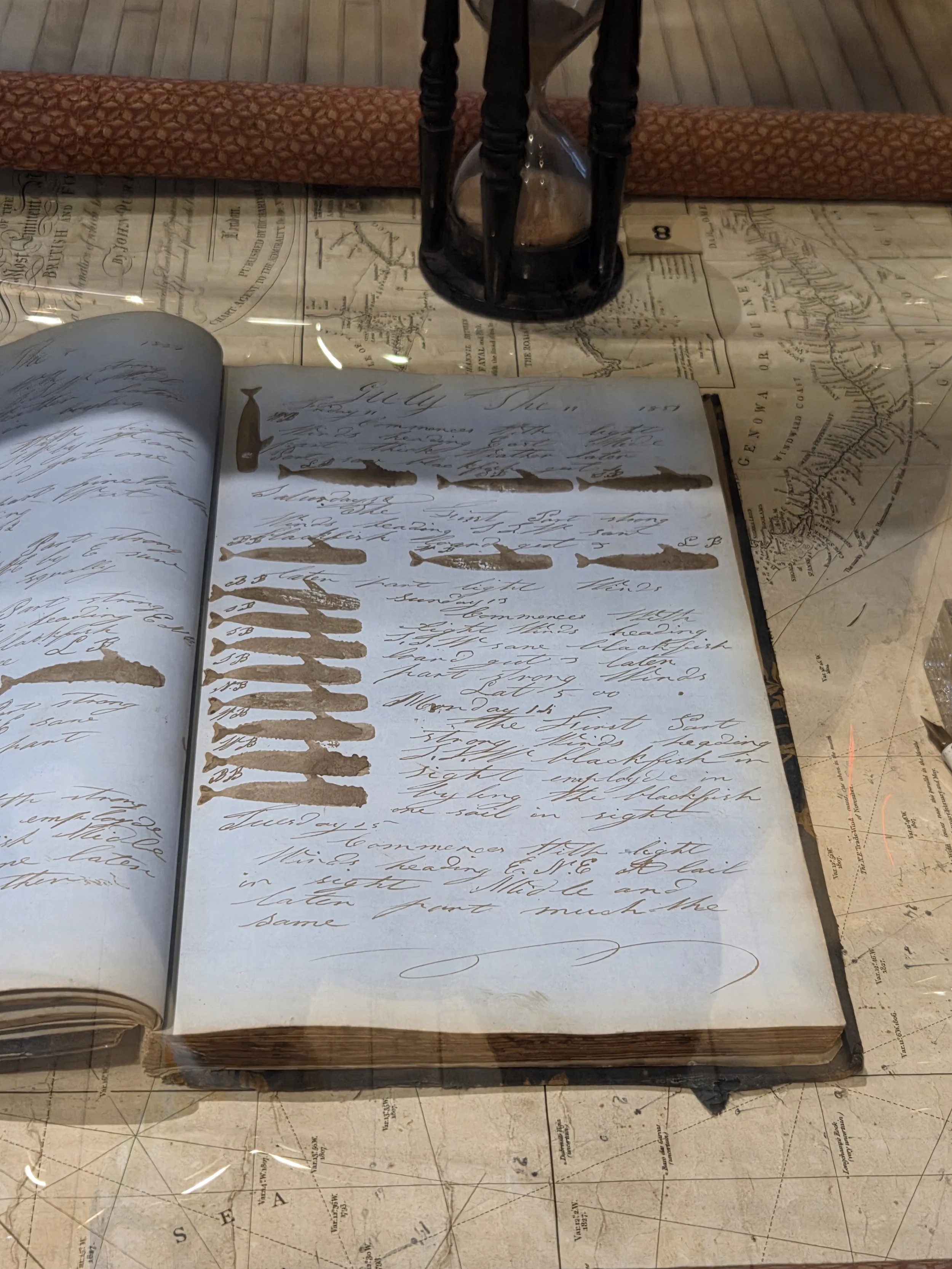
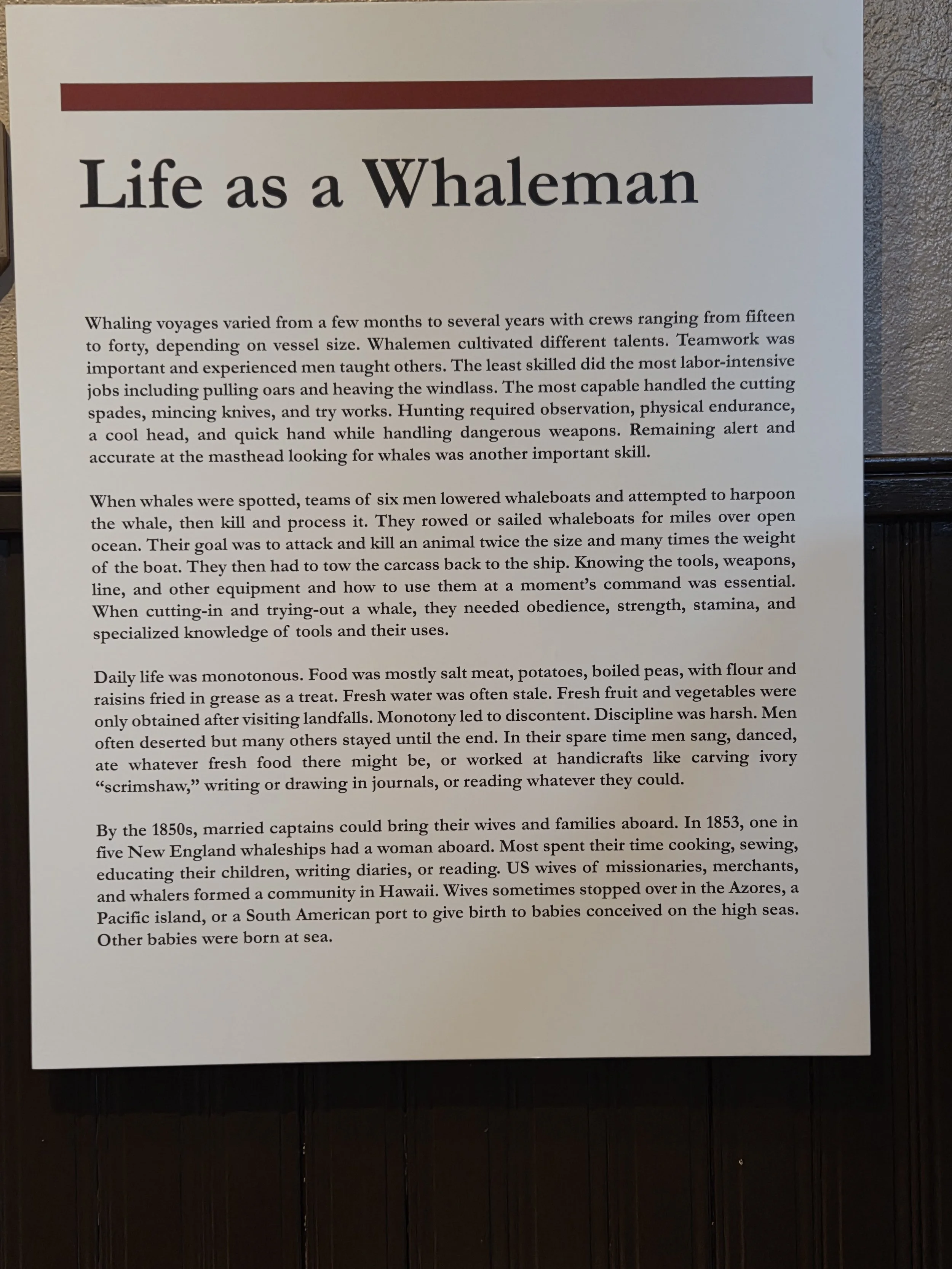
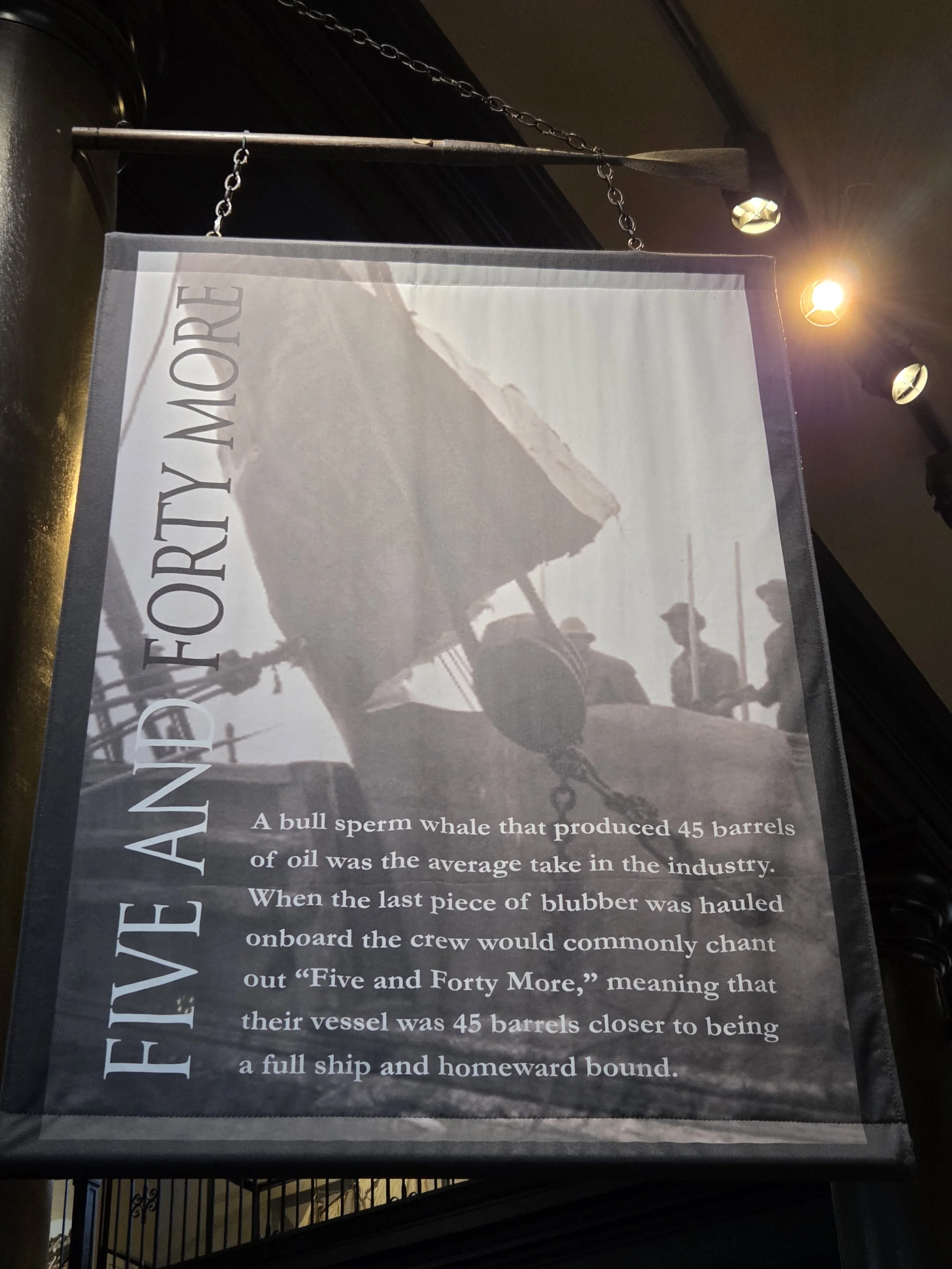
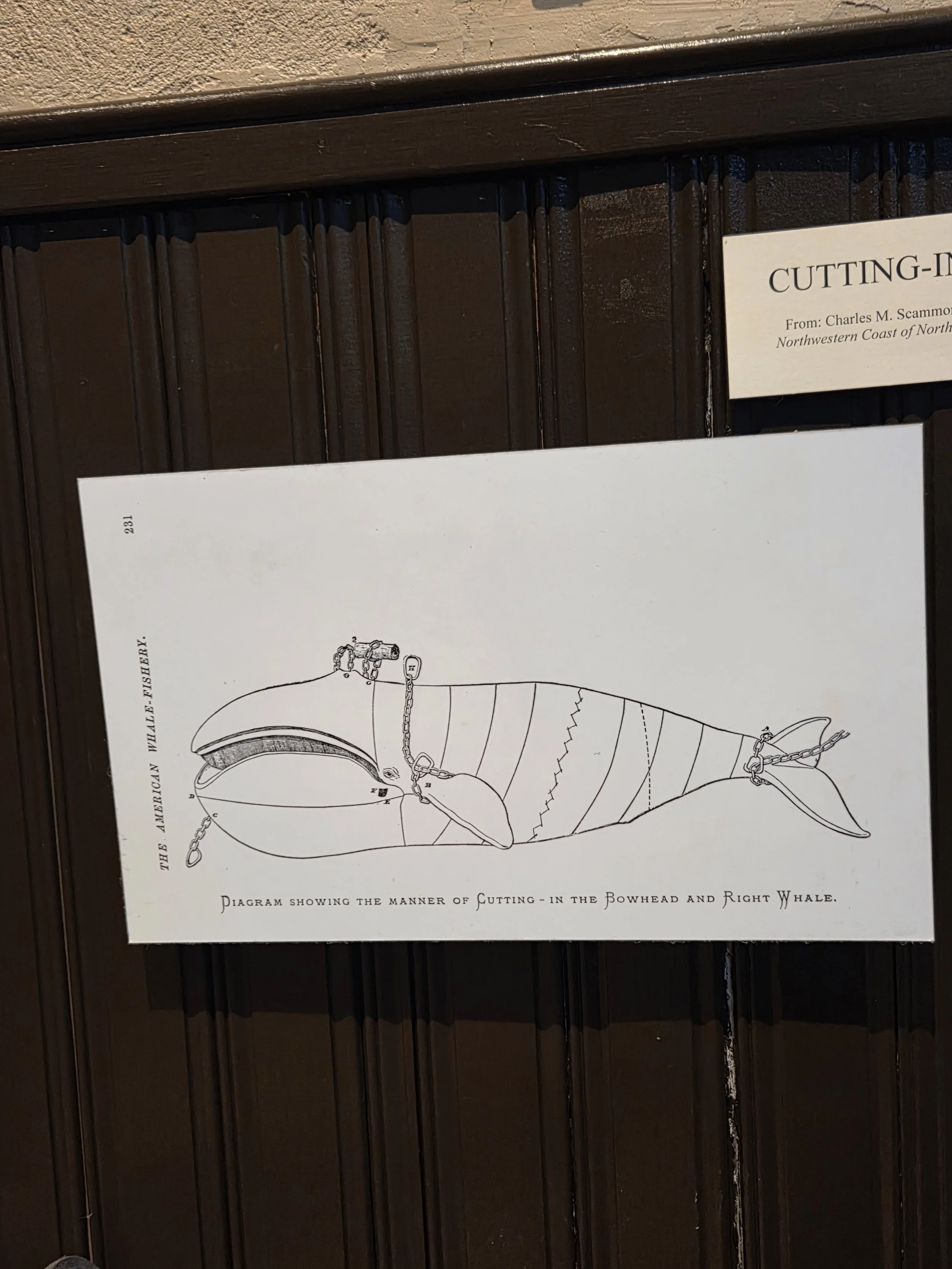
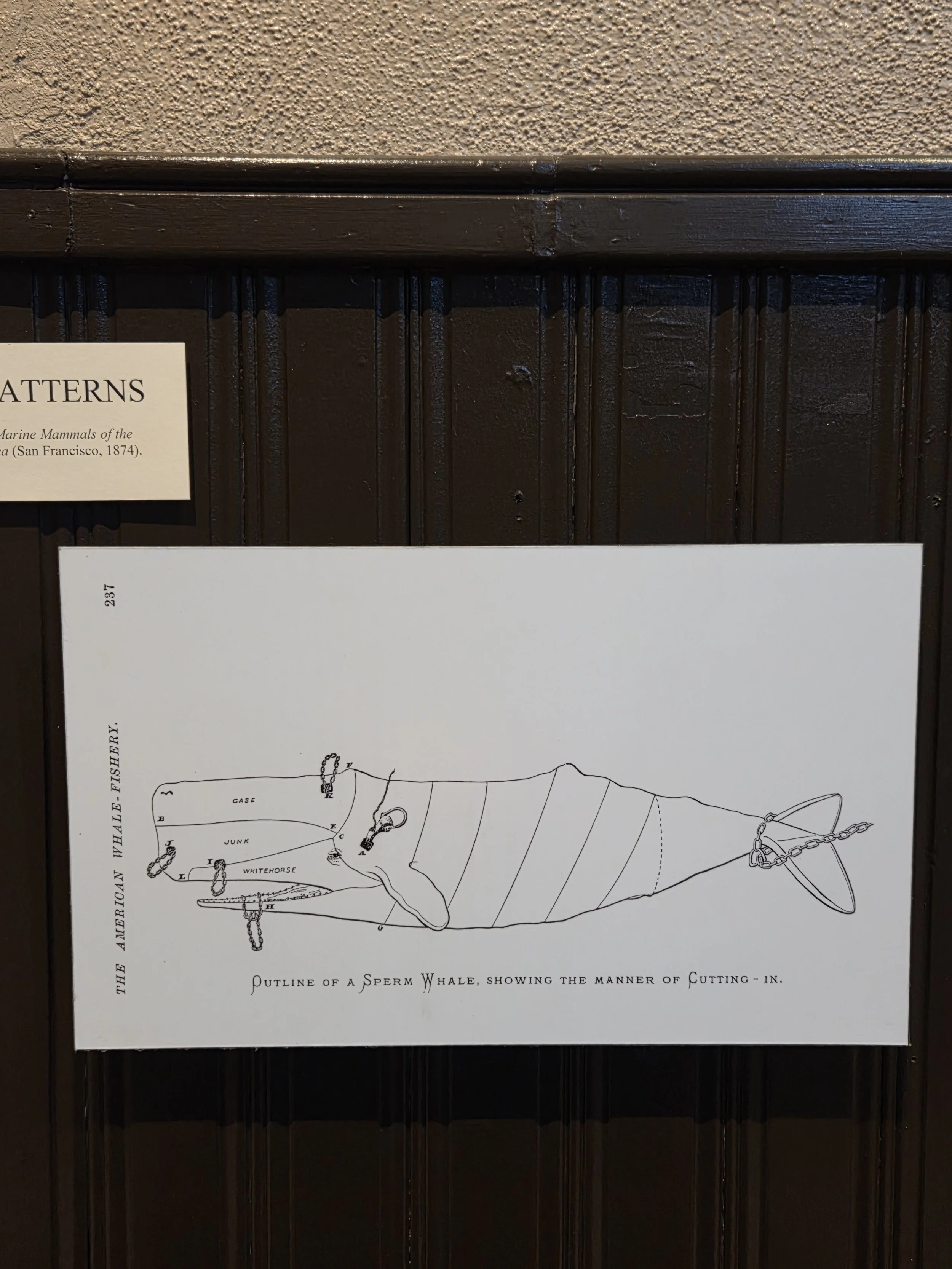
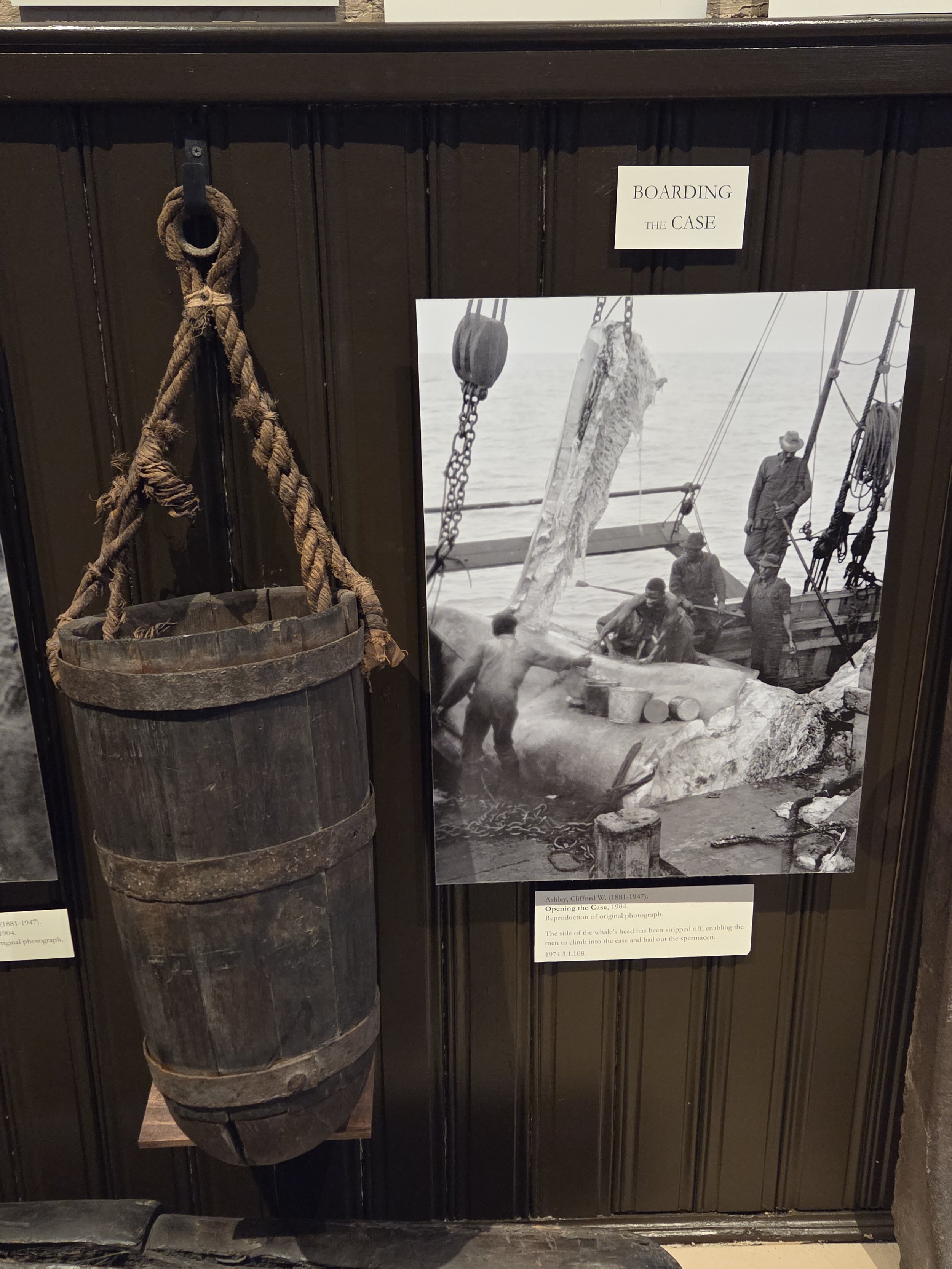
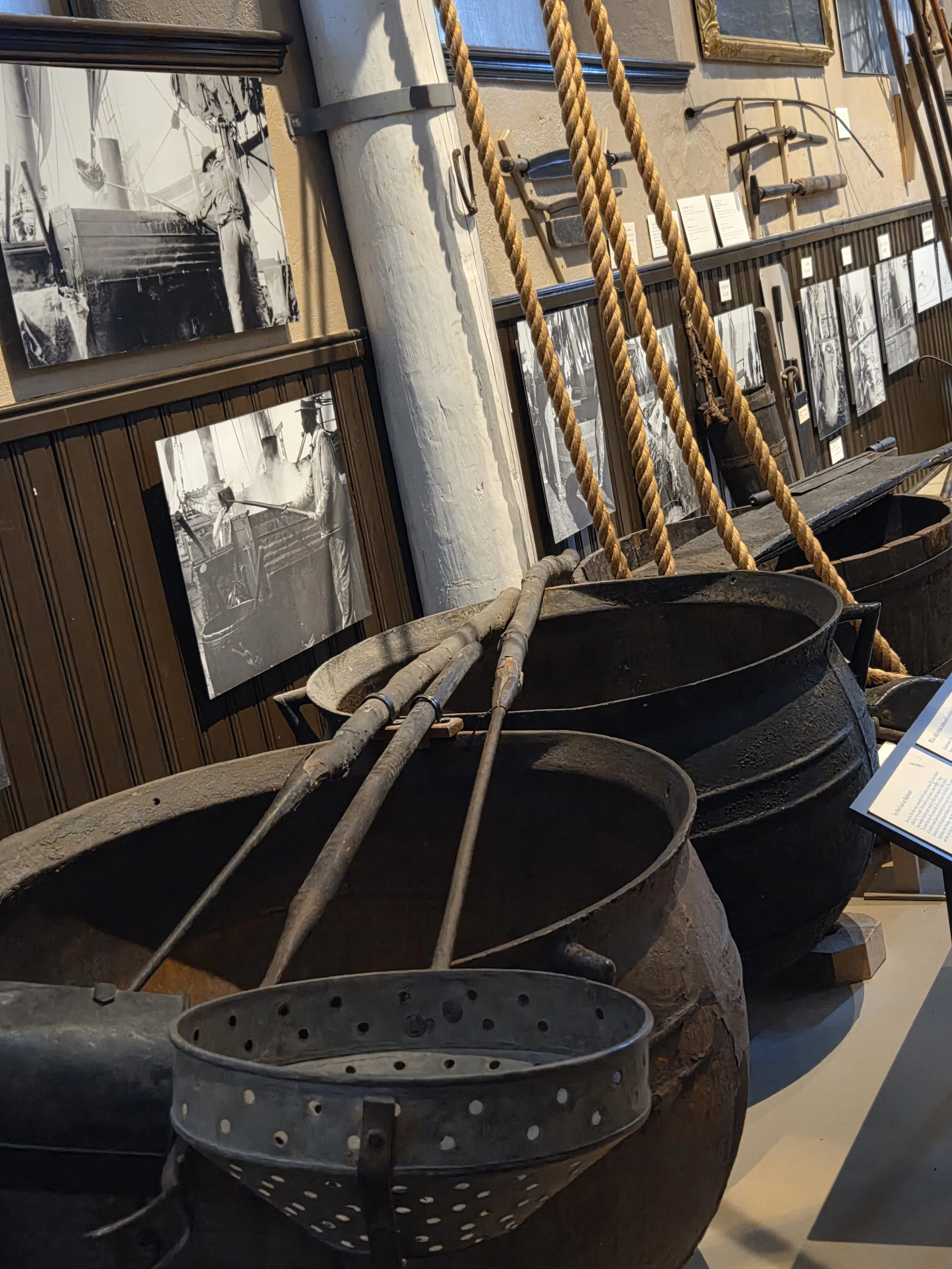
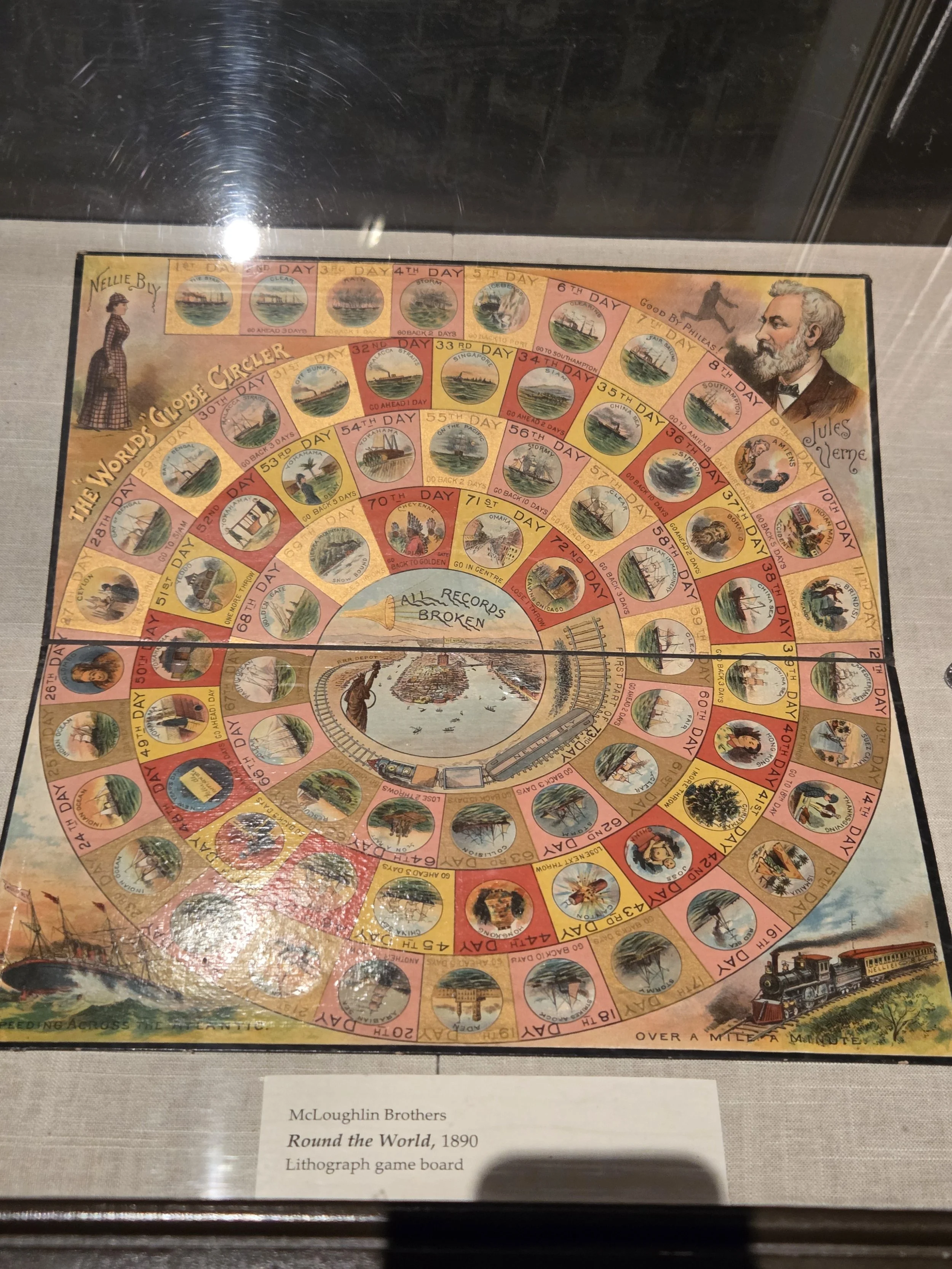
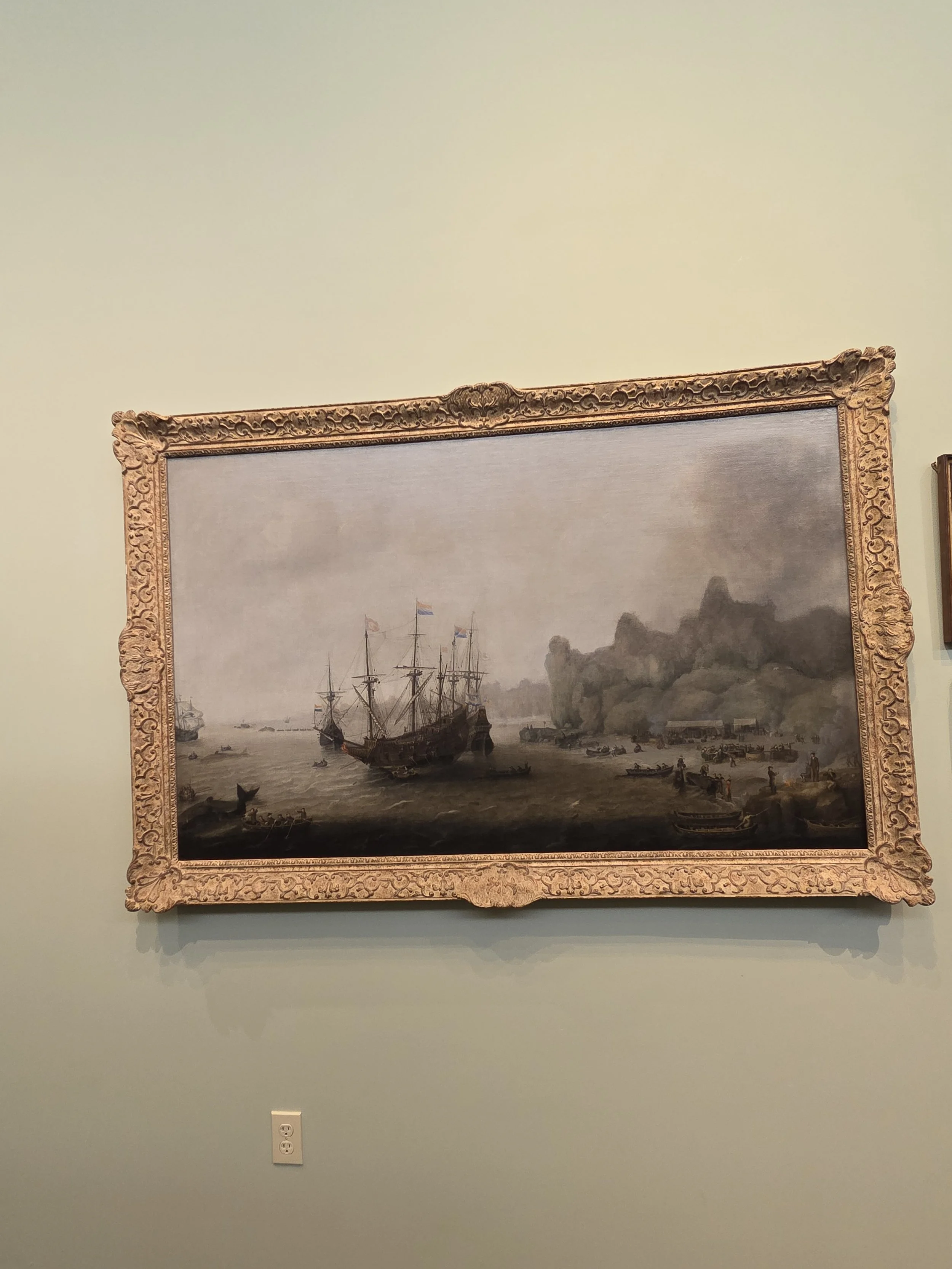
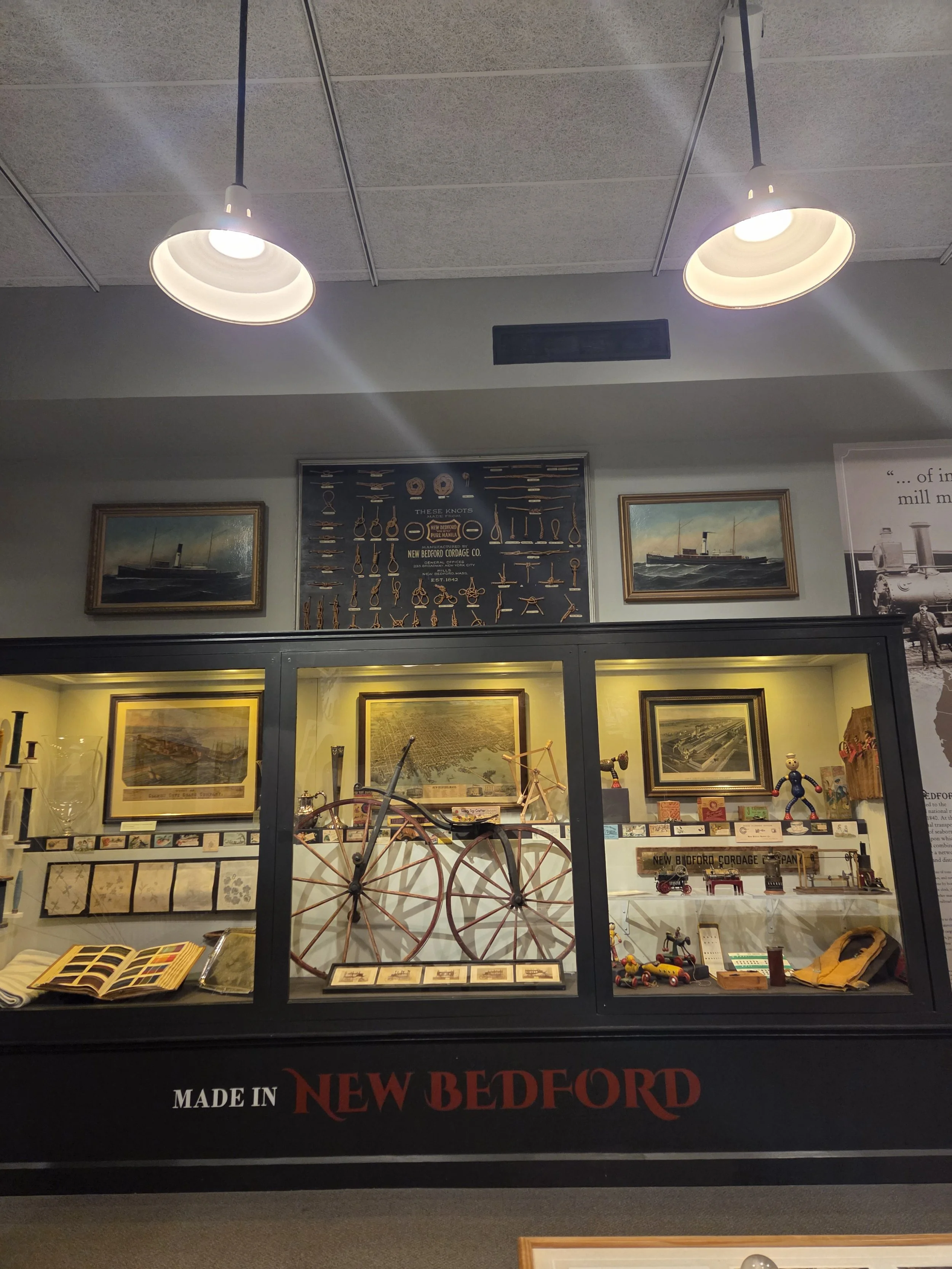
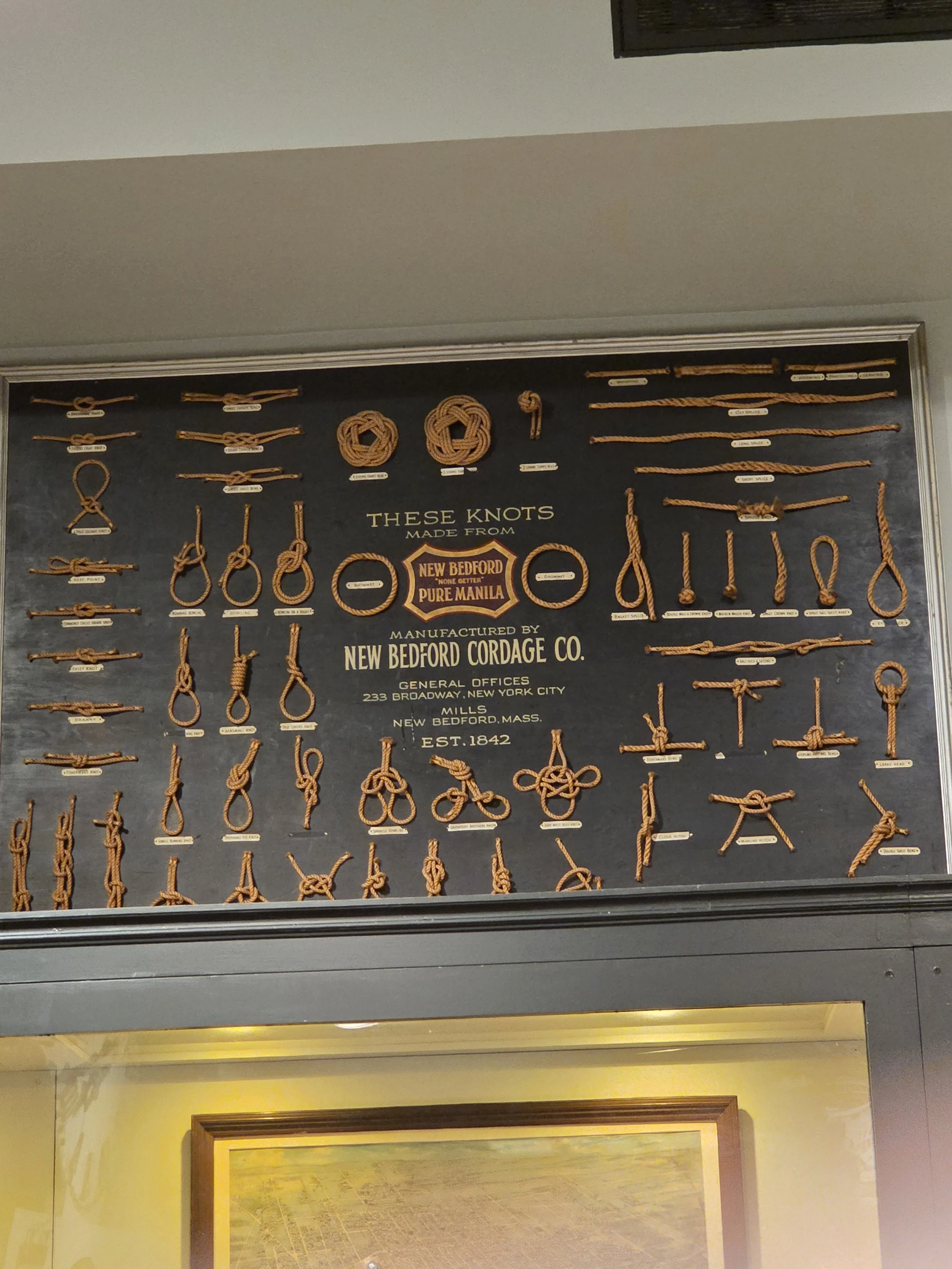
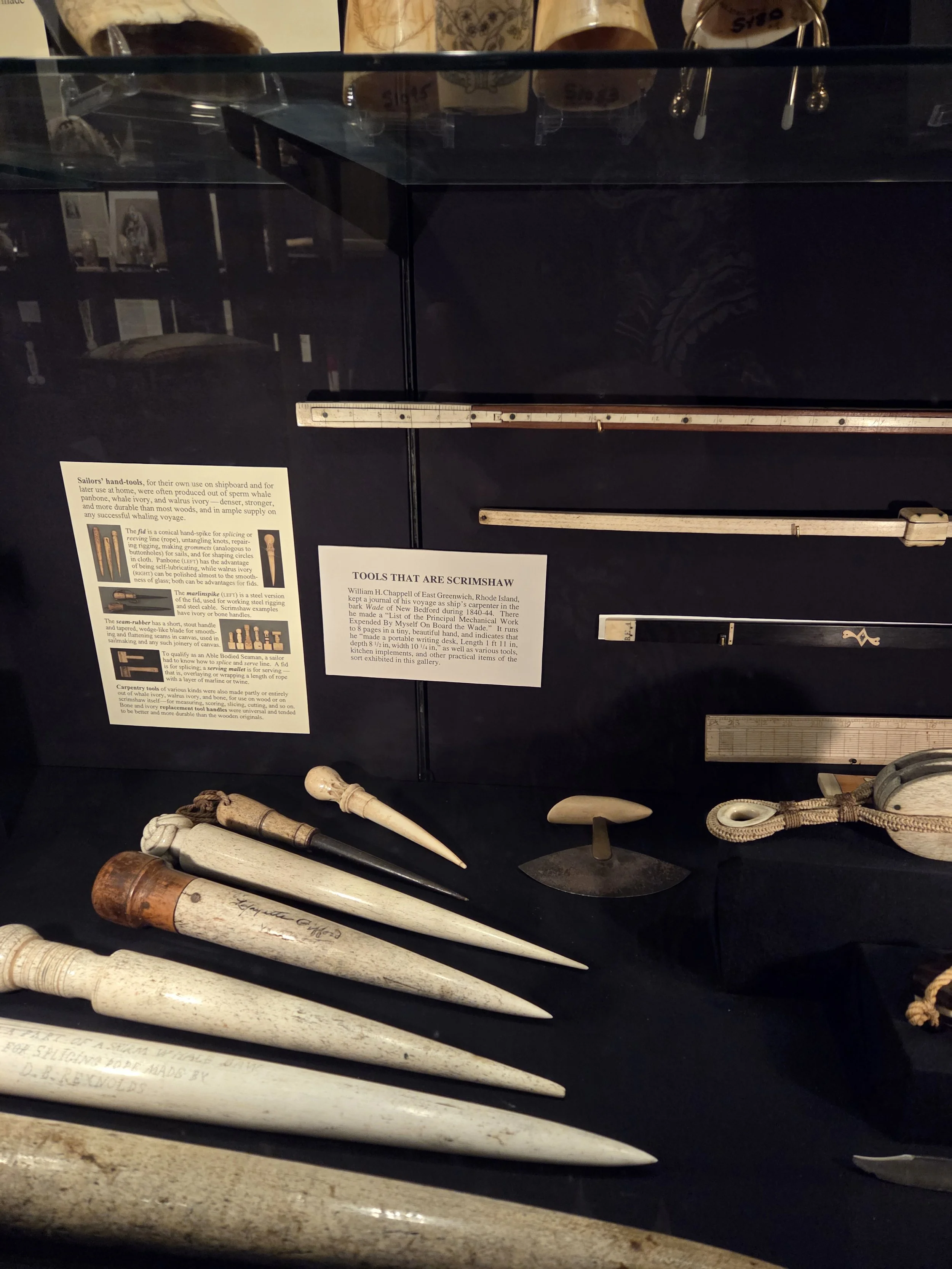
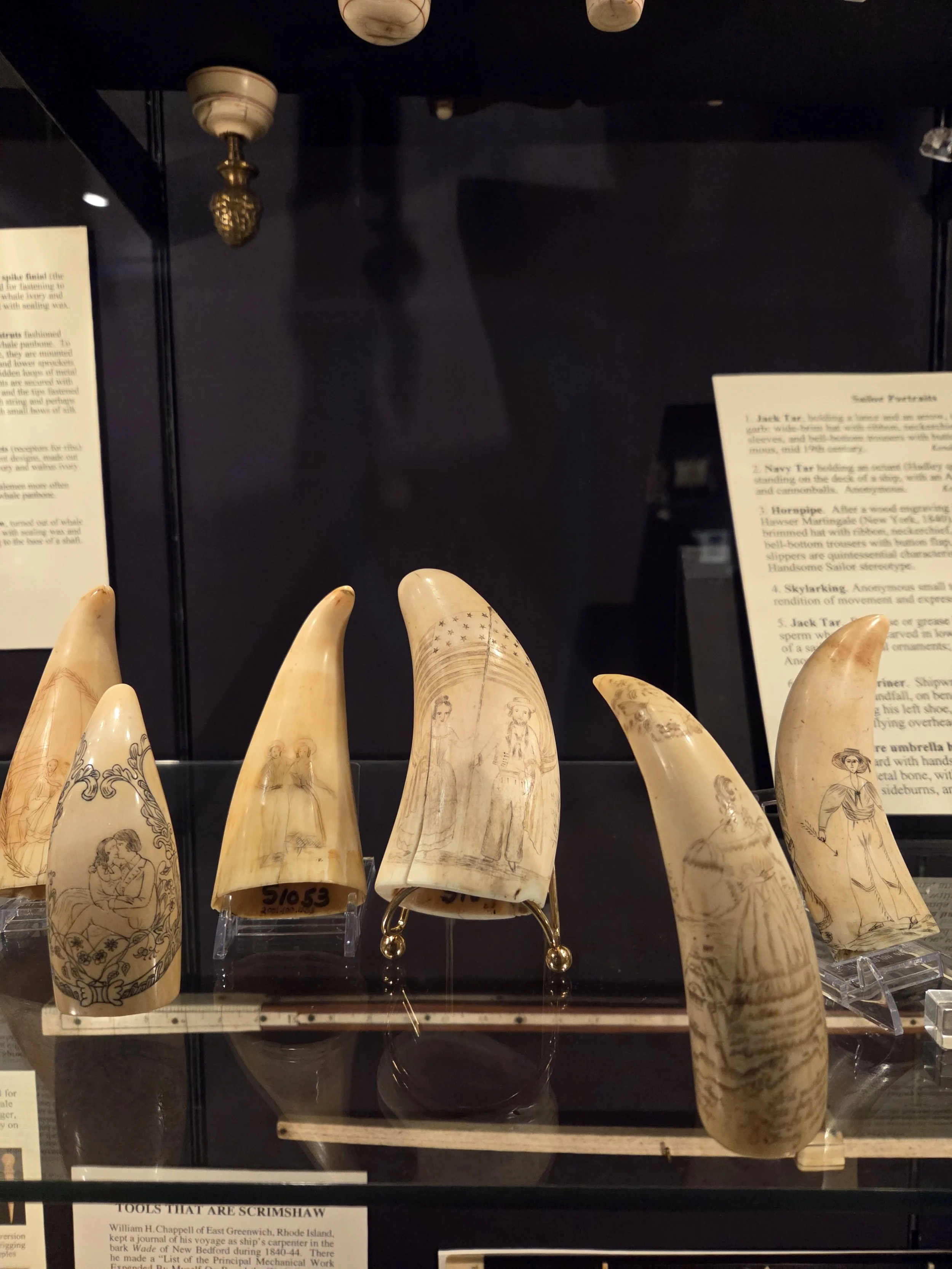
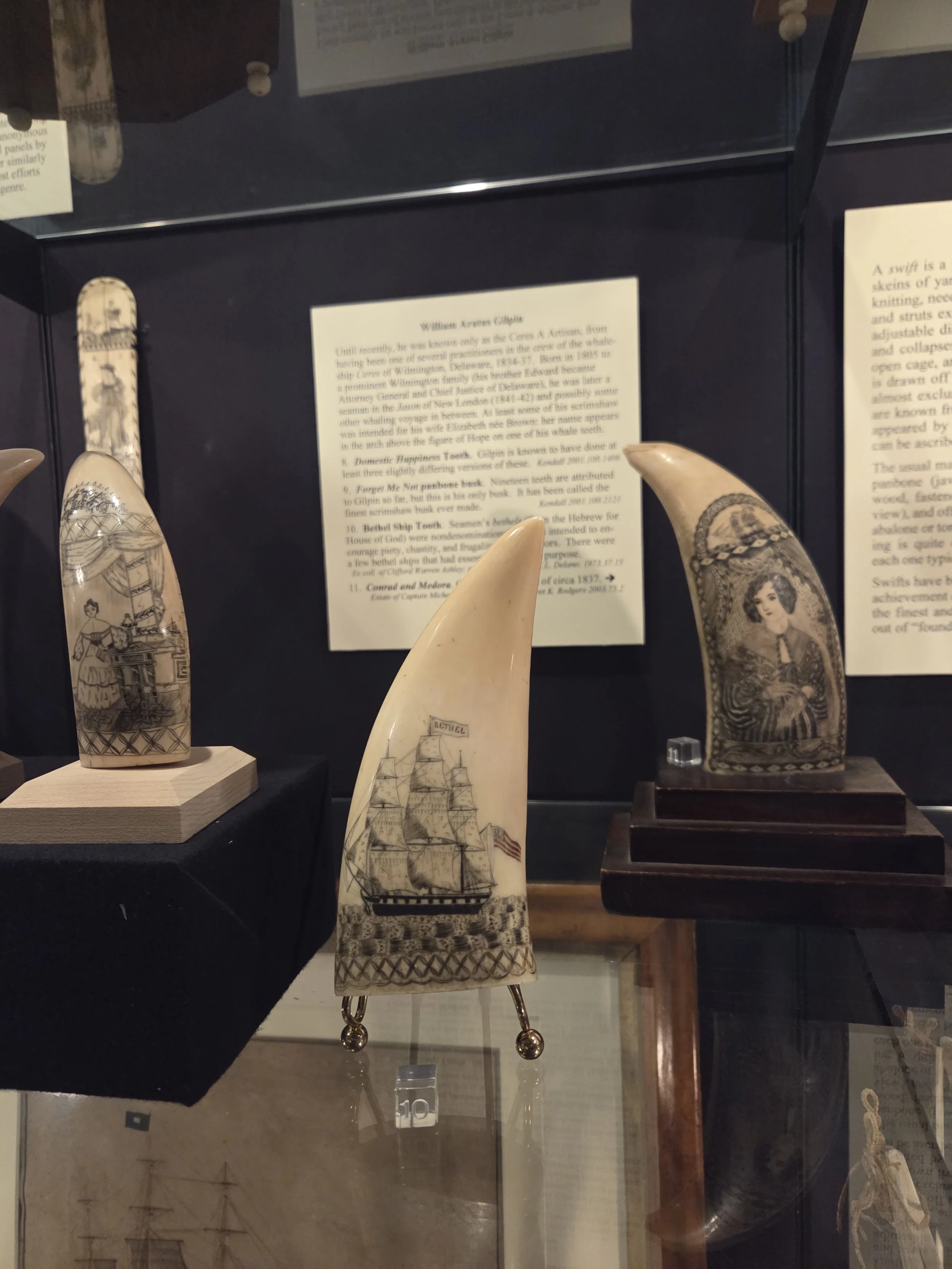
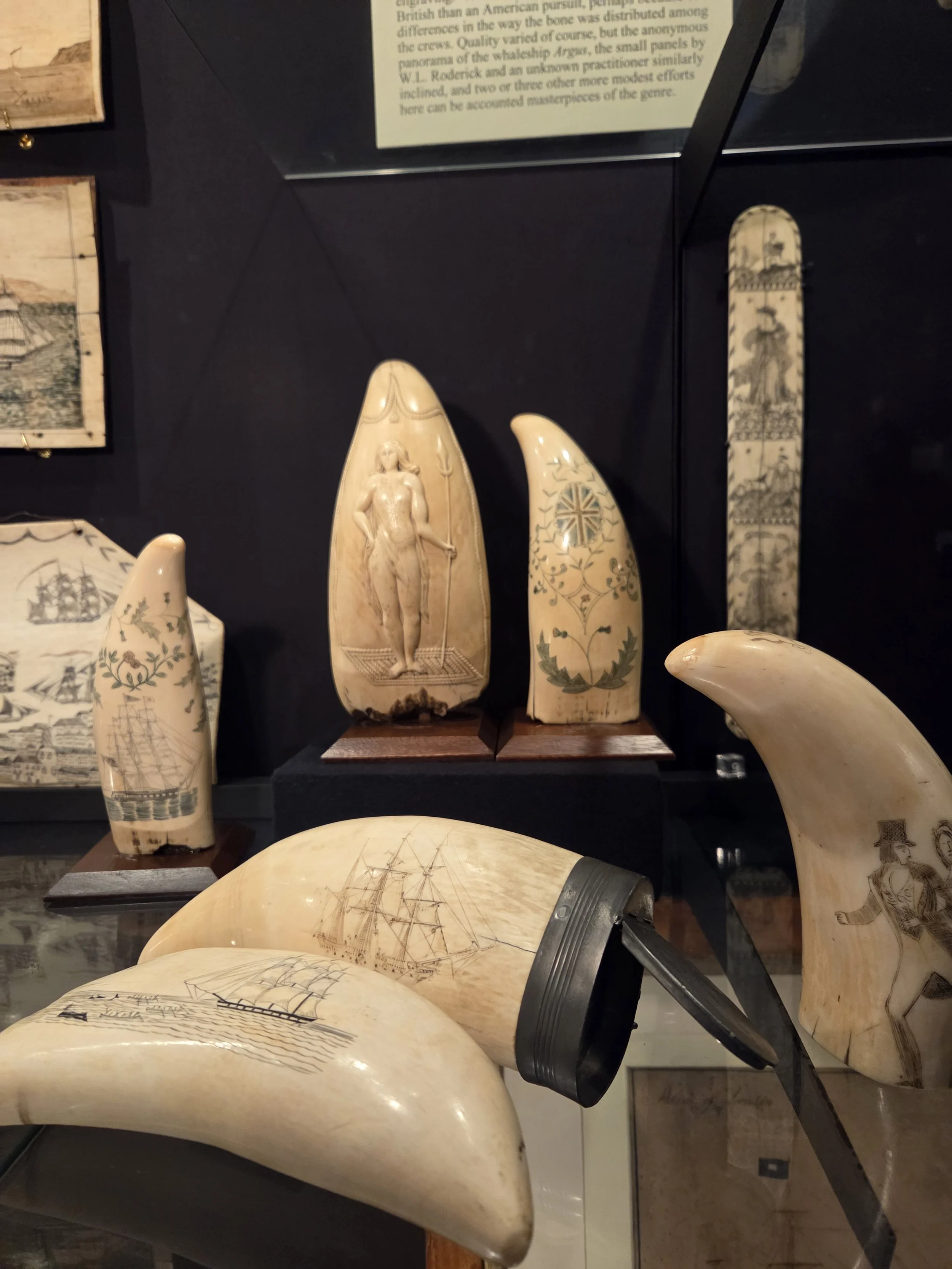
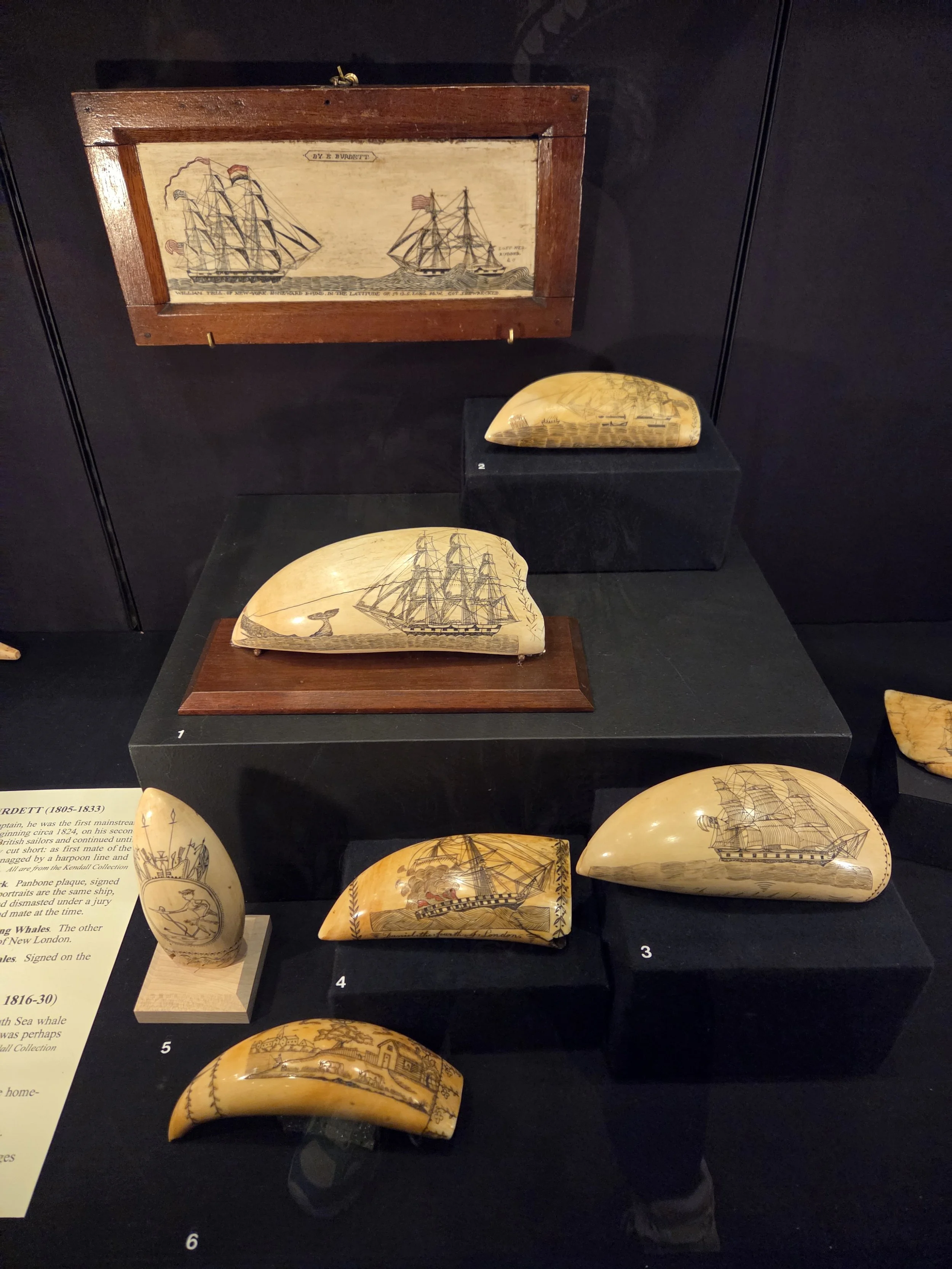
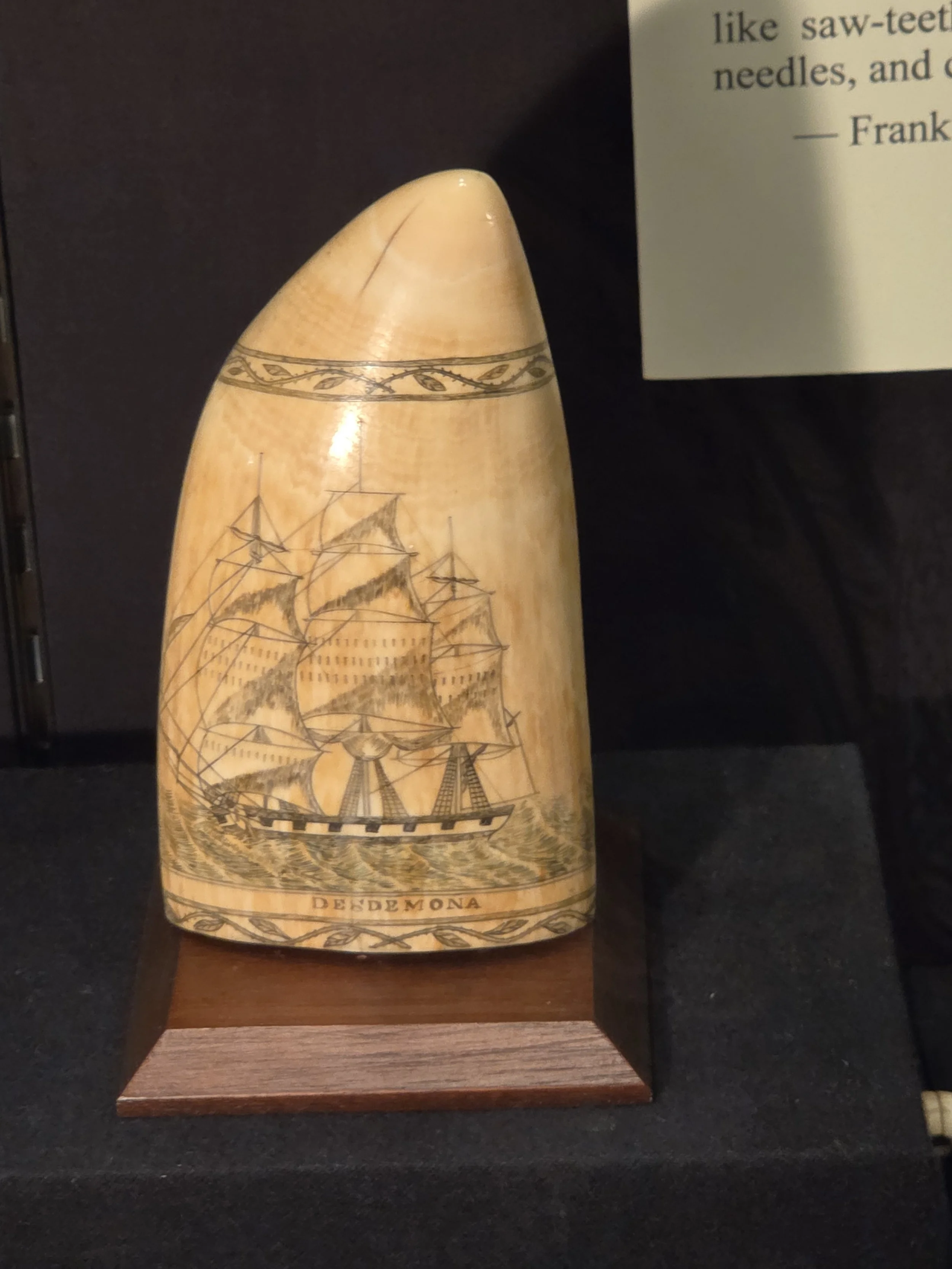
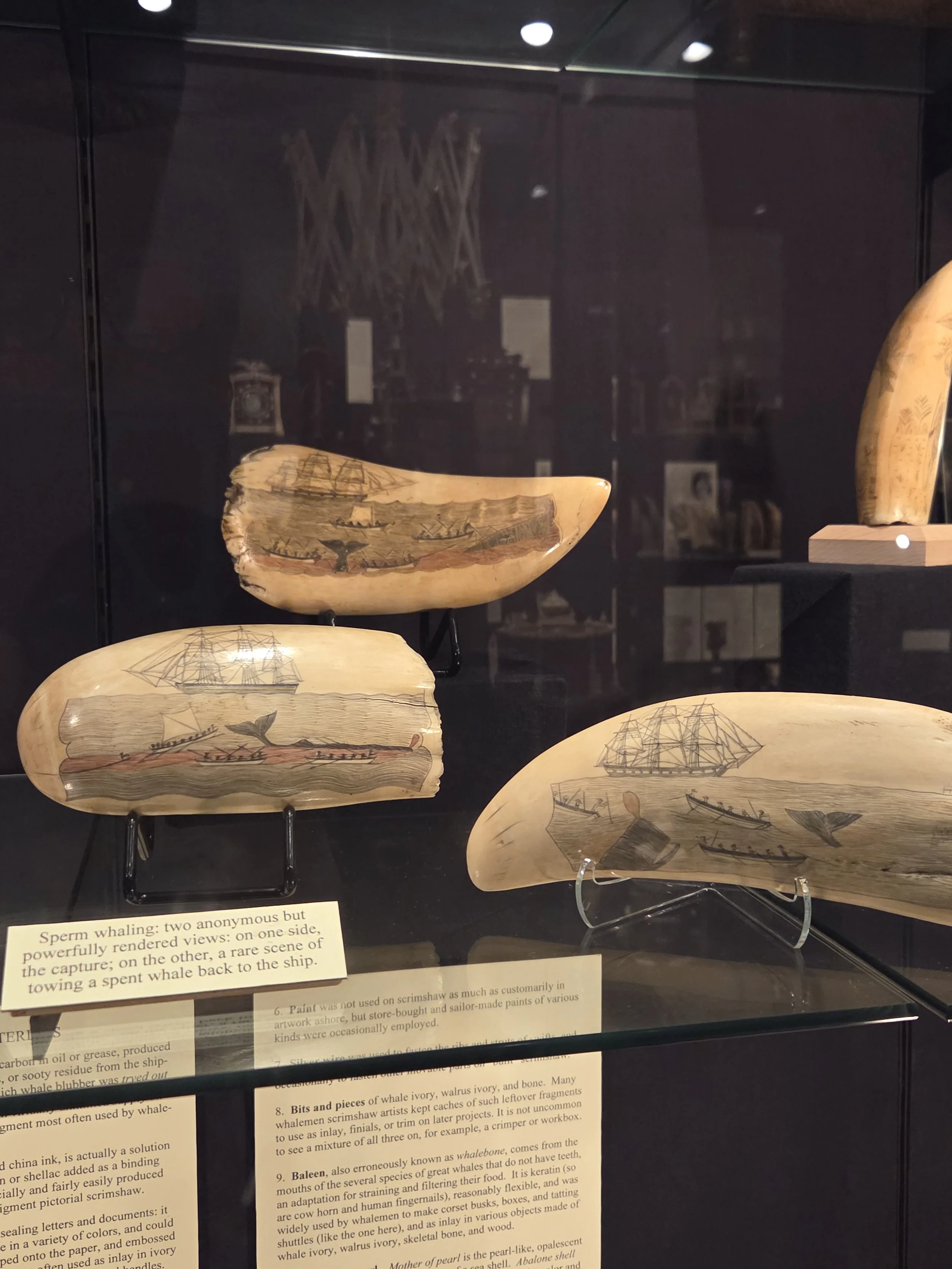
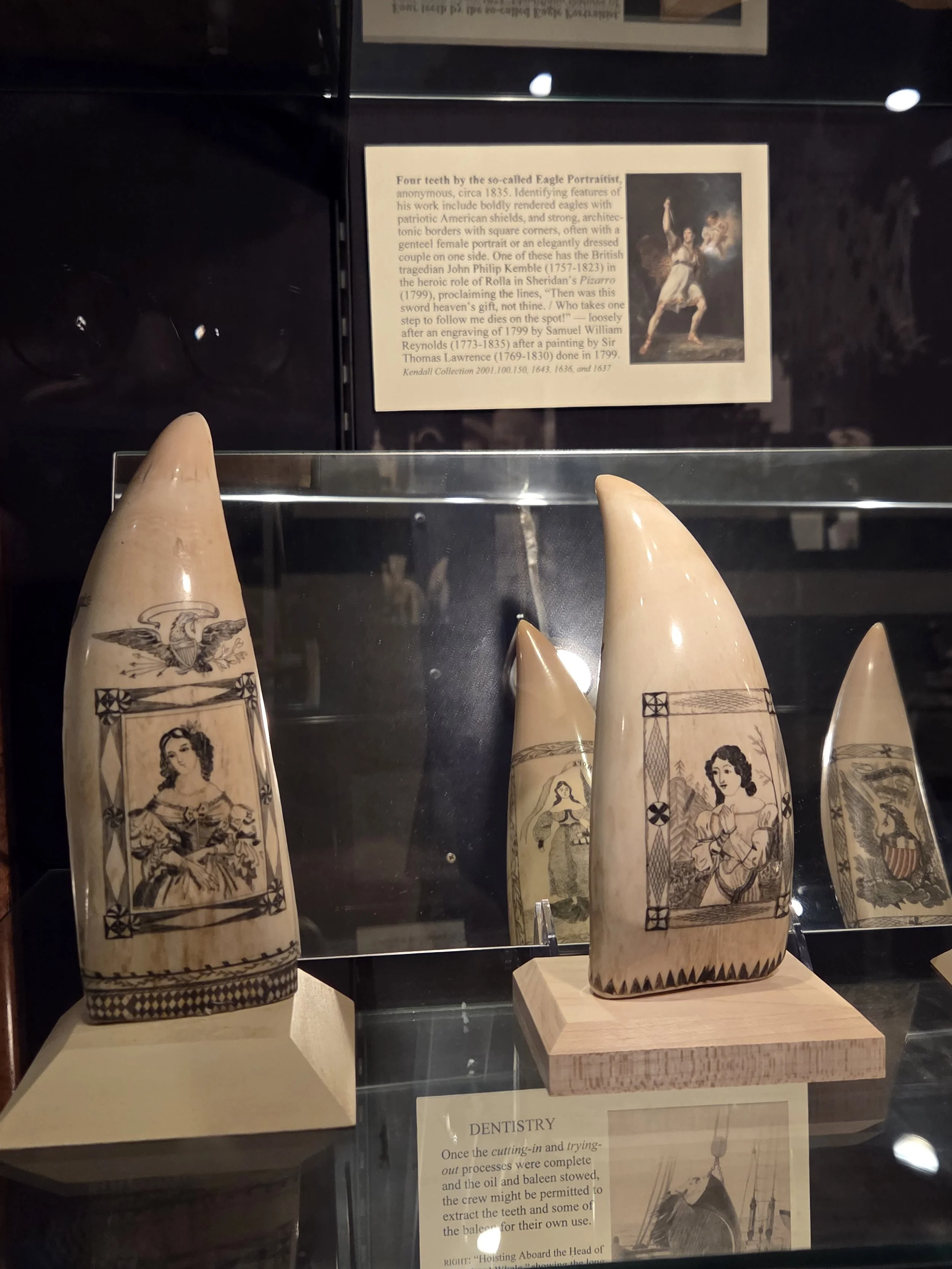
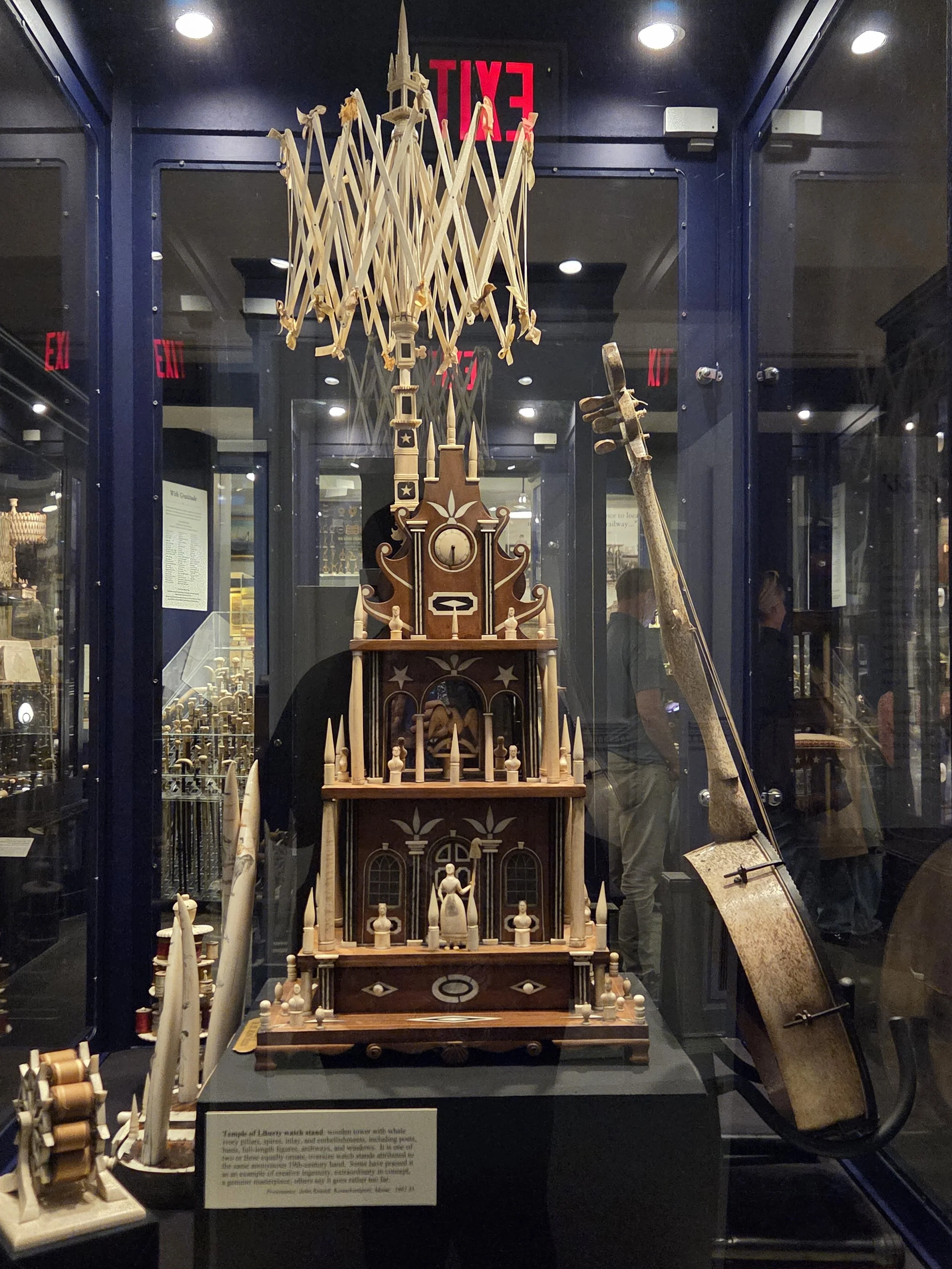
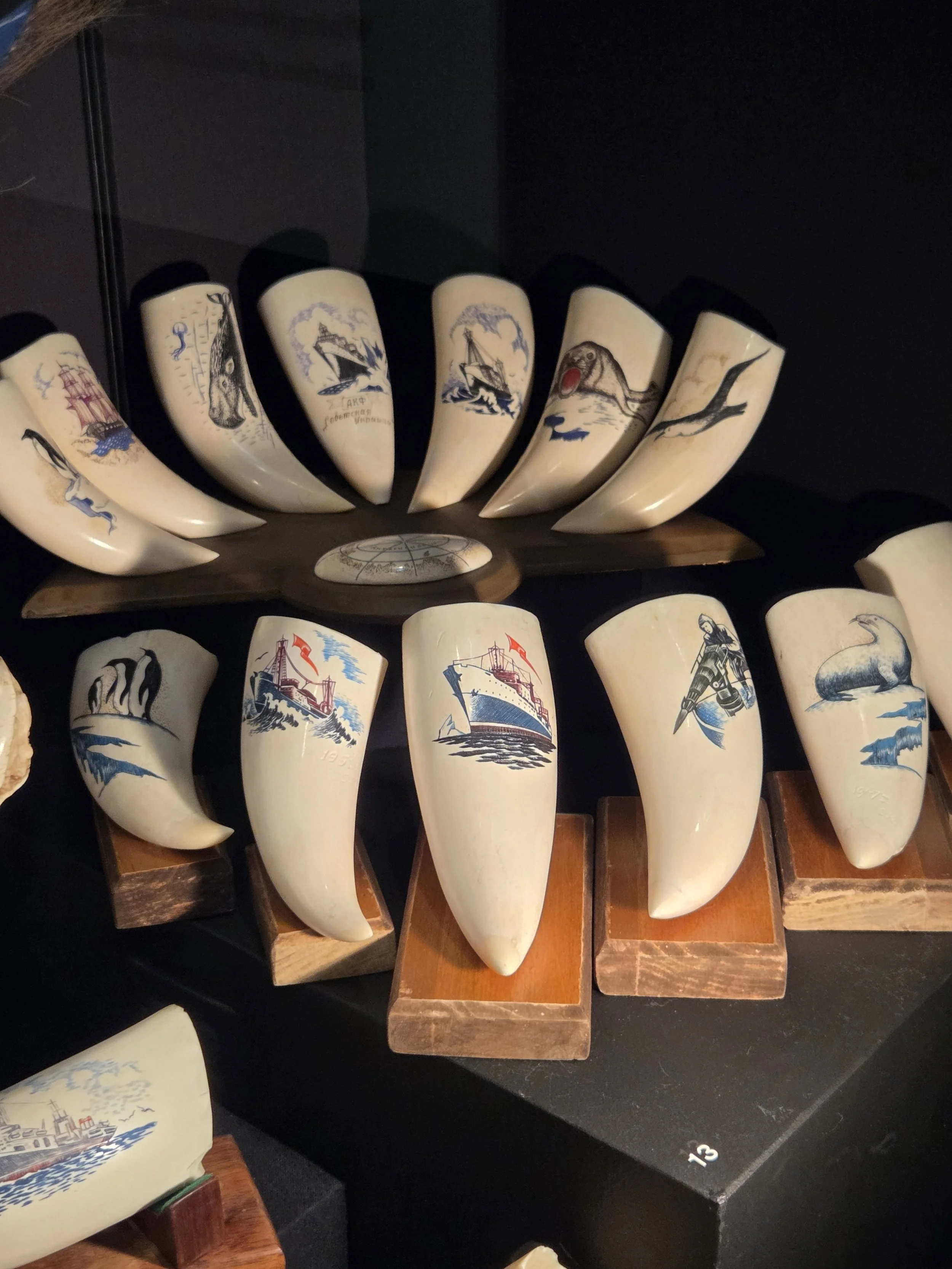
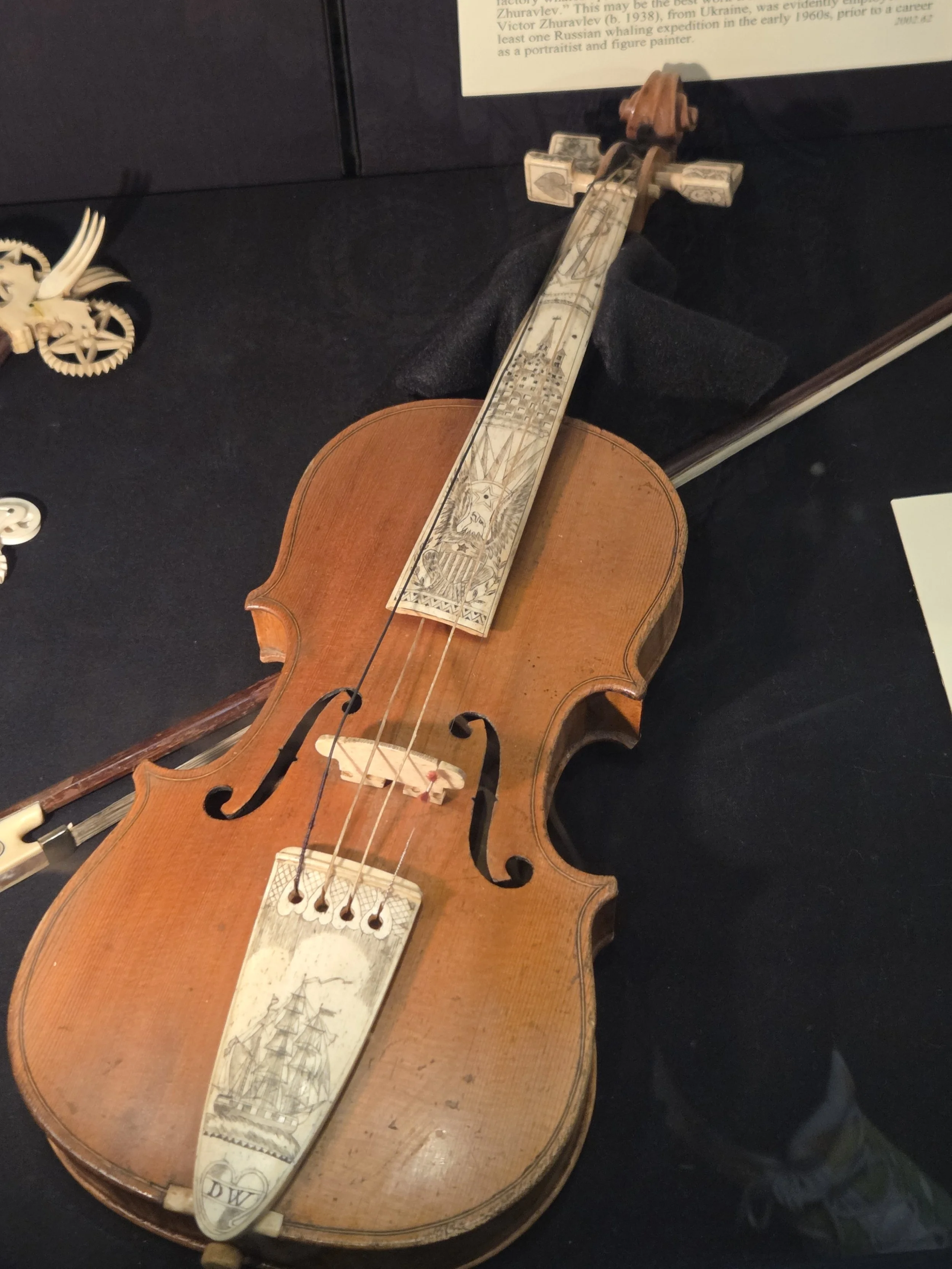
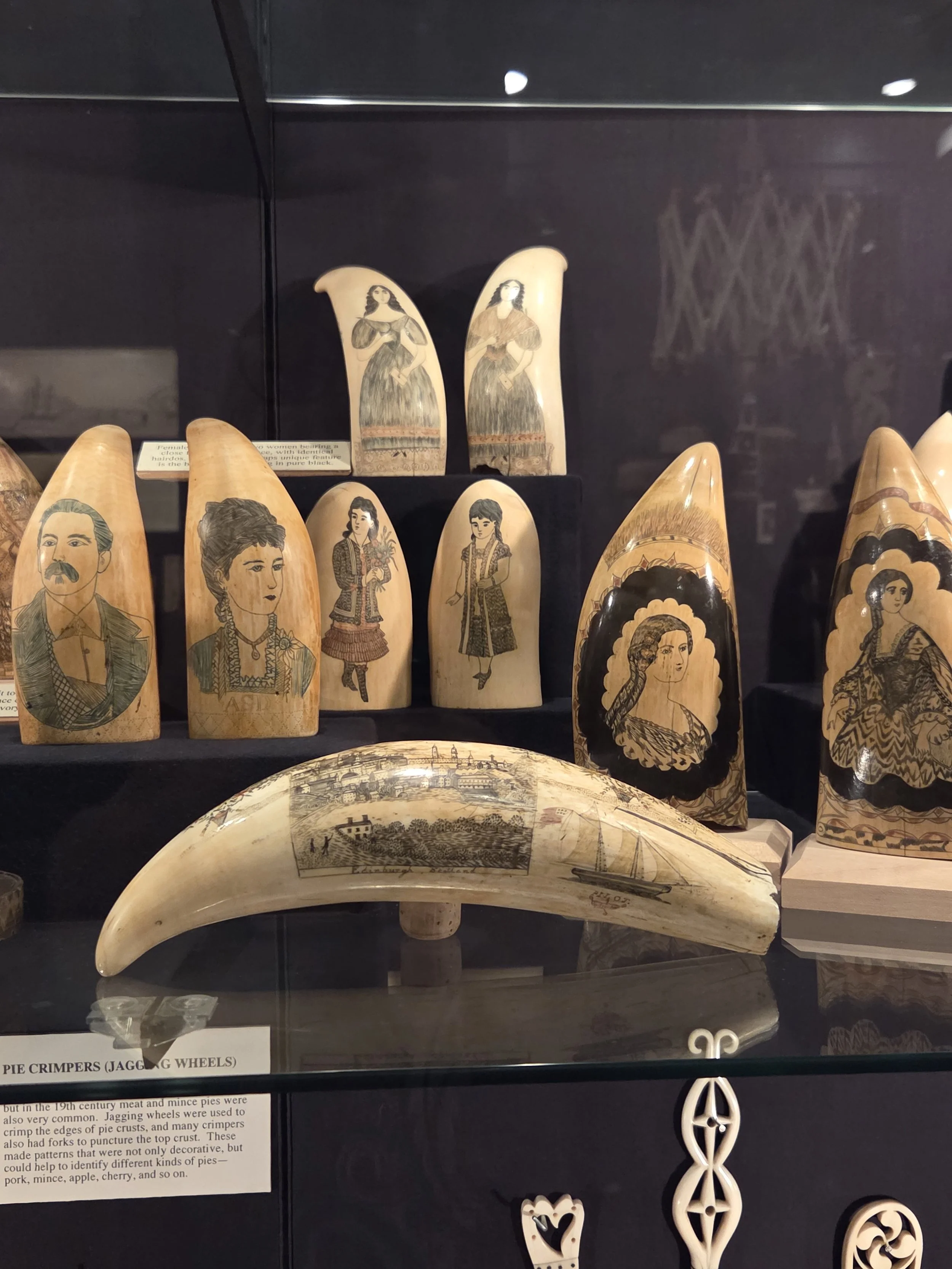
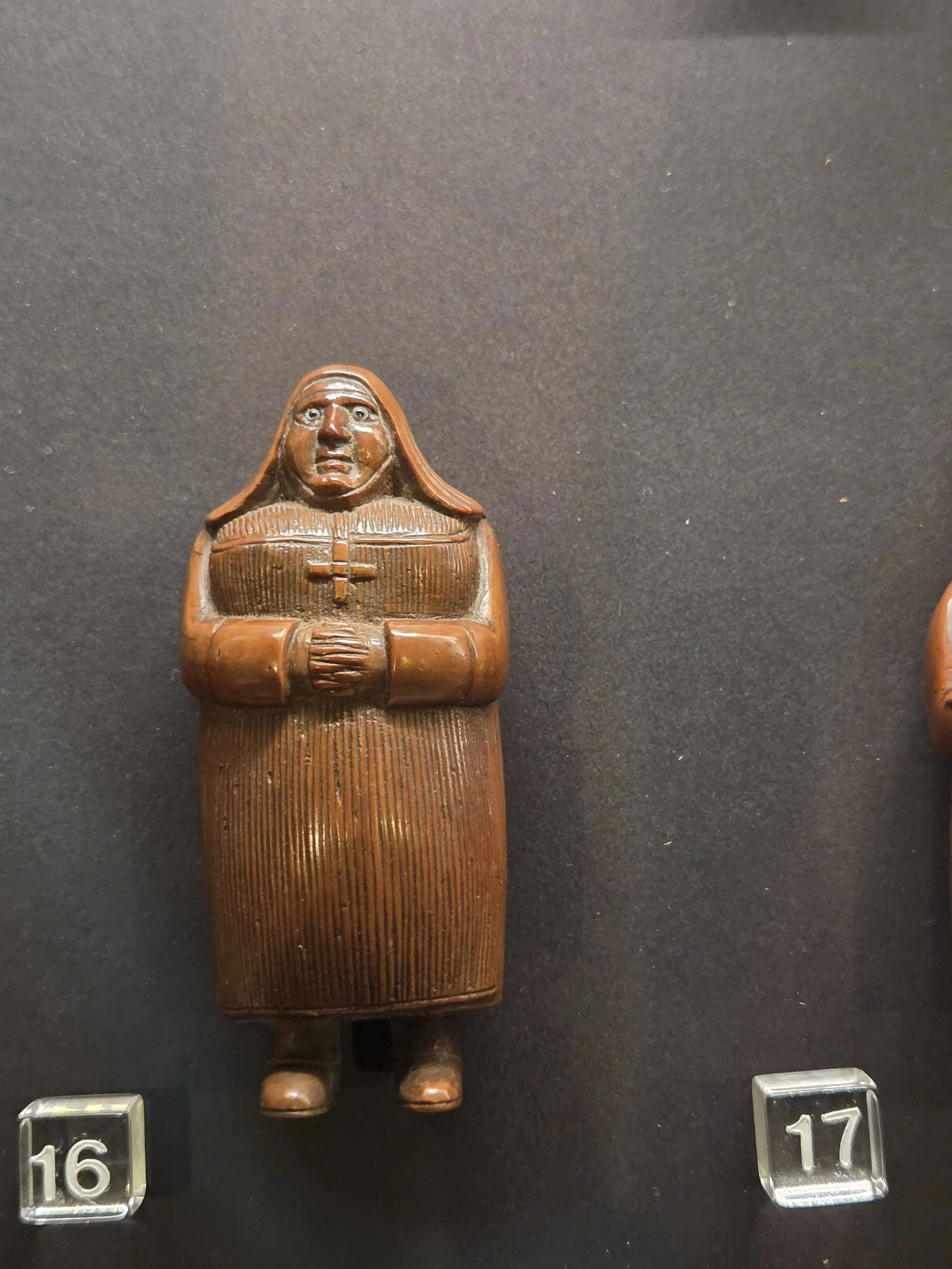
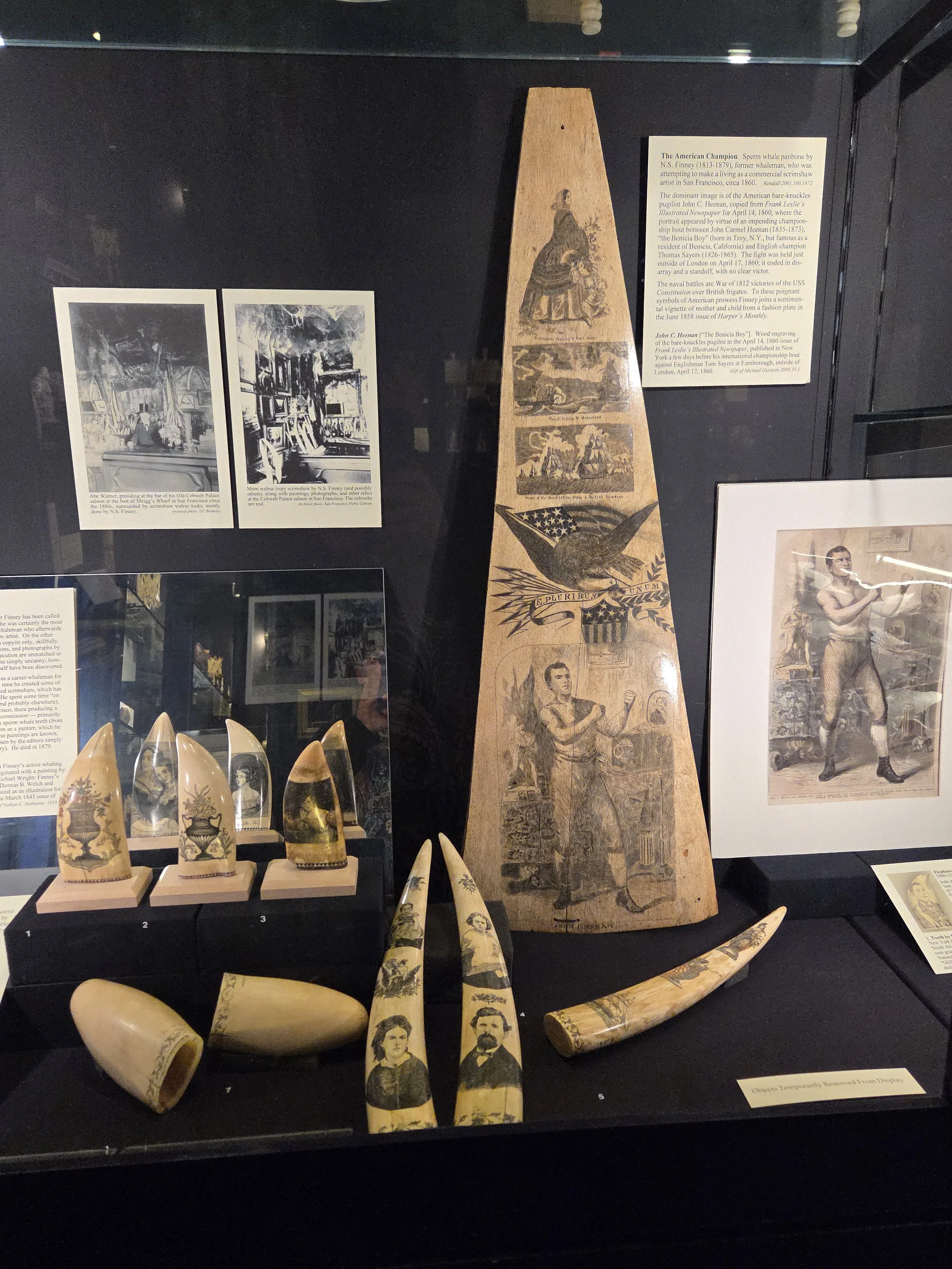
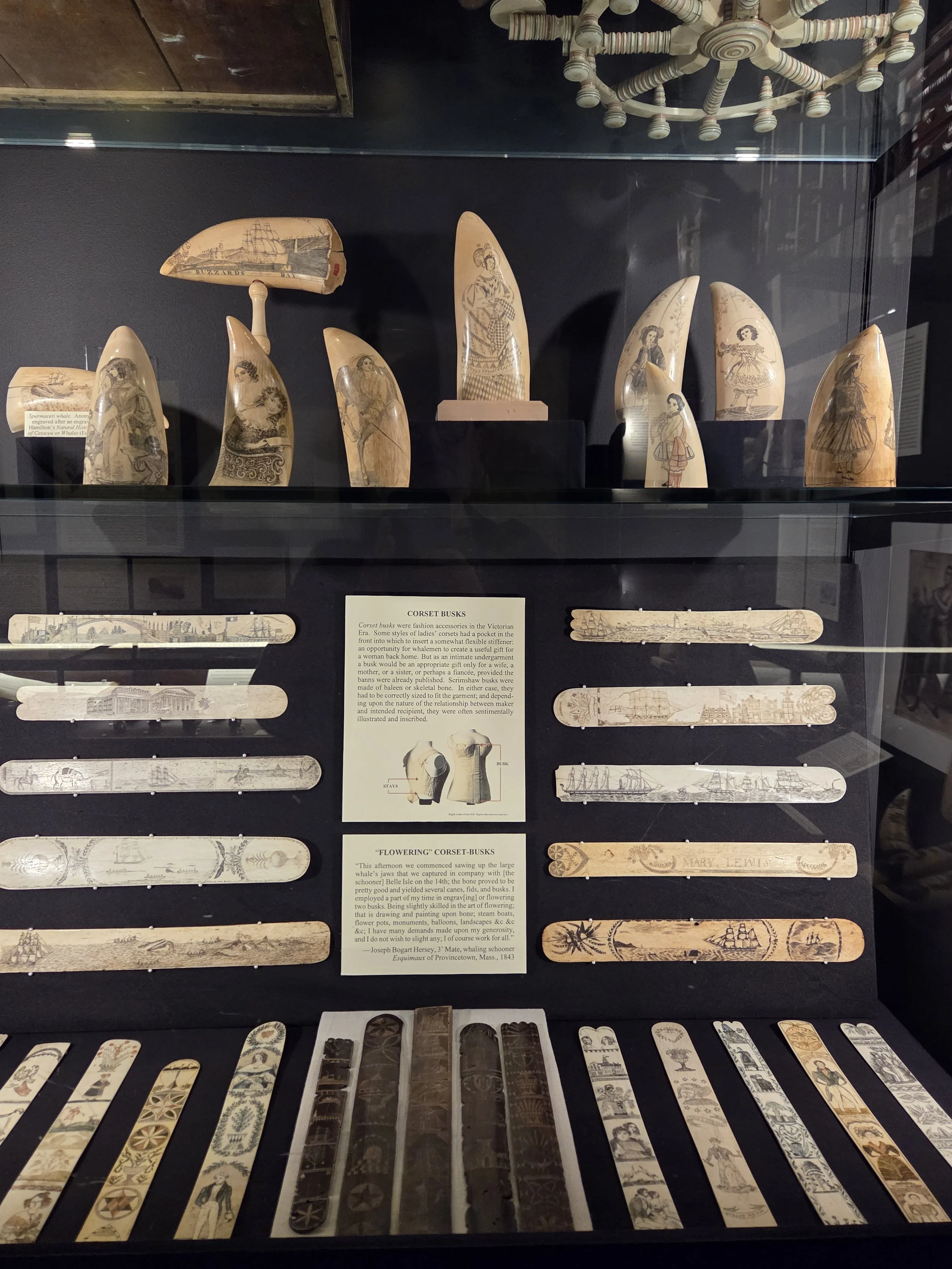
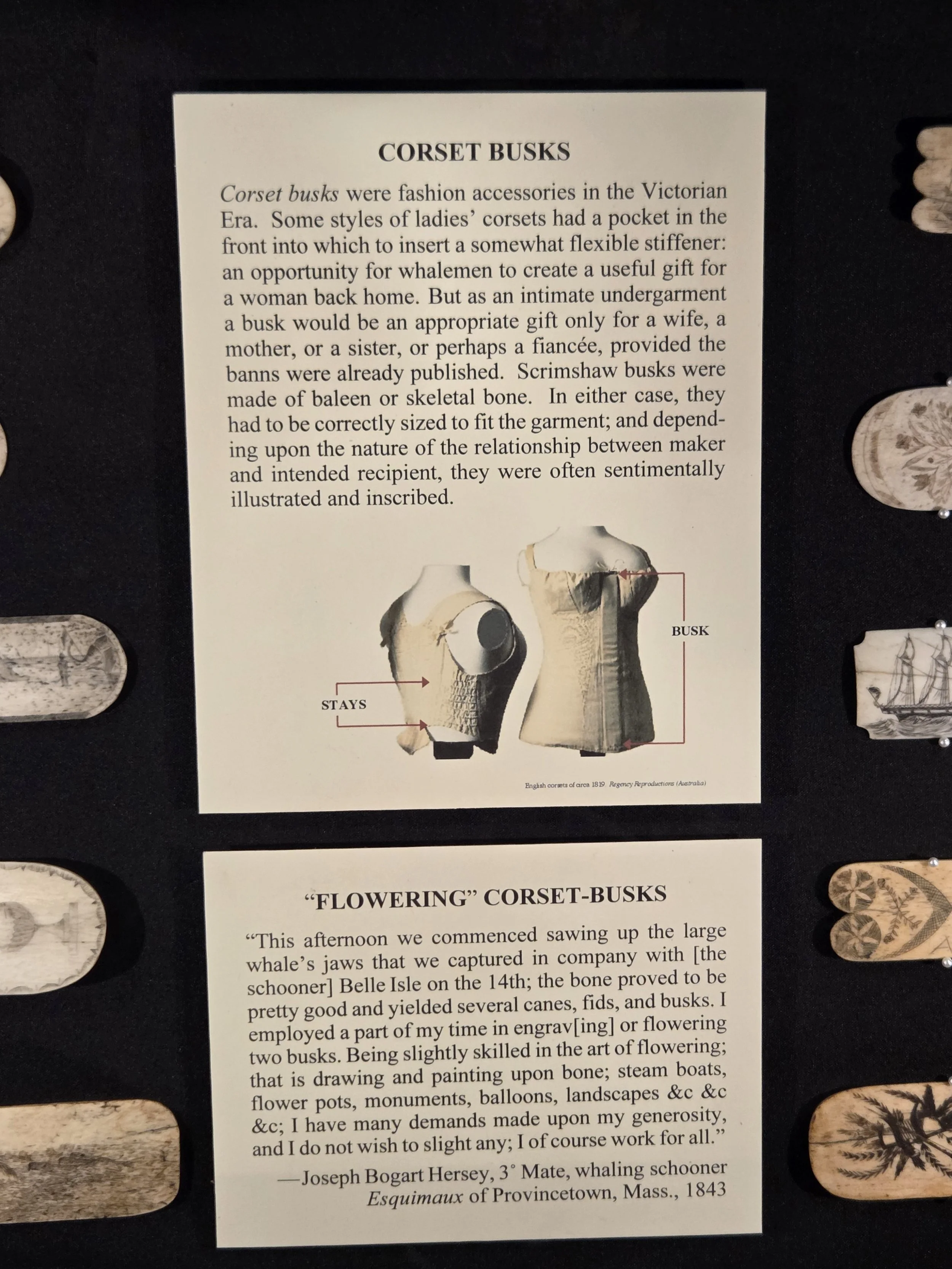
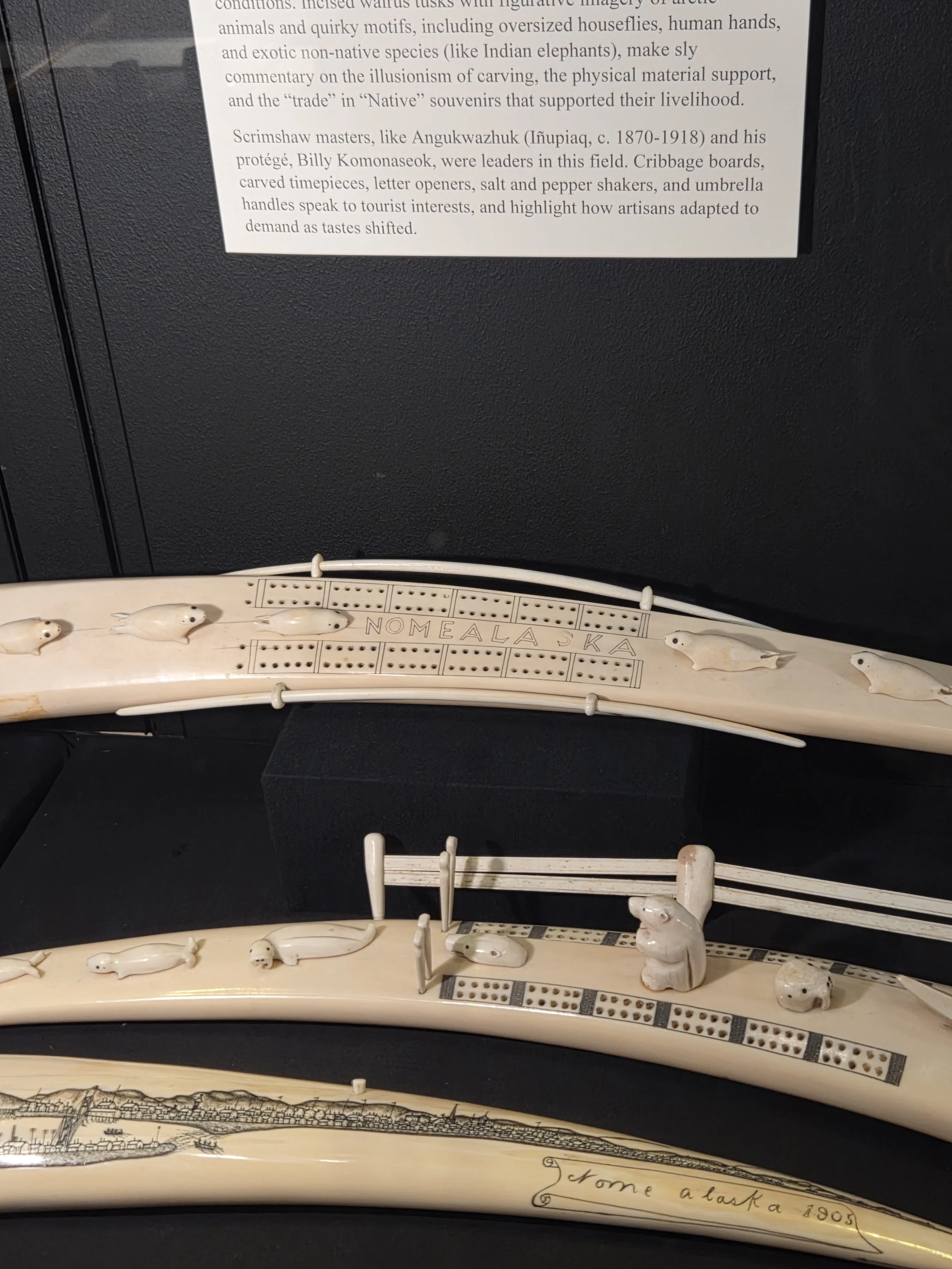
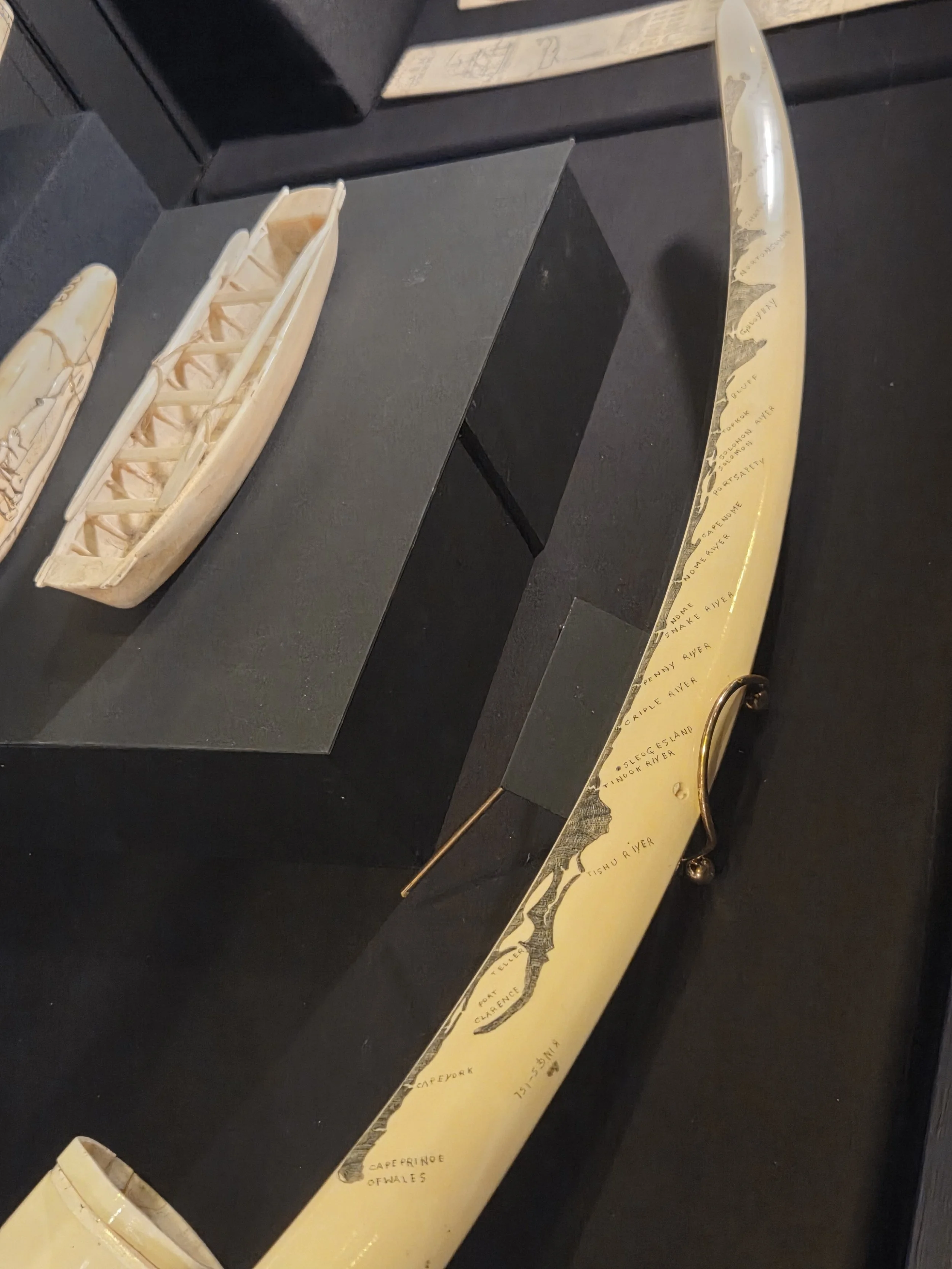
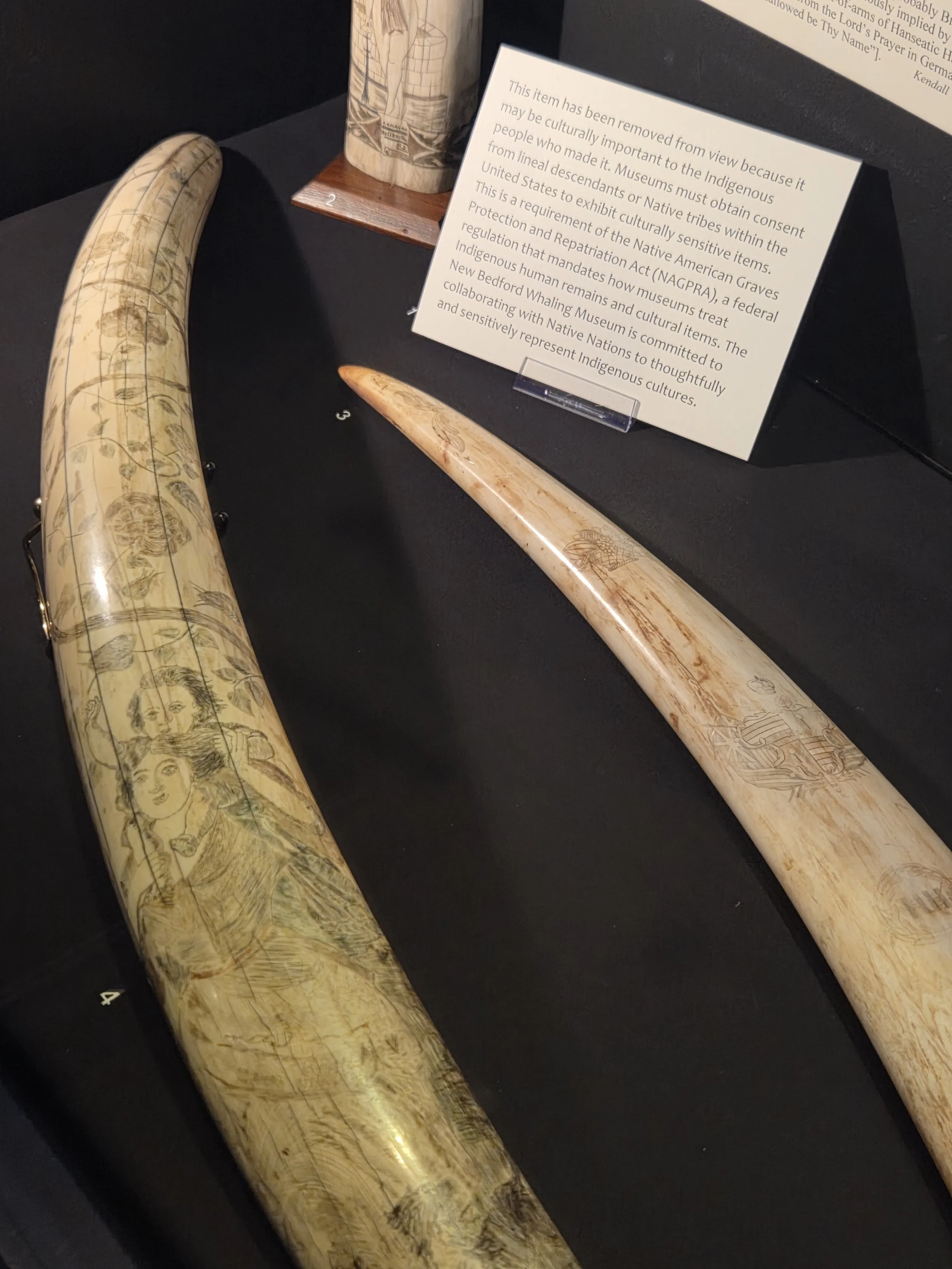
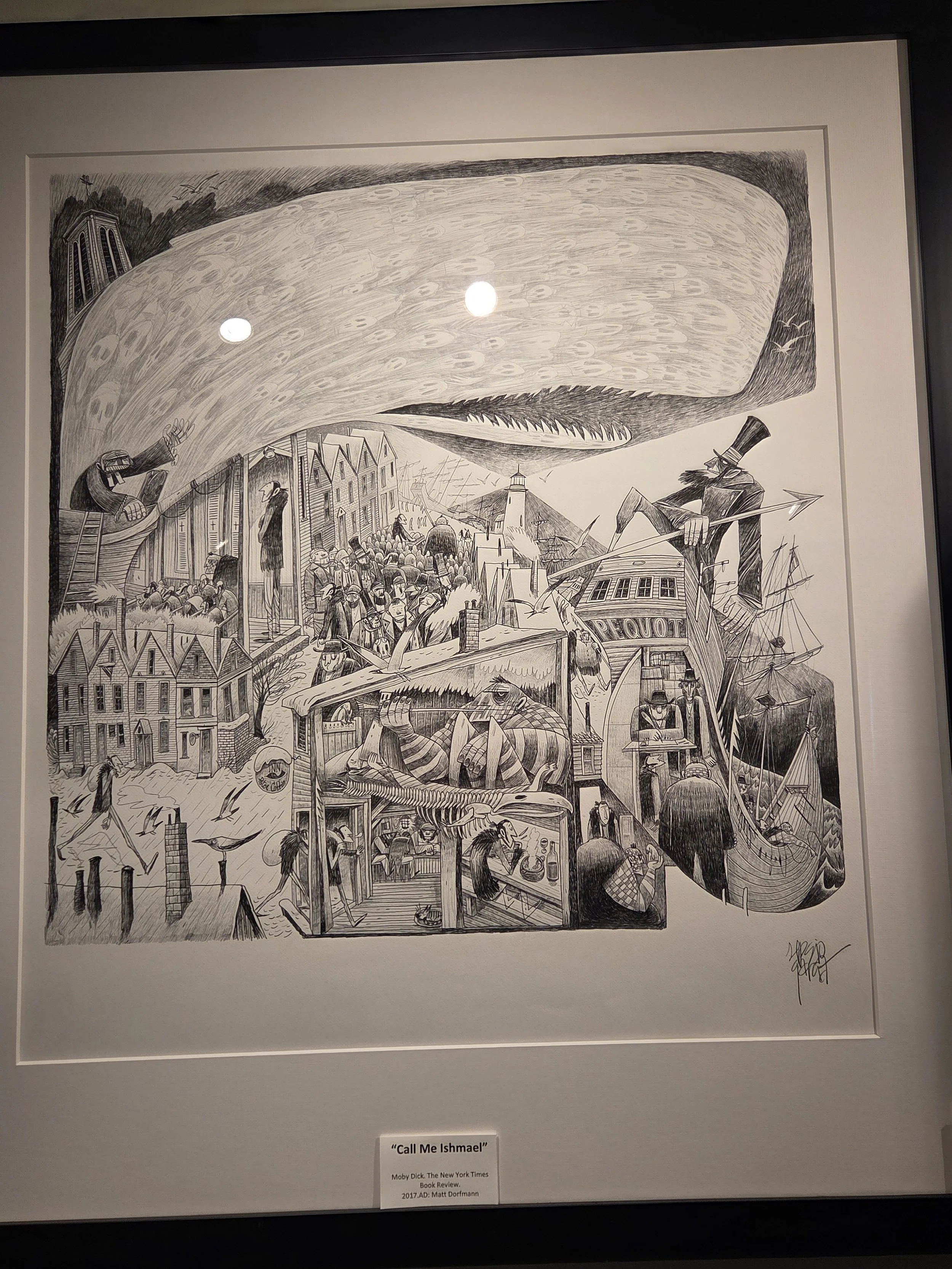
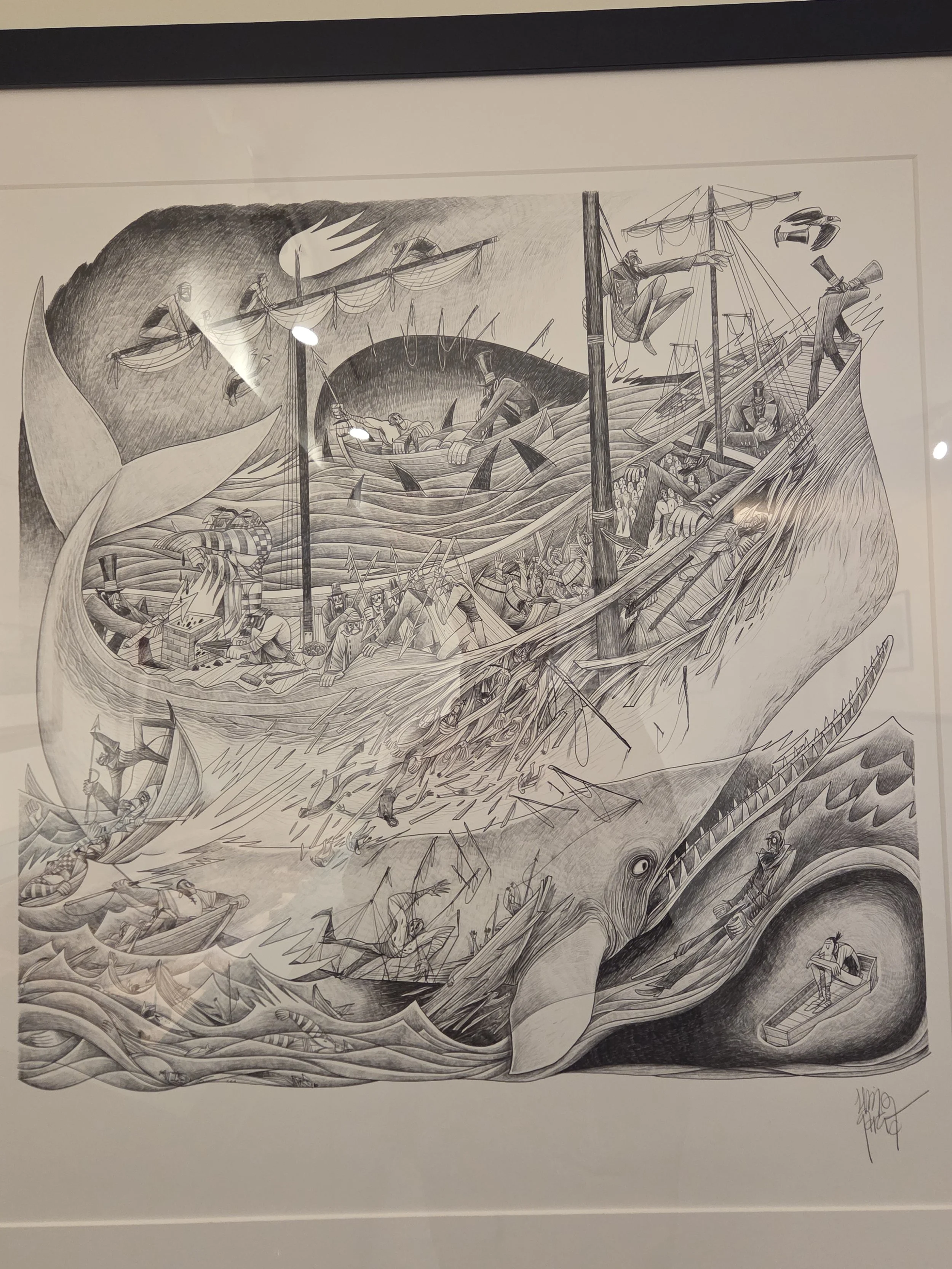
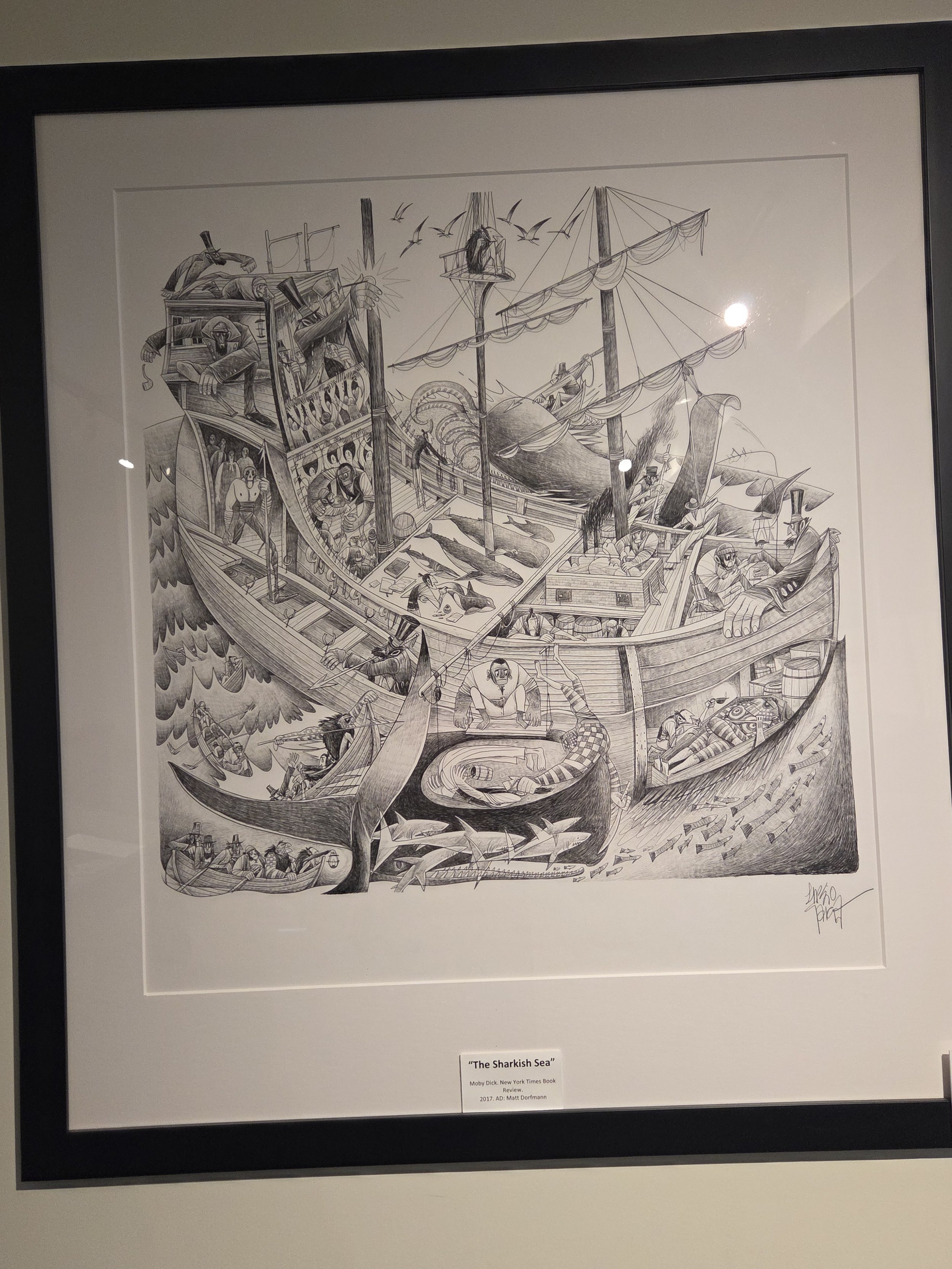
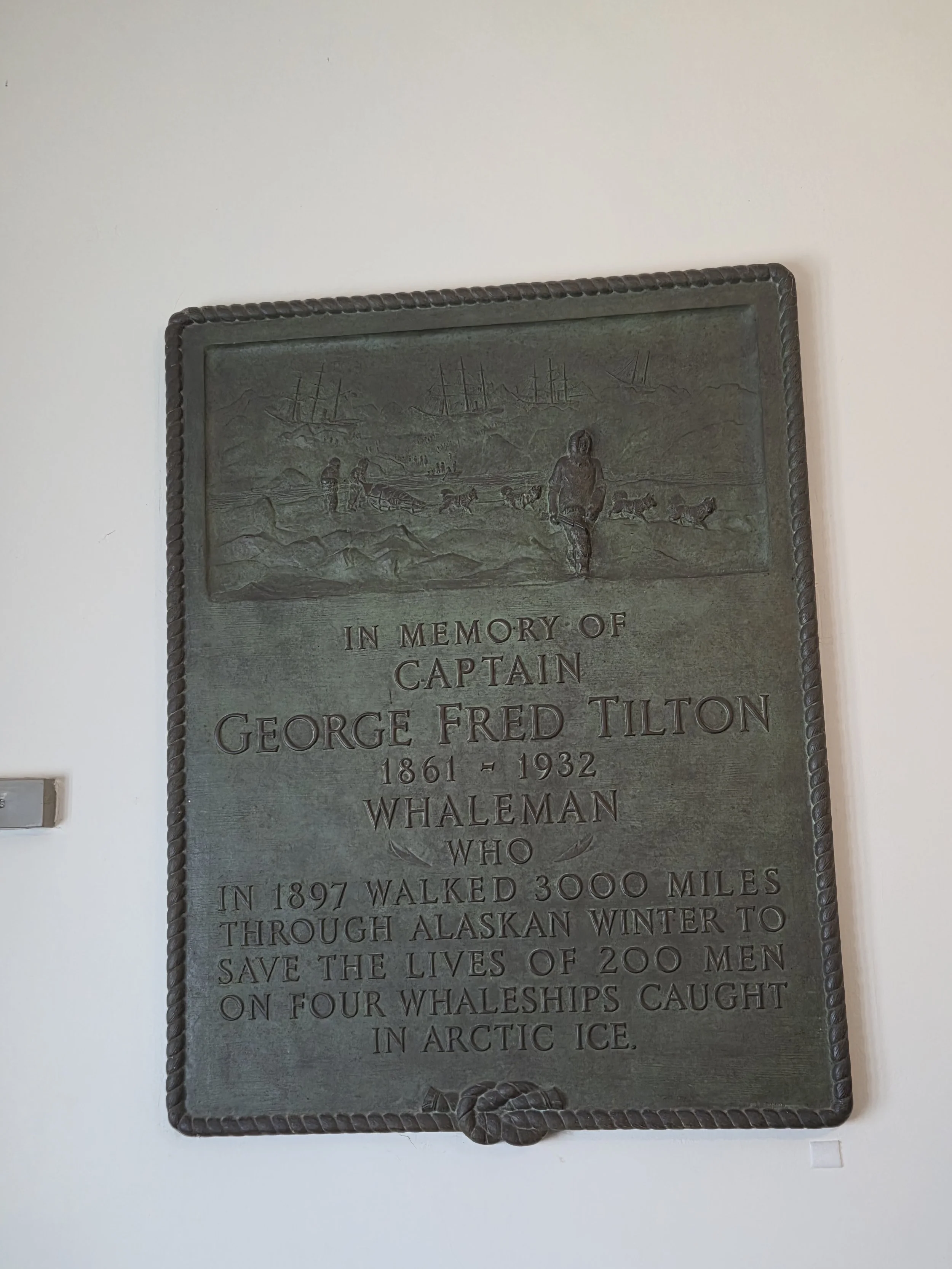
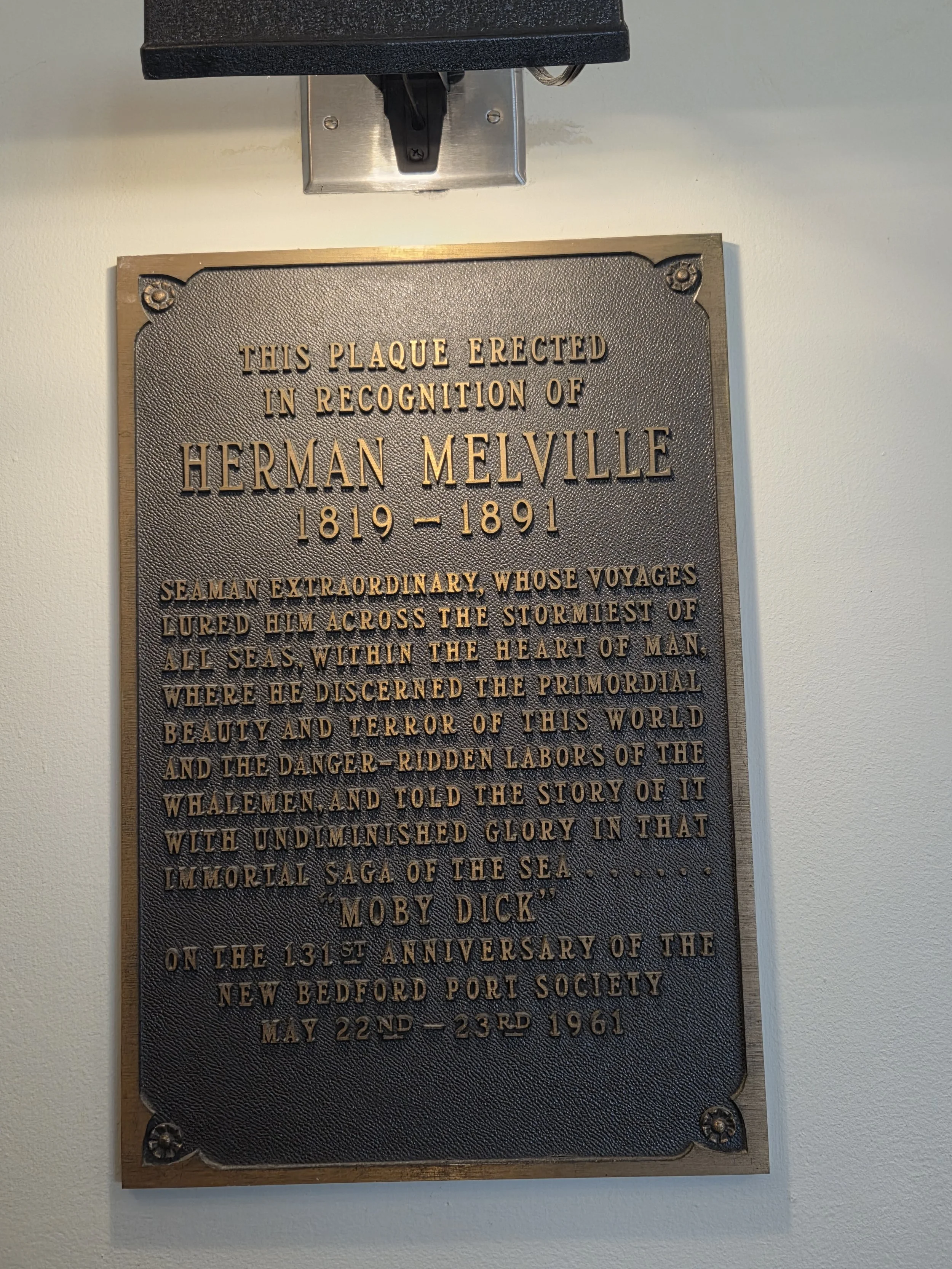
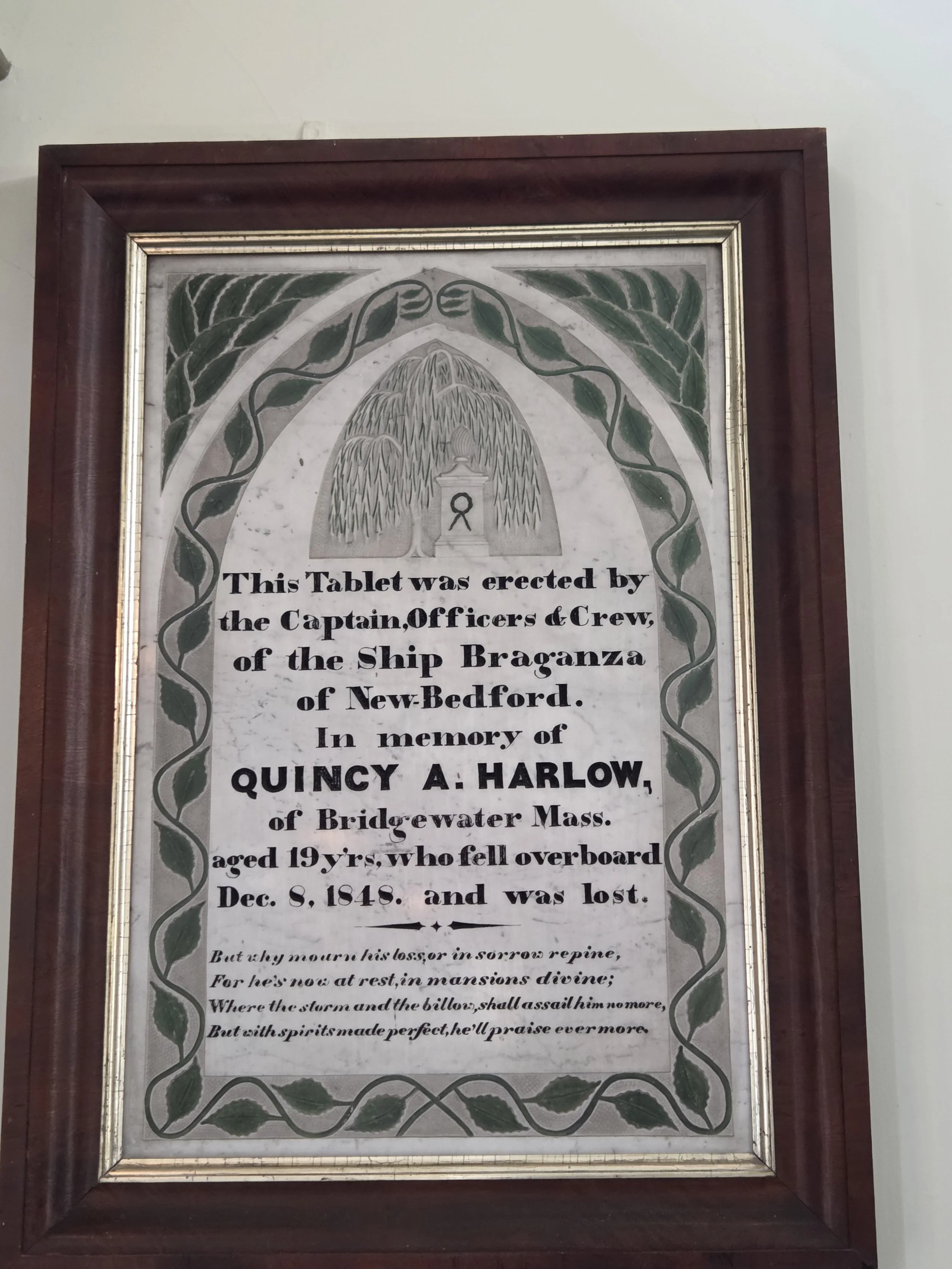
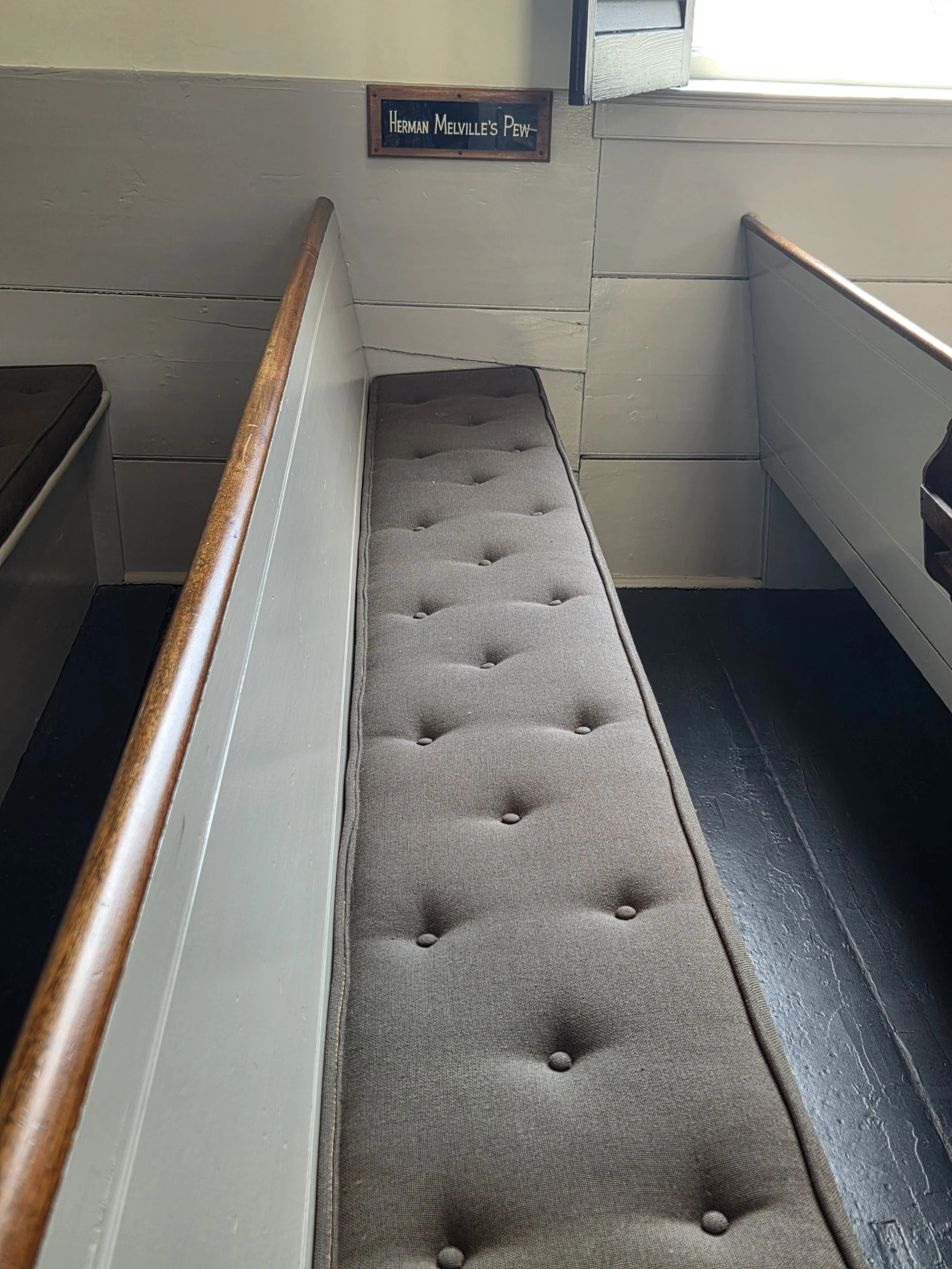
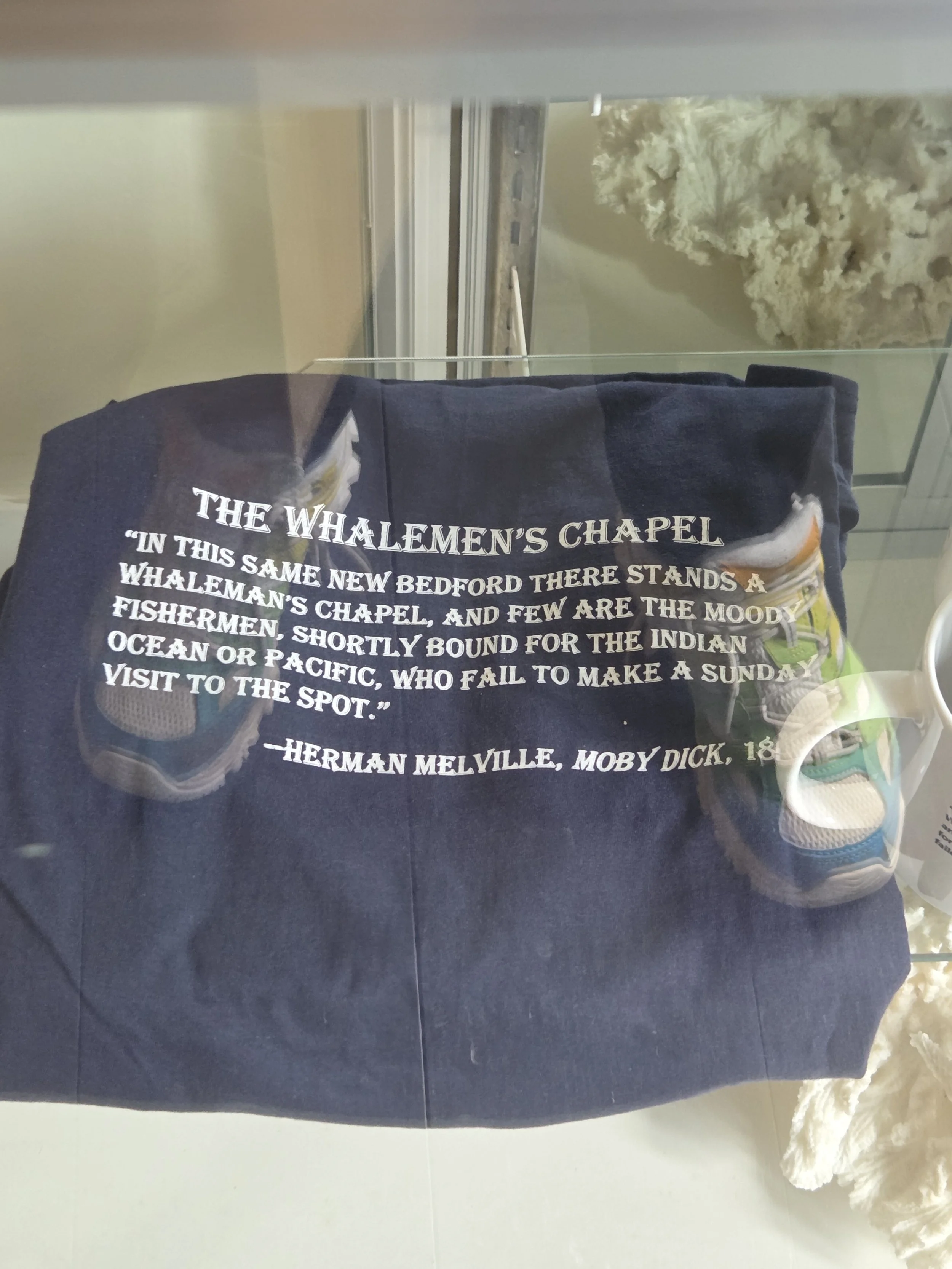
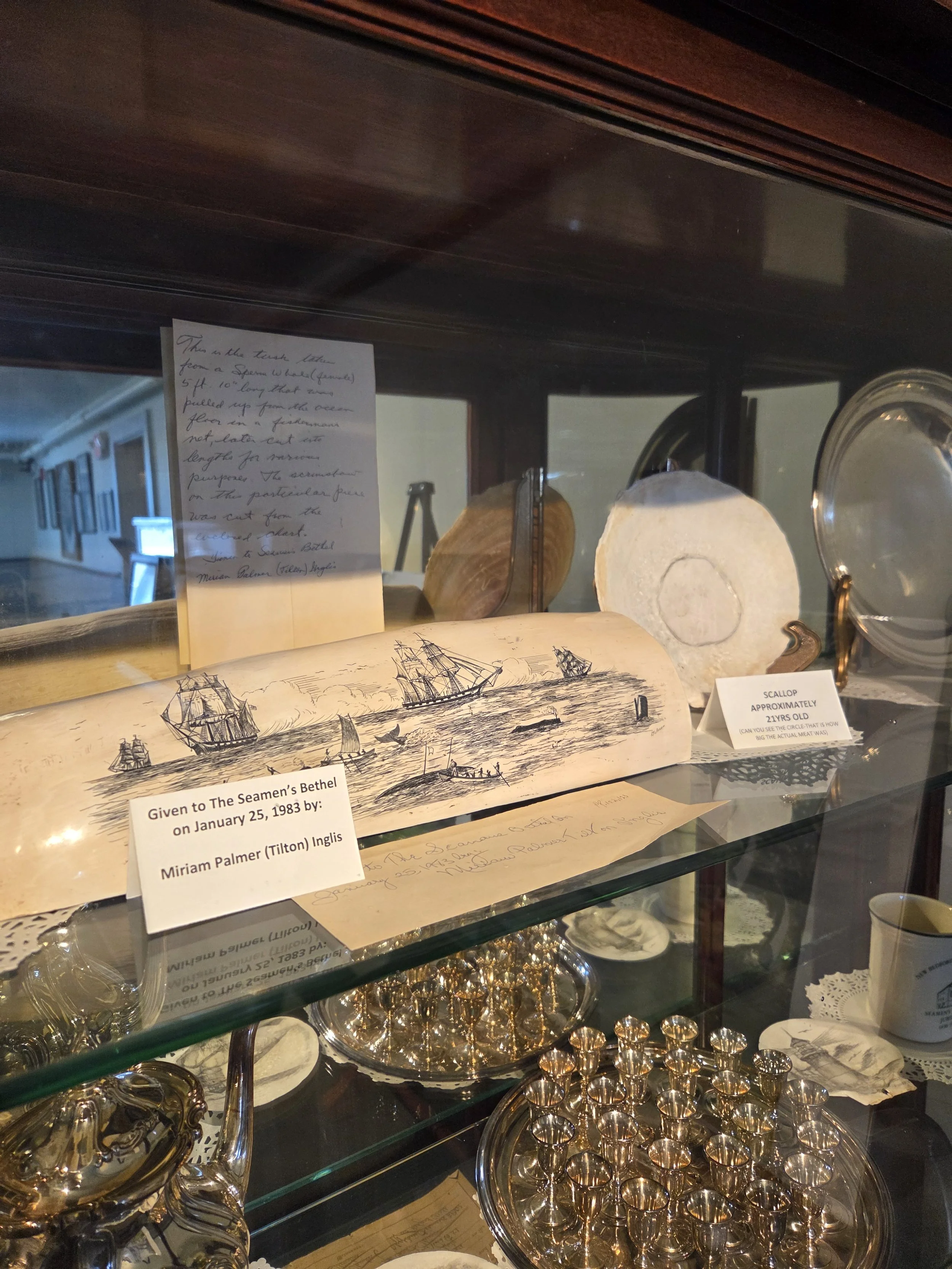
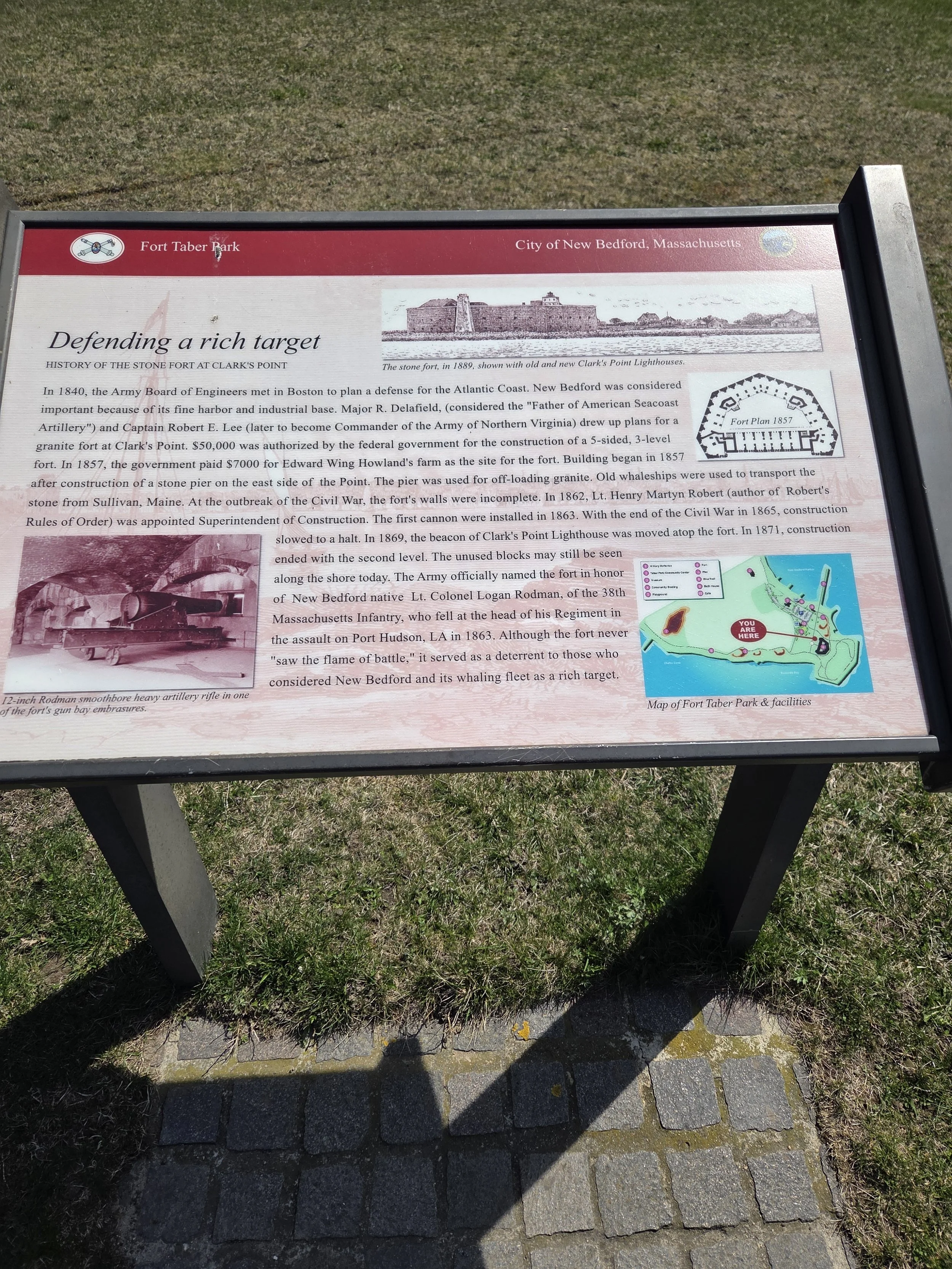
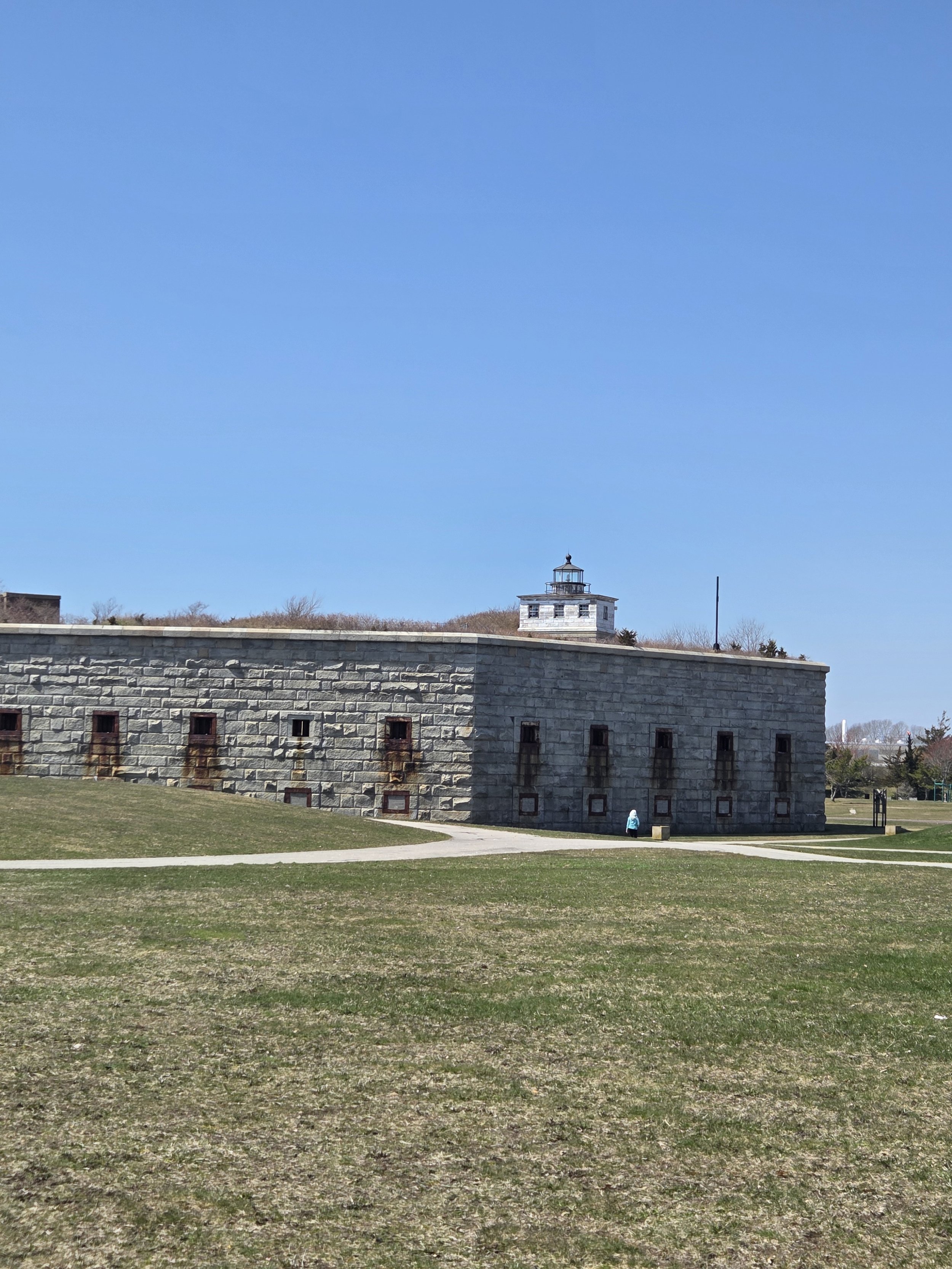
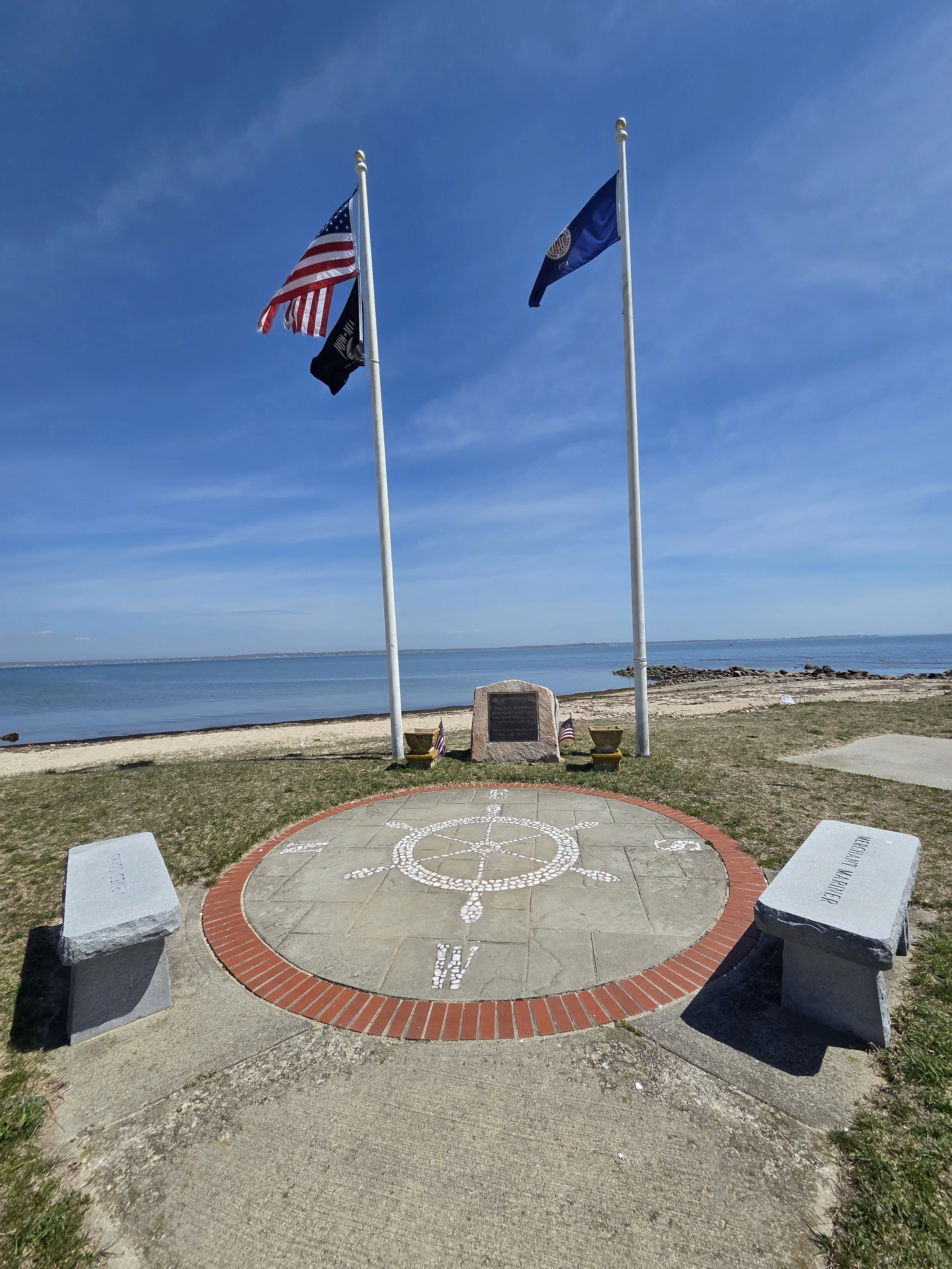
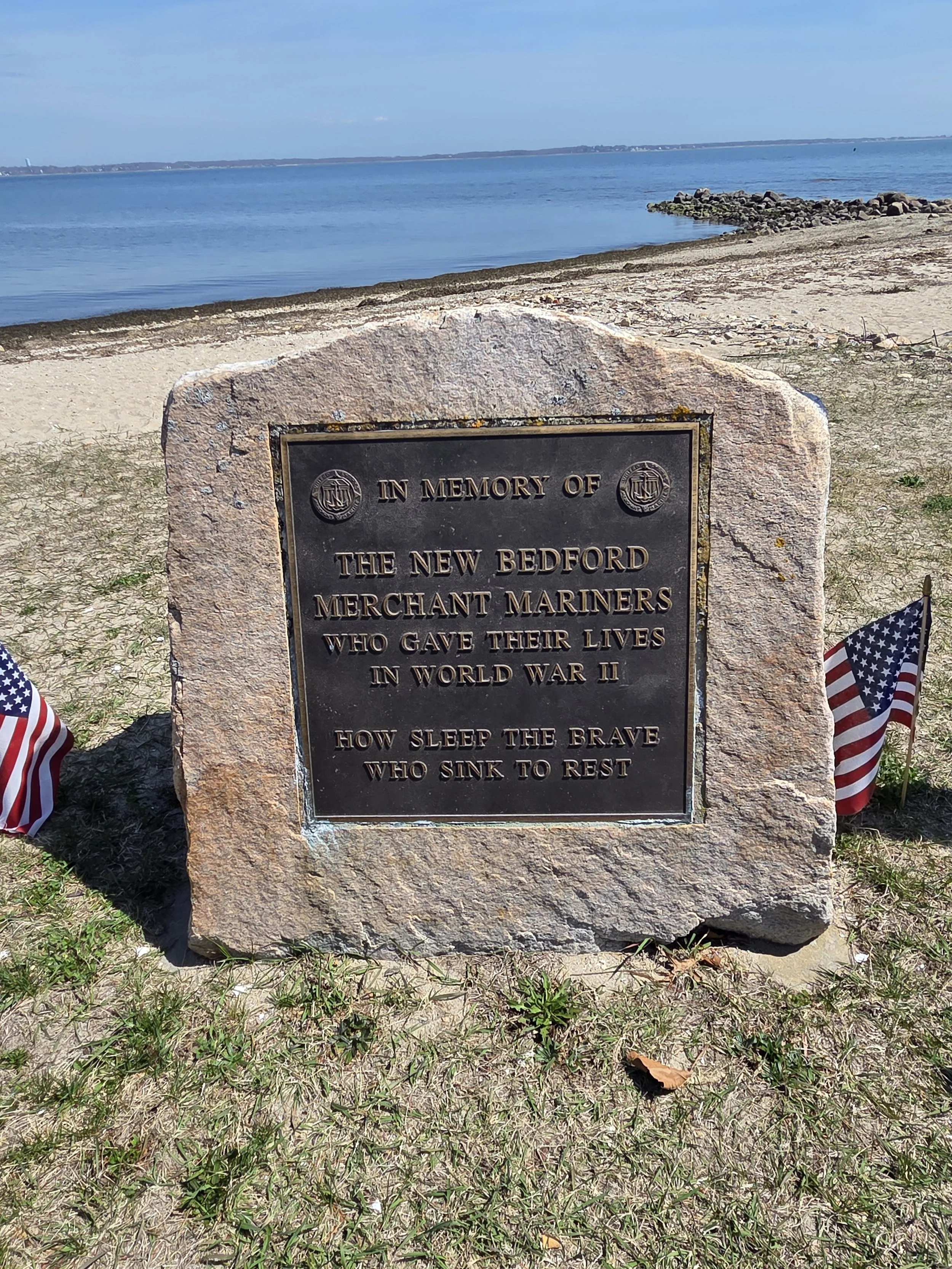
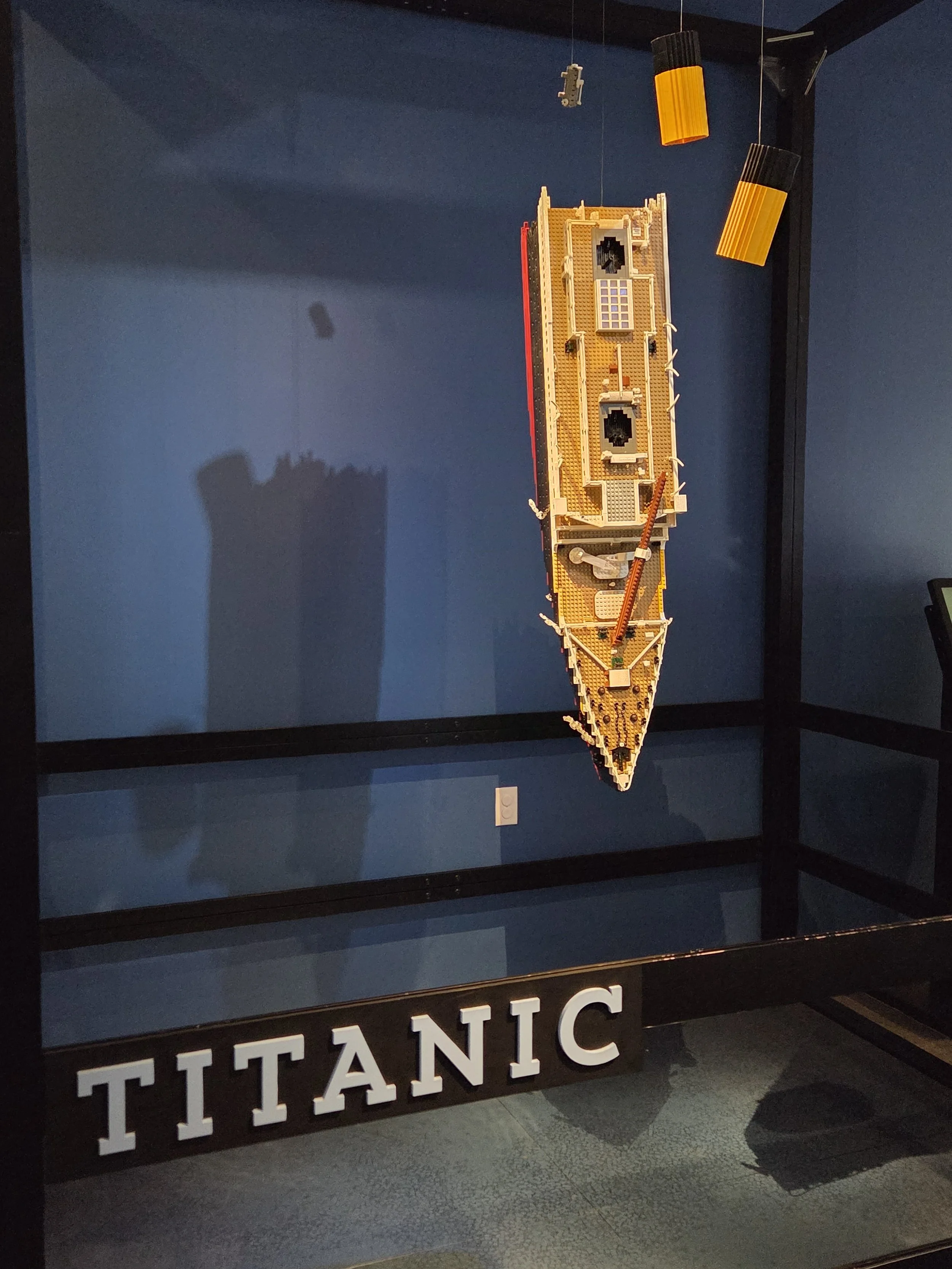
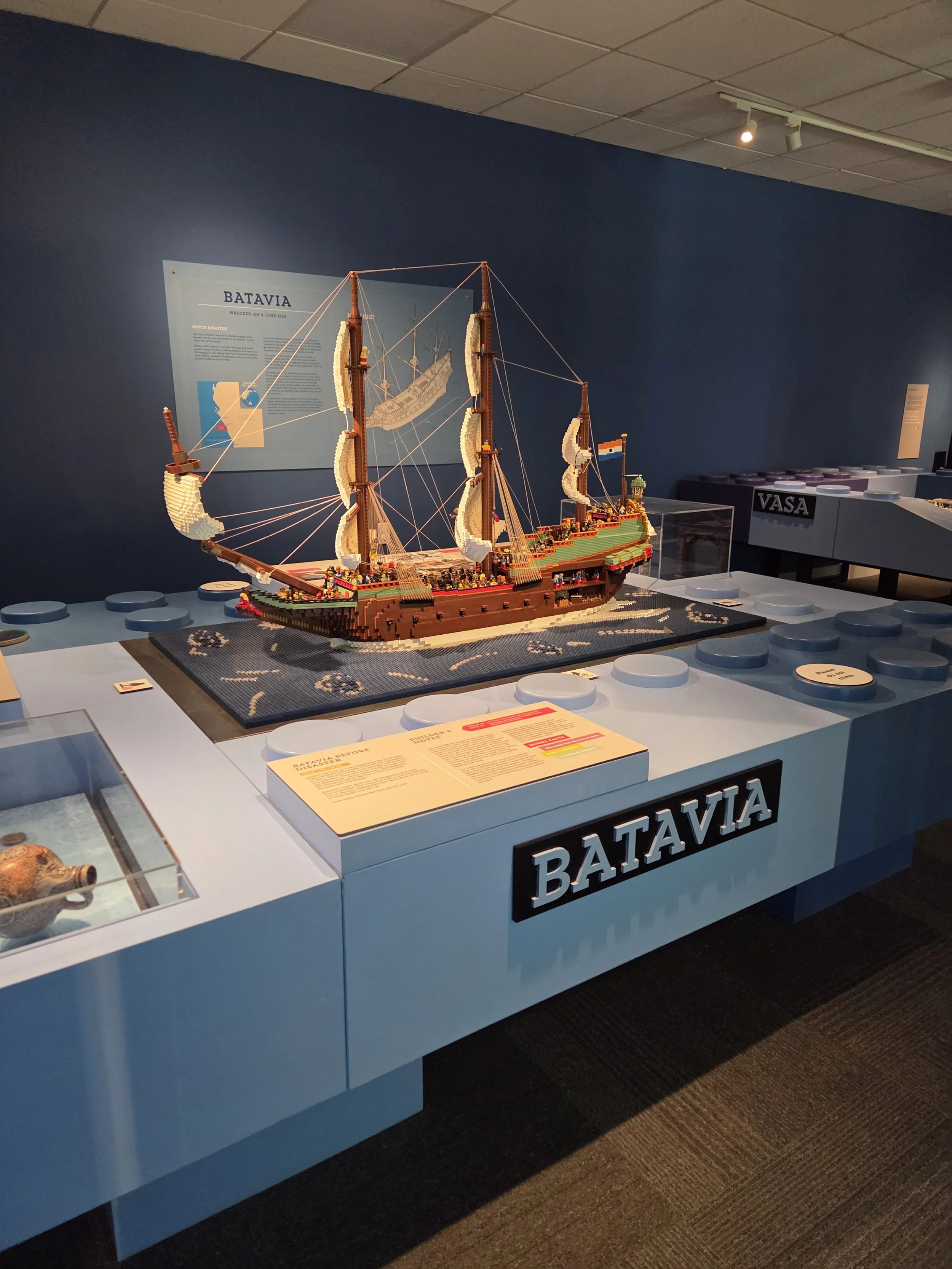
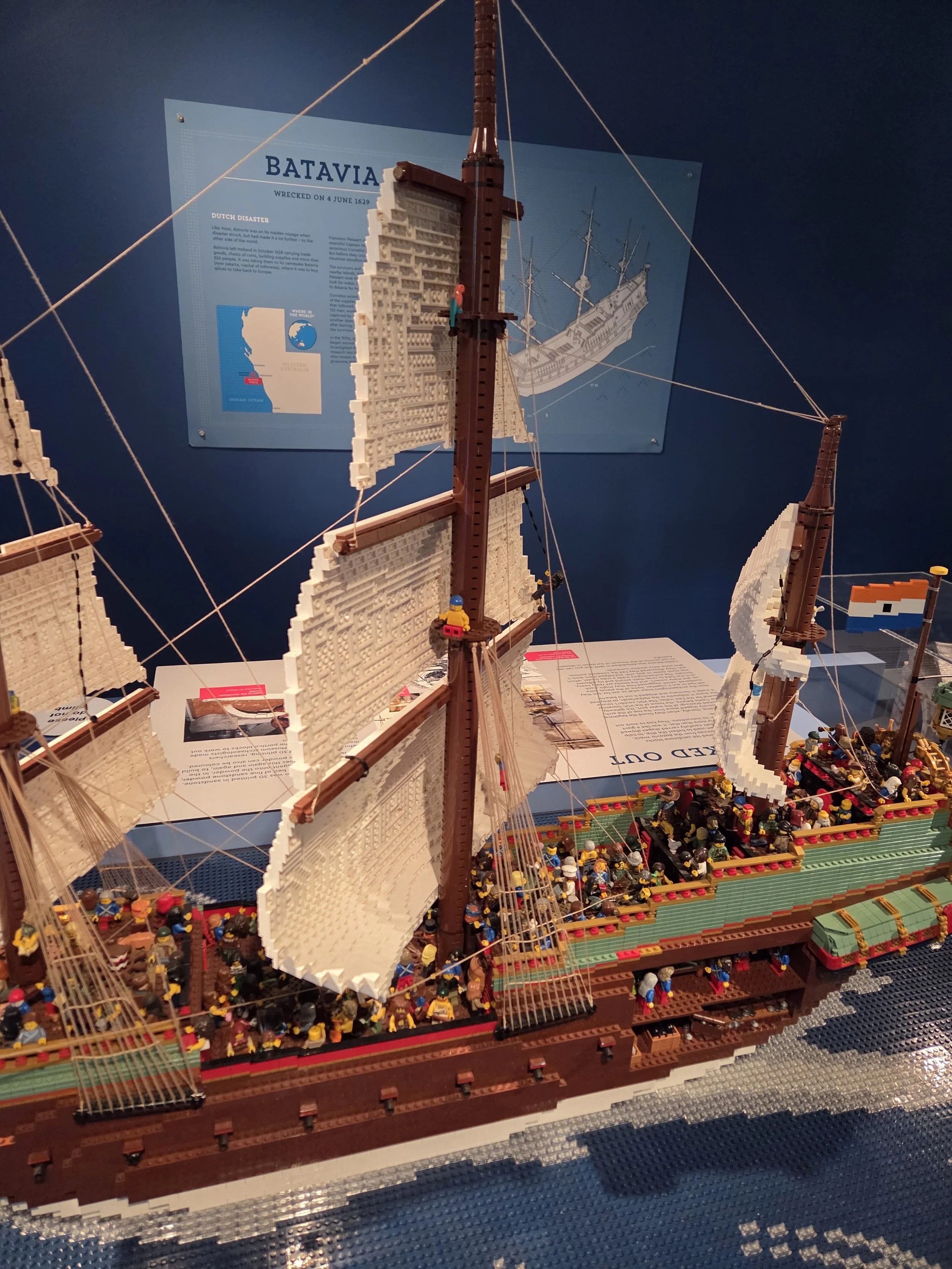
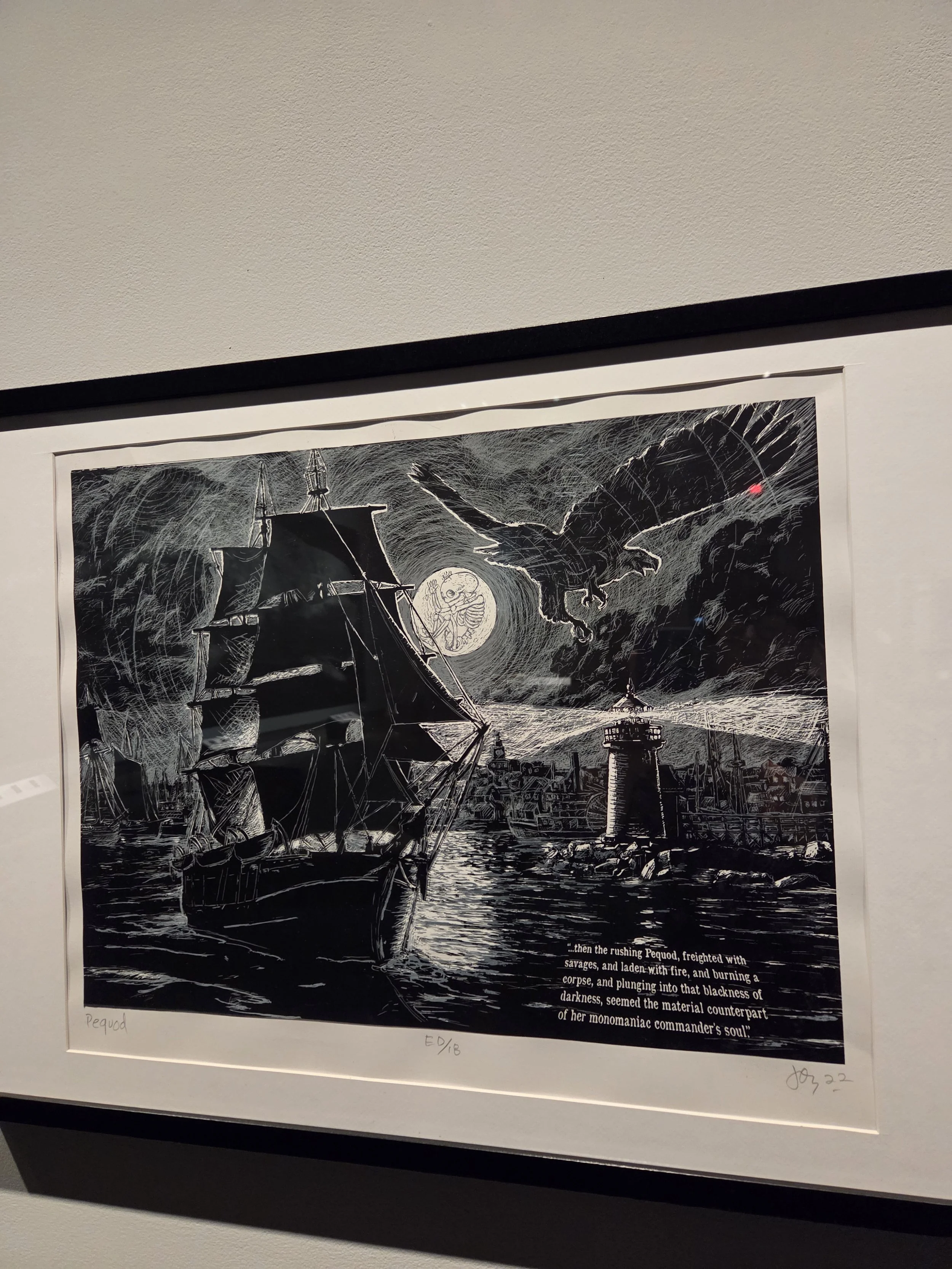
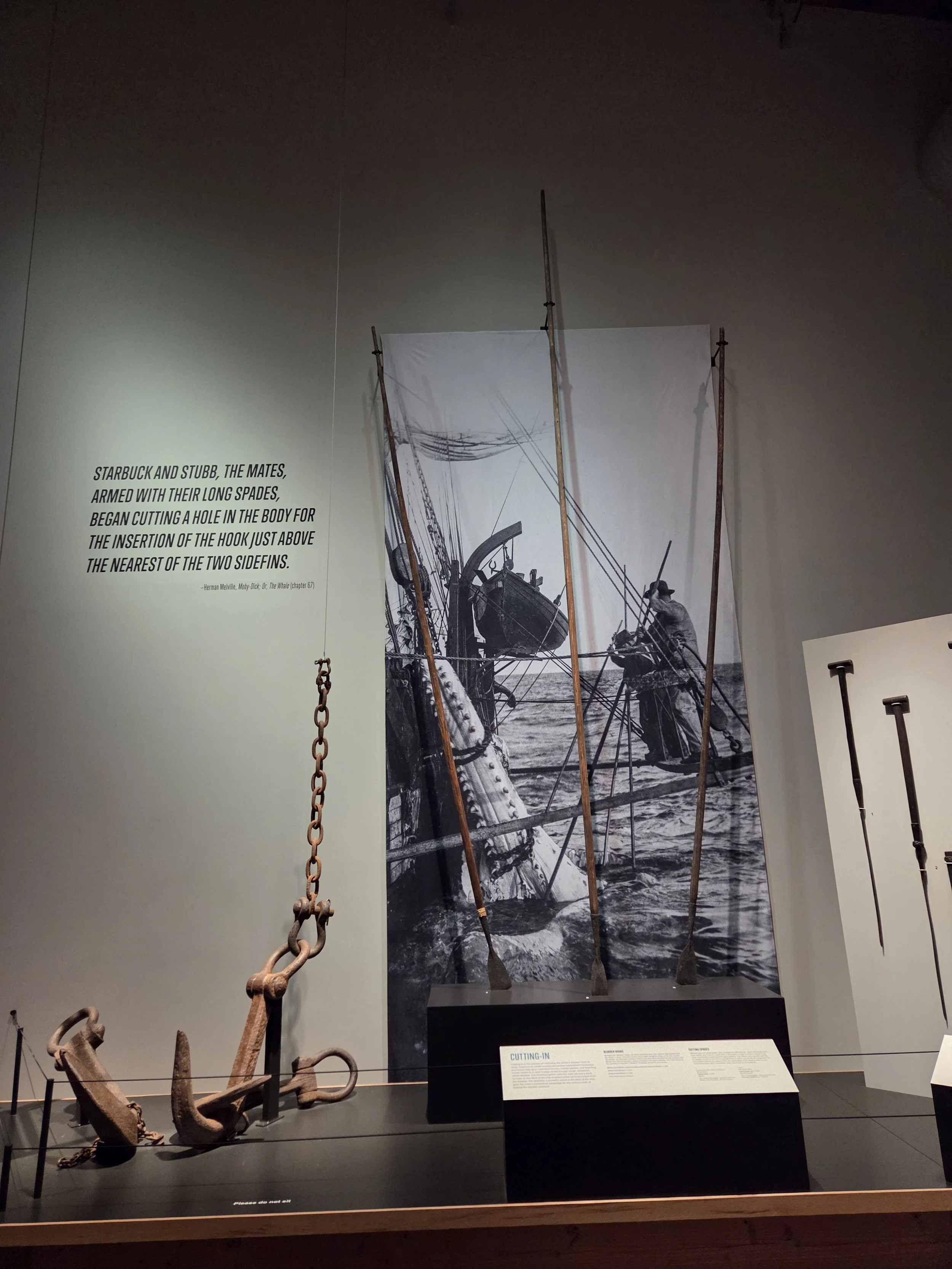
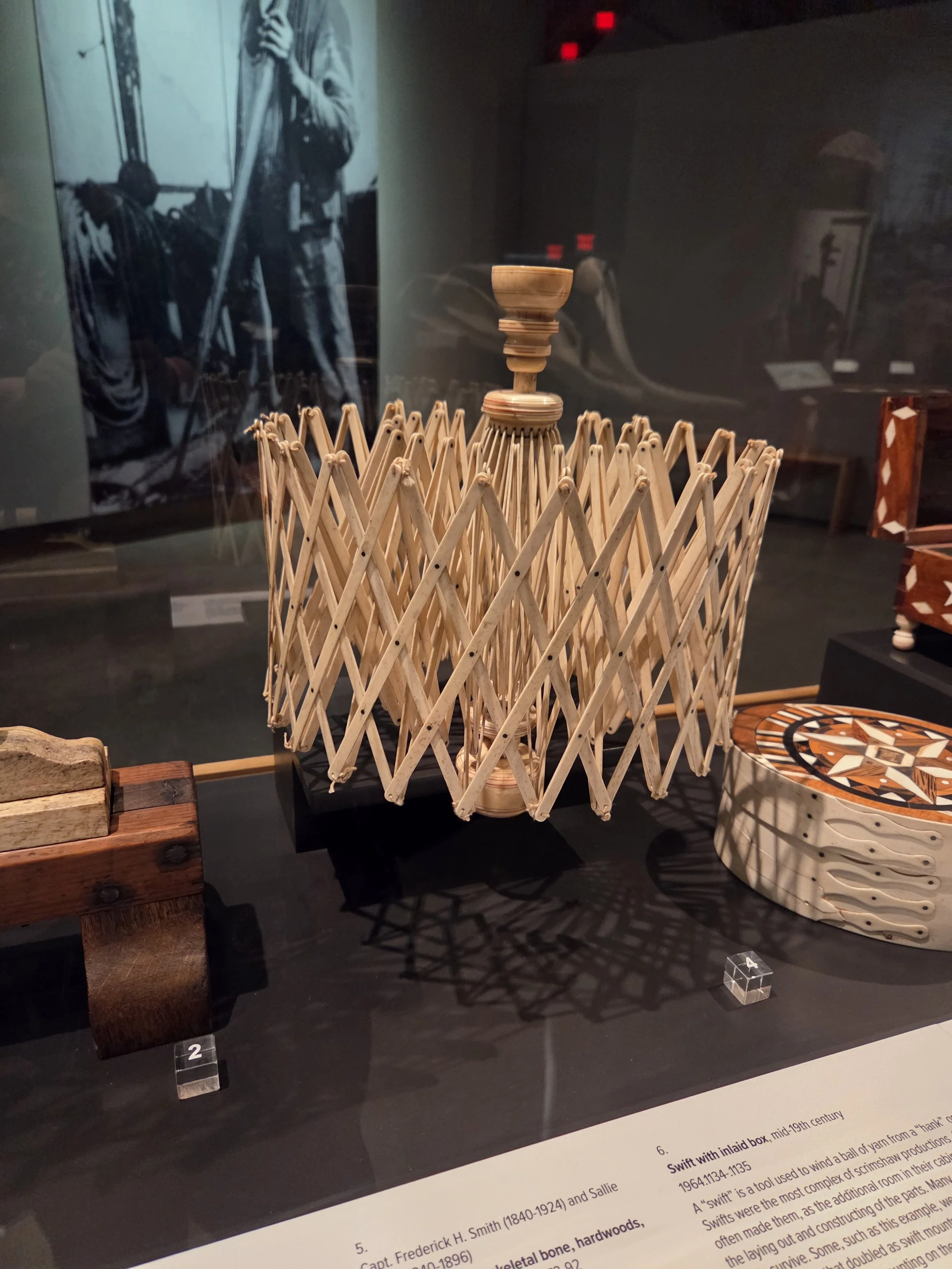
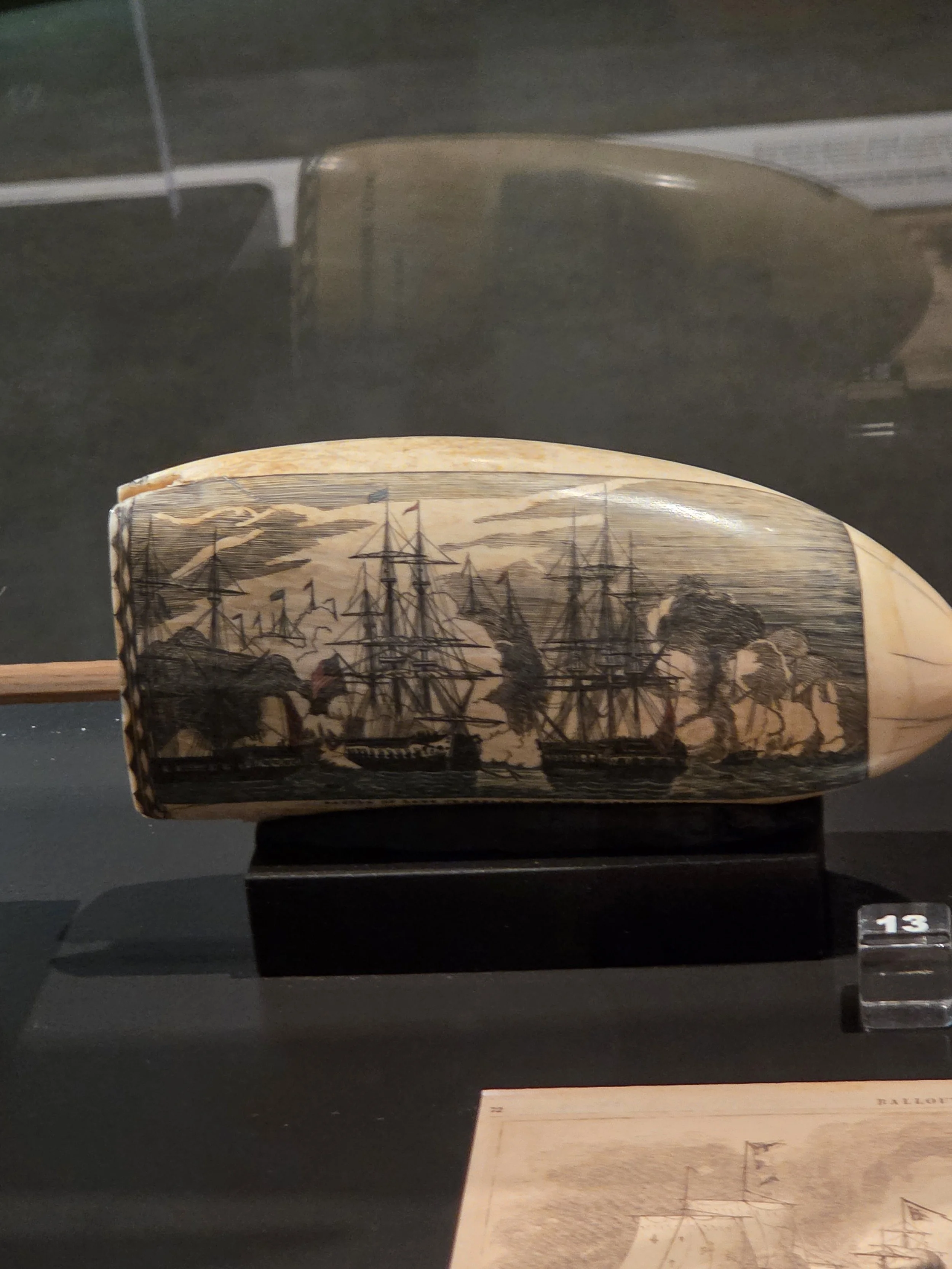
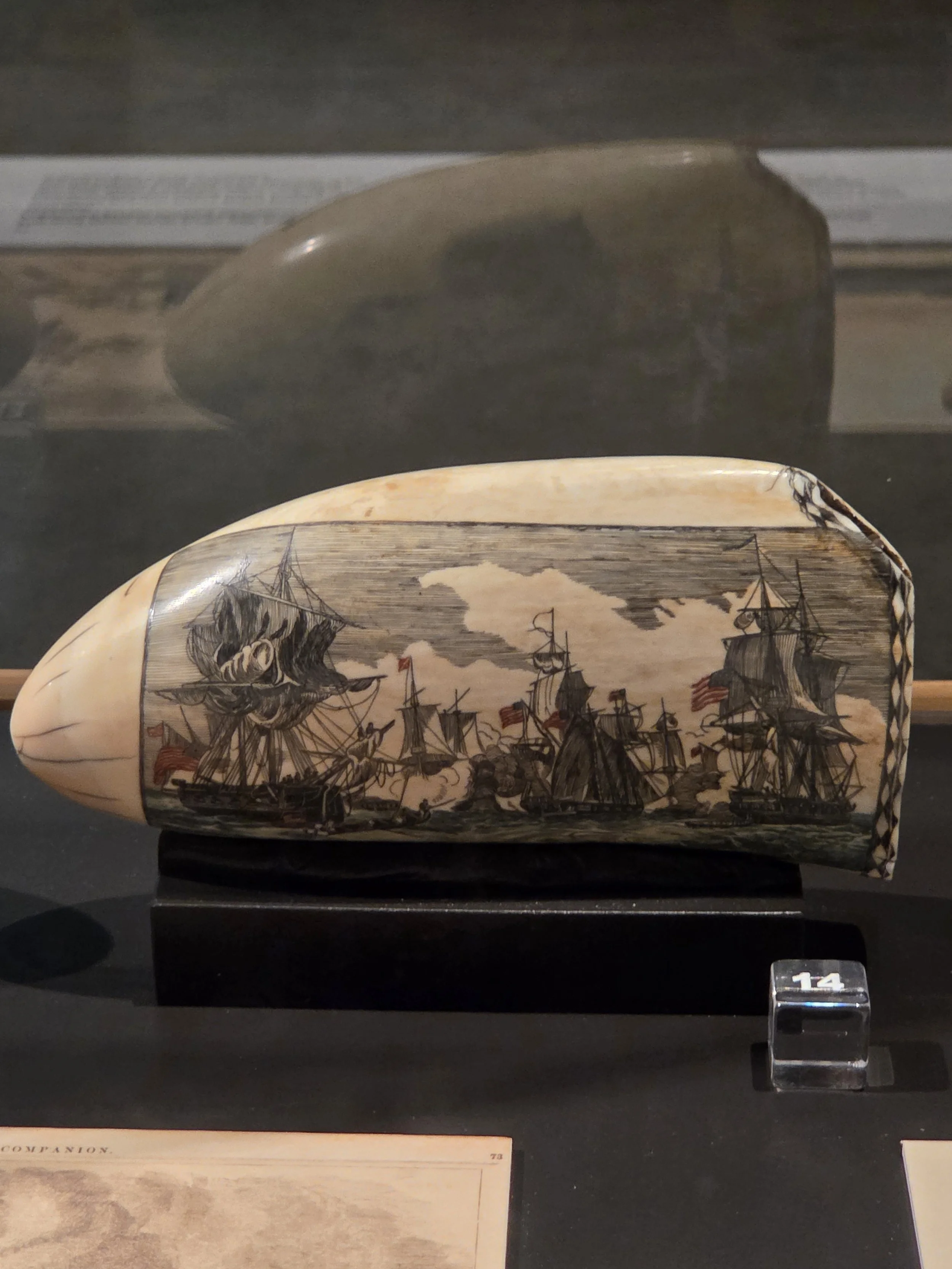
Leaving the reef to the end of my trip, I started out by going to New Bedford. As the center for whaling in America (and arguably globally), and with so many ties to Herman Melville and Moby Dick, it has been a place that I wanted to see for many years. It didn’t disappoint.

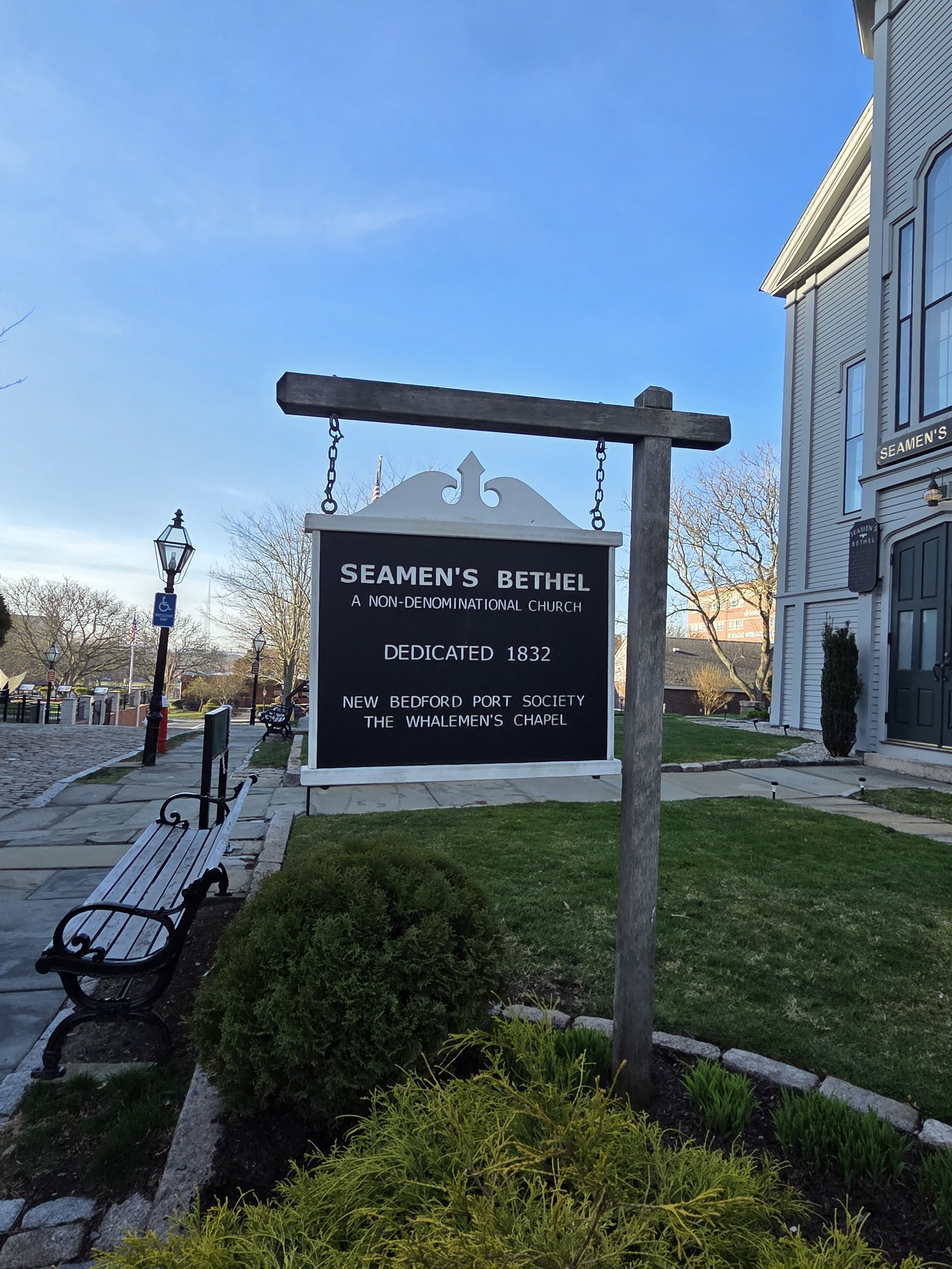
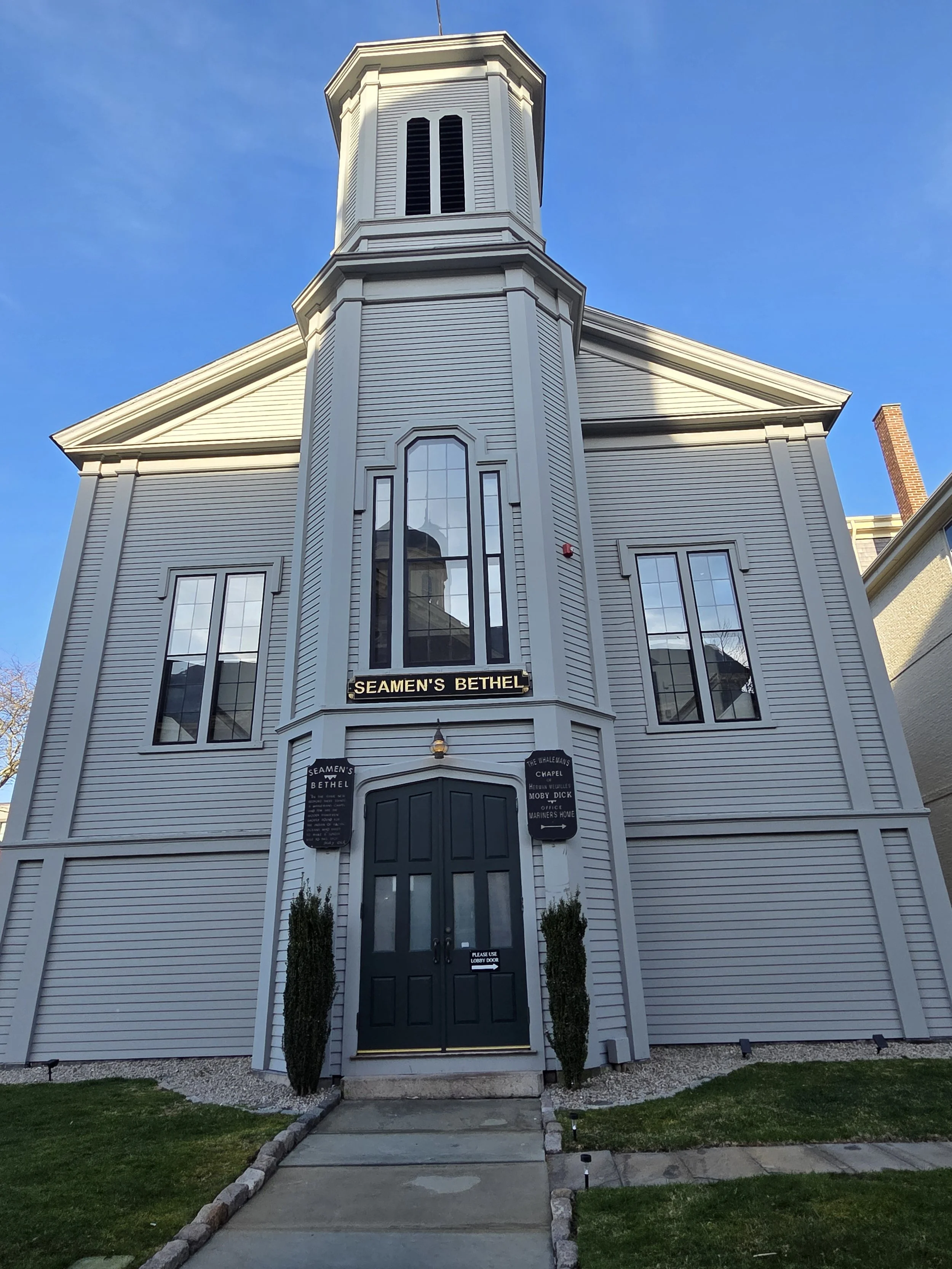
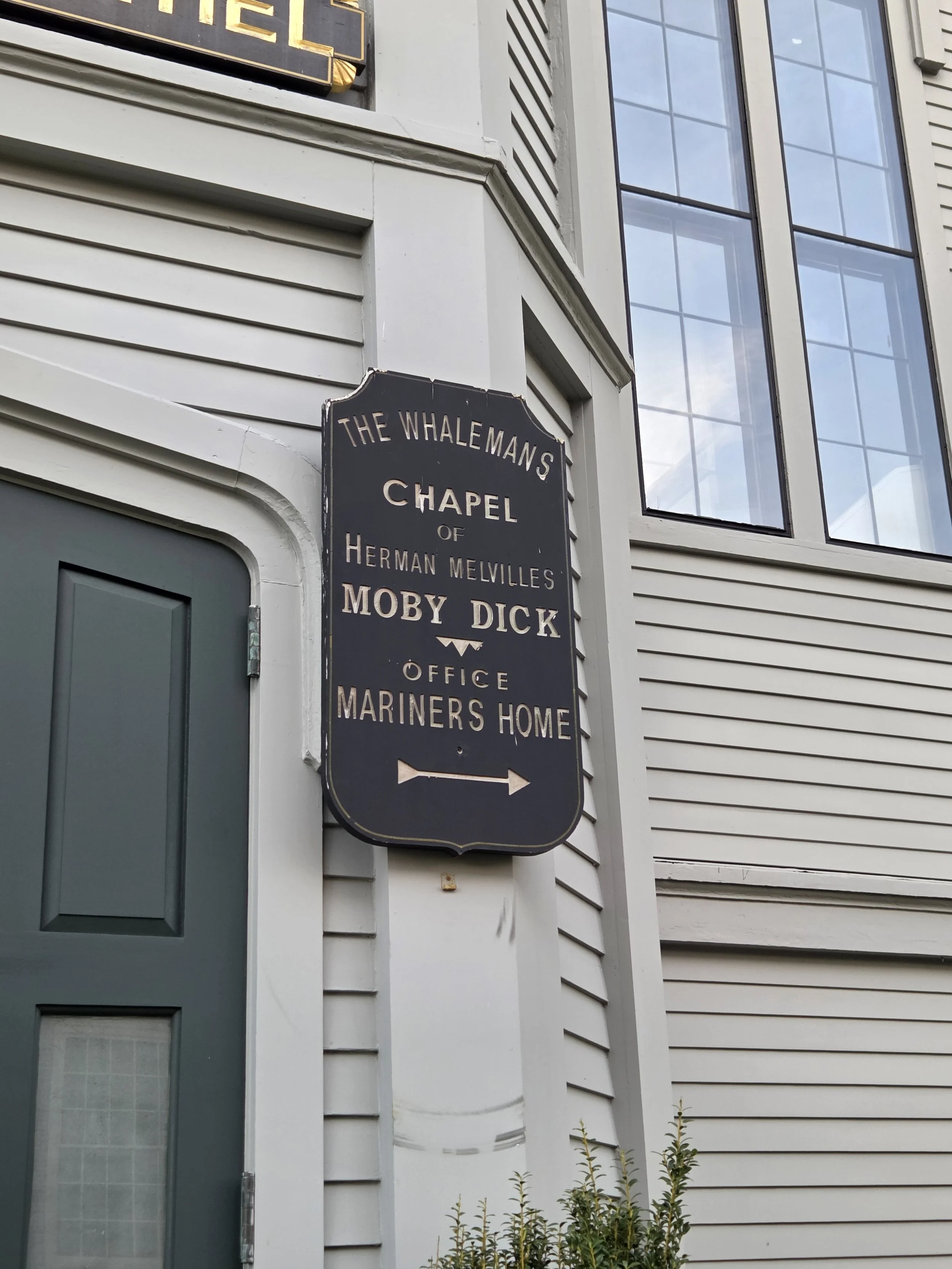
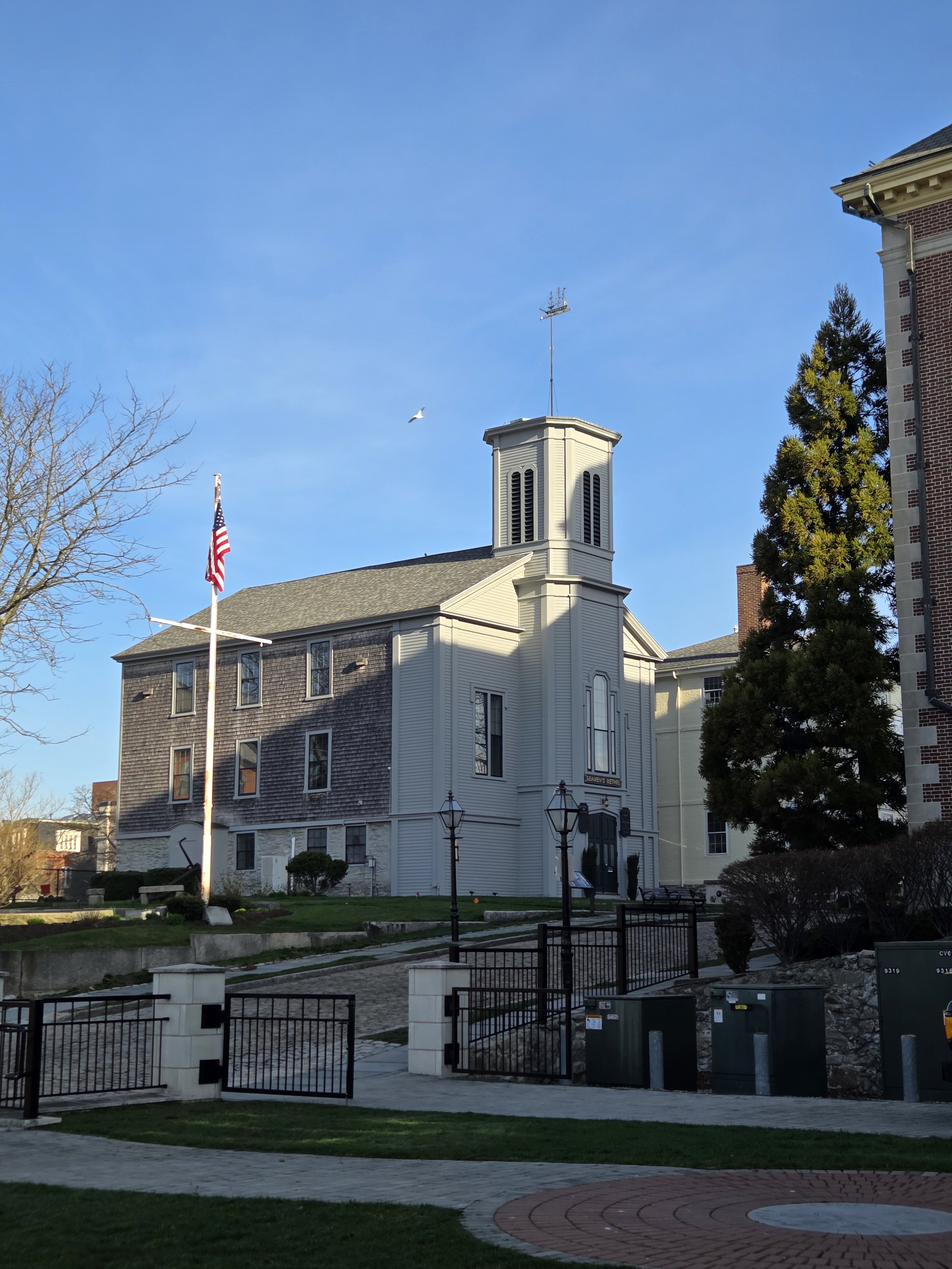
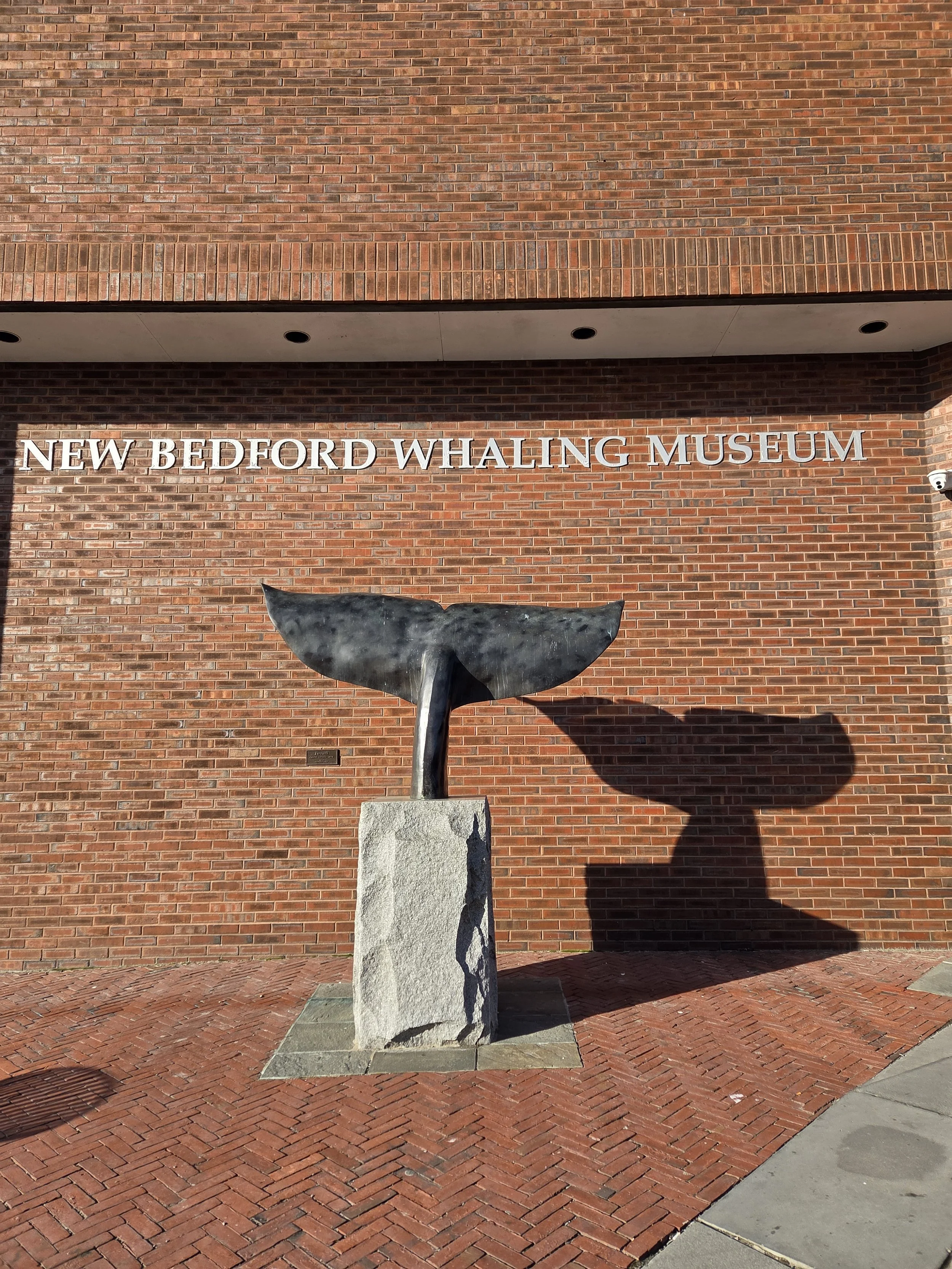
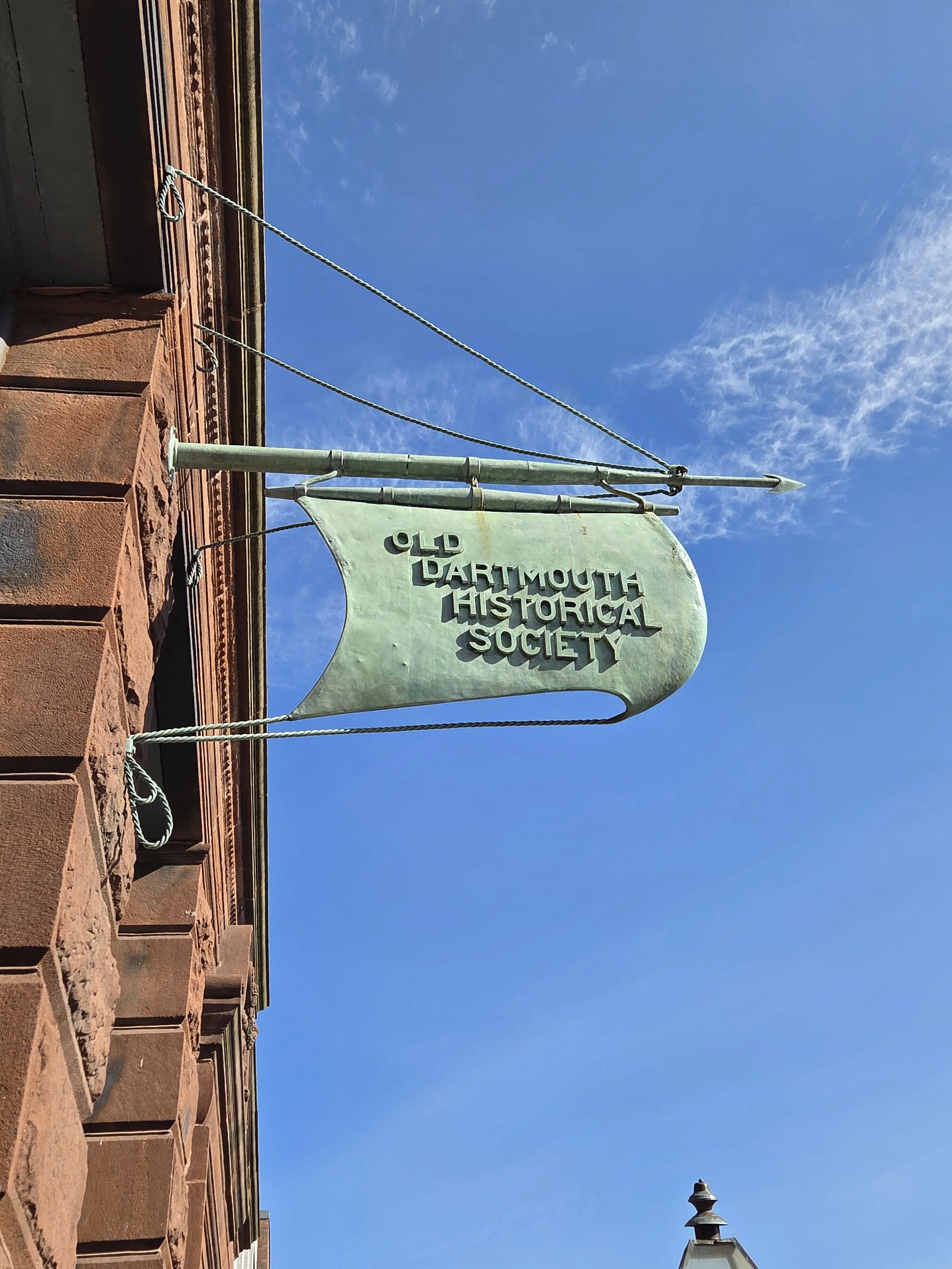
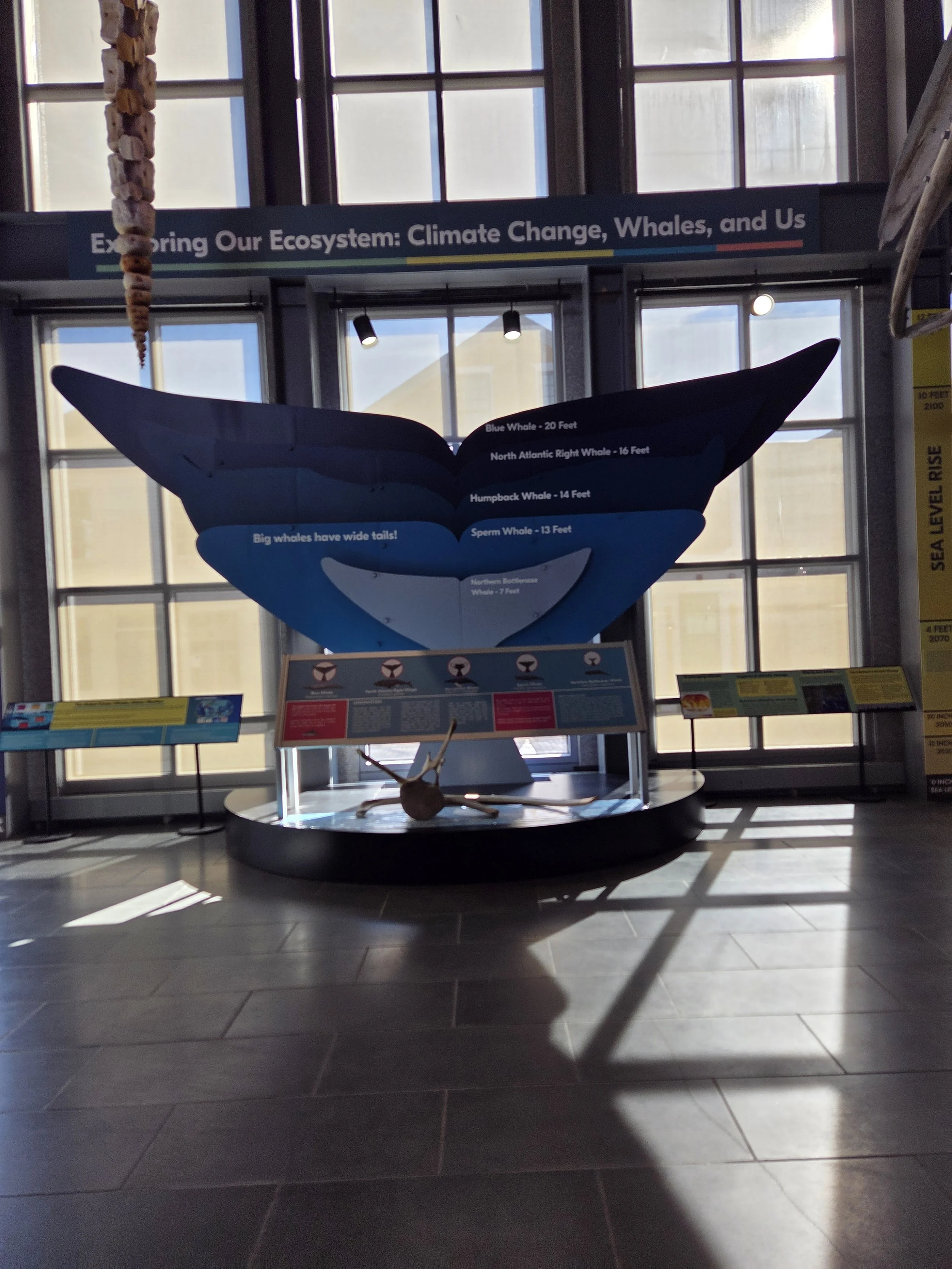
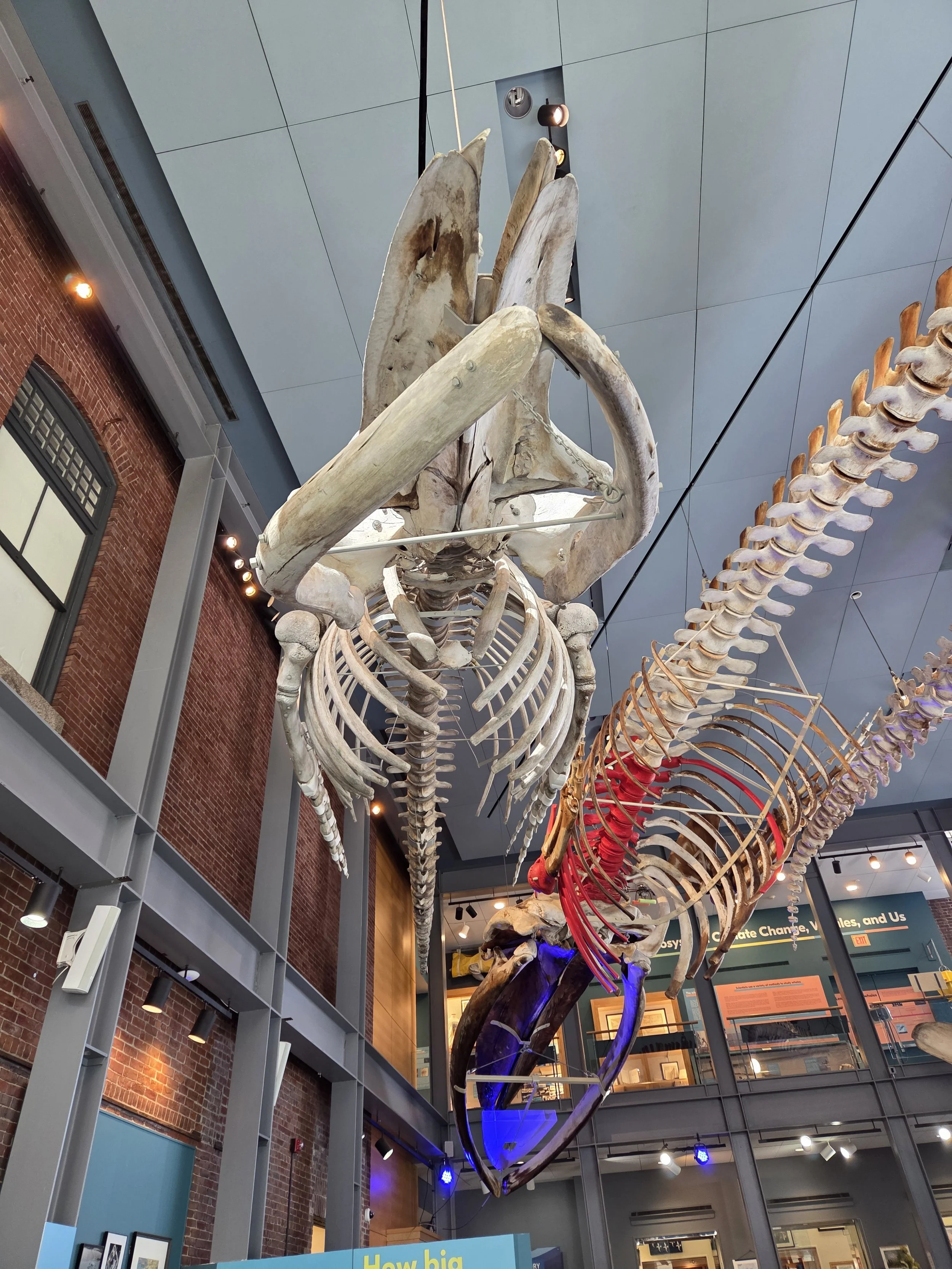
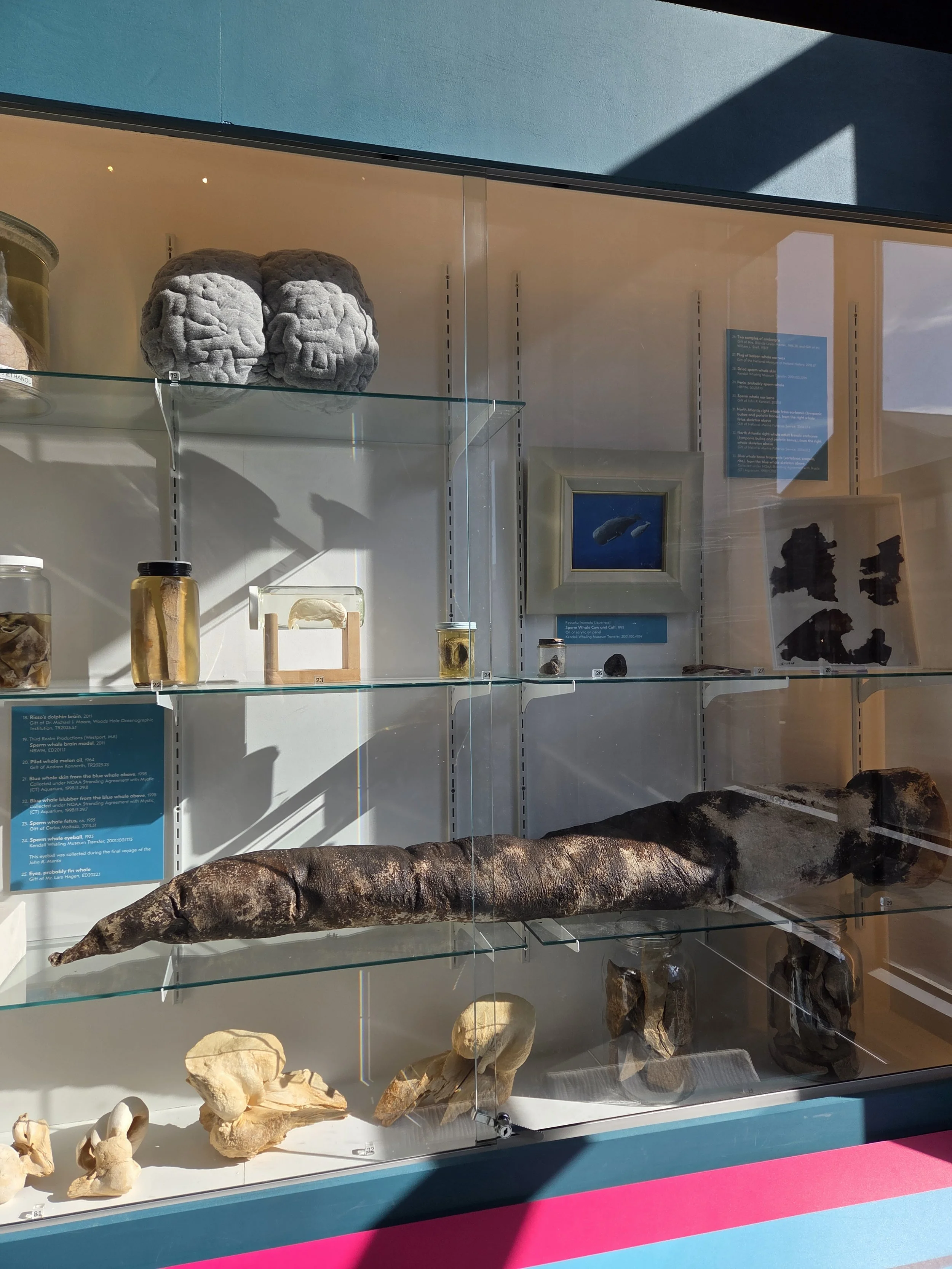
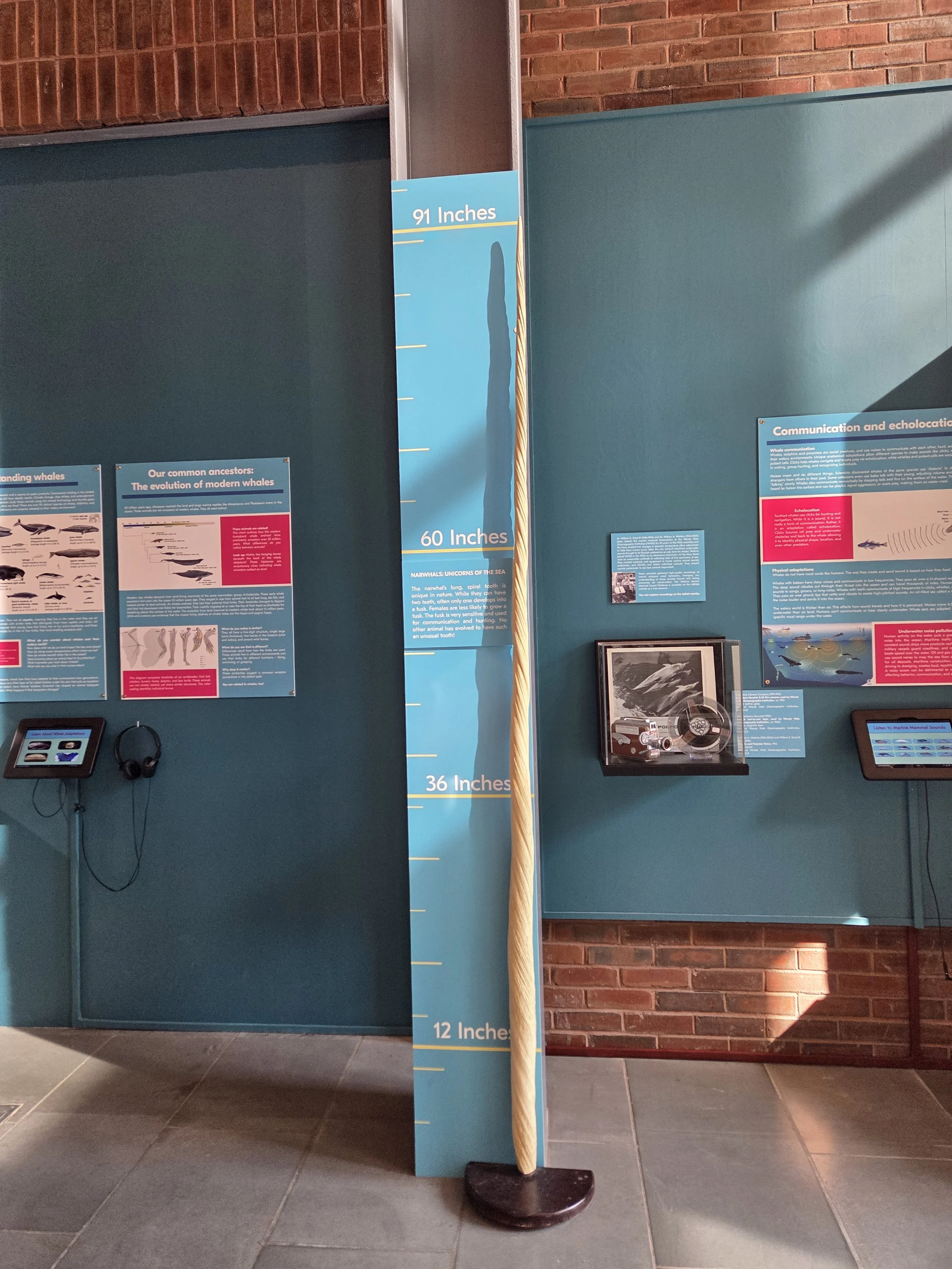
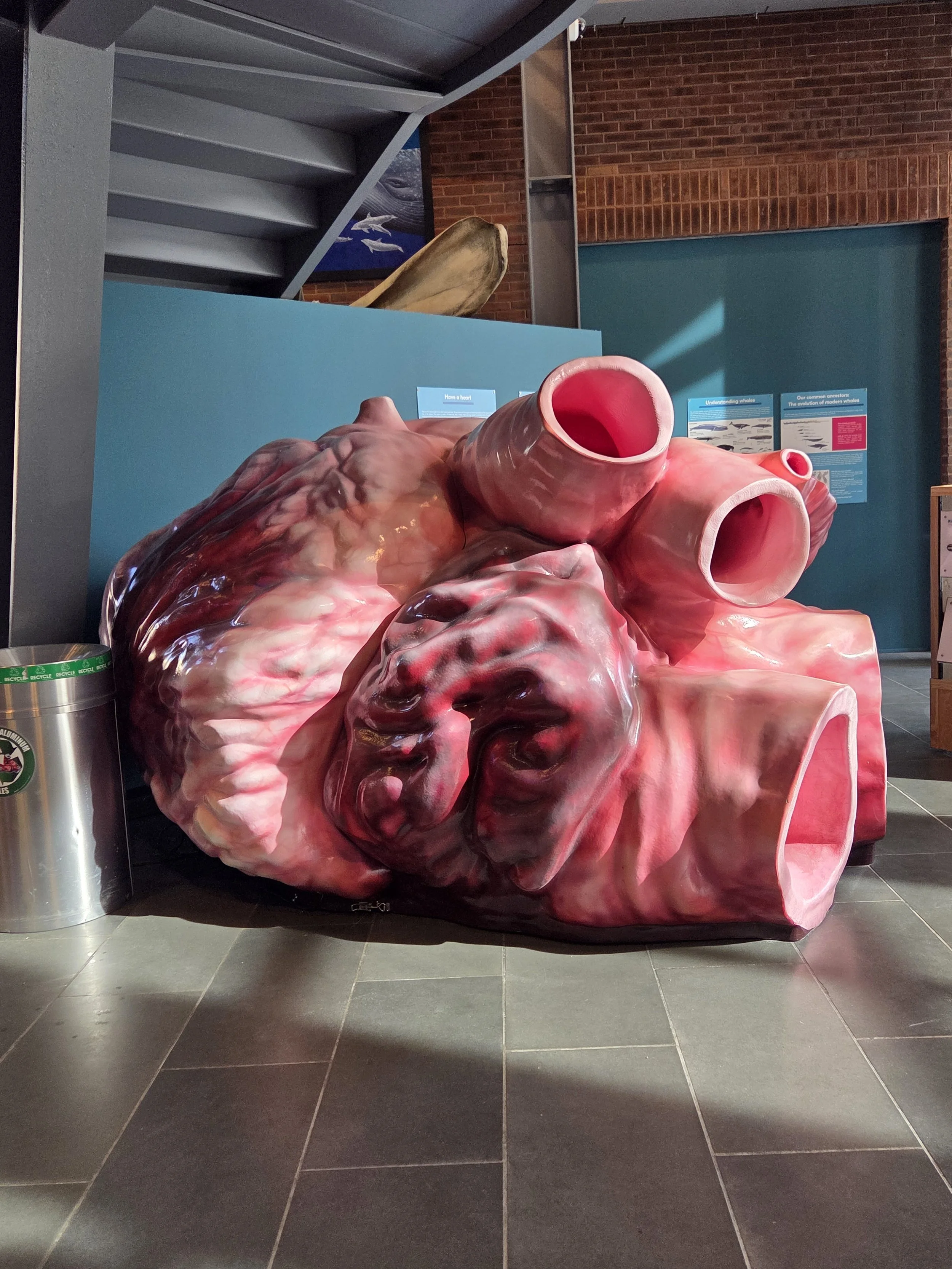
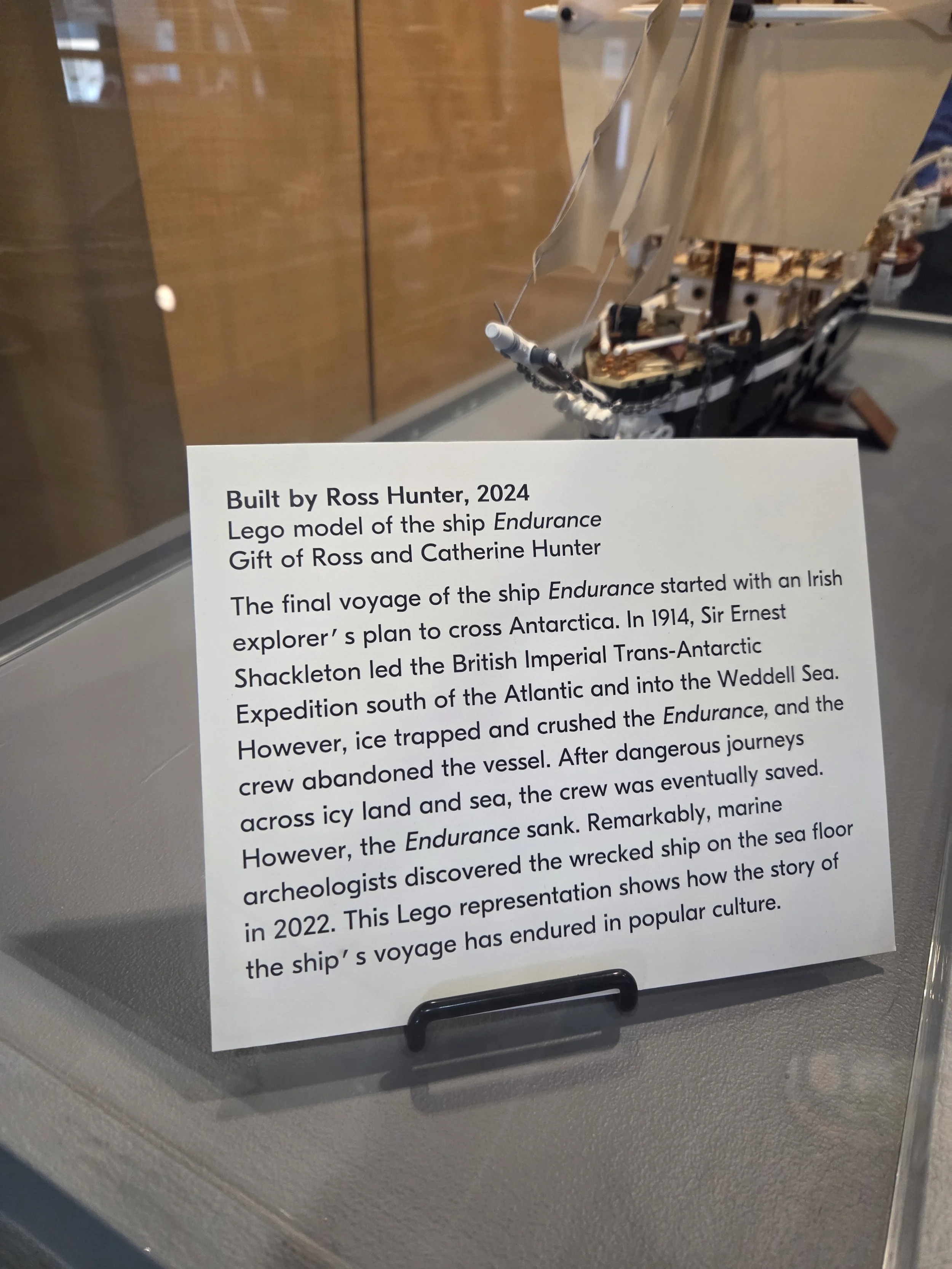
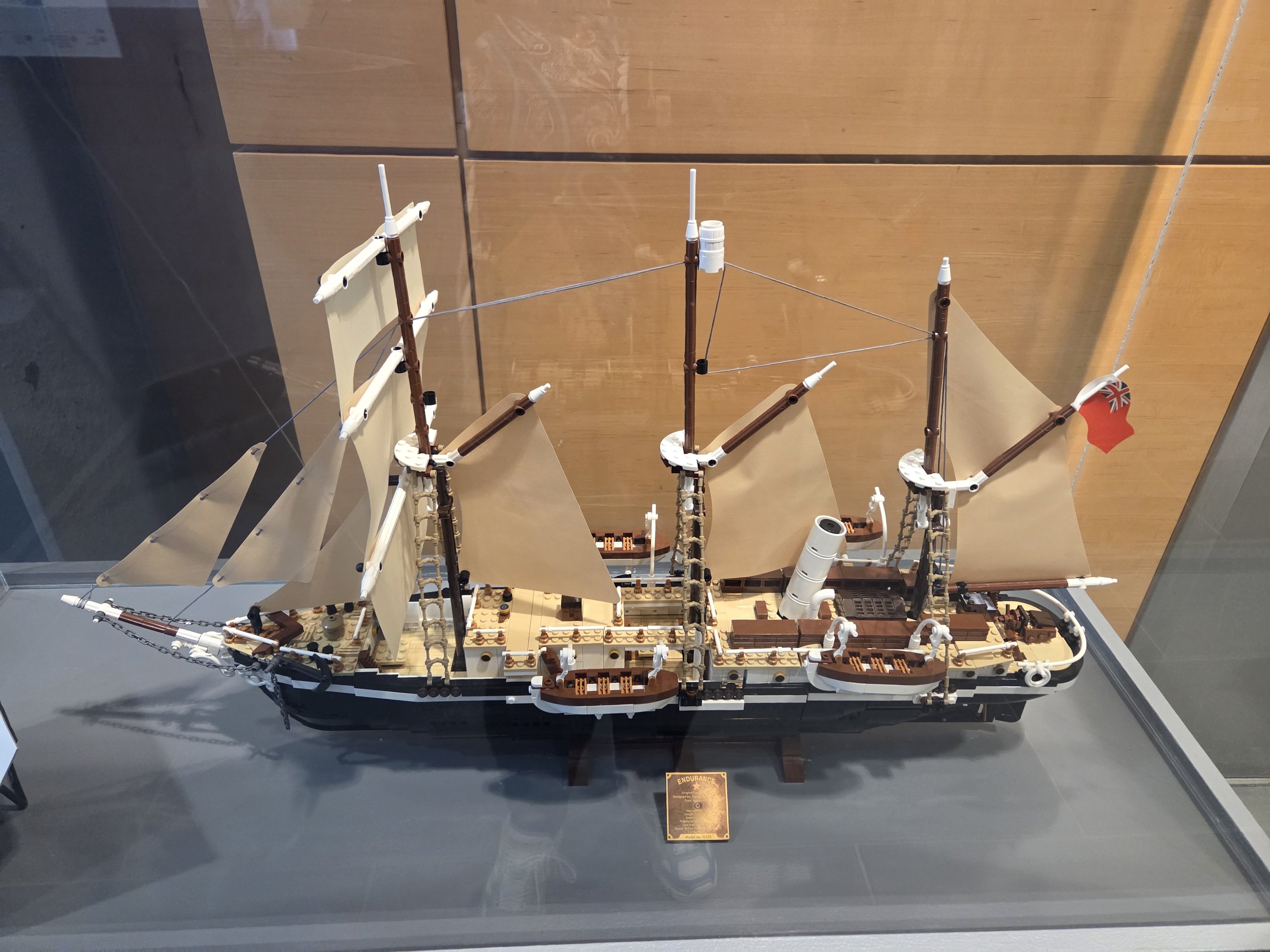
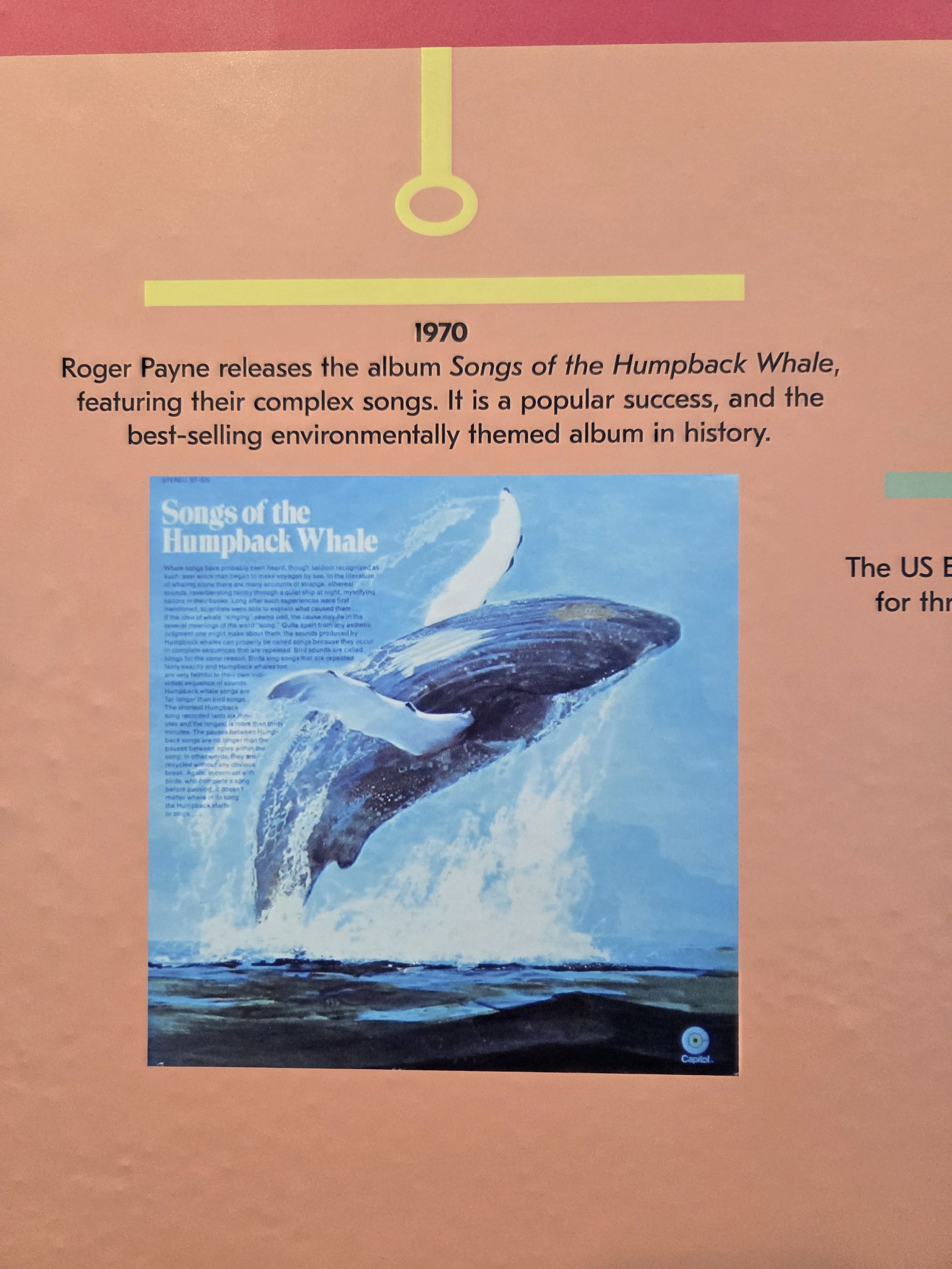
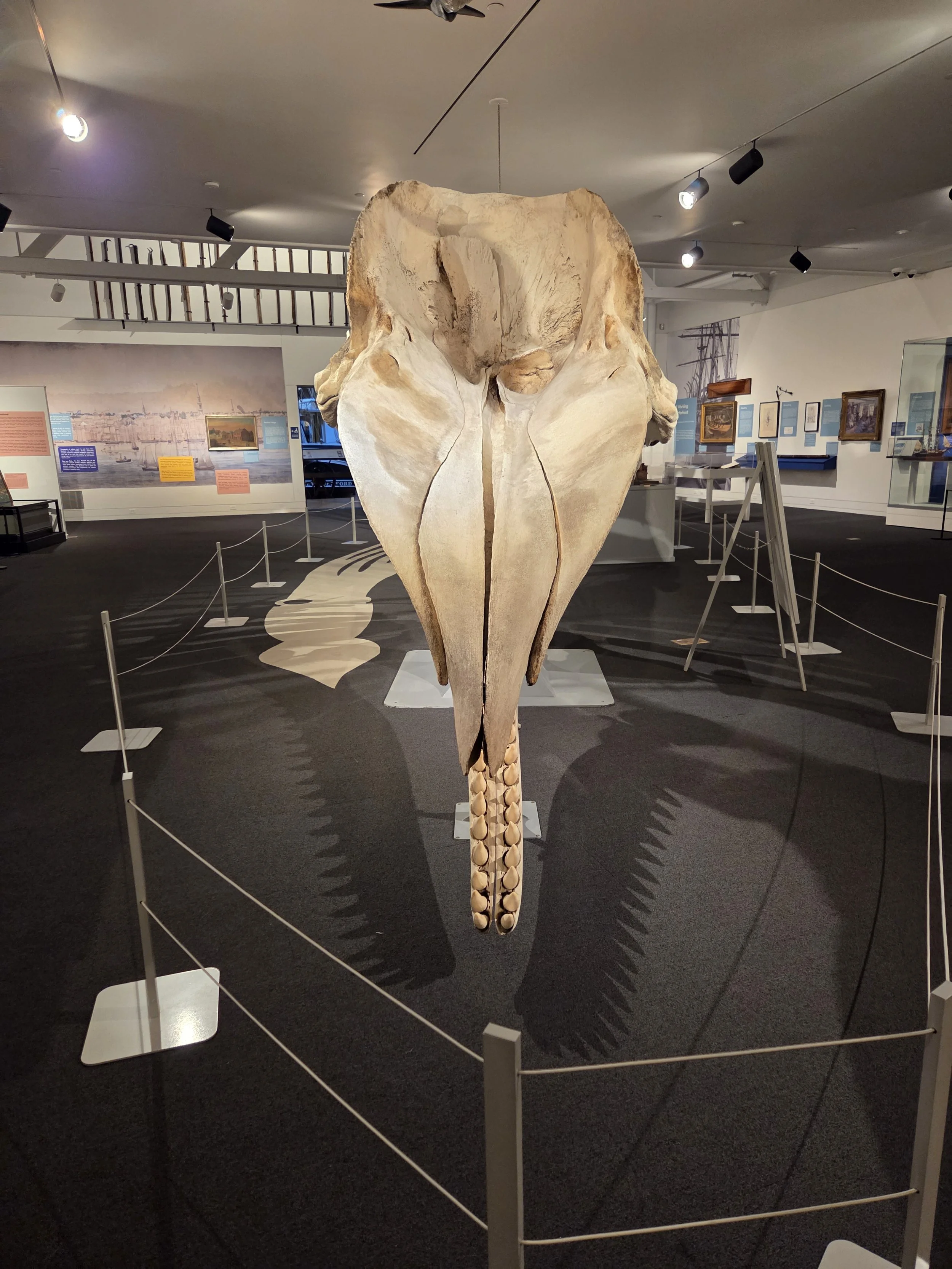
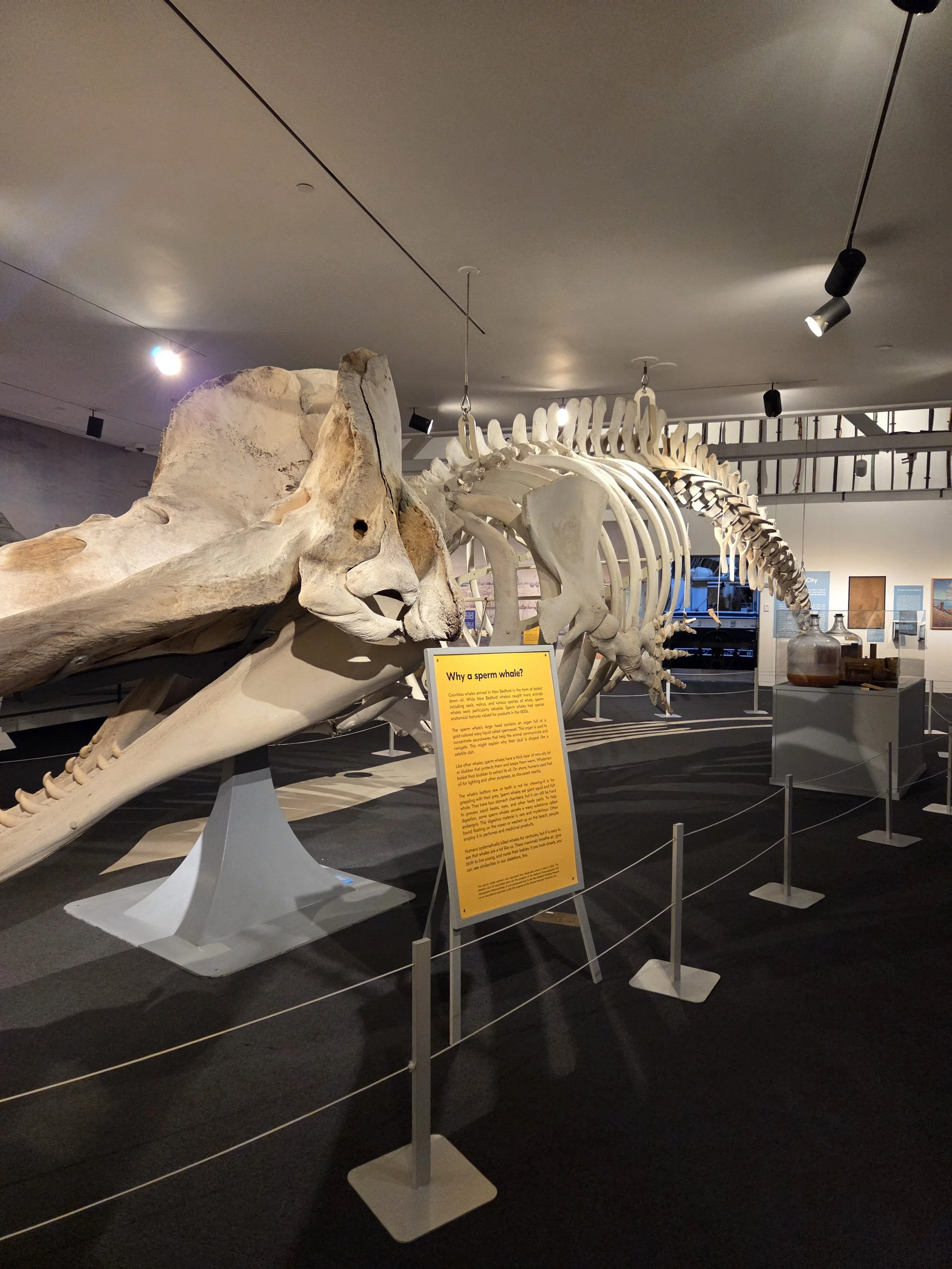
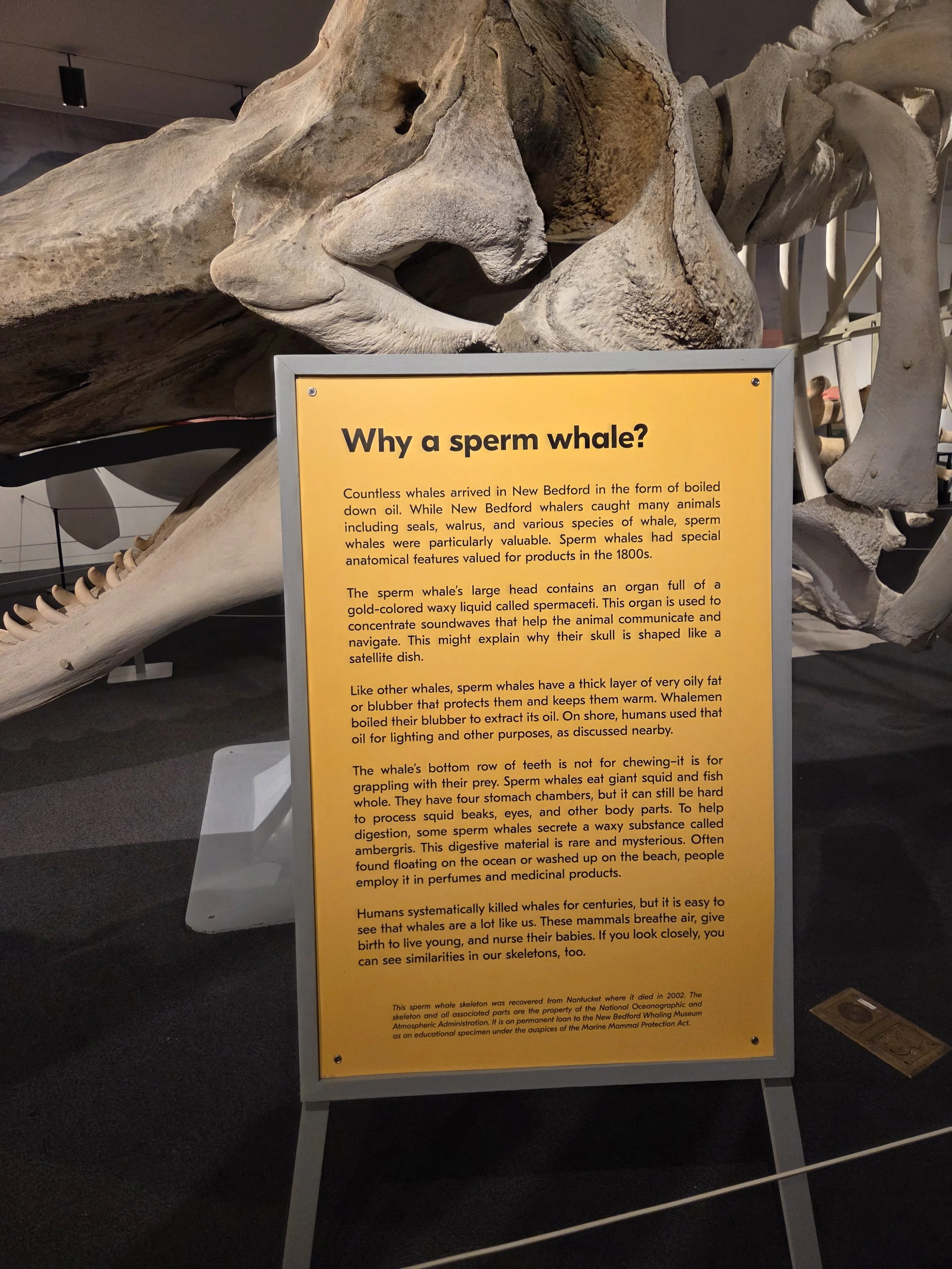
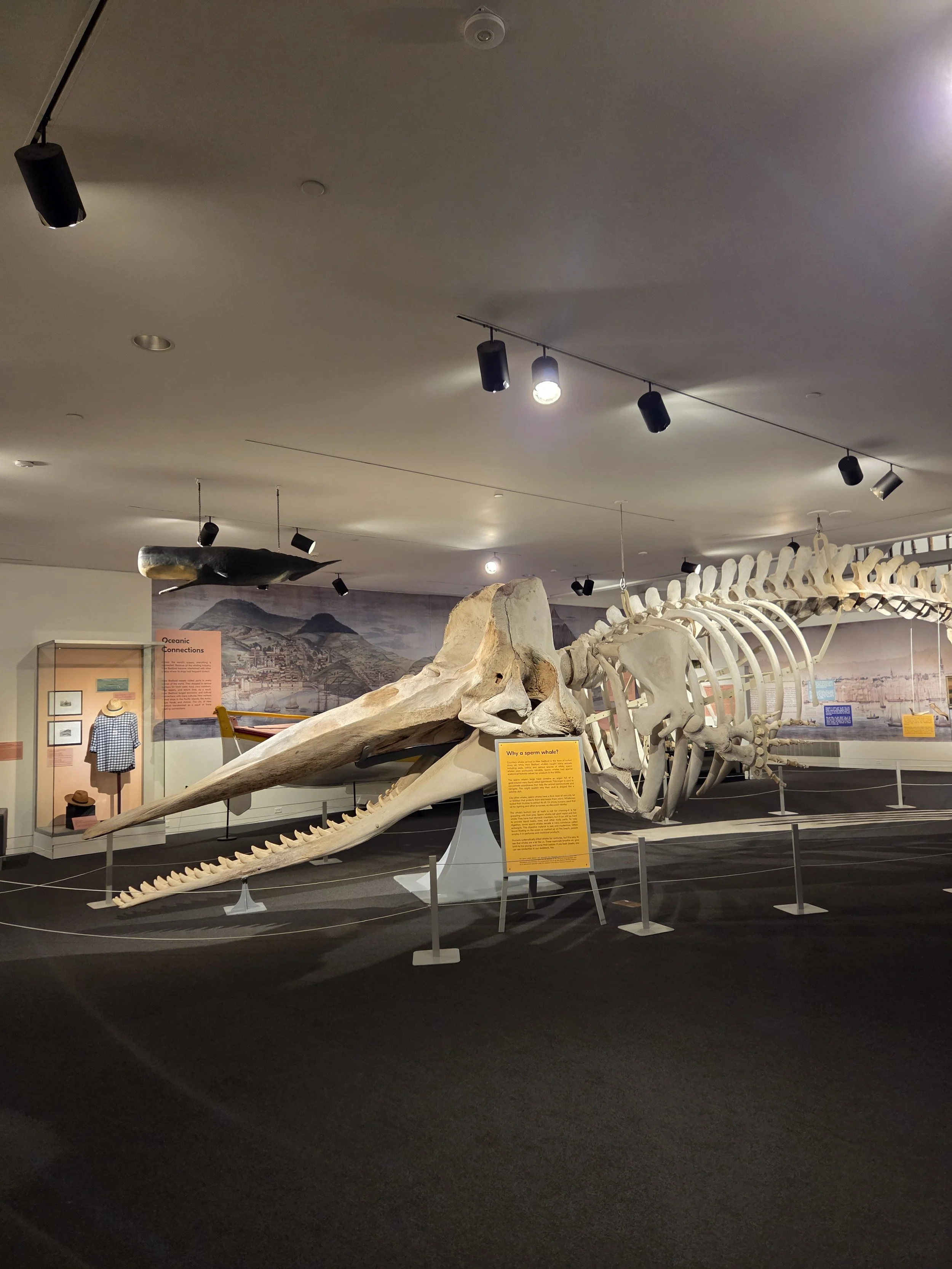
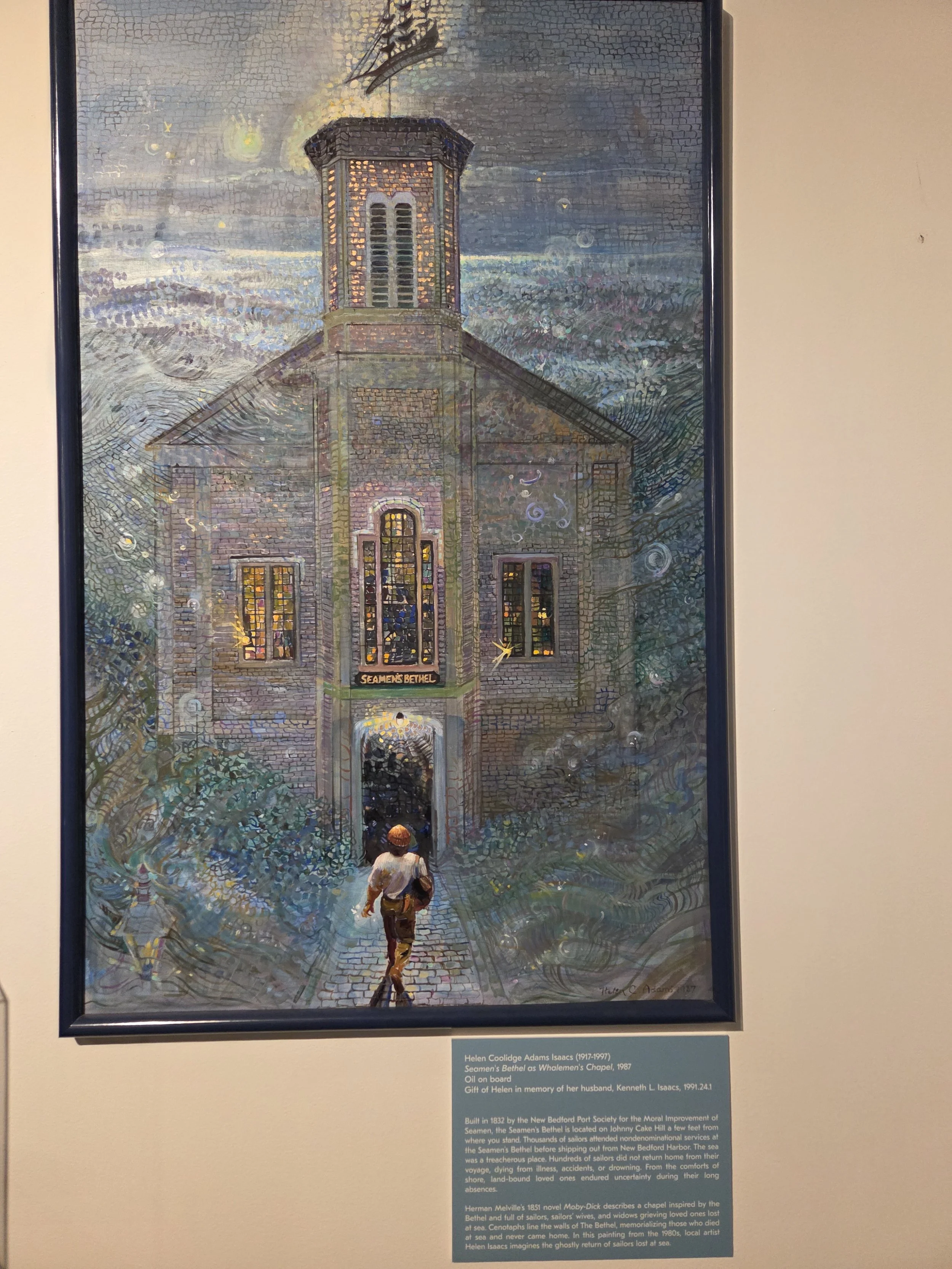
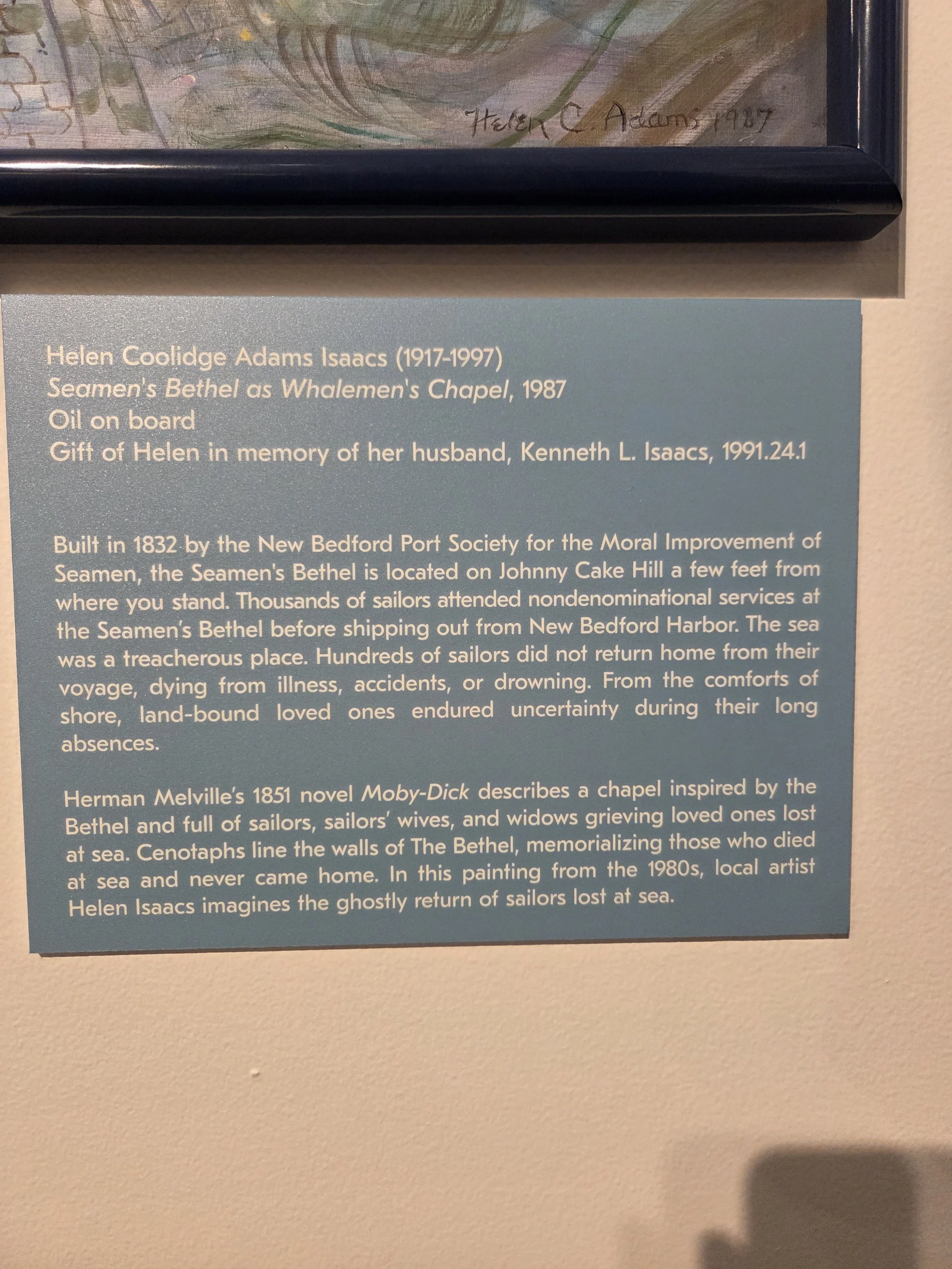
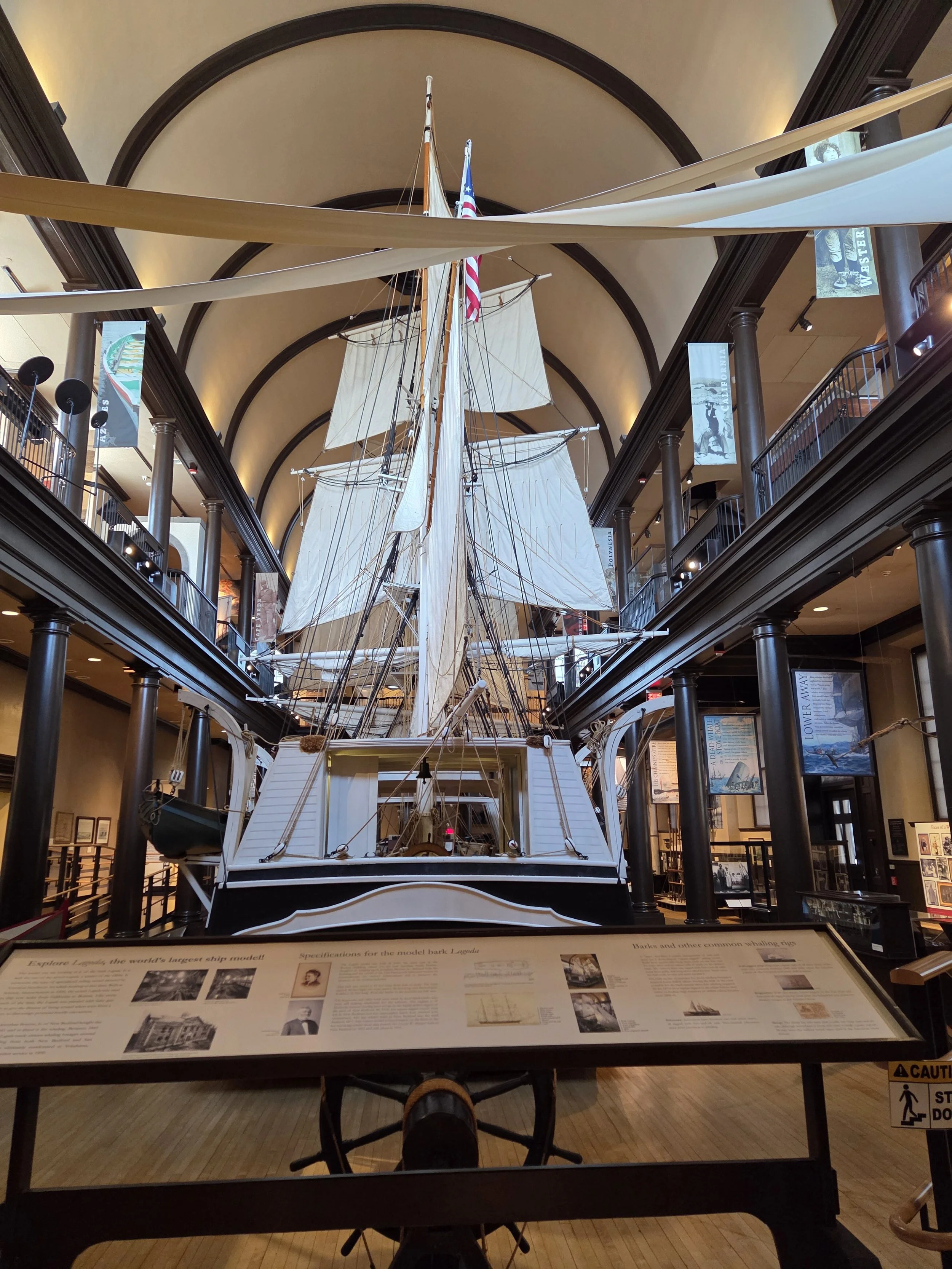
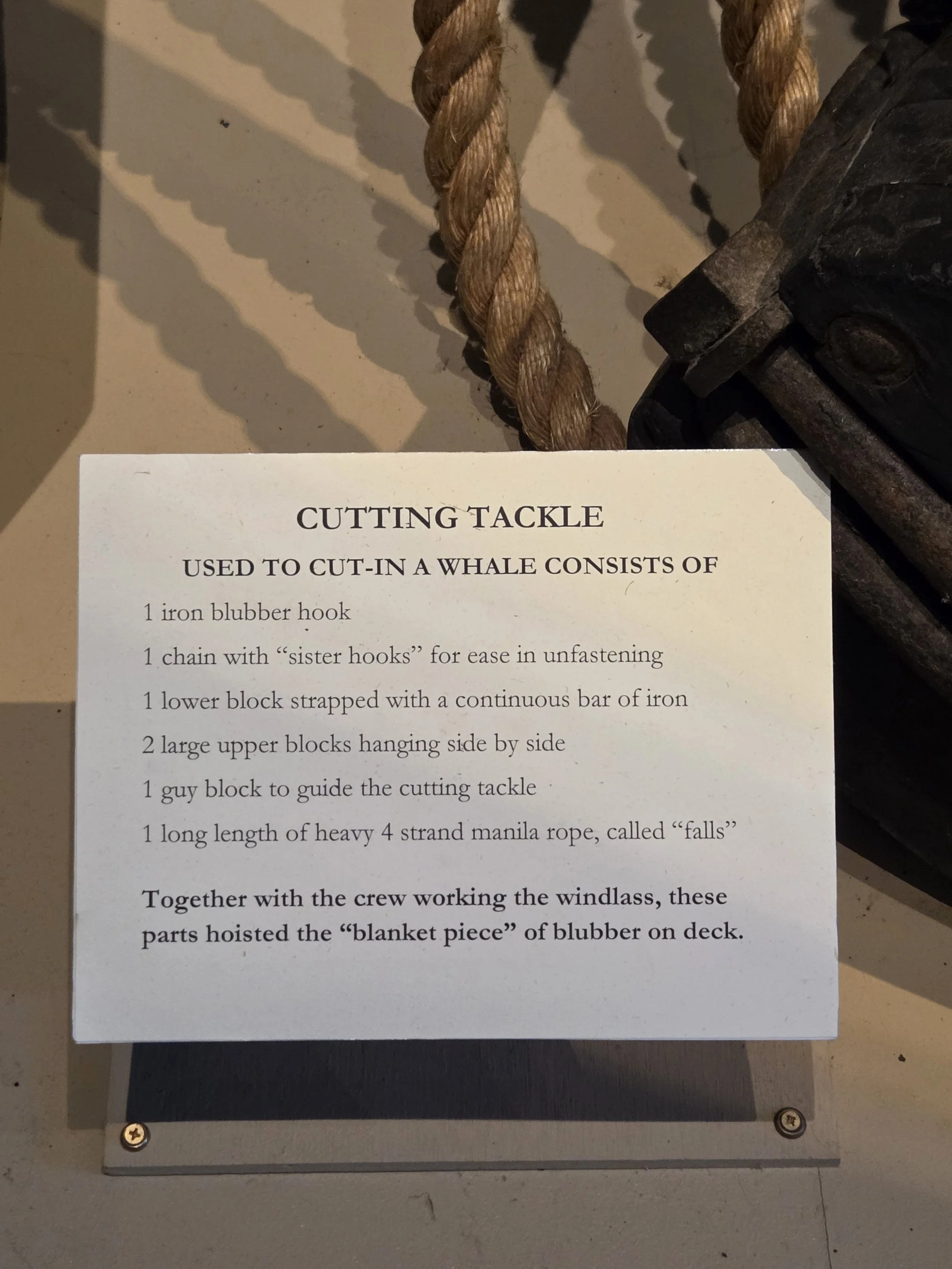
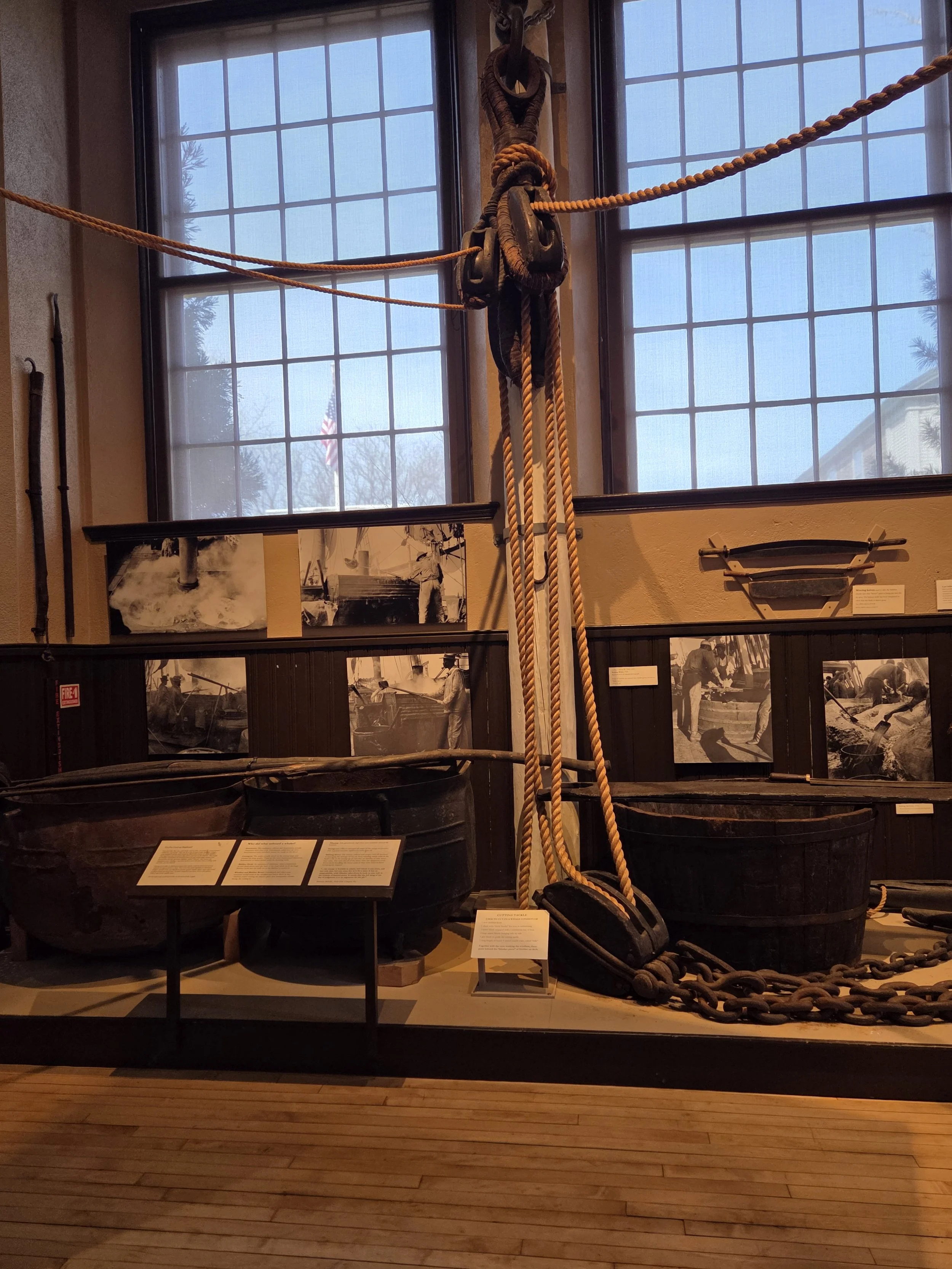
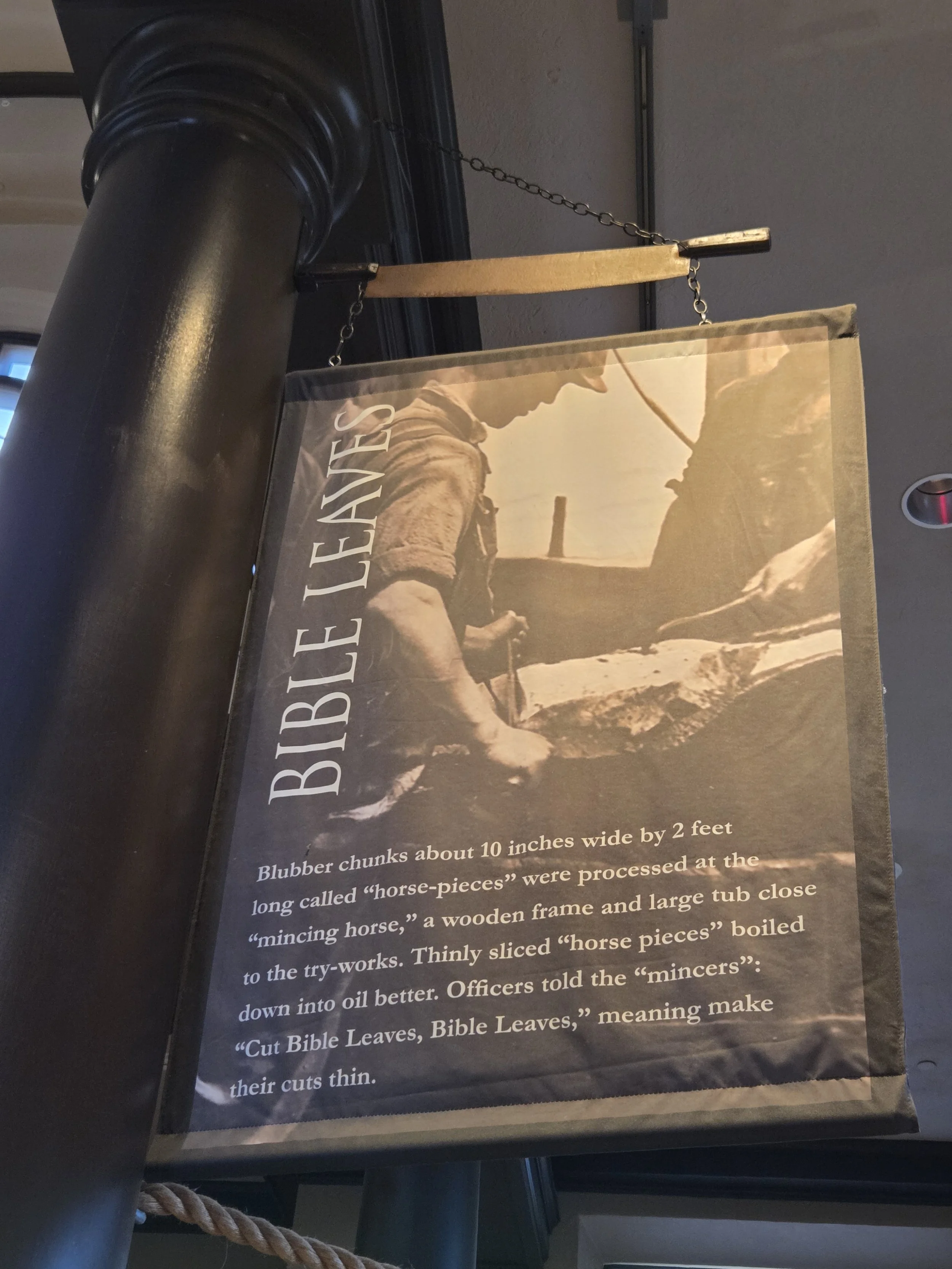
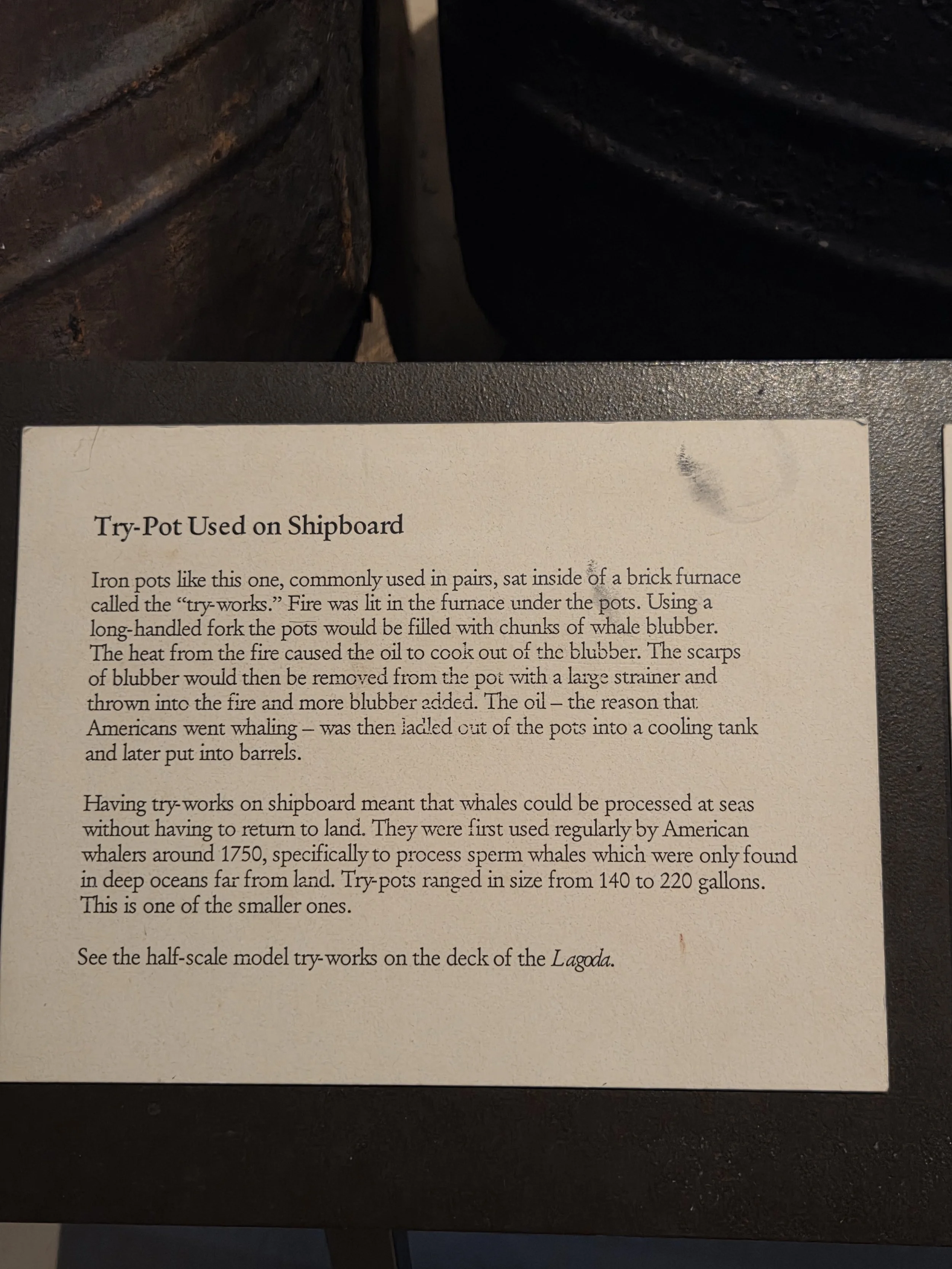
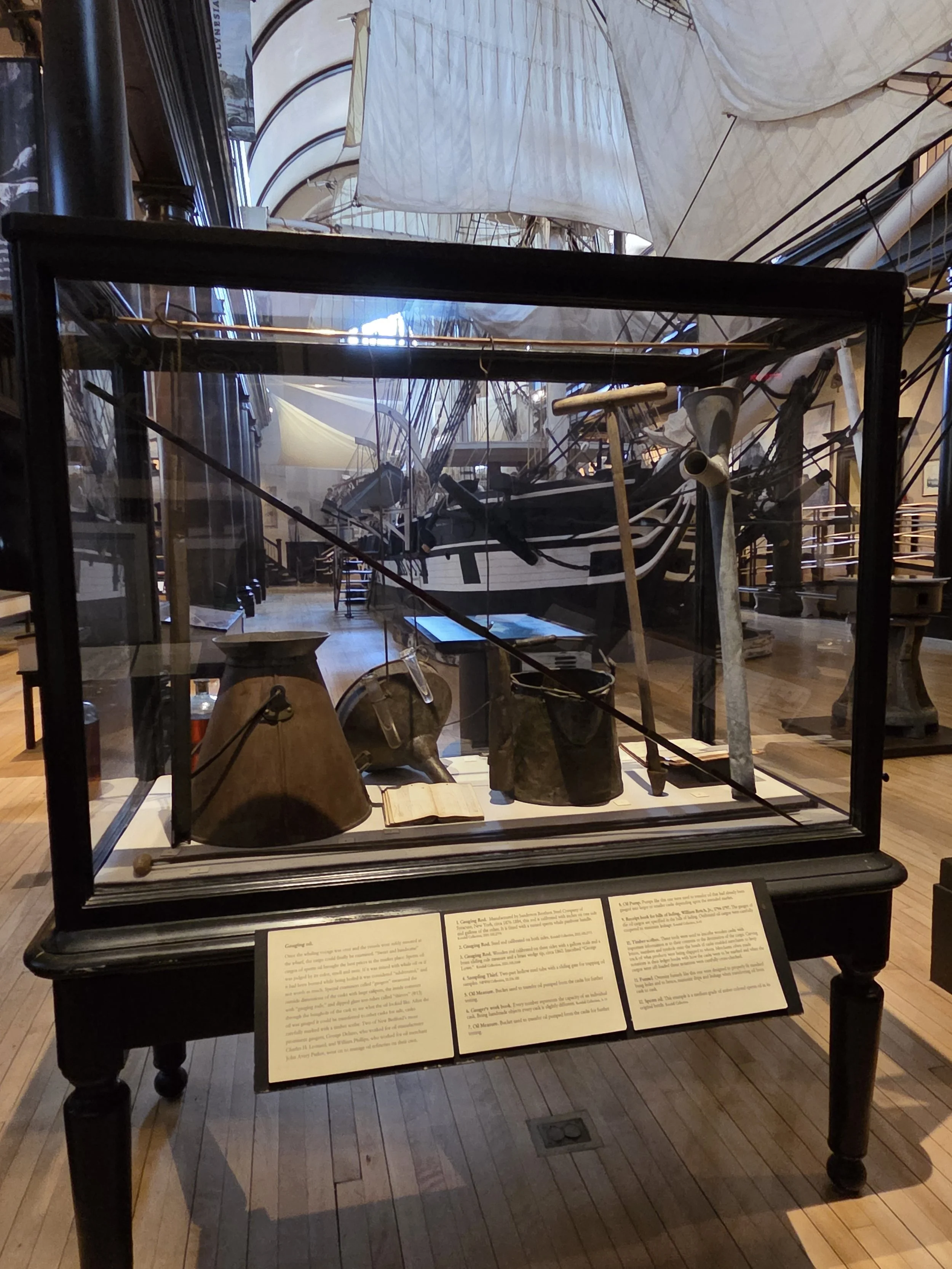
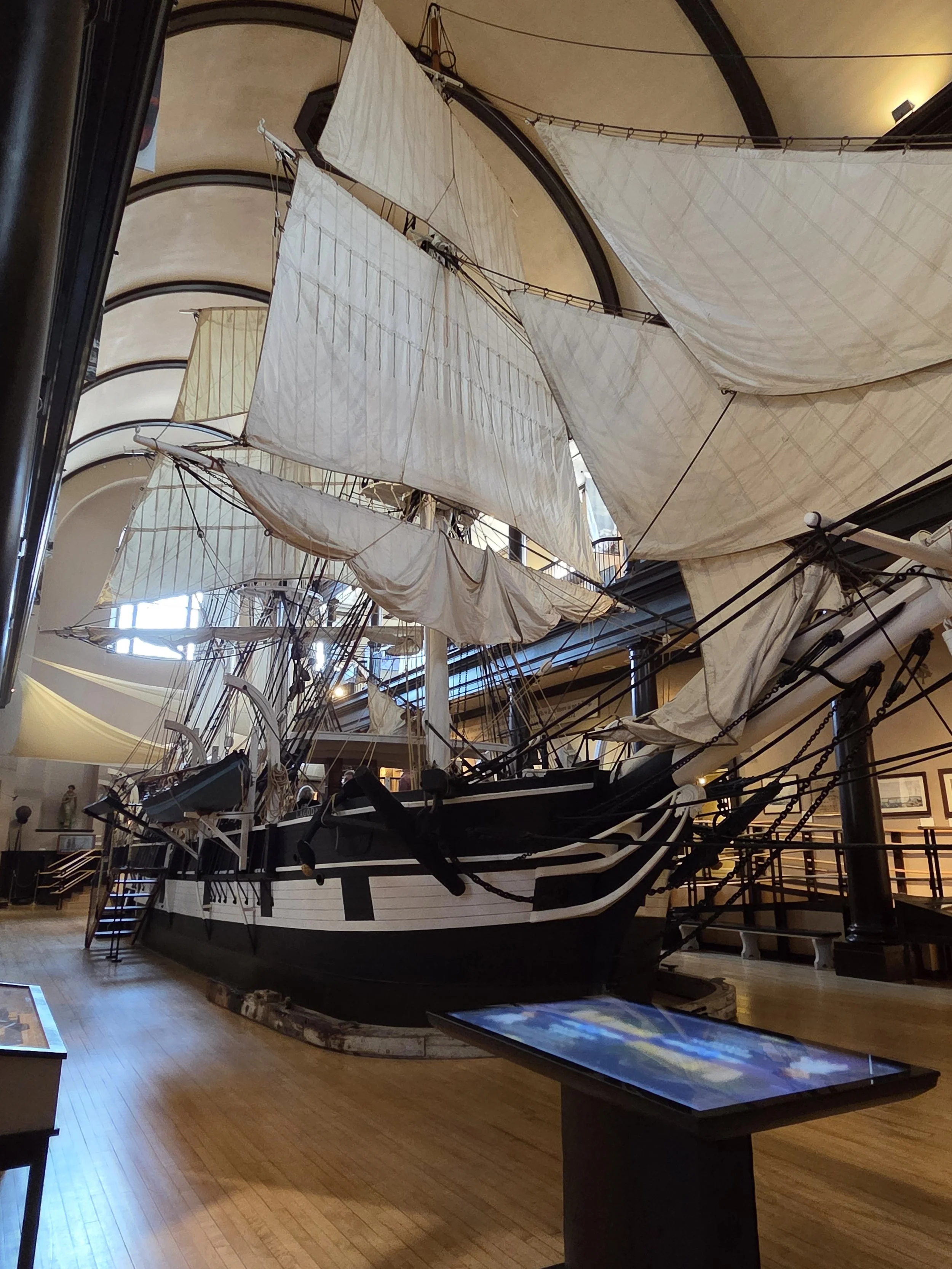
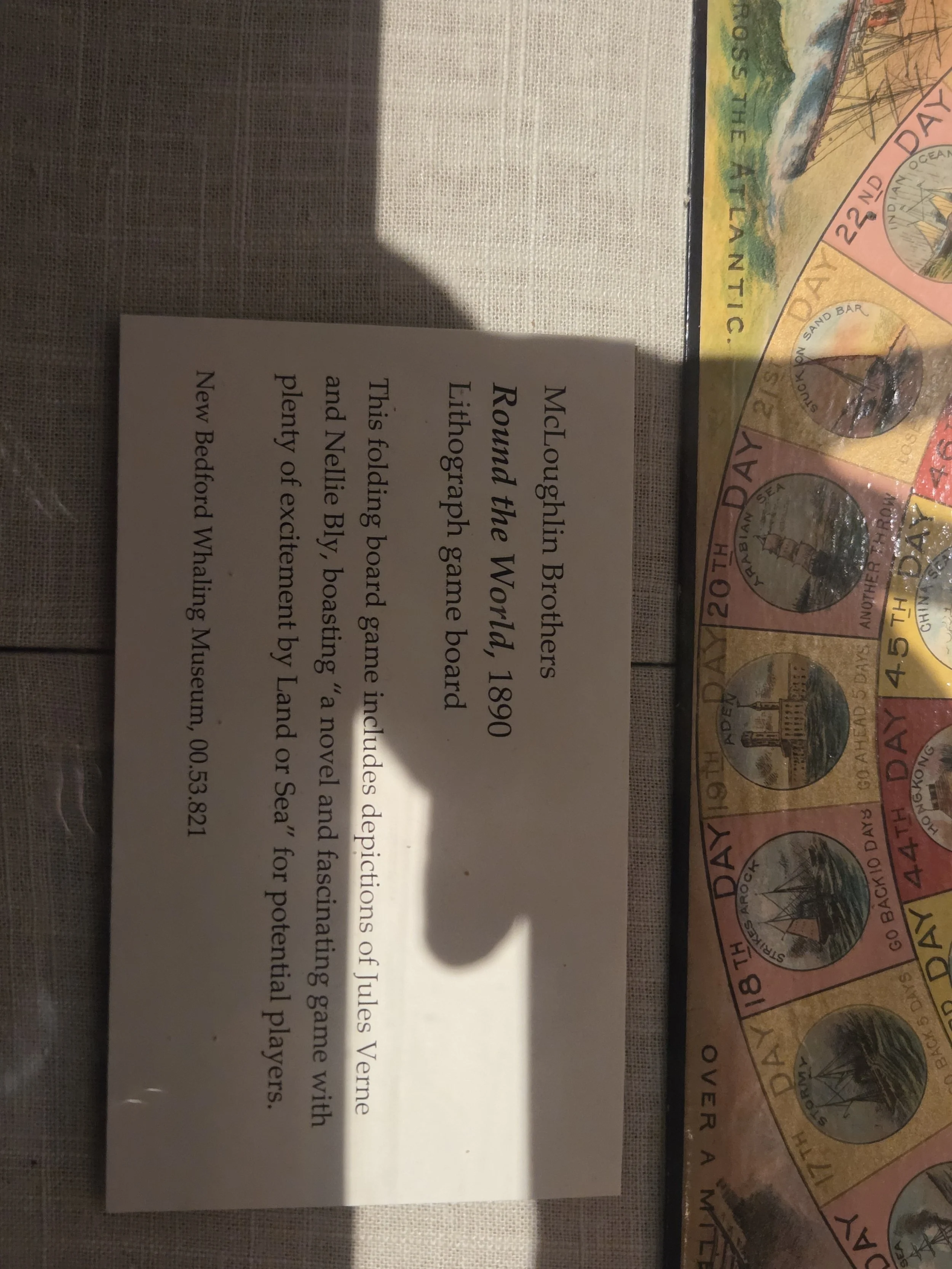
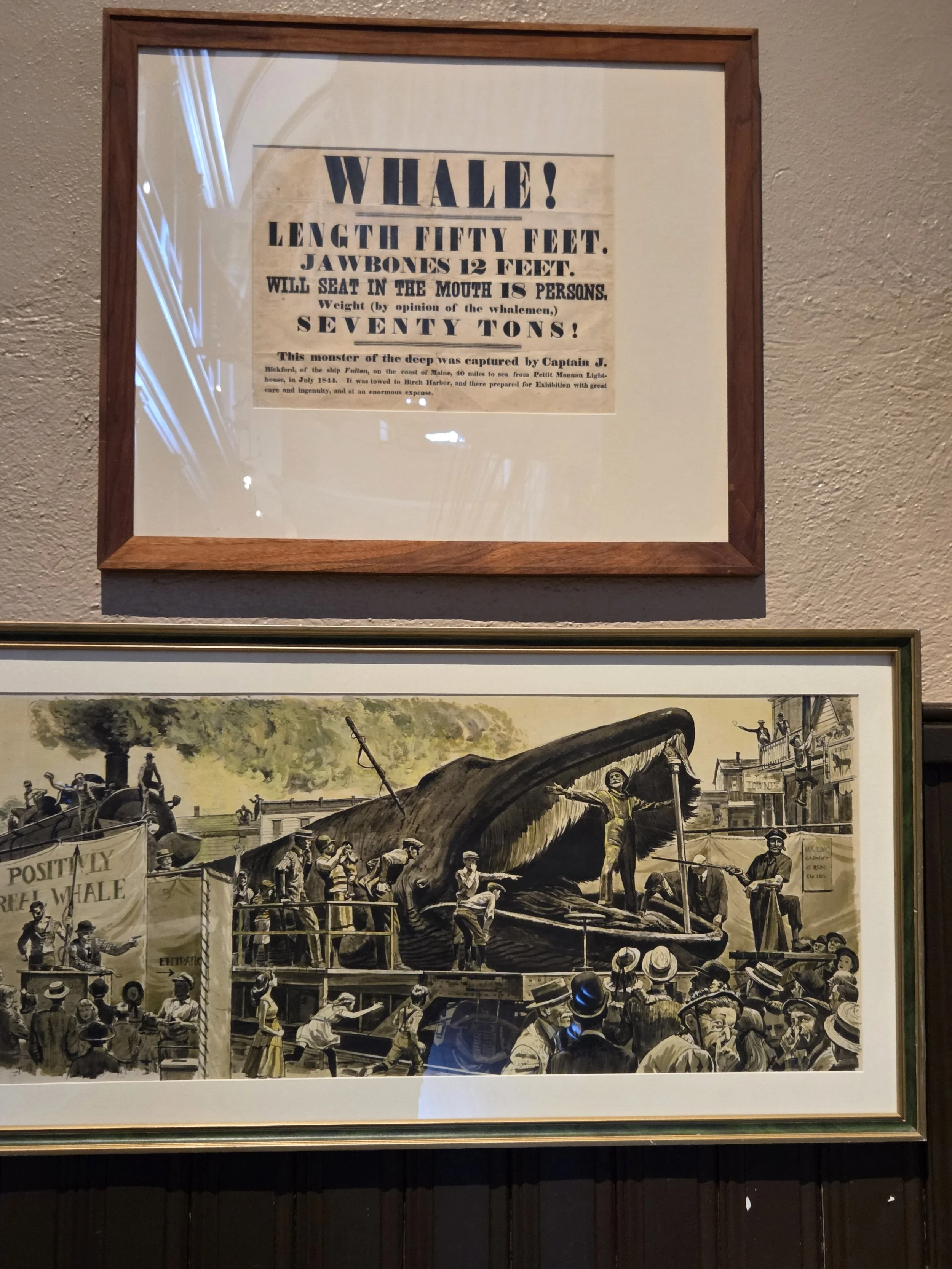
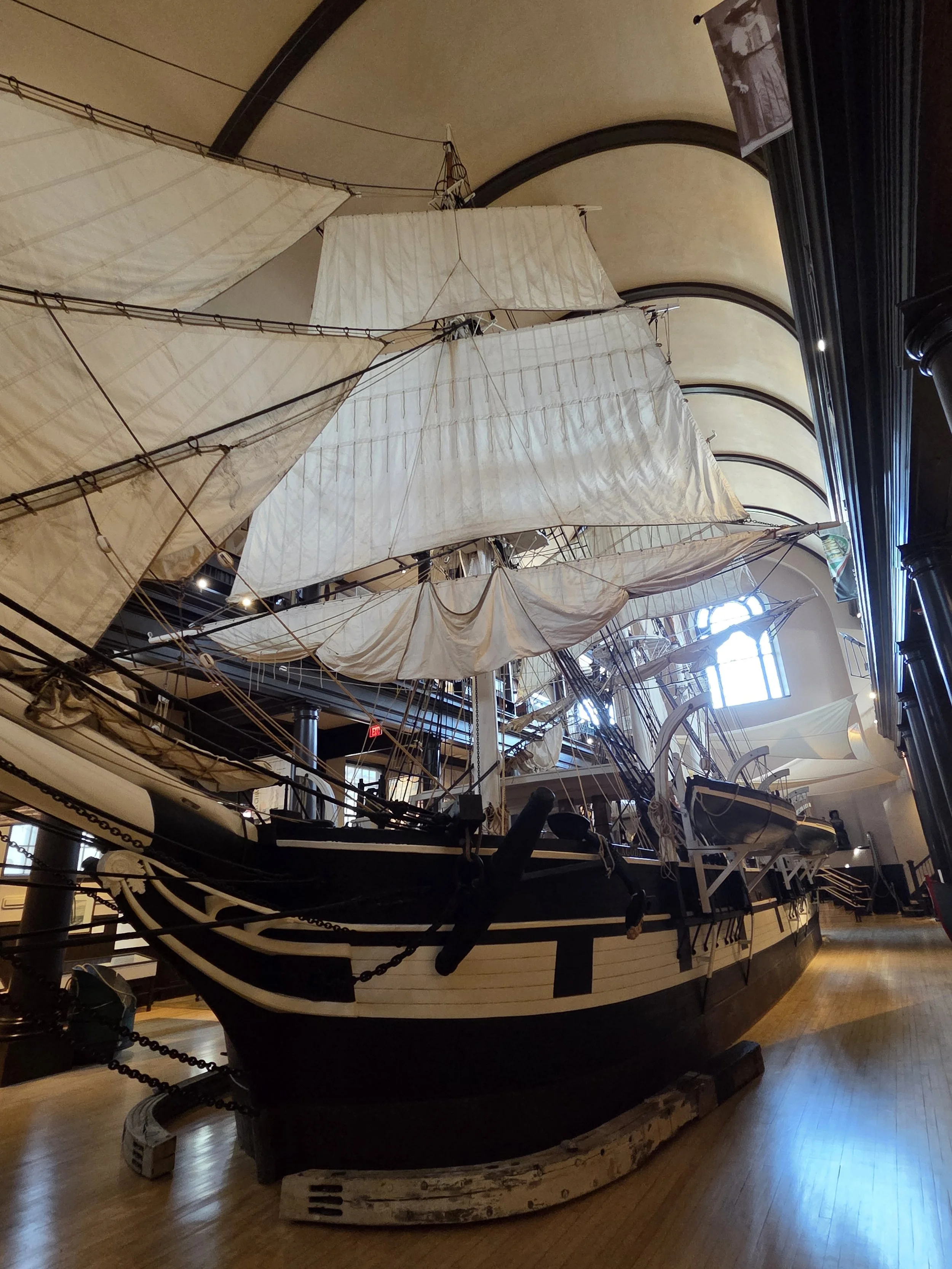
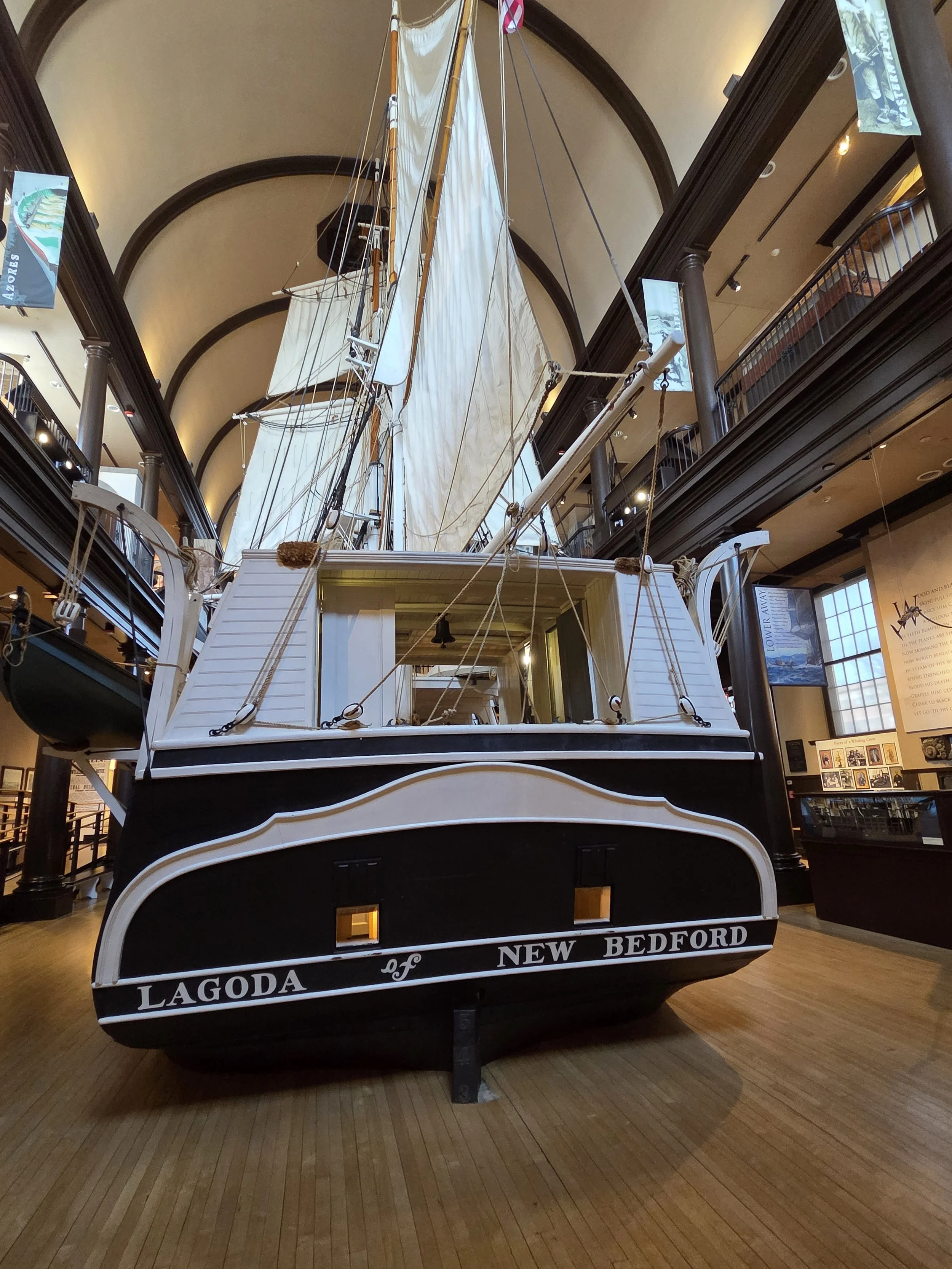
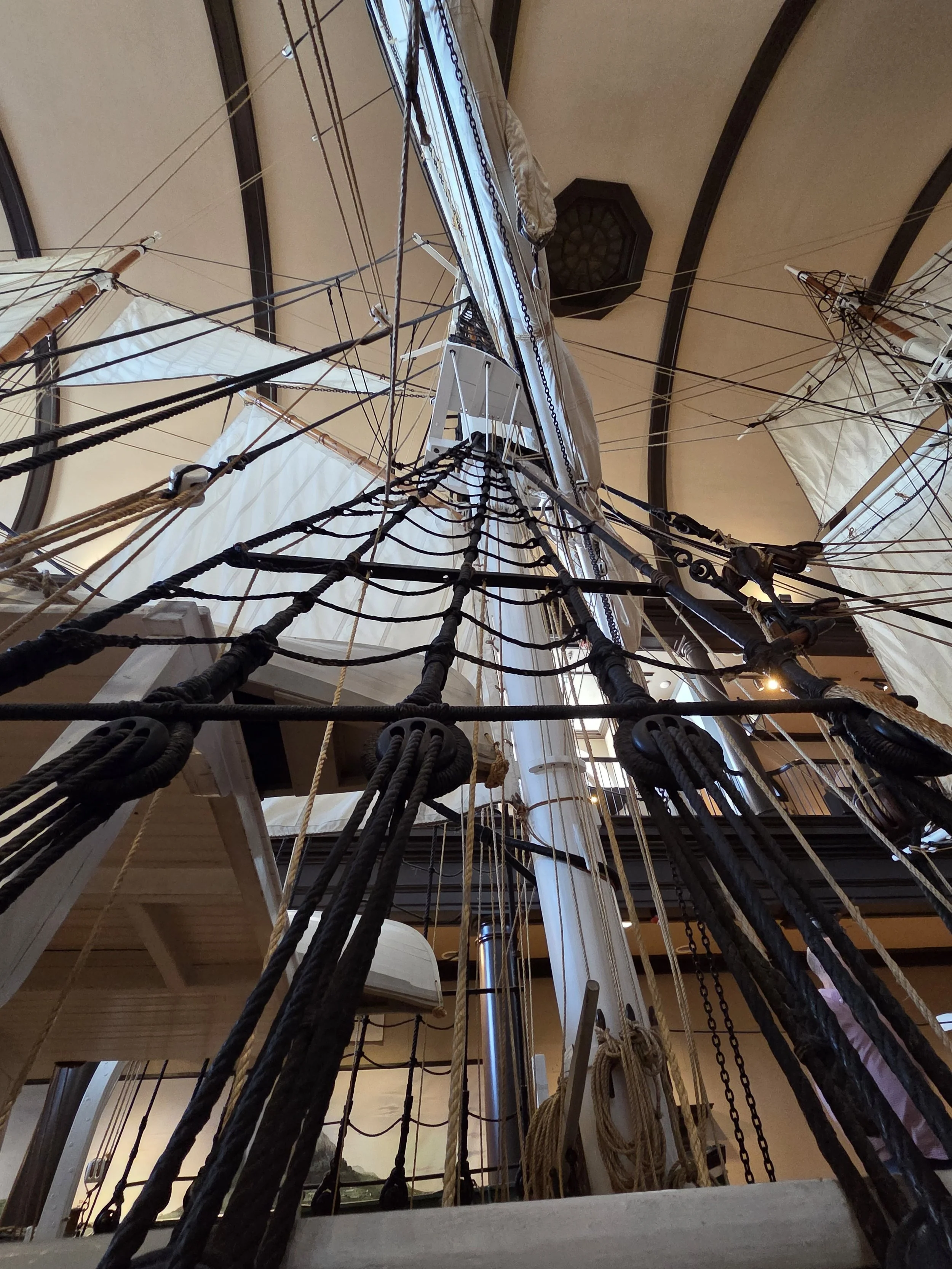
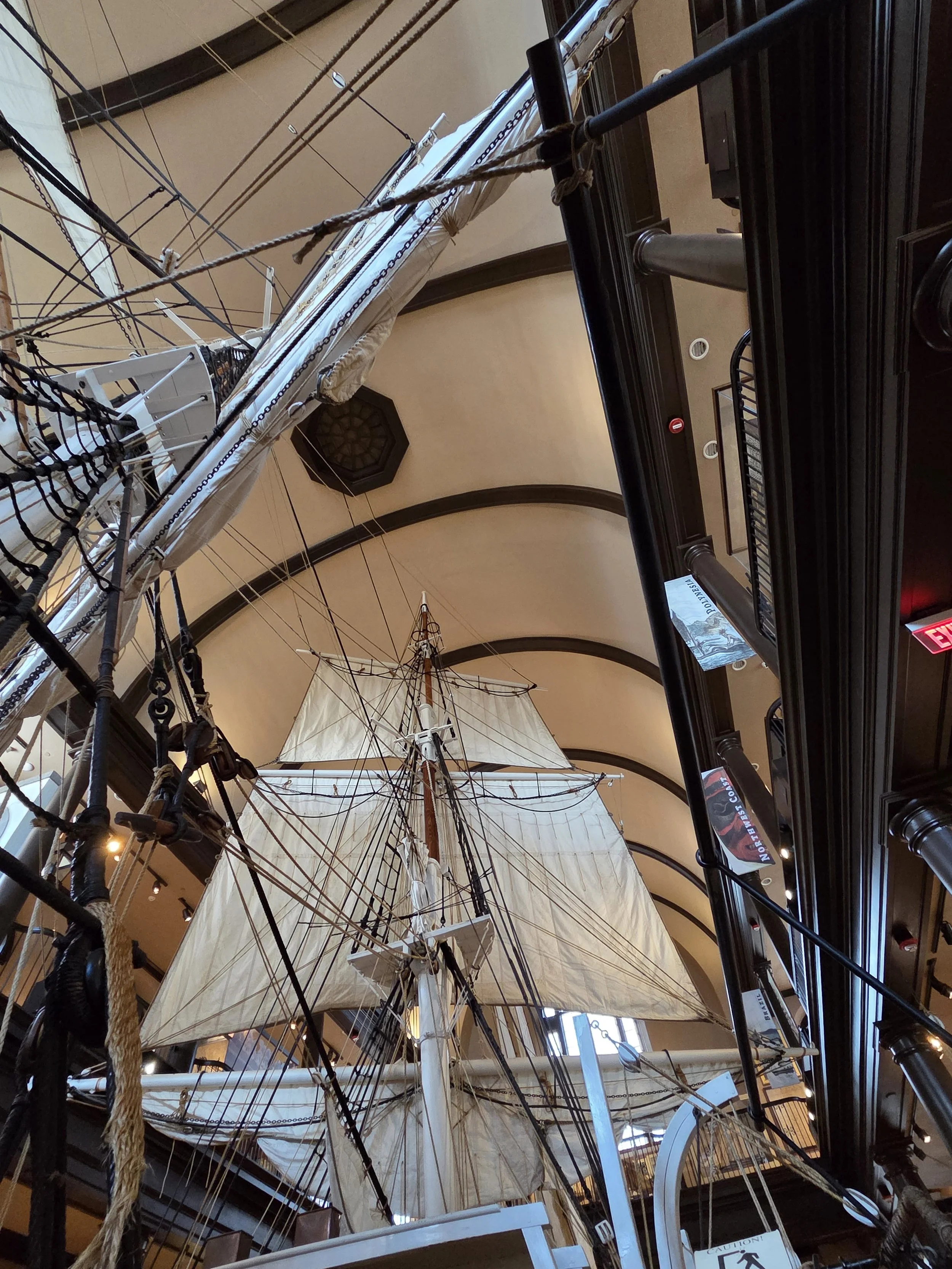
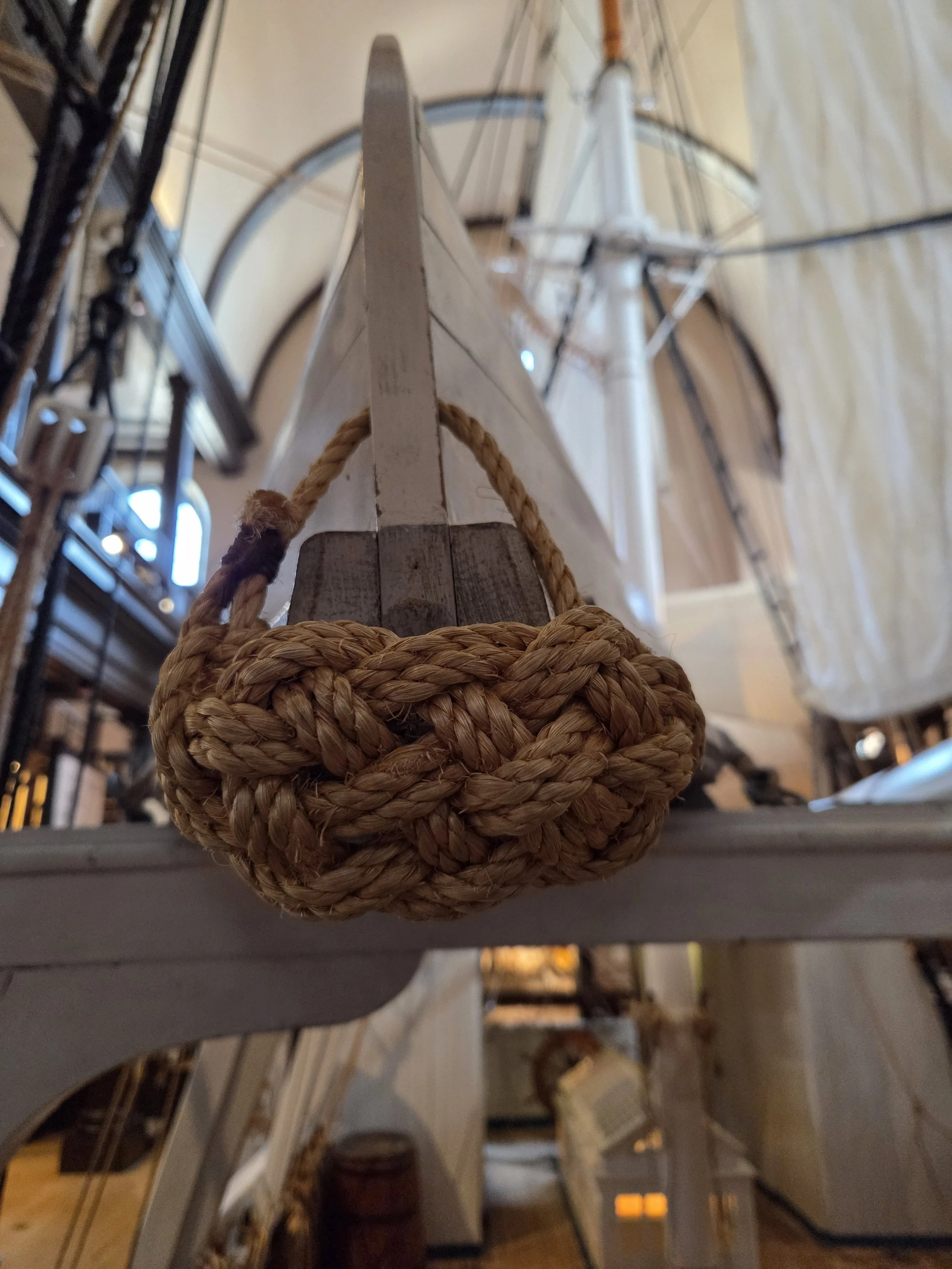
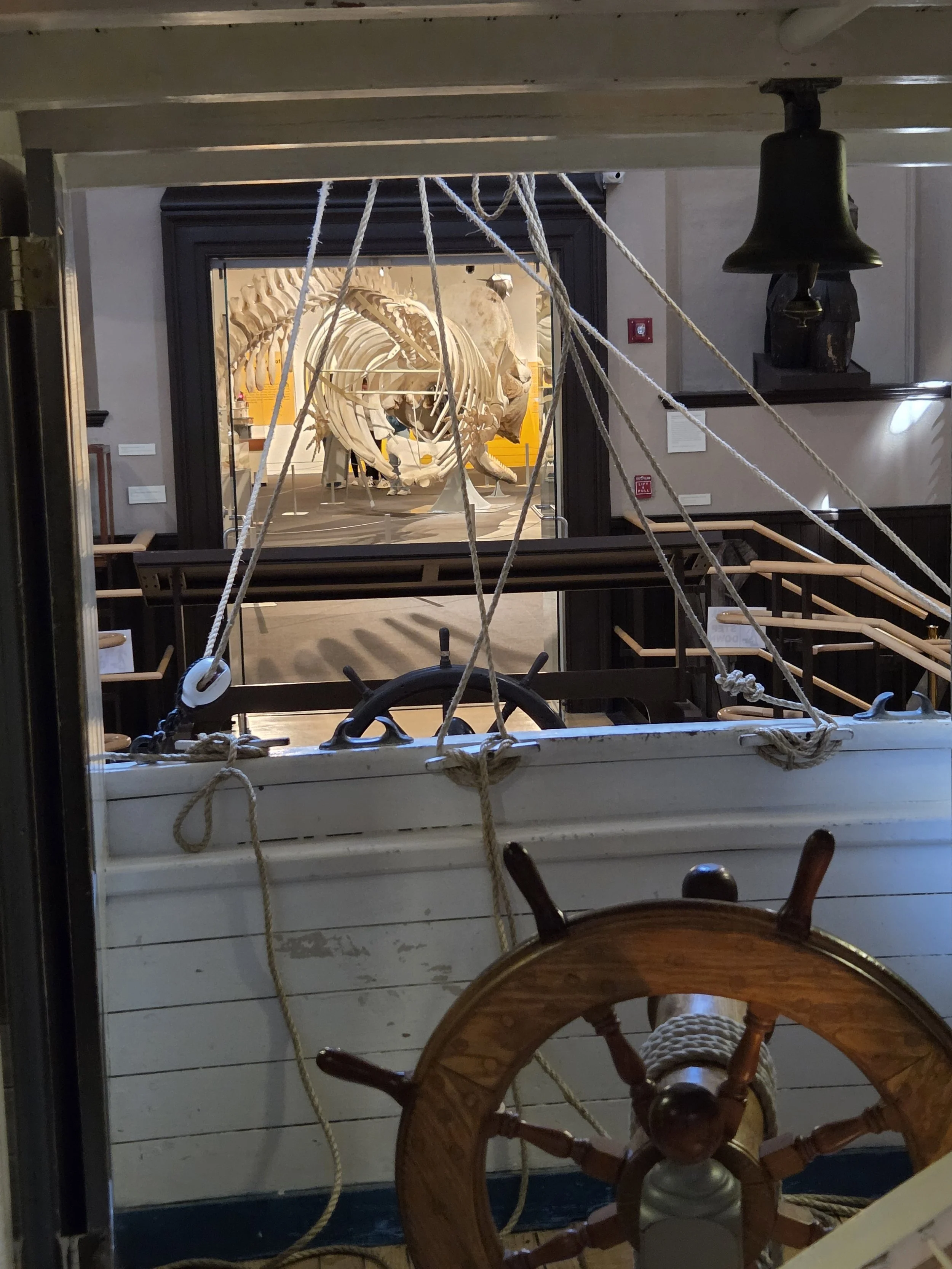
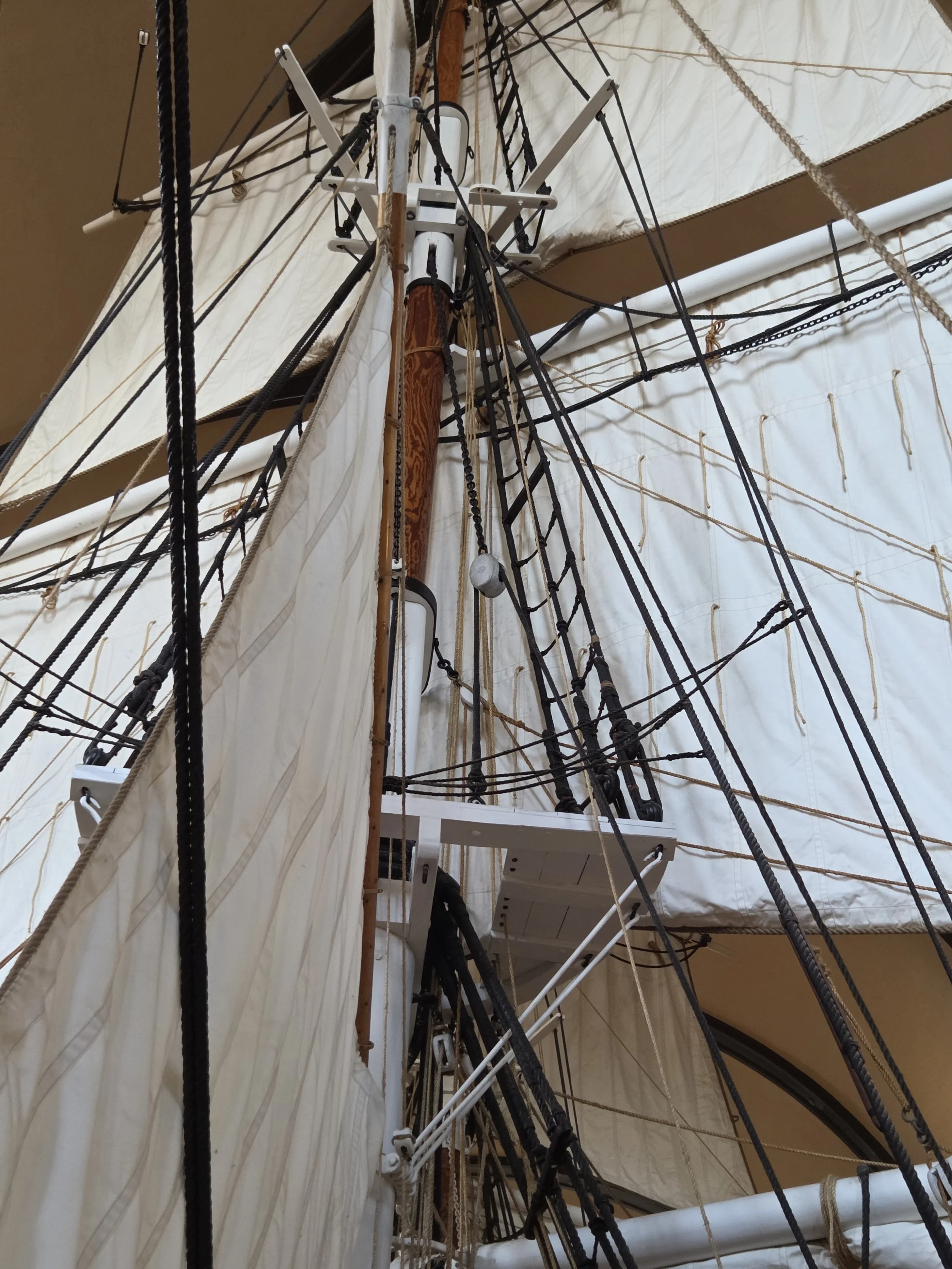
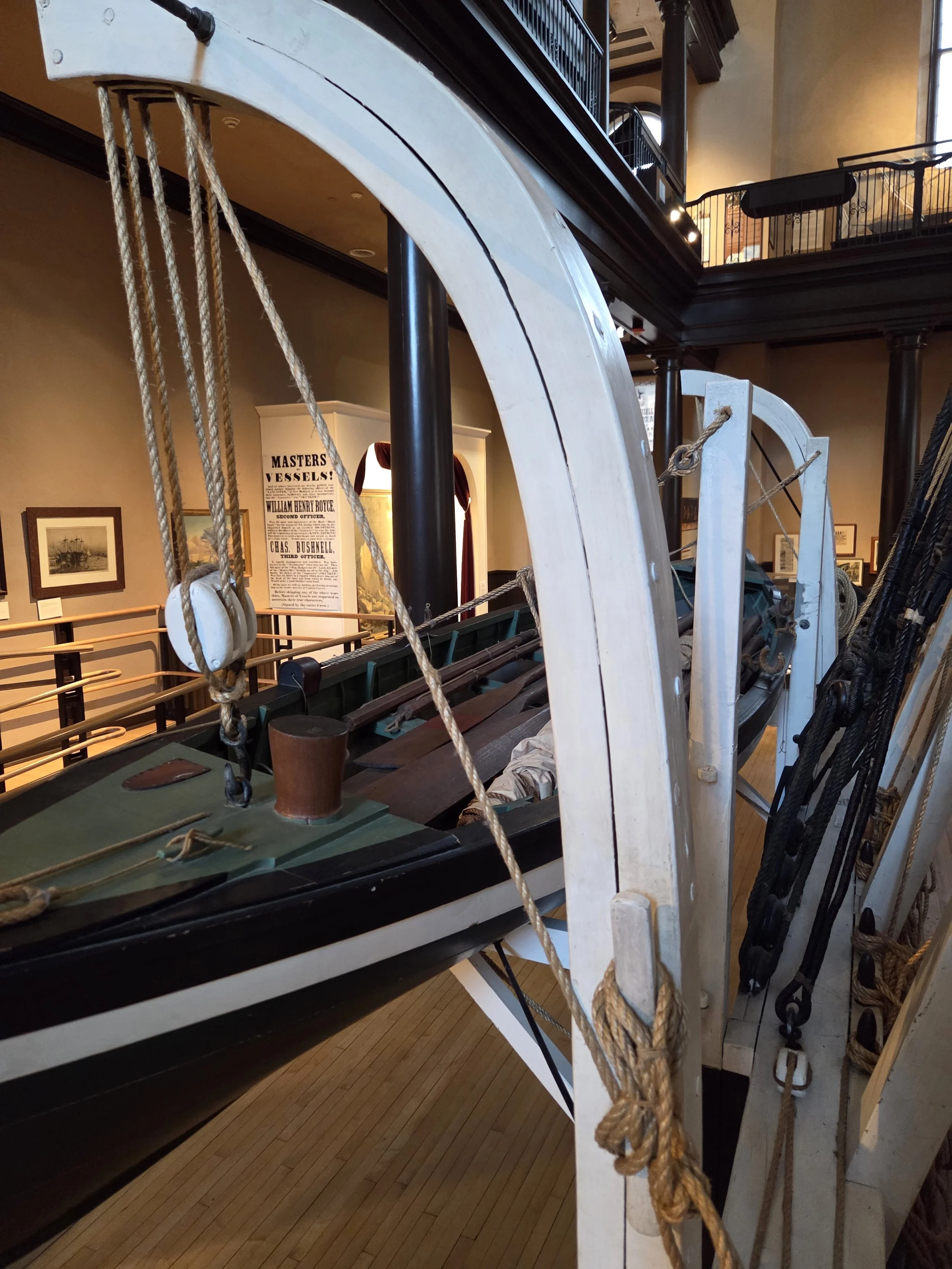
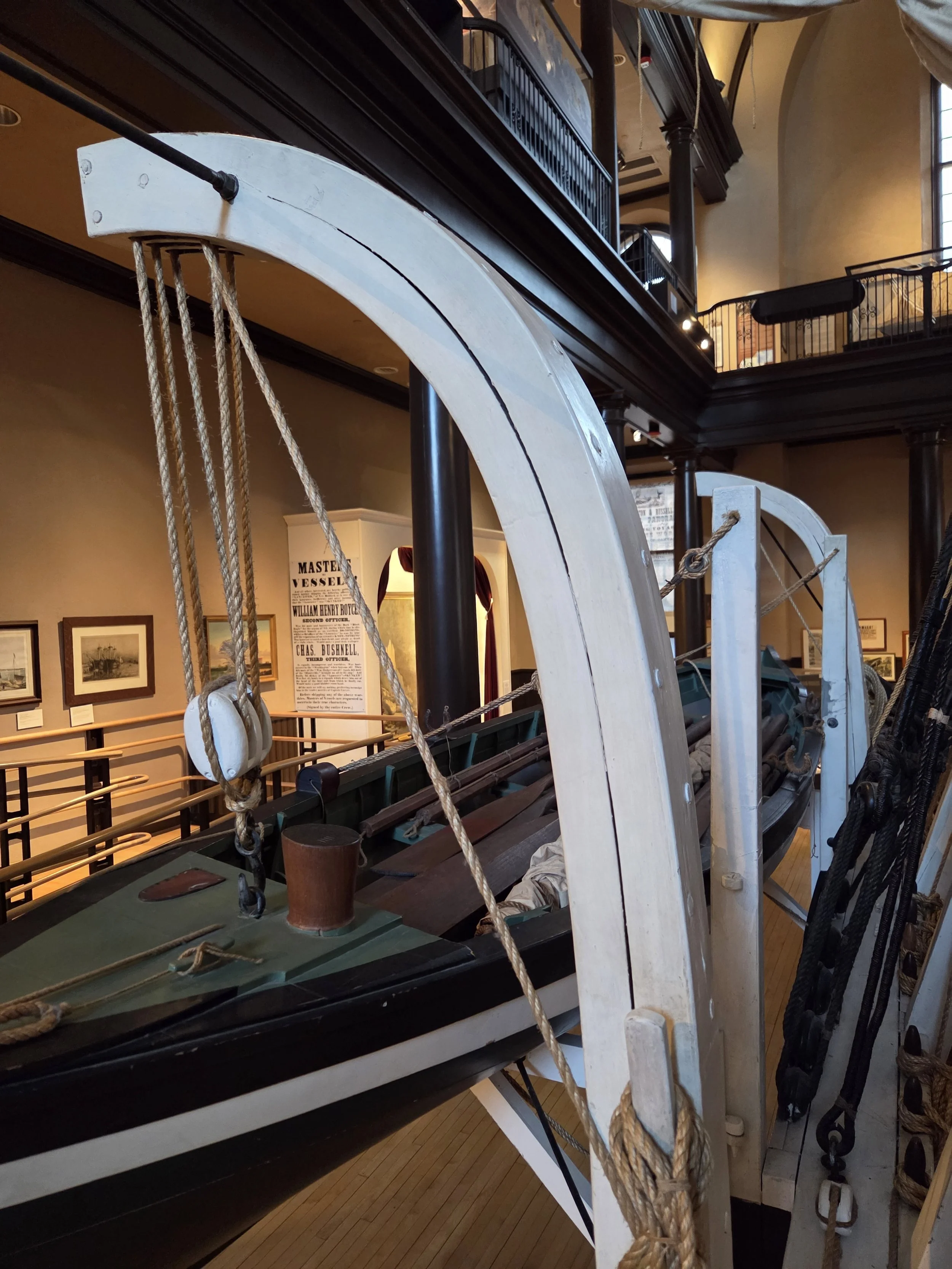
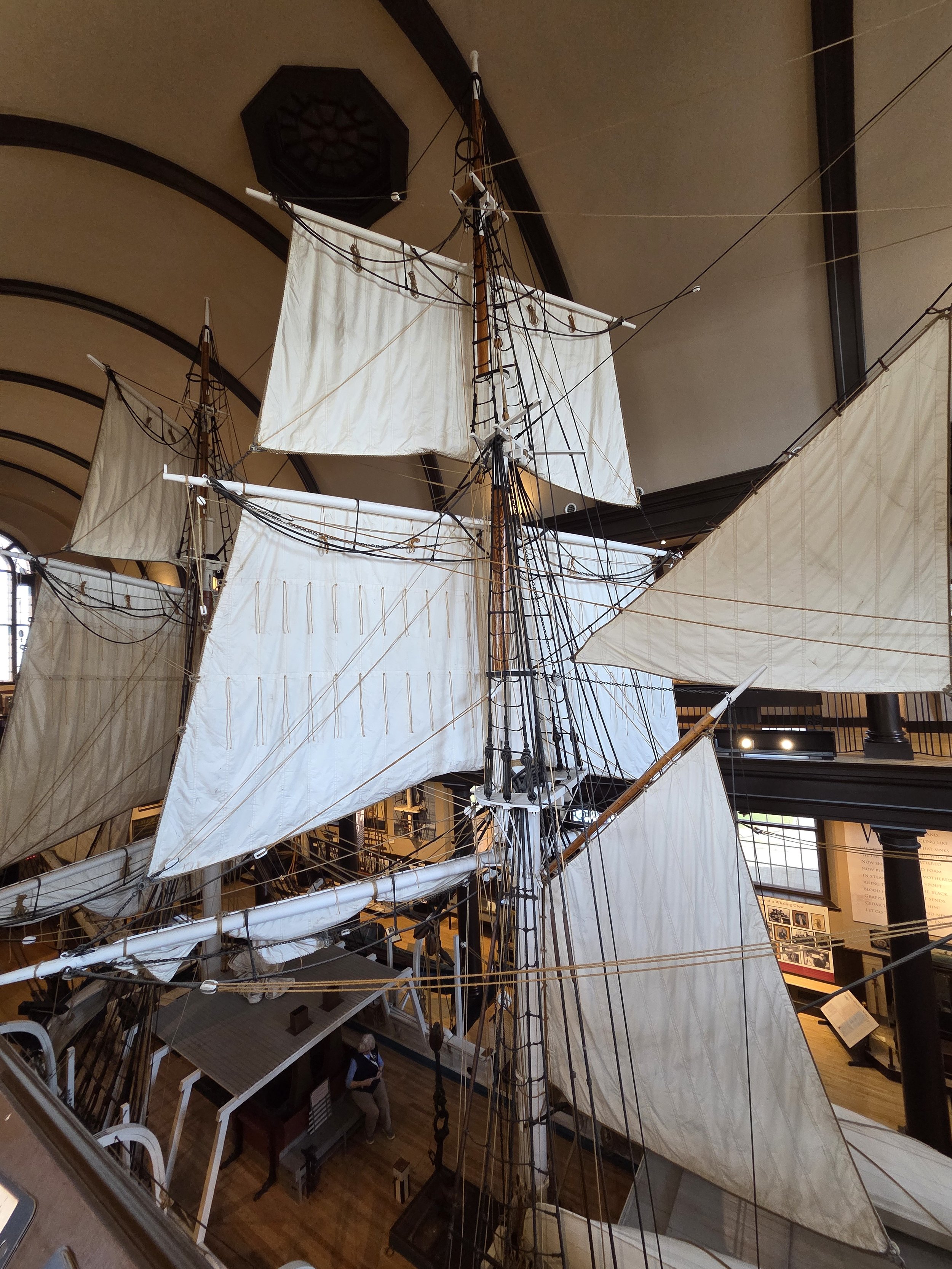
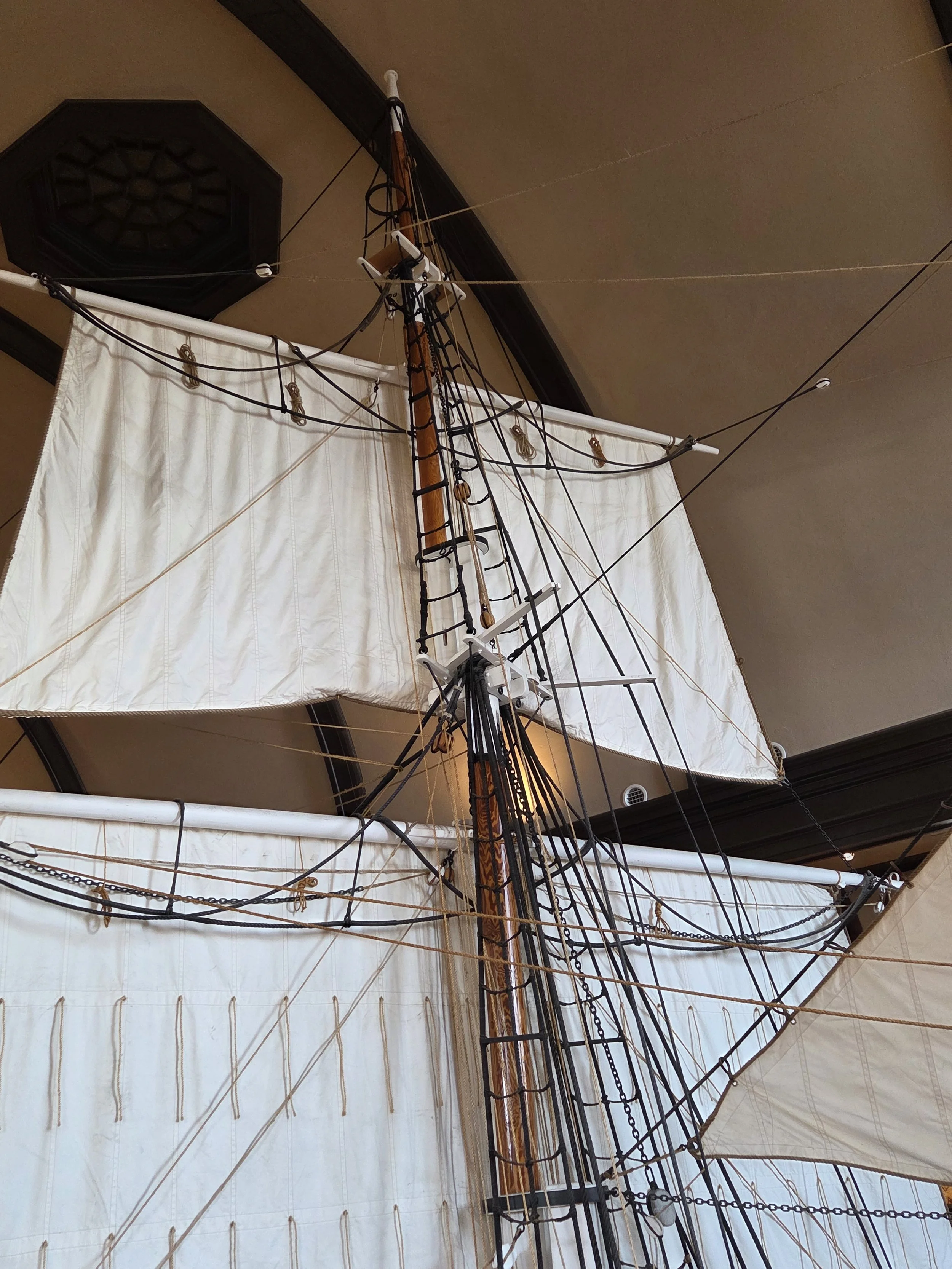
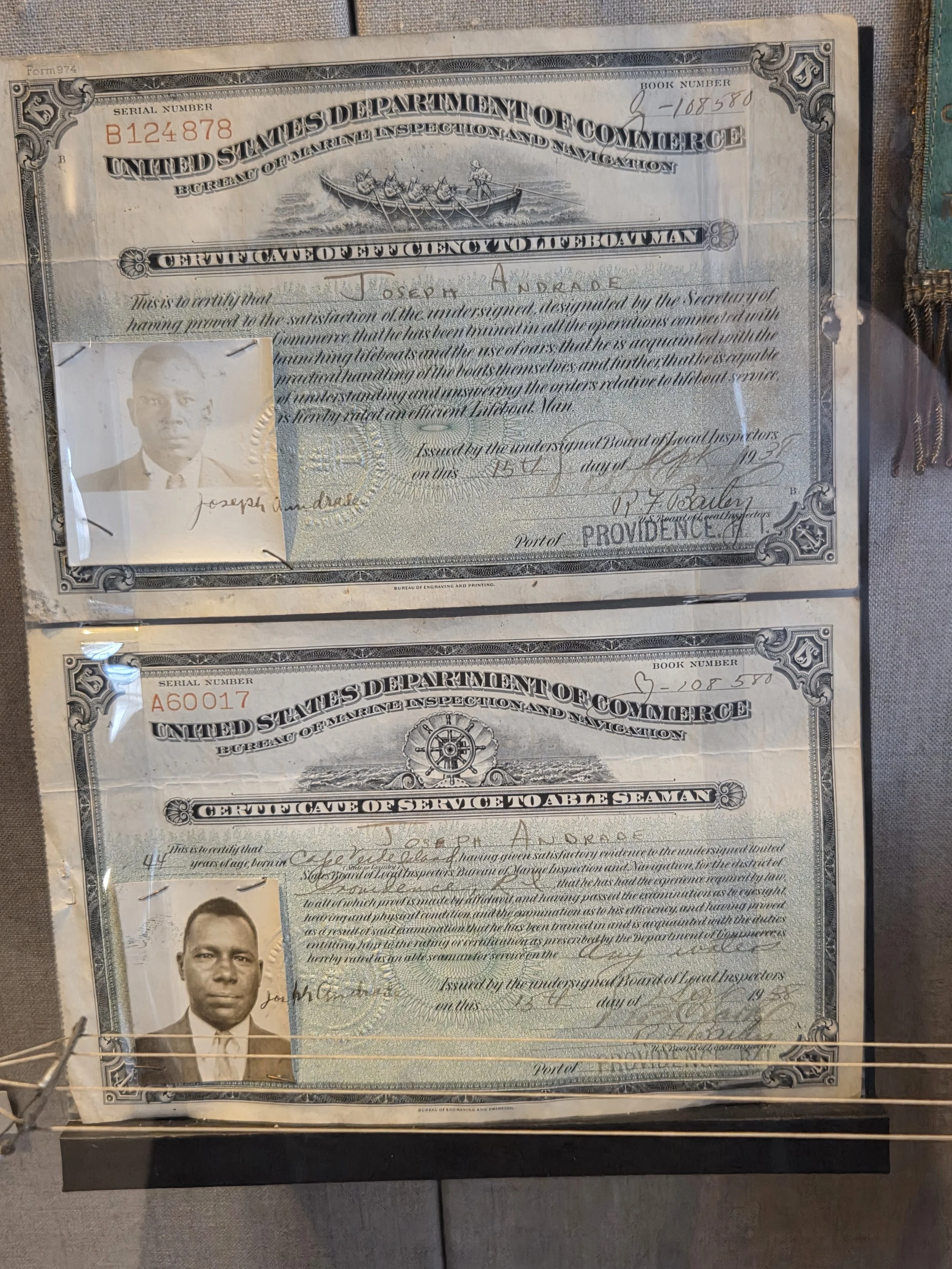
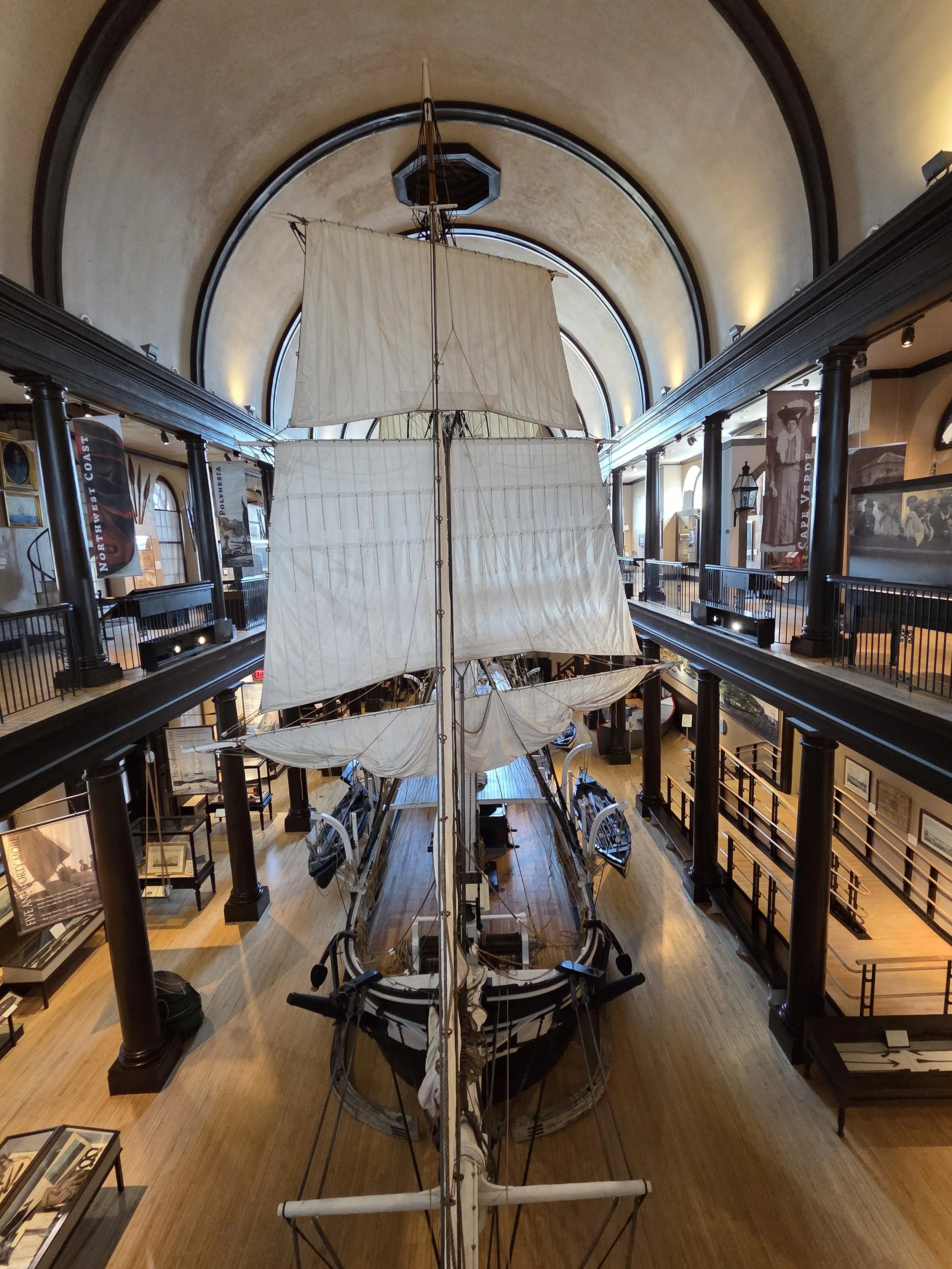
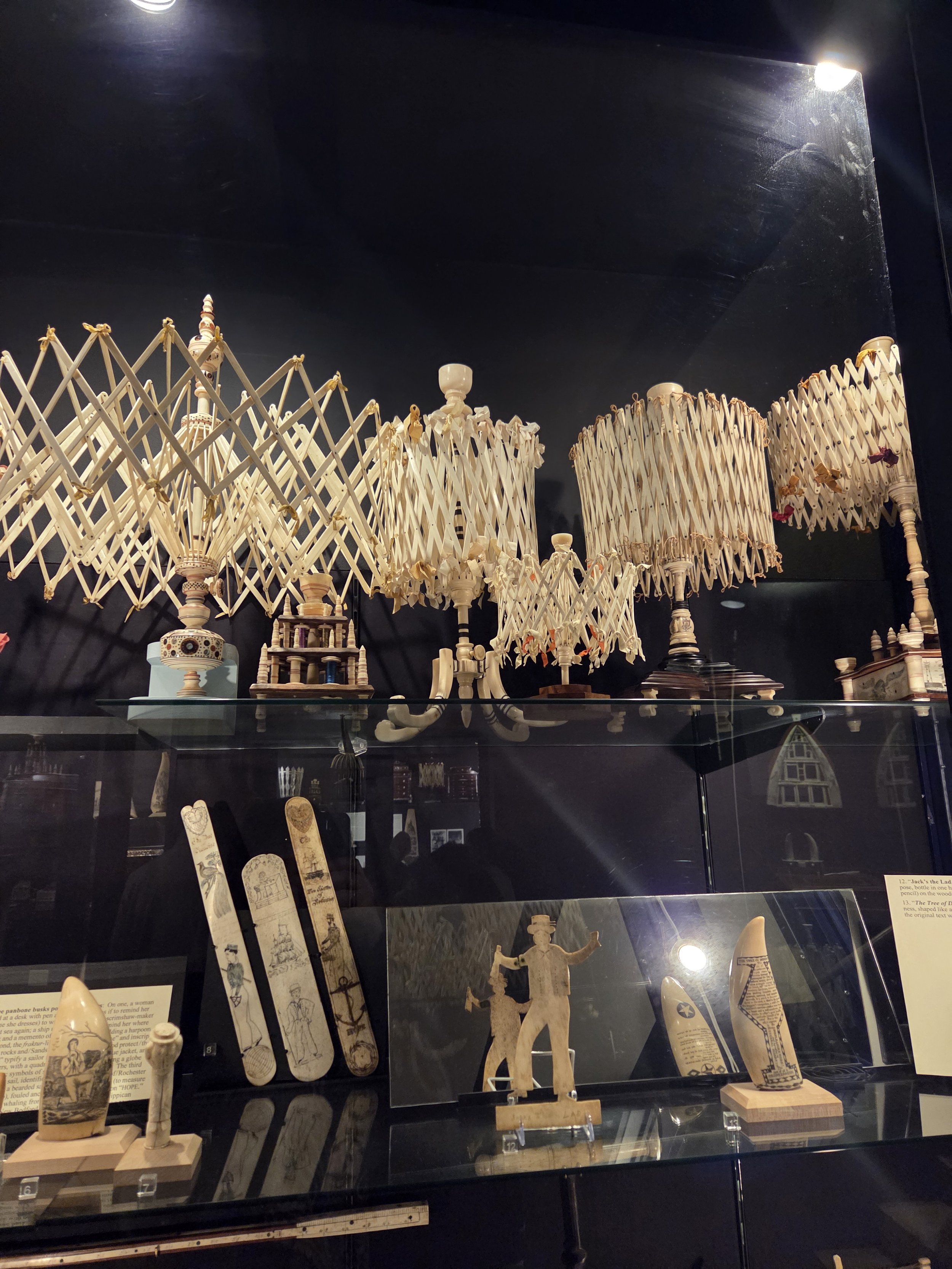
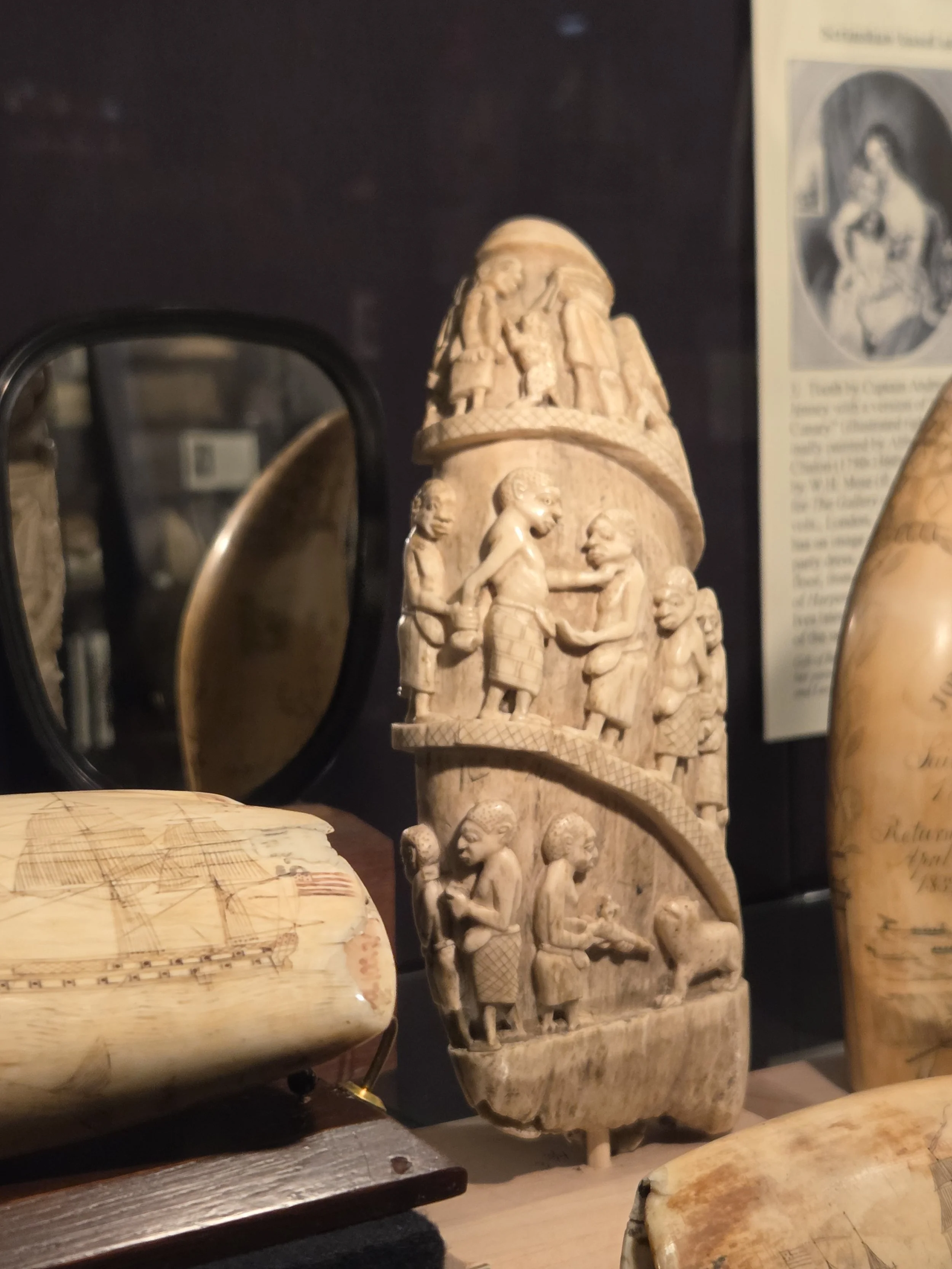
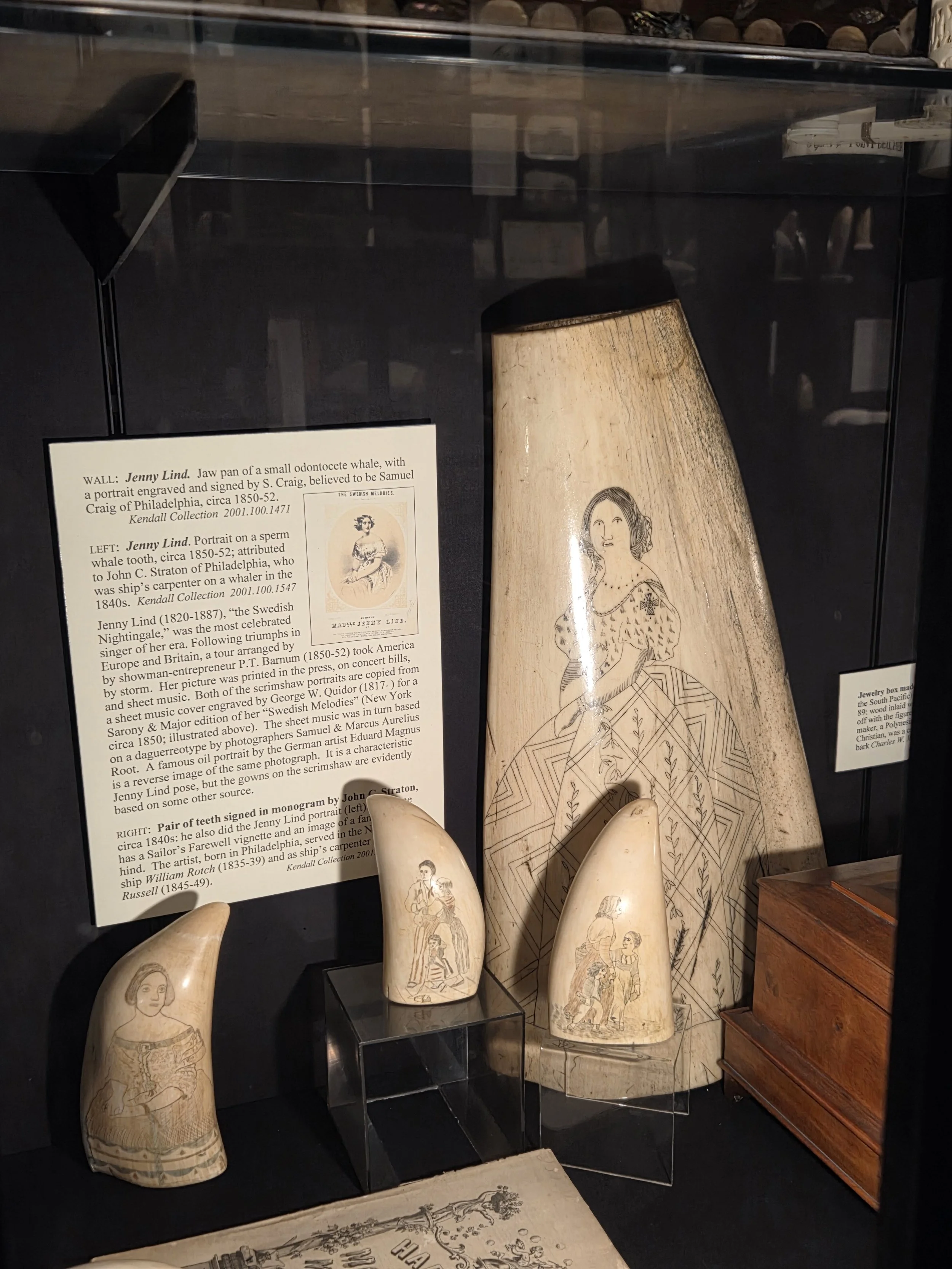
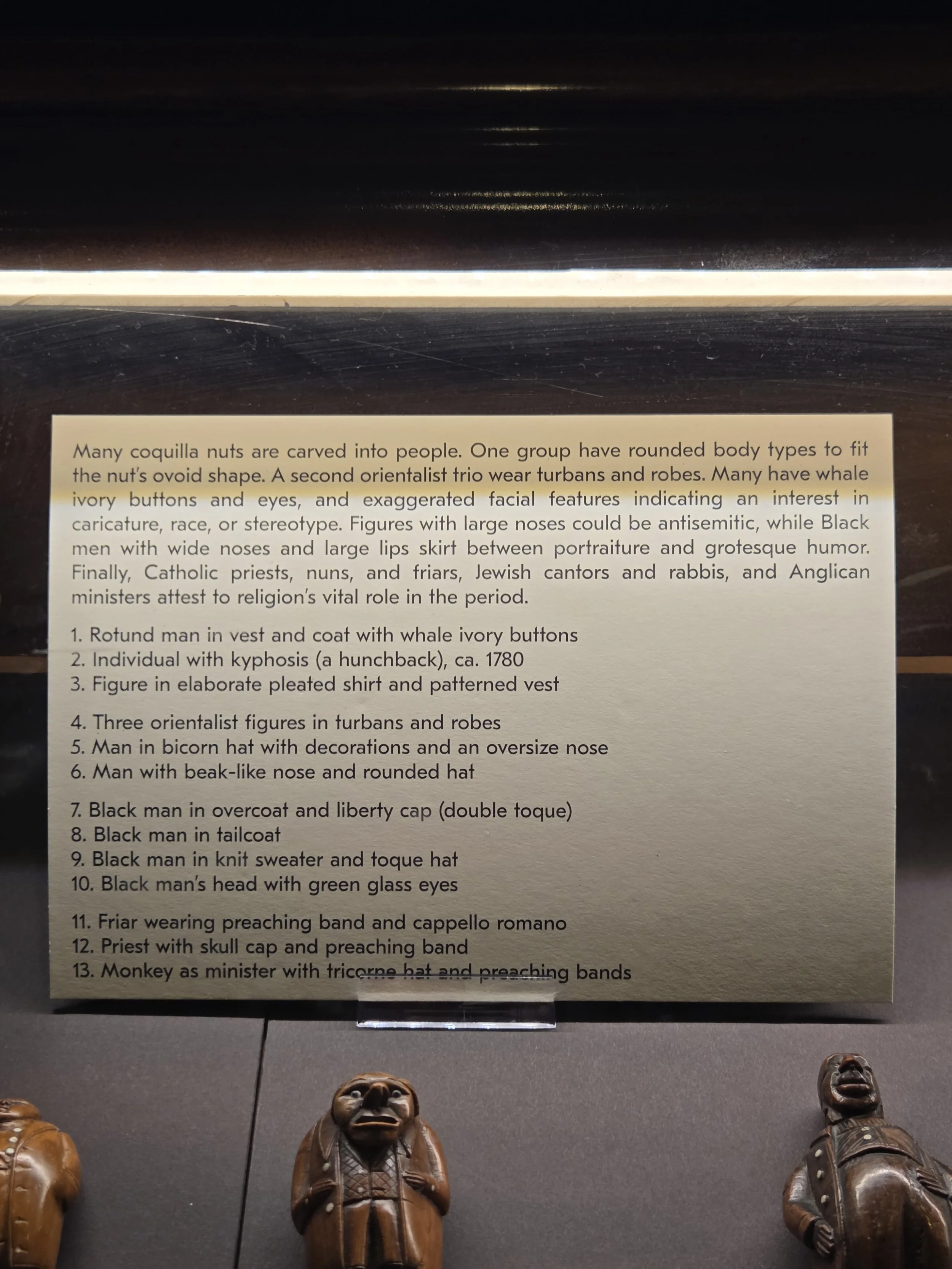
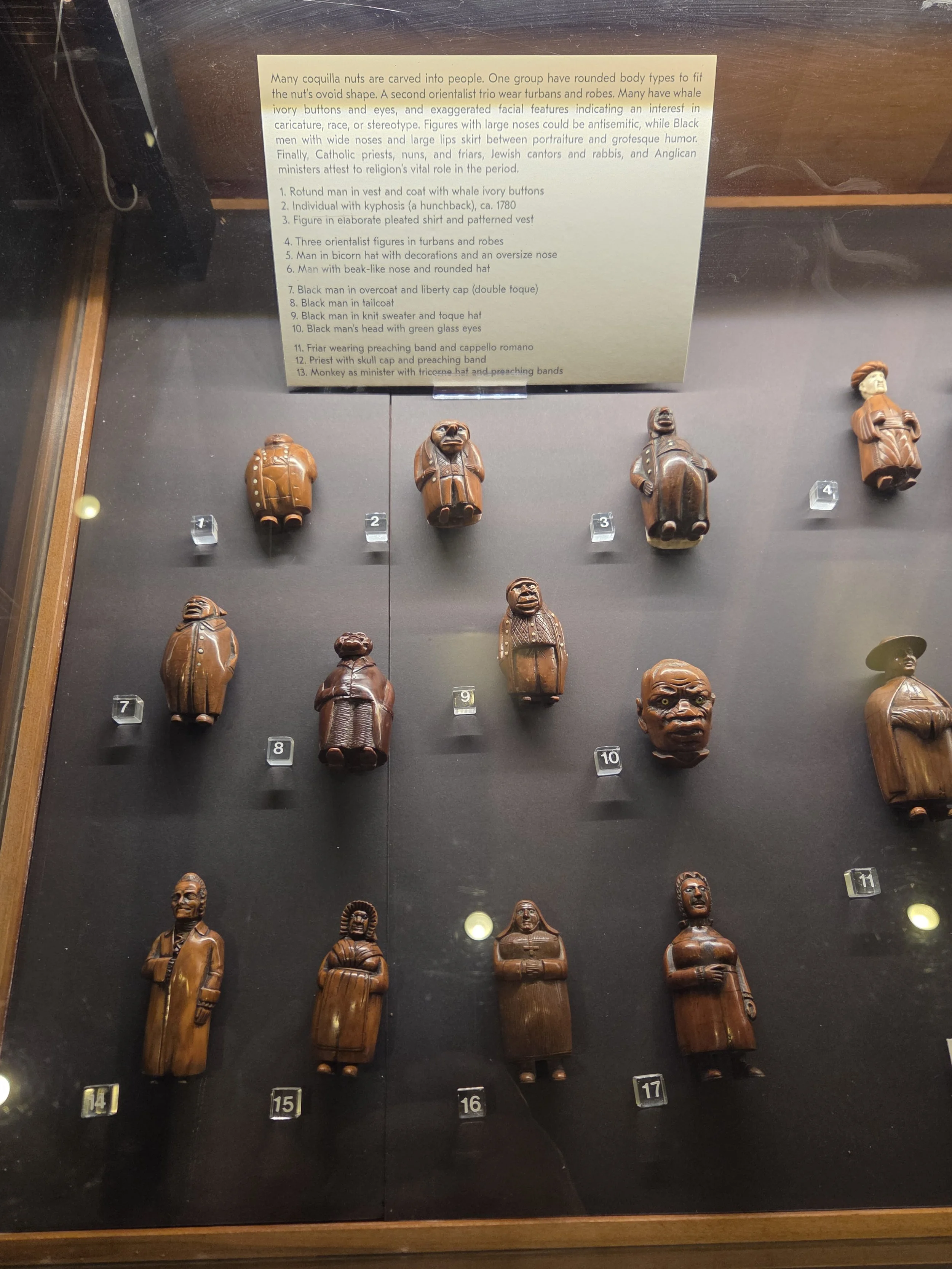
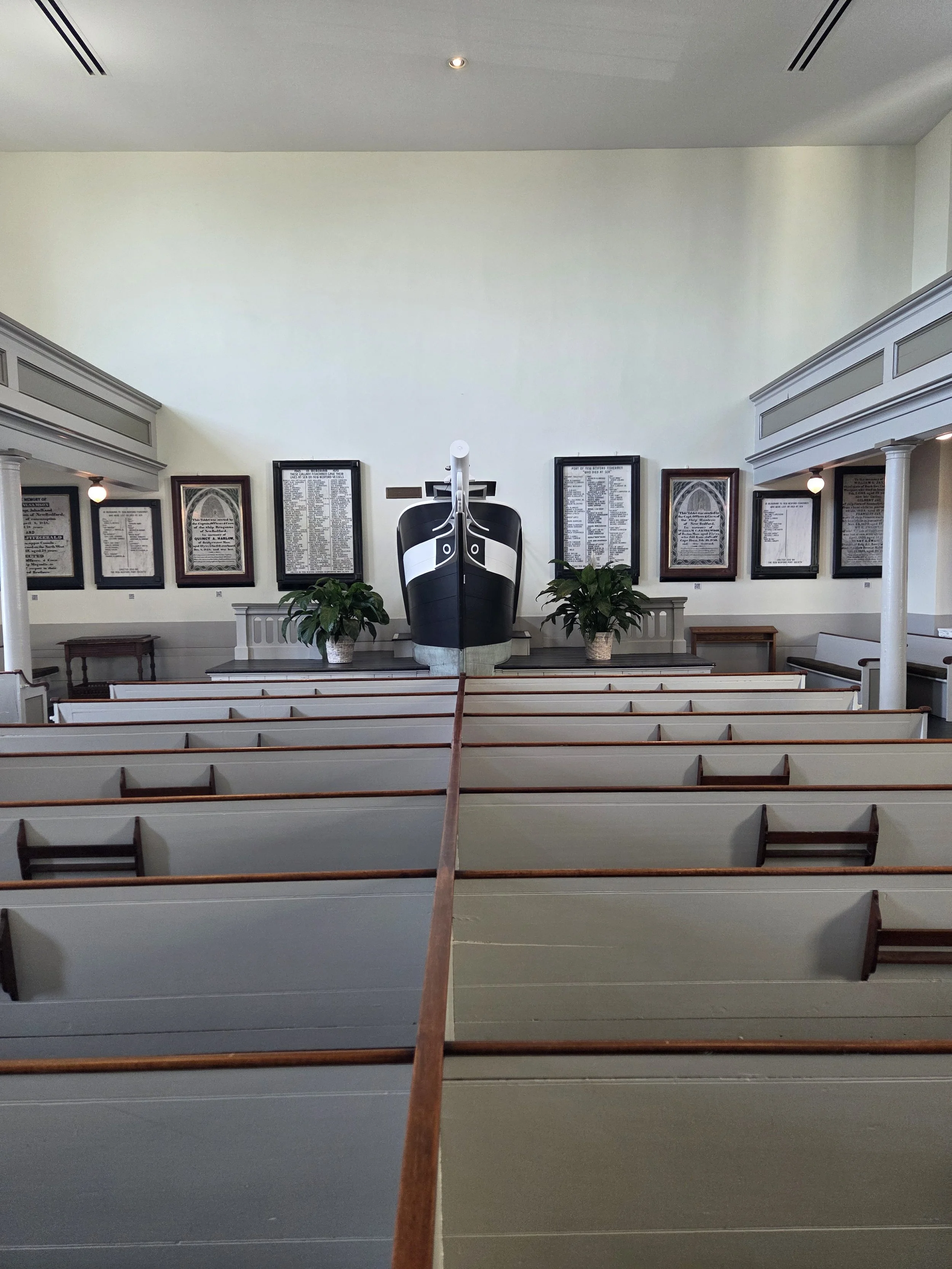
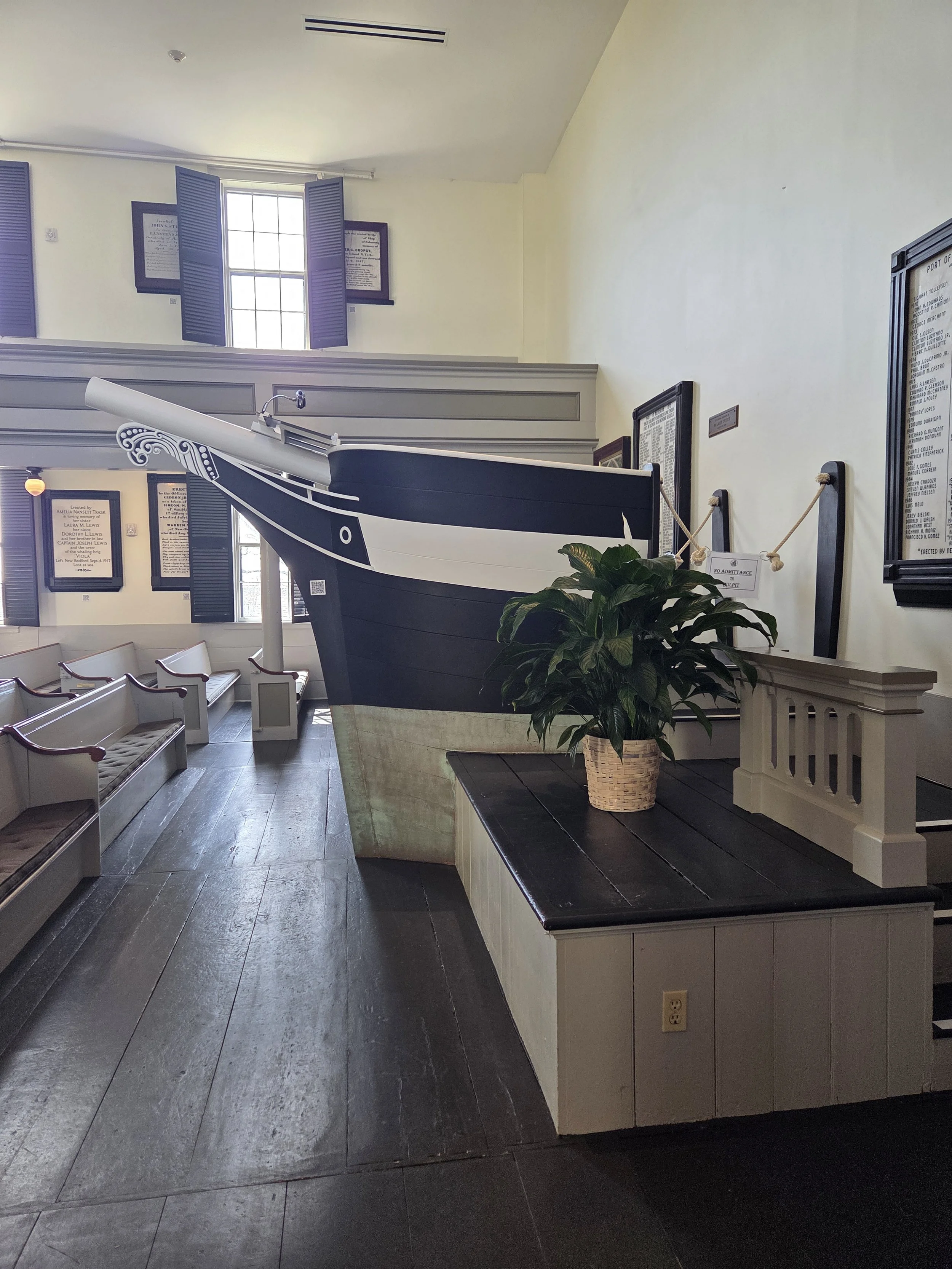
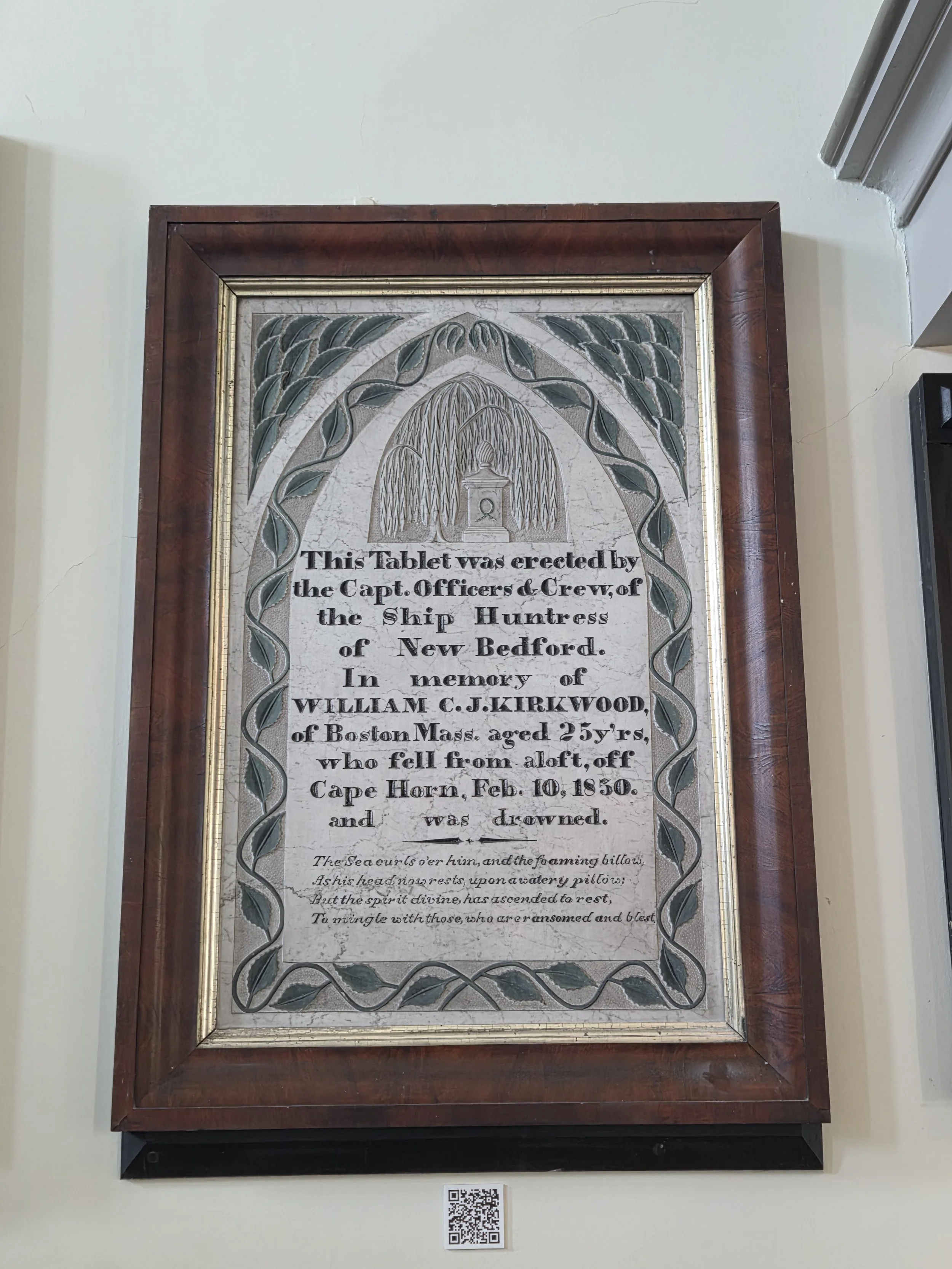
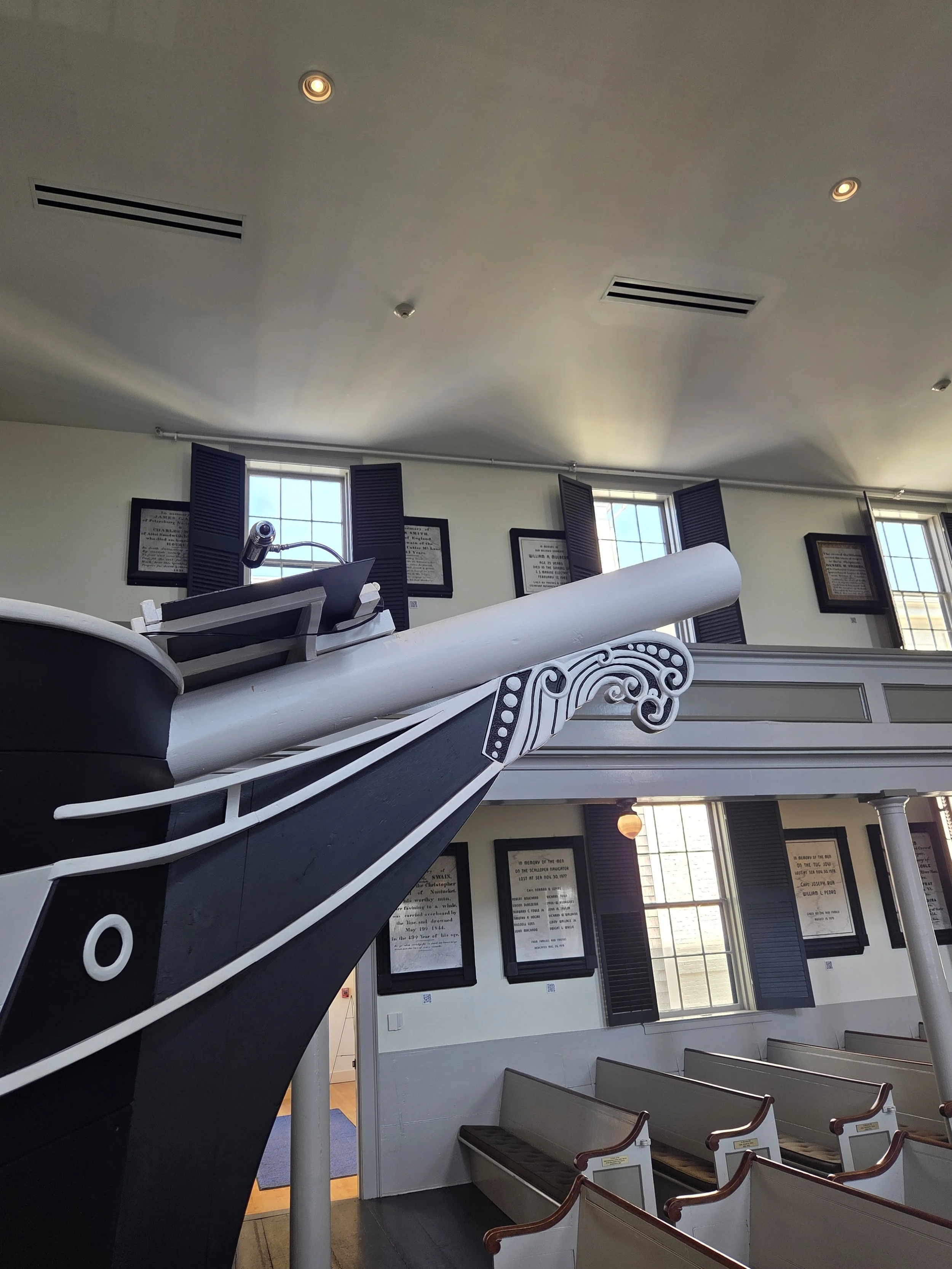
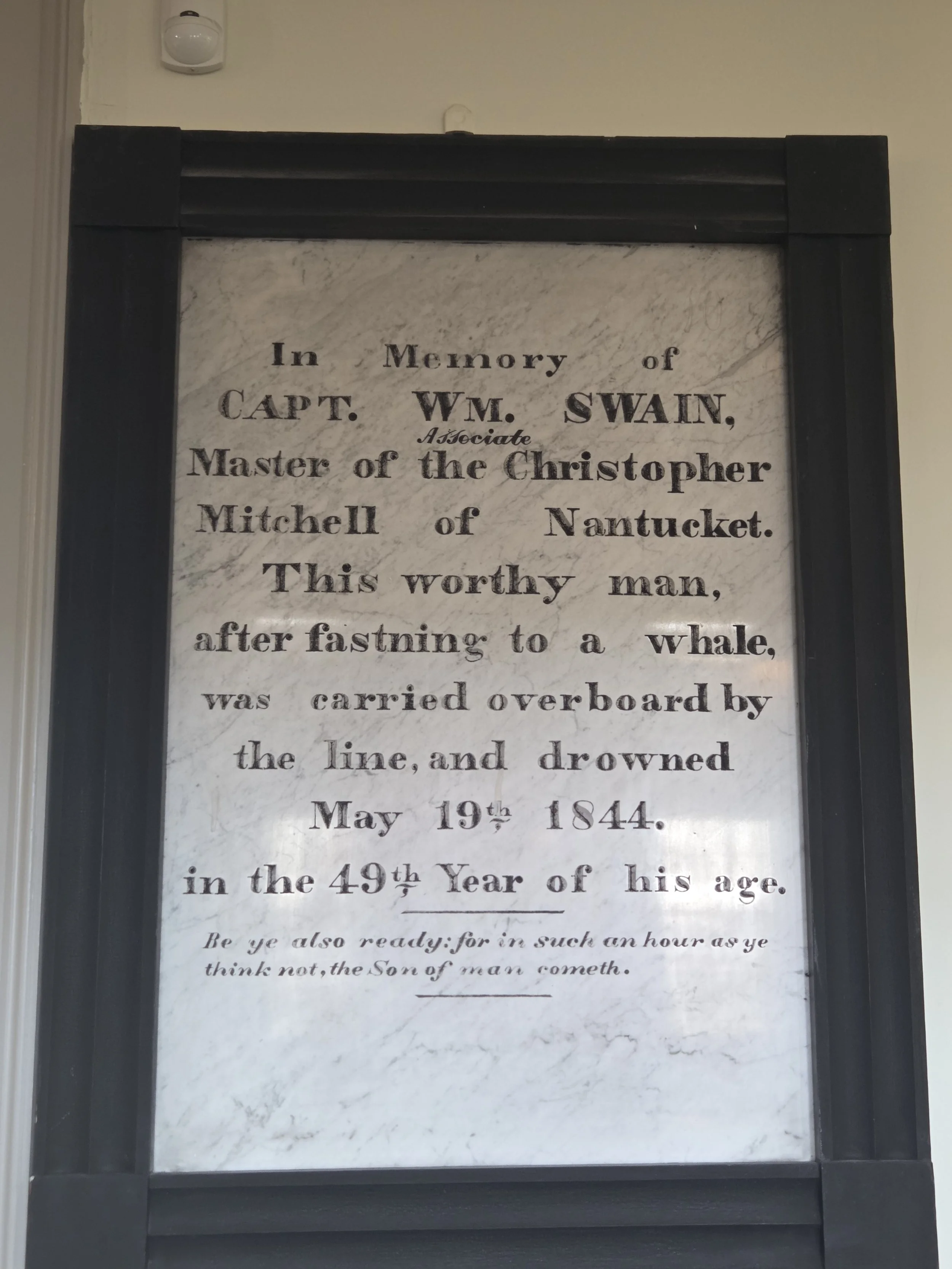
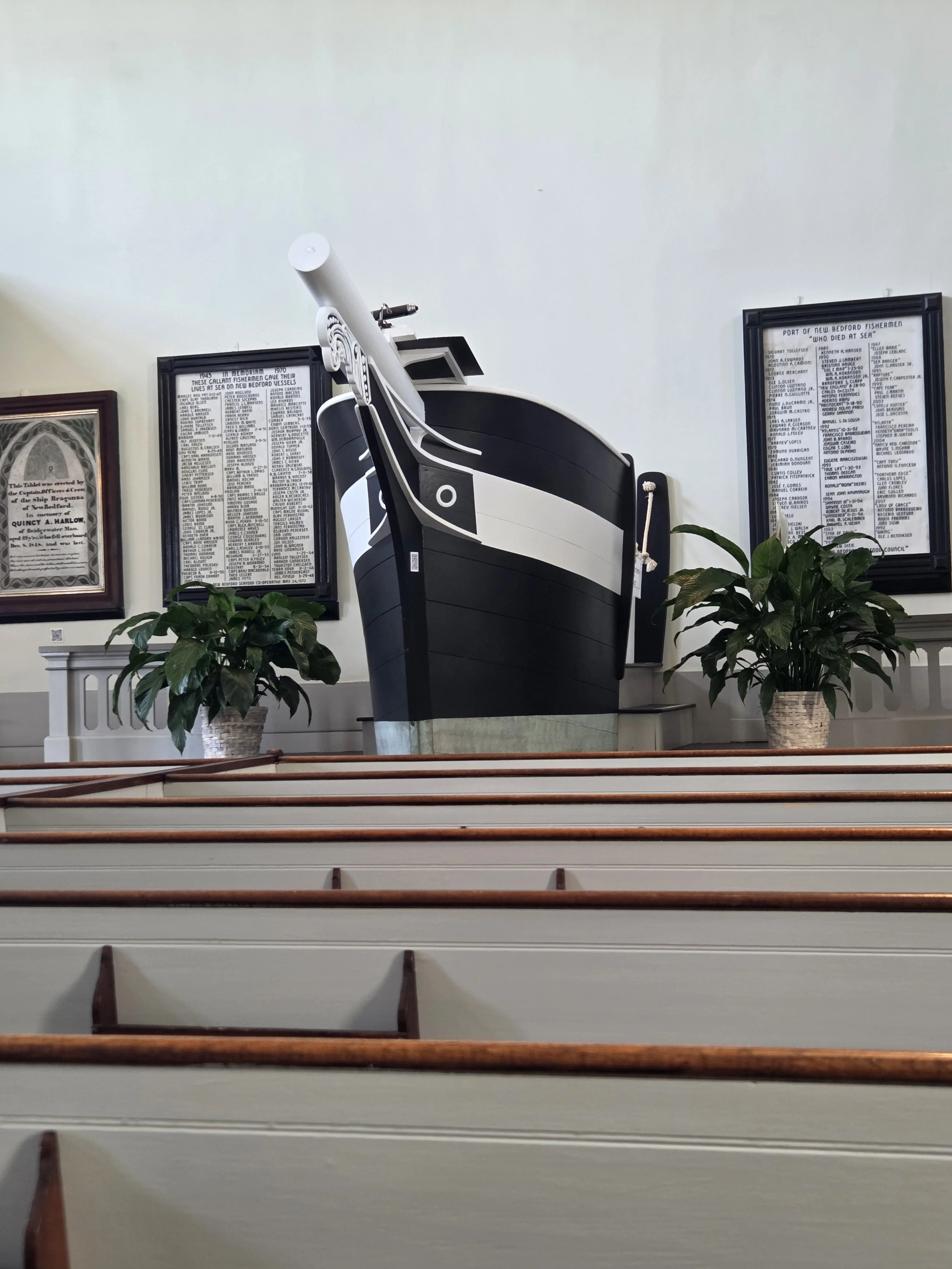
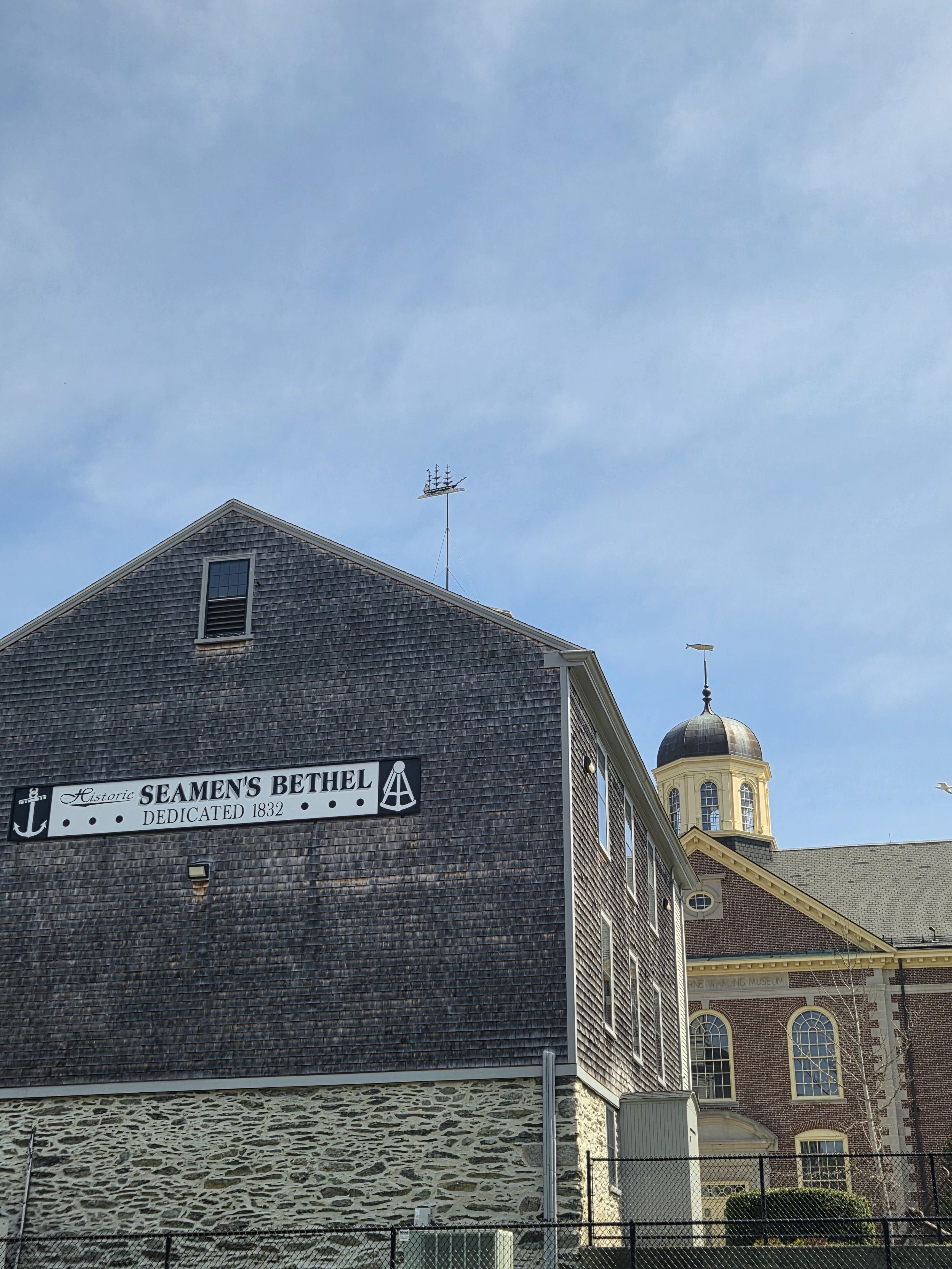
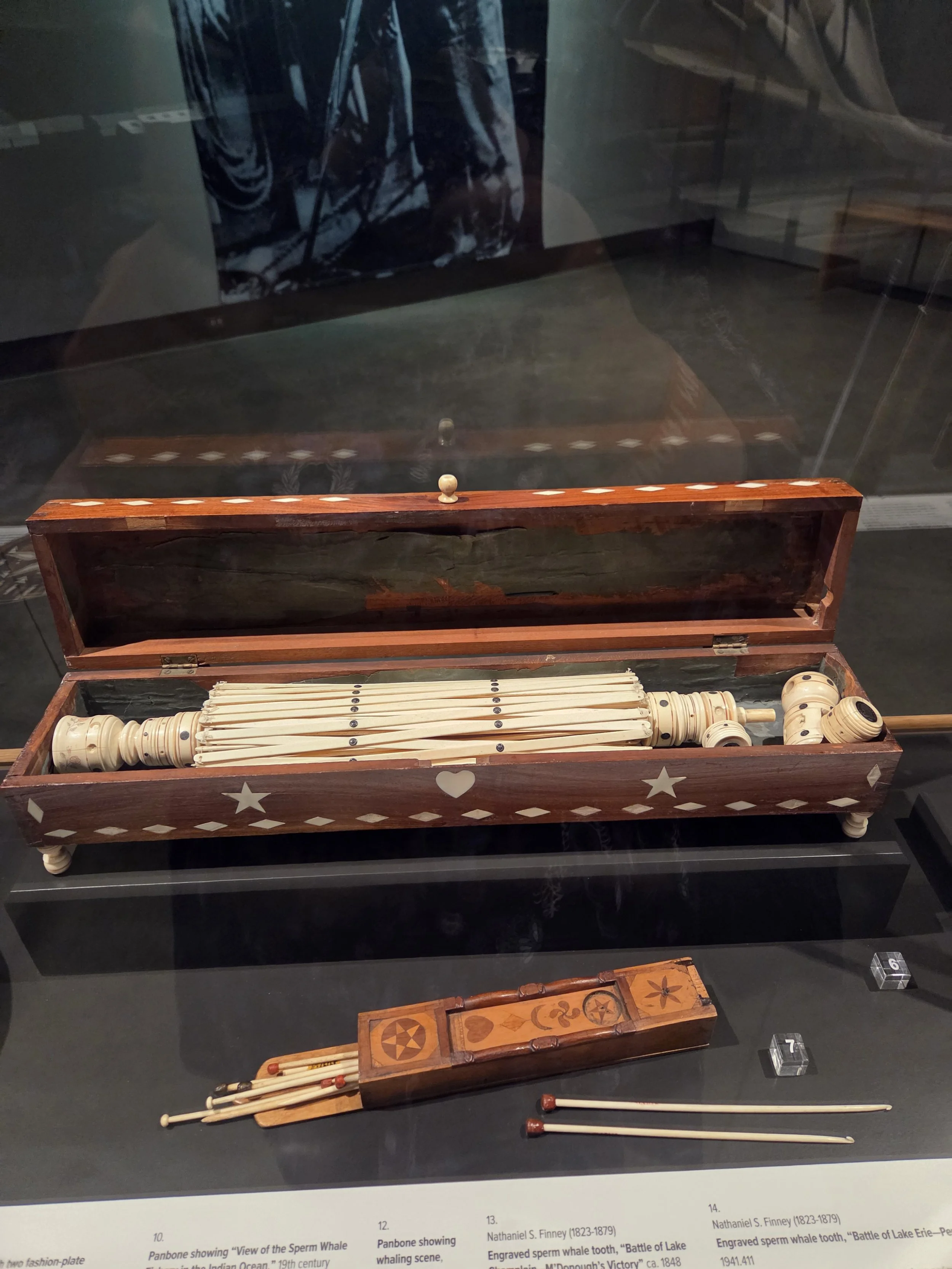
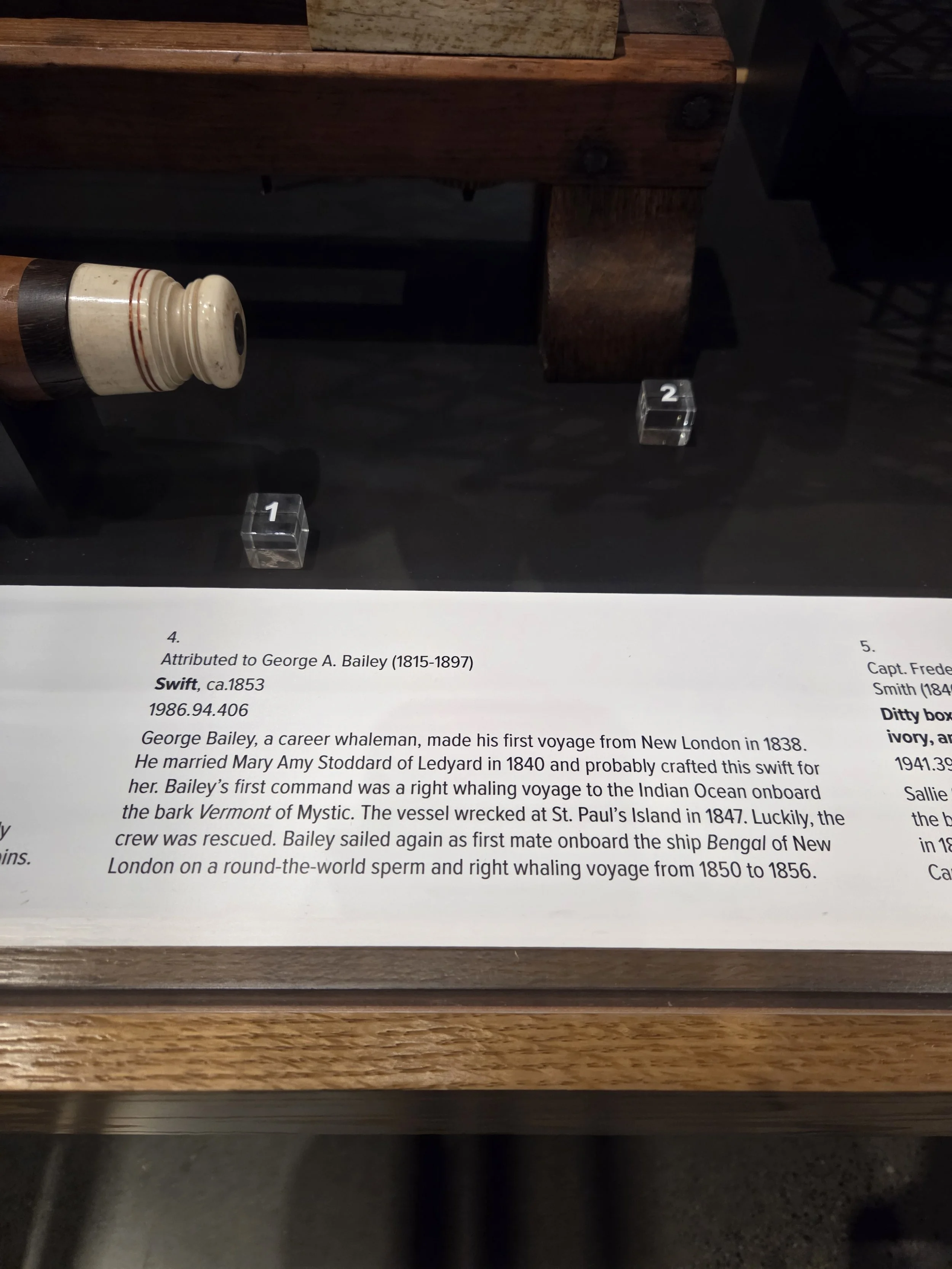
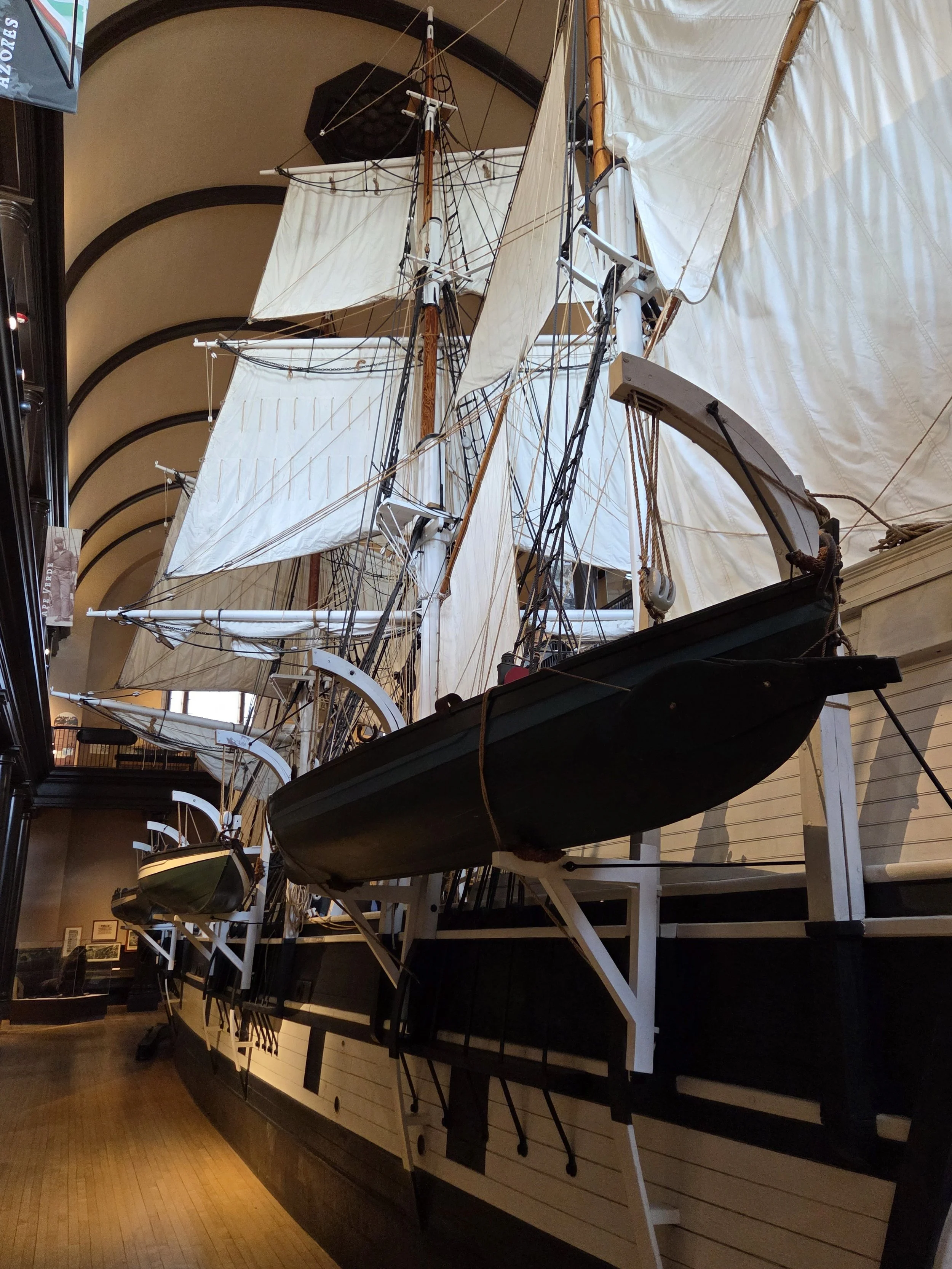
The historic part of New Bedford is home to the New Bedford Whaling Museum and the Seaman’s Bethel which was mentioned in Moby Dick. The New Bedford Whaling Museum is an incredible place charting the history of whaling along with conservation. There is even the largest scale model of a whaling ship inside the museum which was the sister ship of the Acushnet, the ship that Melville sailed on.

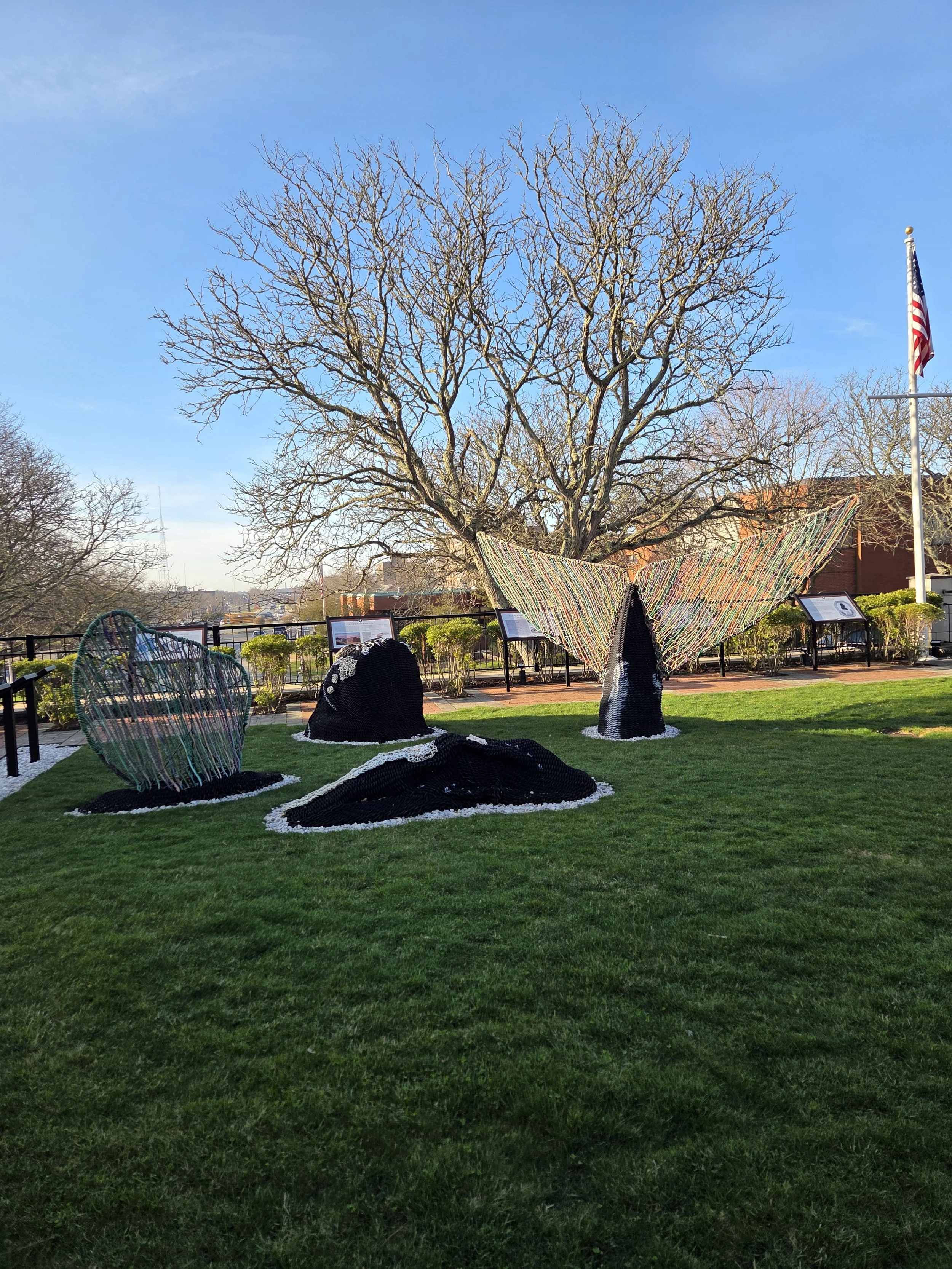
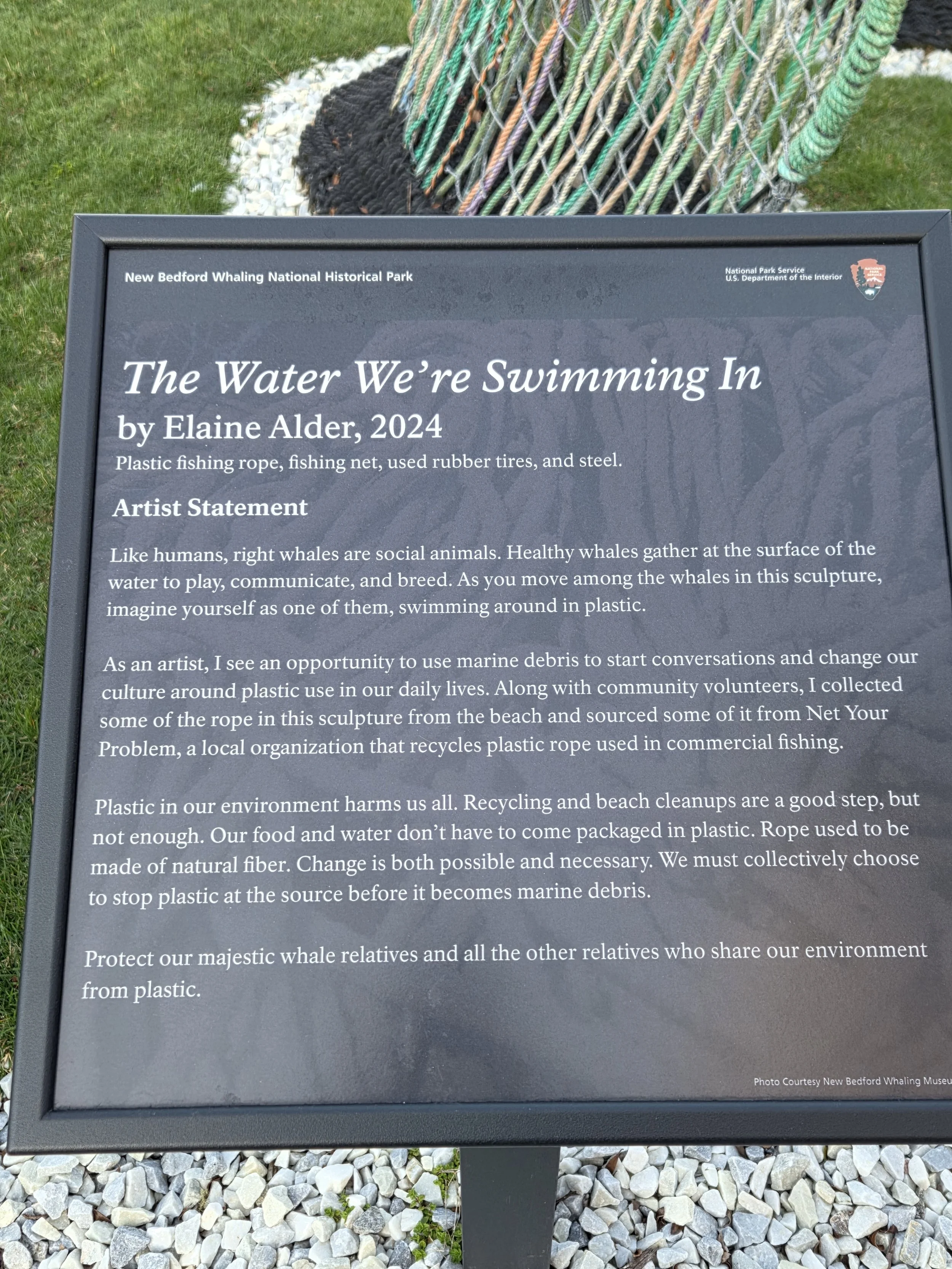
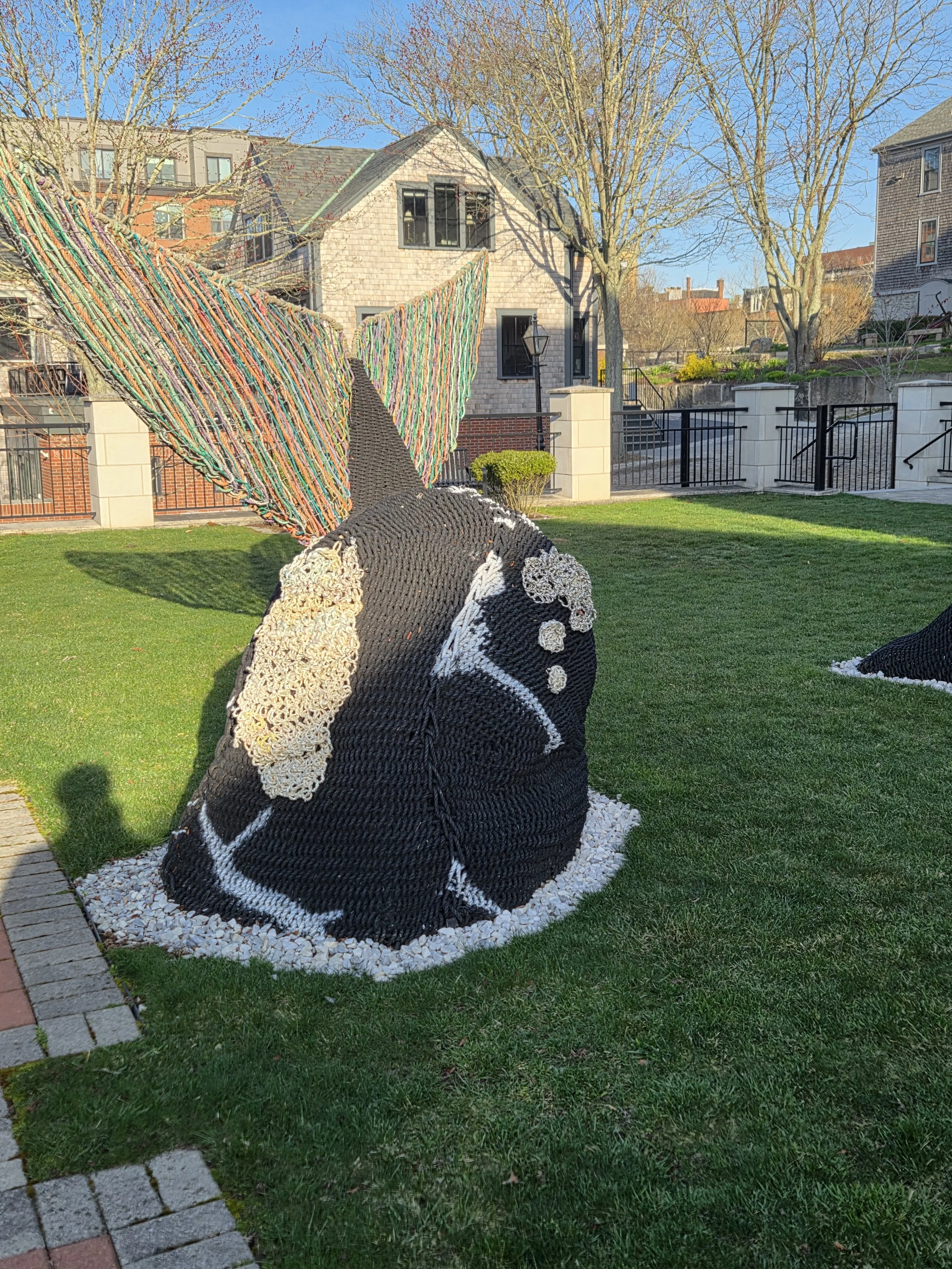
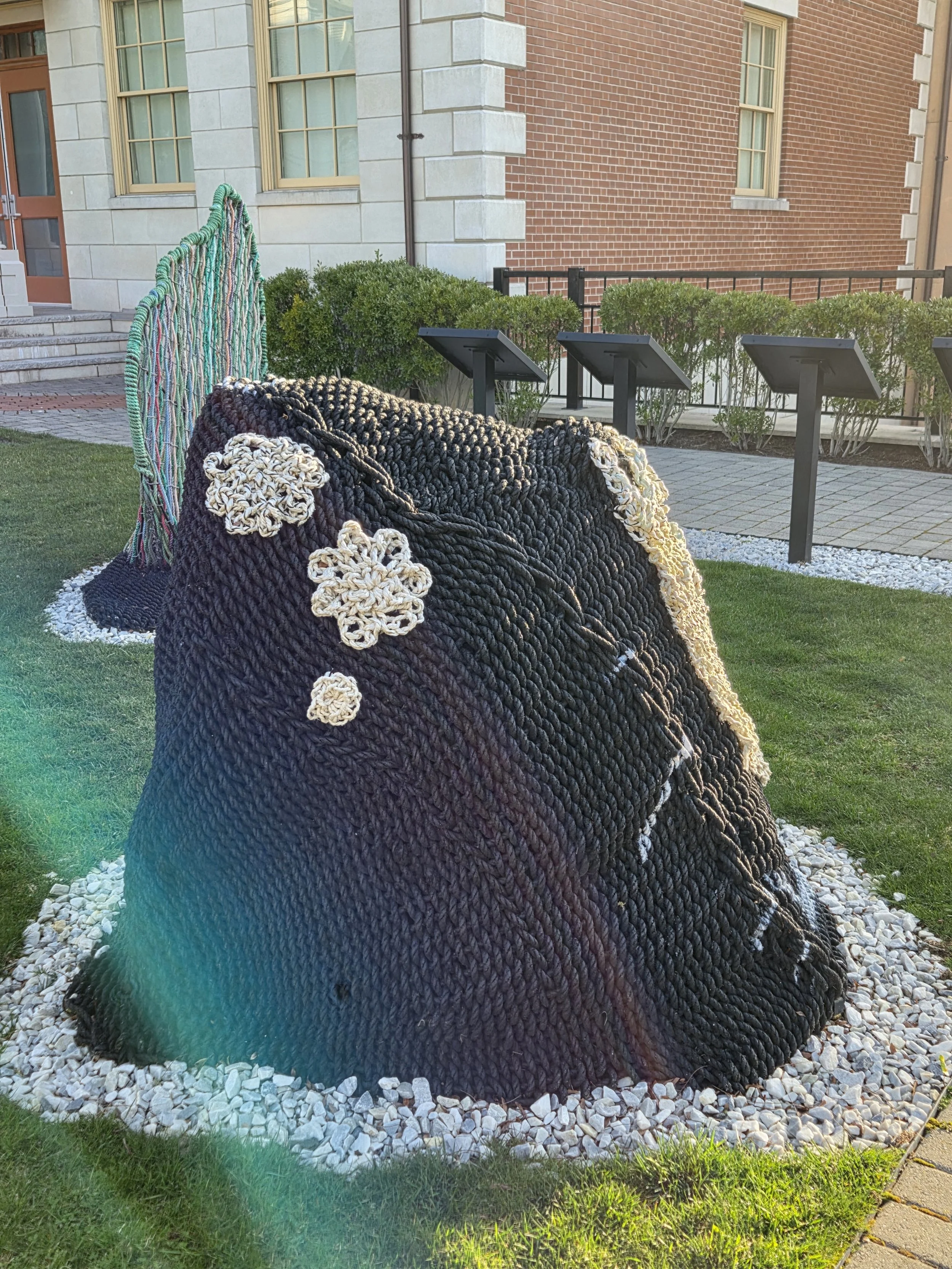
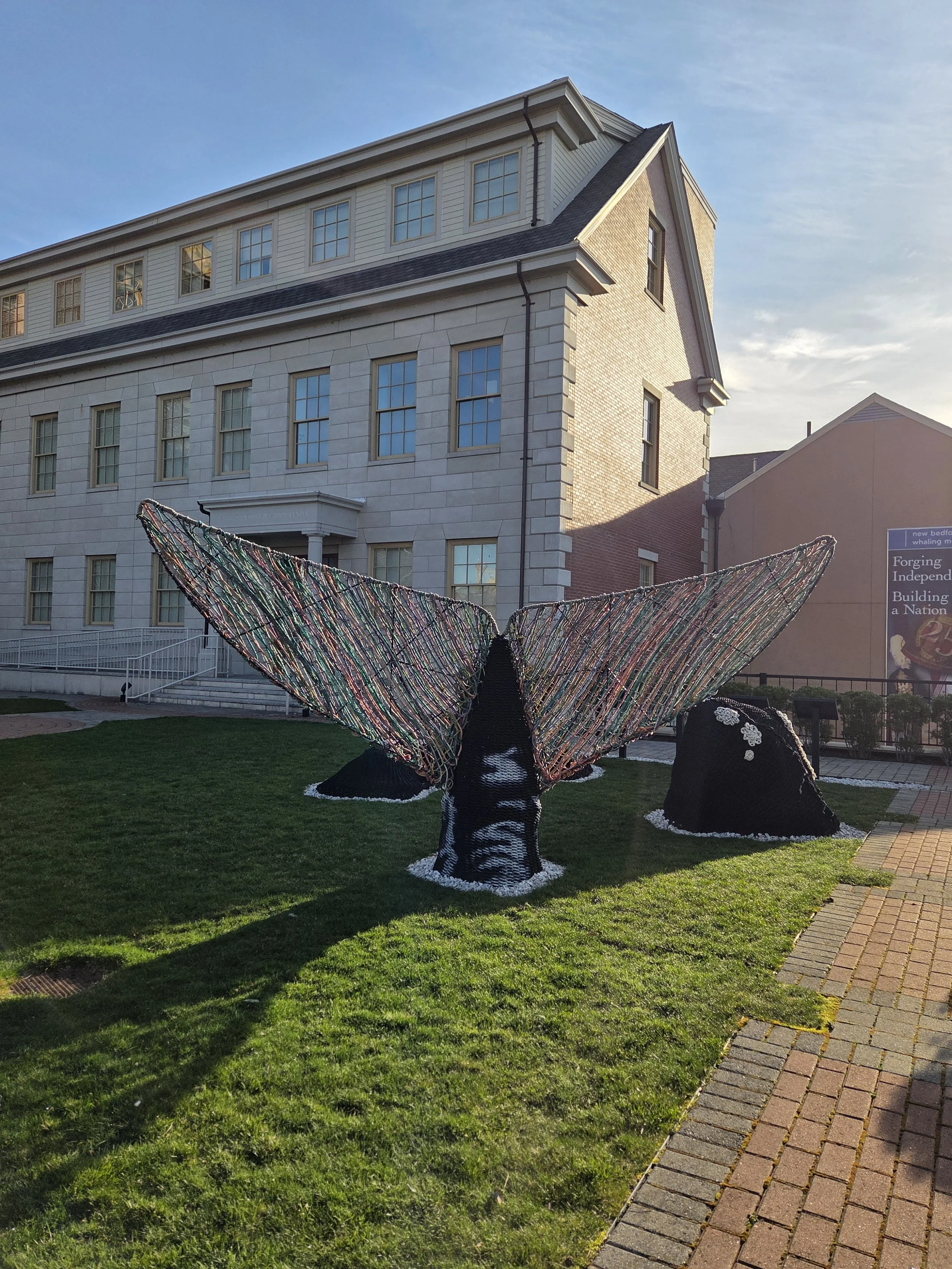
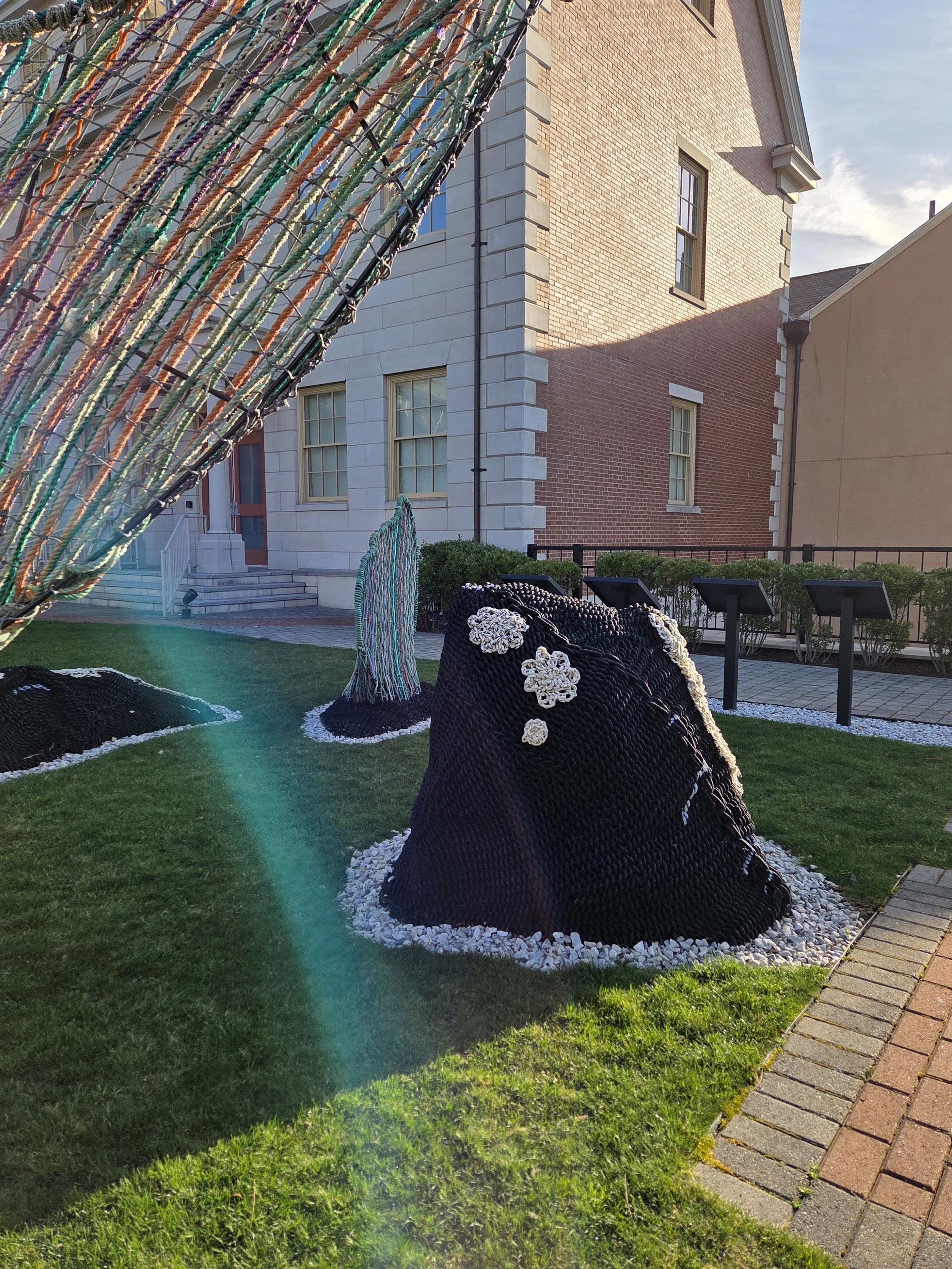
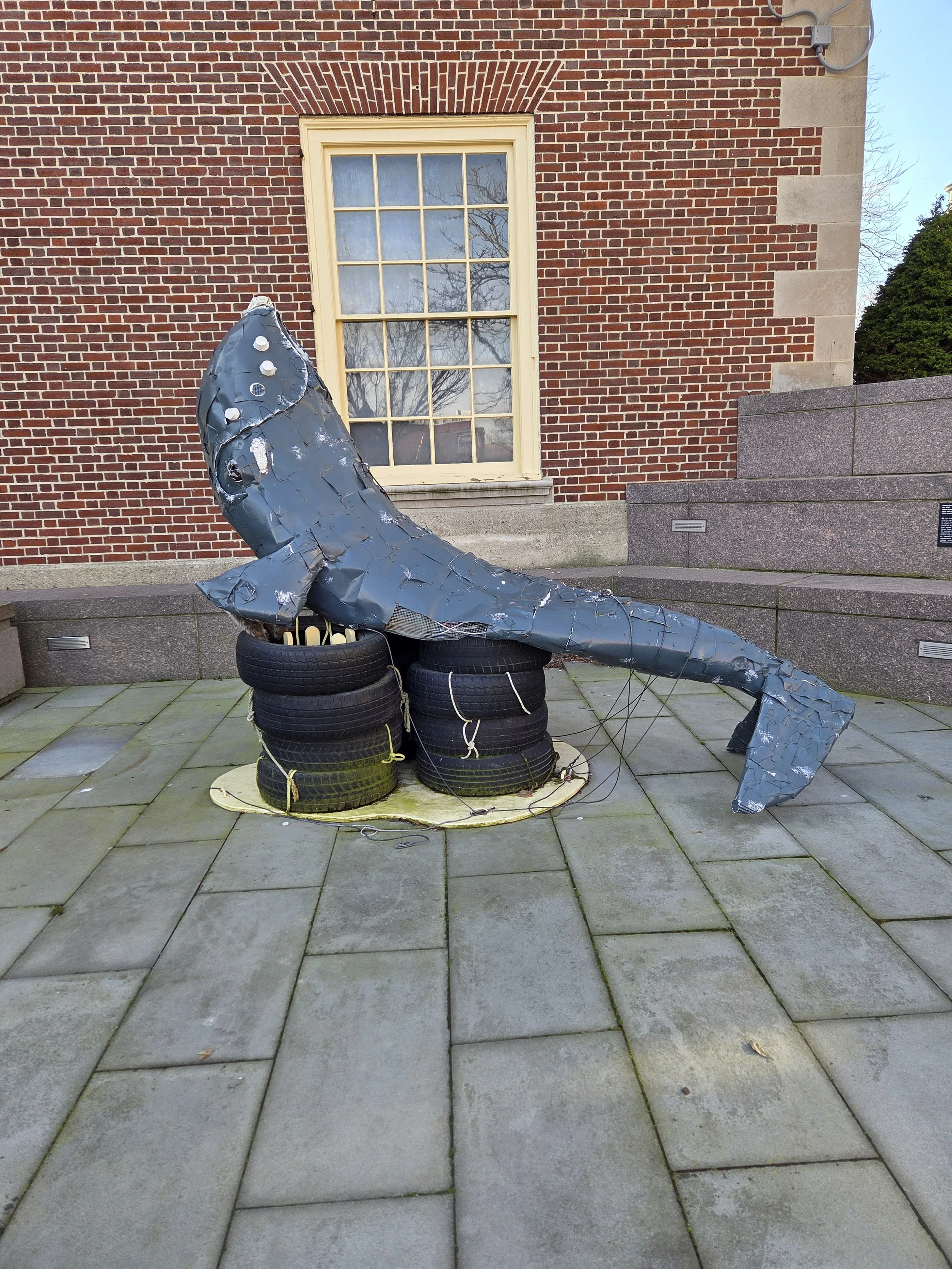
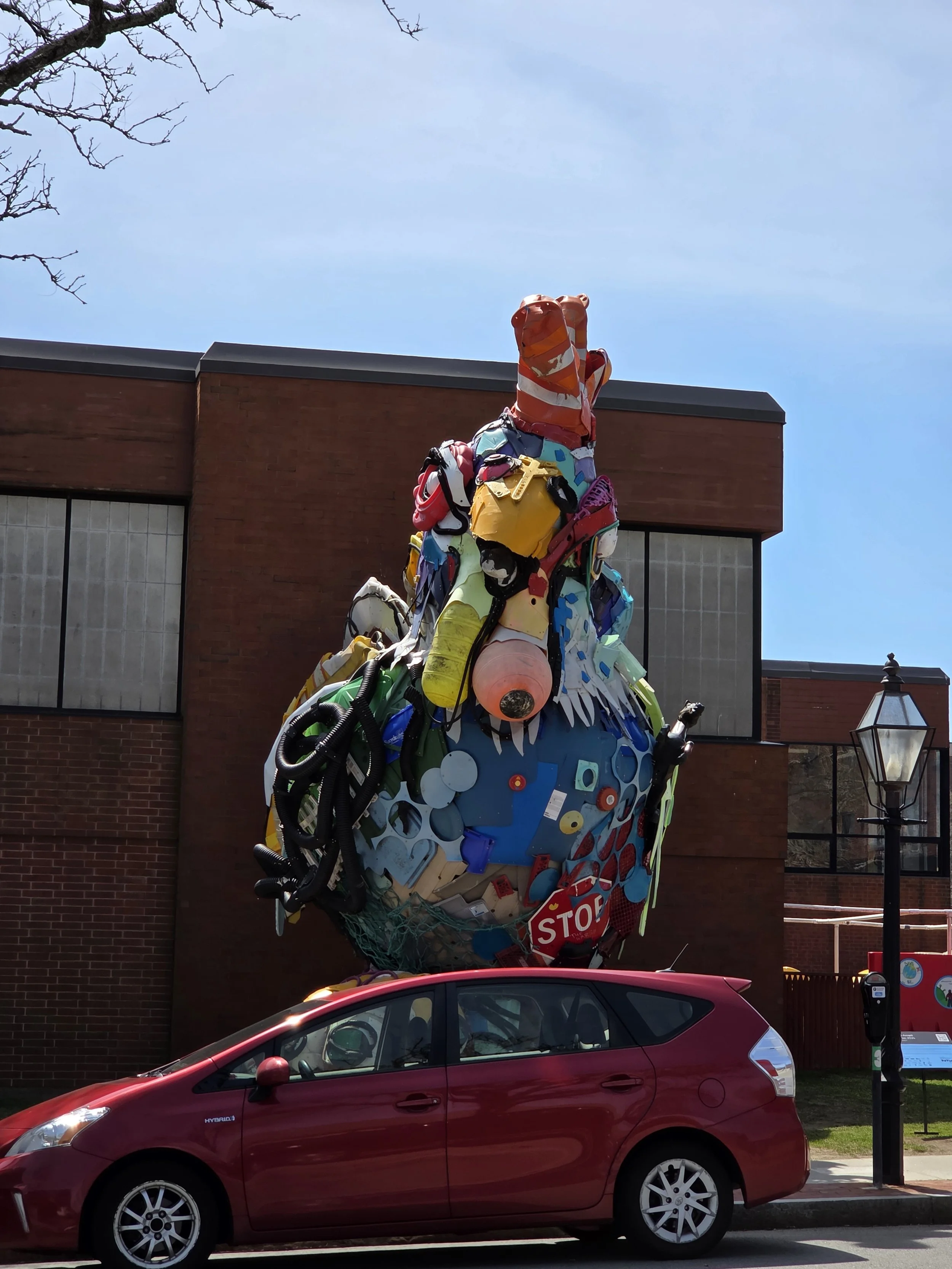
I also took in some outdoor art which depicts right whales but is made out of recycled objects. It was very interesting to be in another coastal town that has a strong association with whales but totally different species to the whales on the west coast where I am located. Our most common whales are Grays and Humpbacks where many of the stories and art around New Bedford talked about Right and Sperm Whales.

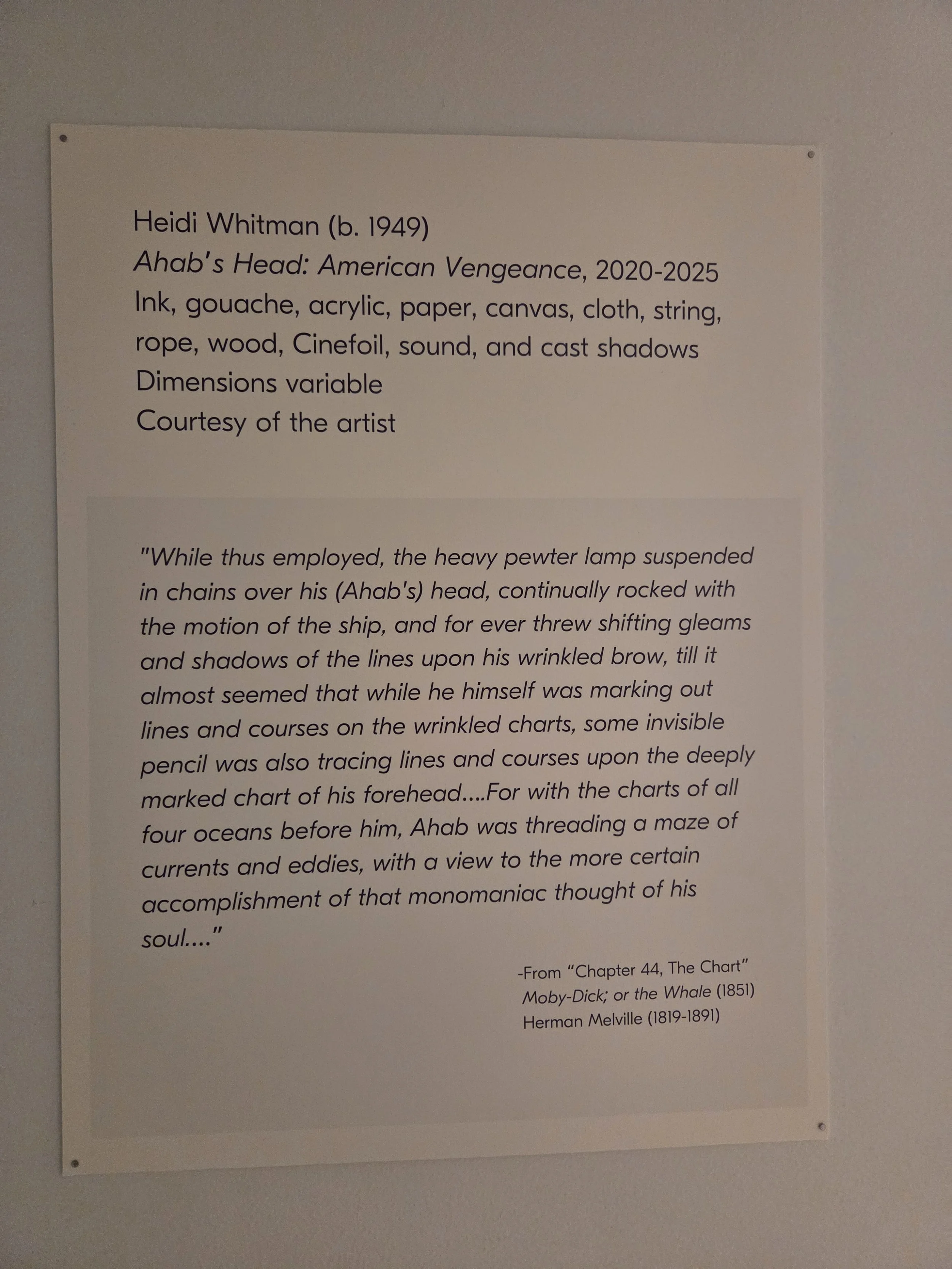
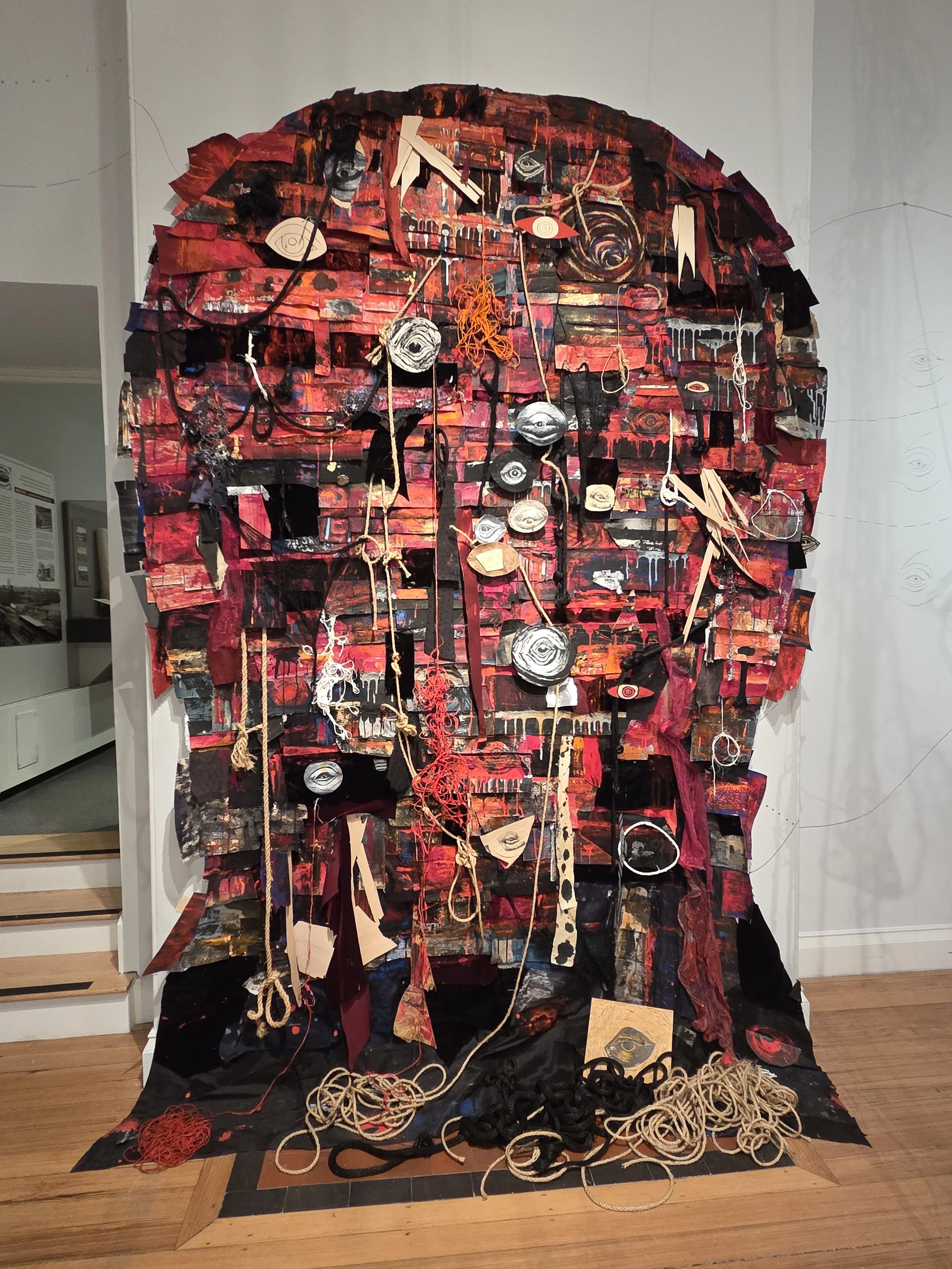
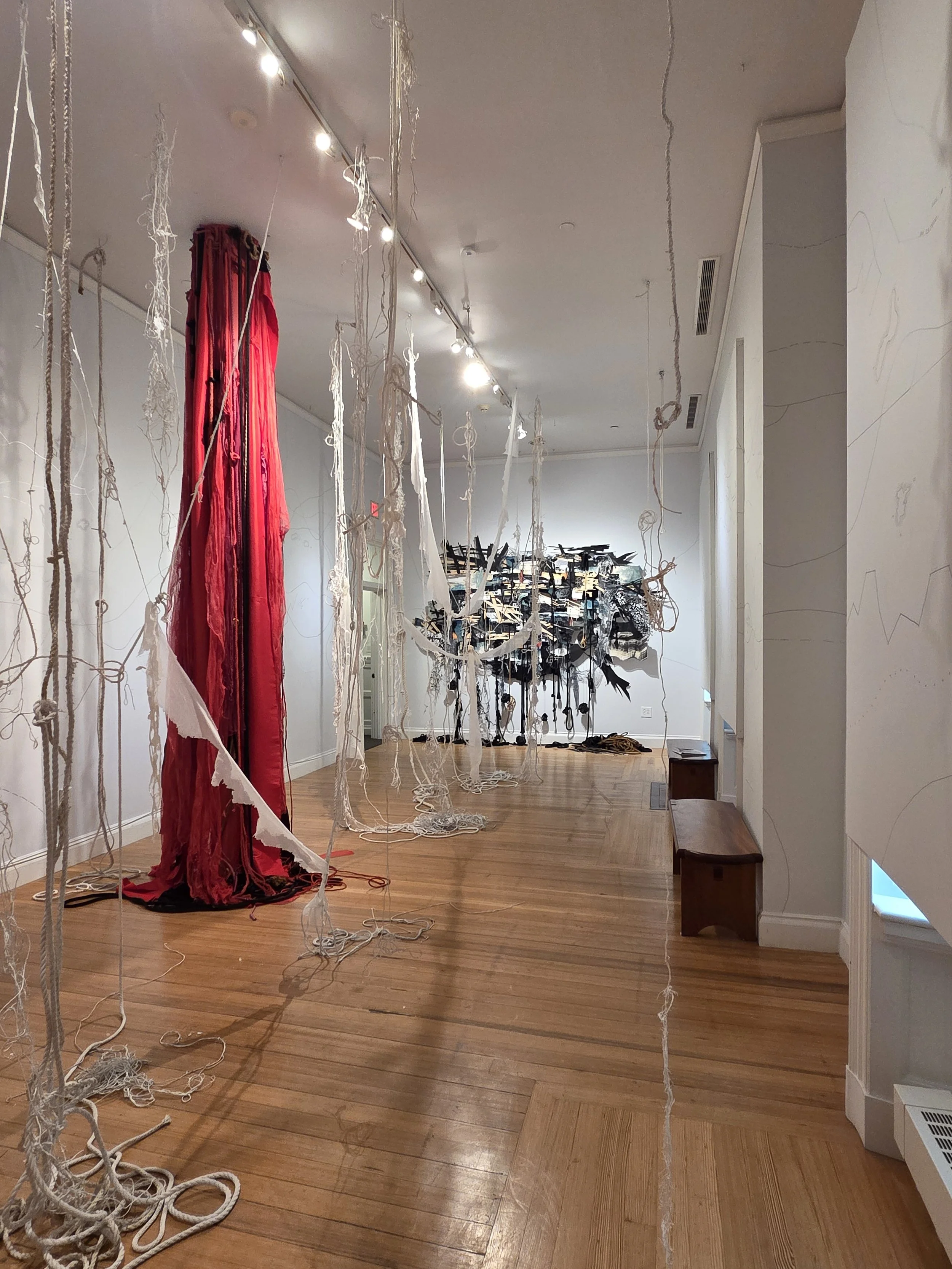
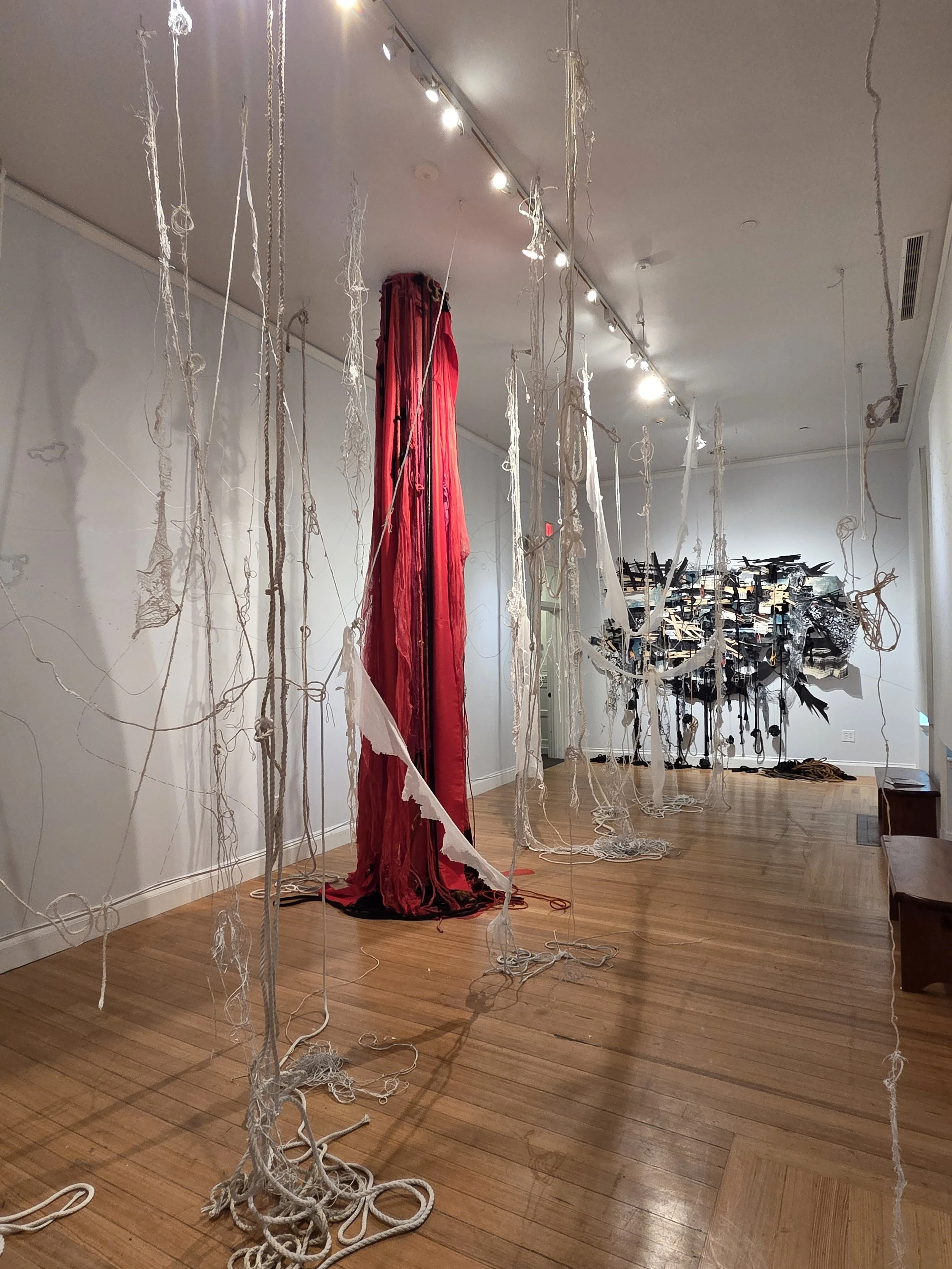
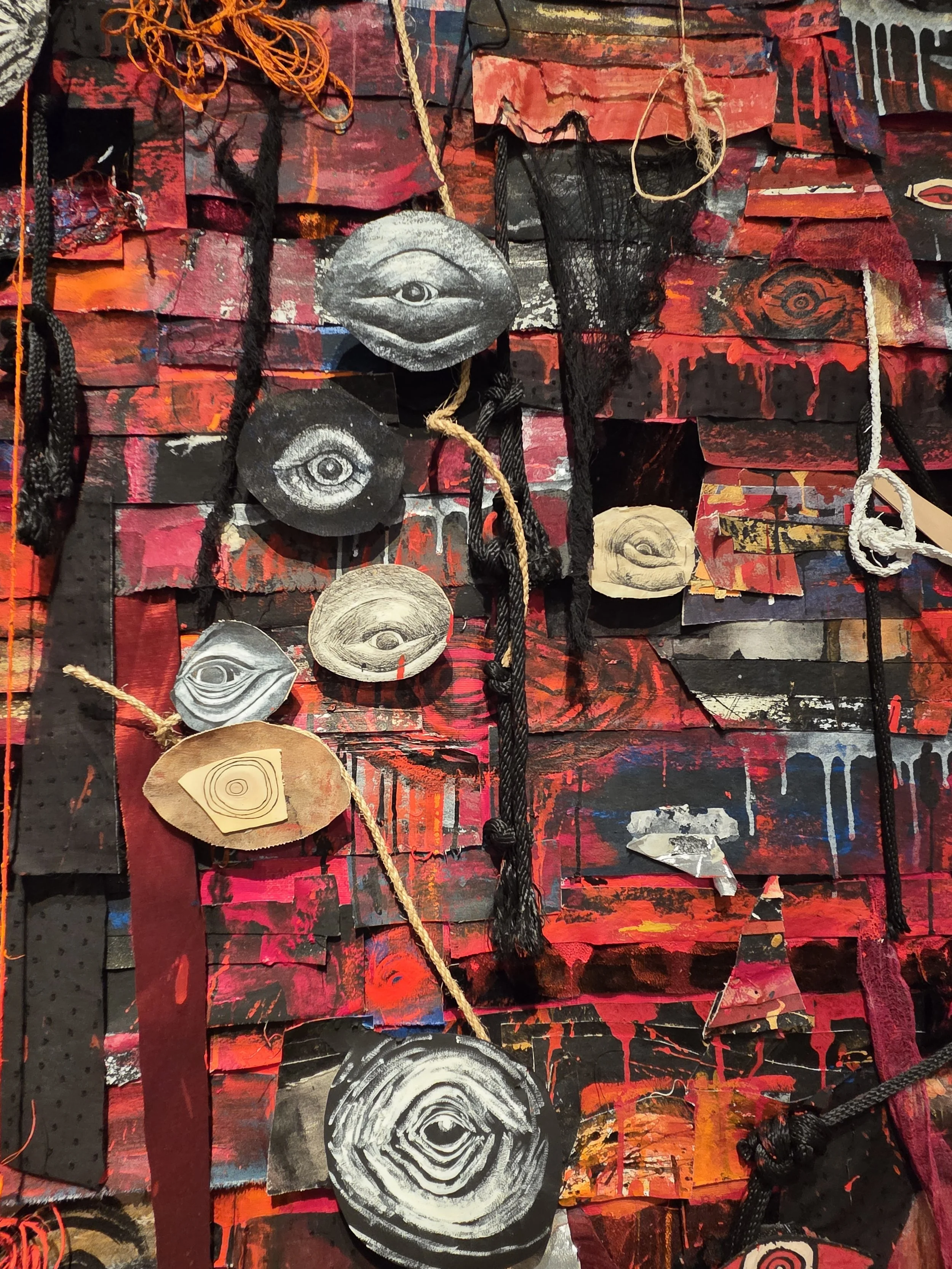
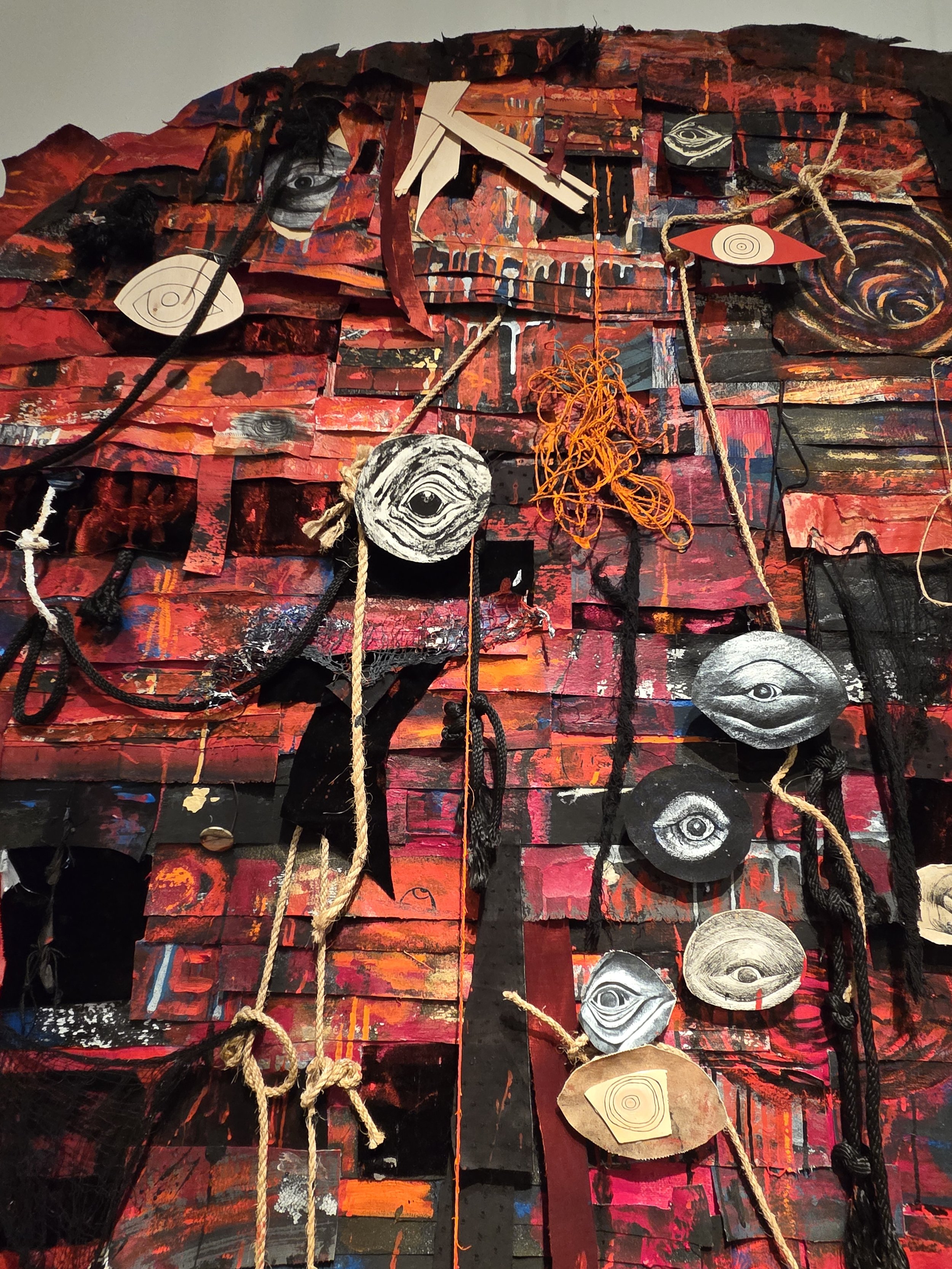
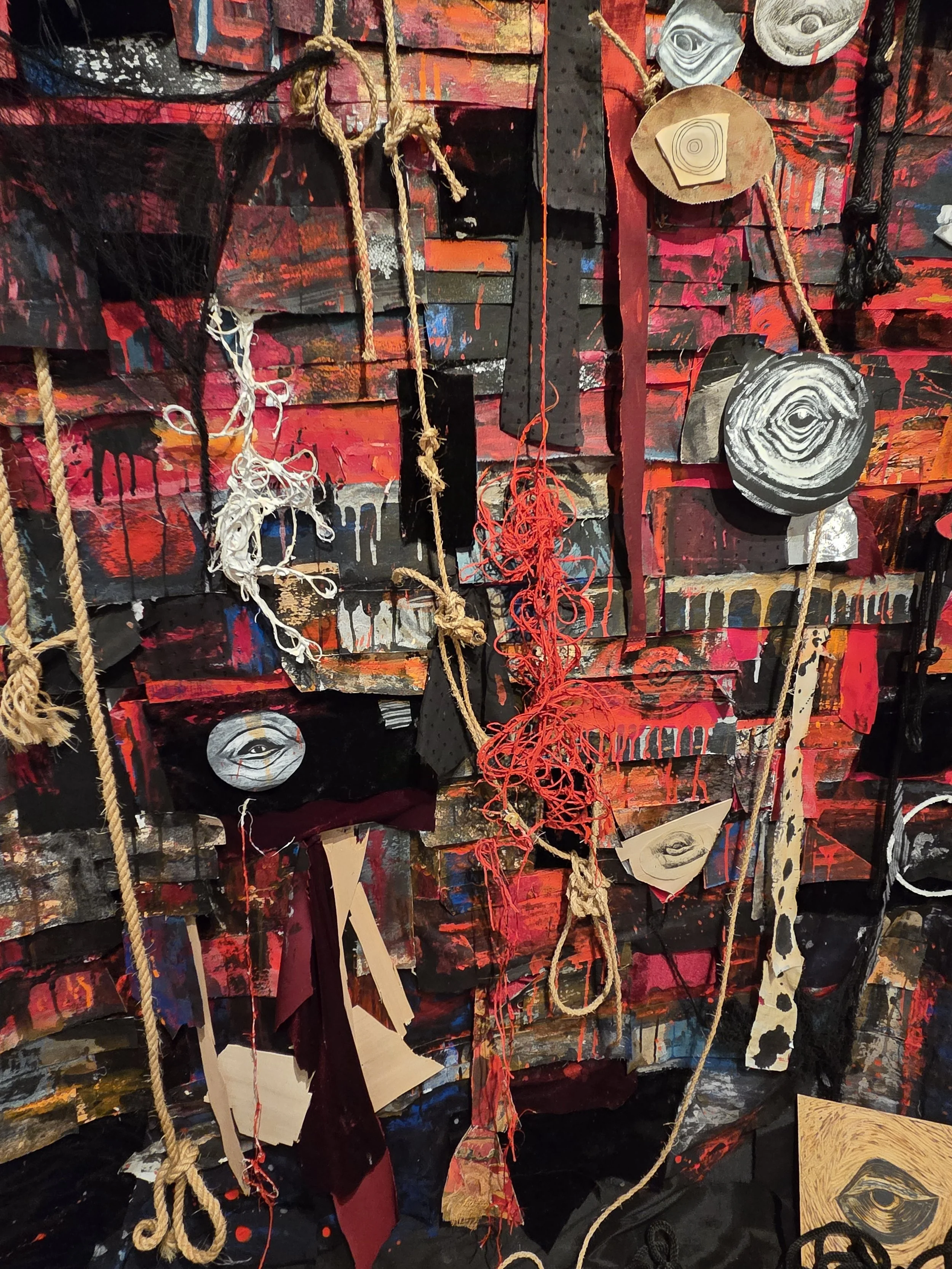
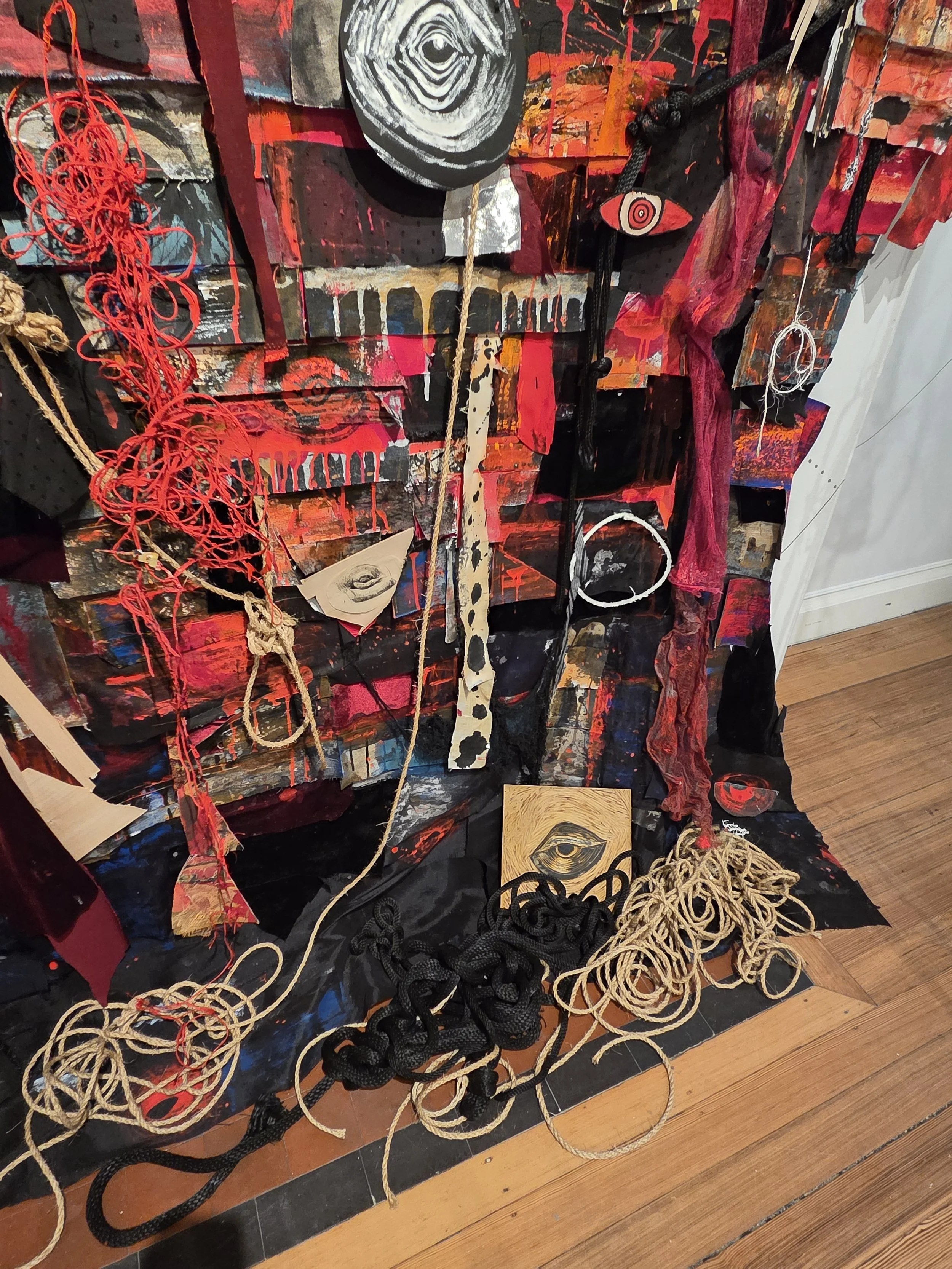
I was also able to take in the fiber art installation by Heidi Whitman titled American Vengeance at the New Bedford Whaling Museum. It’s been quite some time since I have been stopped in my tracks by such a powerful art piece. Luckily, I would have a similar experience the next day when I visited Mystic Seaport.
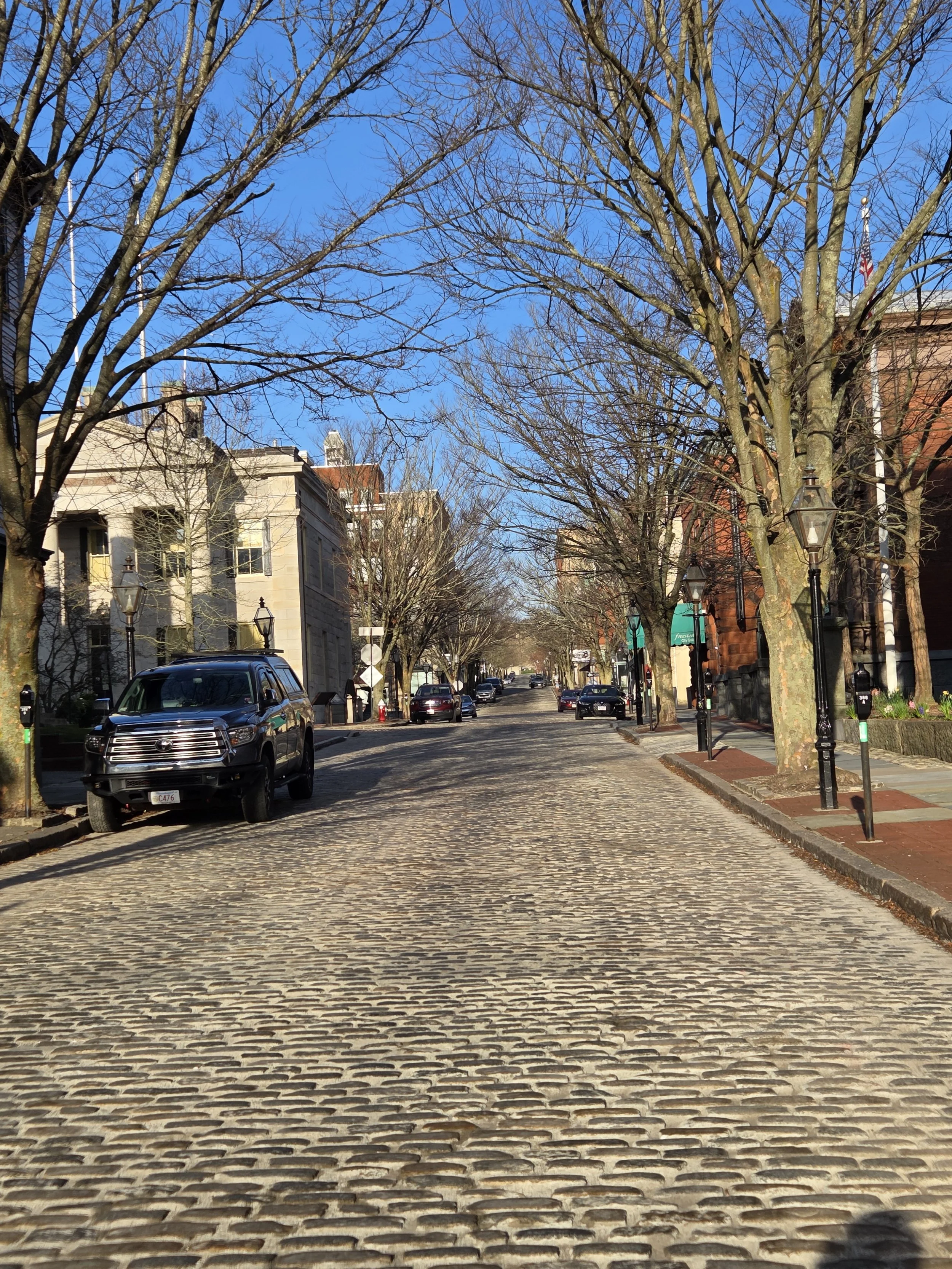
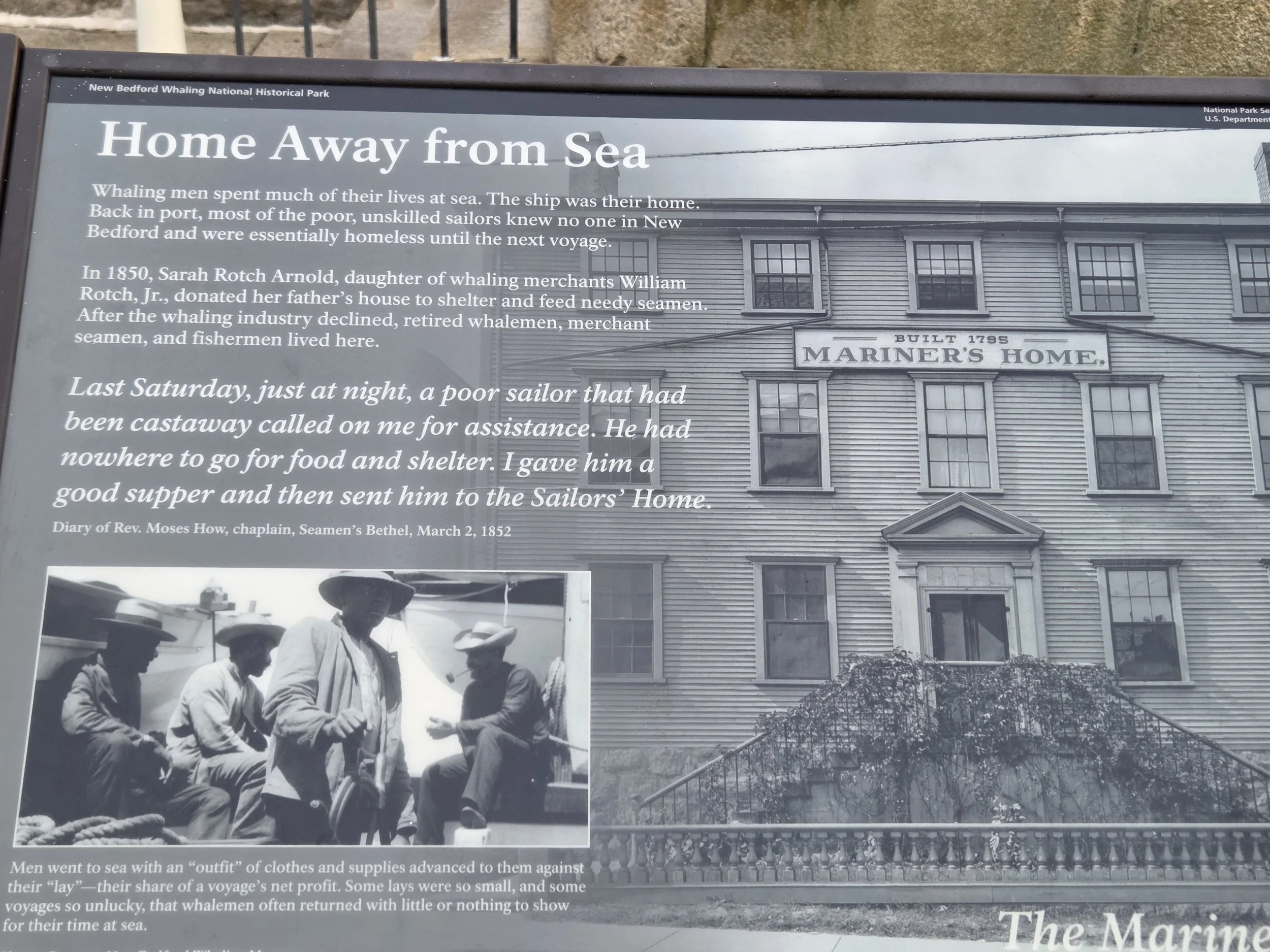
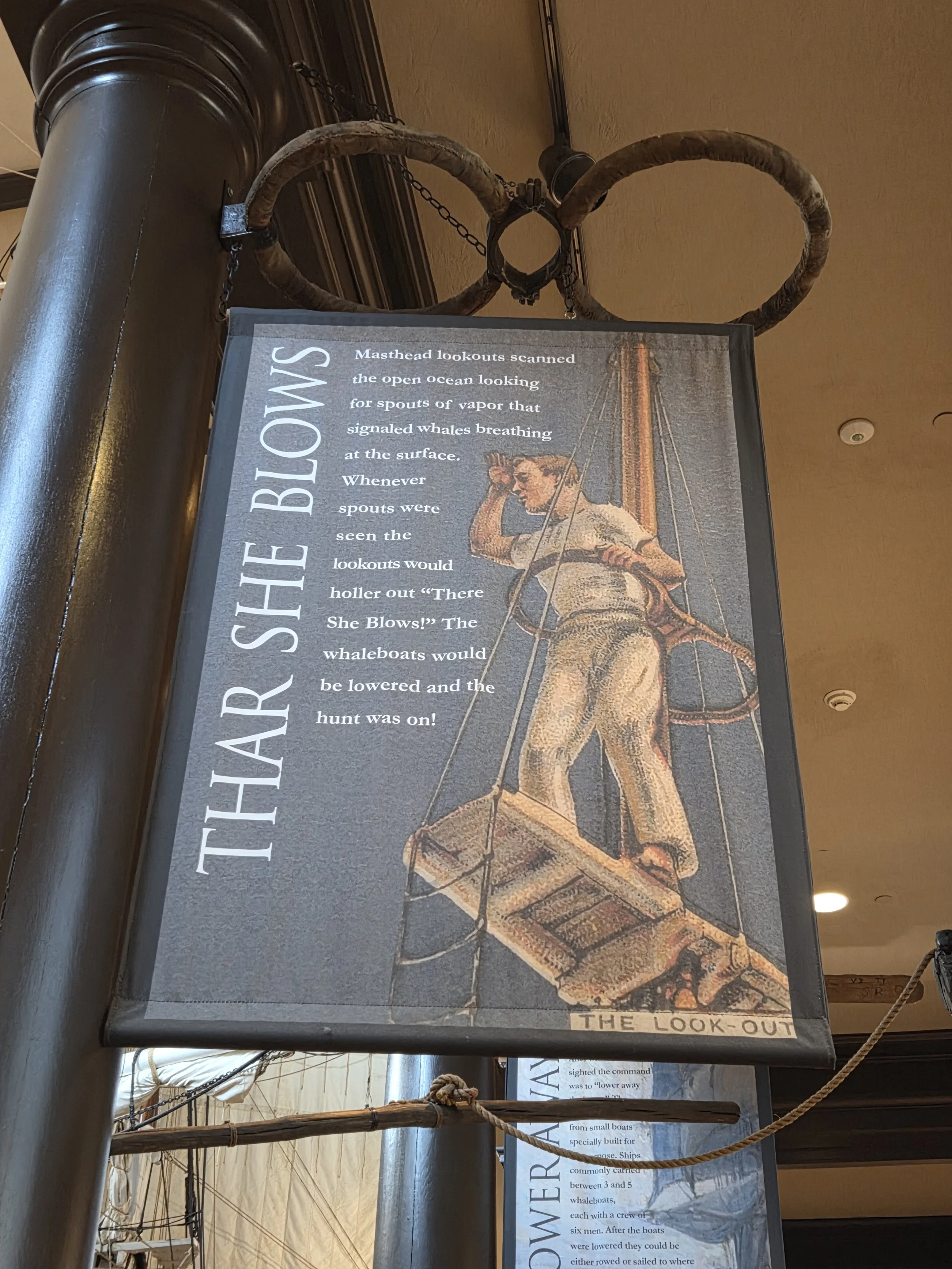
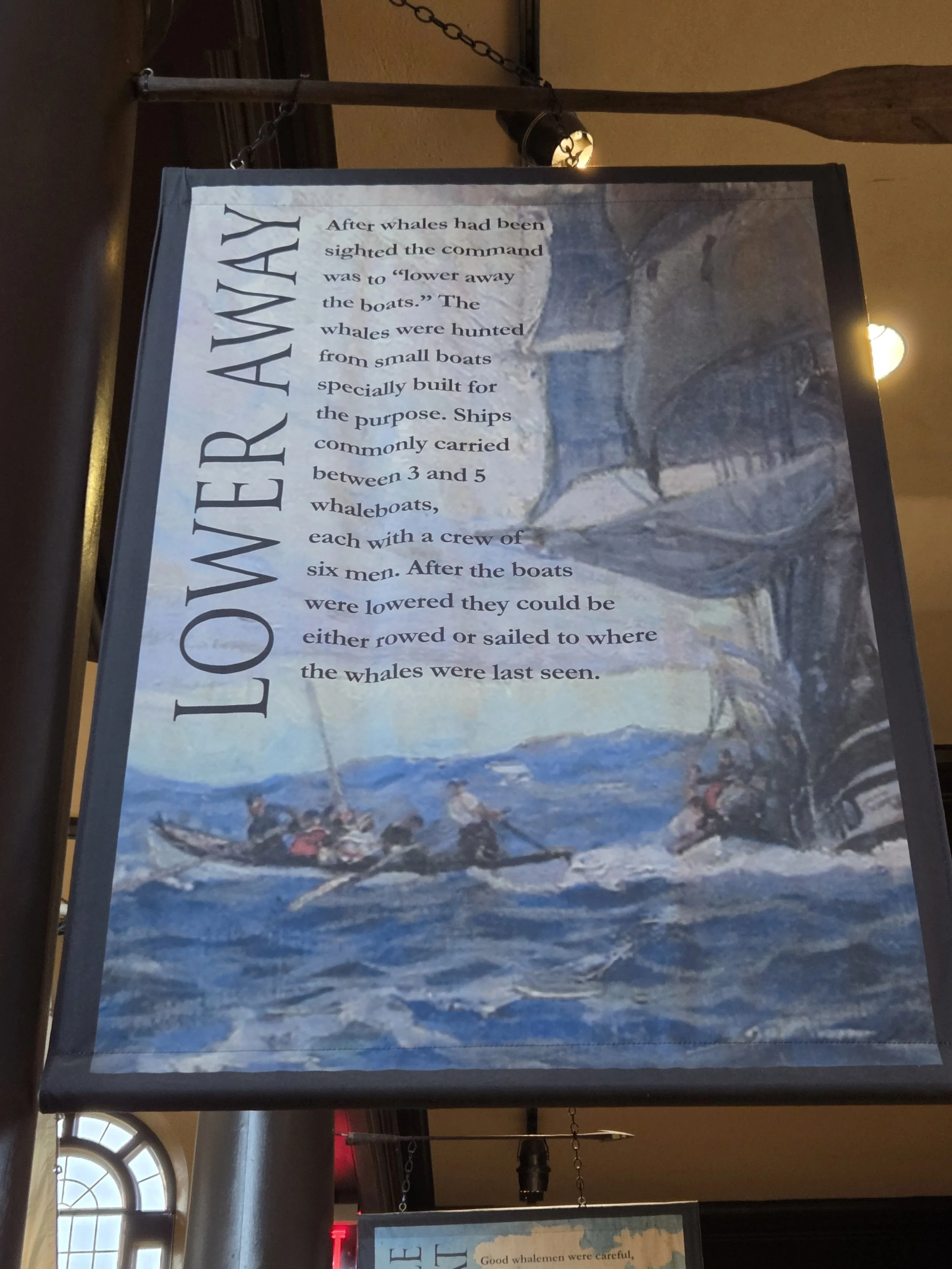
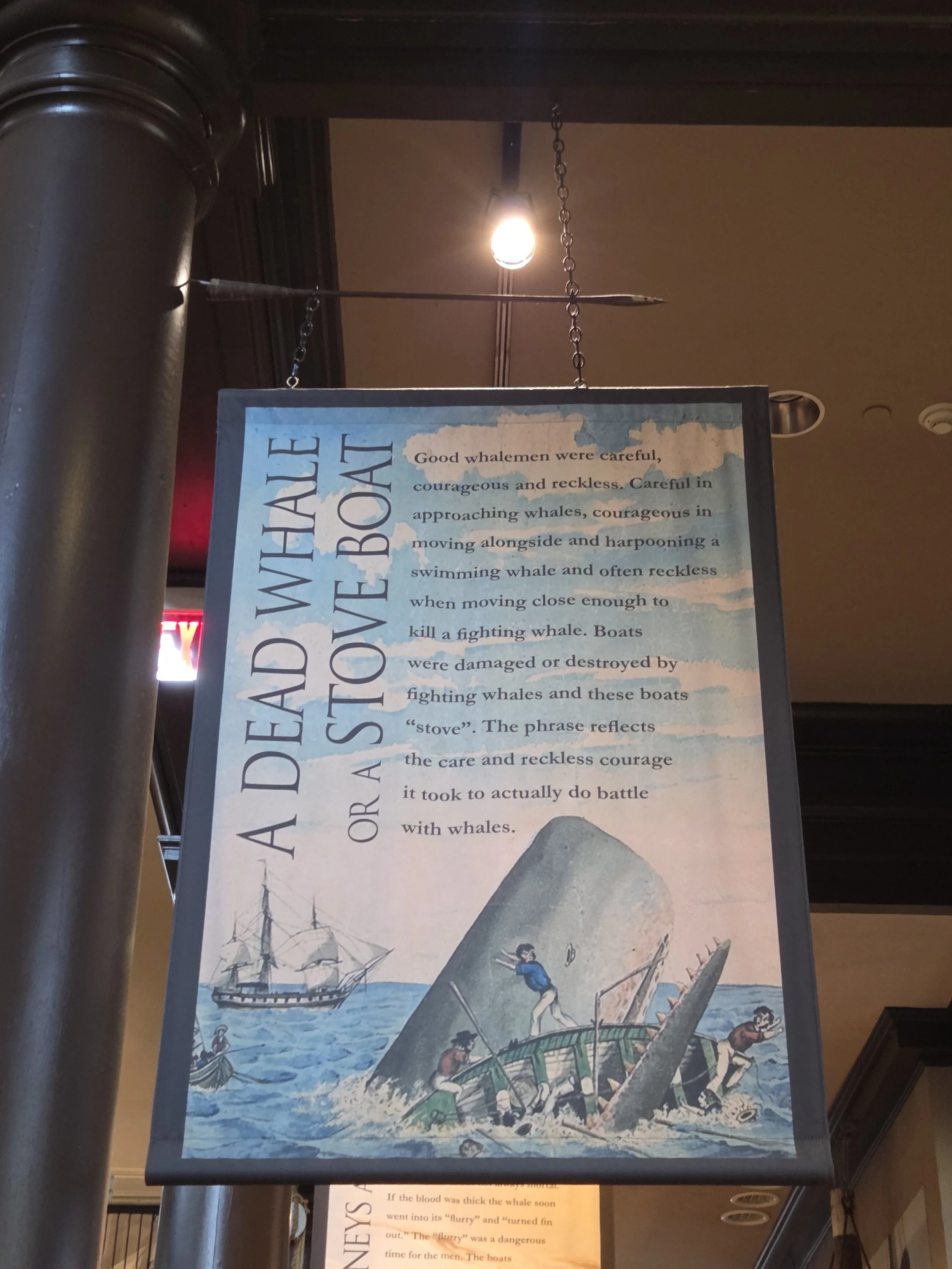
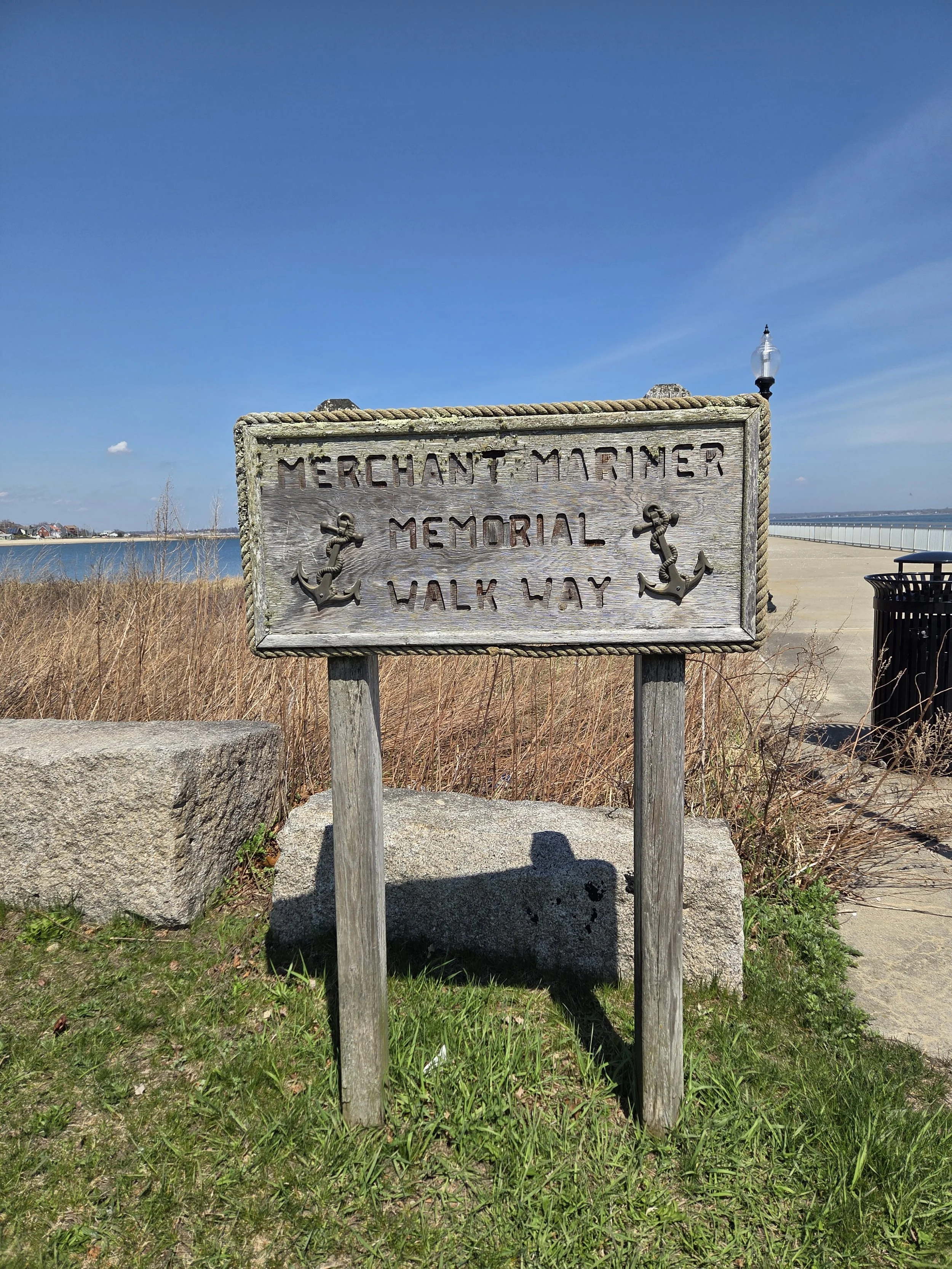
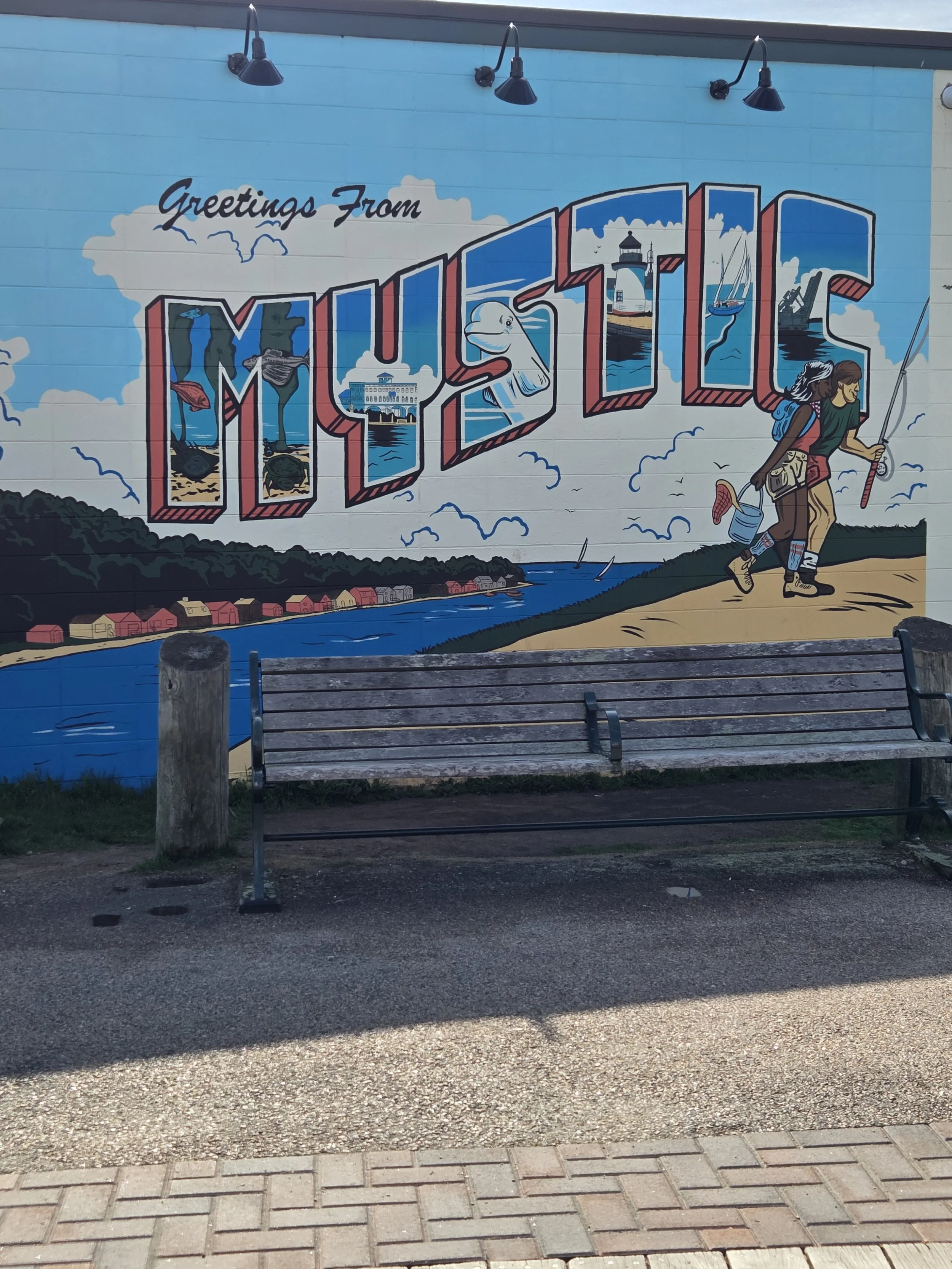
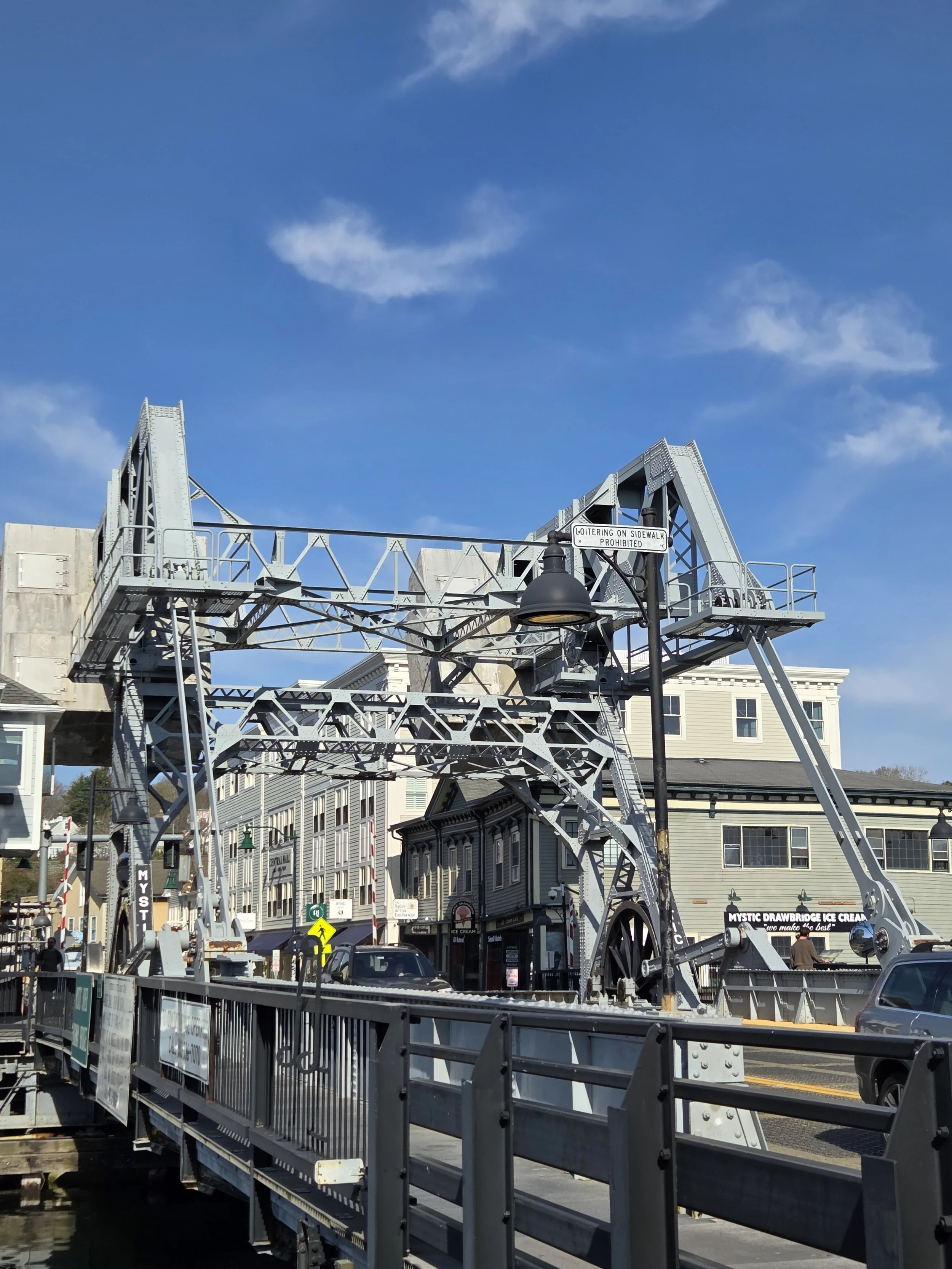
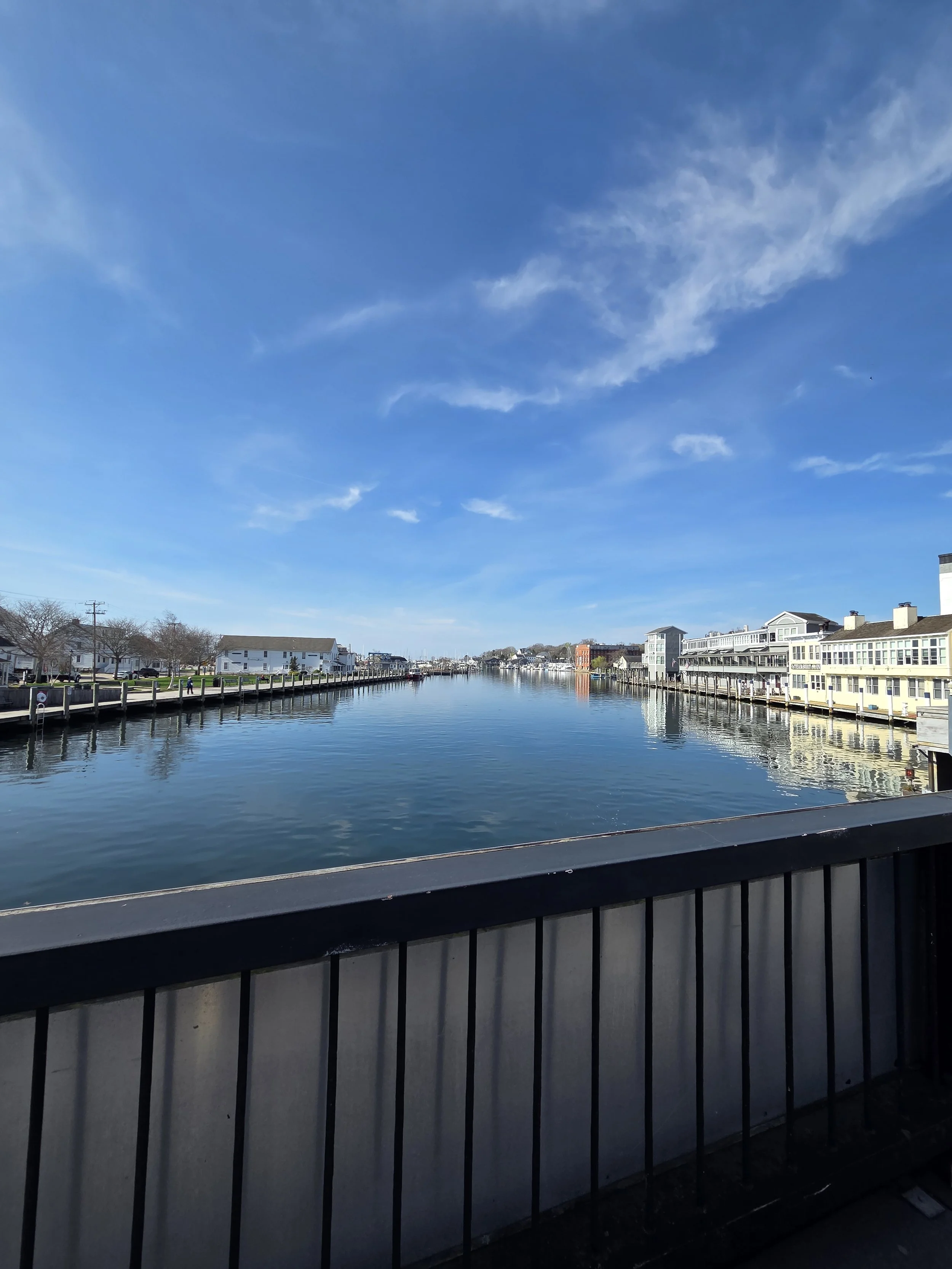
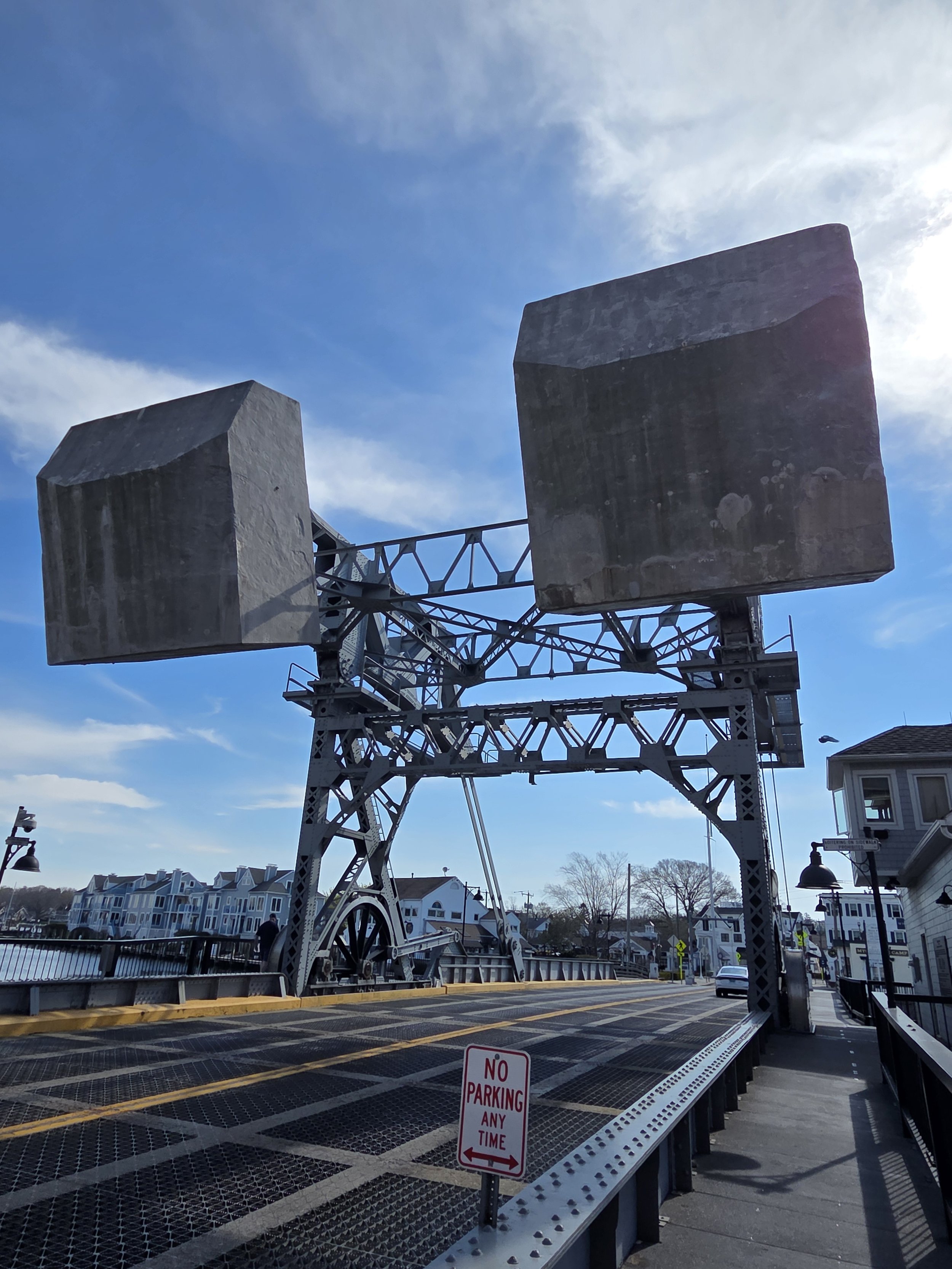
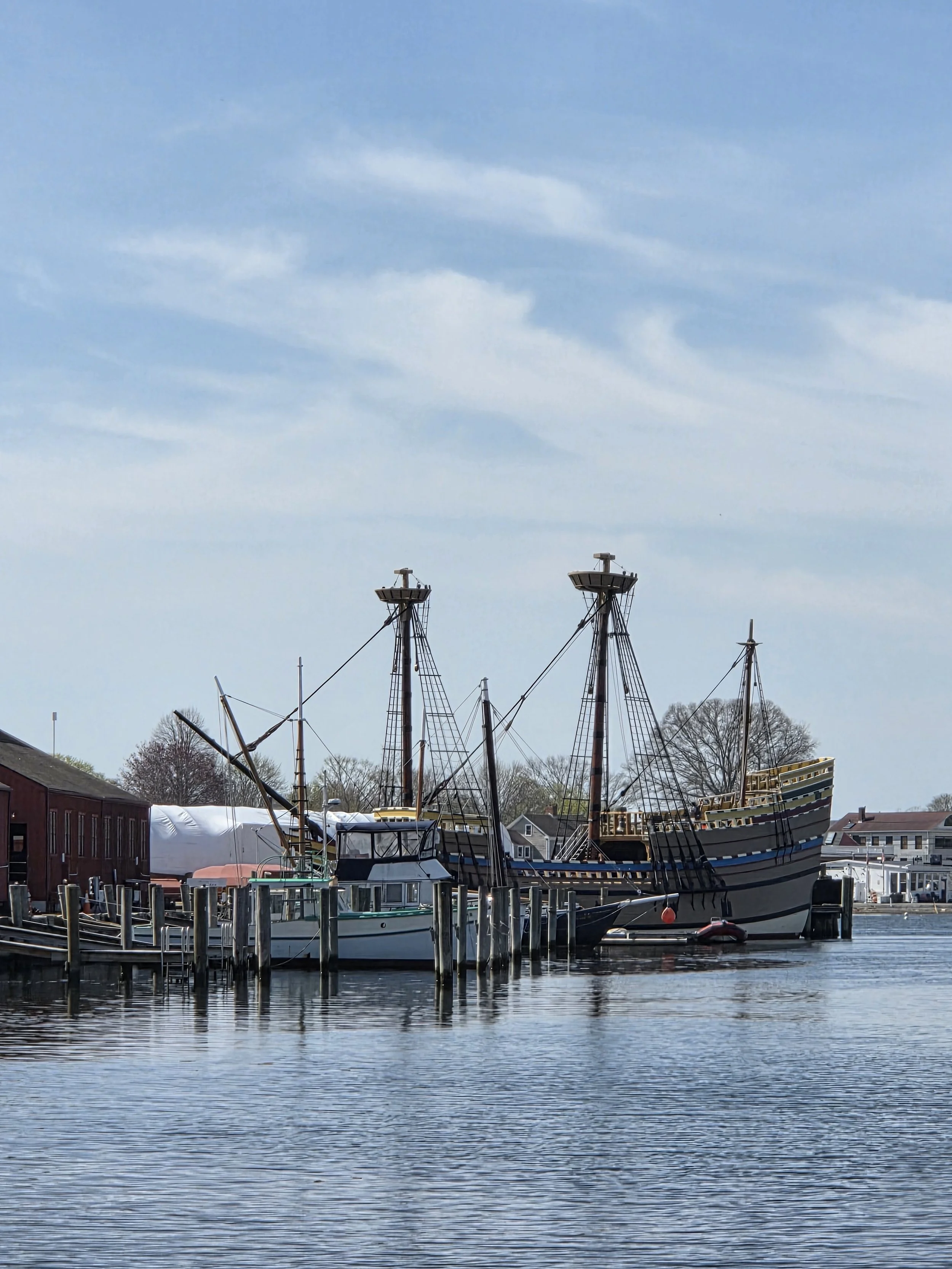
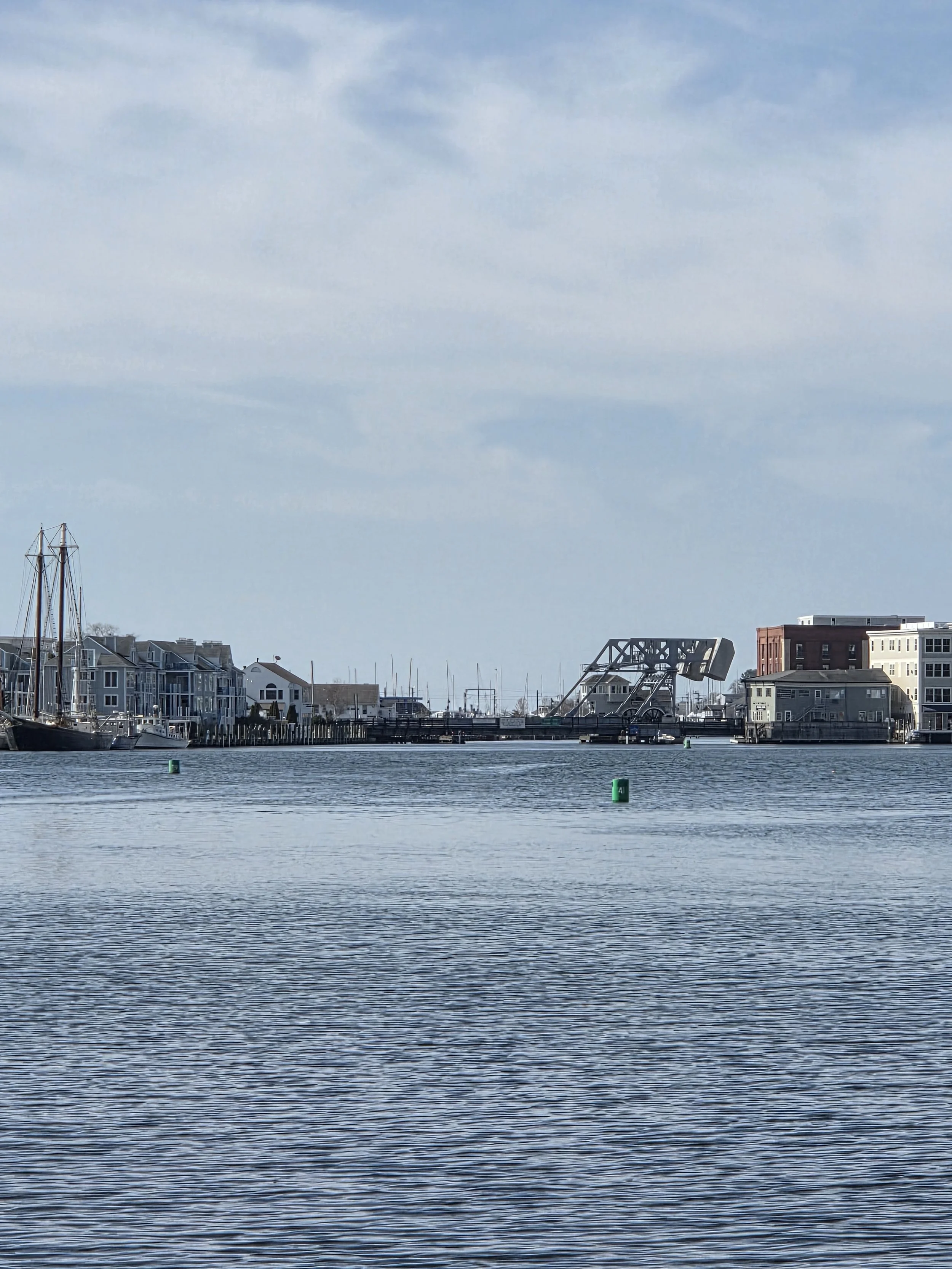
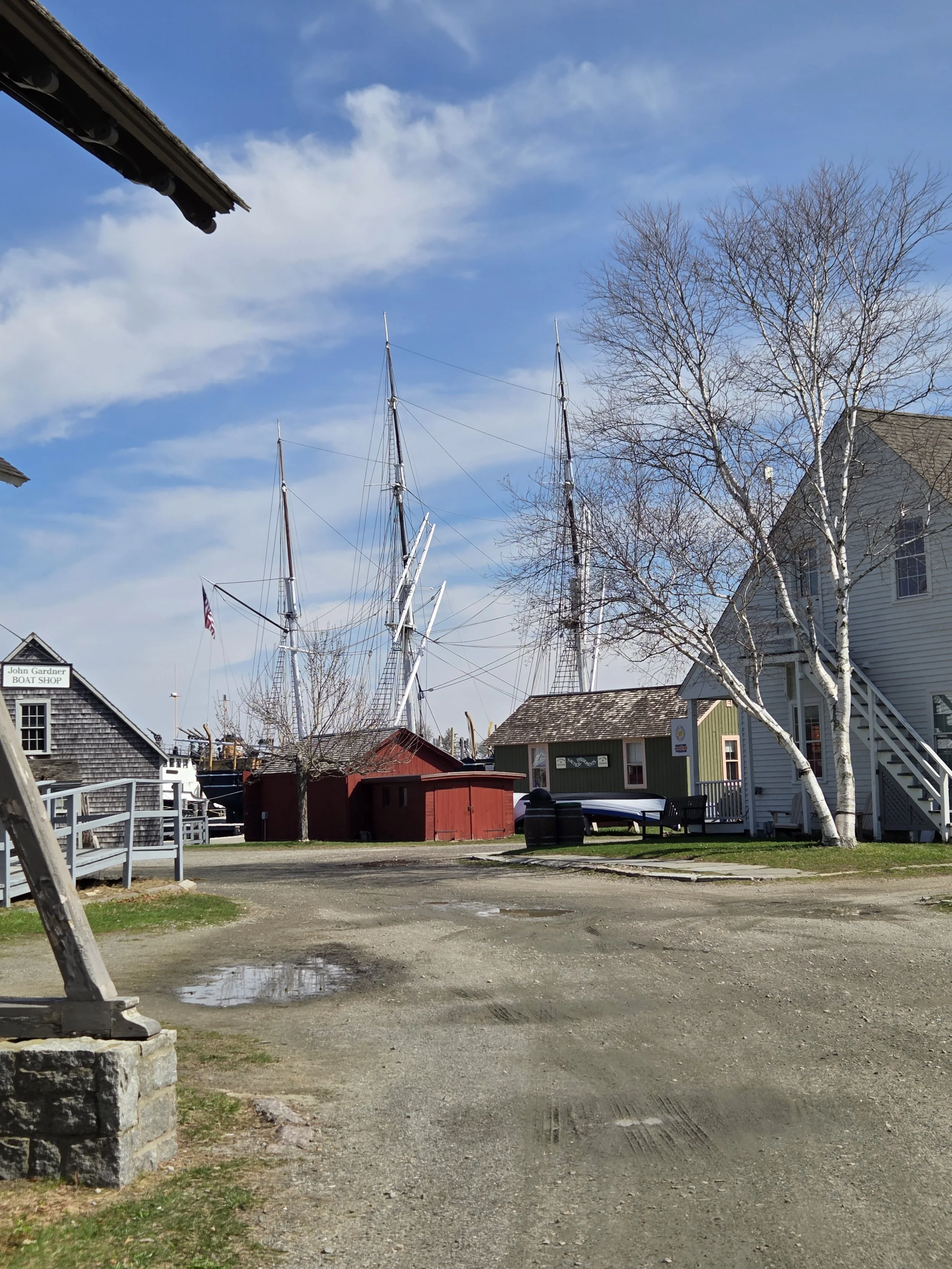
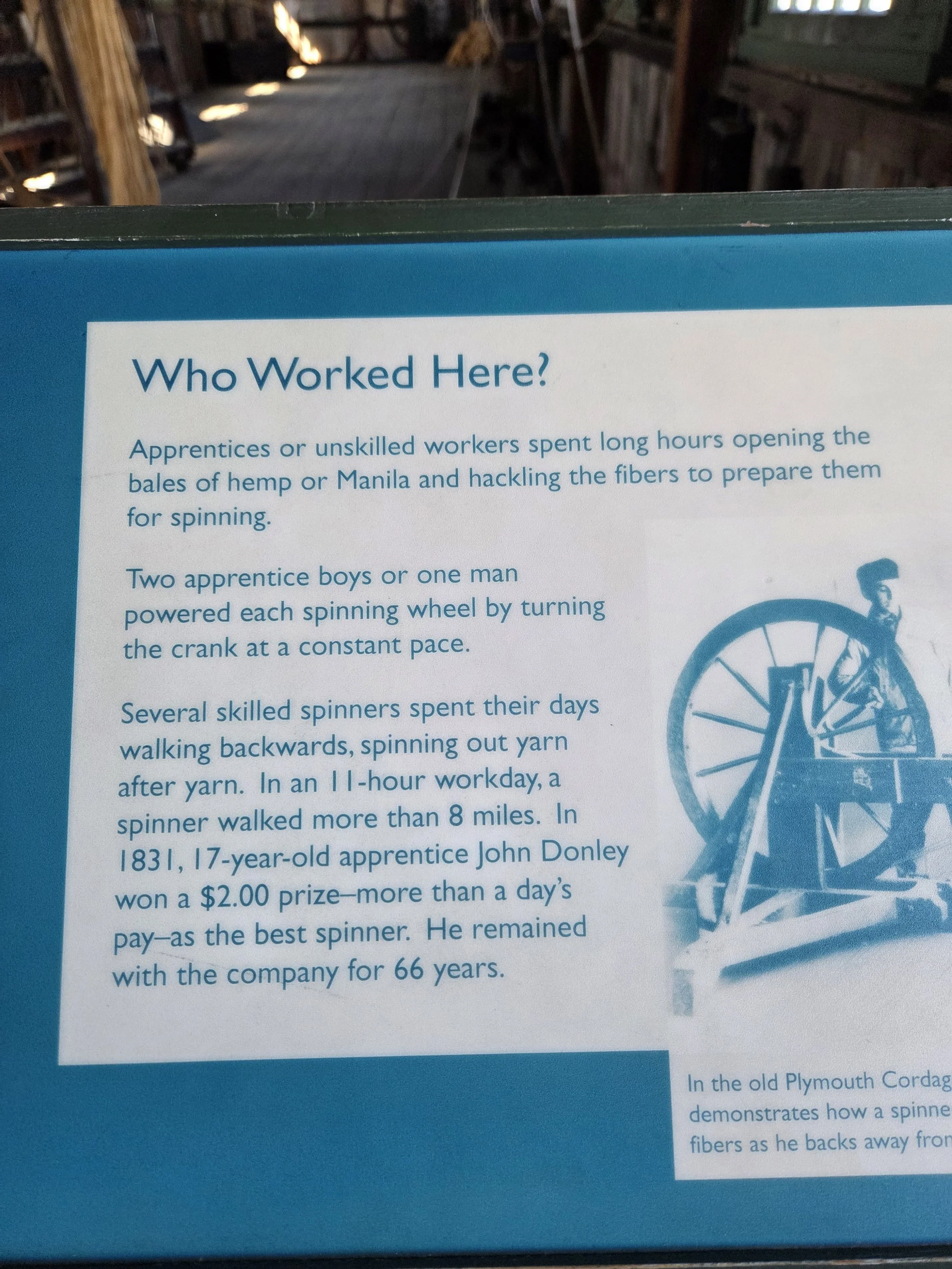
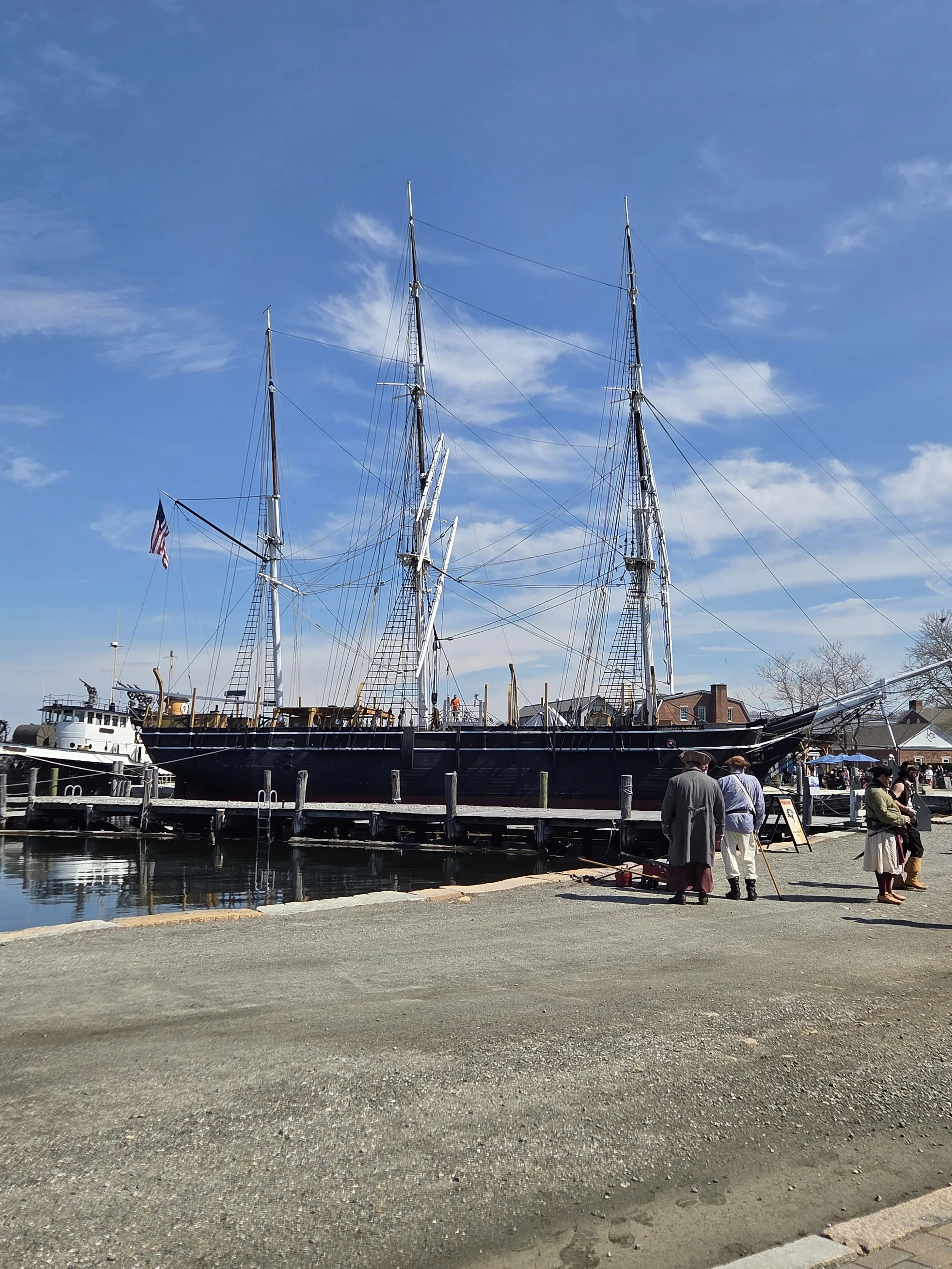
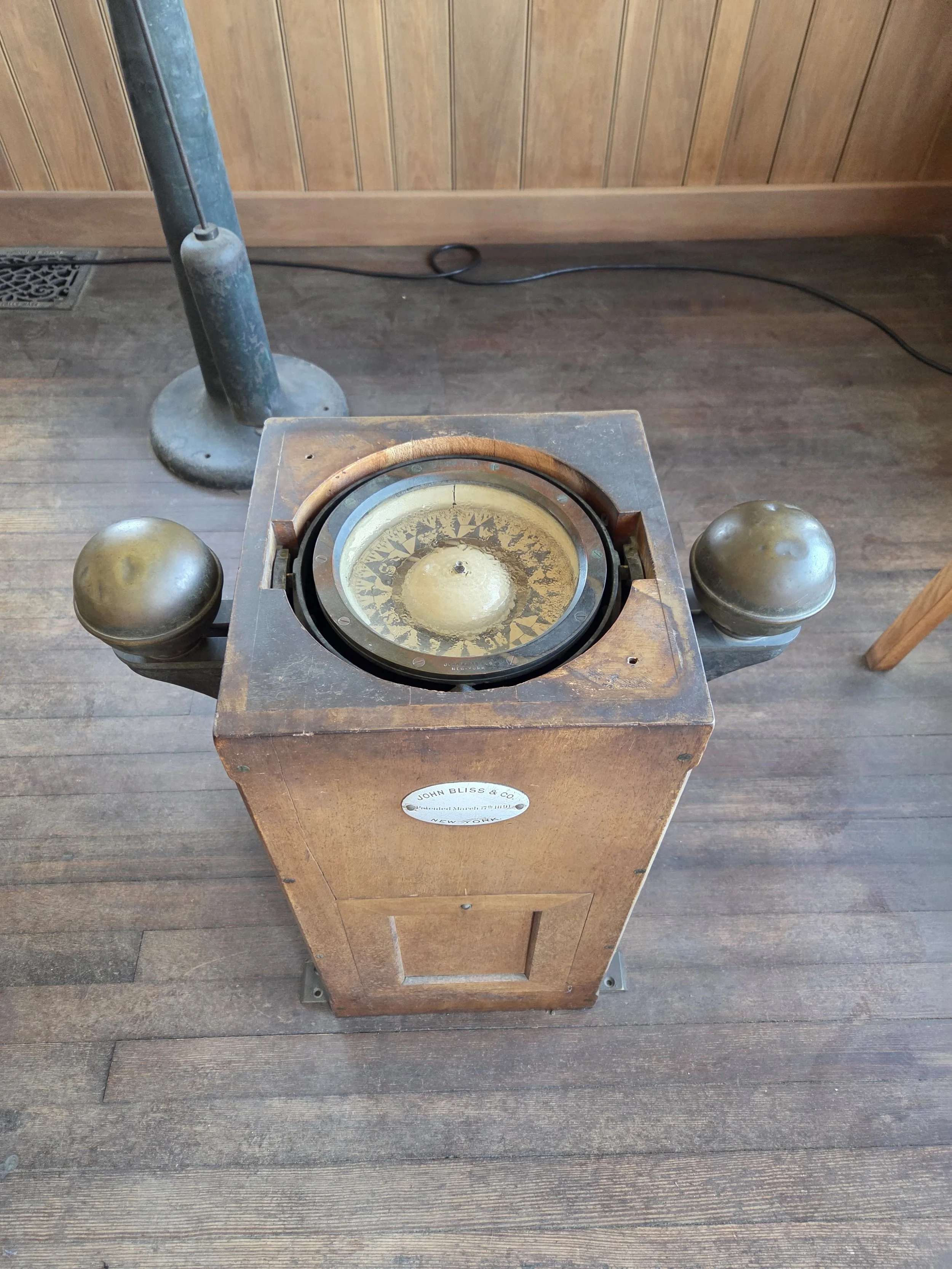
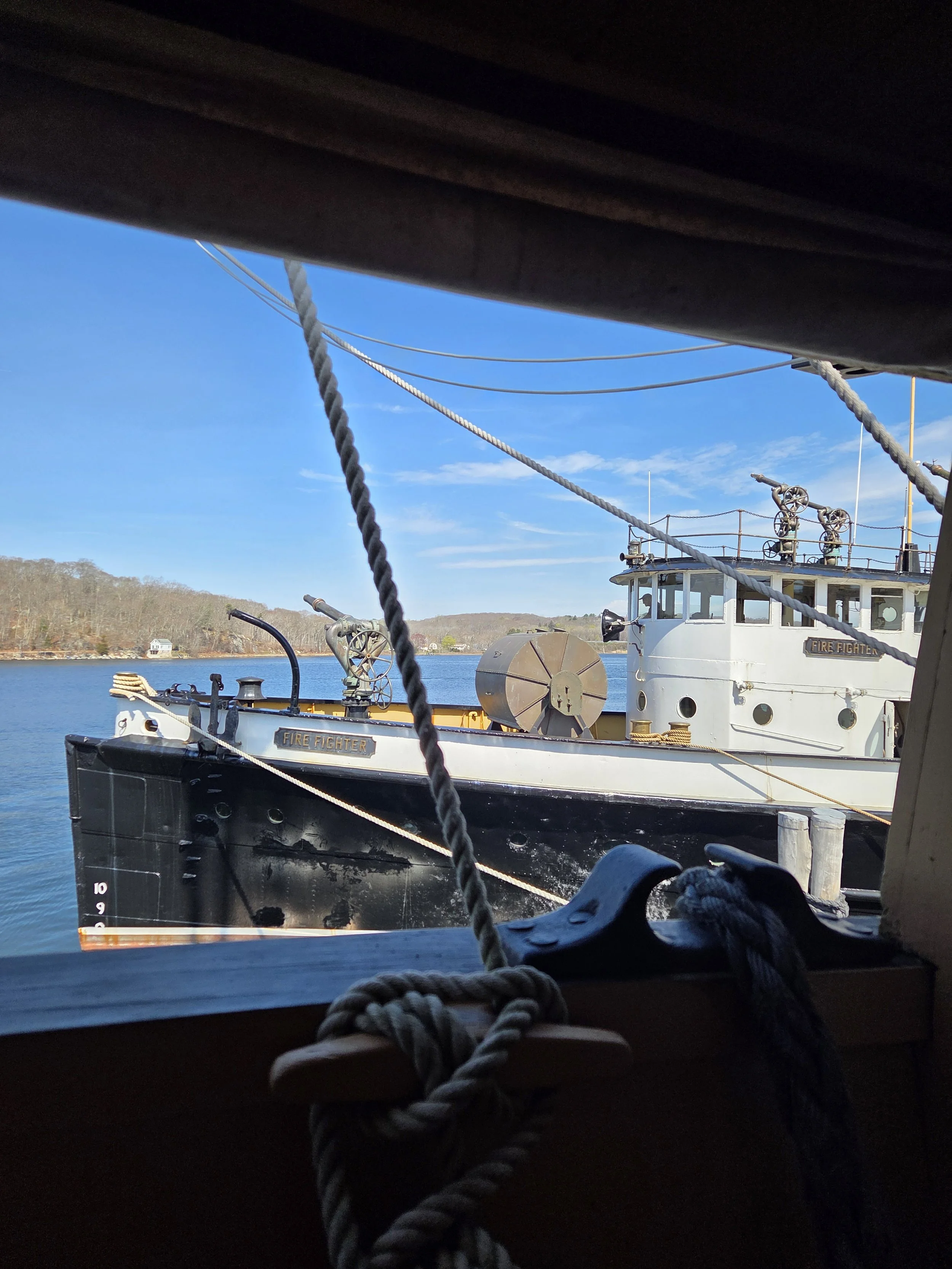
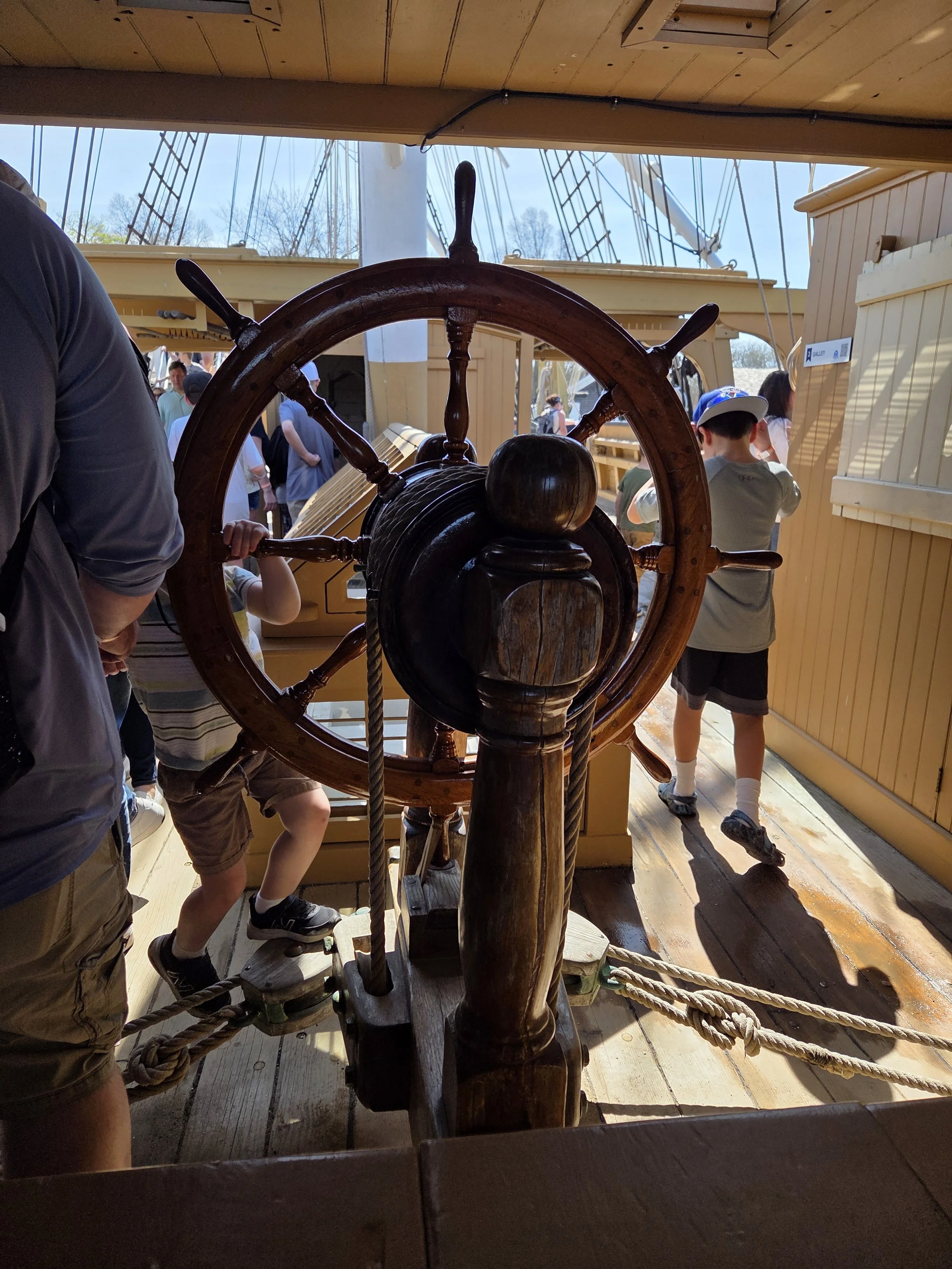
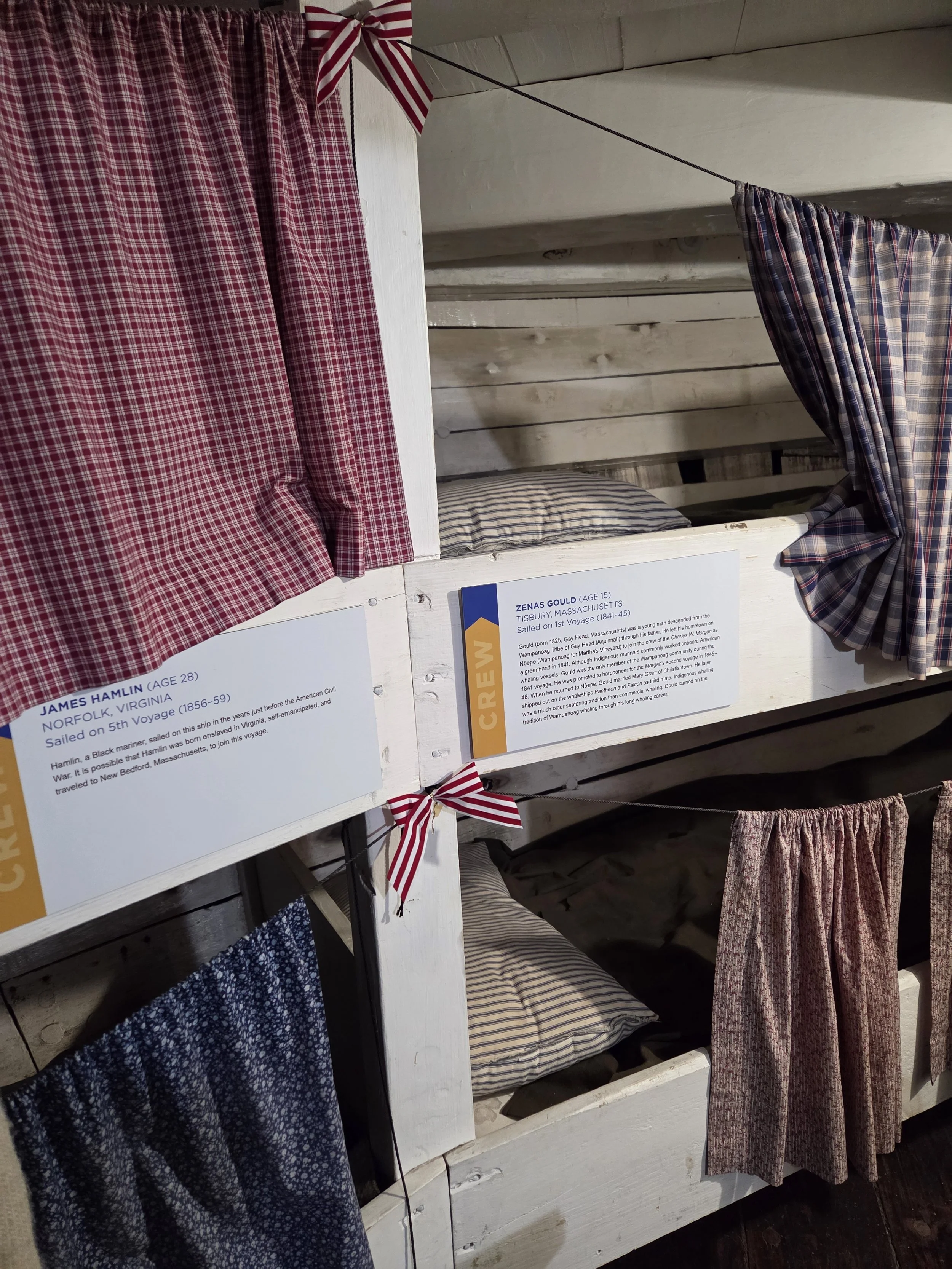
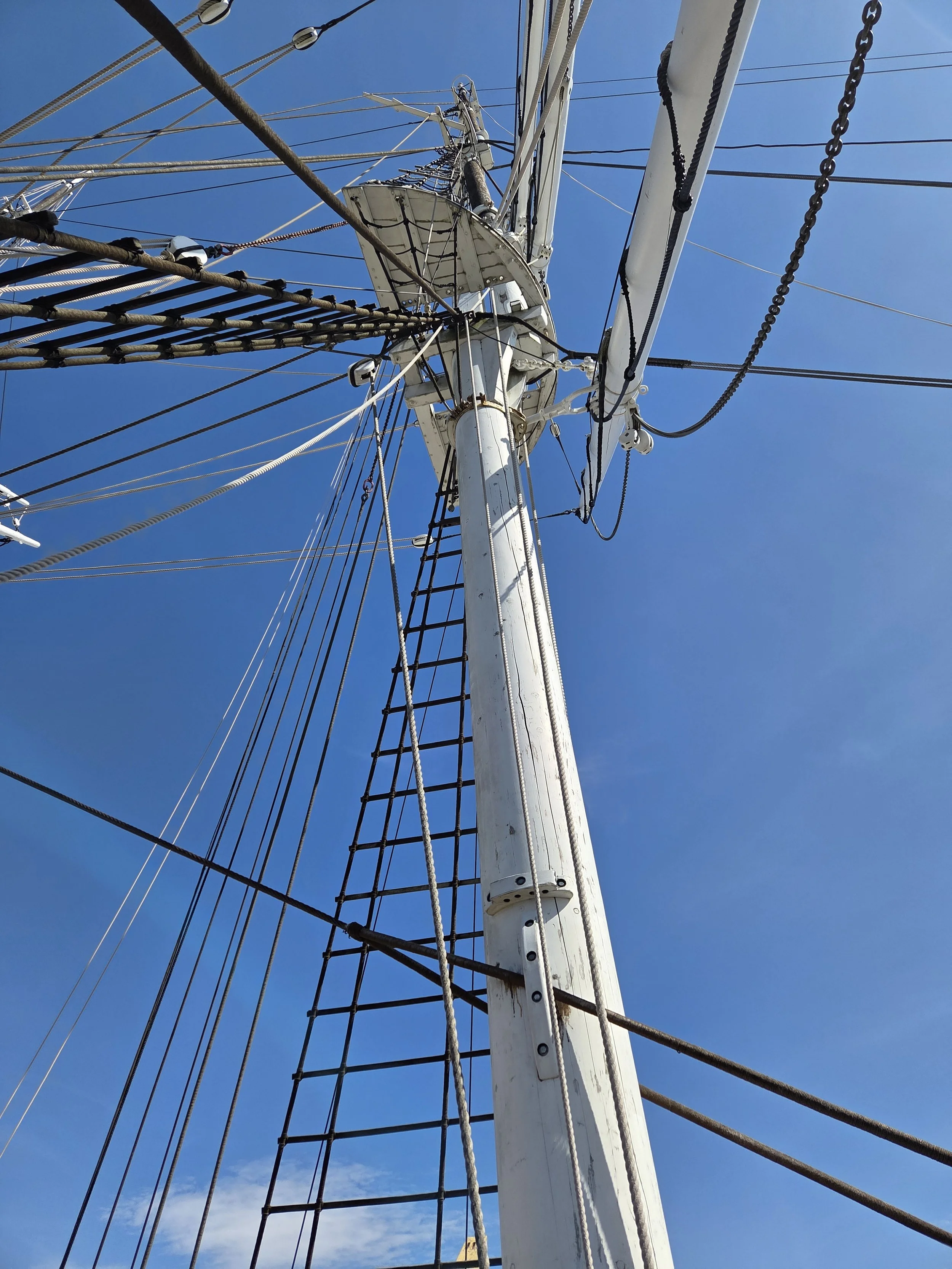
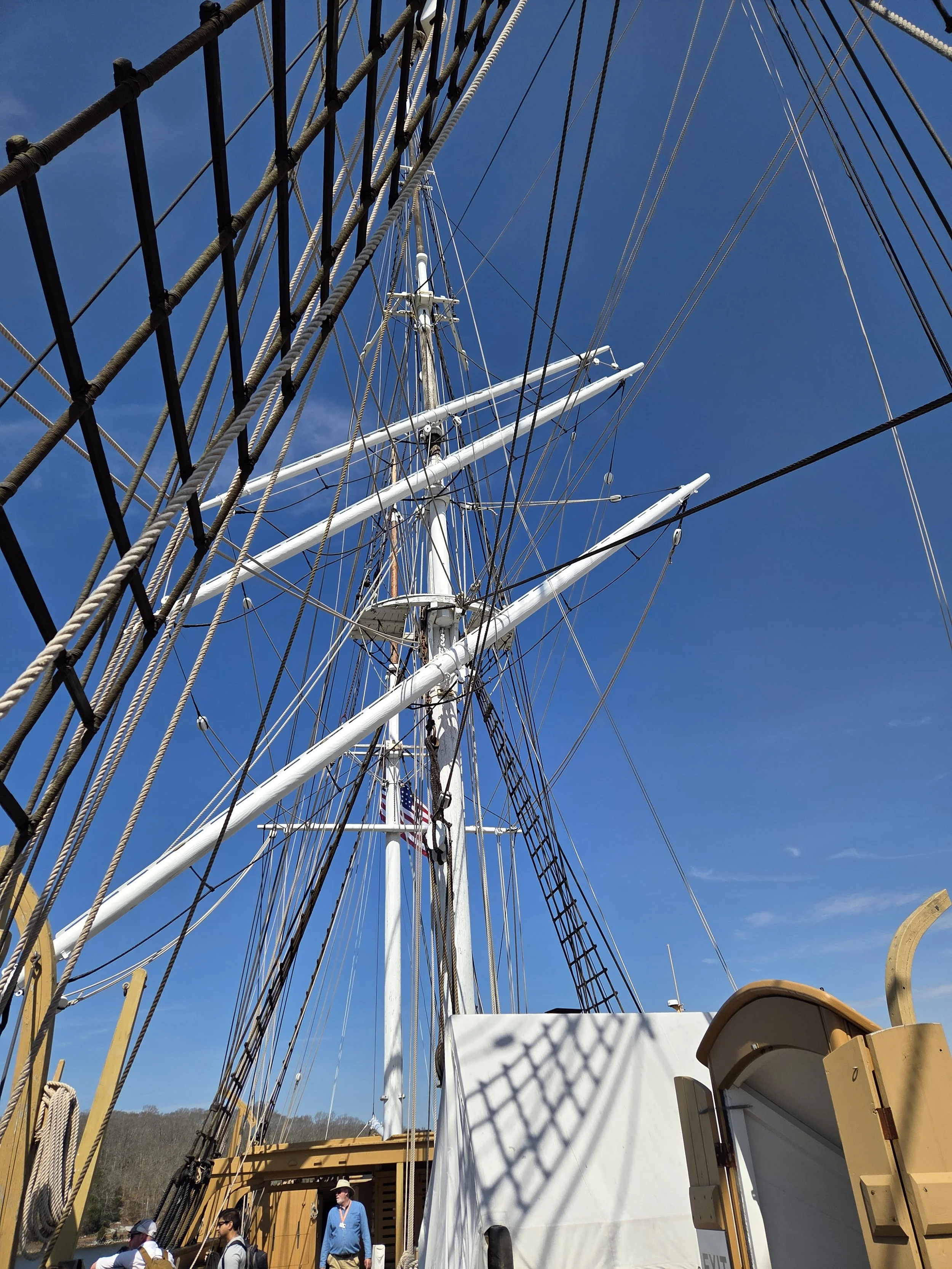
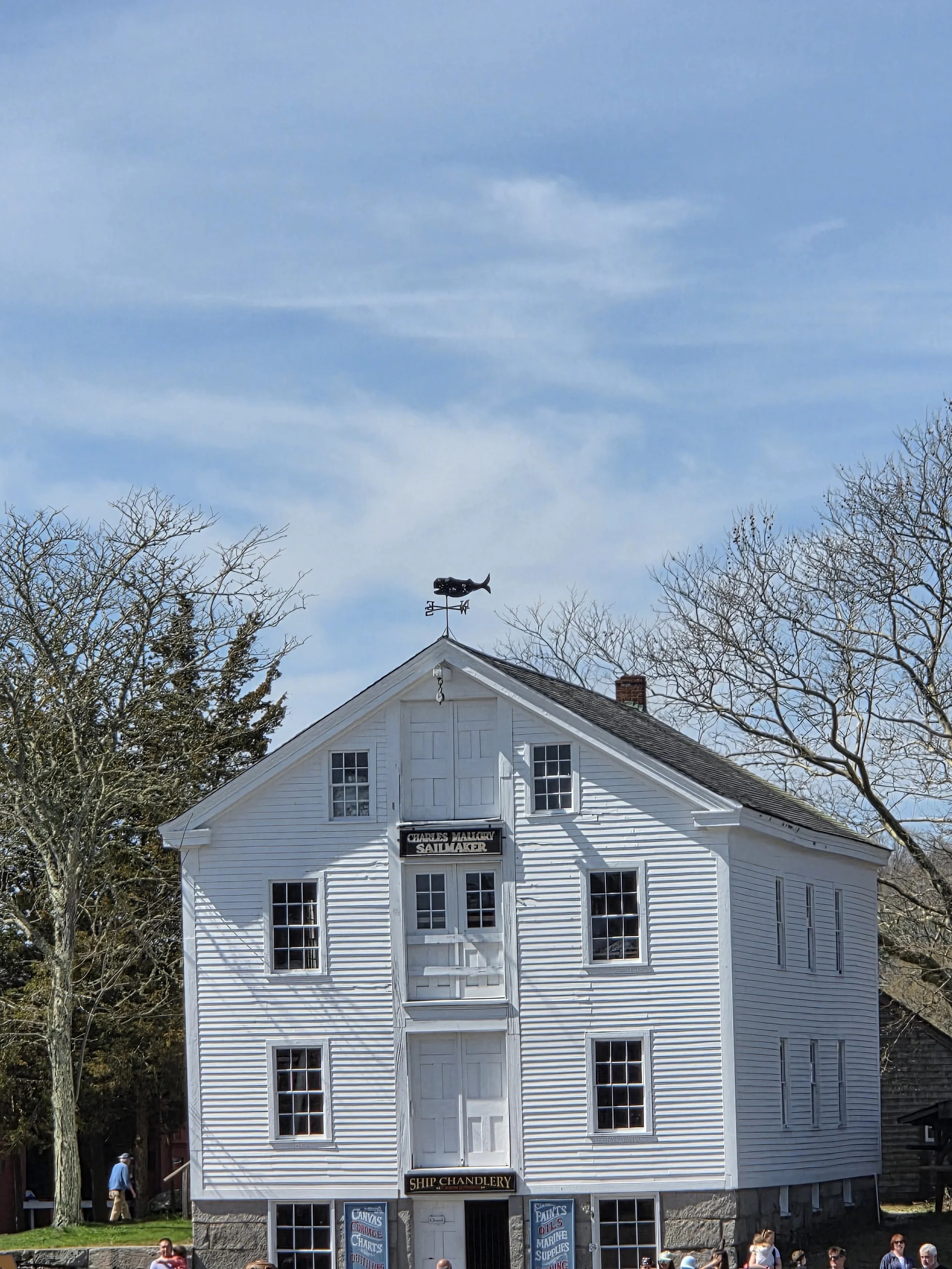
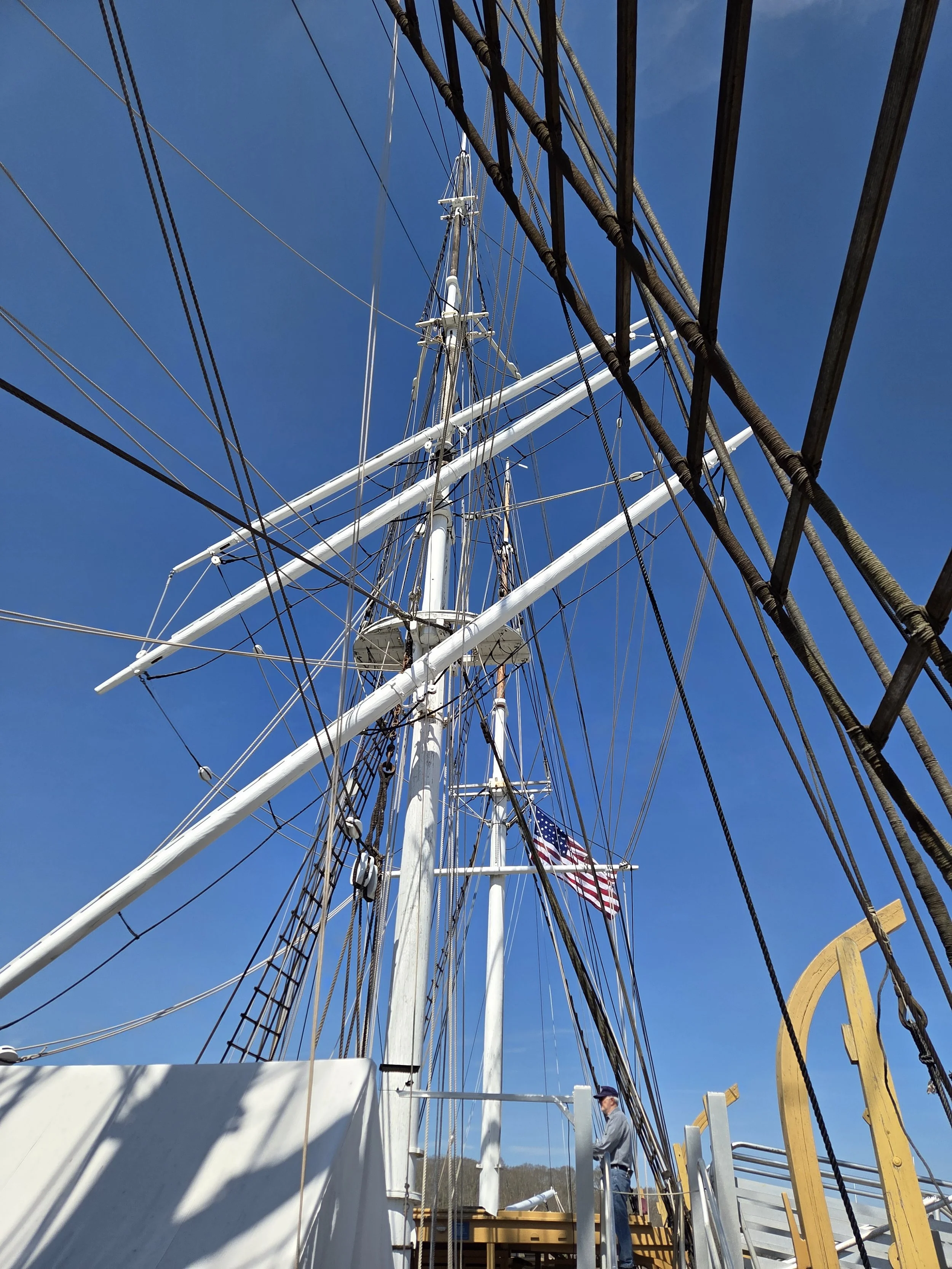
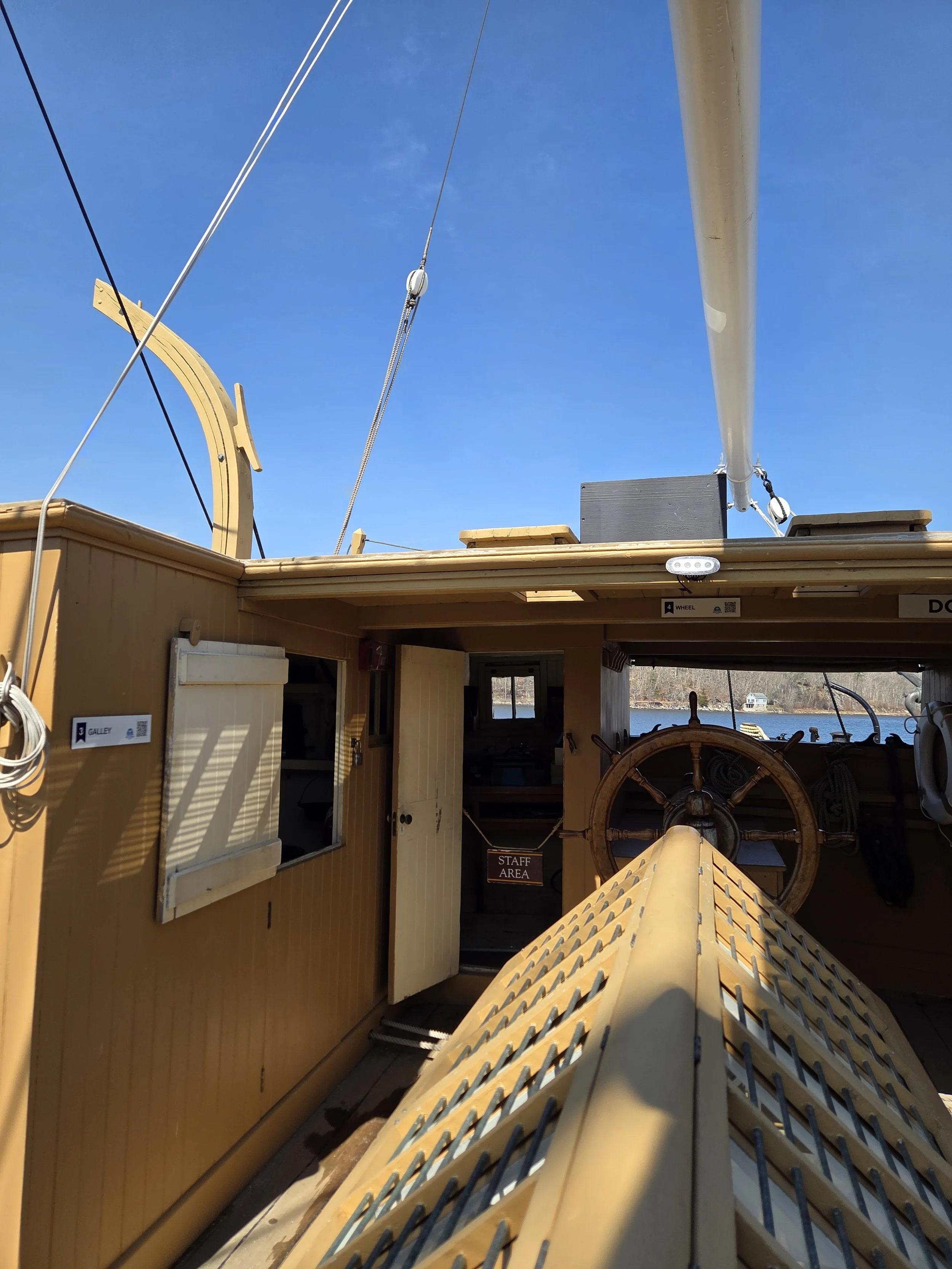
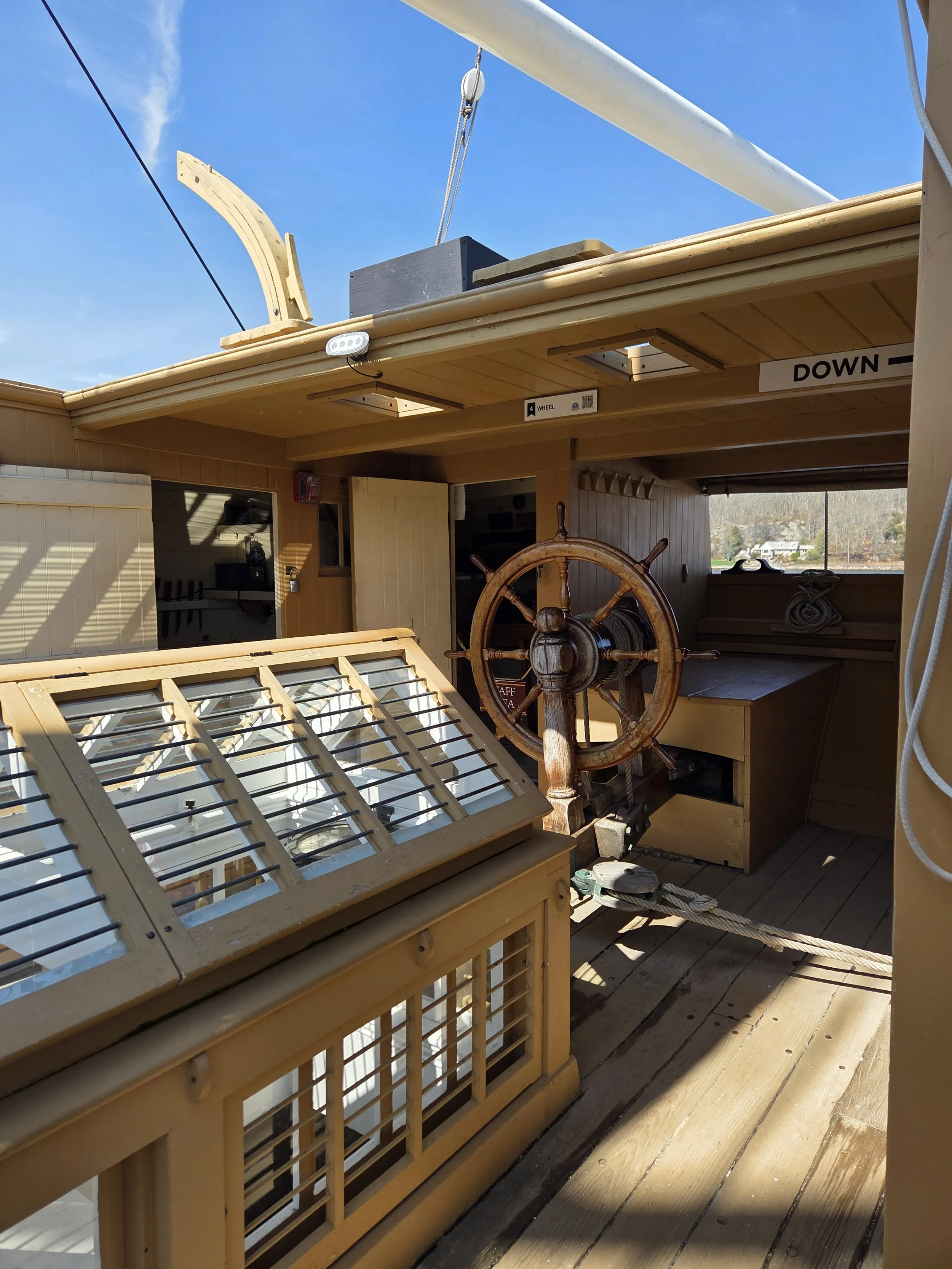
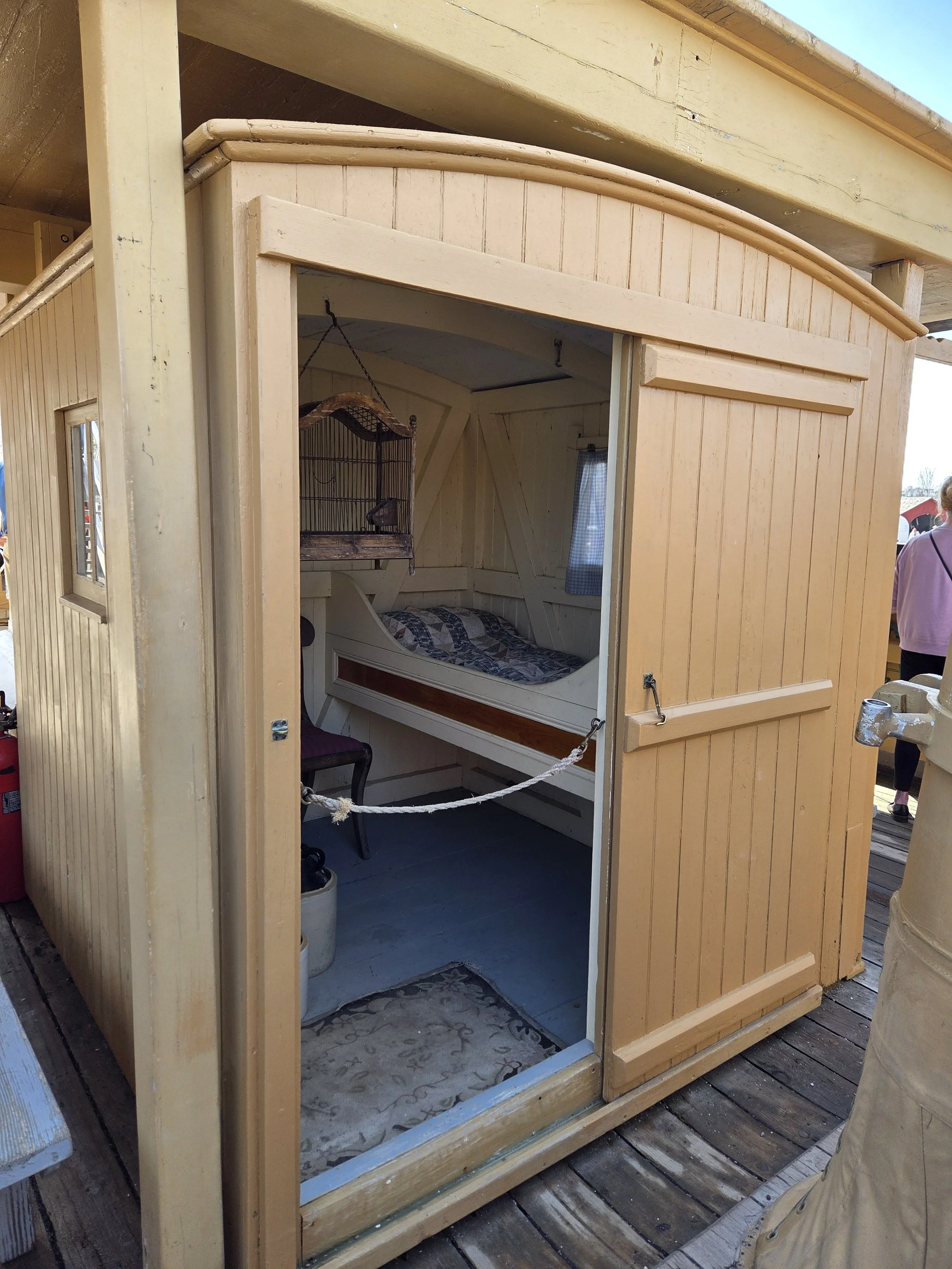
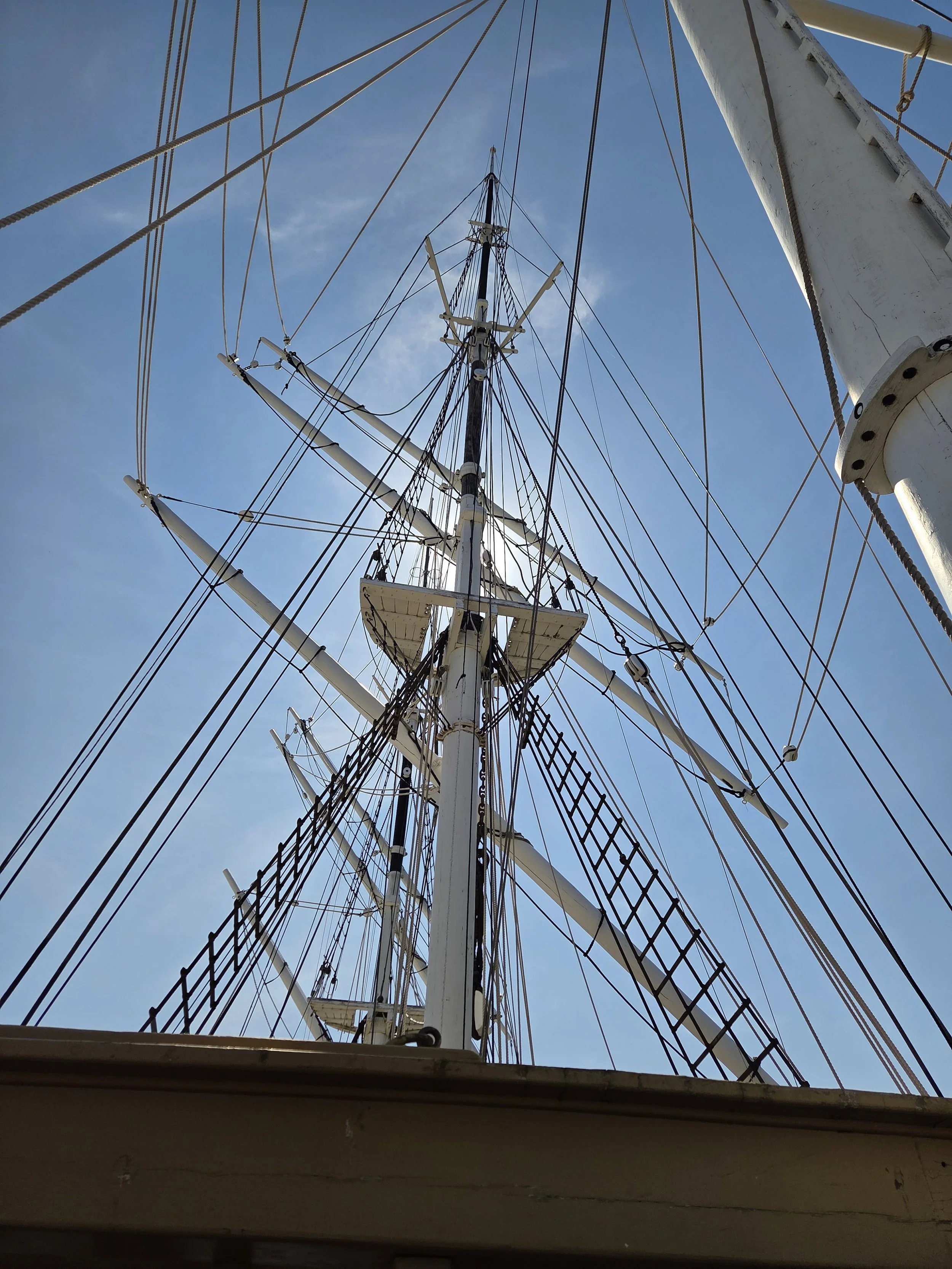
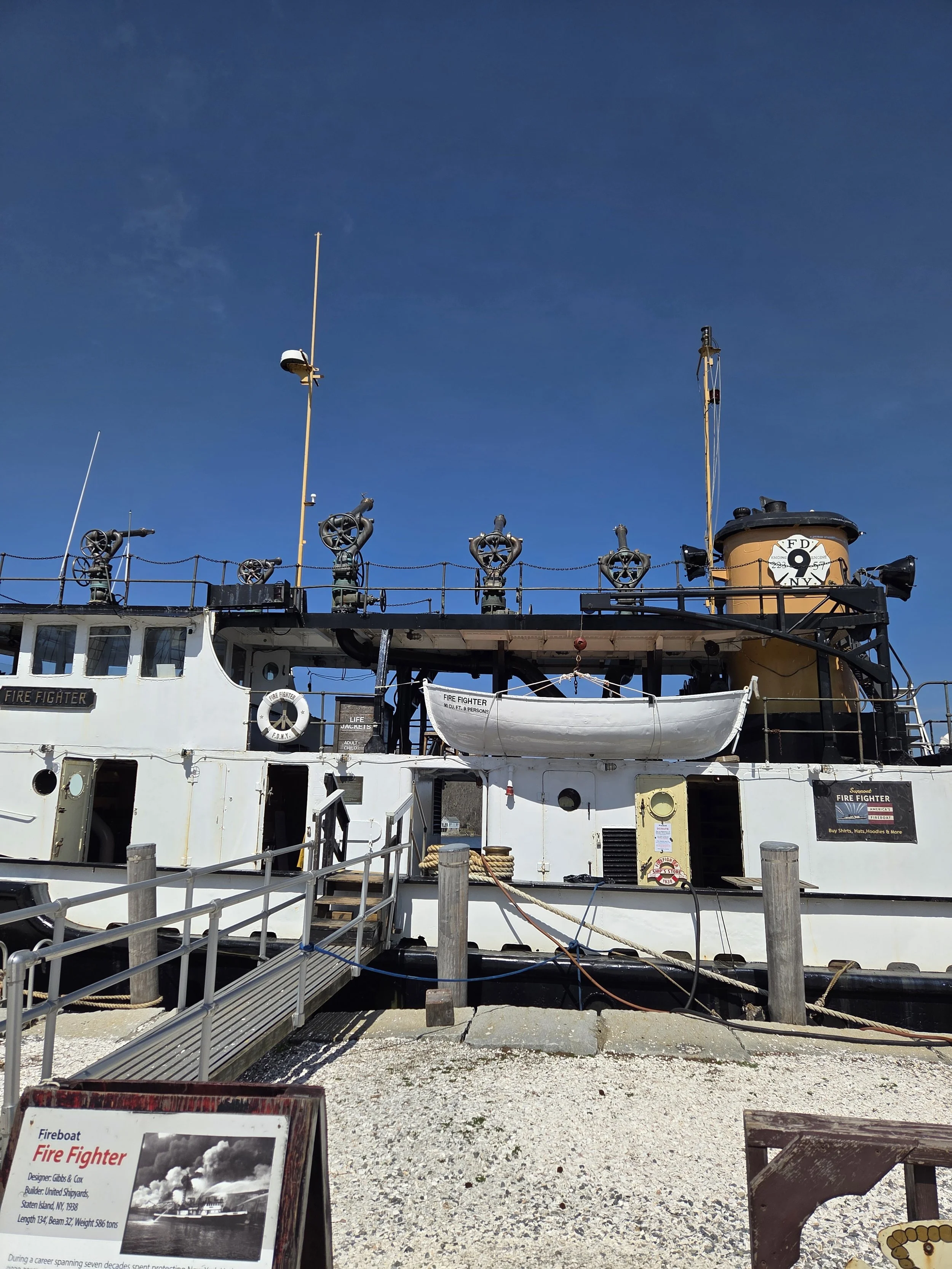
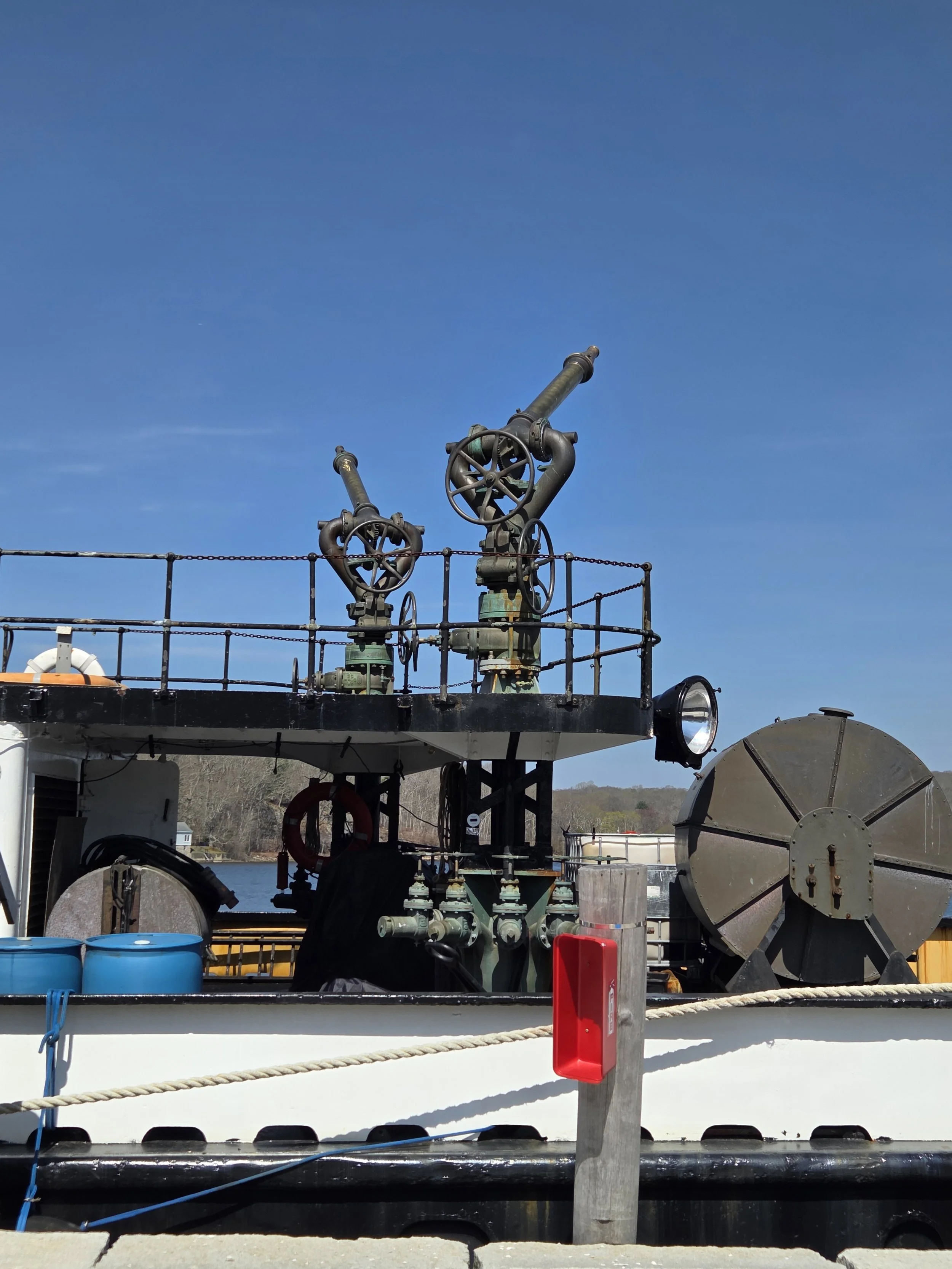
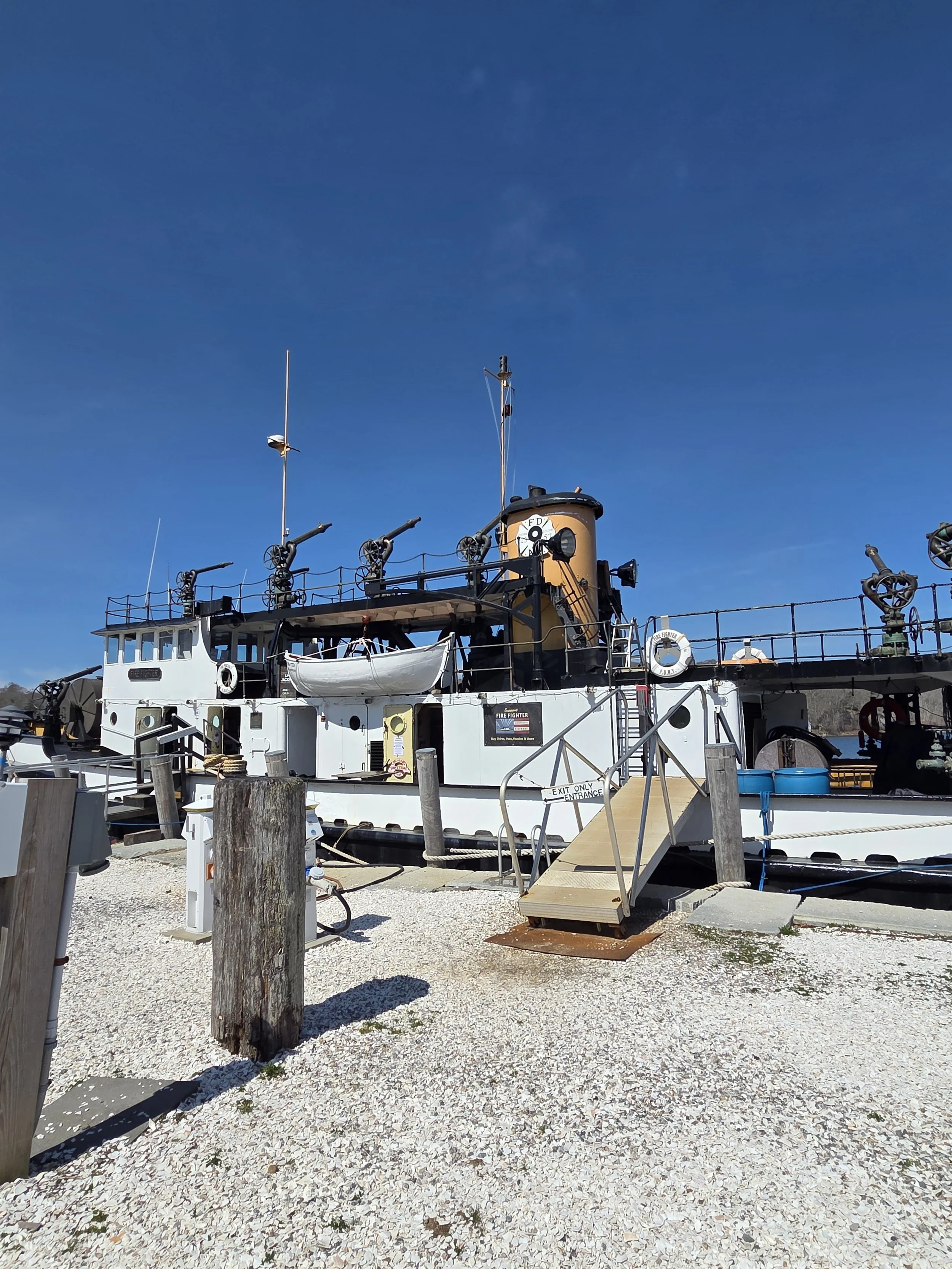
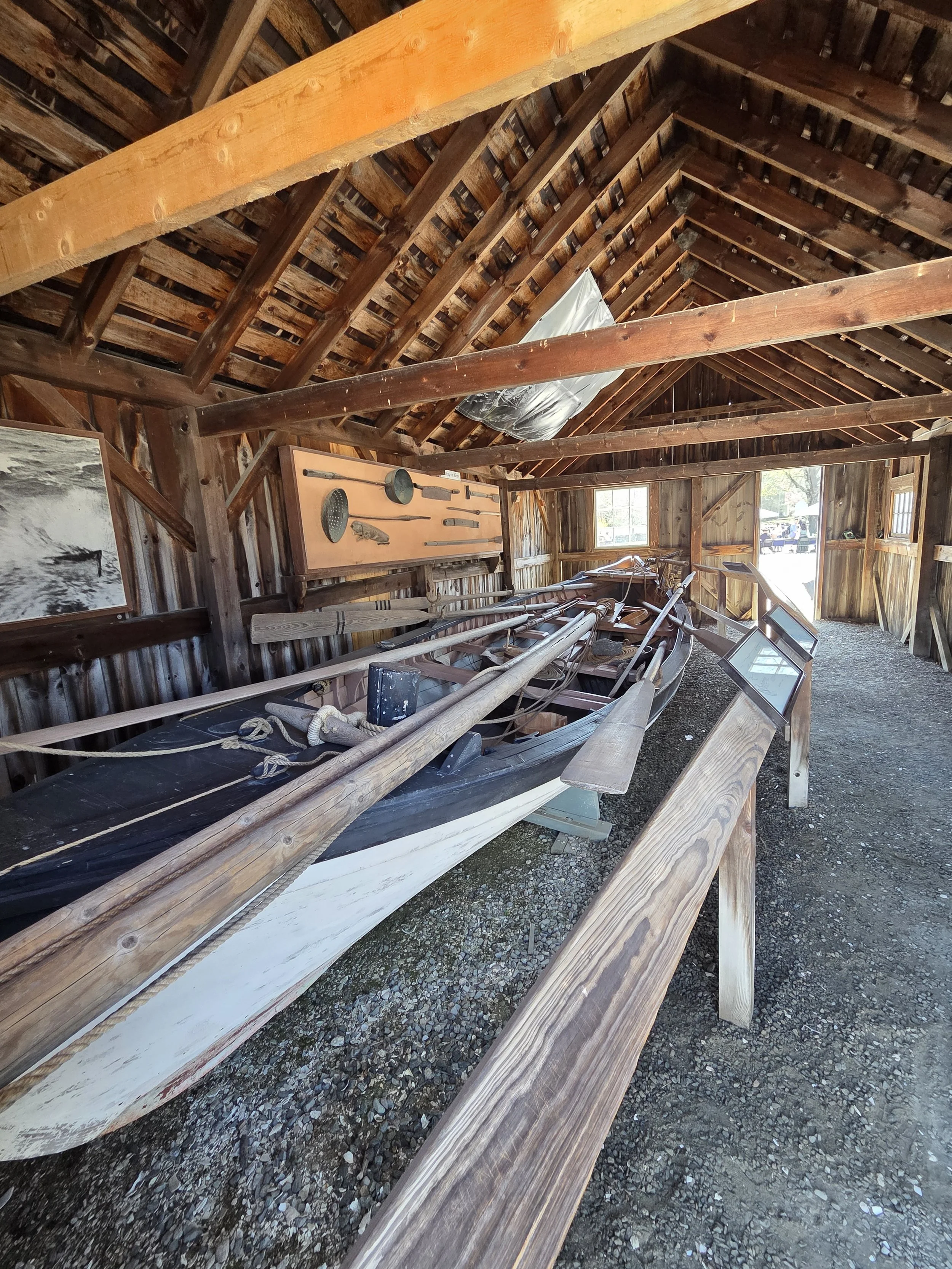
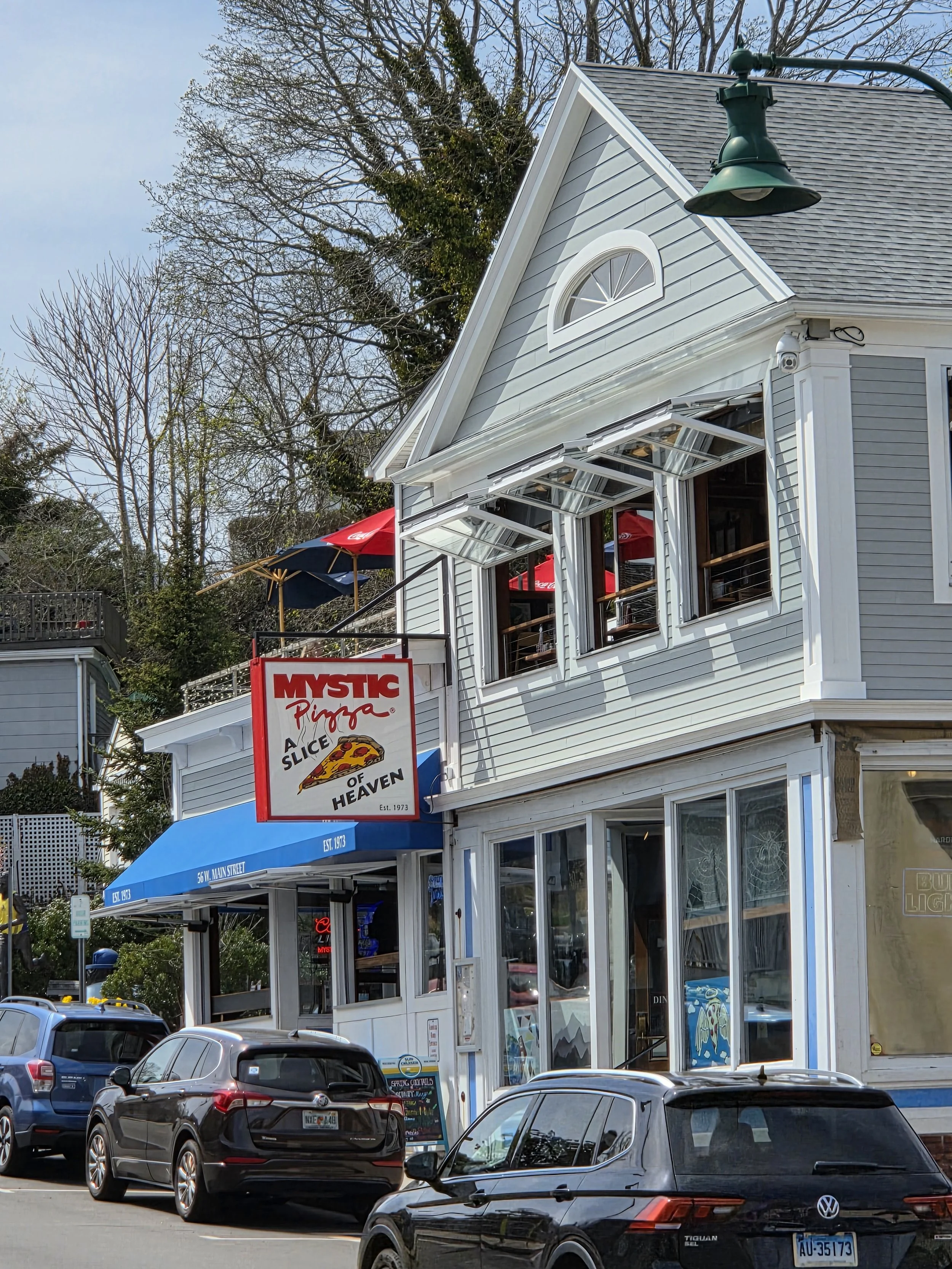
On my second day, I was able to visit Mystic Seaport, the recreated whaling village in Mystic Connecticut. As a kid growing up in Michigan, we would often visit a place called Crossroads Village which was a recreated town centering around life in the area in the late nineteenth/early twentieth century. Mystic Seaport had the same vibe surrounding whaling. One of my favorite things that I noticed was the young female blacksmith who had a shop in a barn, overlooking the ocean once the huge doors were thrown open. I asked her if she was a volunteer or a paid staff member and she smiled and said that she was a full time paid staff member and this was her office. What a cool job in an amazing location!
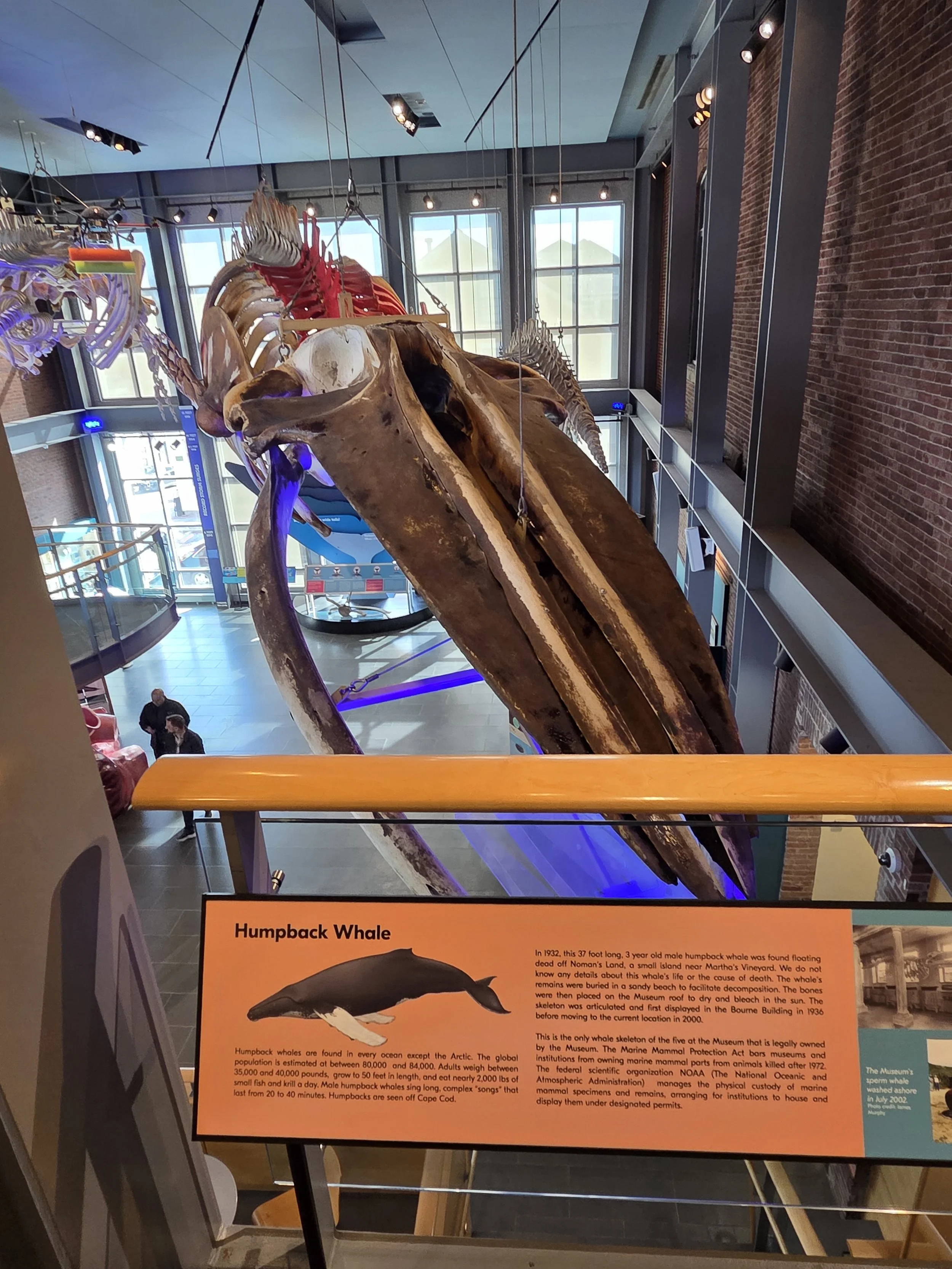
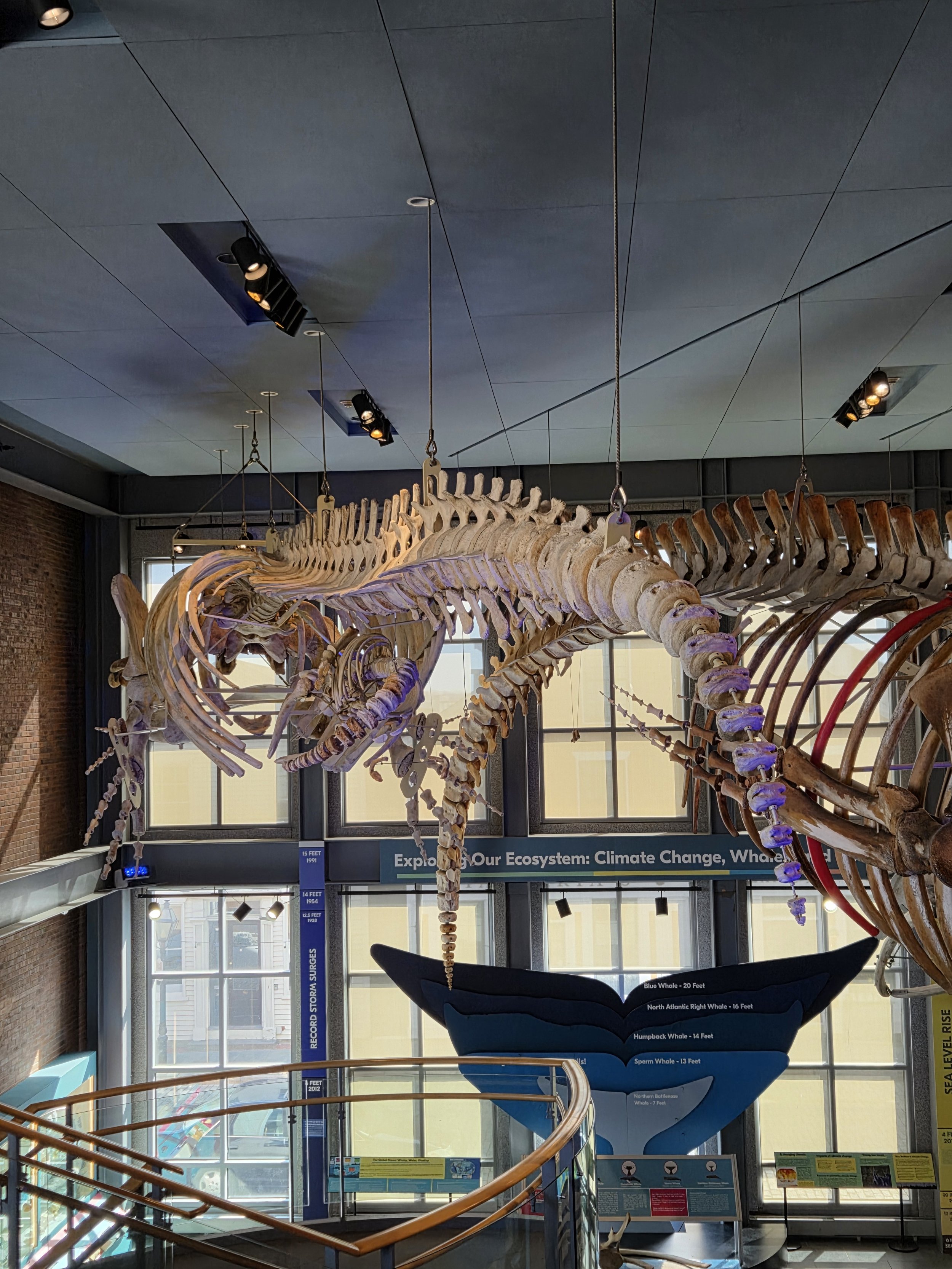
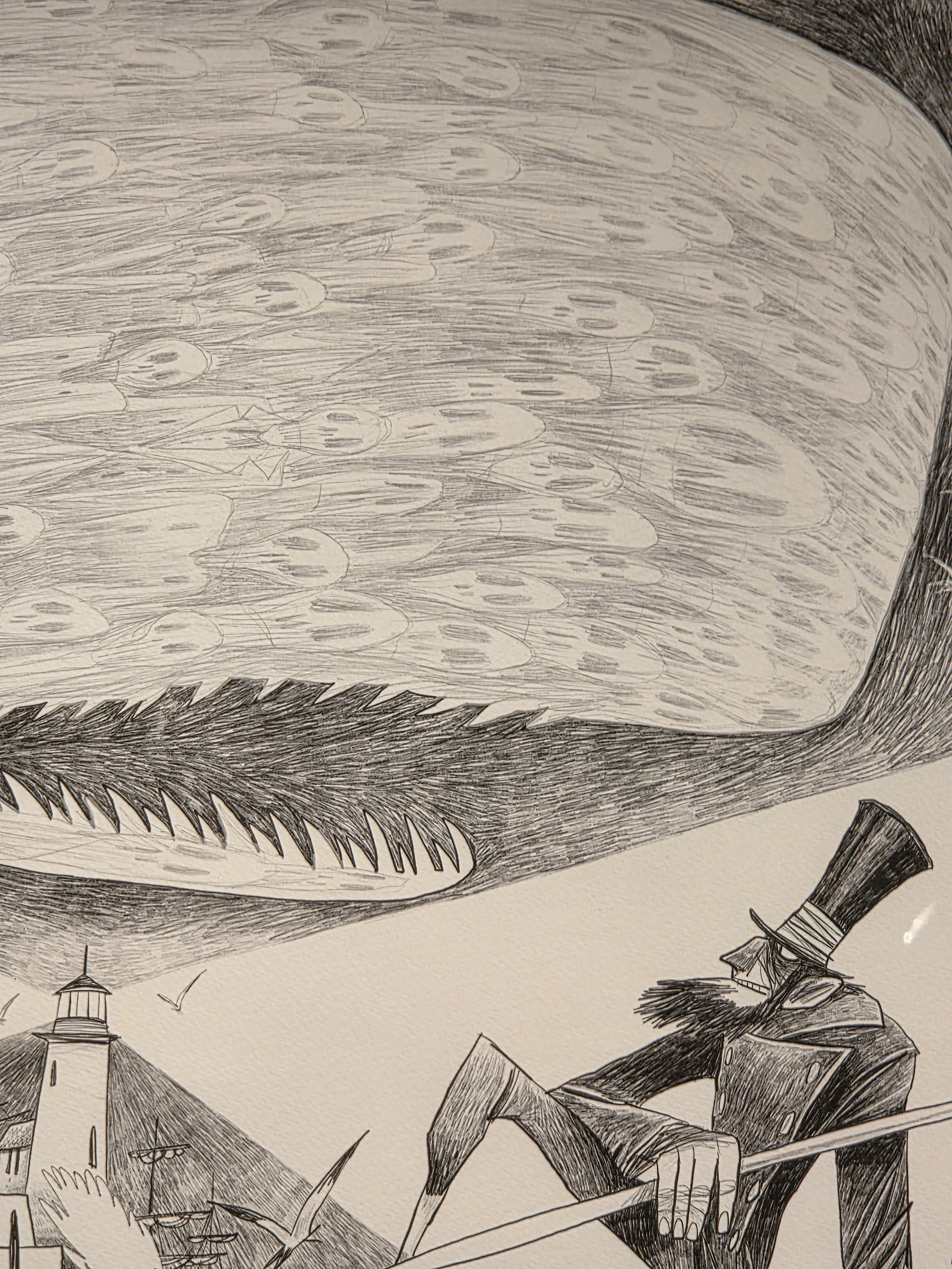
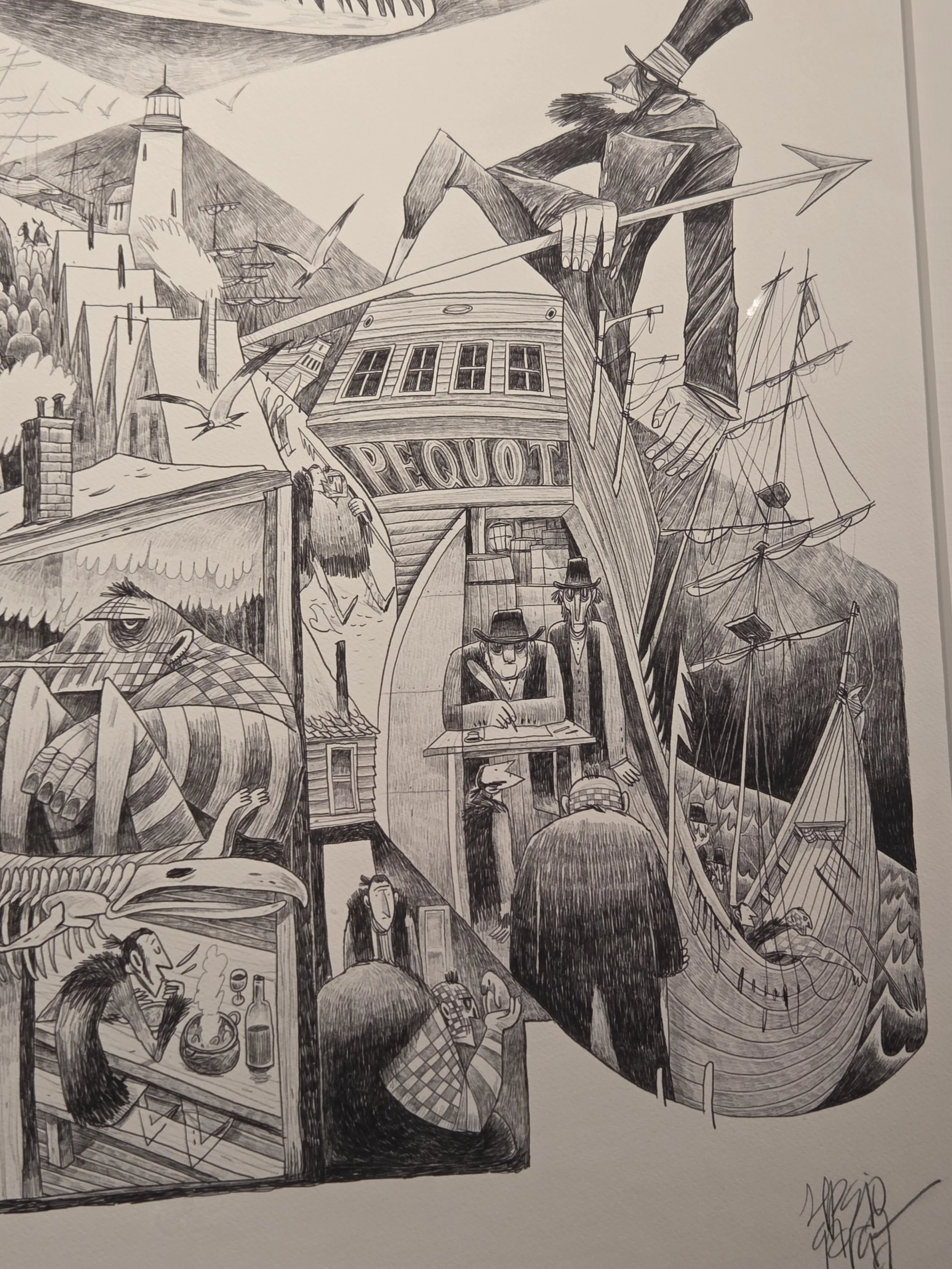
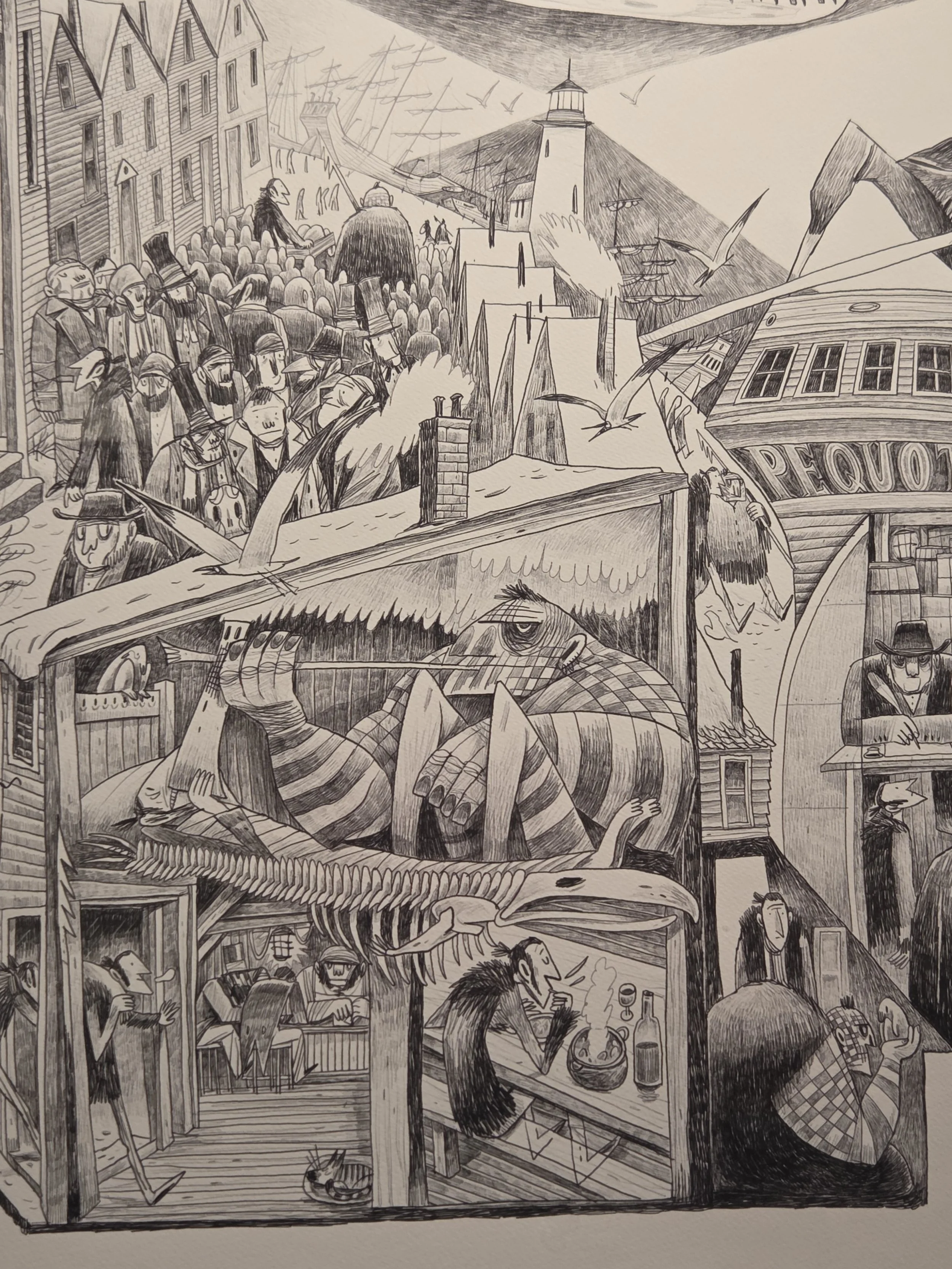
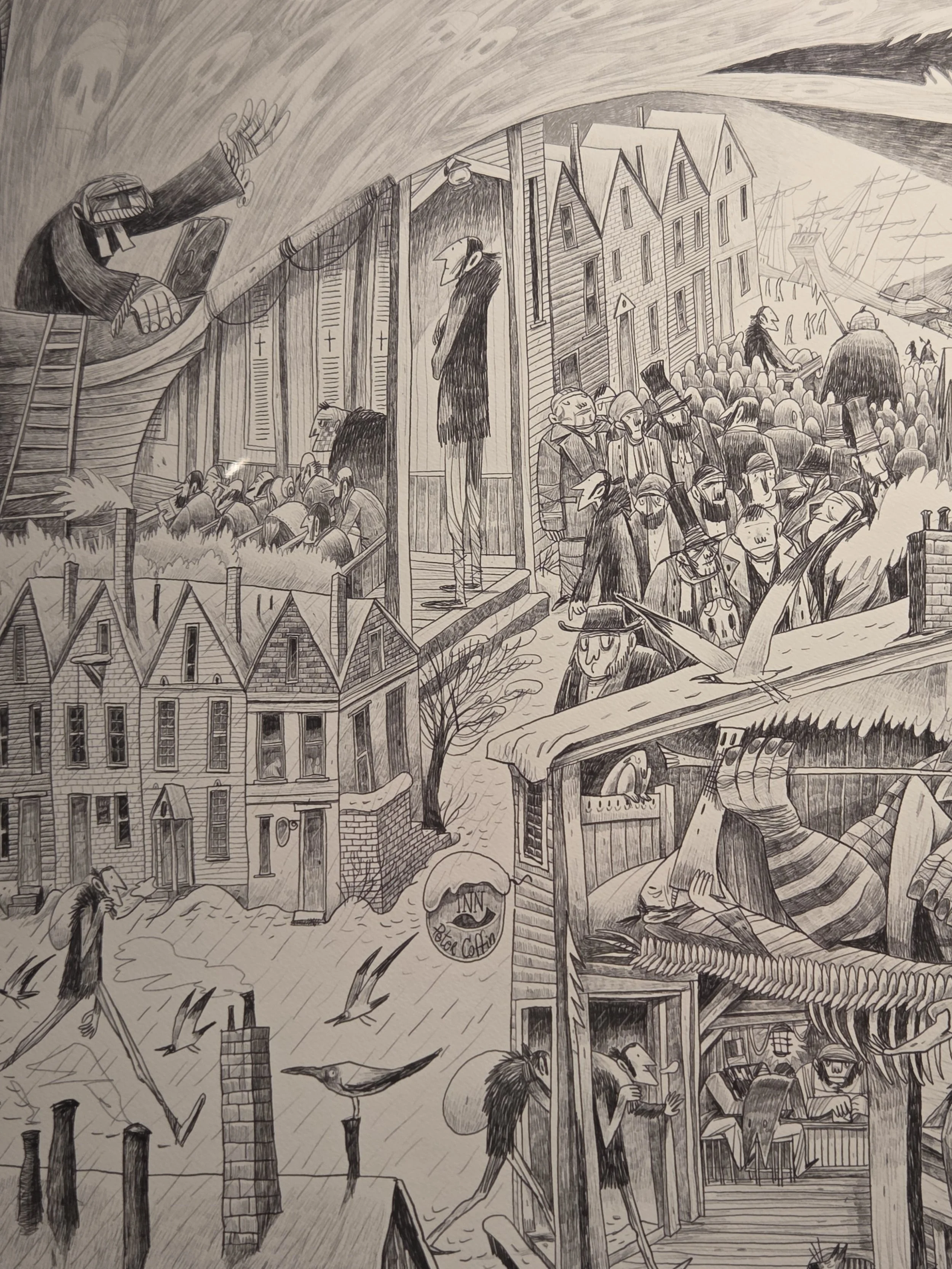
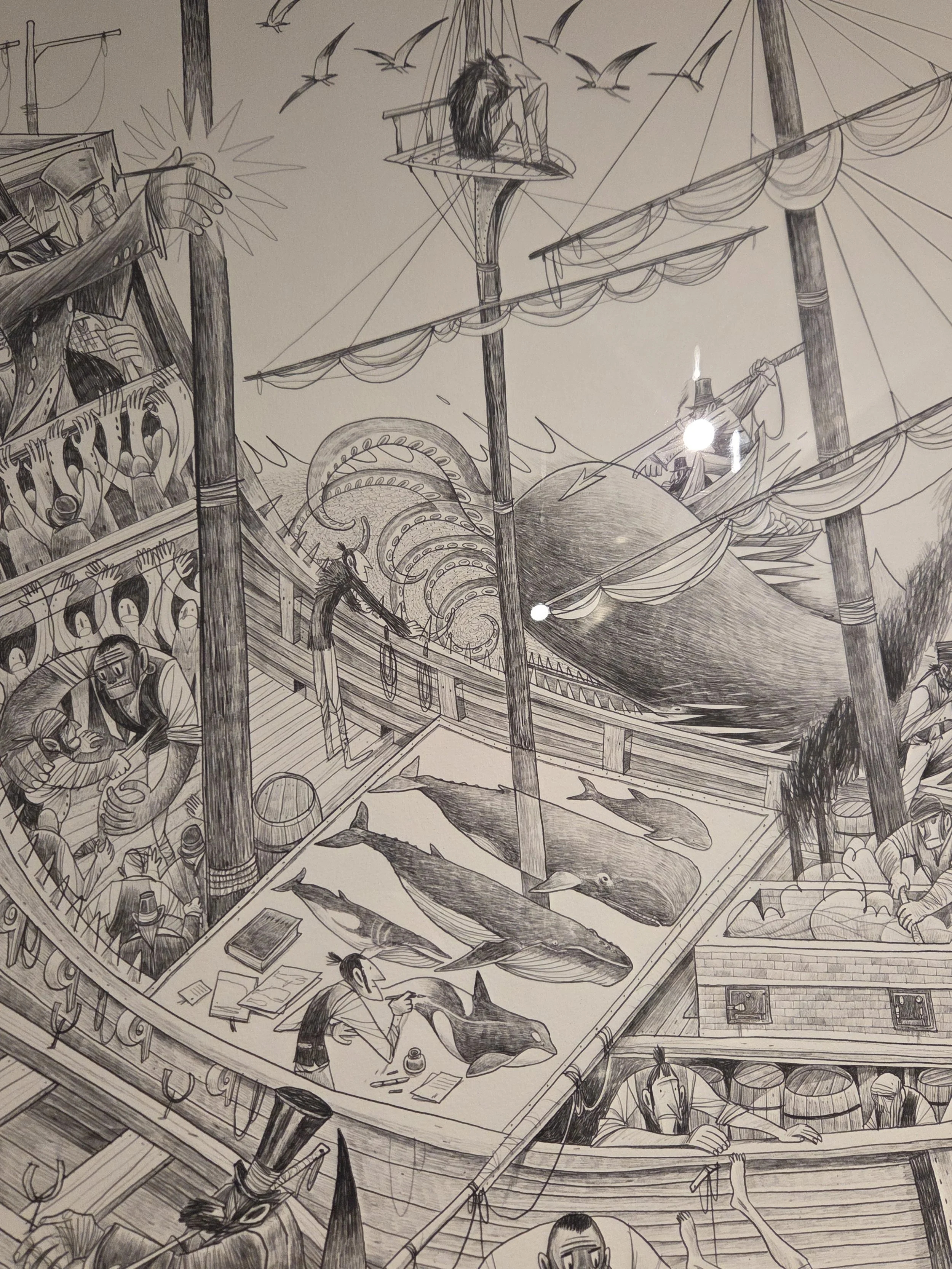
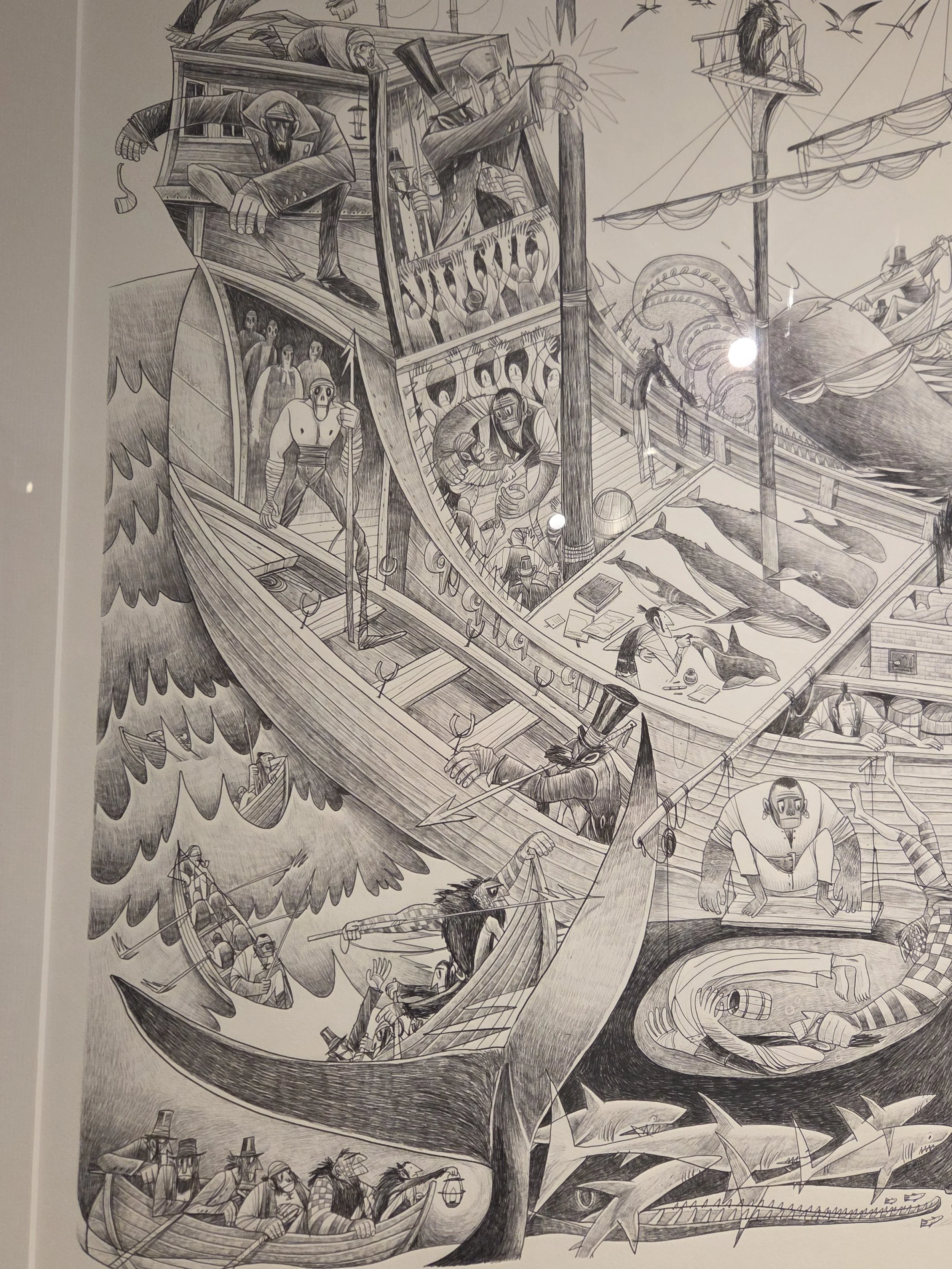
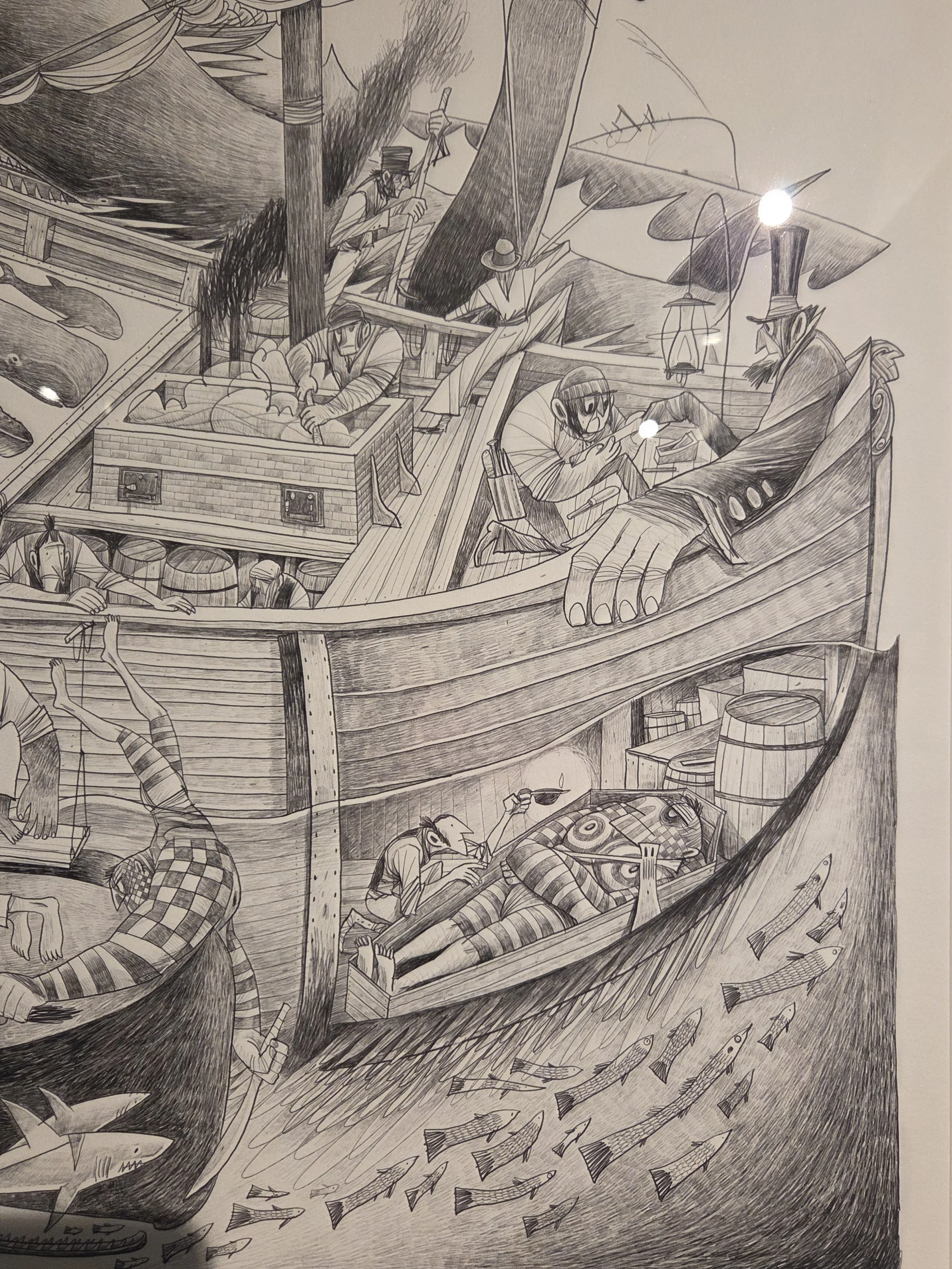
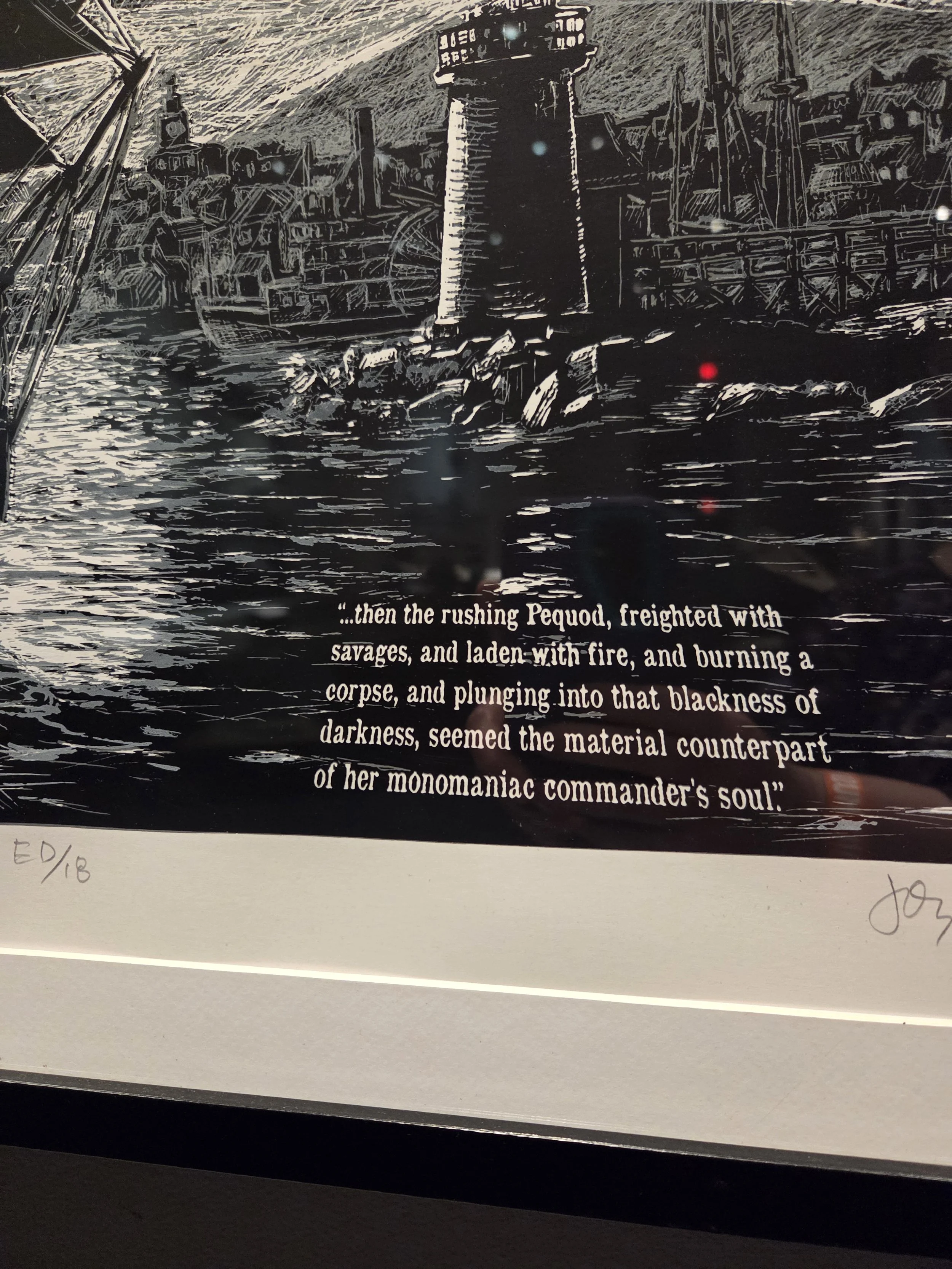
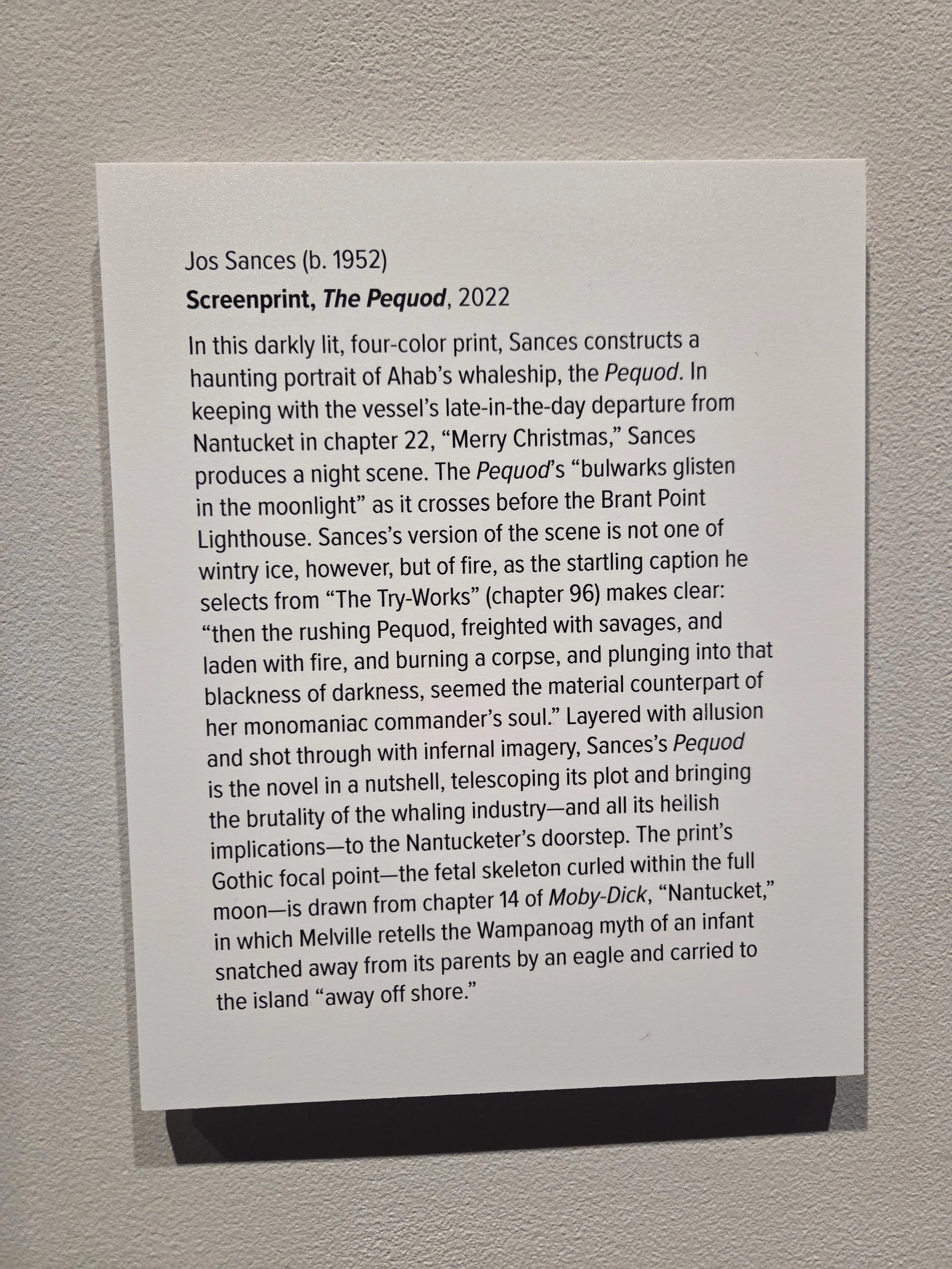
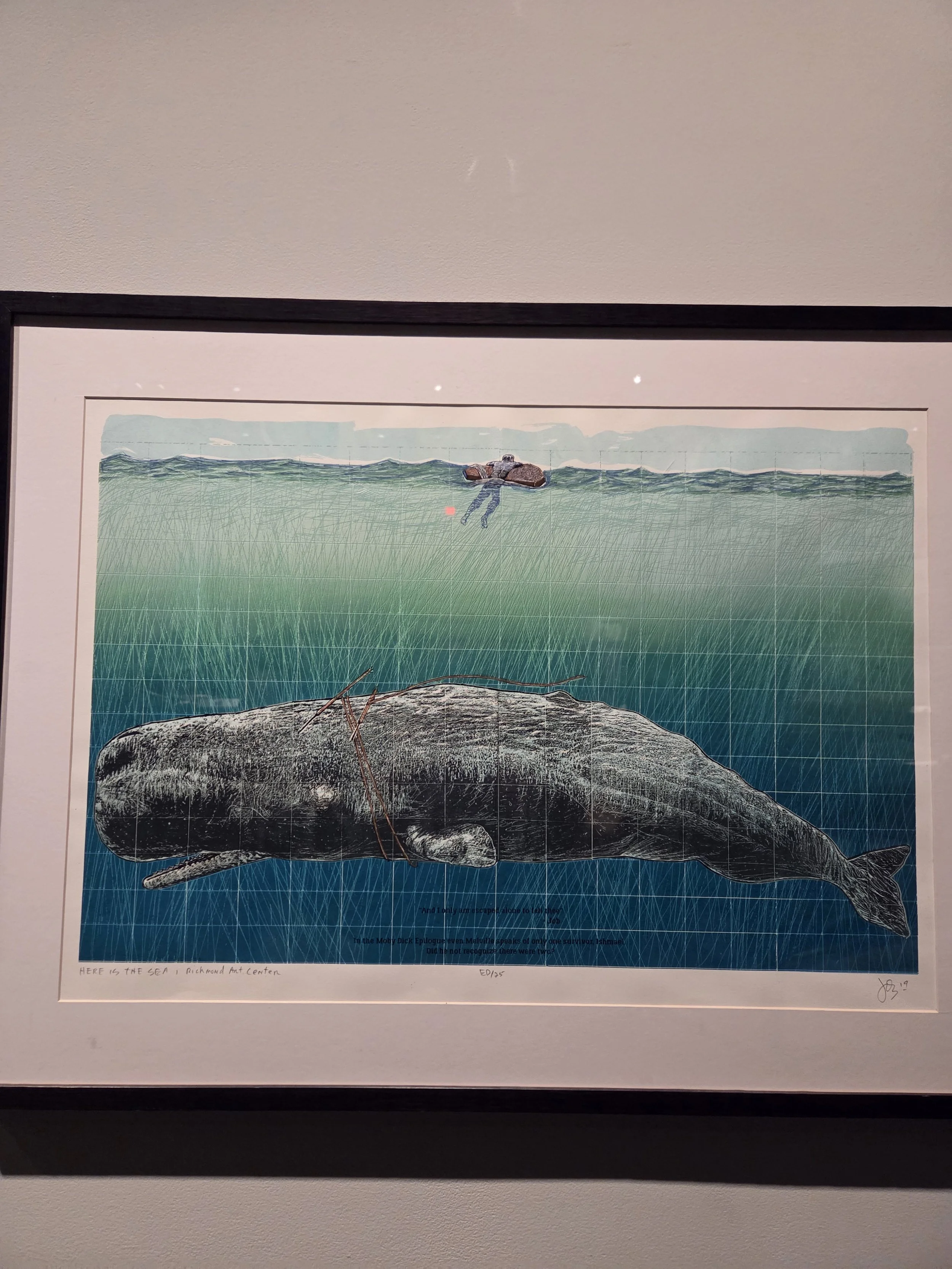
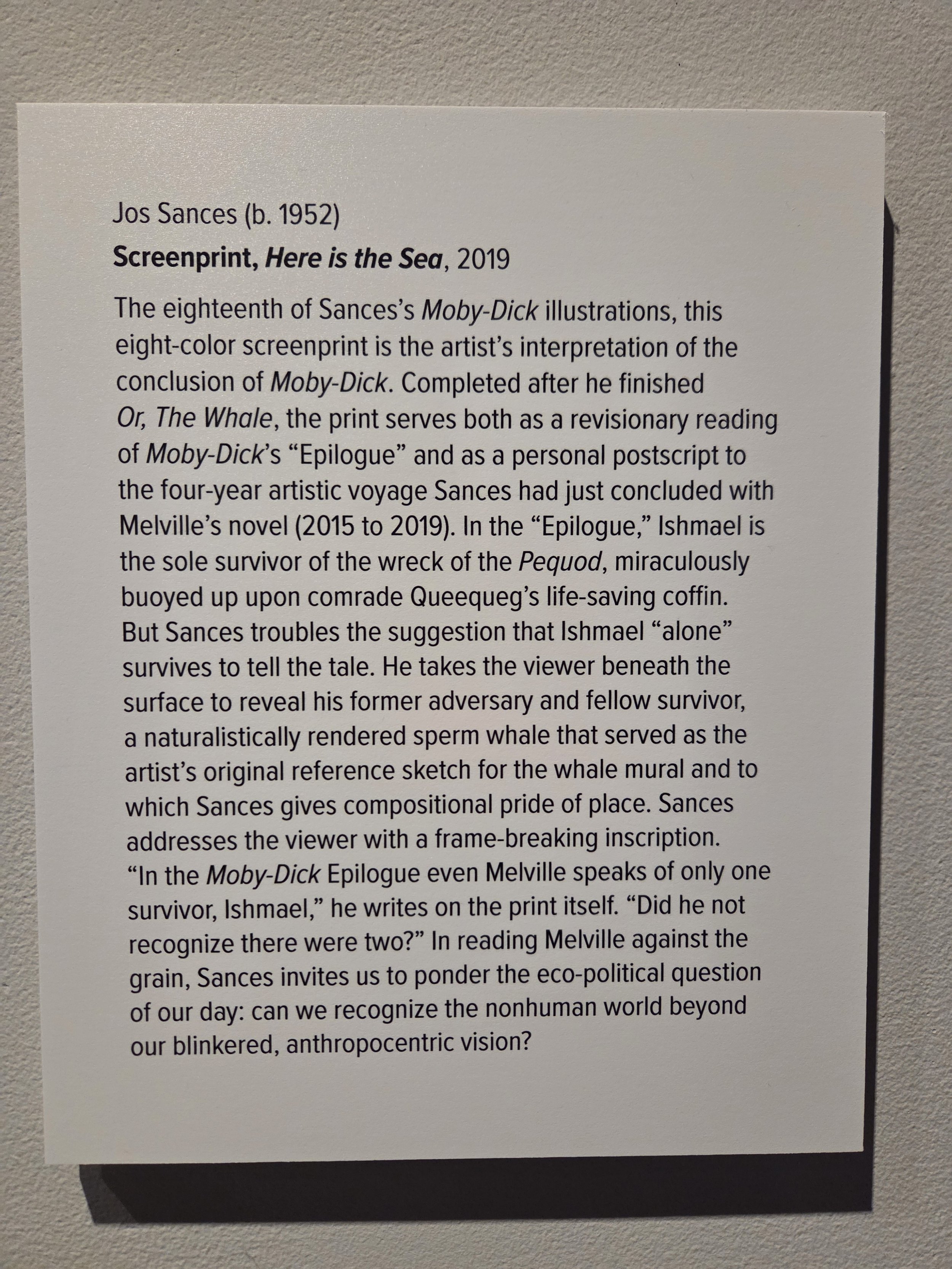
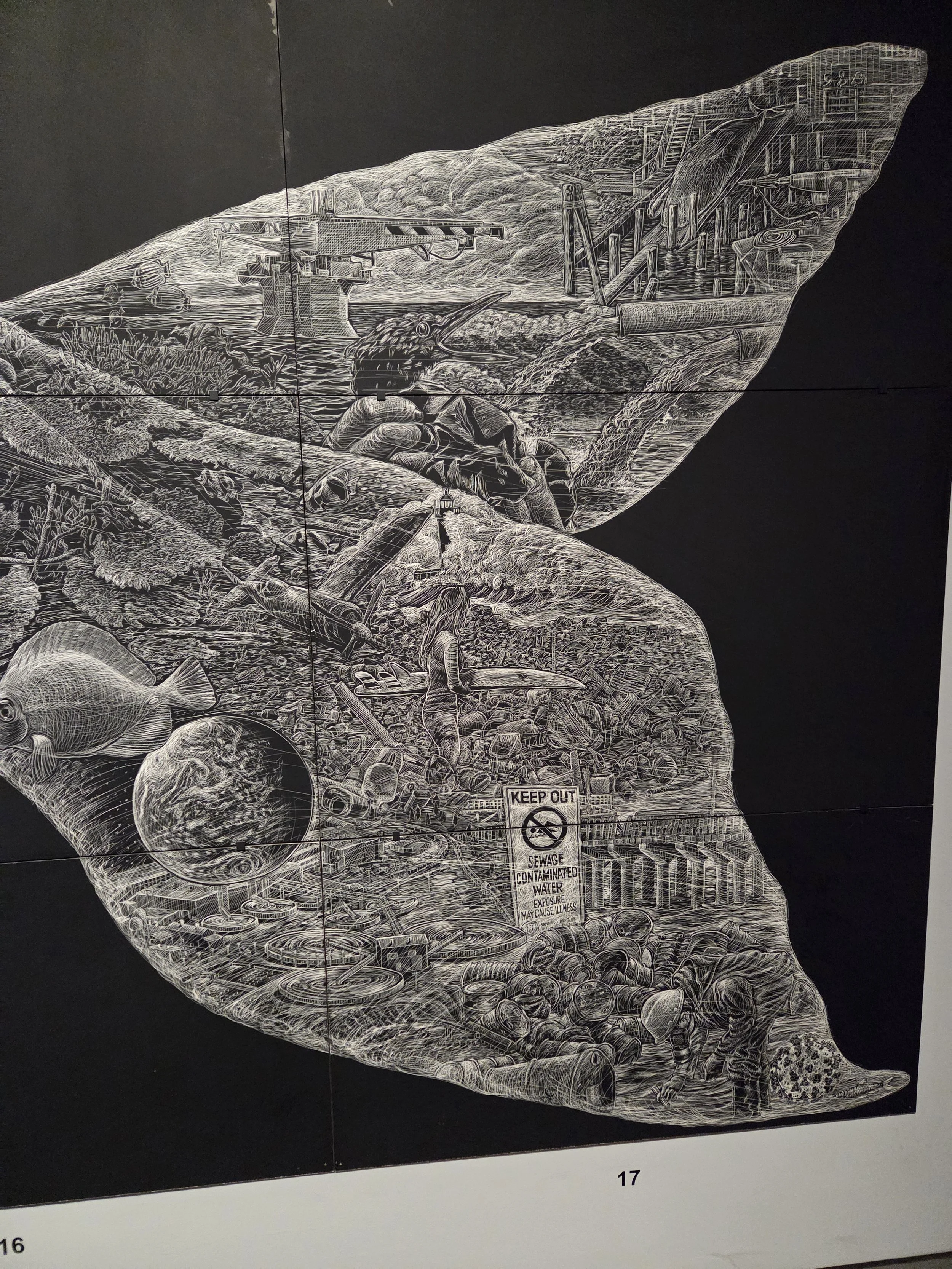
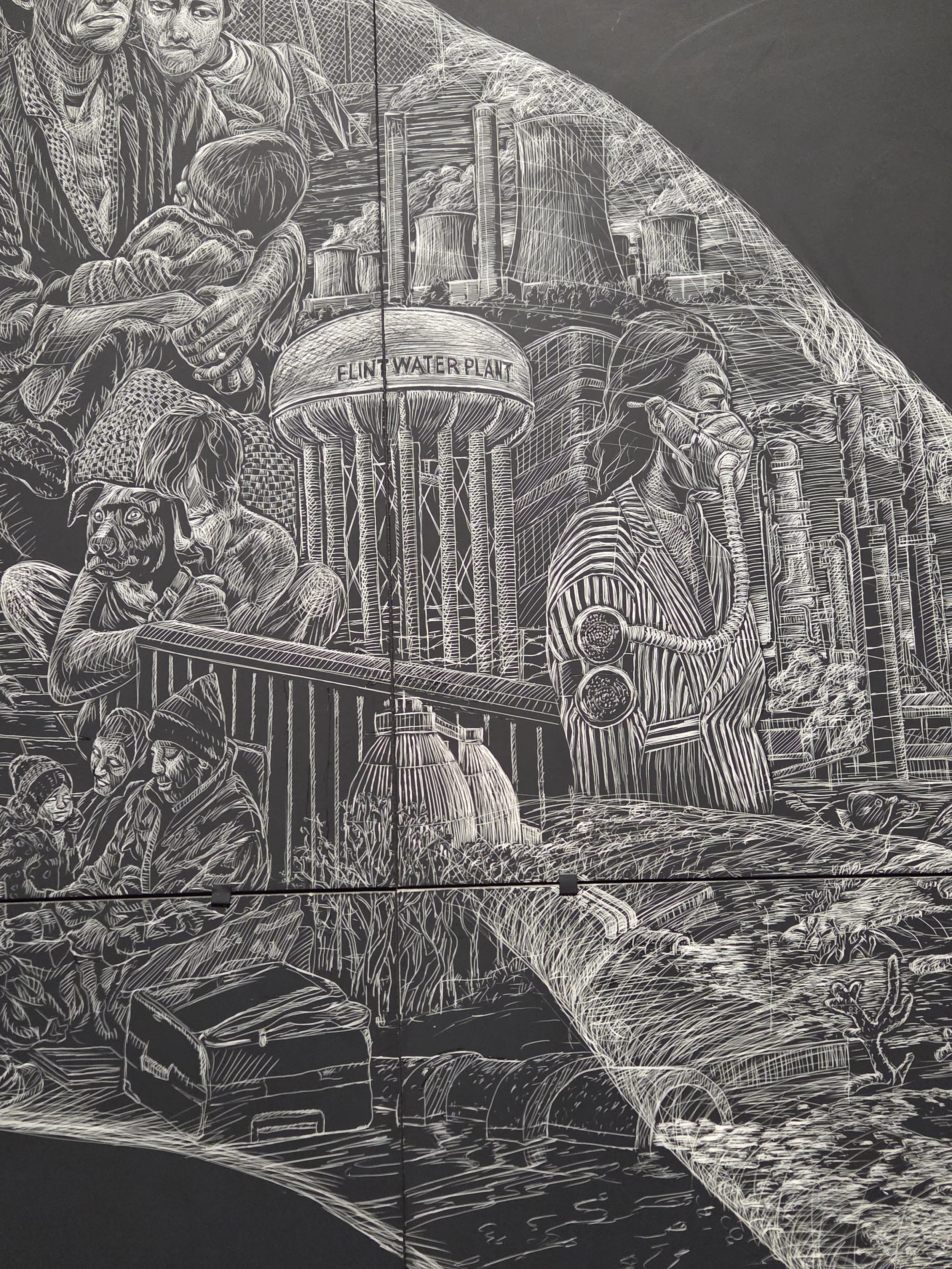
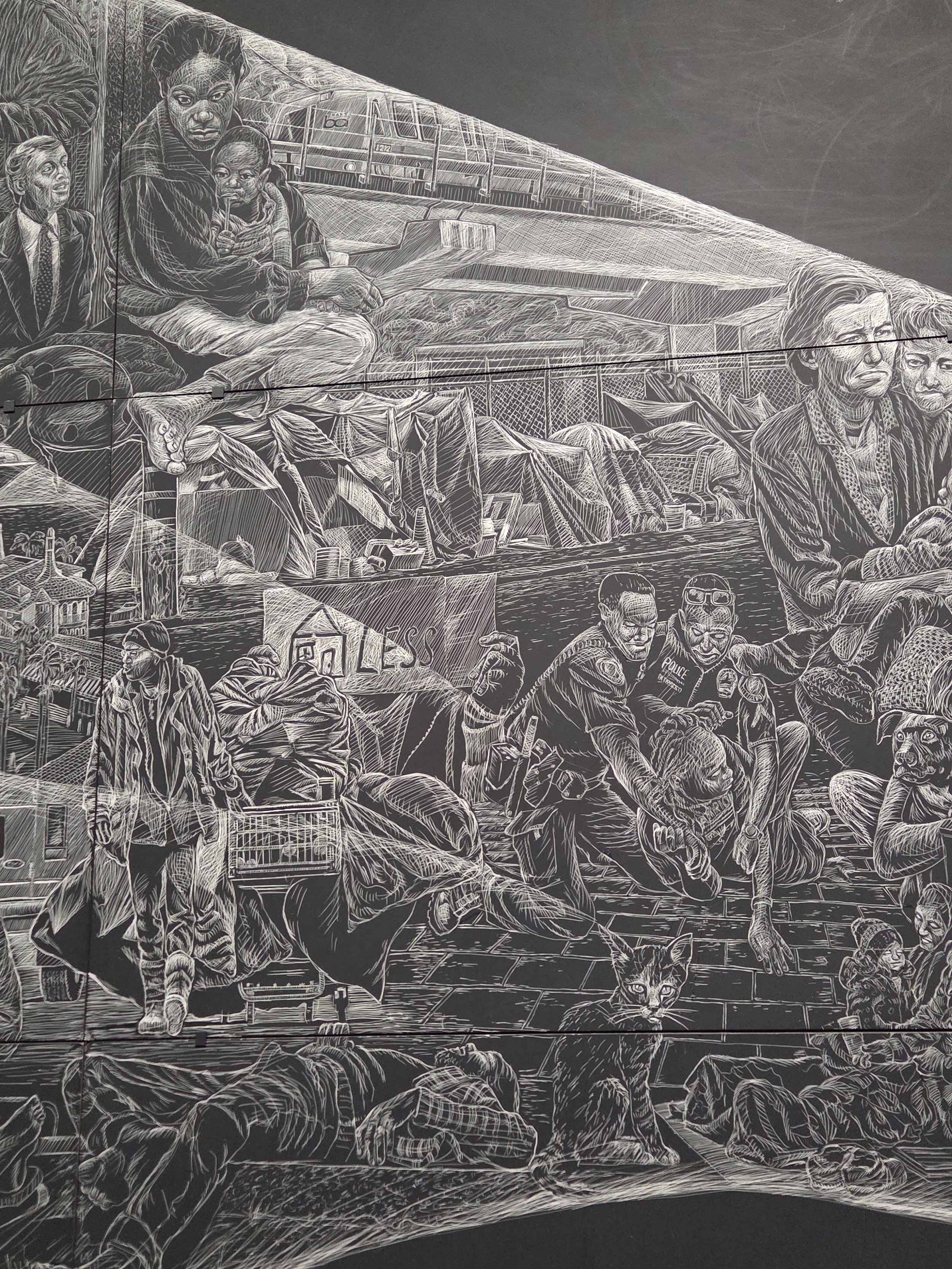
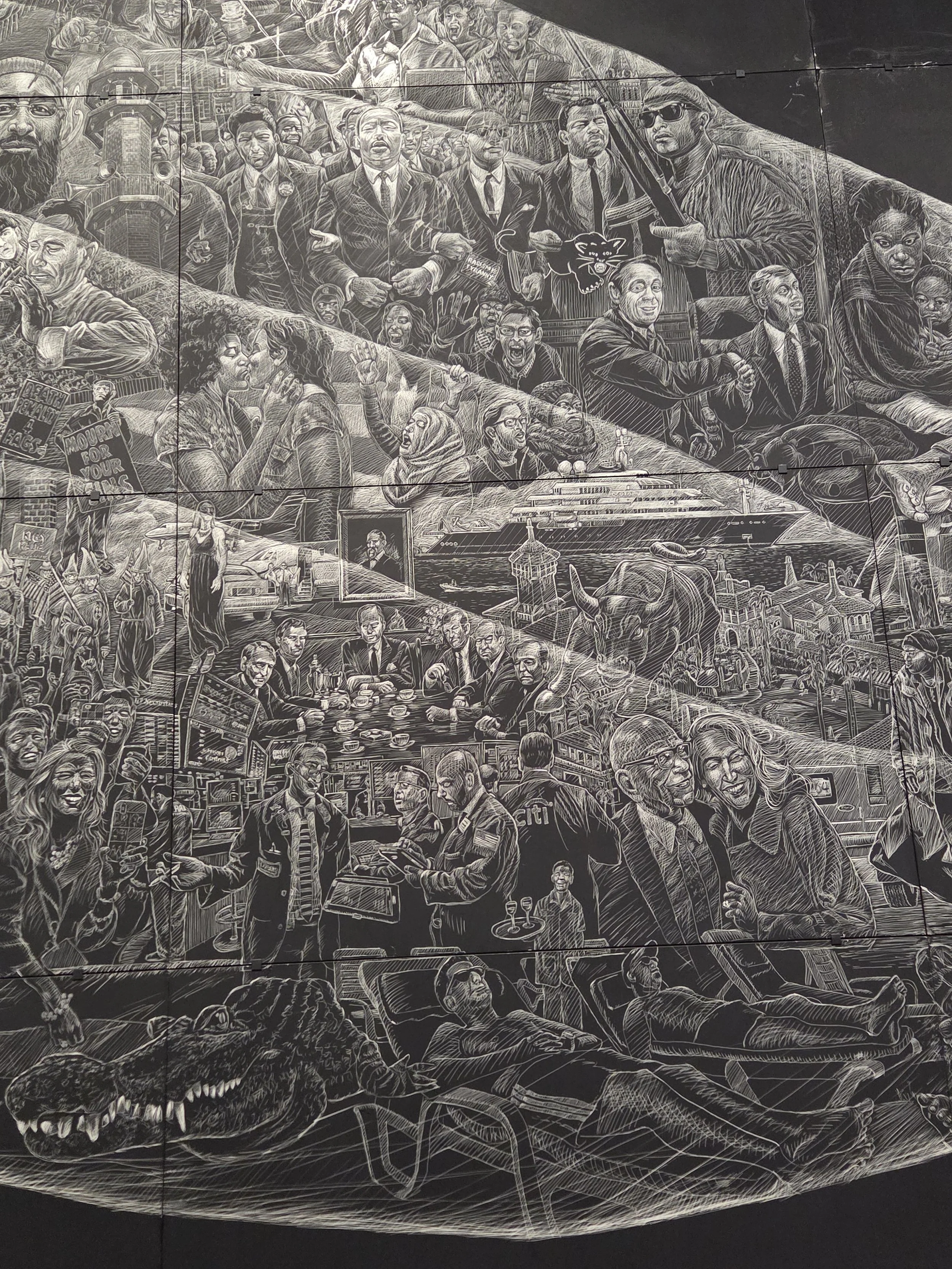
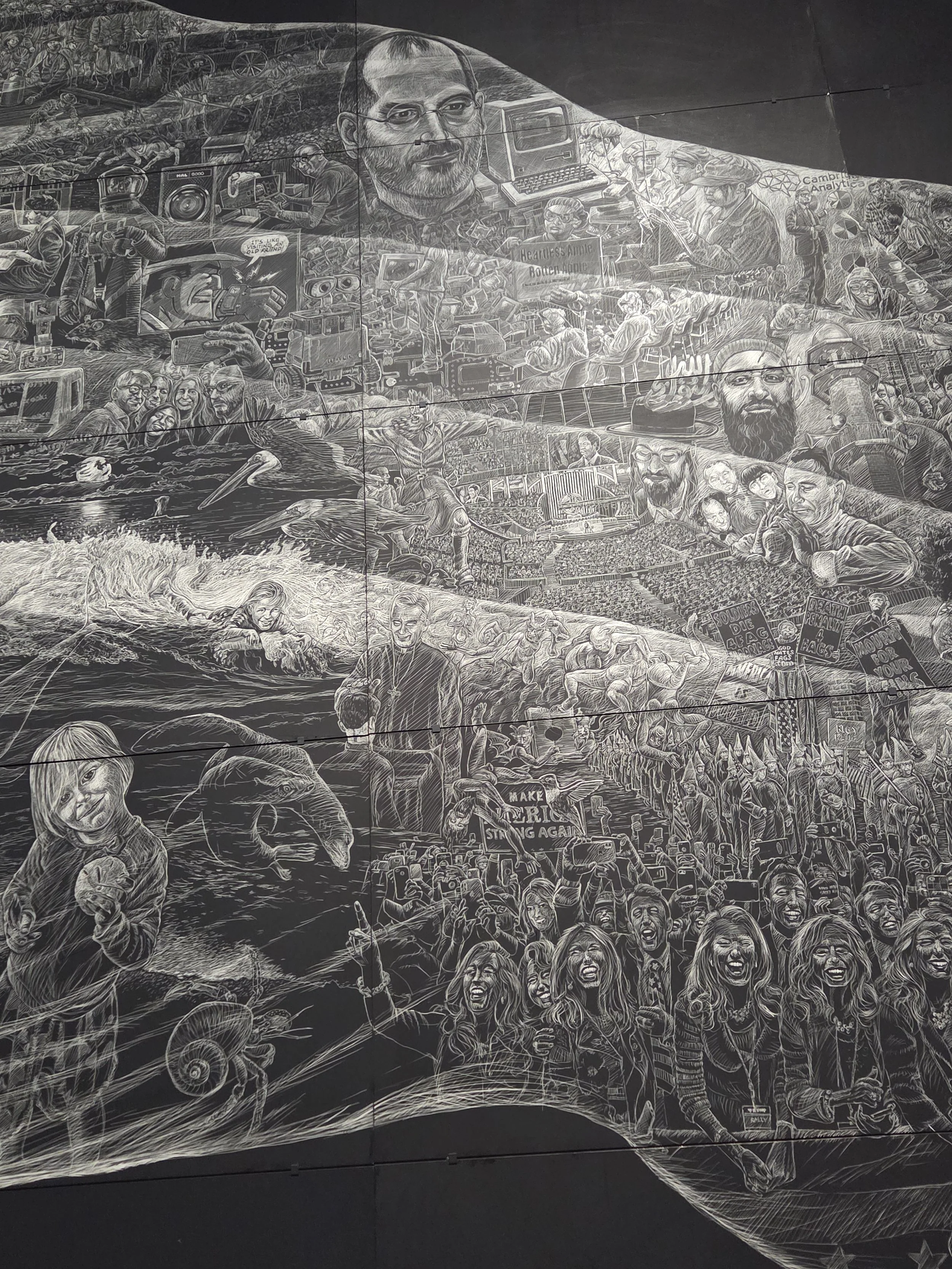
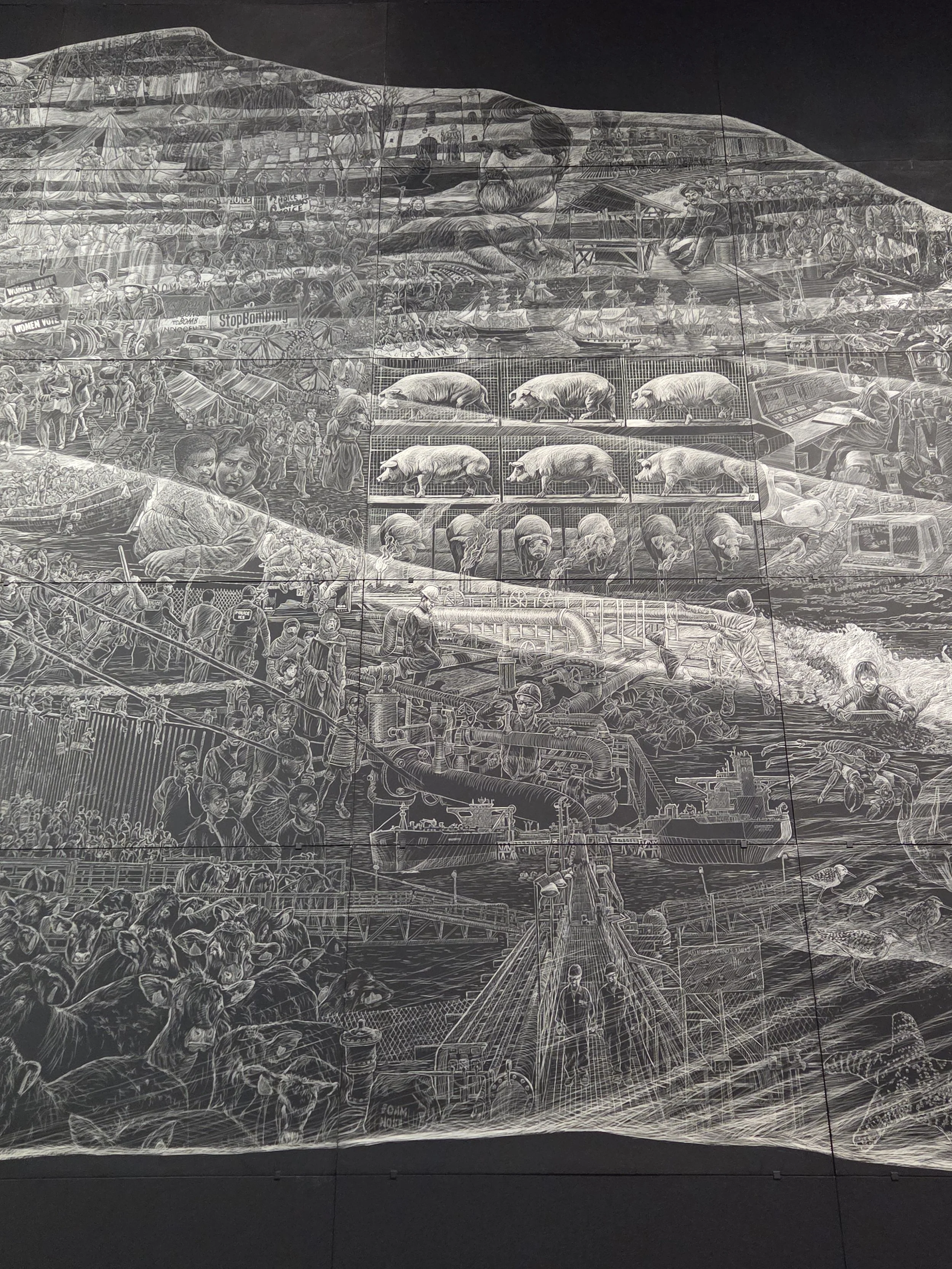
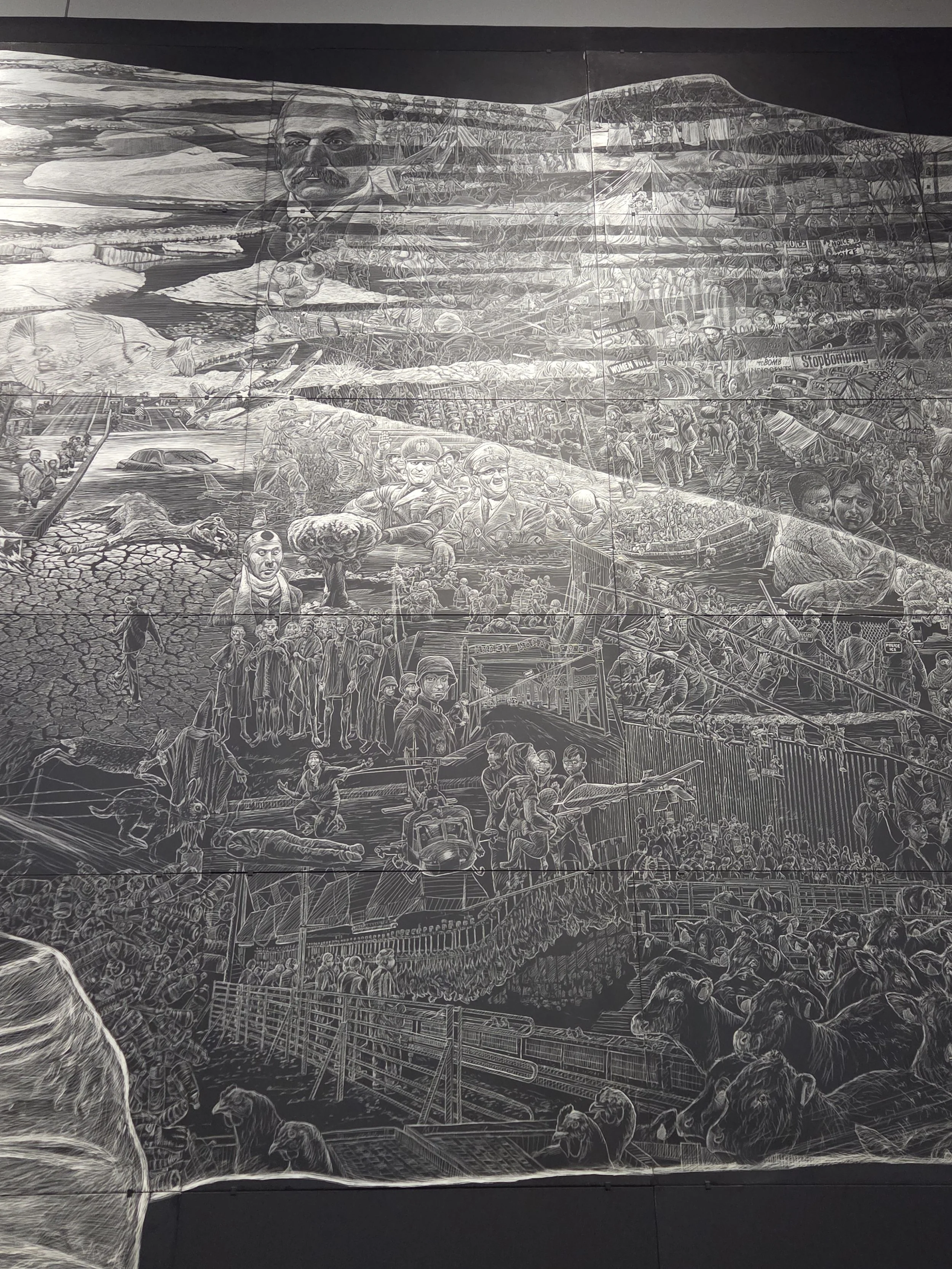
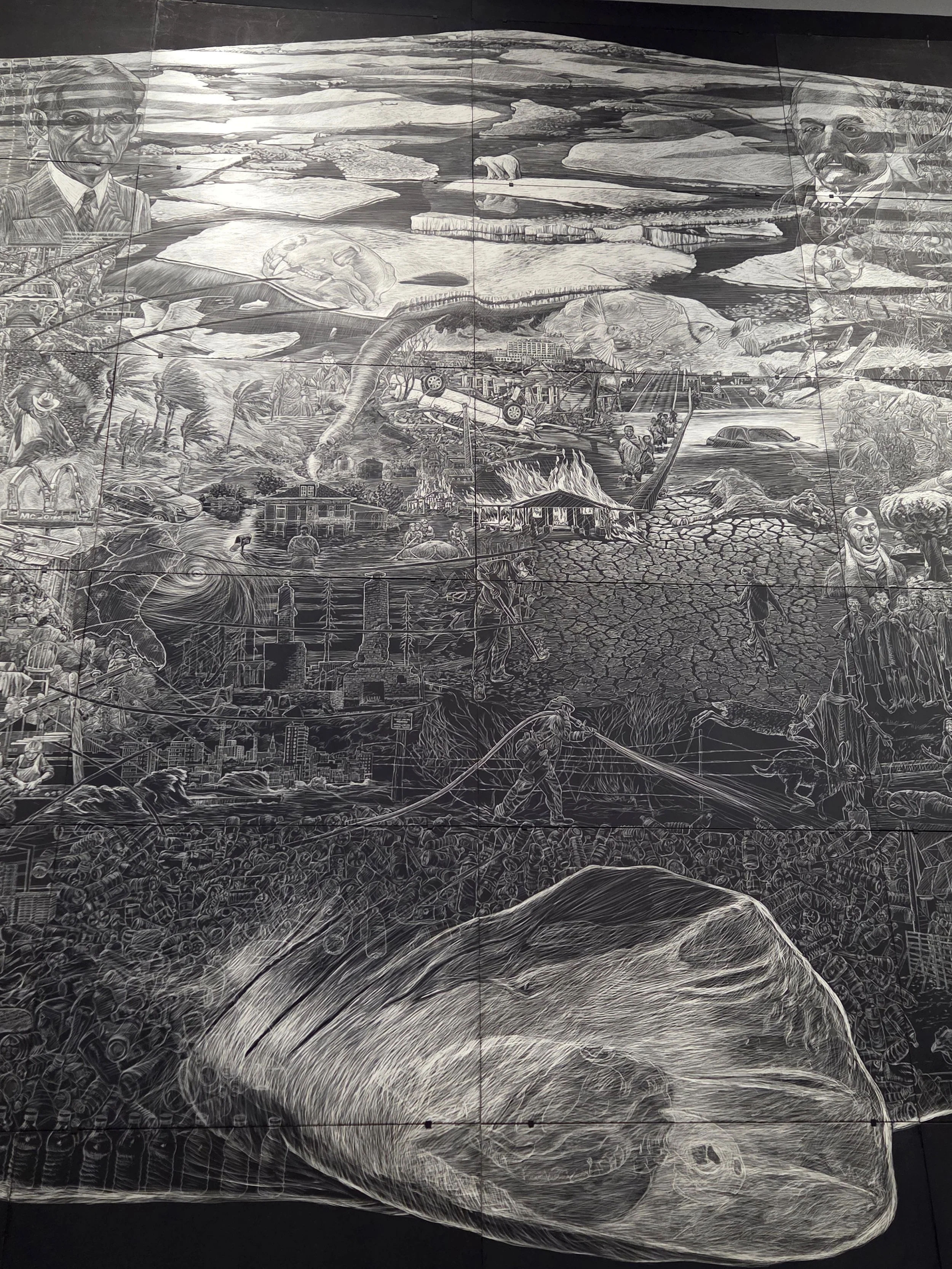
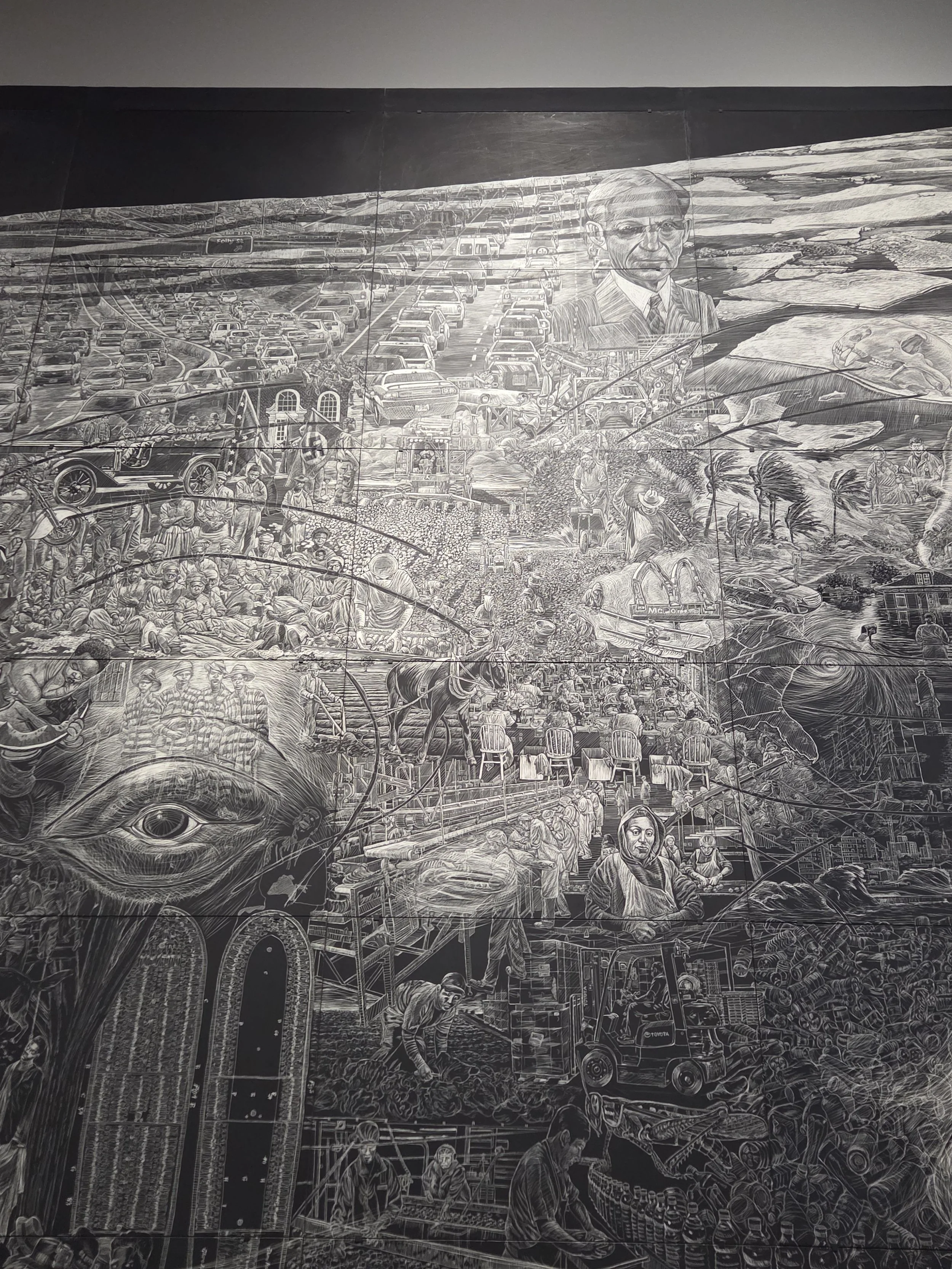
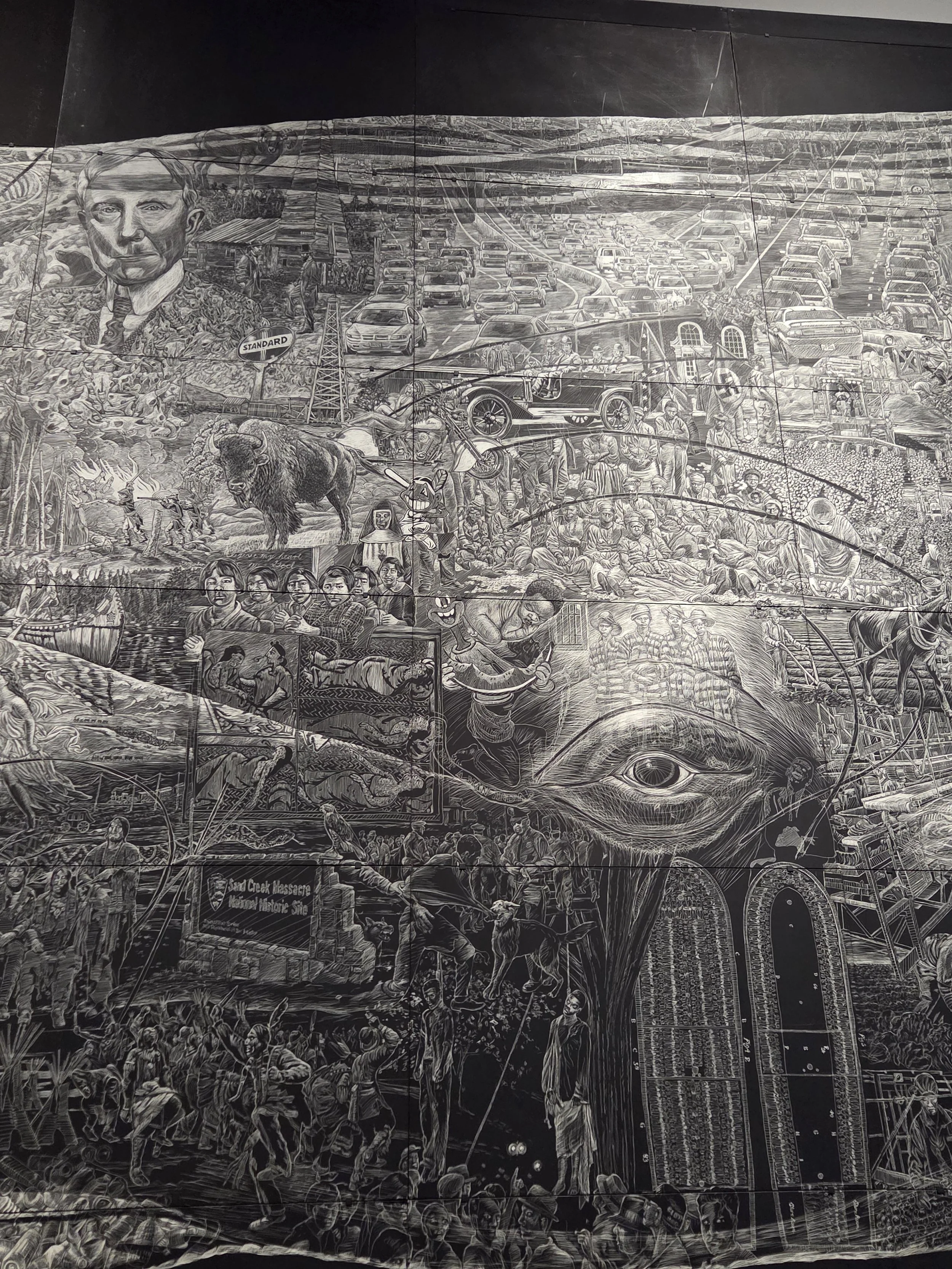
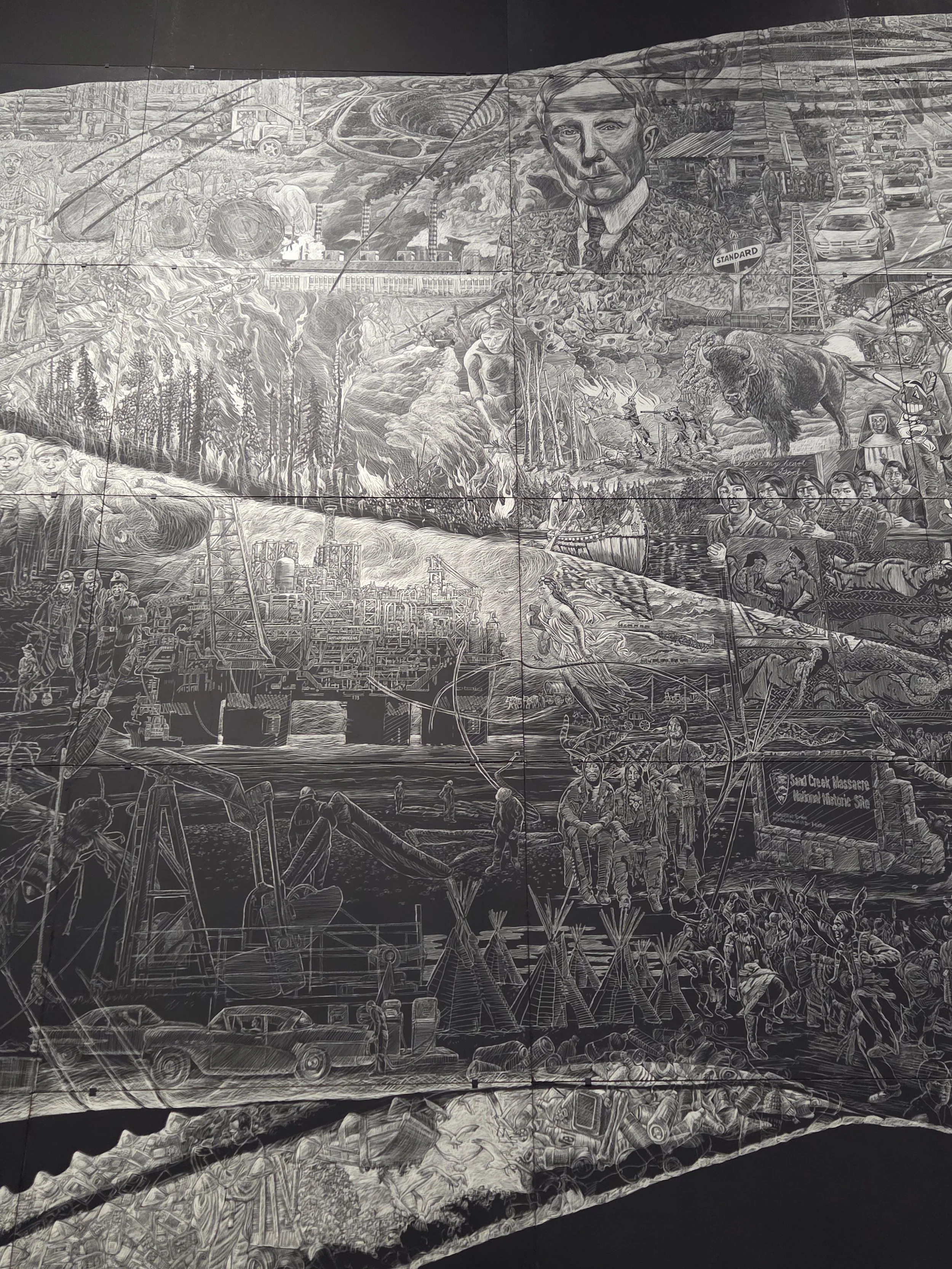
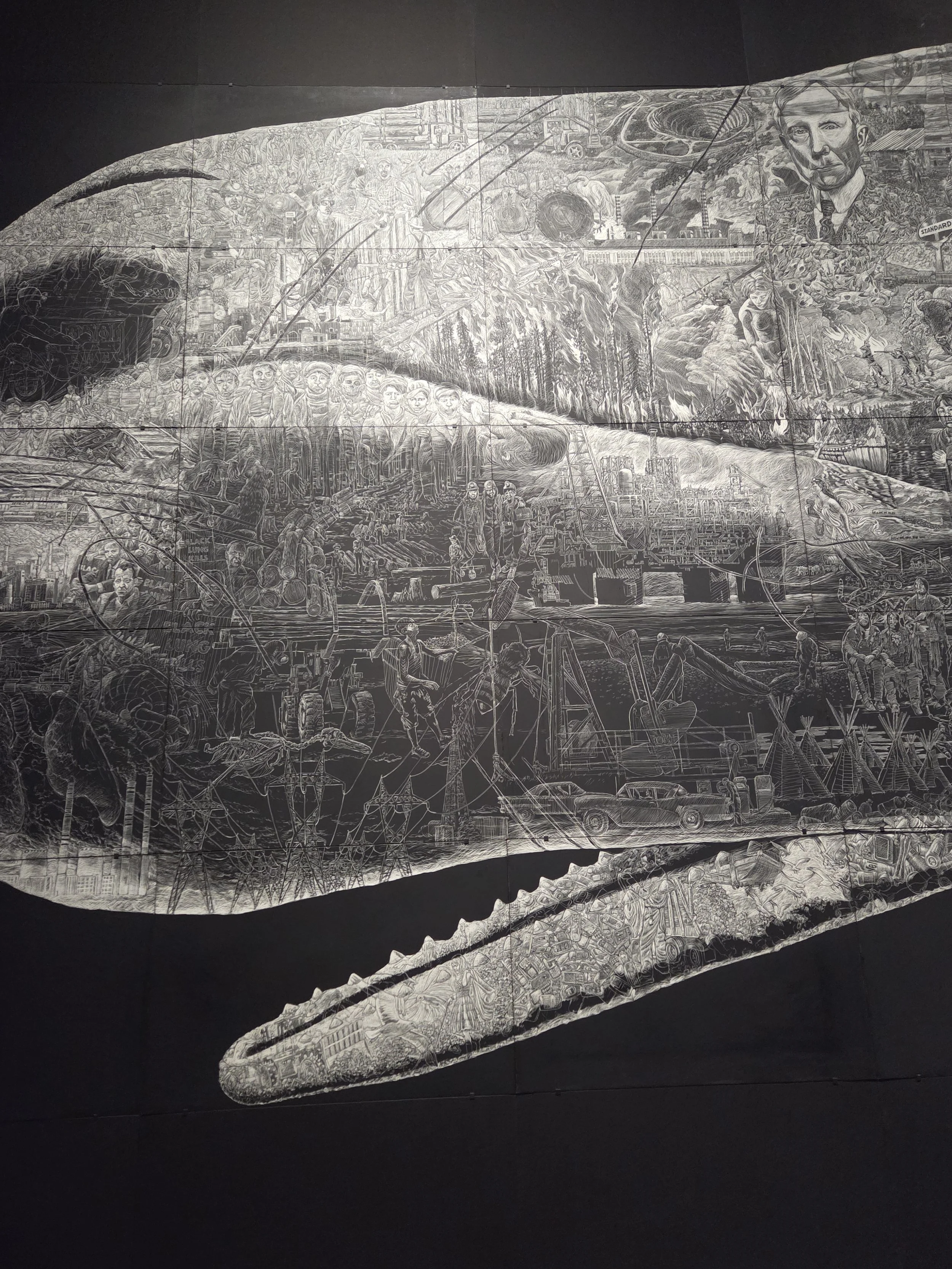
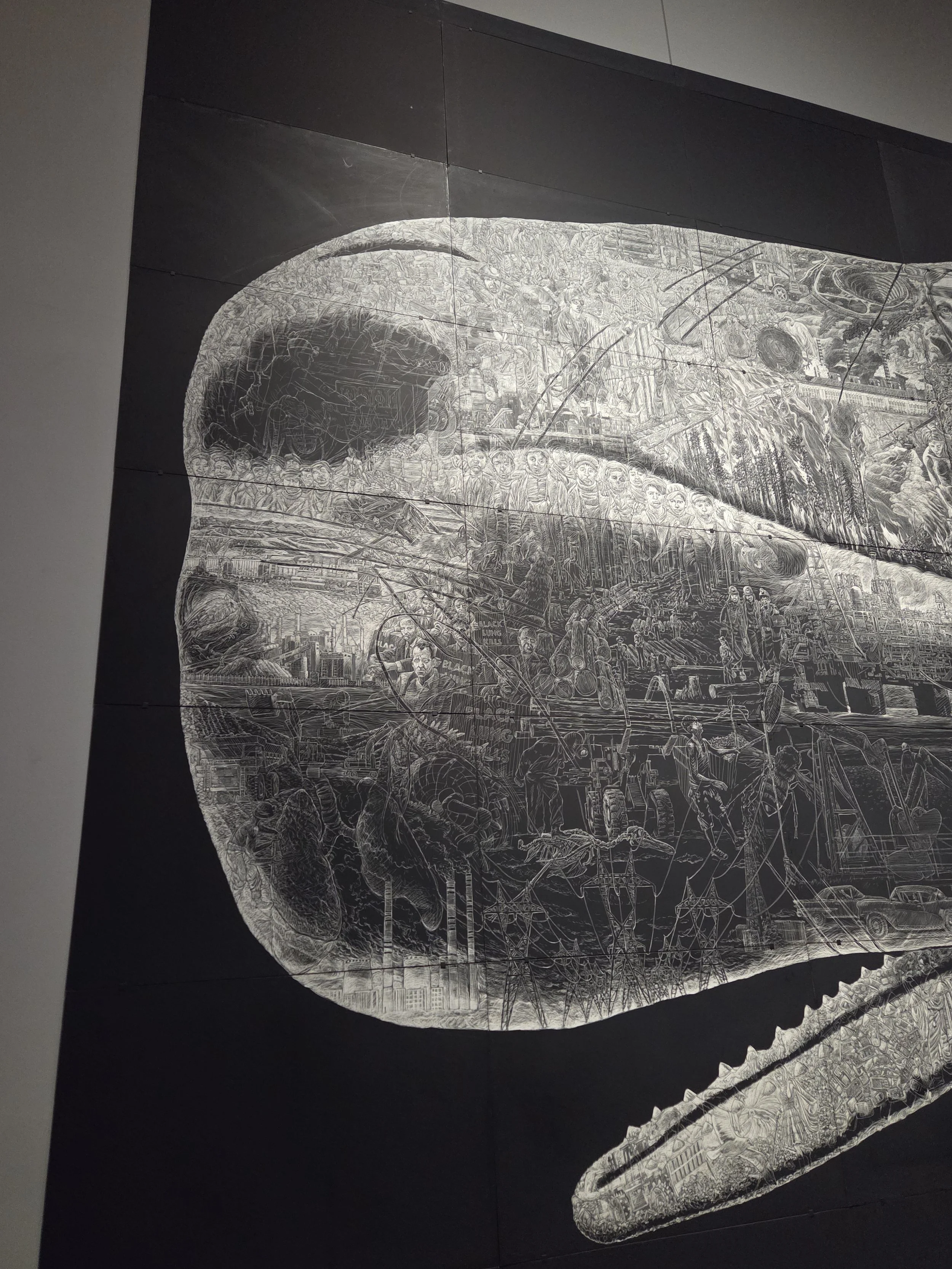
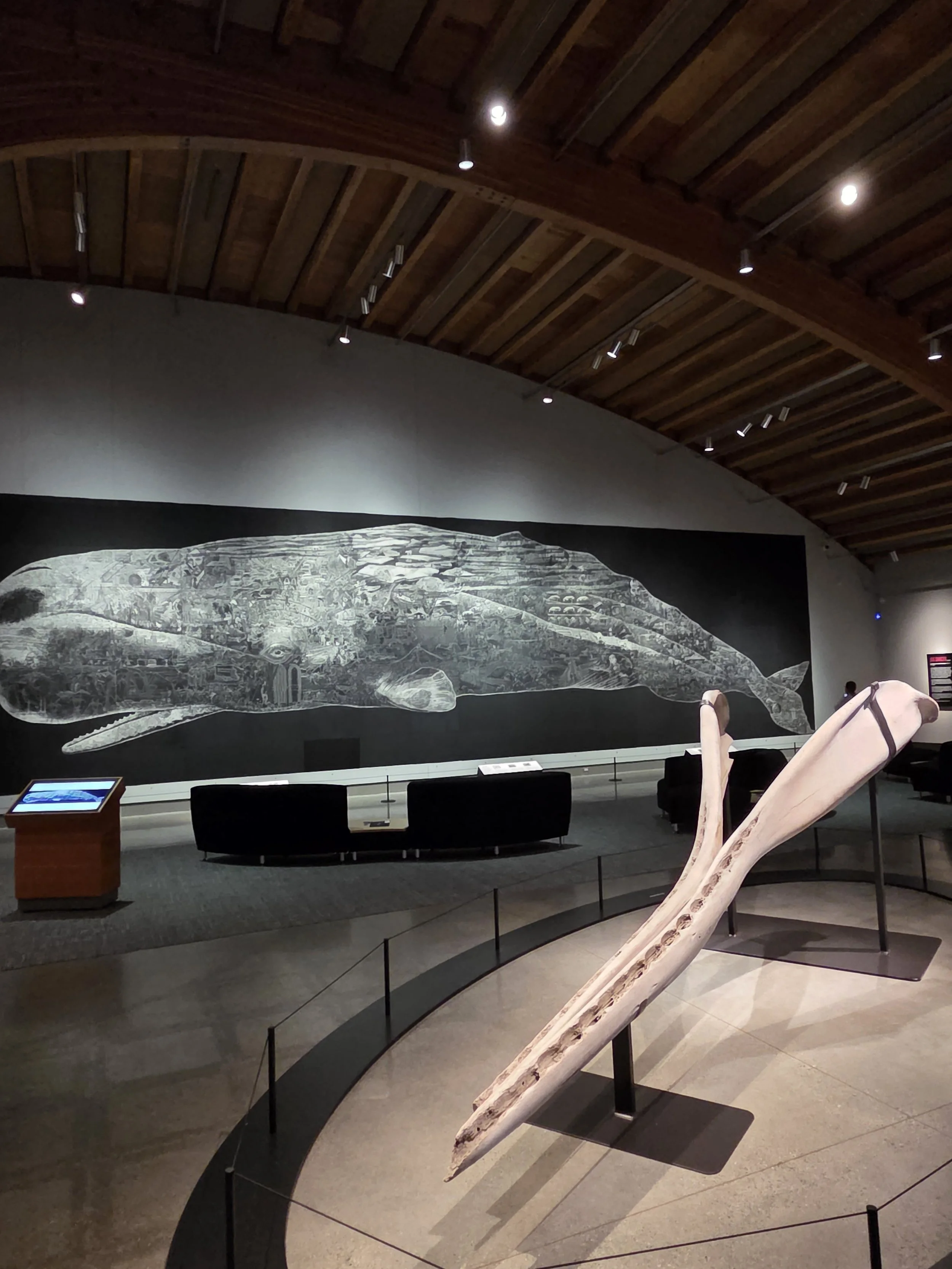
While at Mystic Seaport, I was able to see the installation by Jos Sances called “Or, The Whale” which was incredible. It commanded the gallery space and from afar it appeared to be a beautiful rendering of a Sperm Whale but once you got close, it turned out to be a history of us, etched into the body of the whale. It nearly brought me to tears.

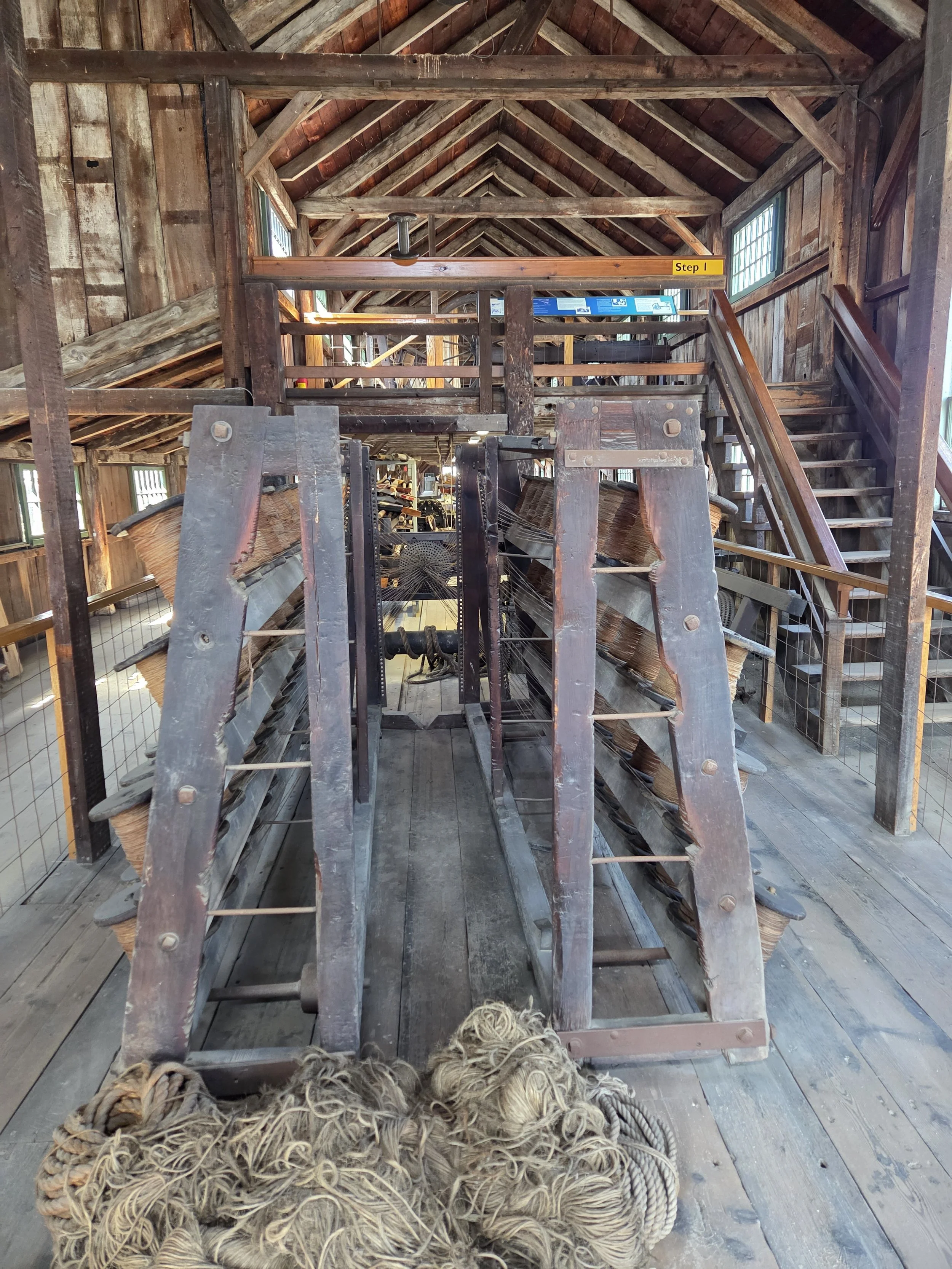
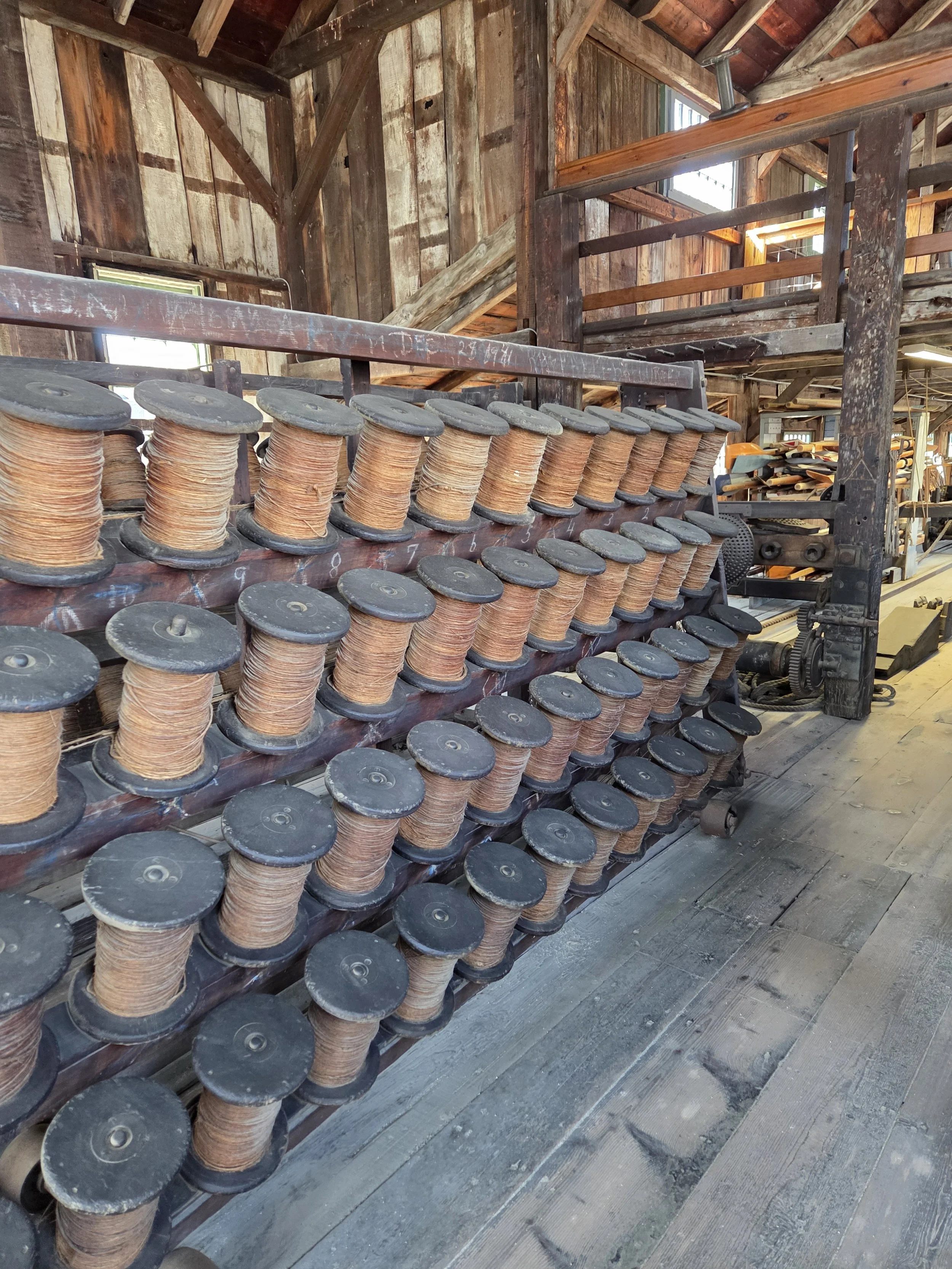
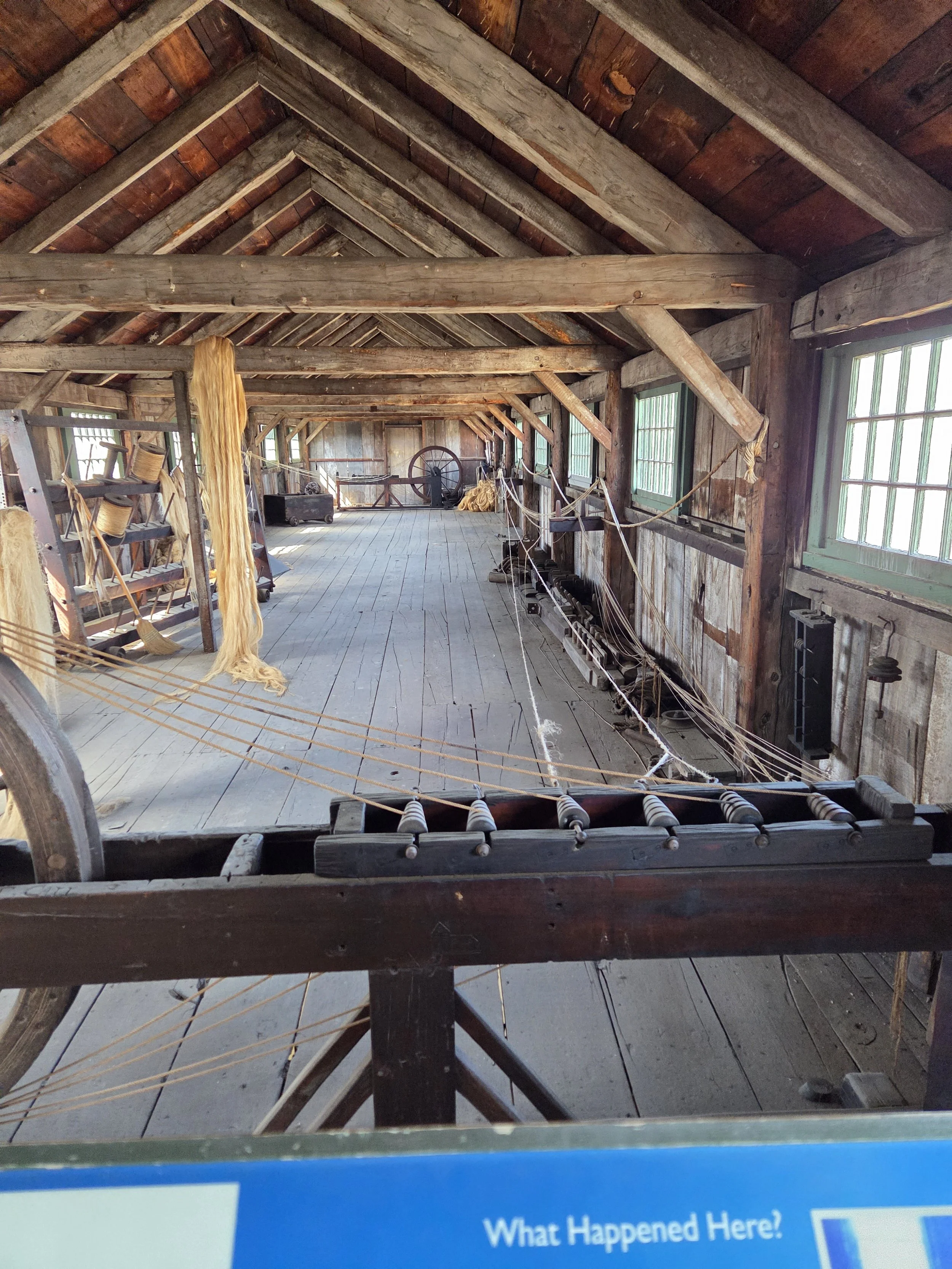
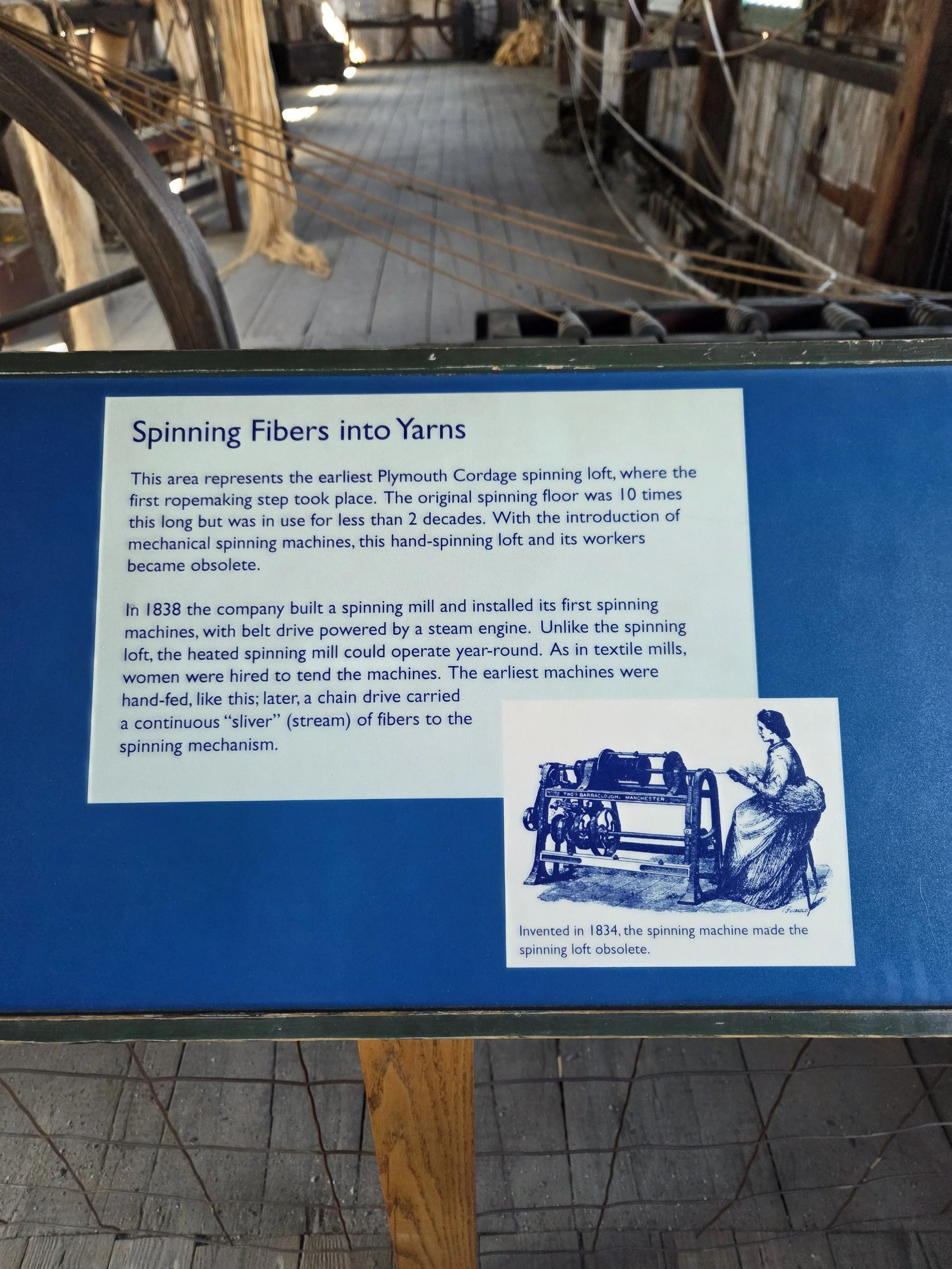
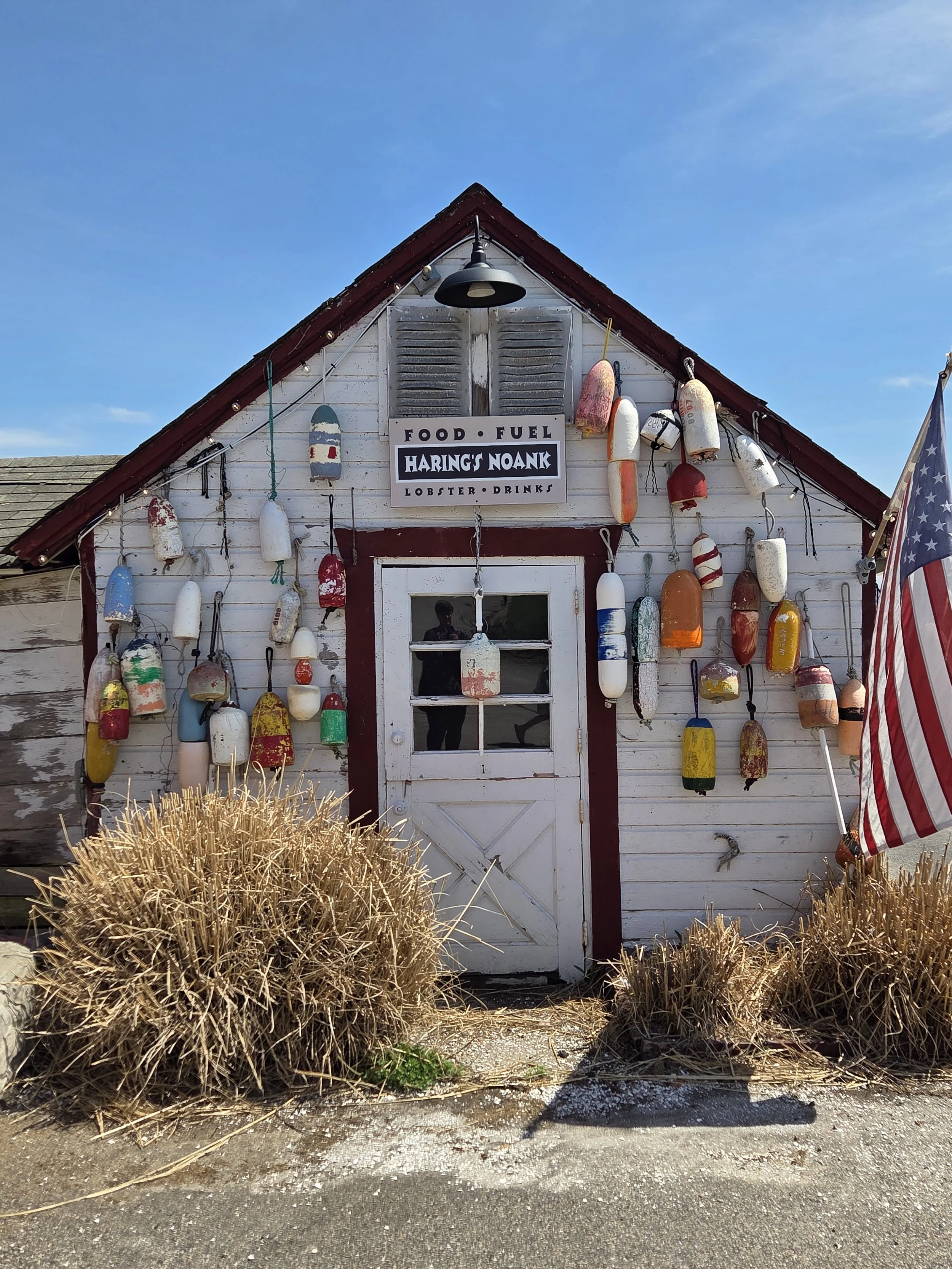
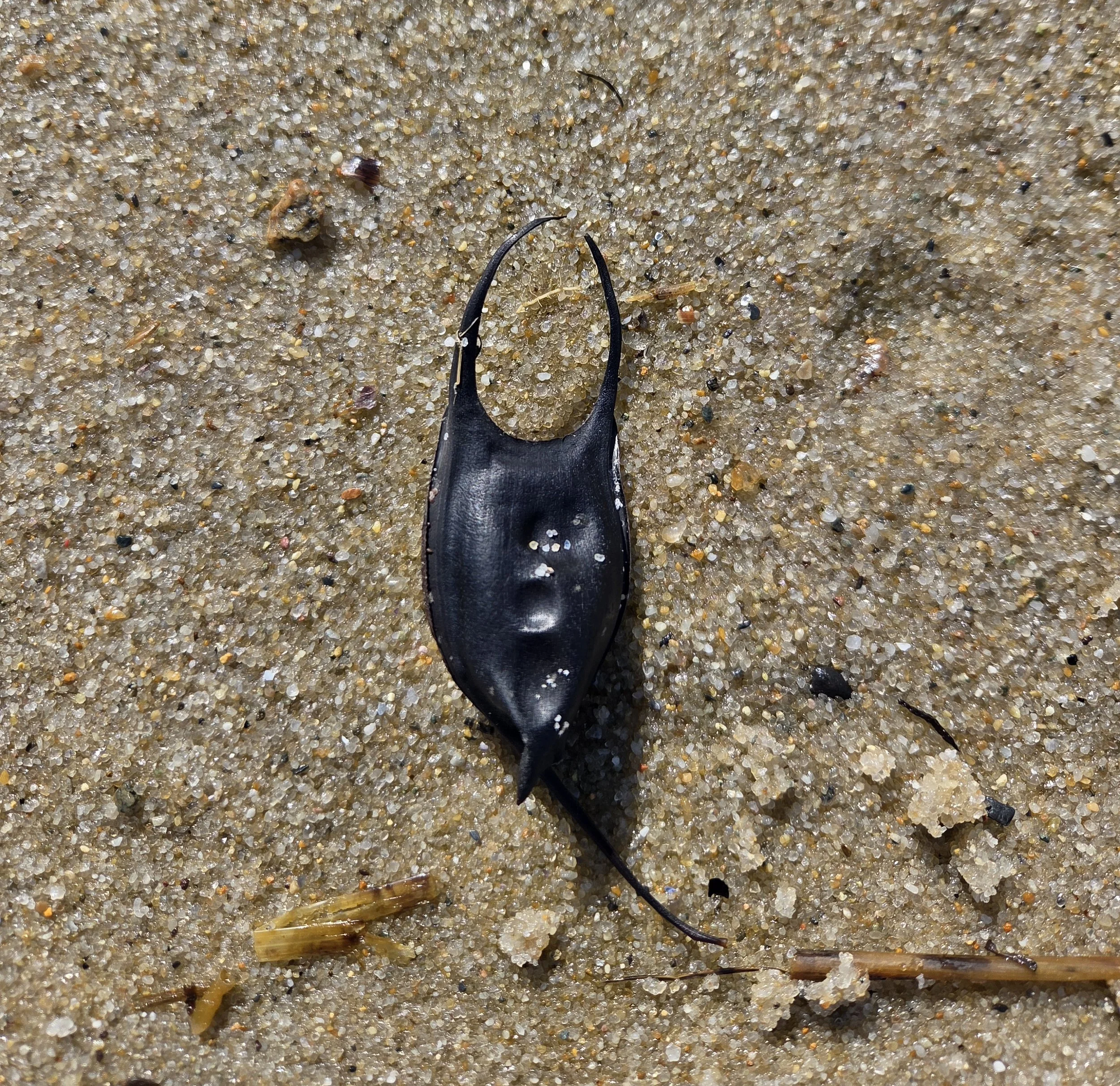
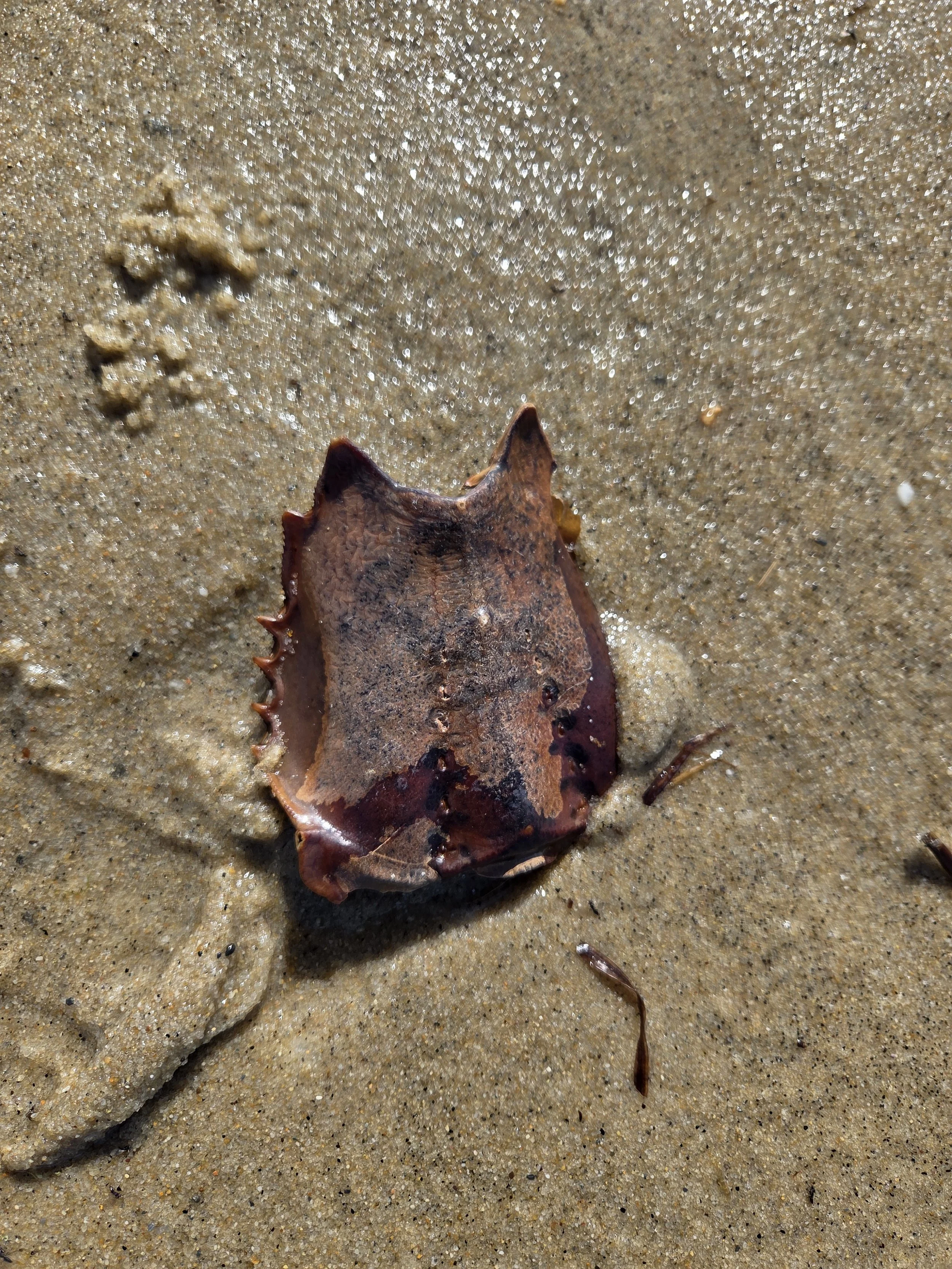
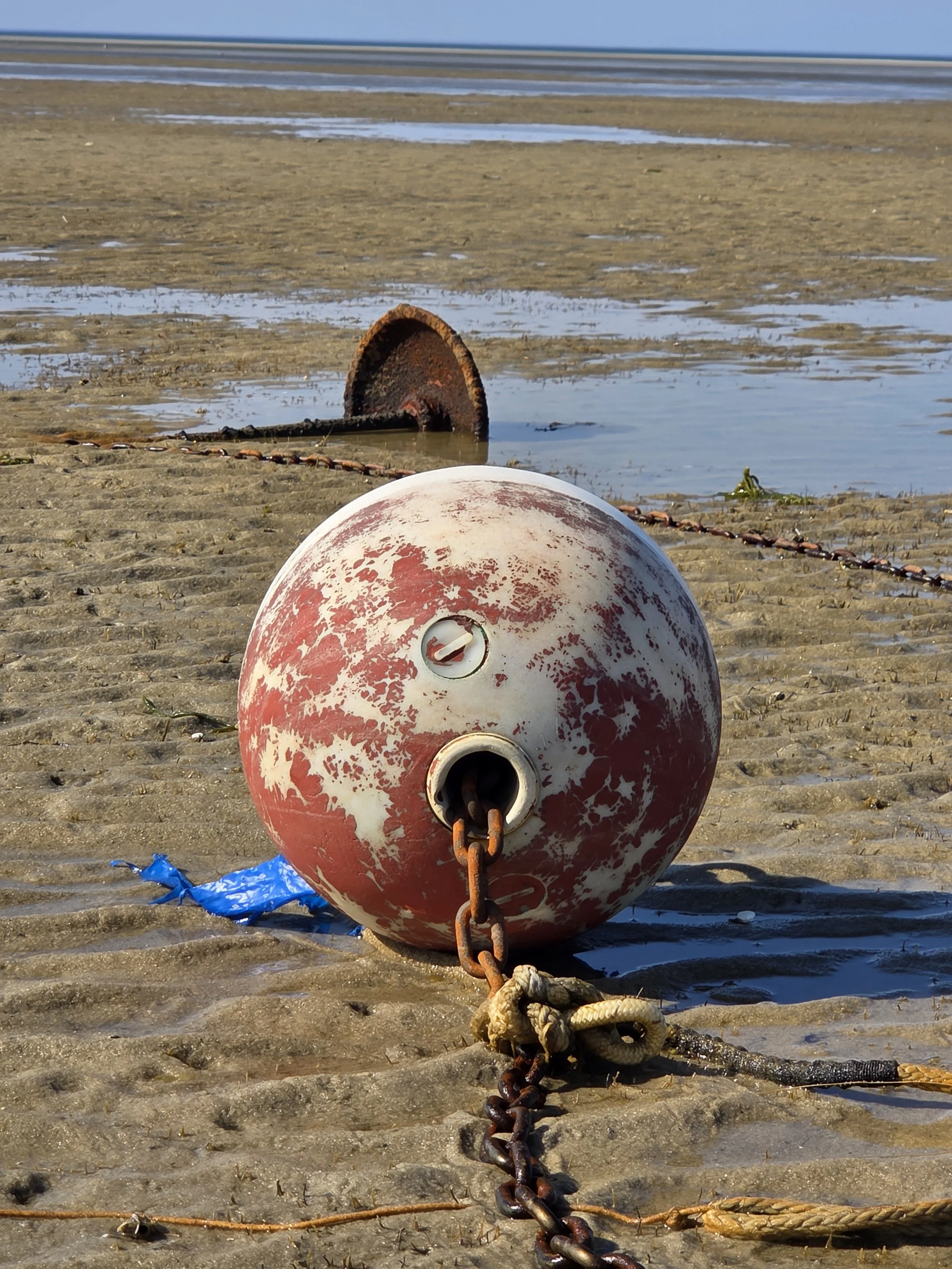
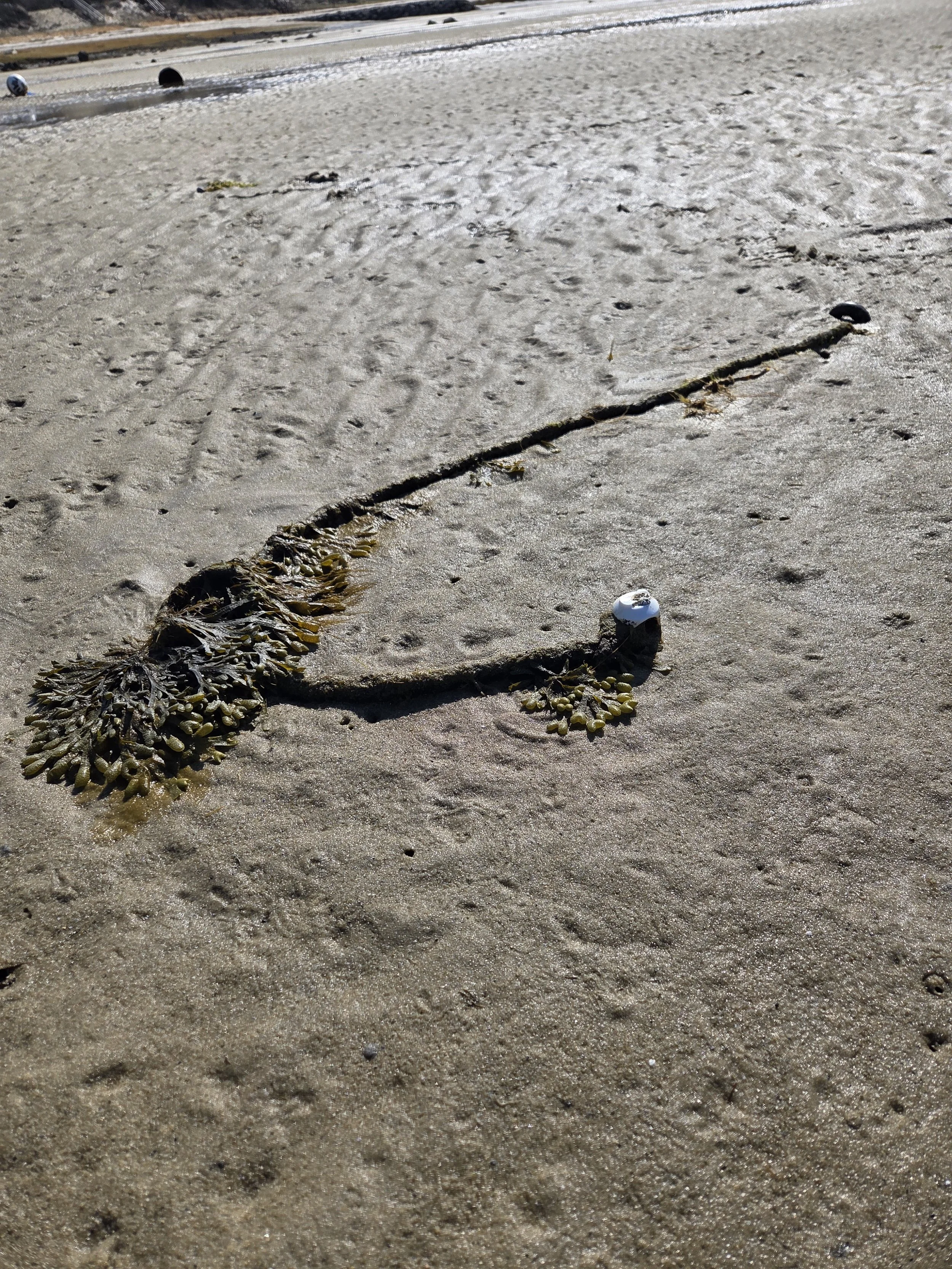
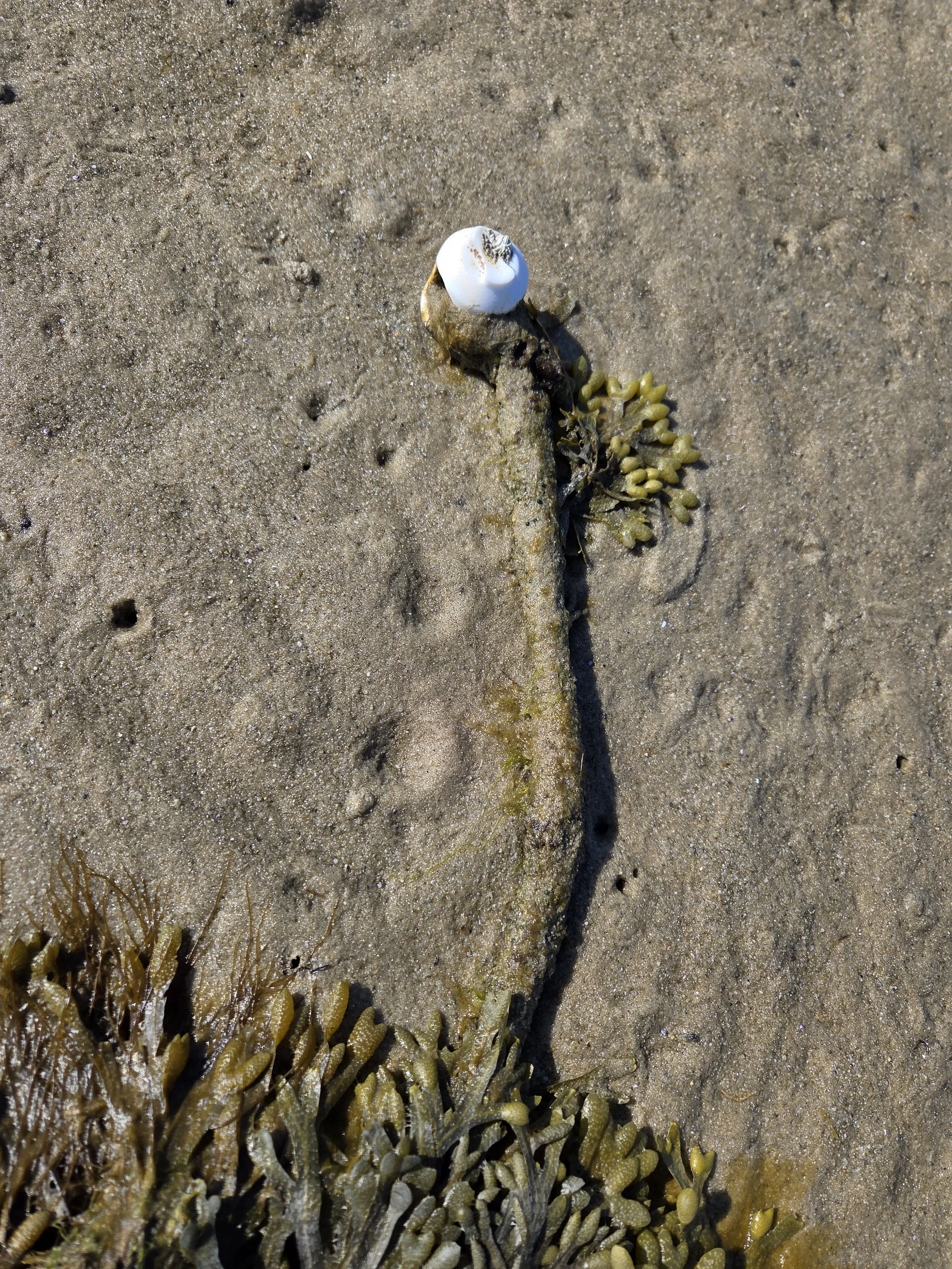
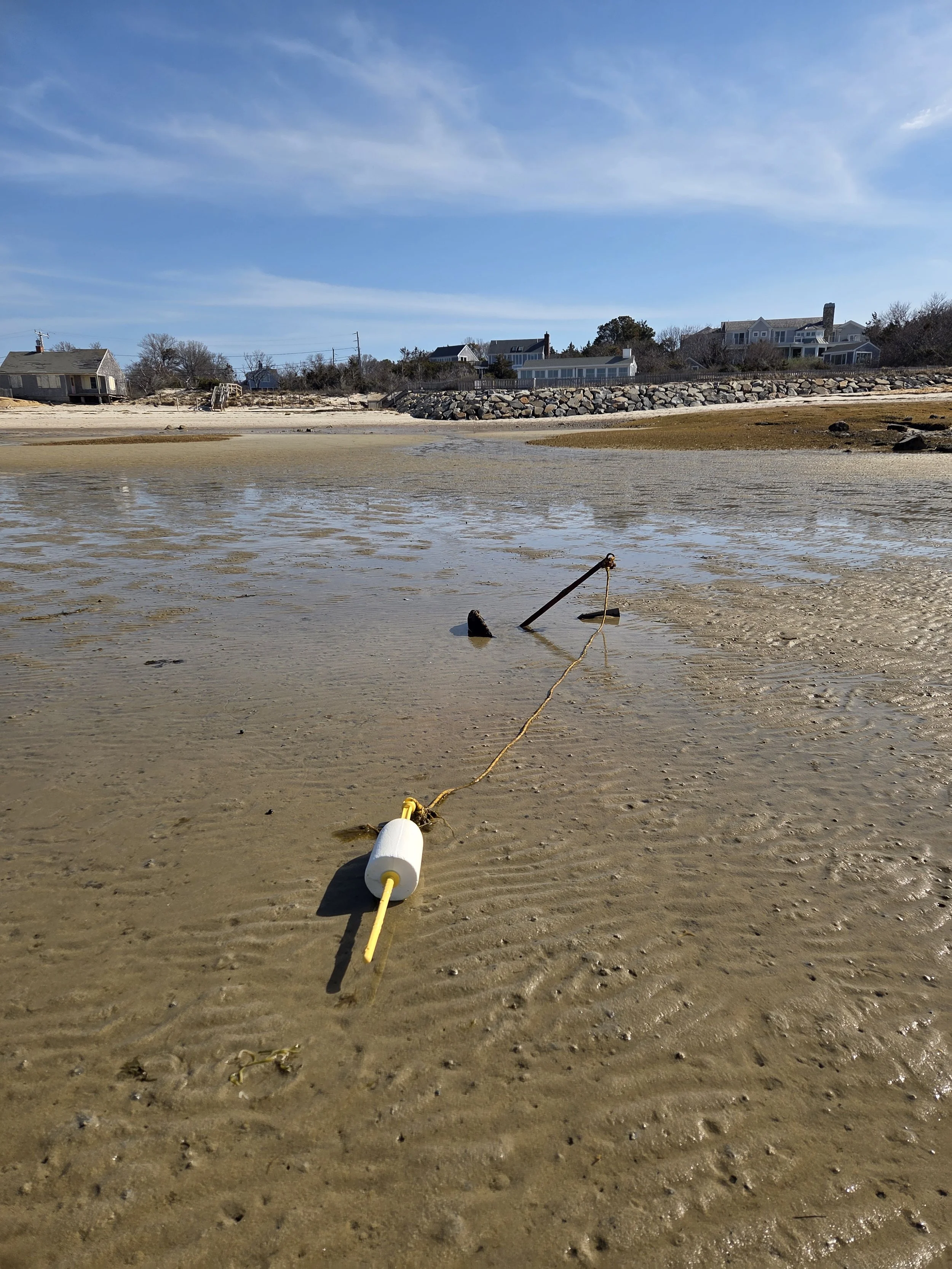
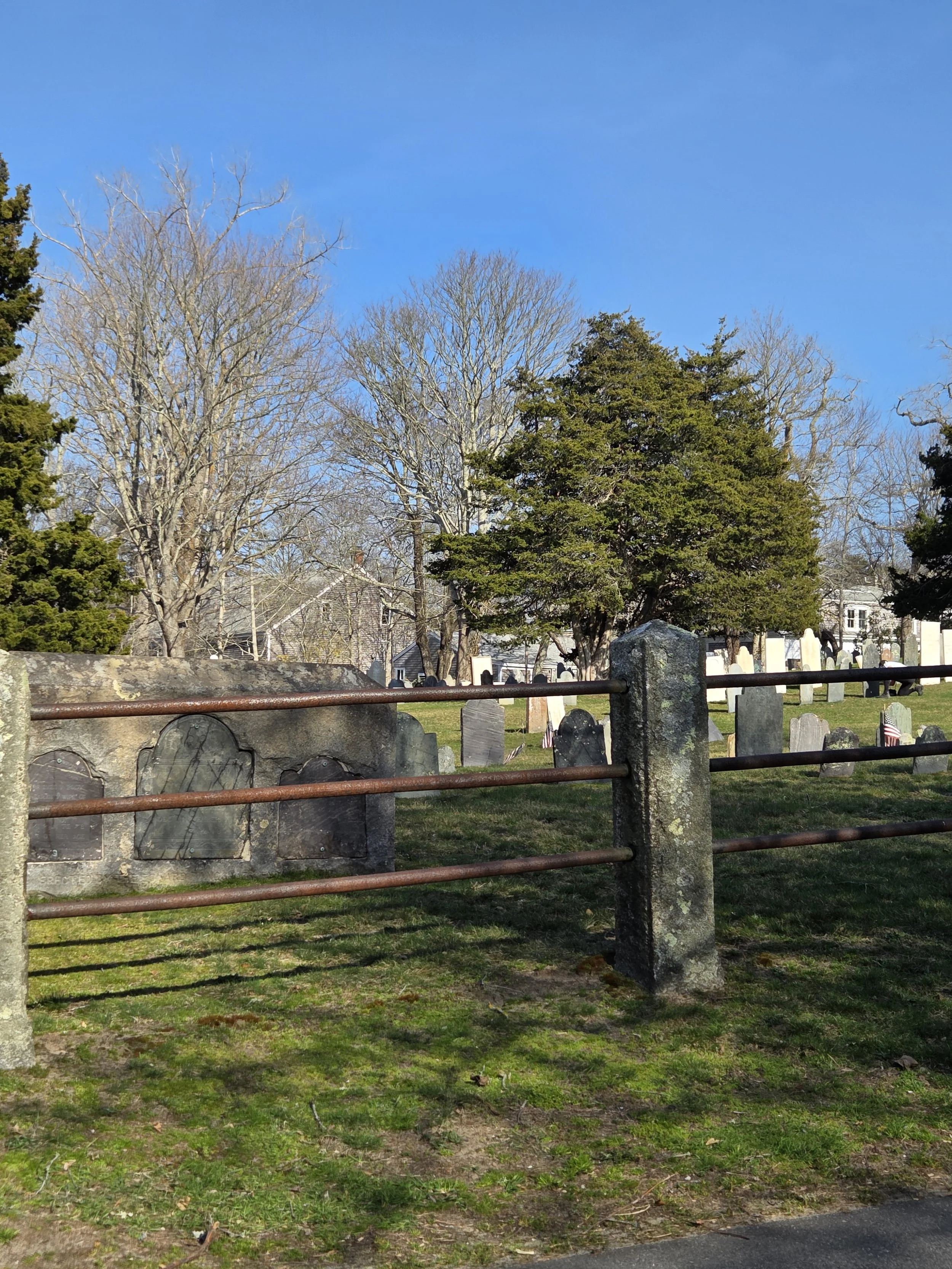
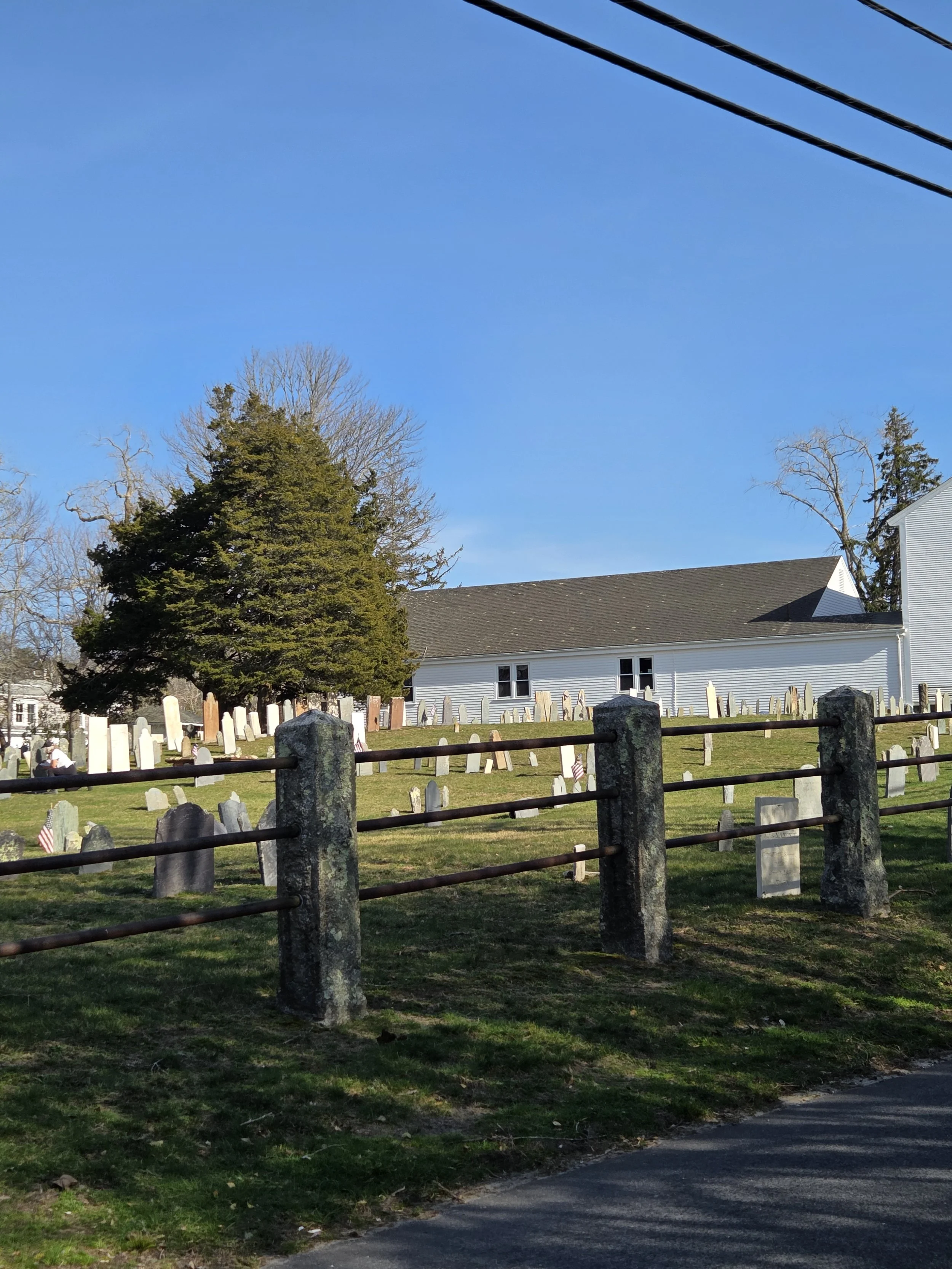
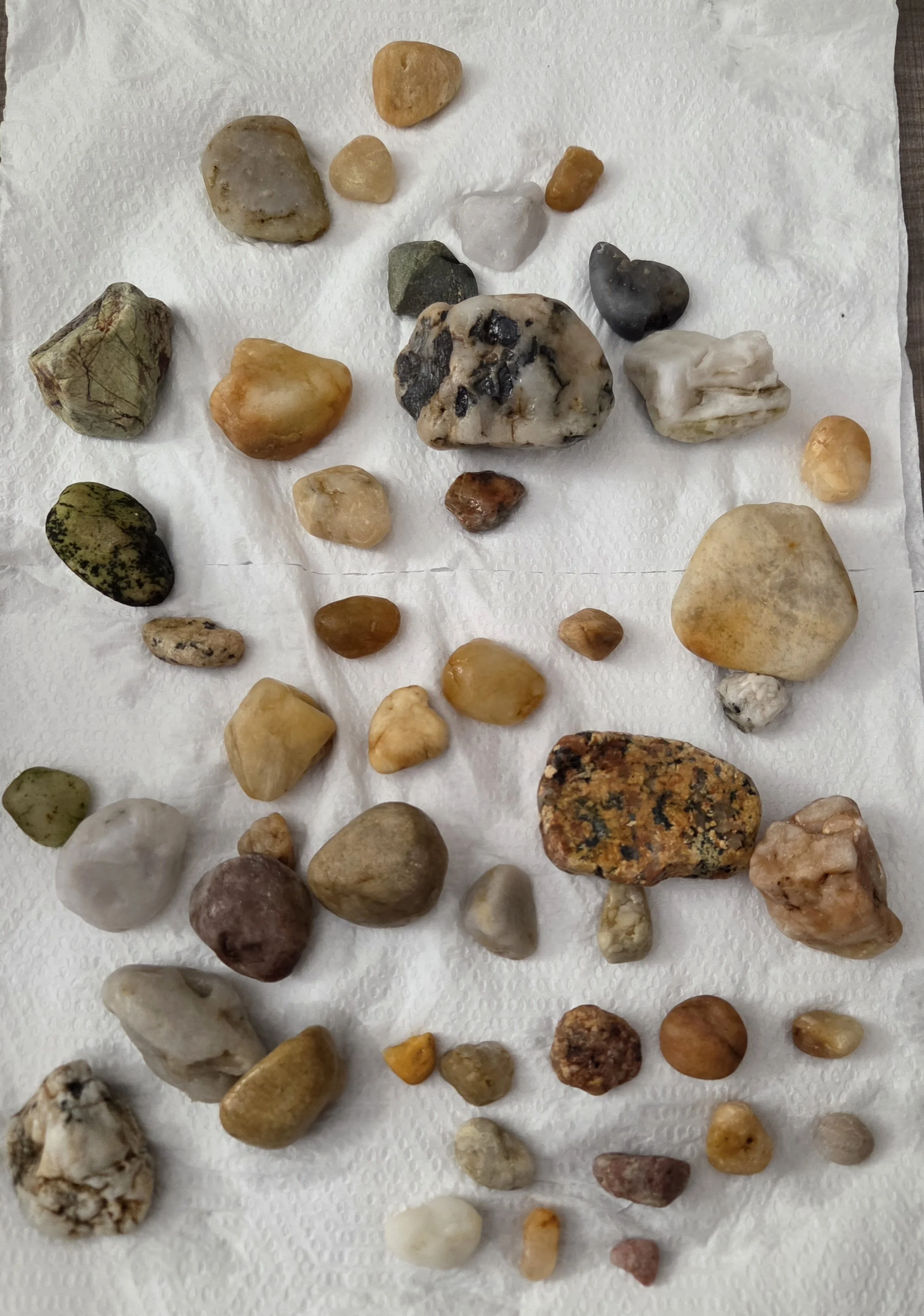
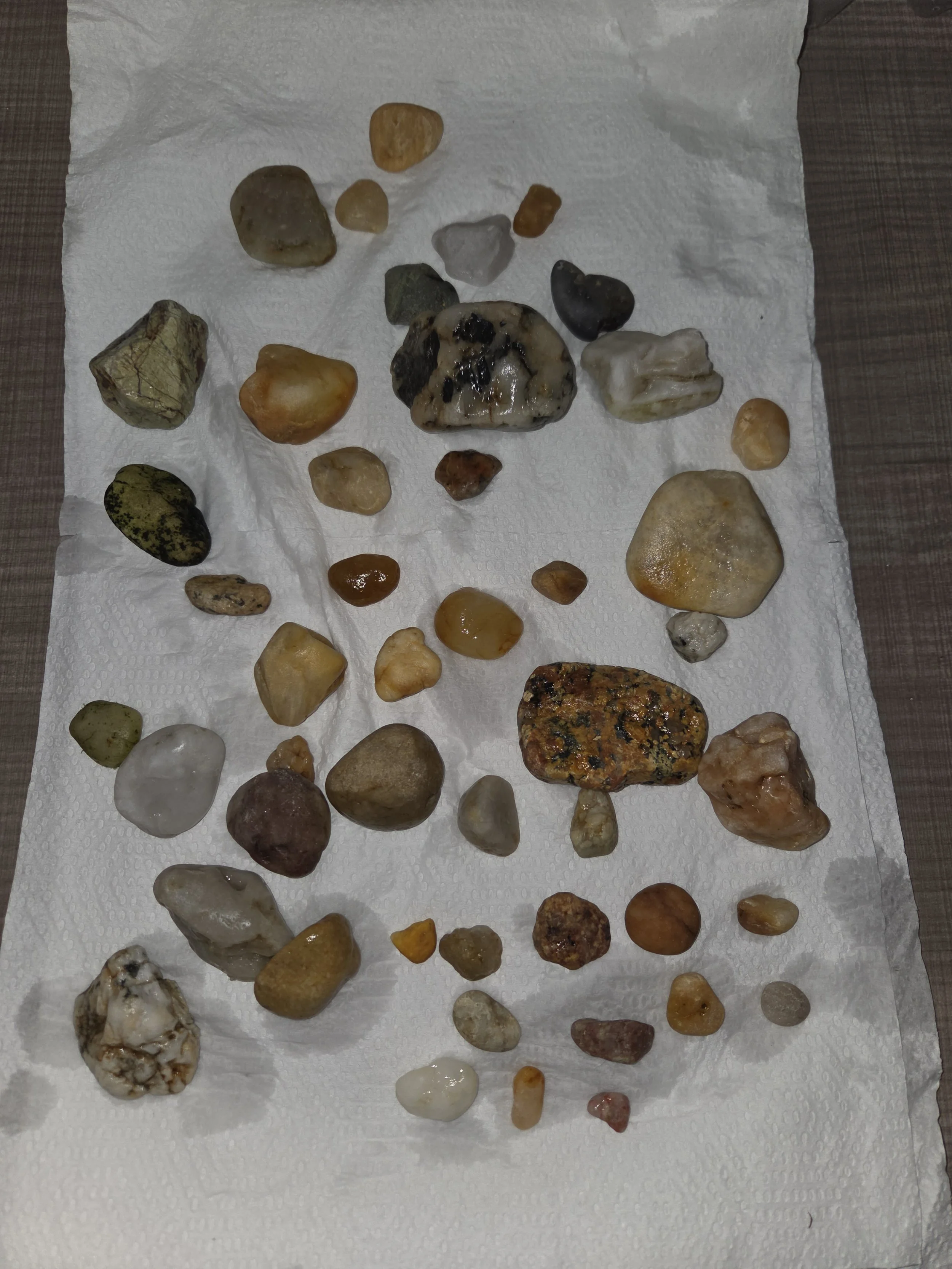
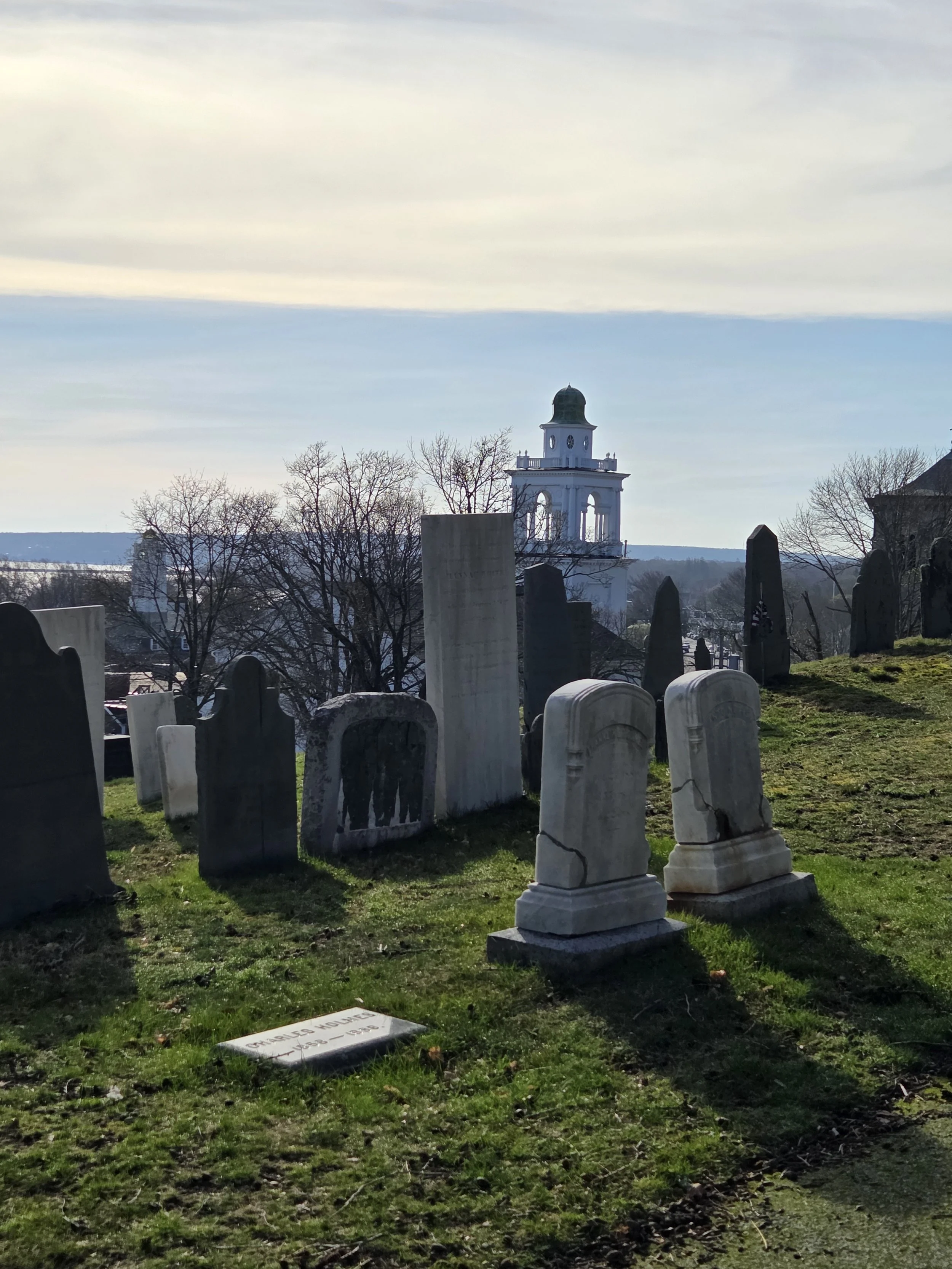
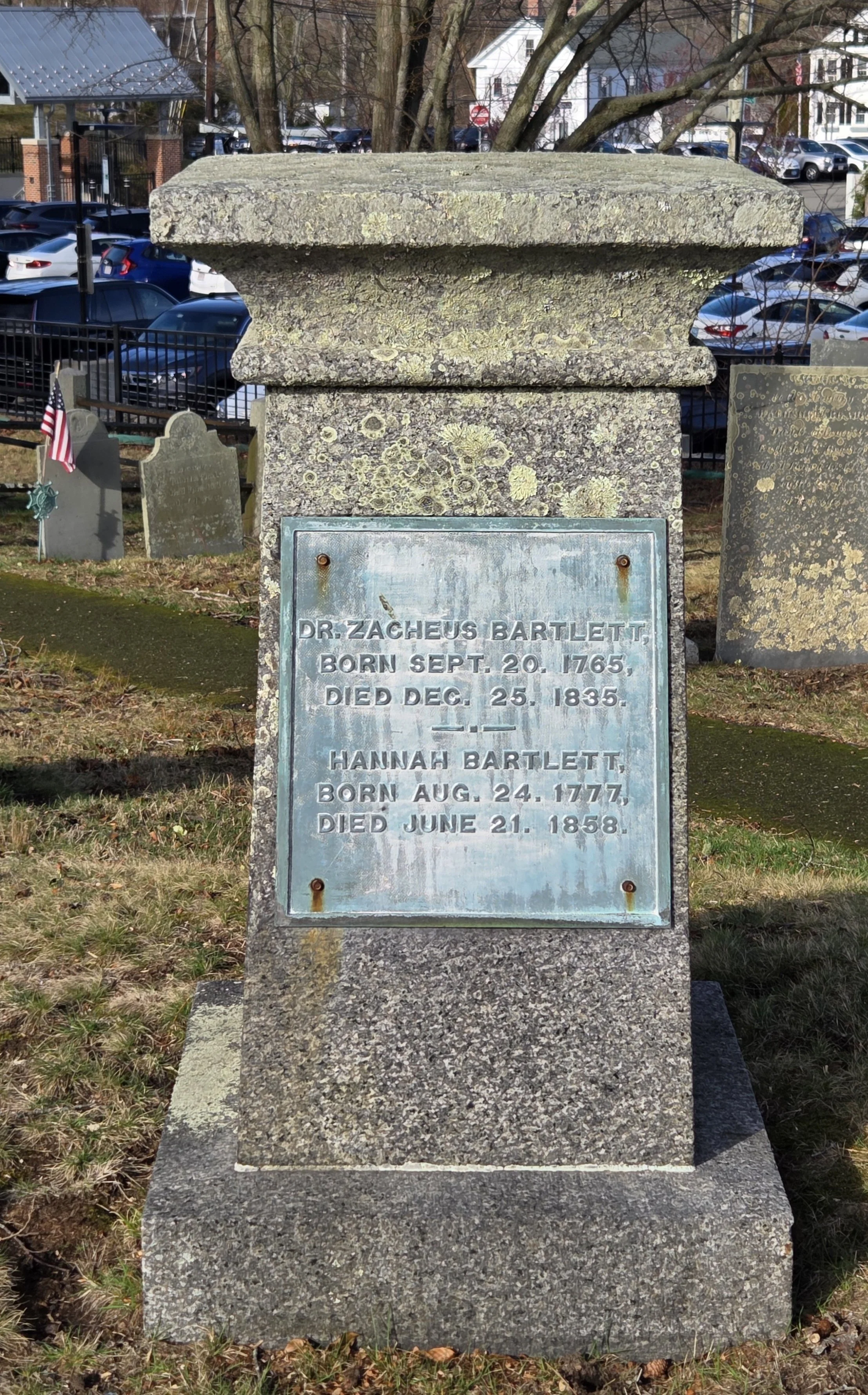
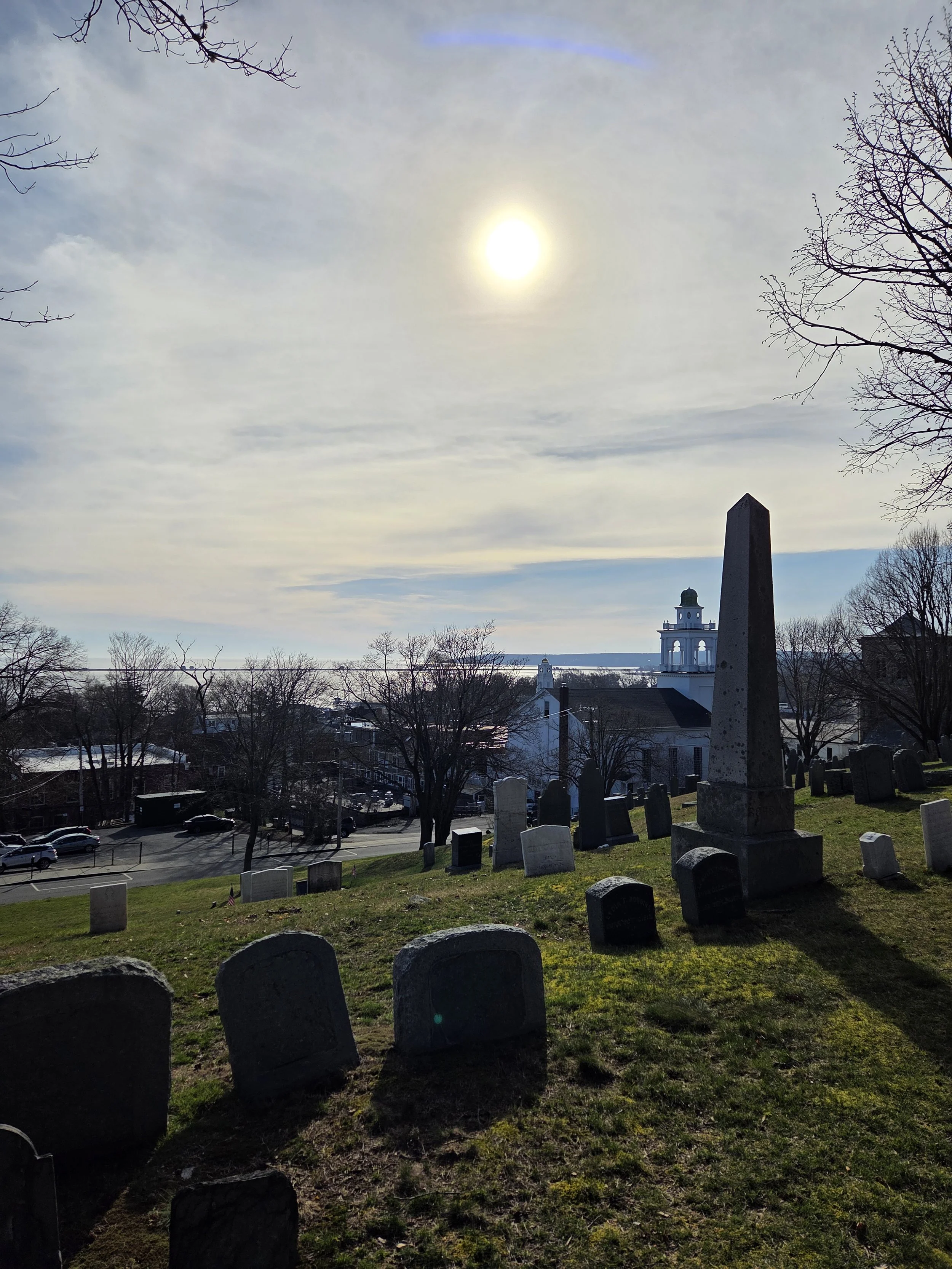
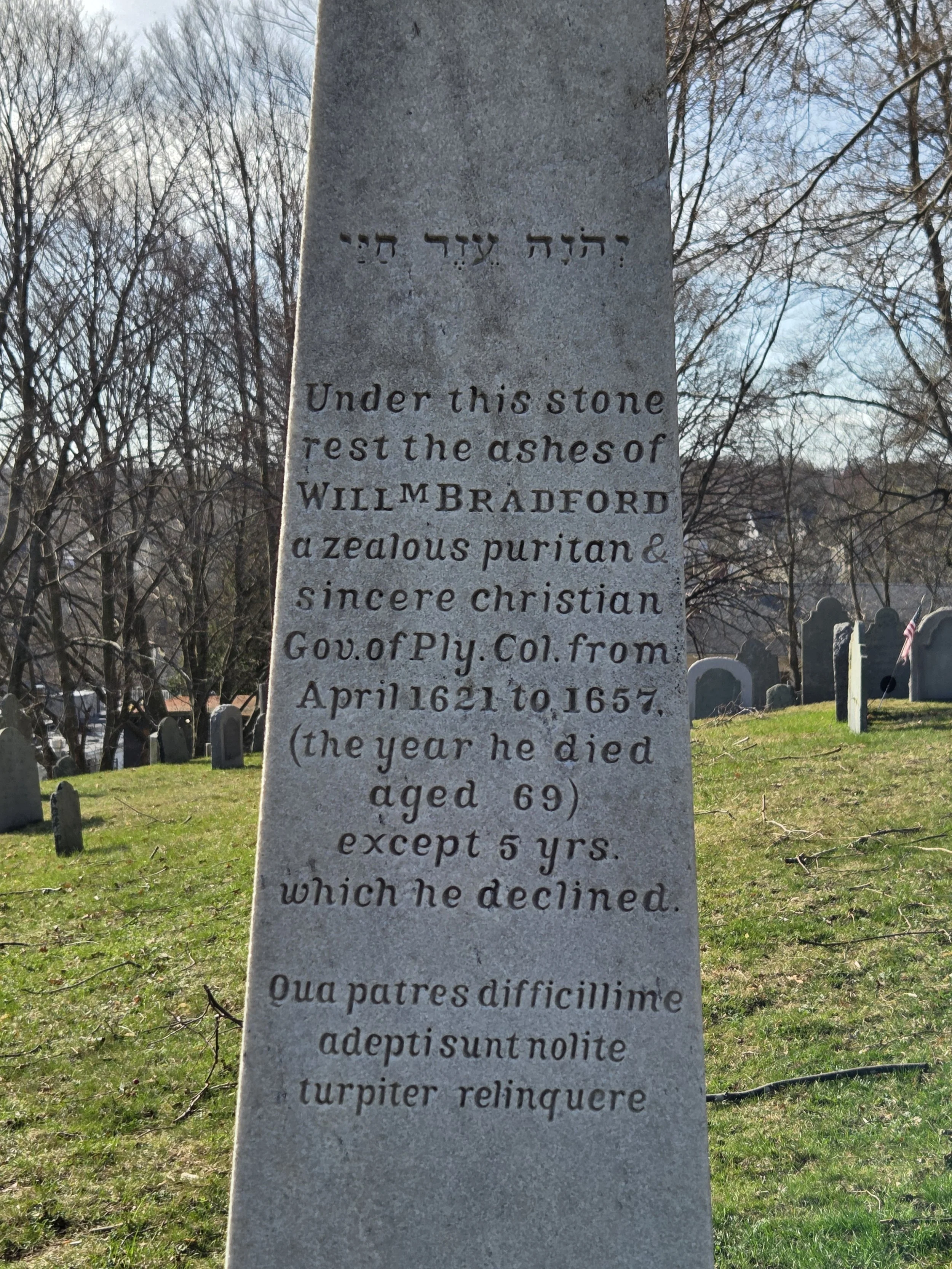
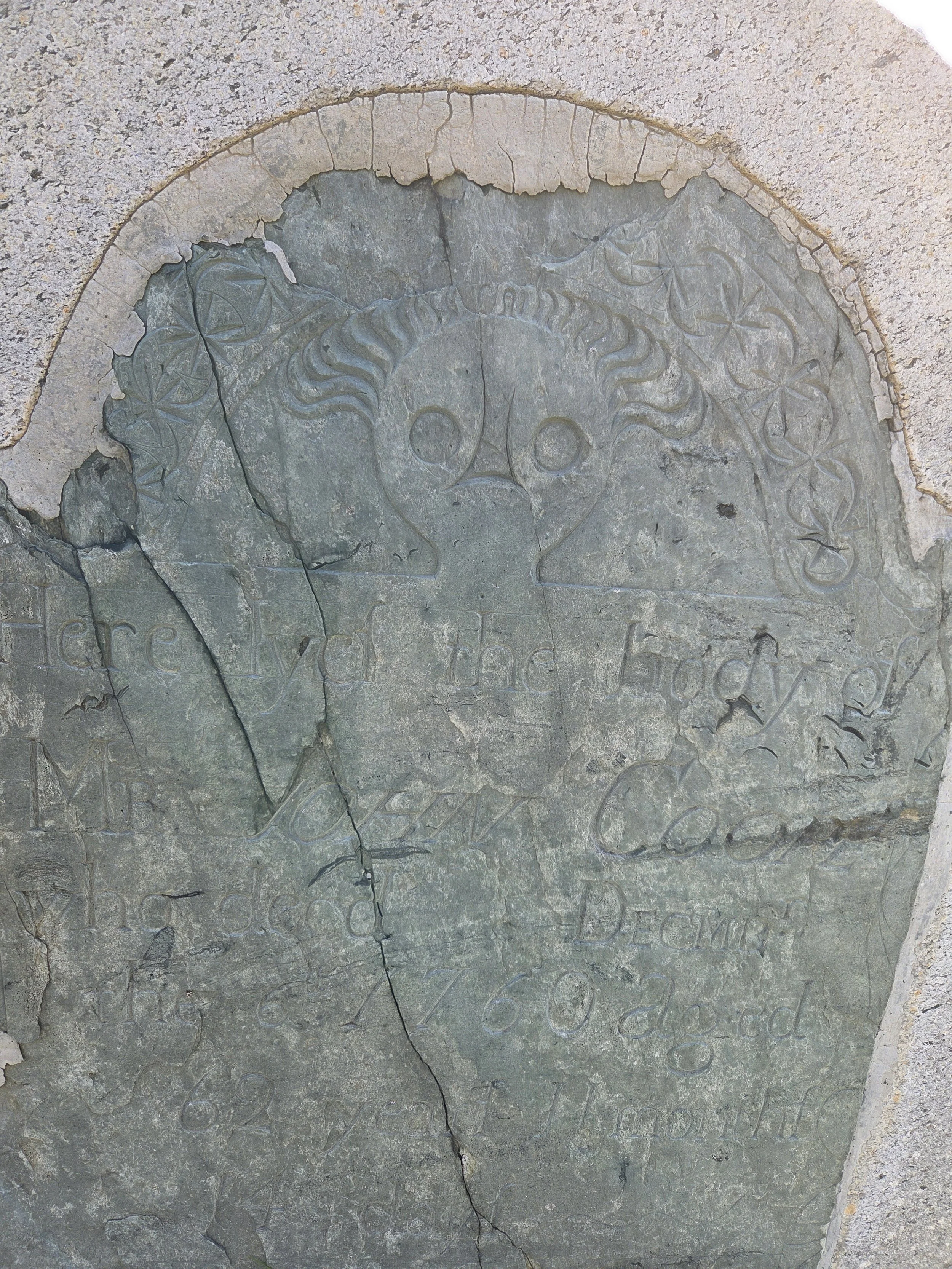
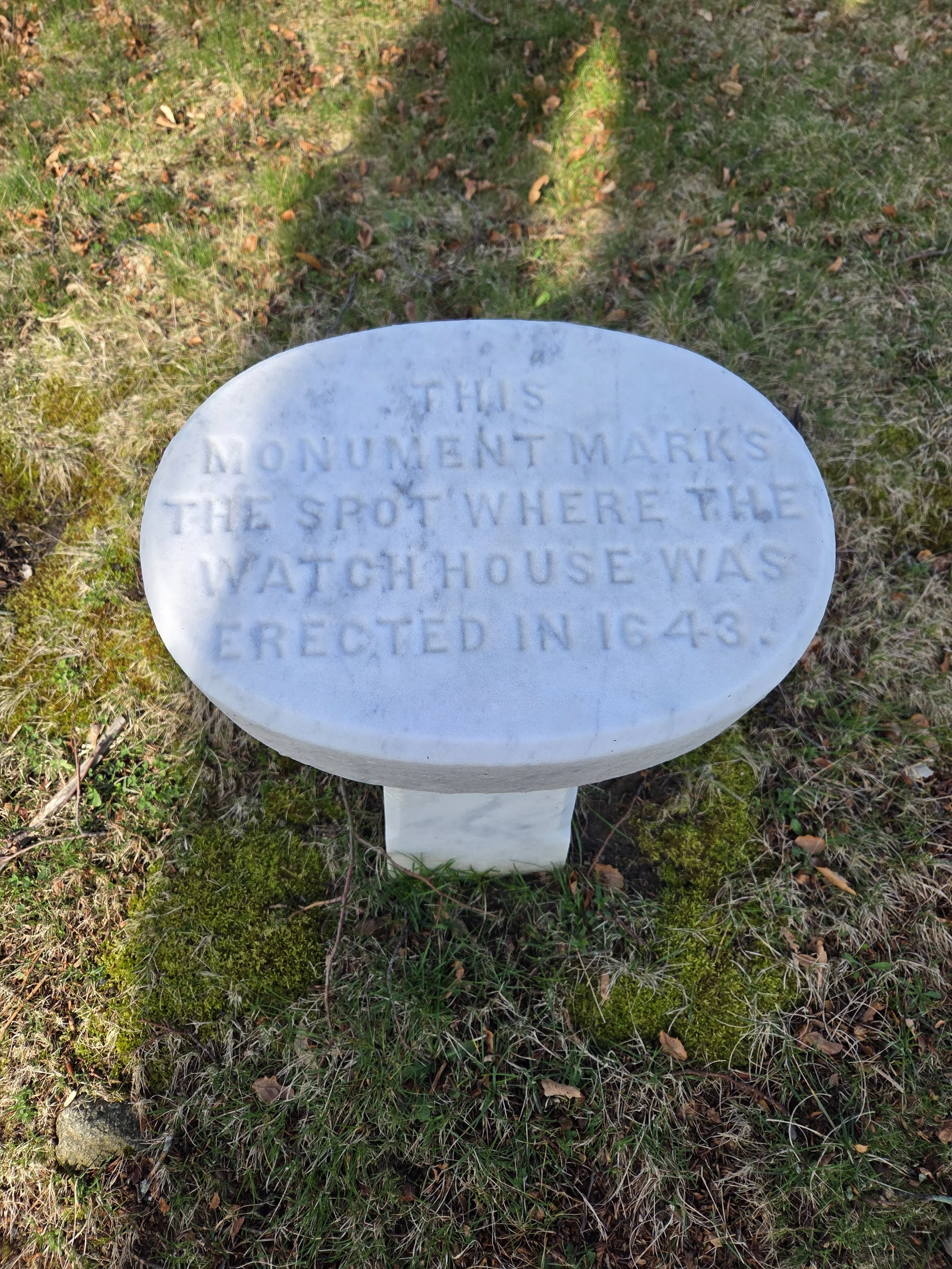
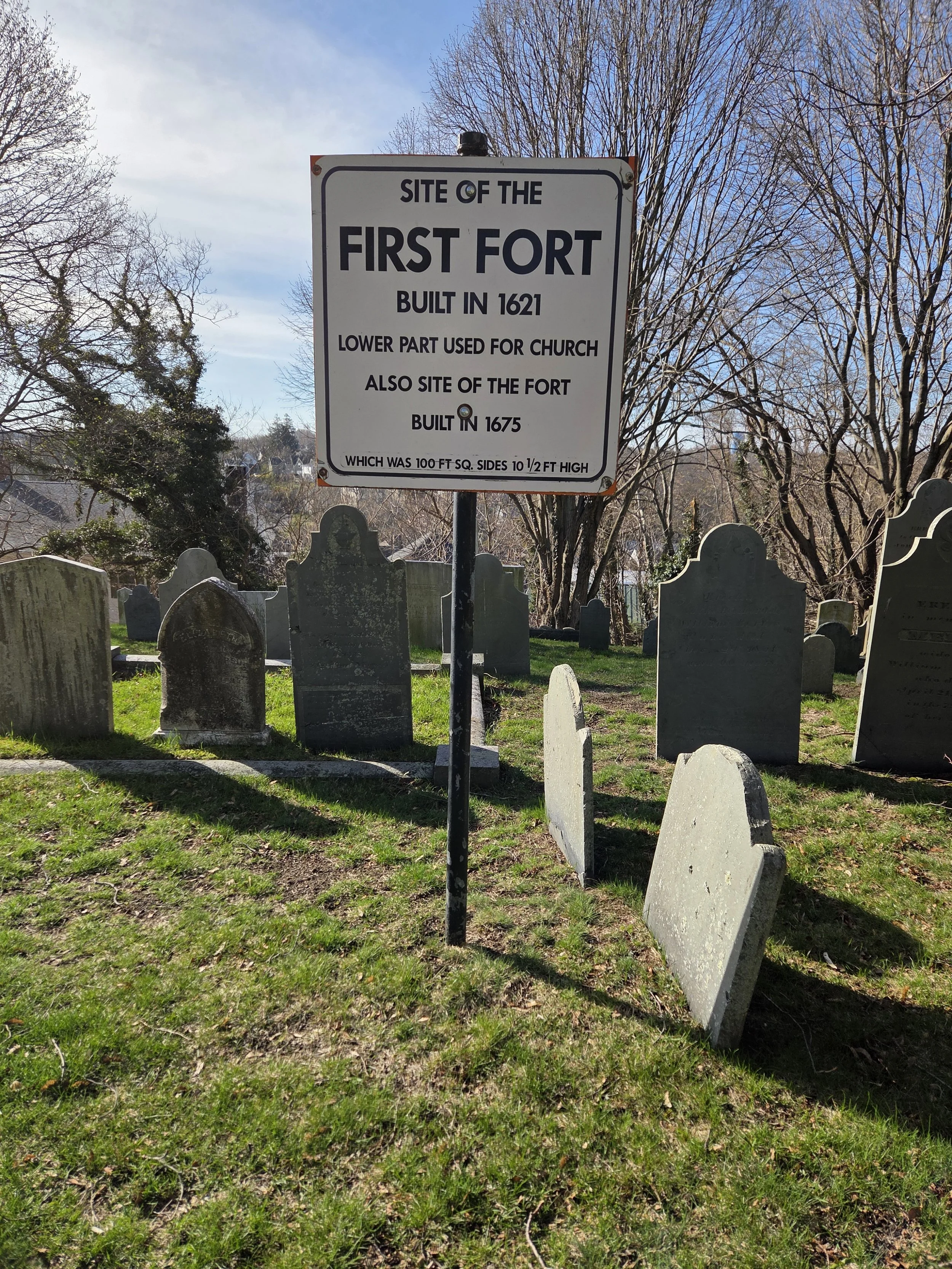
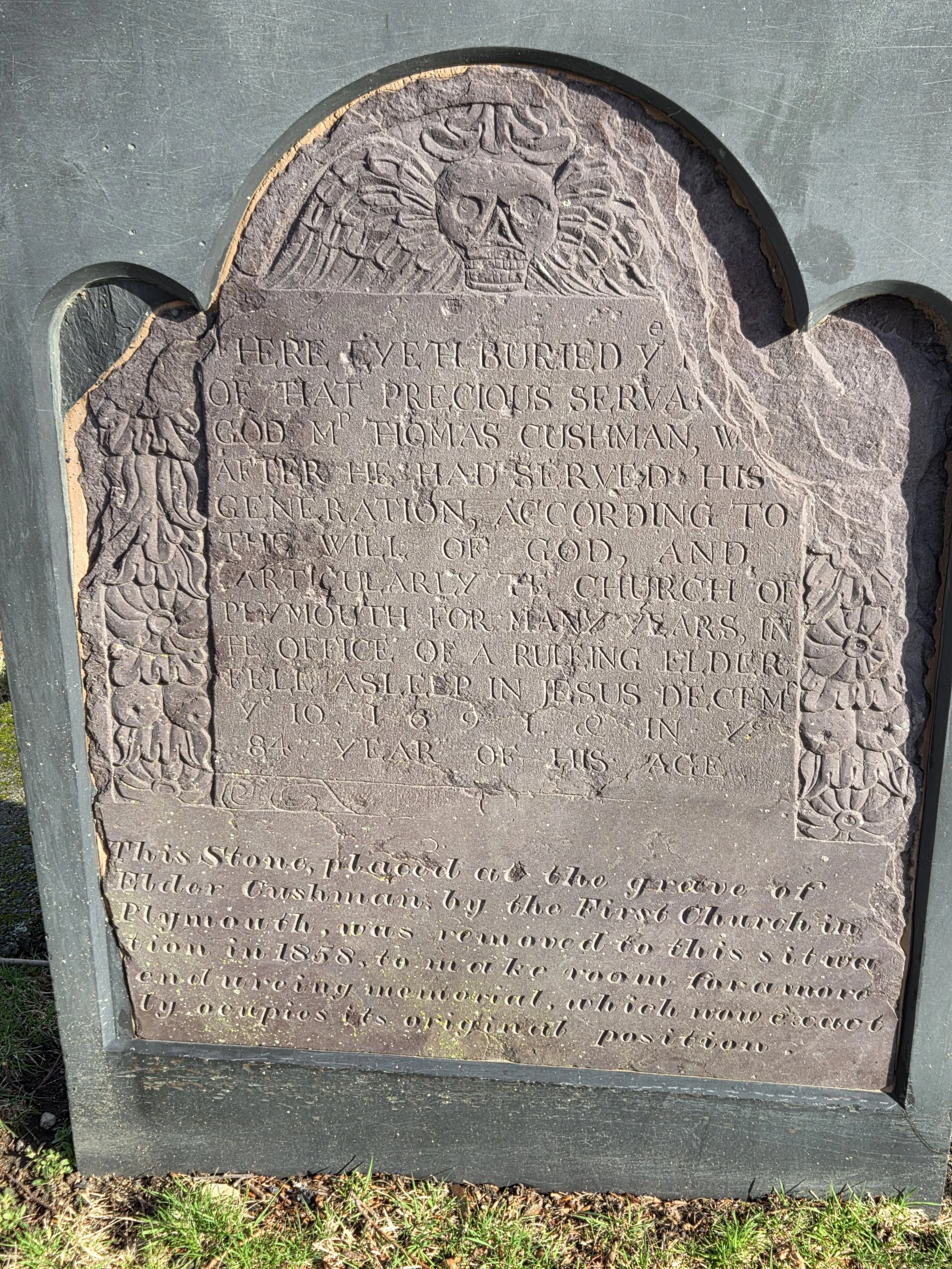
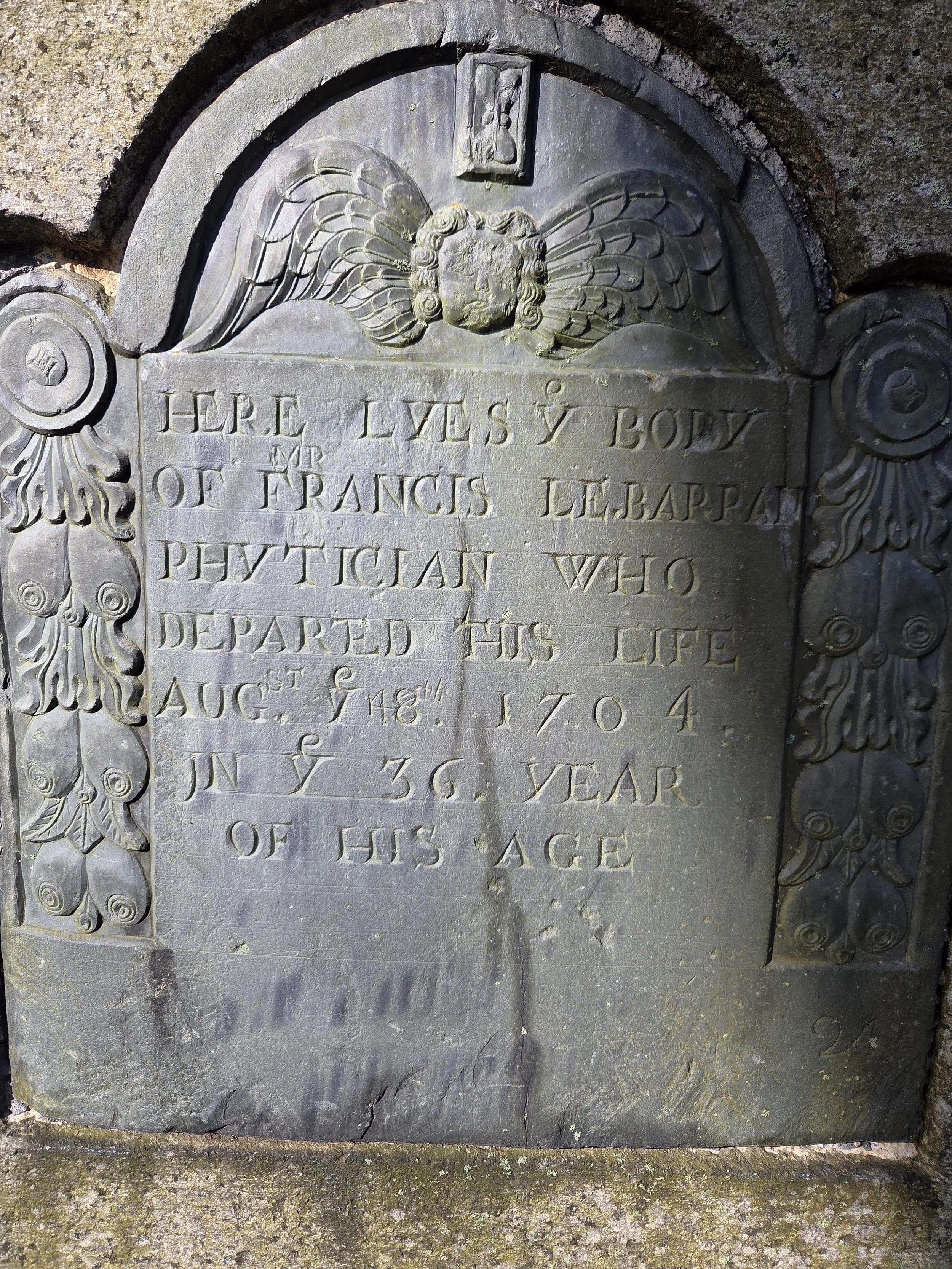
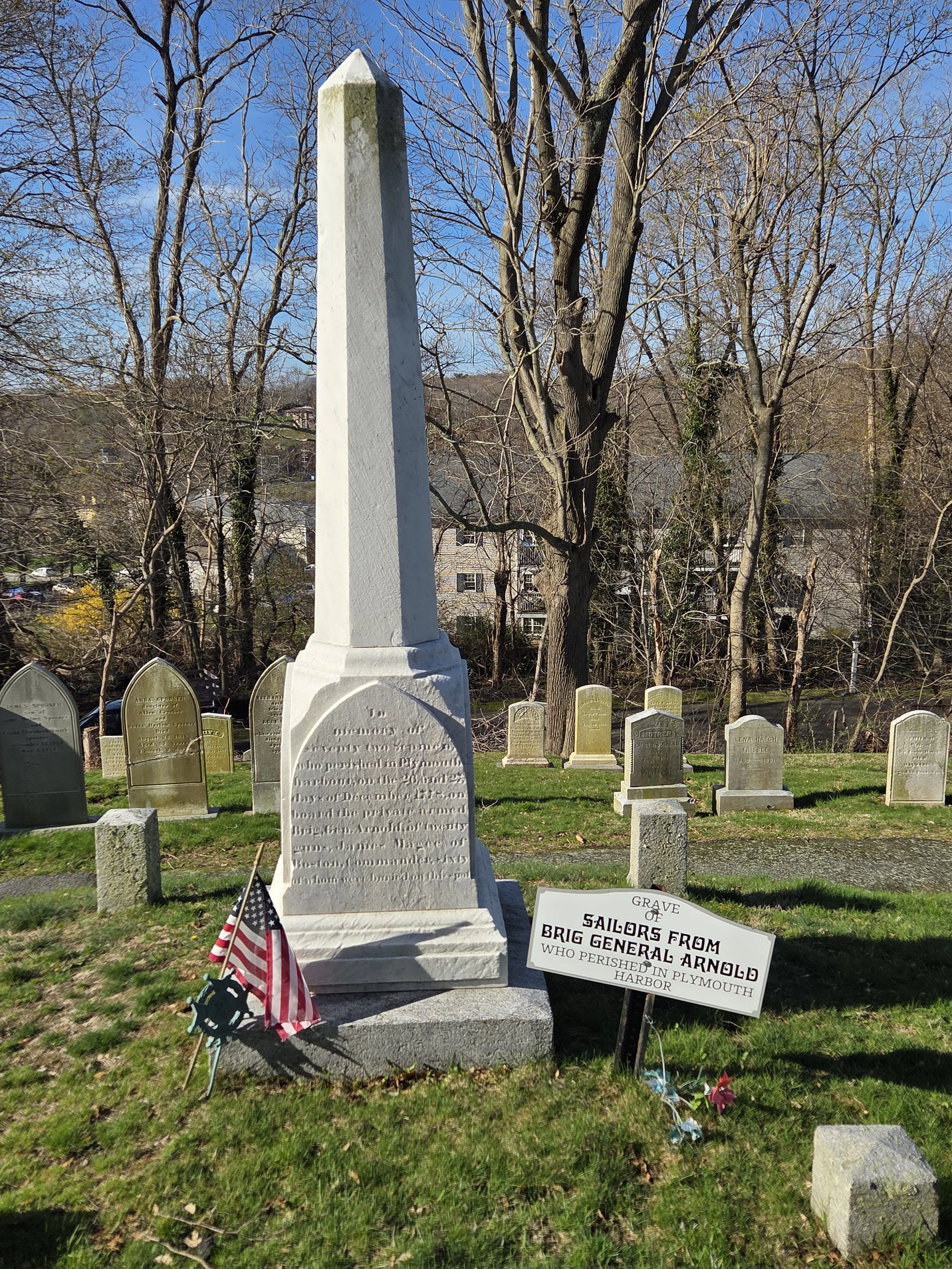
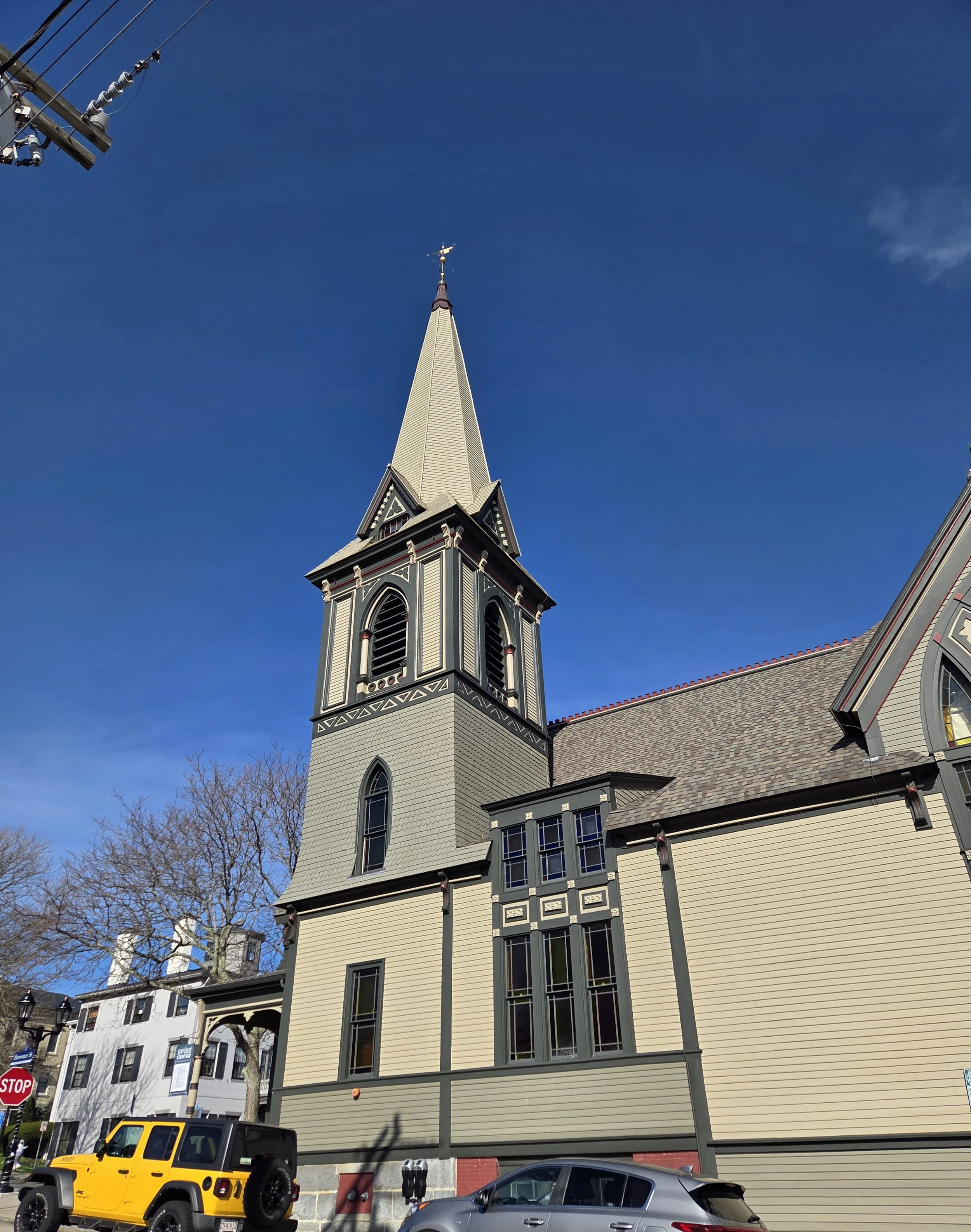
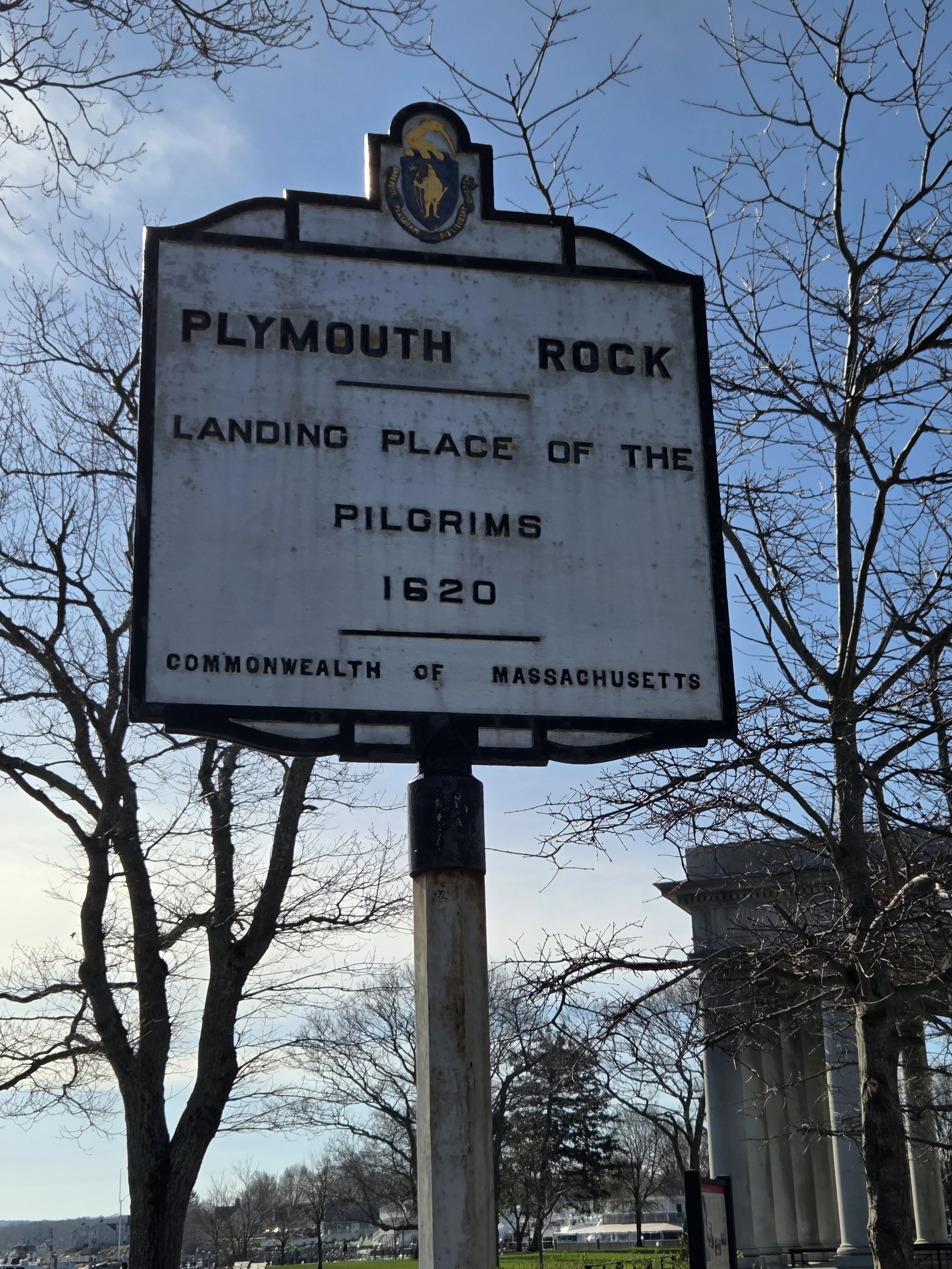
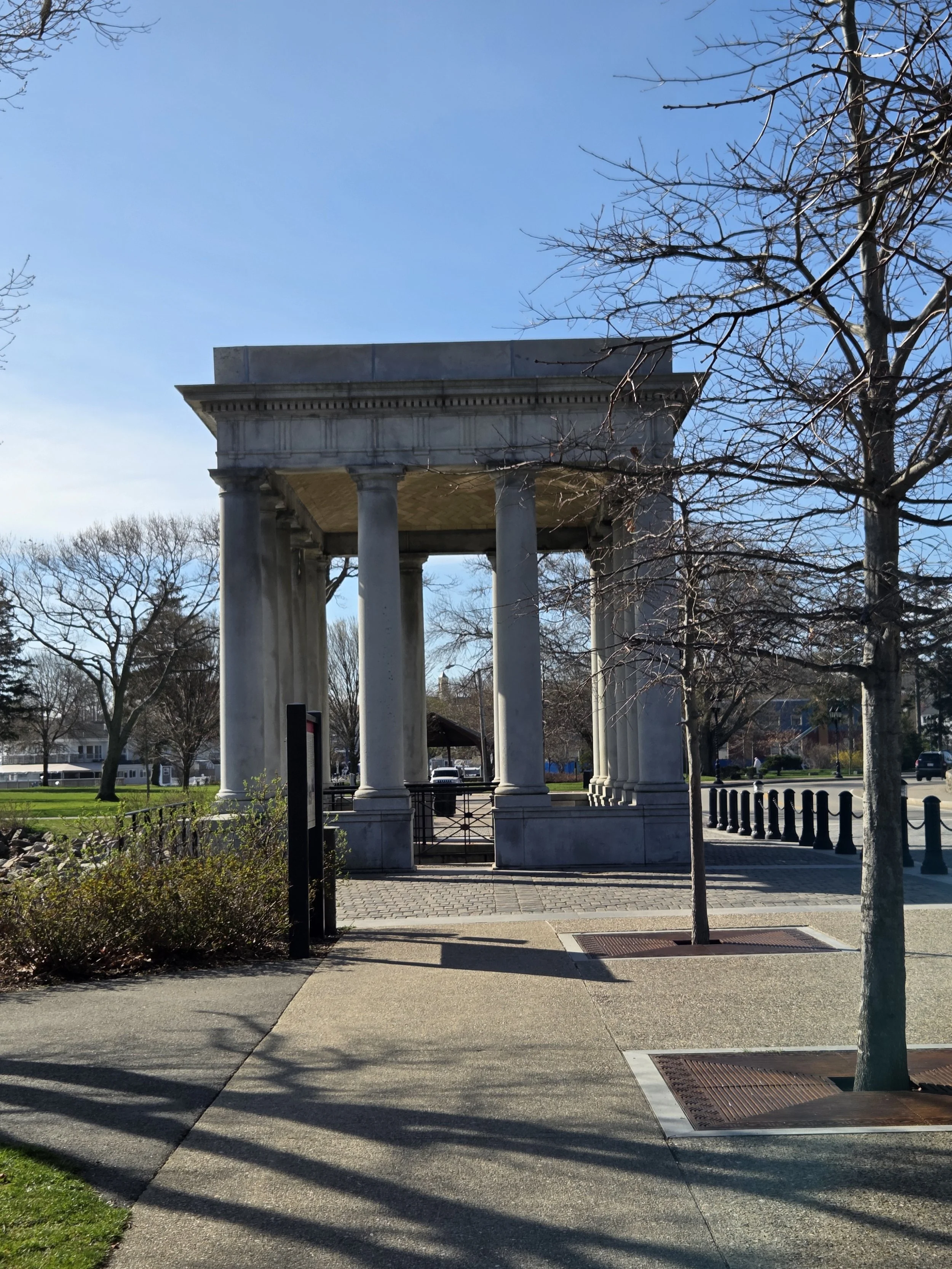
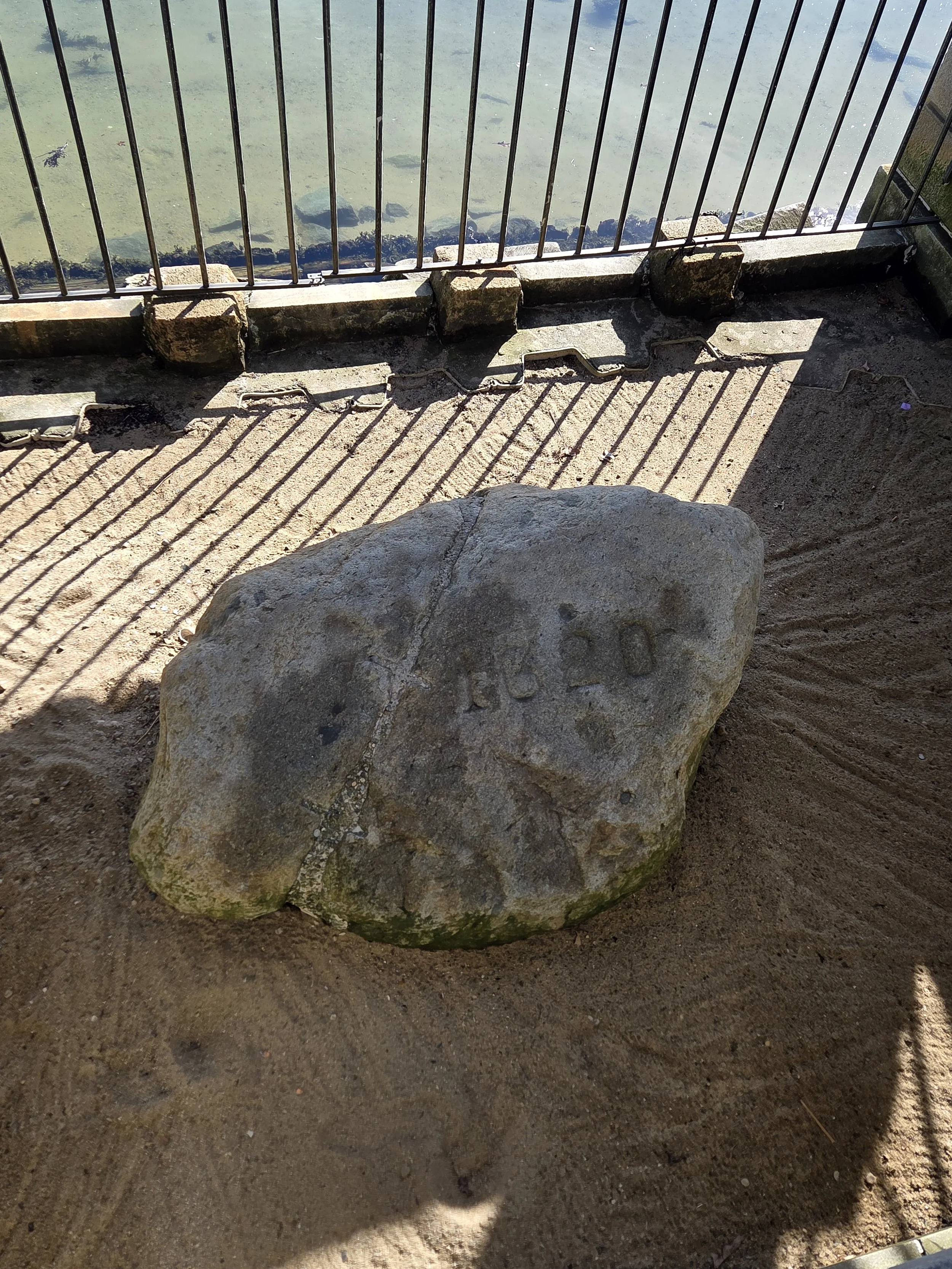
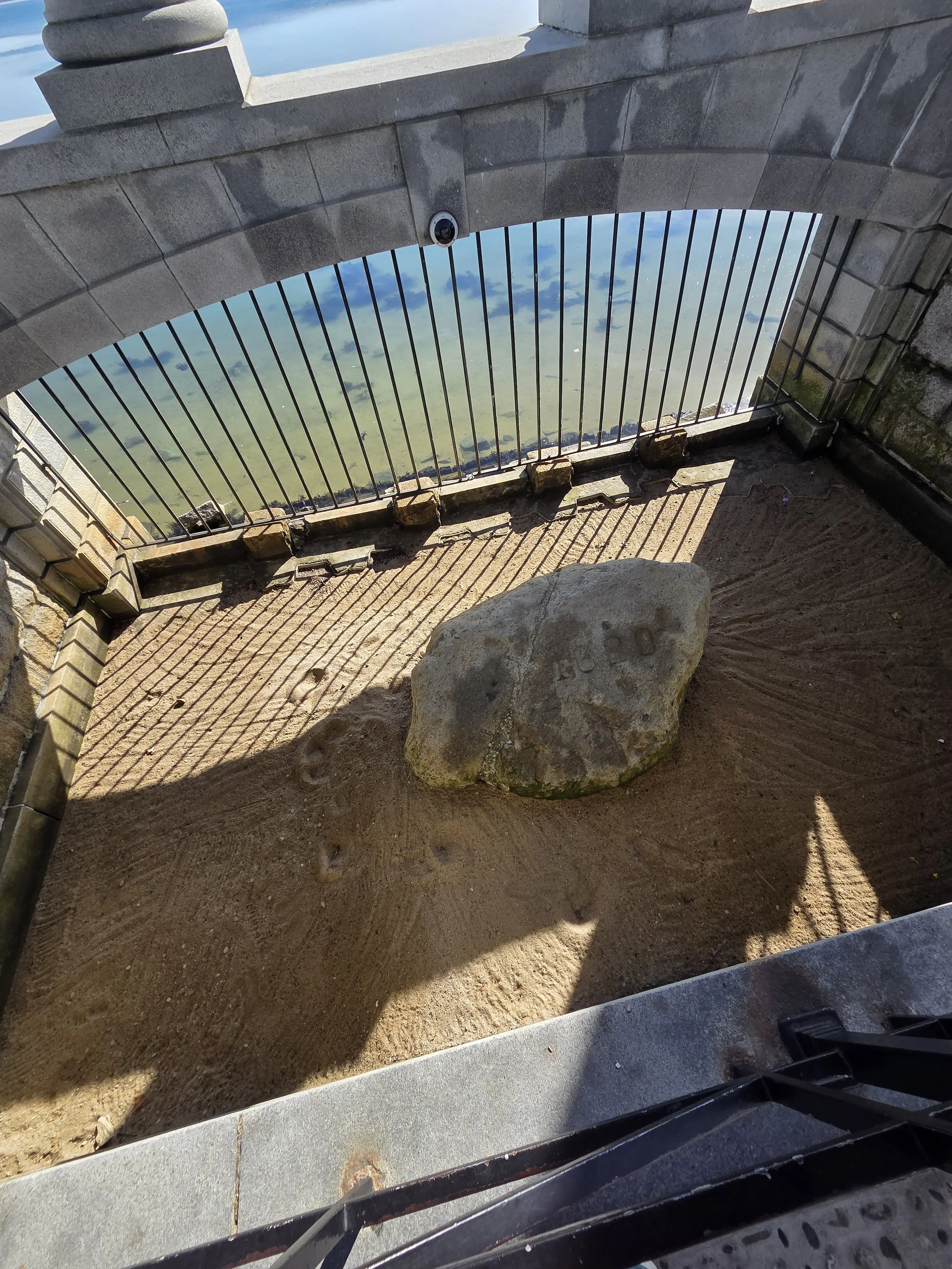
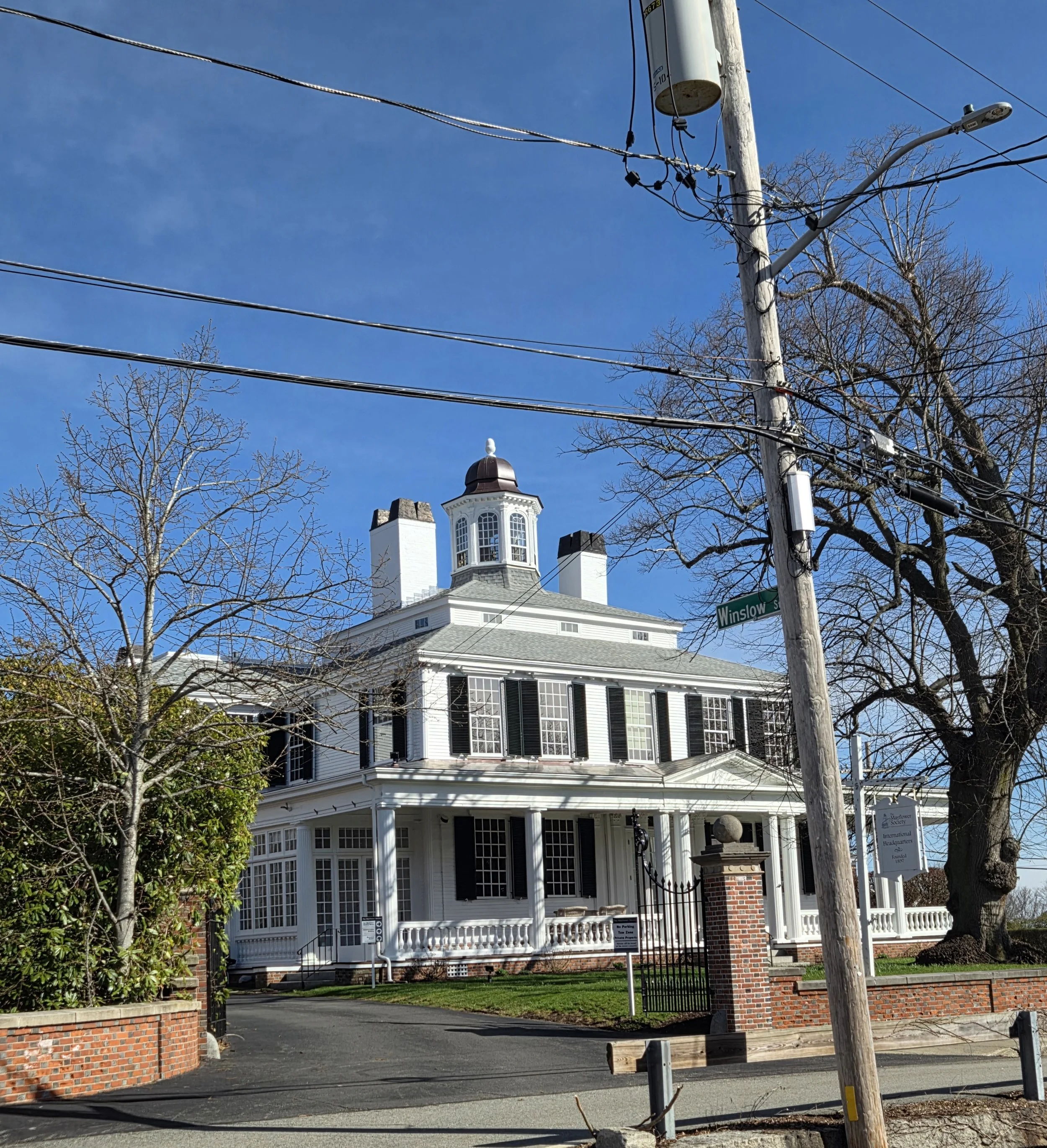
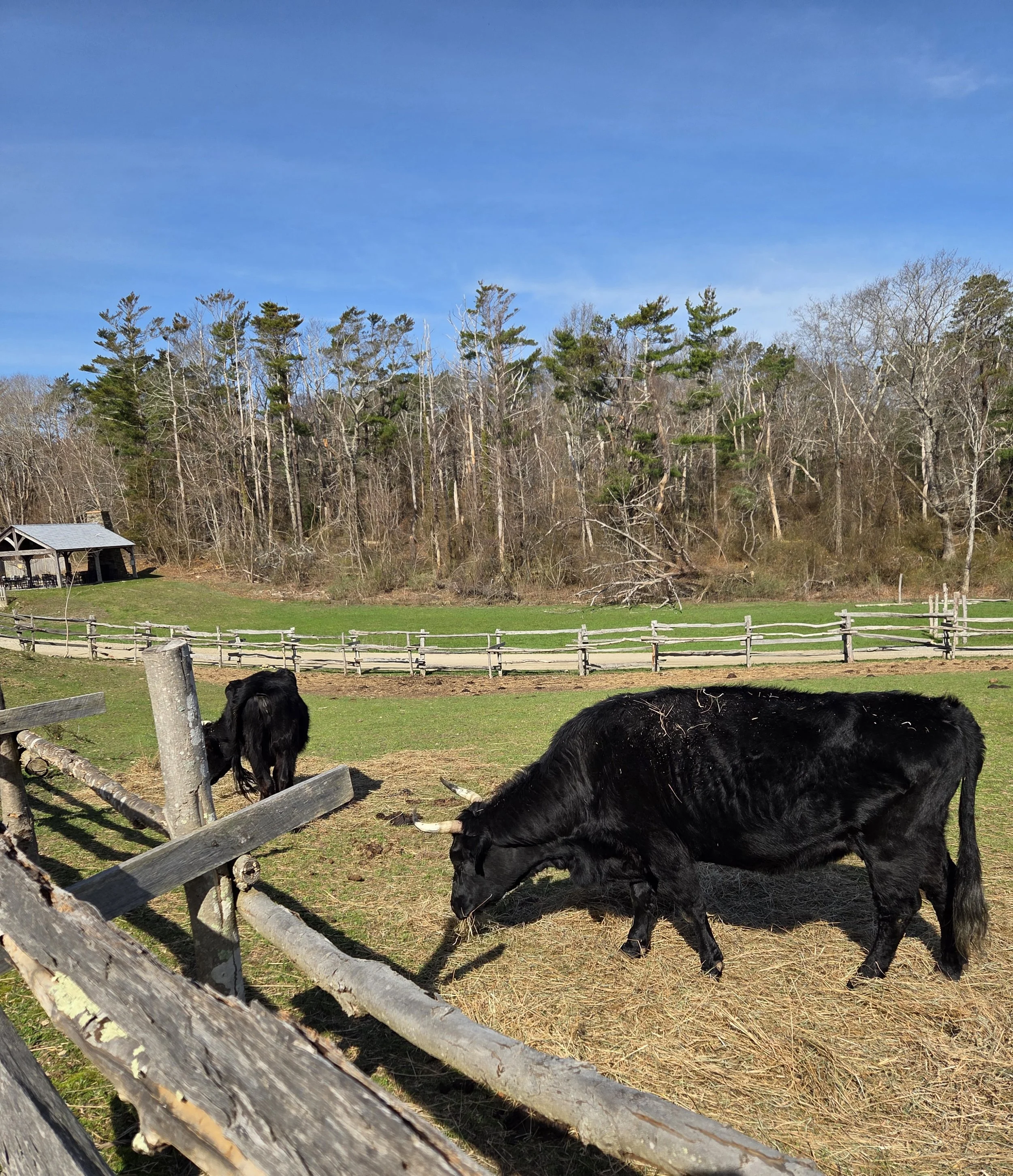
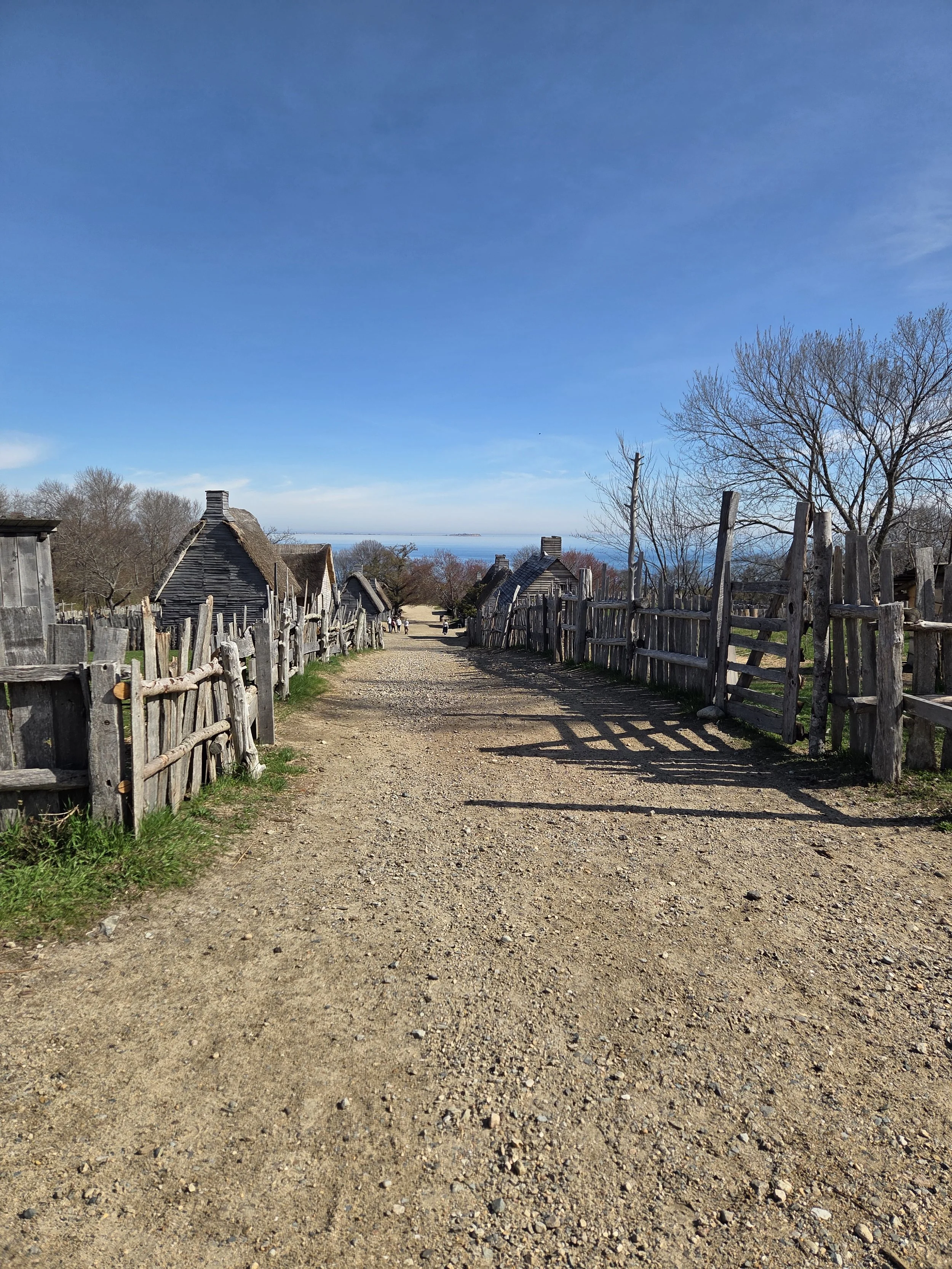
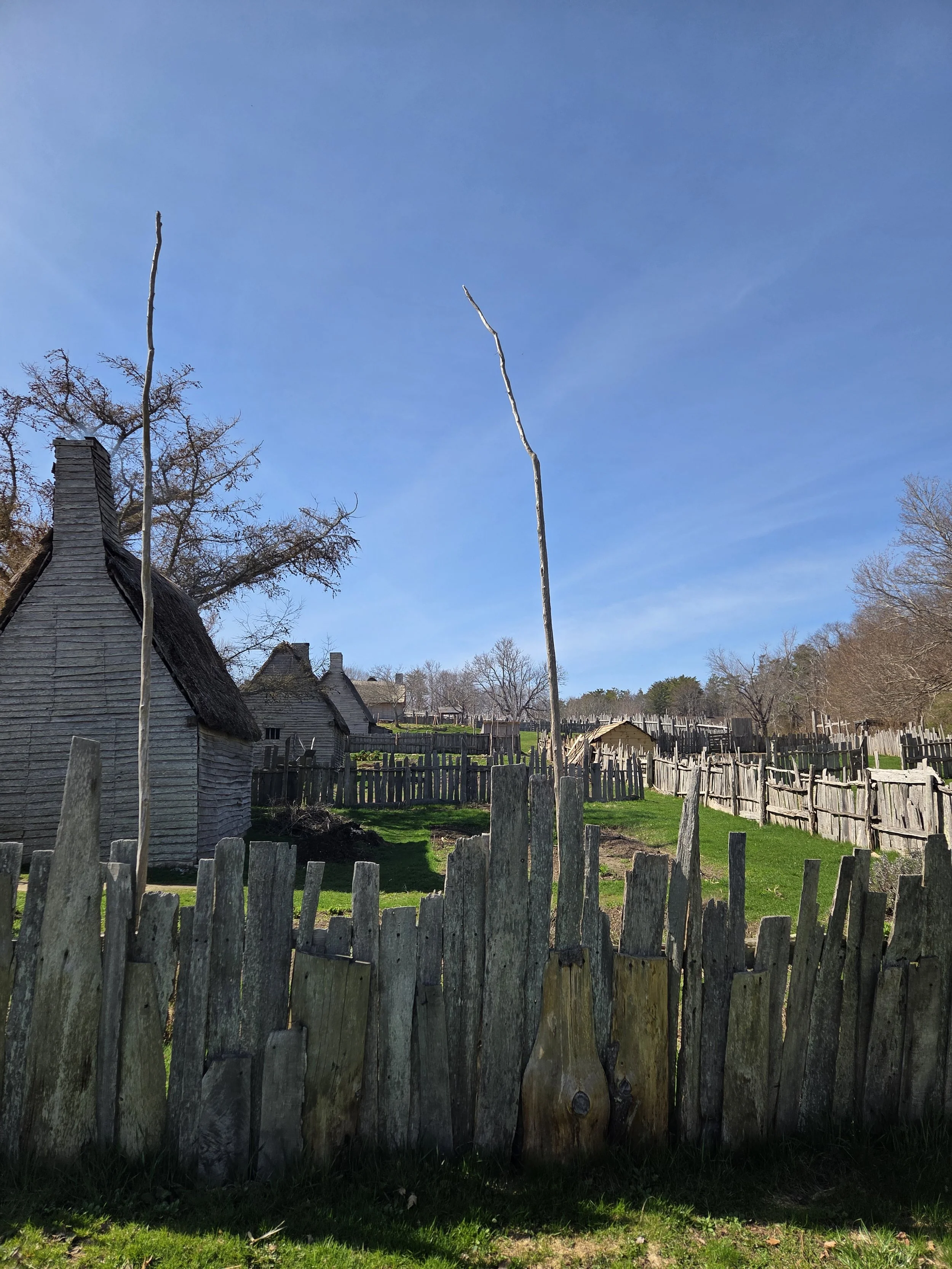
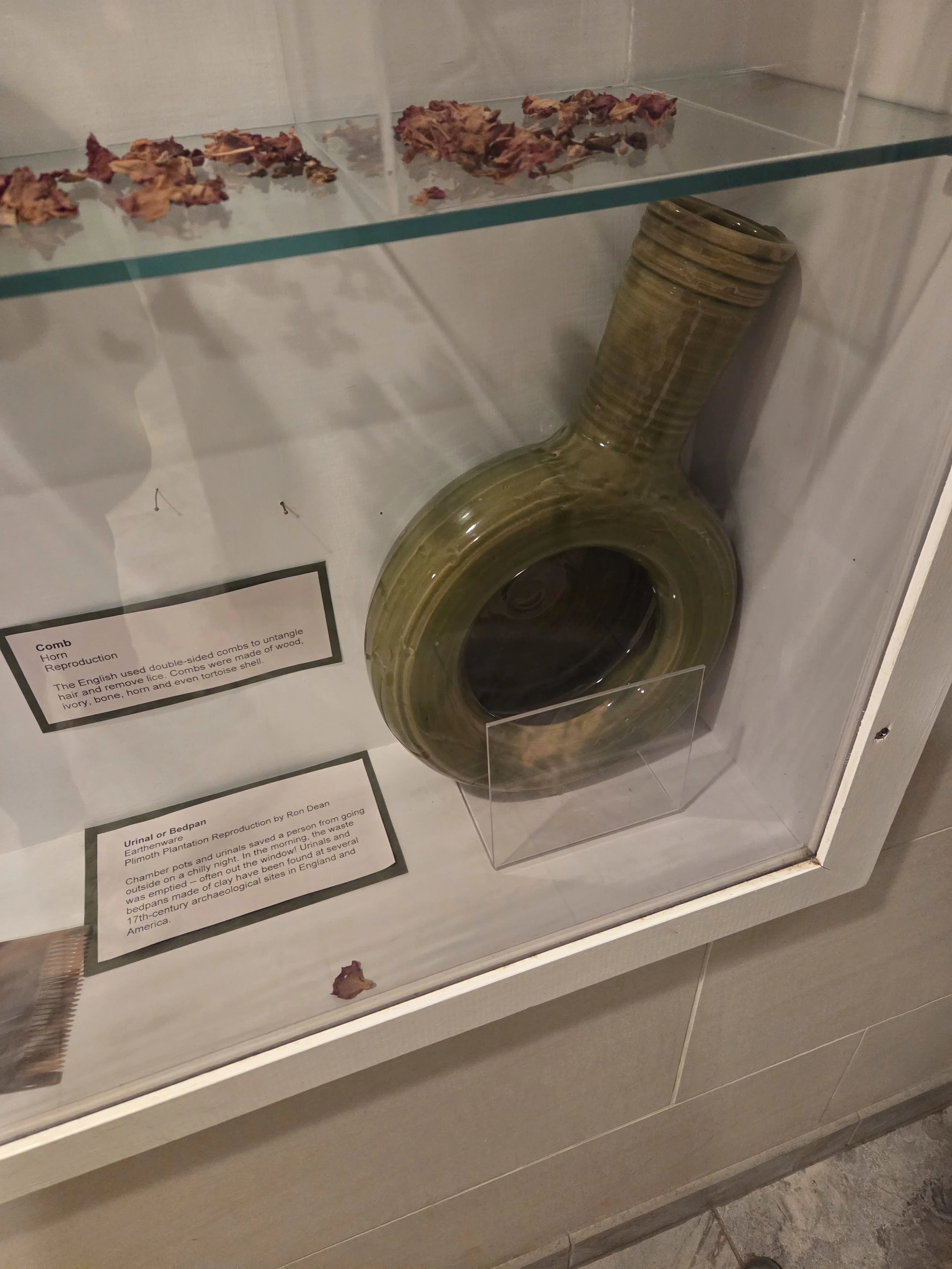
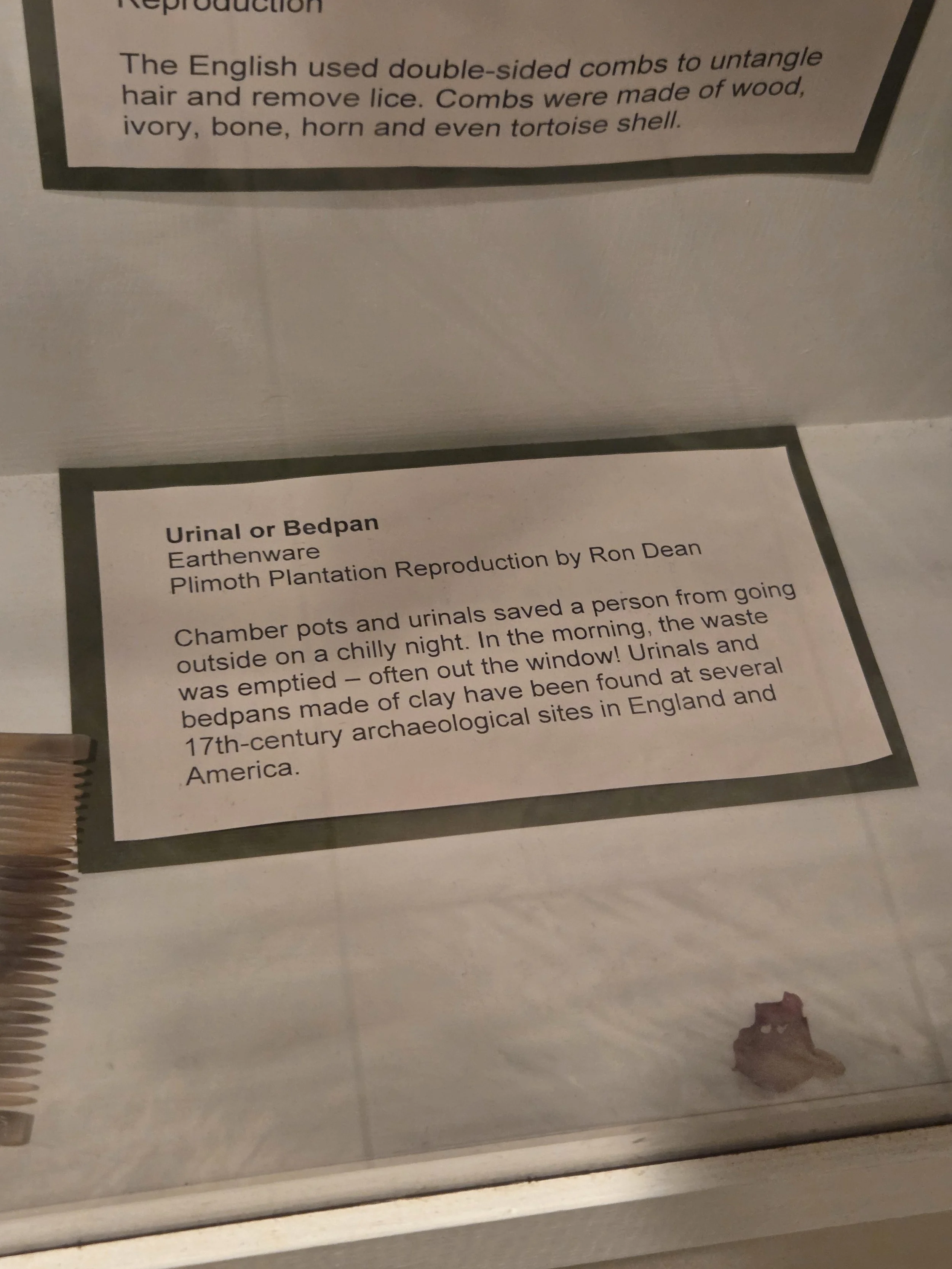
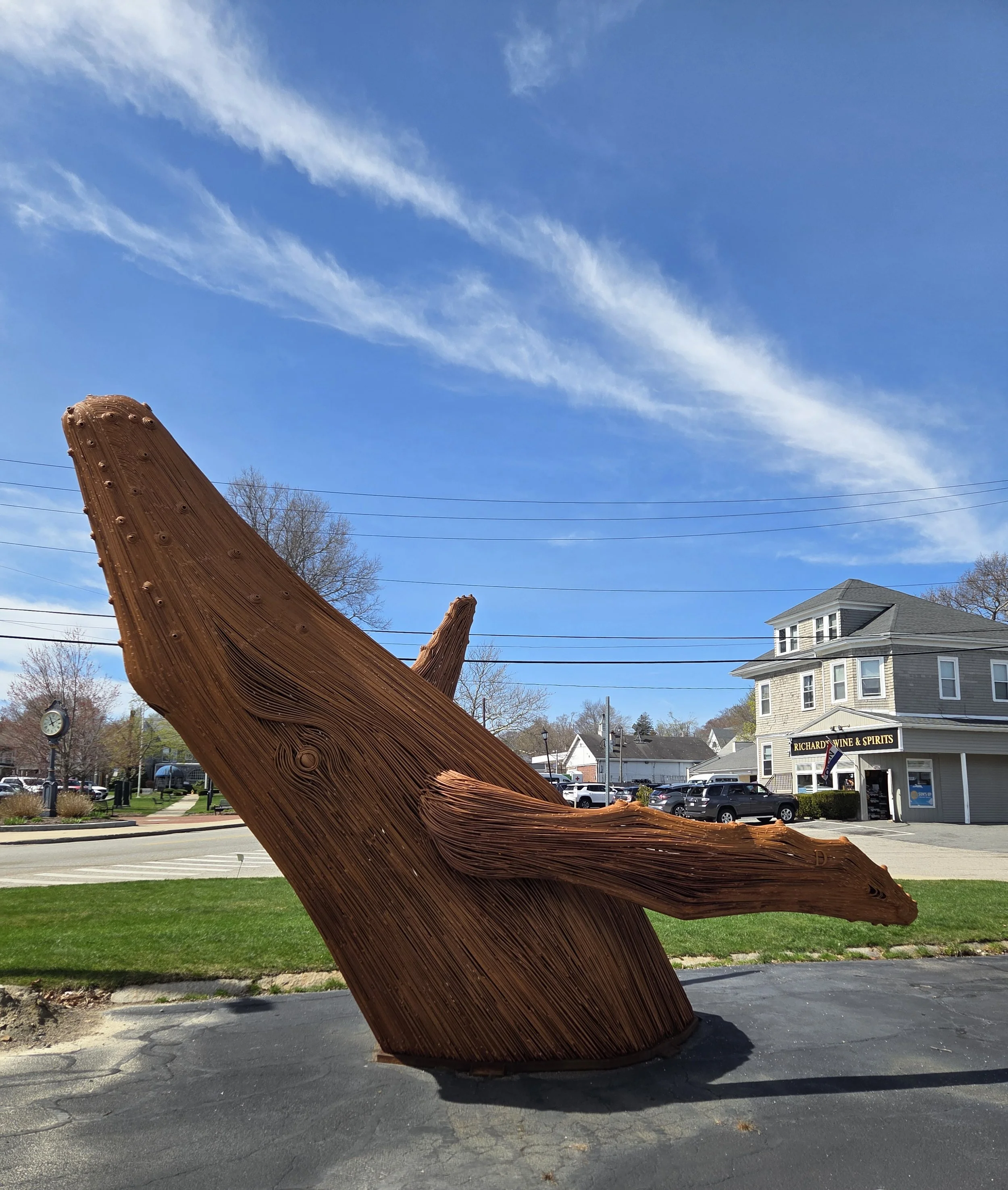
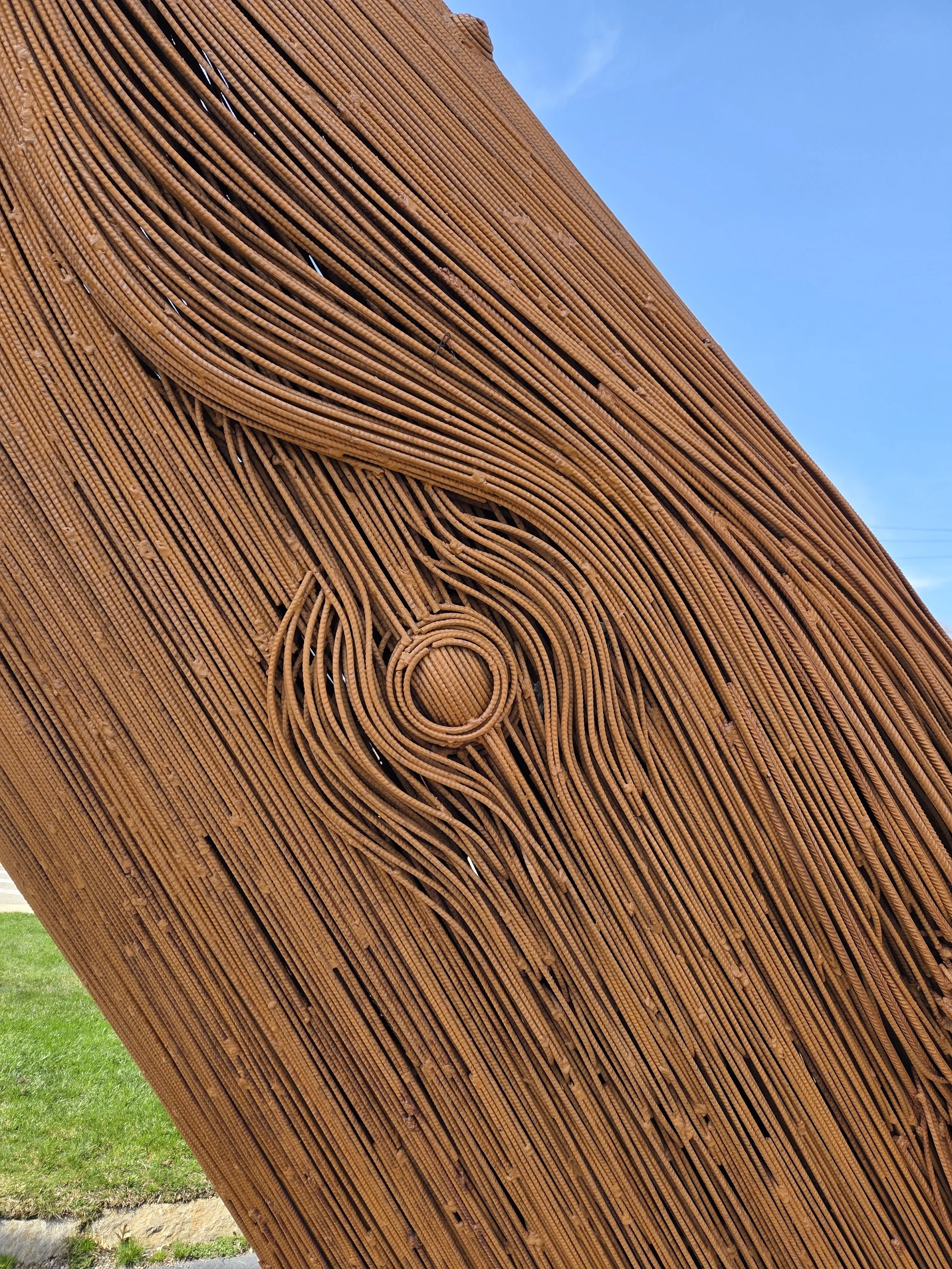
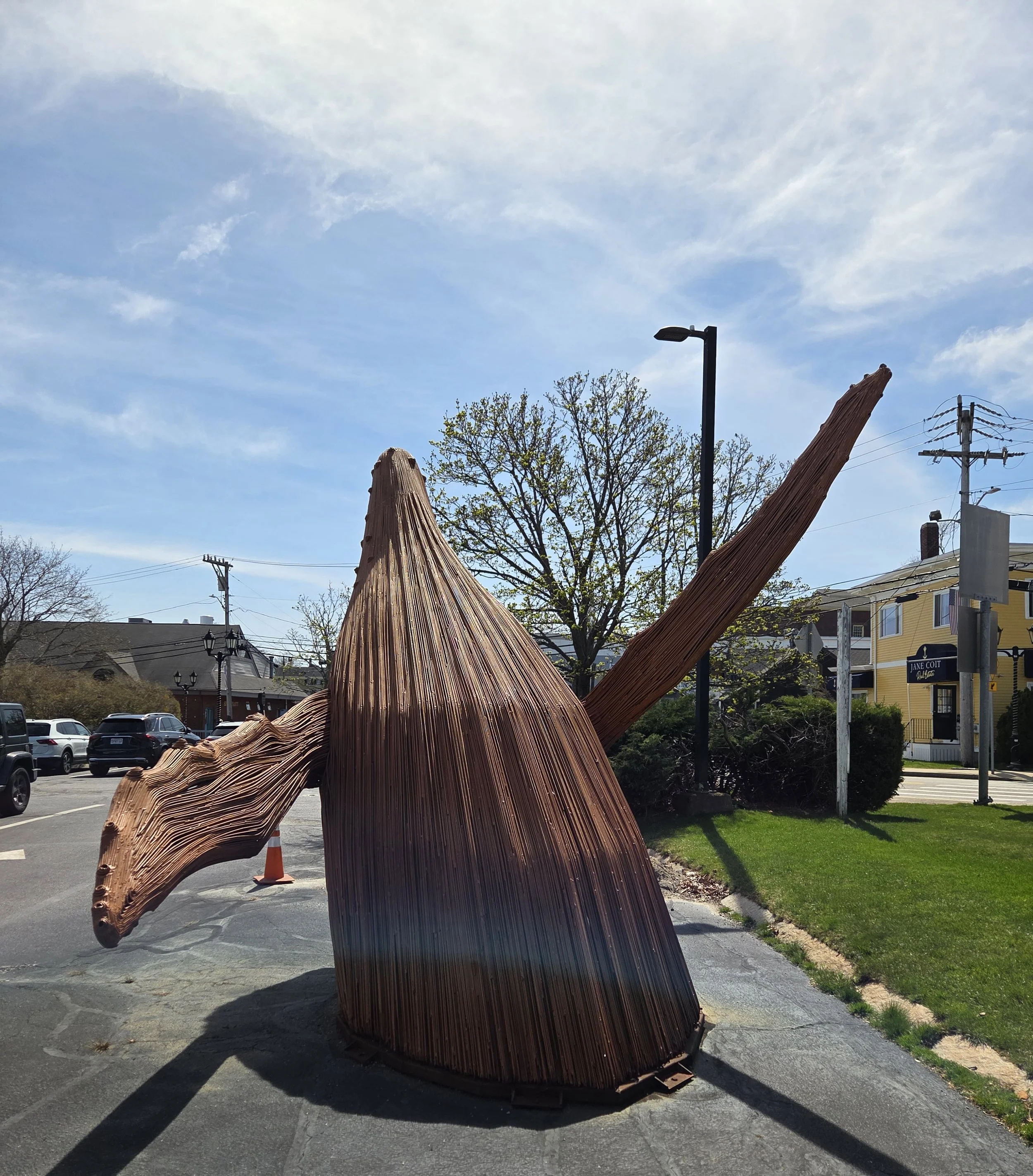
I was also able to visit Plymouth, go to the oldest cemetery in the United States, and visit the living history museum along with “The Rock”. I also wandered along the beaches of Cape Cod and found some lovely treasures. It was also fun to stumble across a wooden Humpback Whale in the parking lot of the local bank.

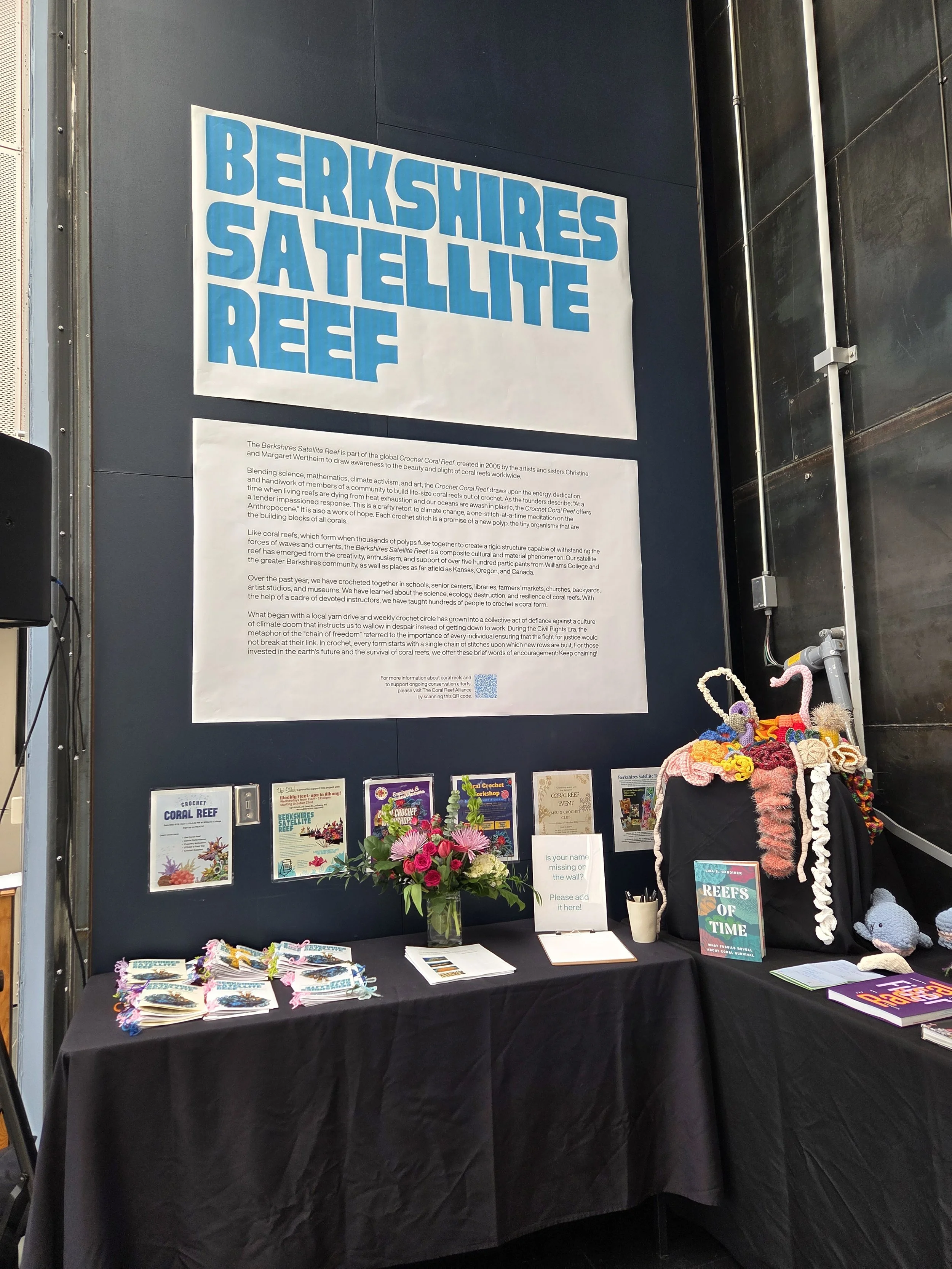
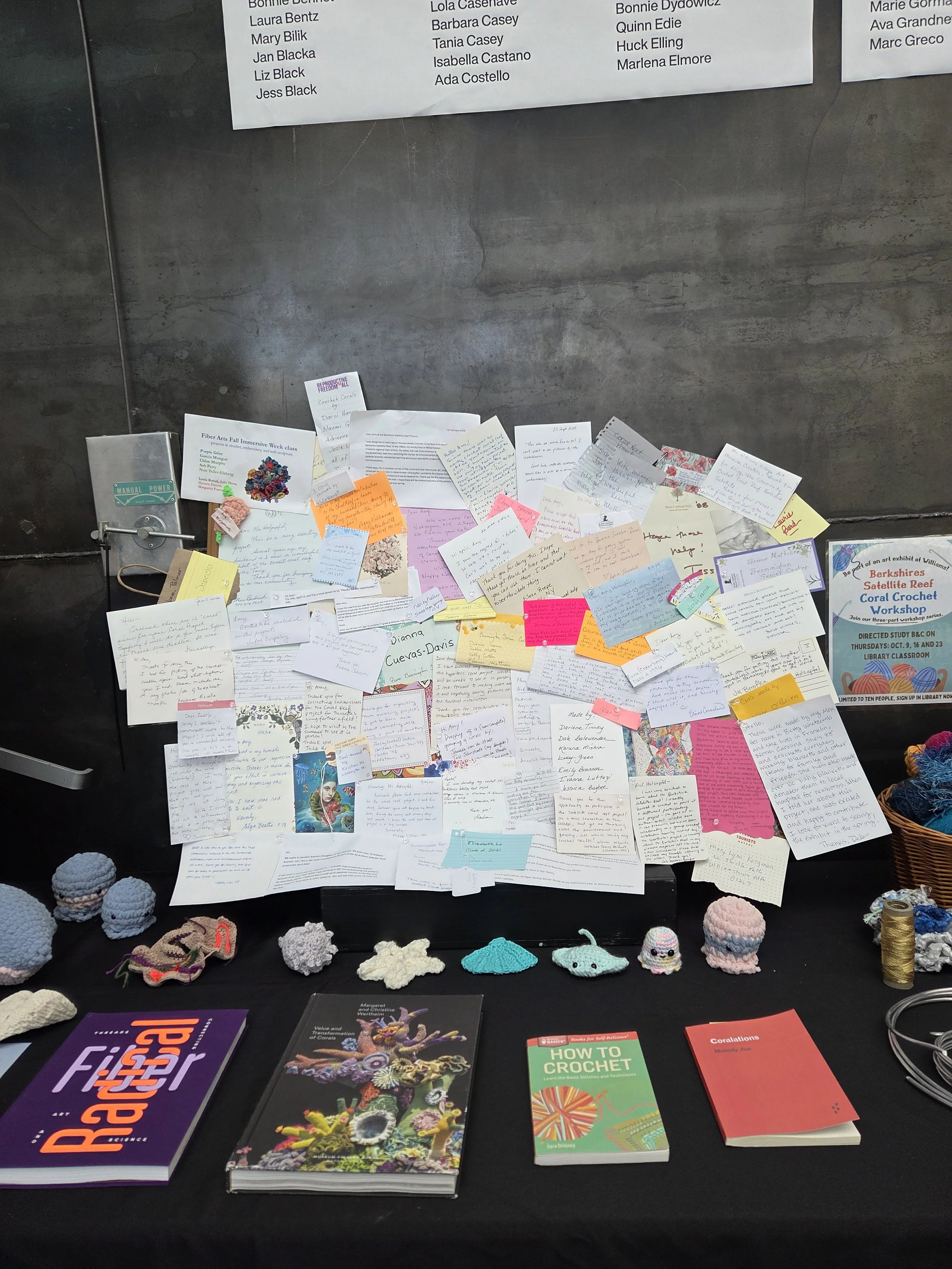
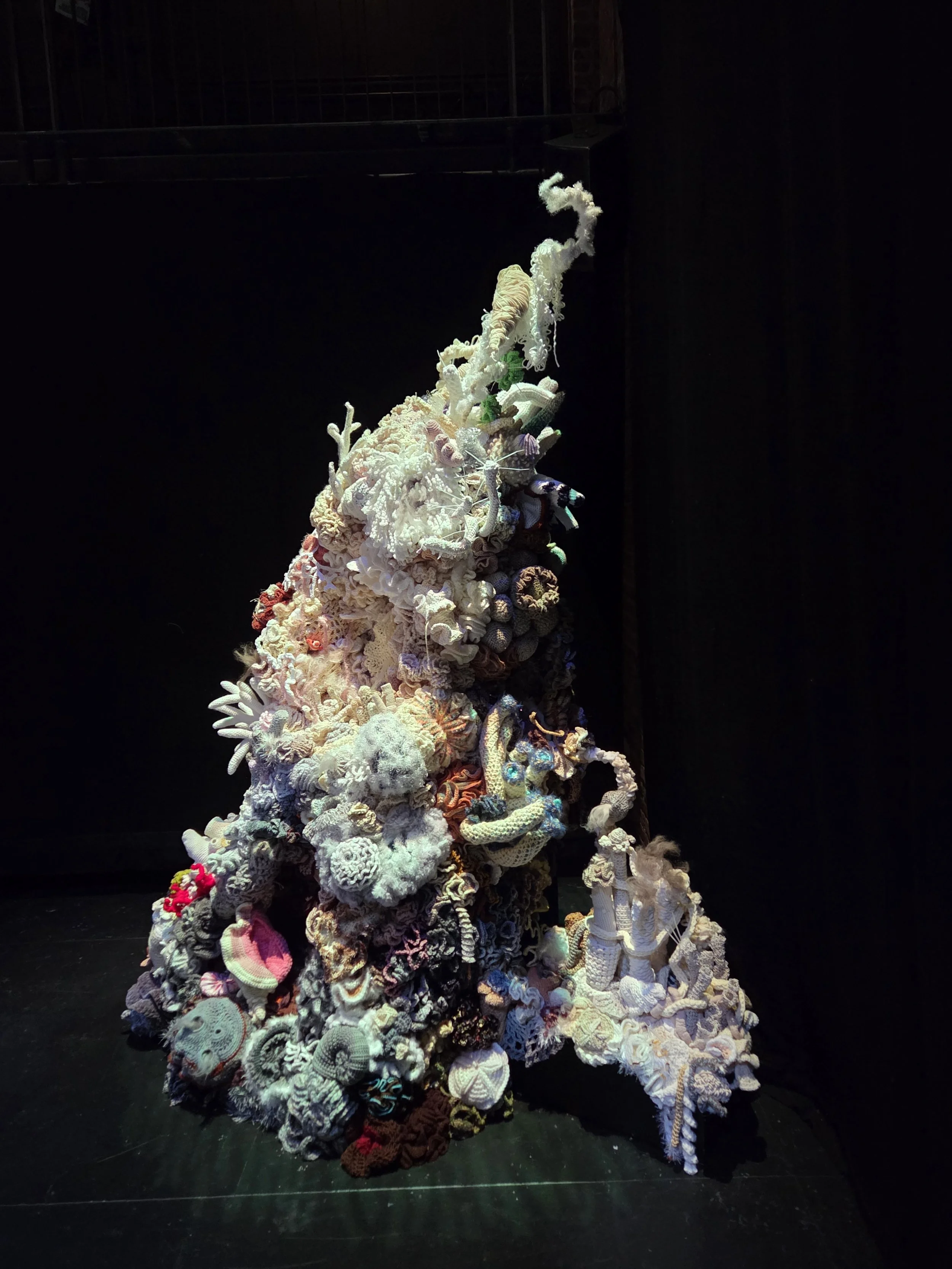
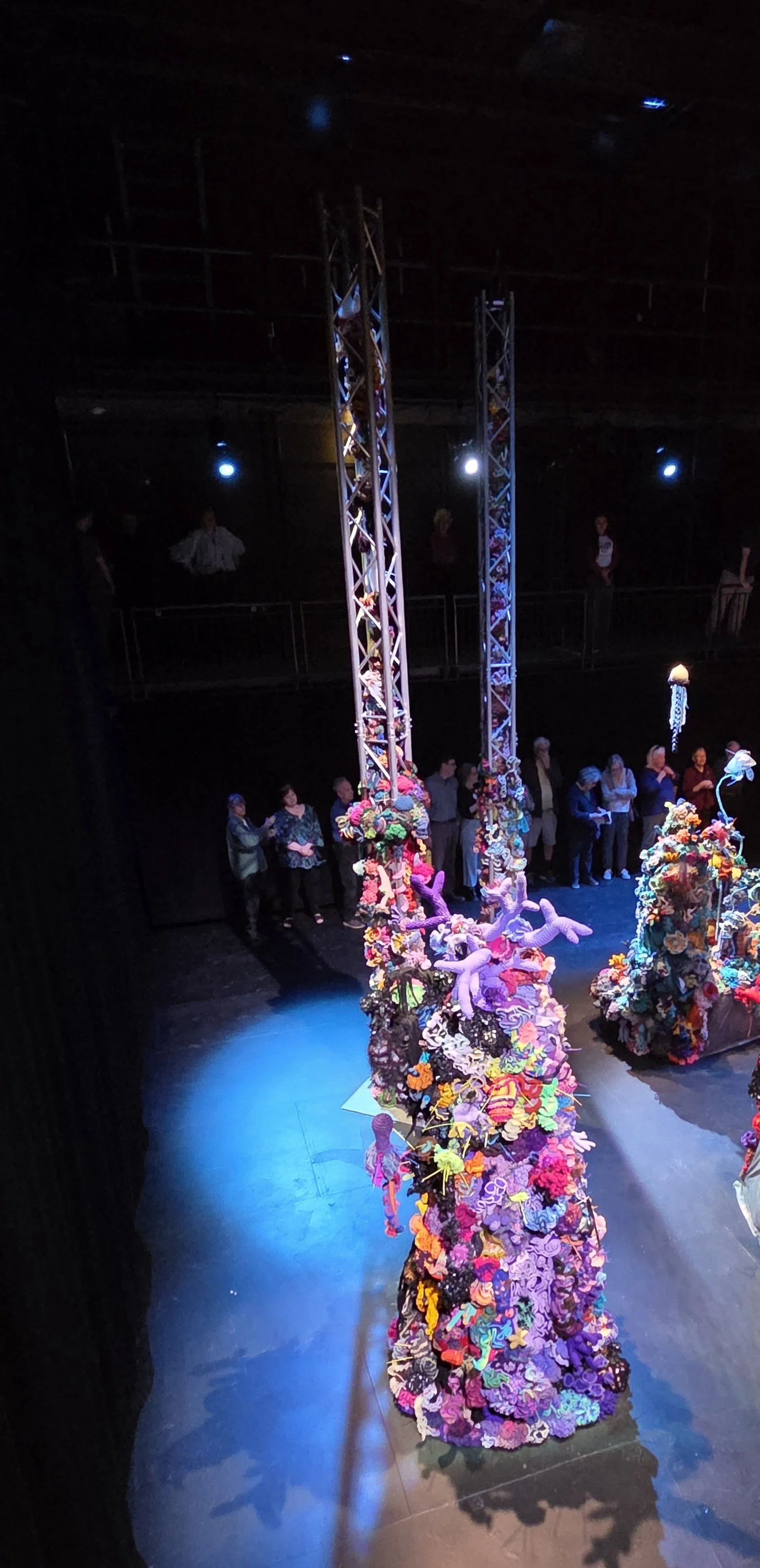
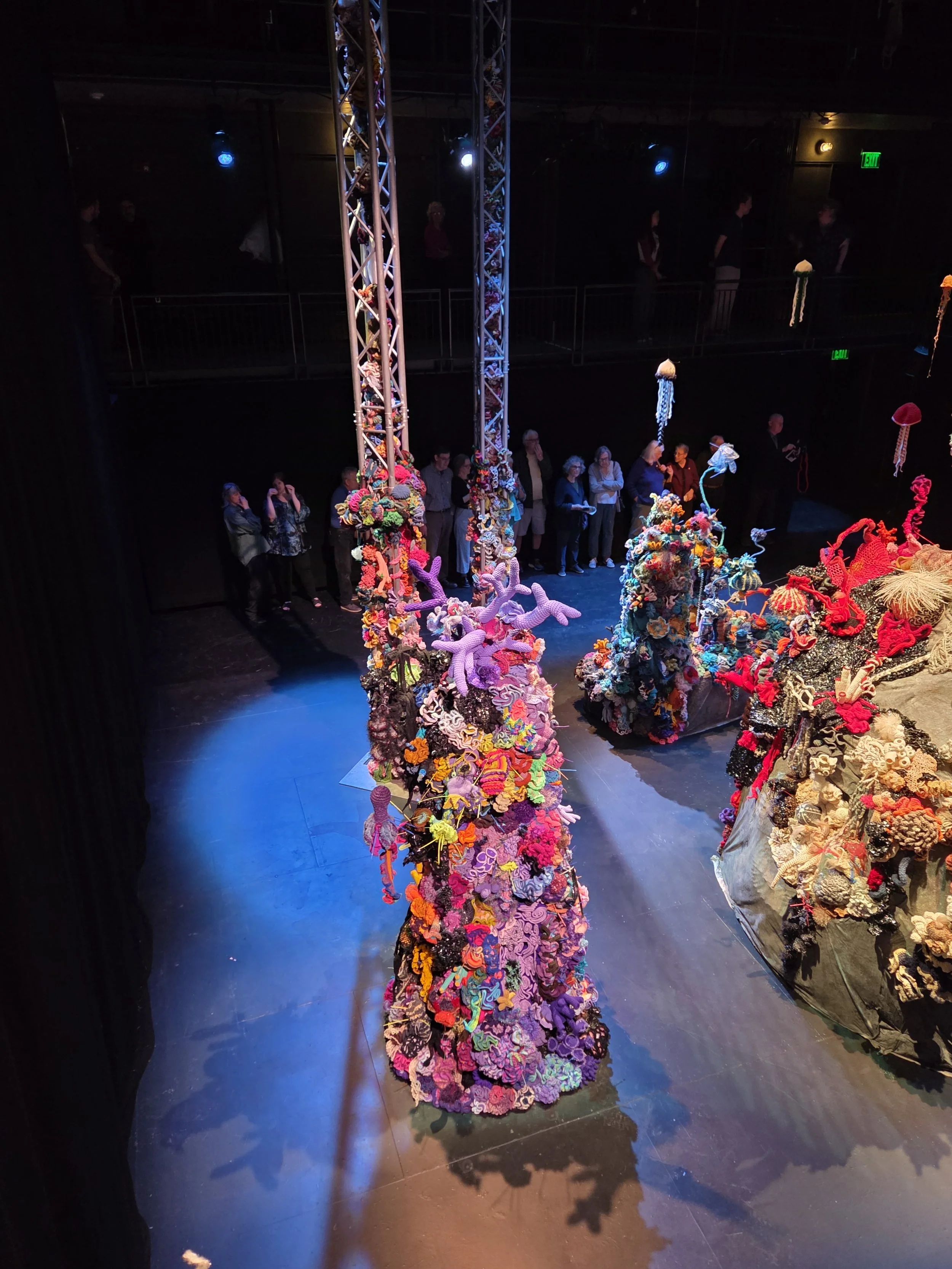
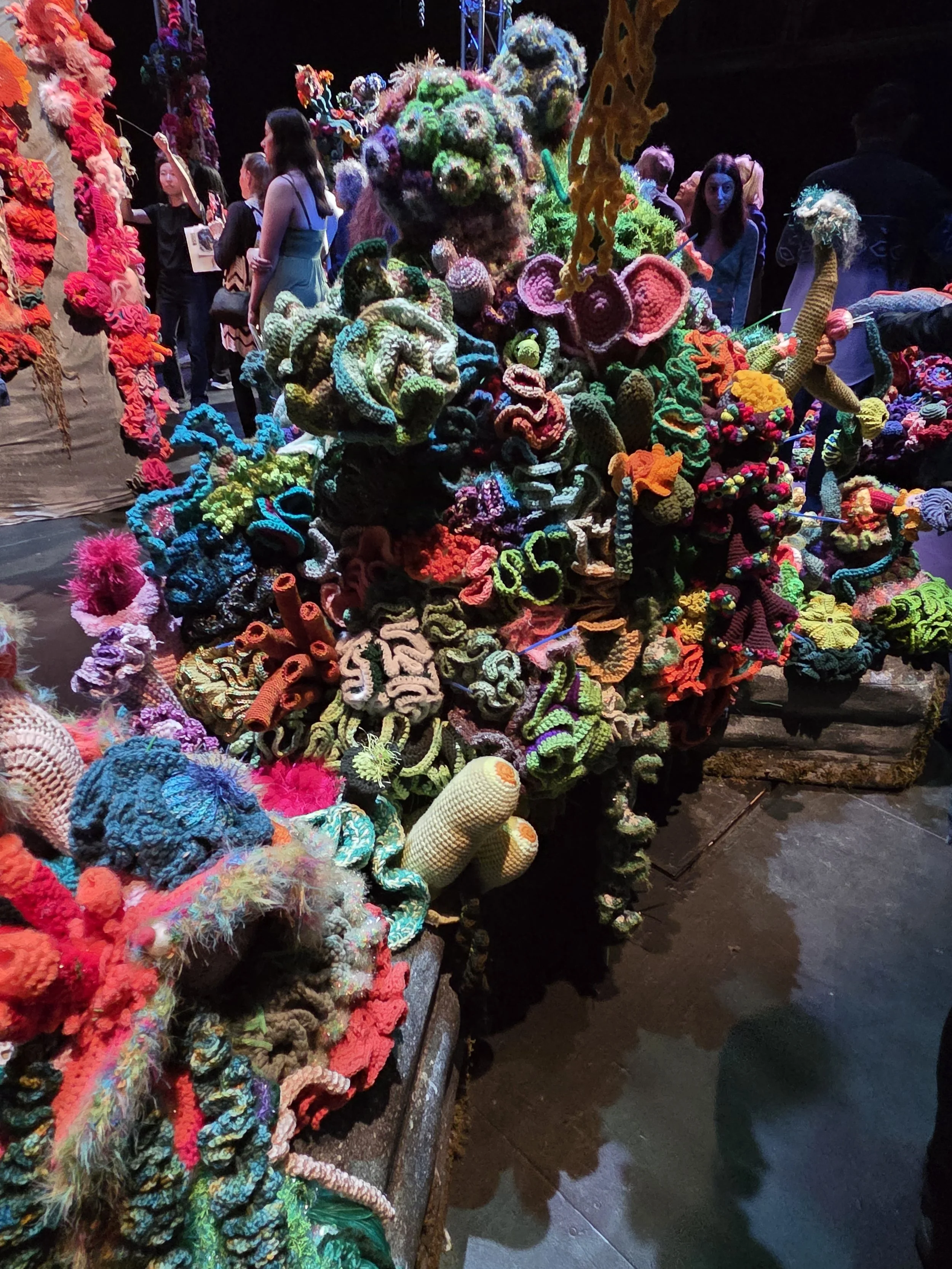
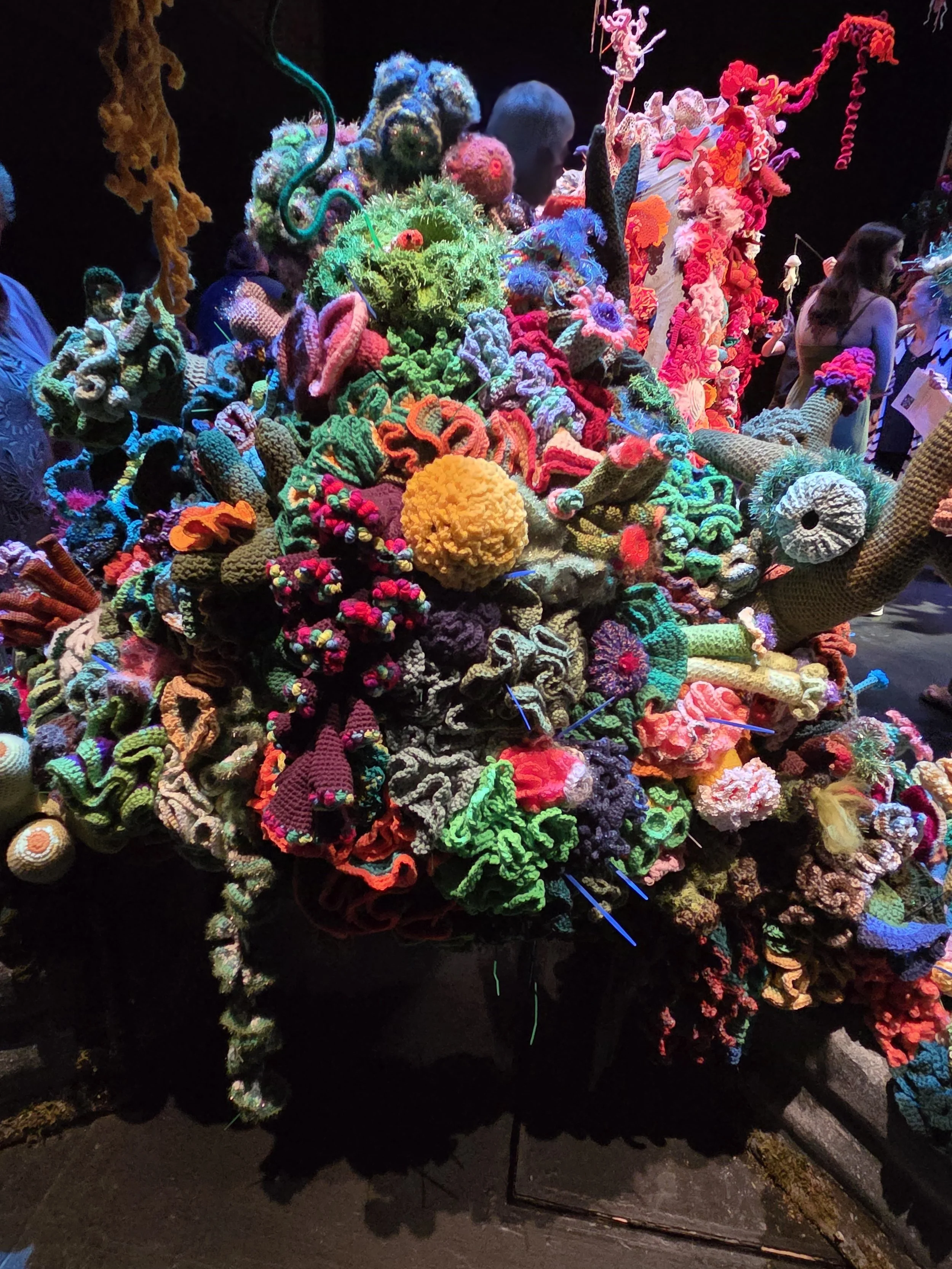
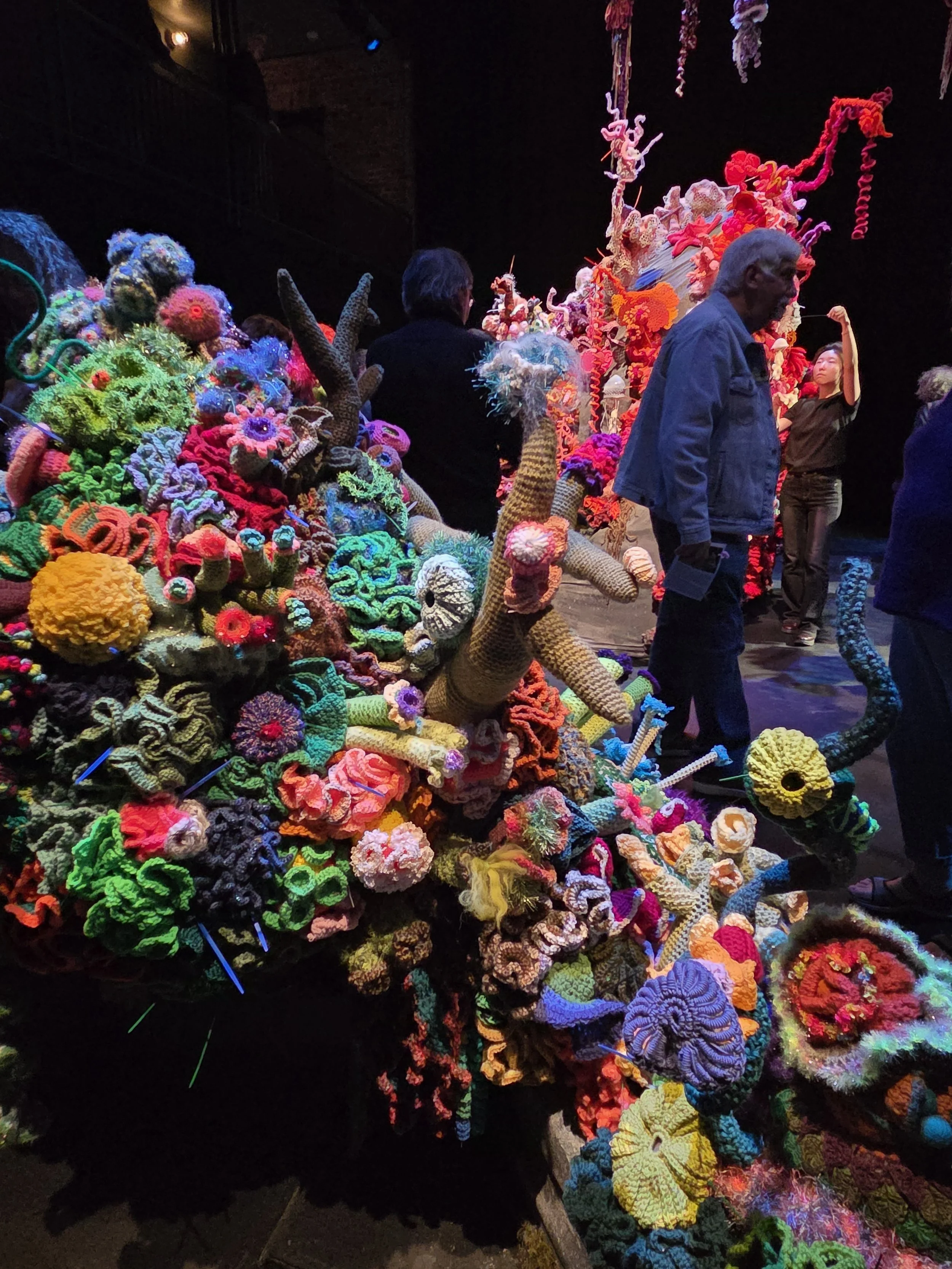
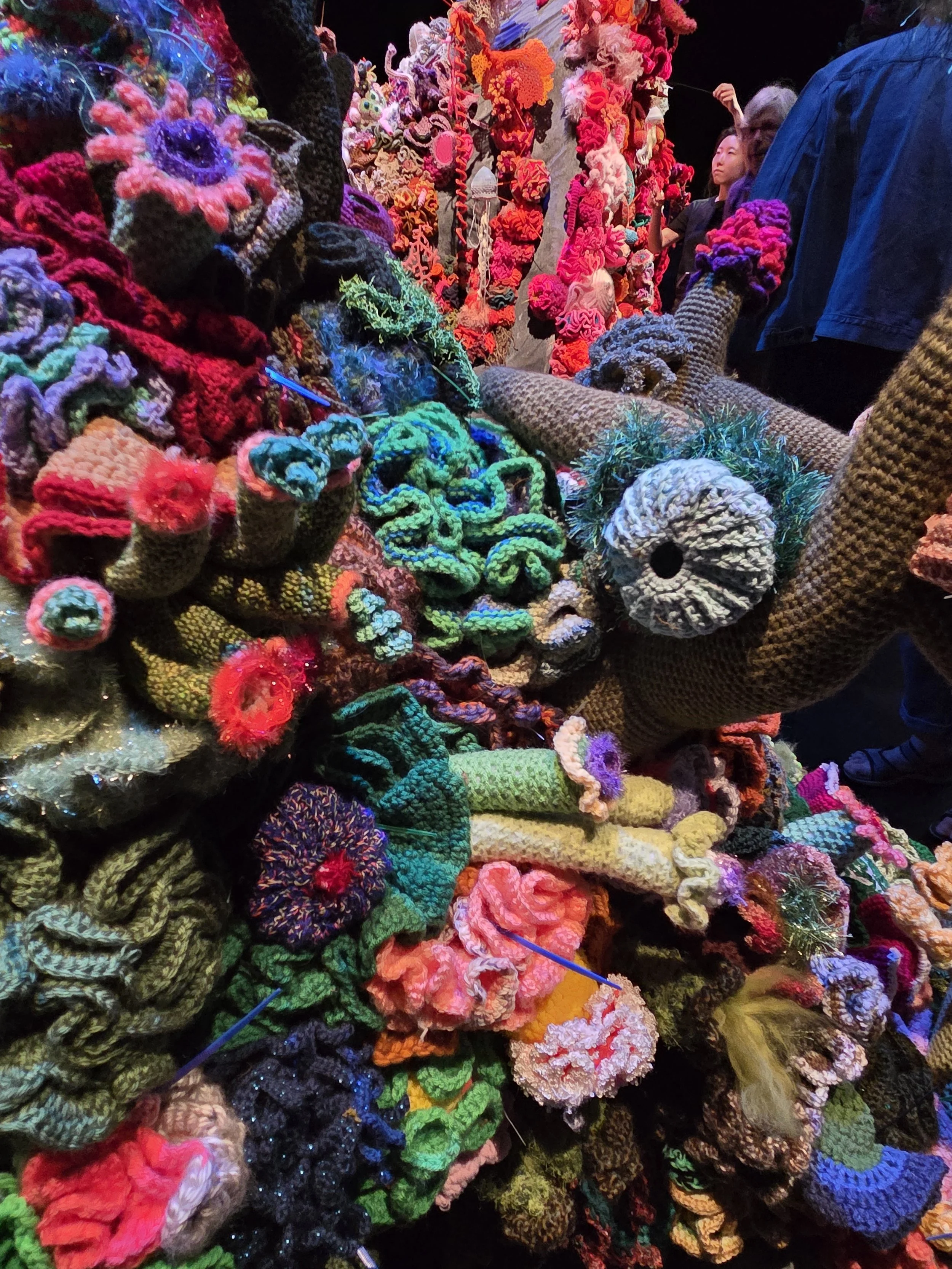
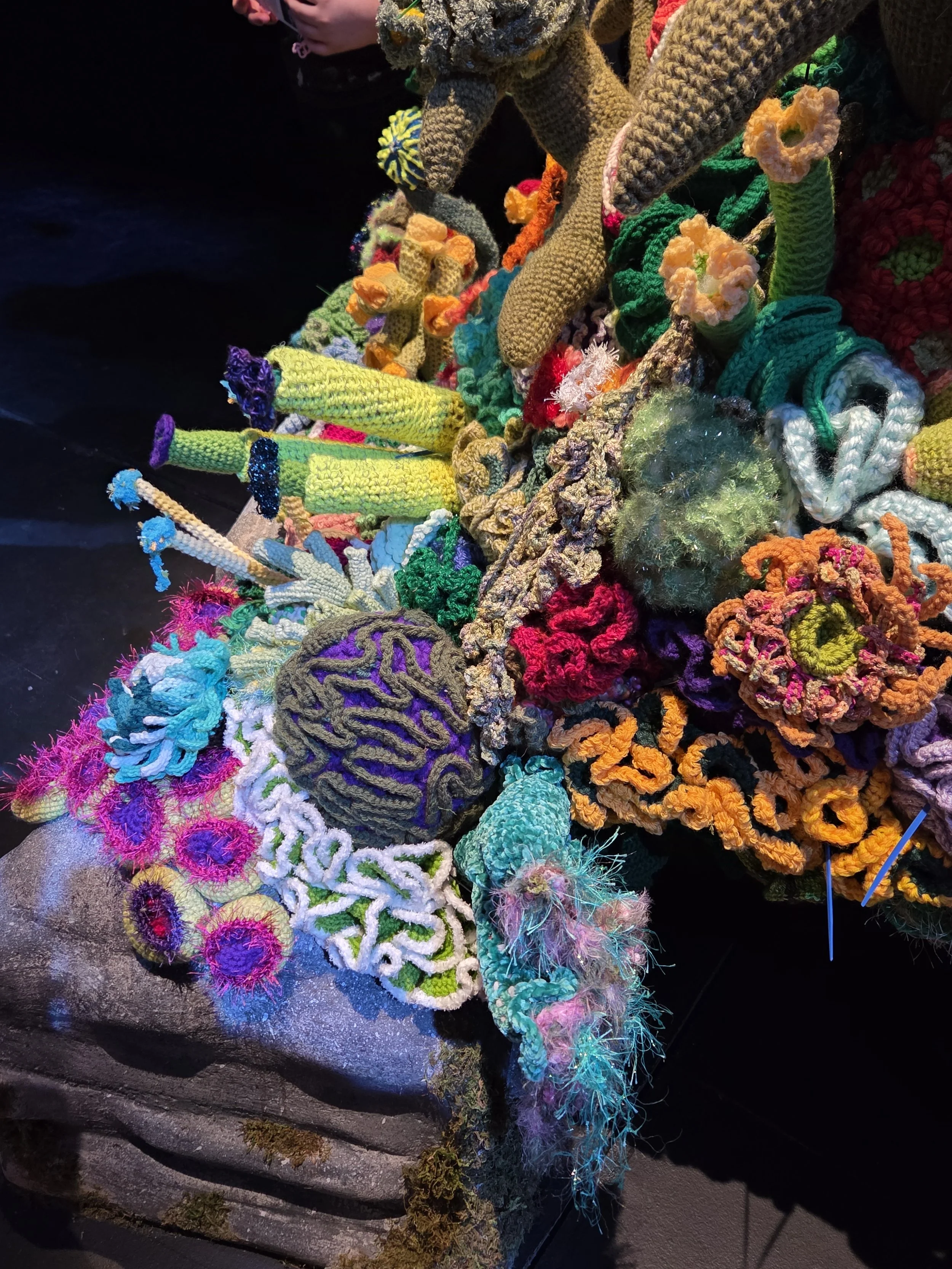
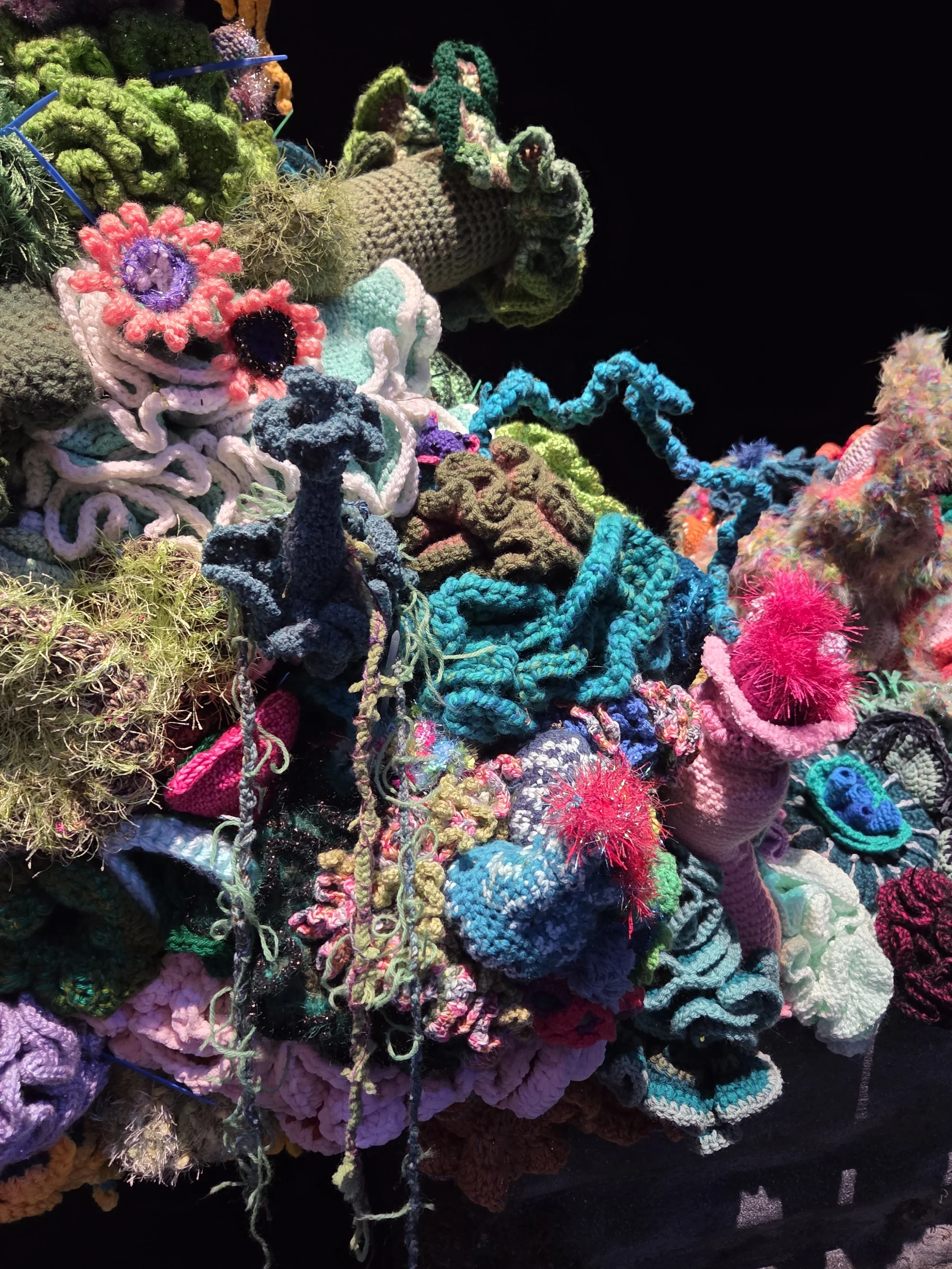
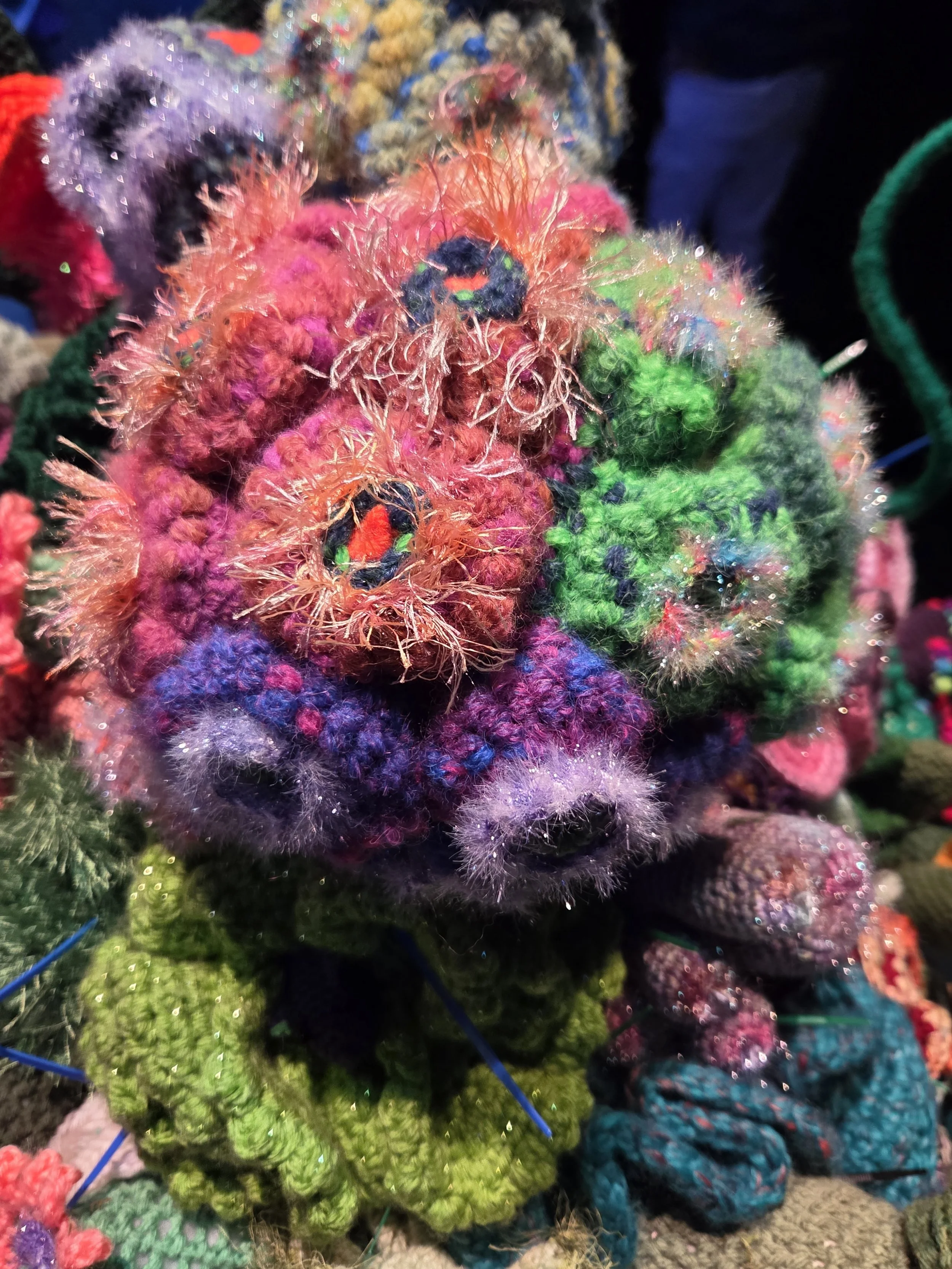
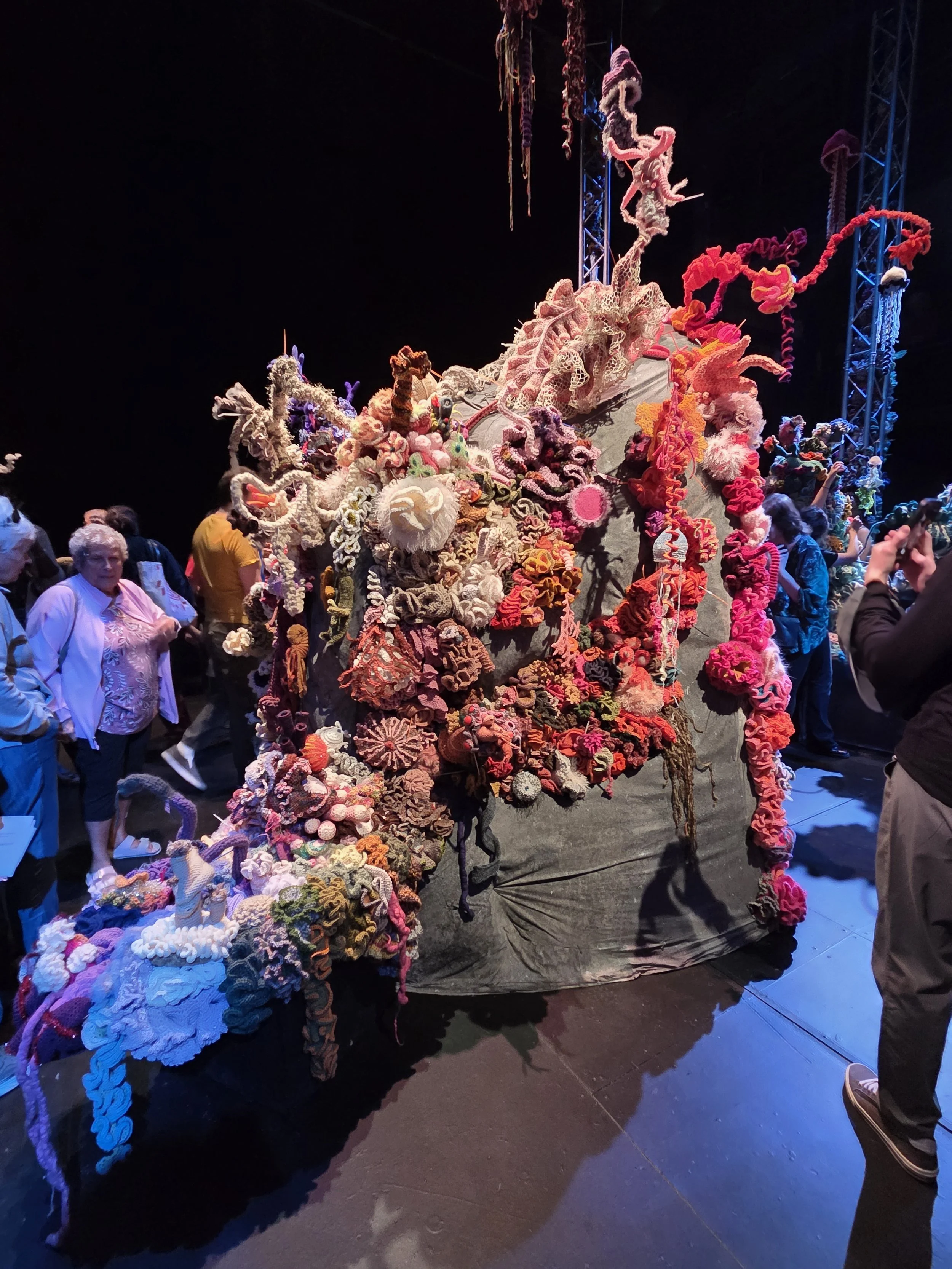
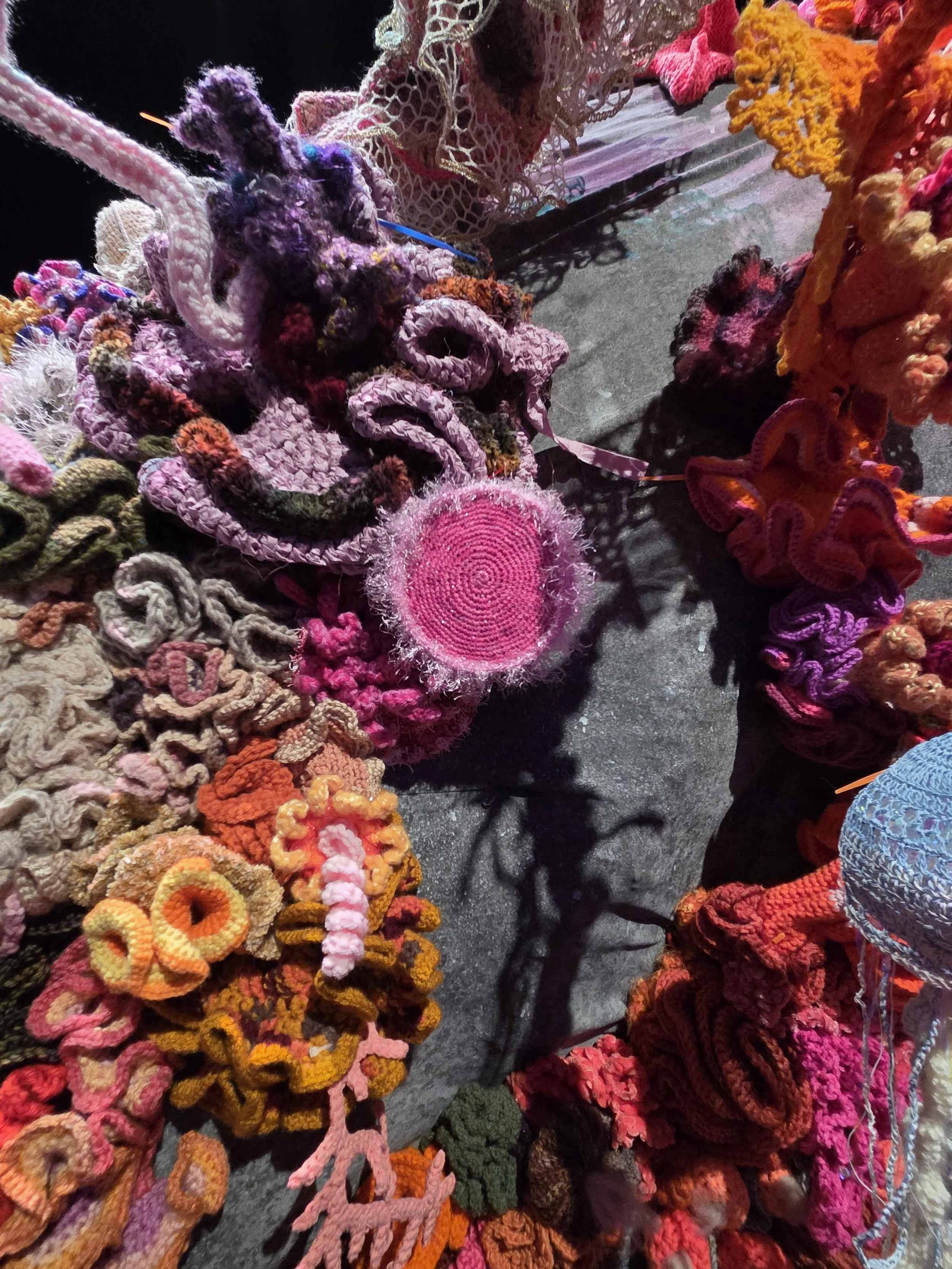
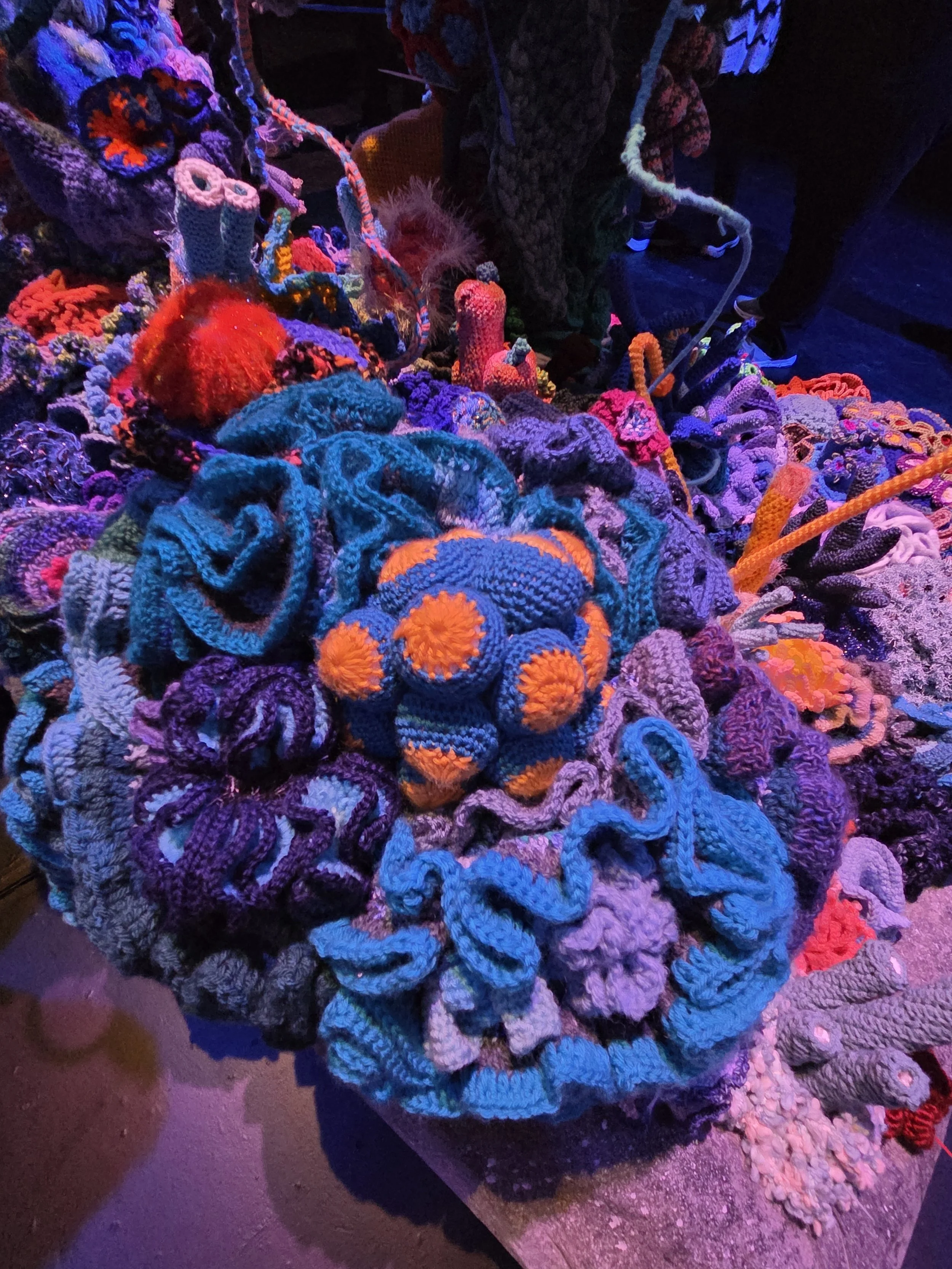
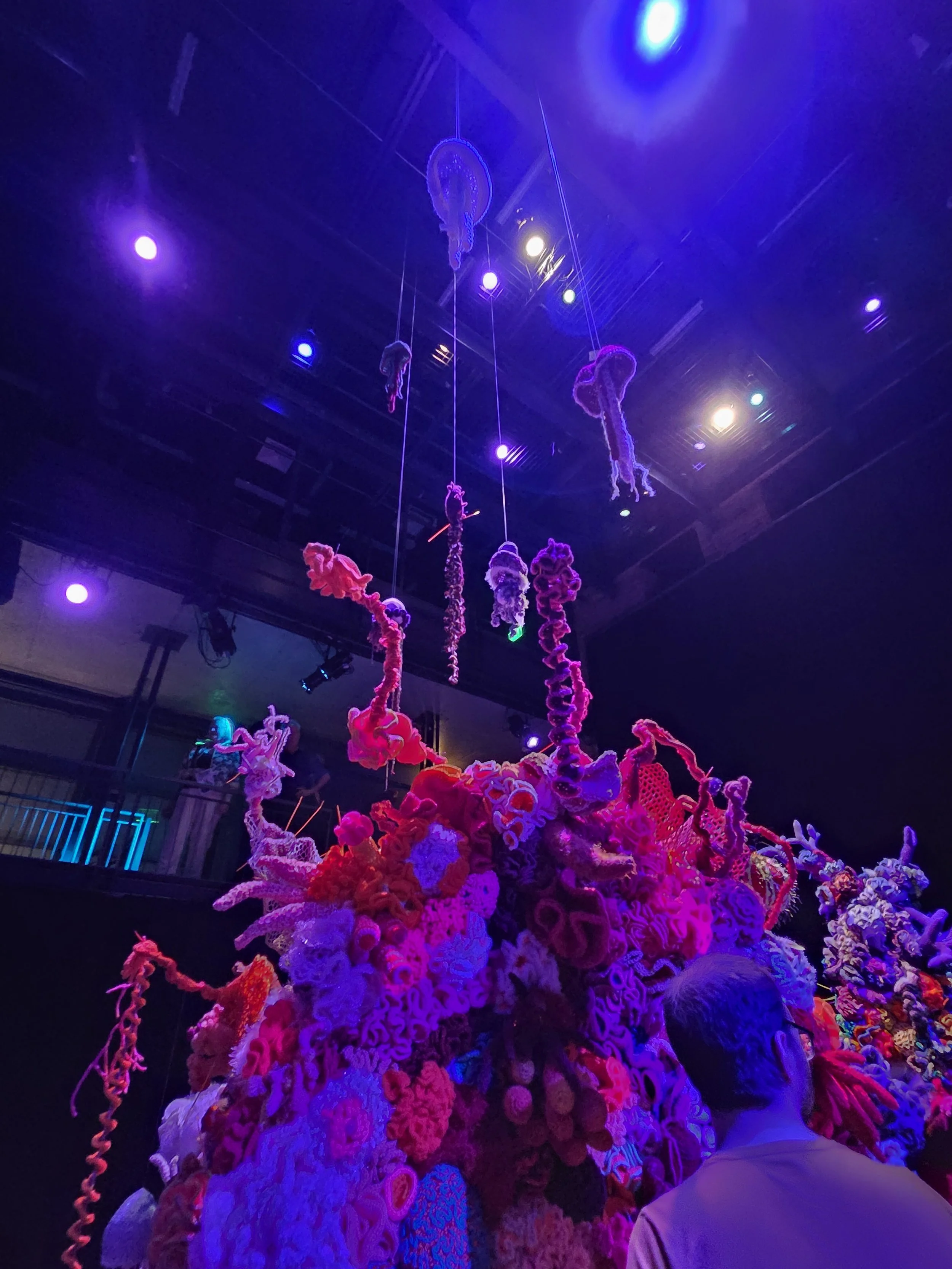
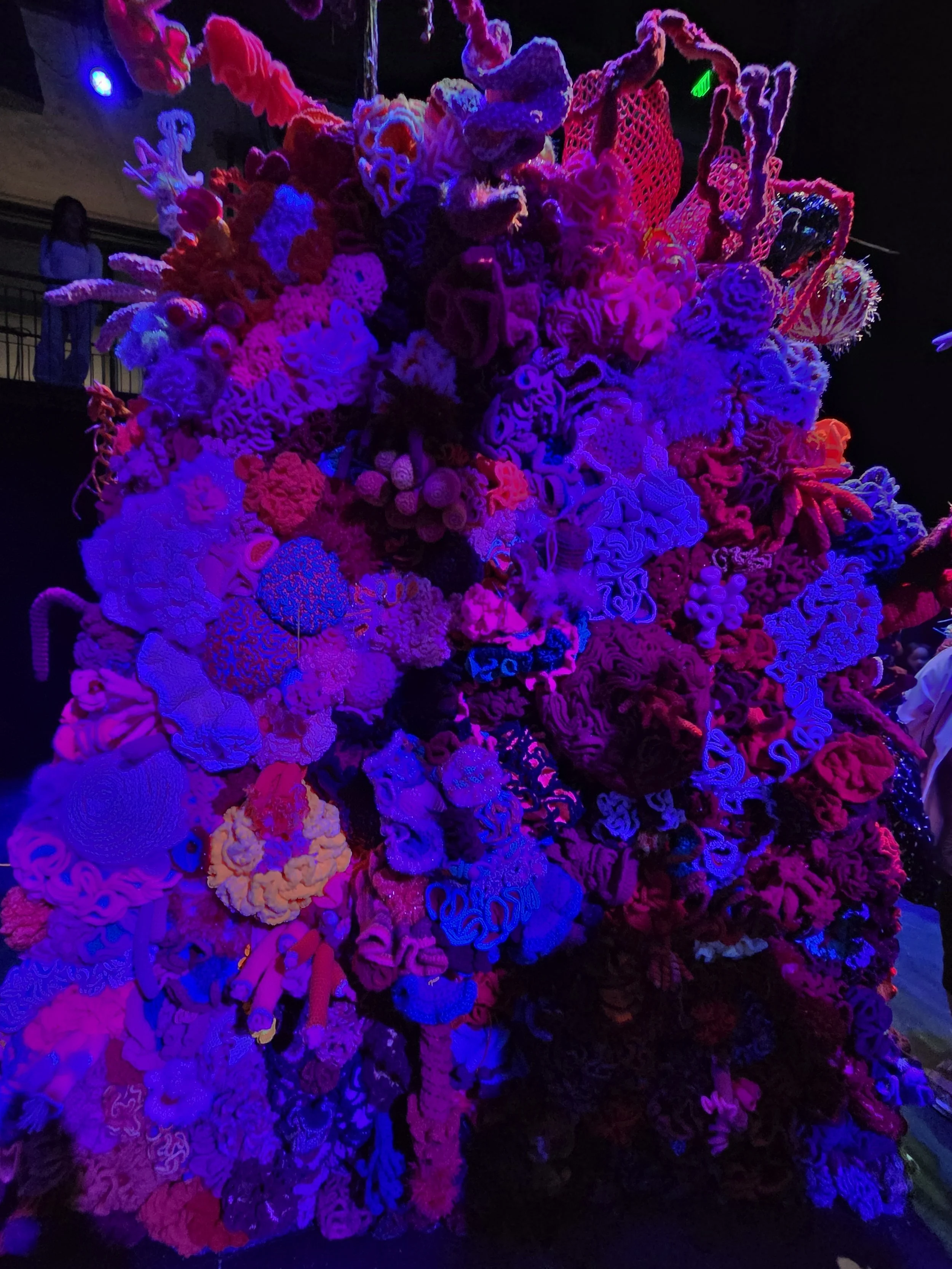
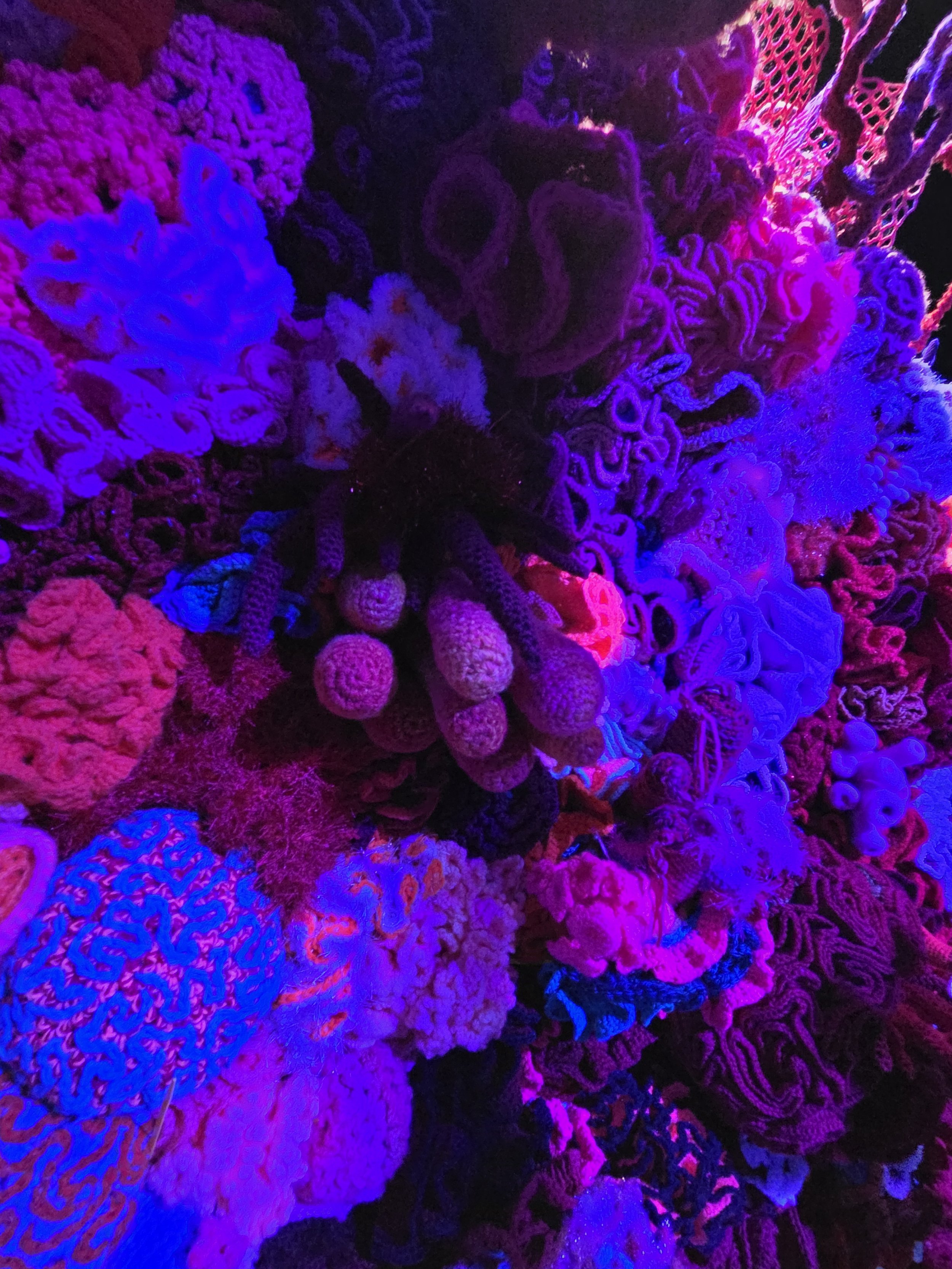
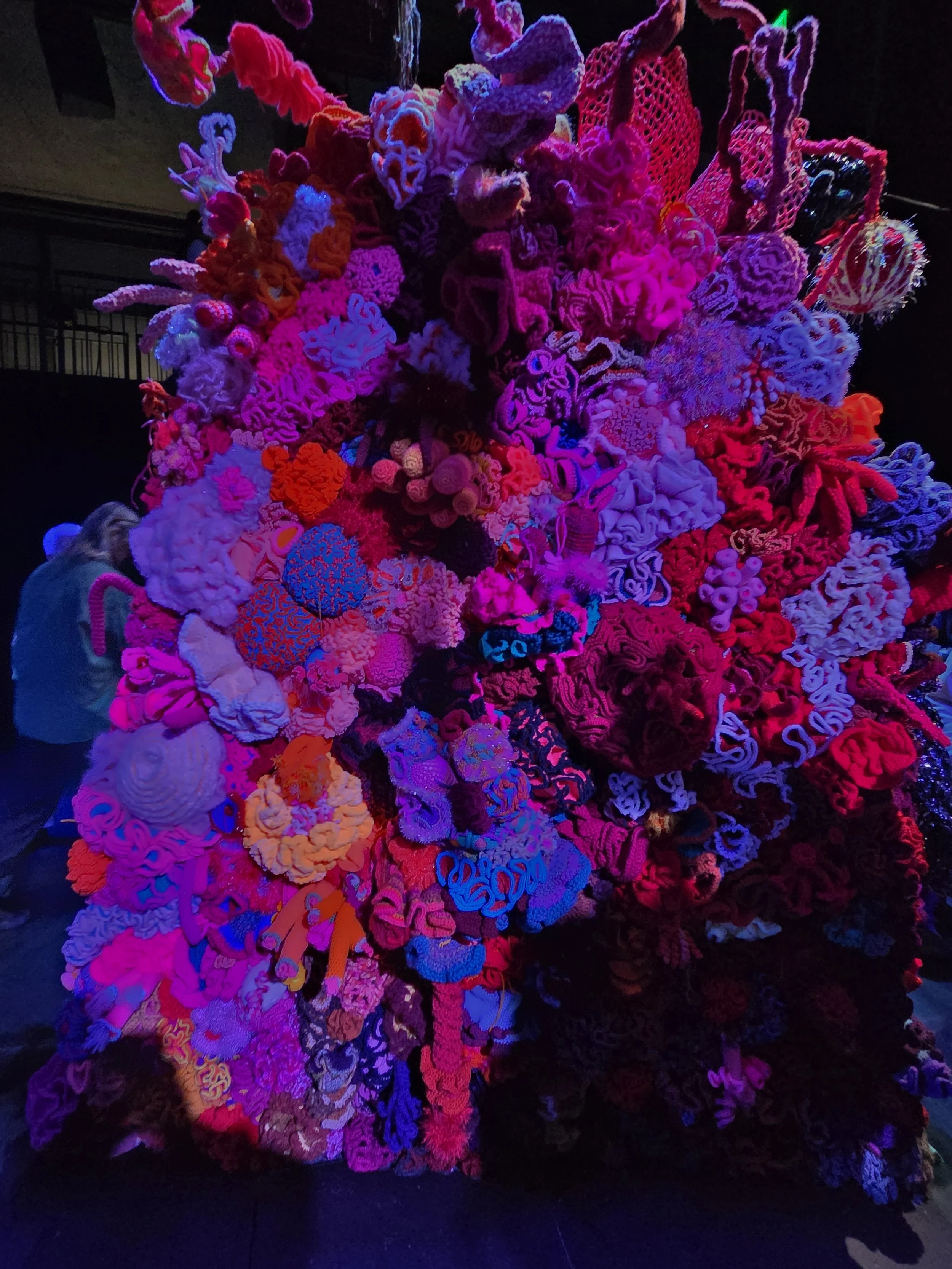
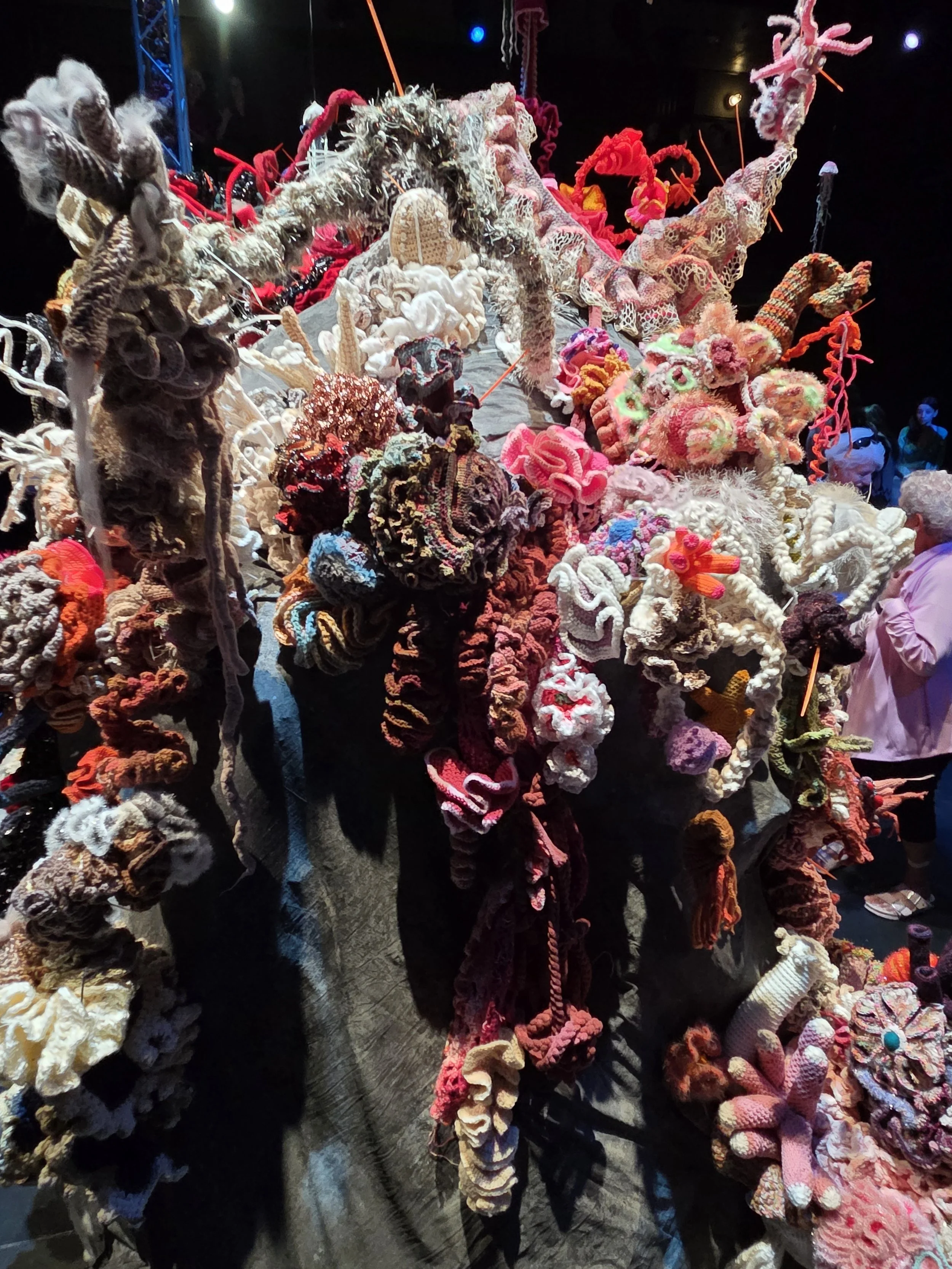
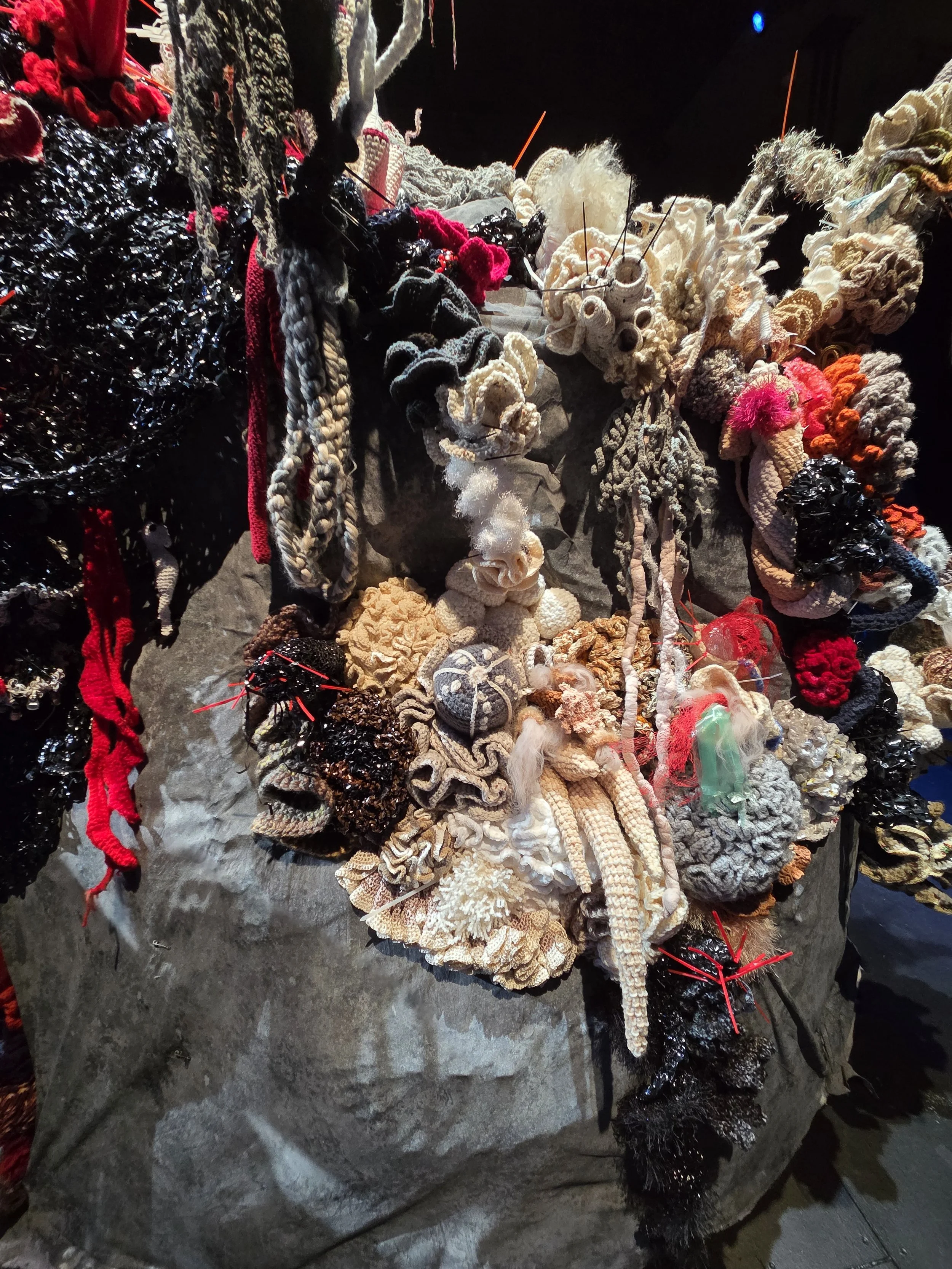
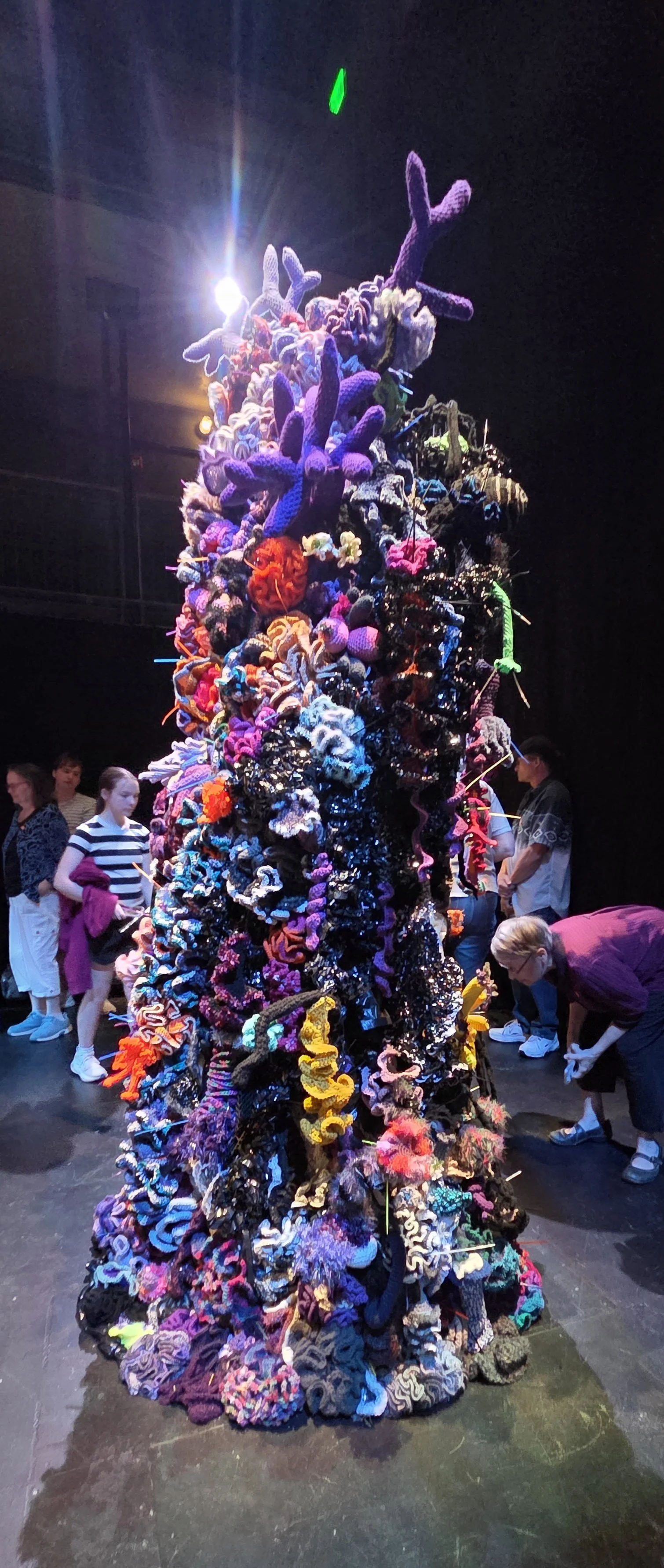
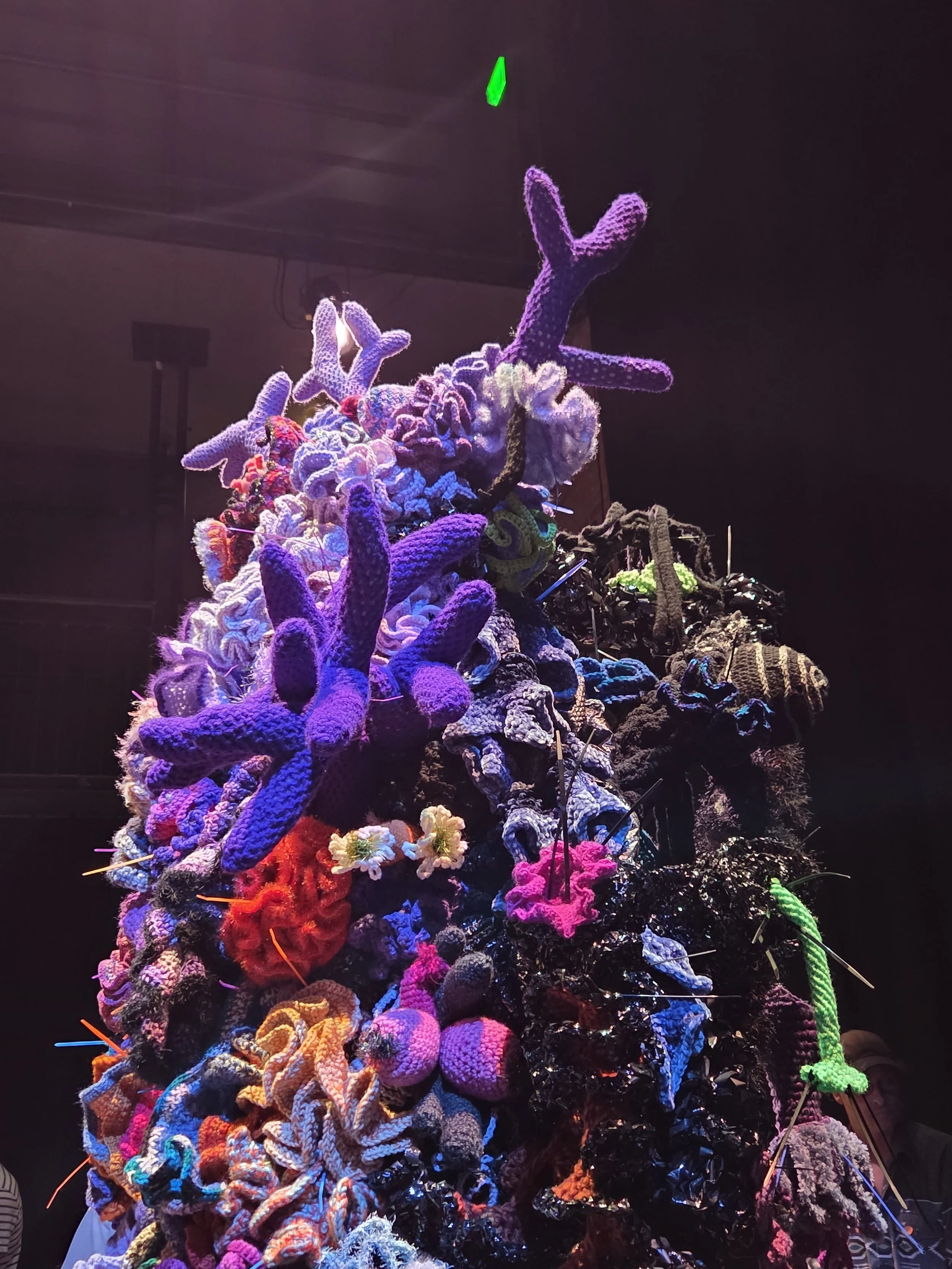
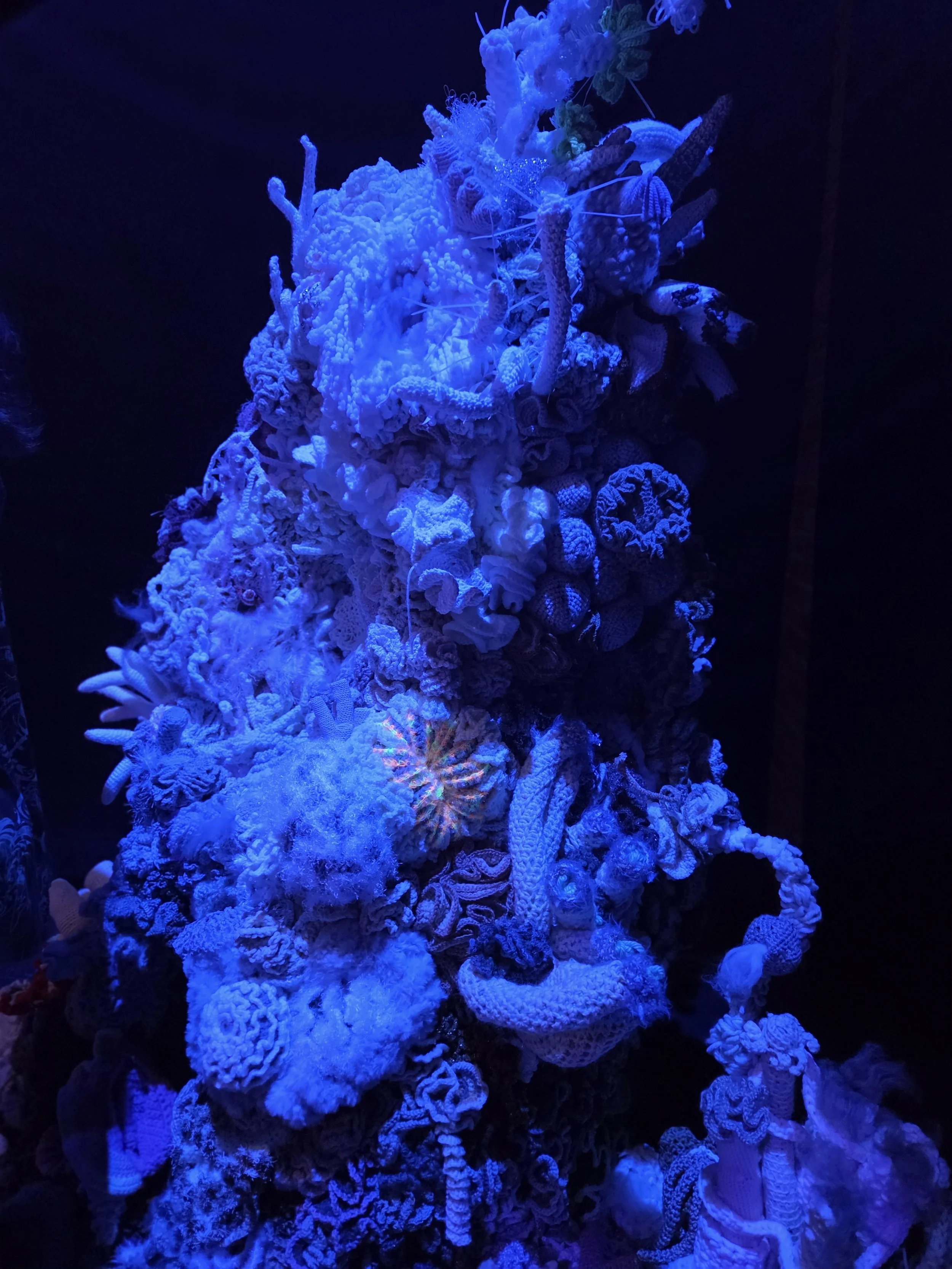
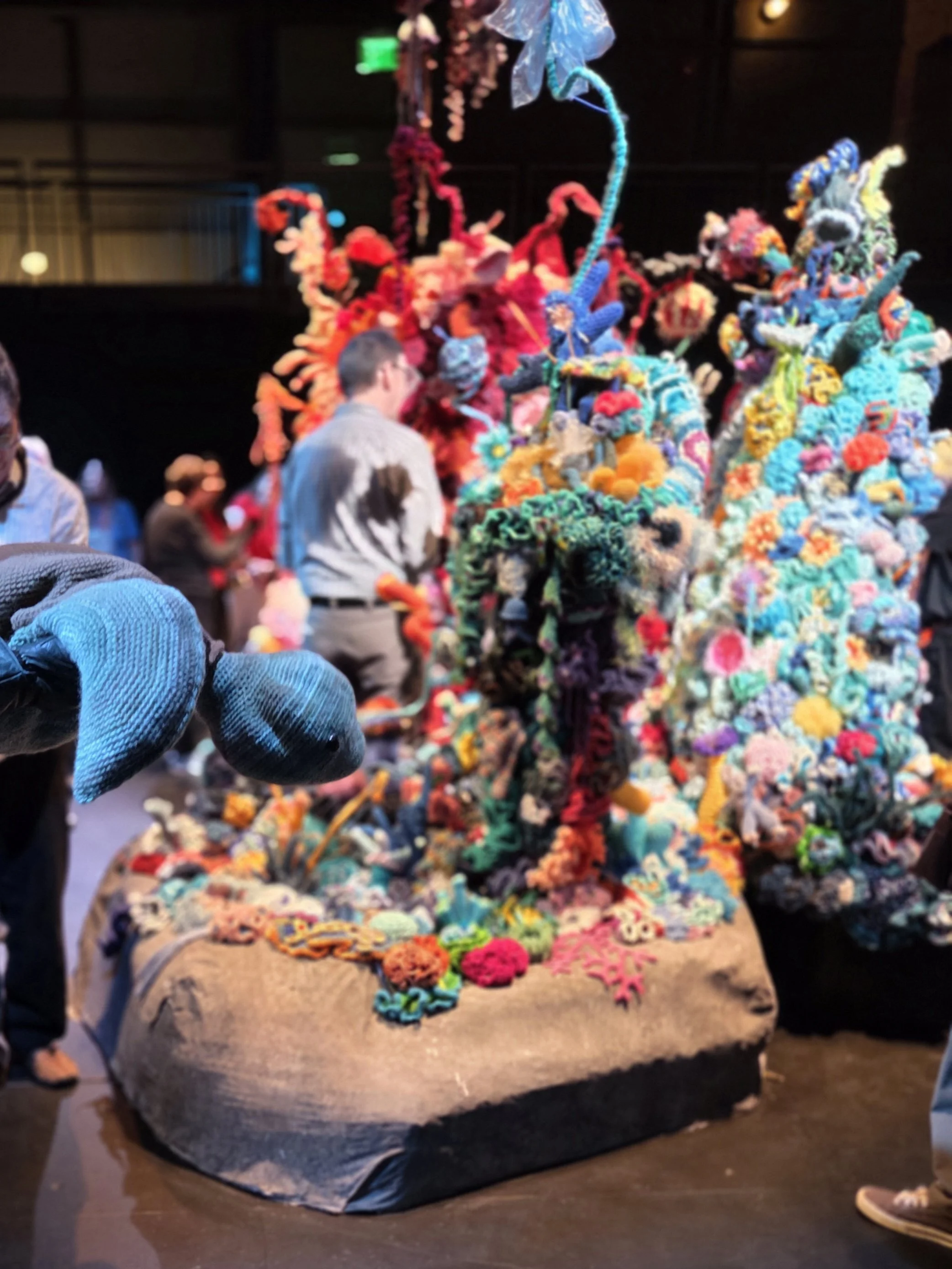
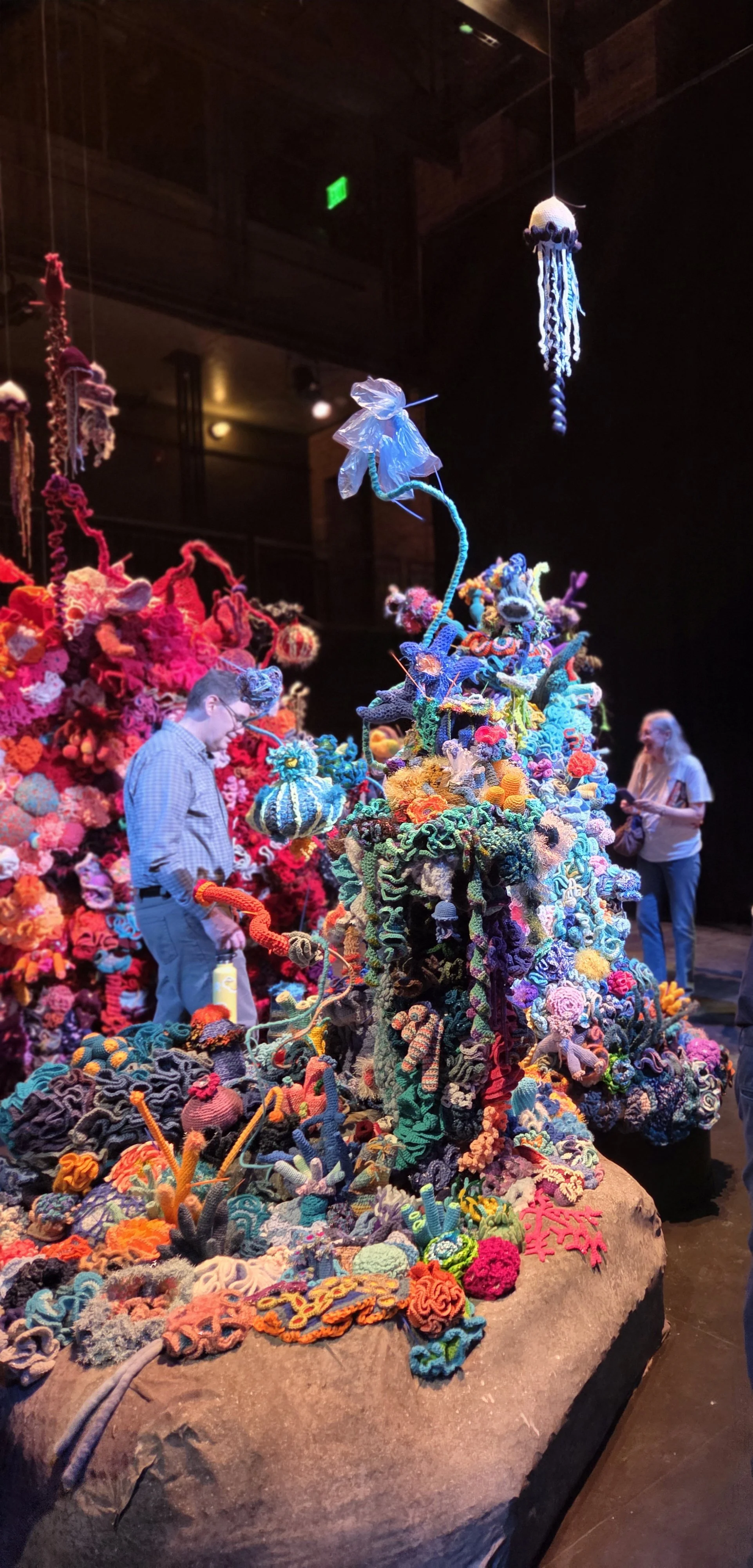
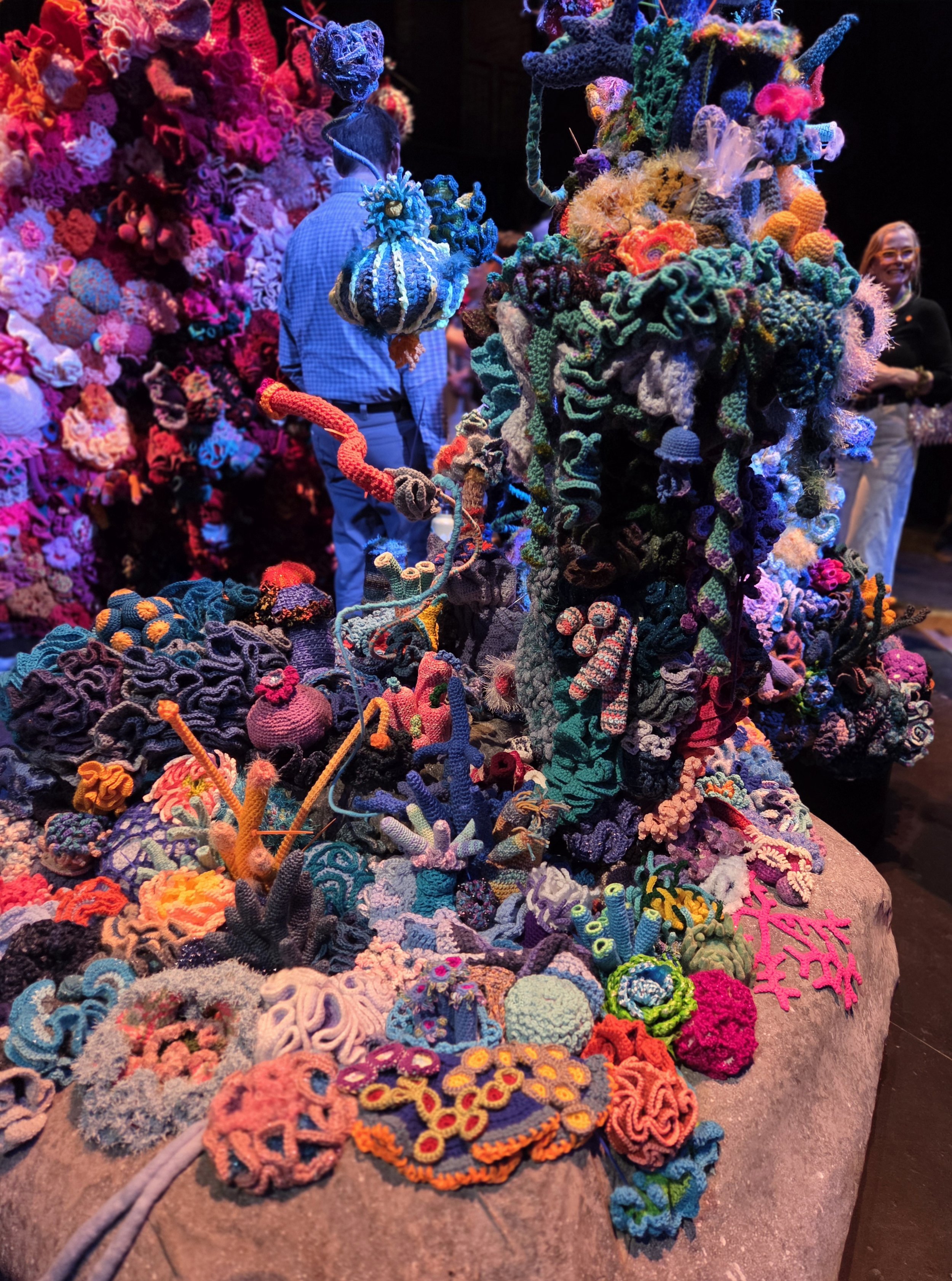
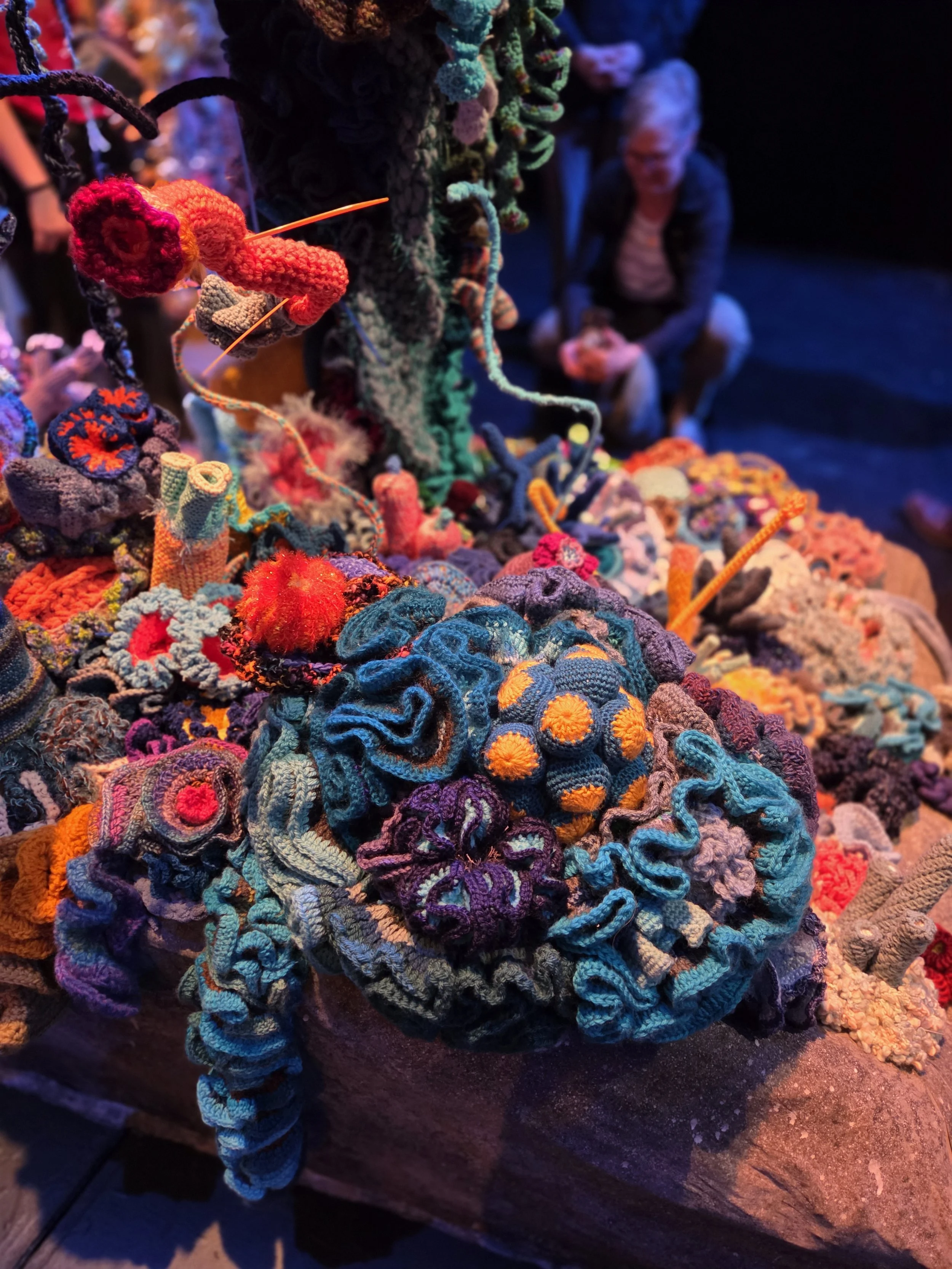
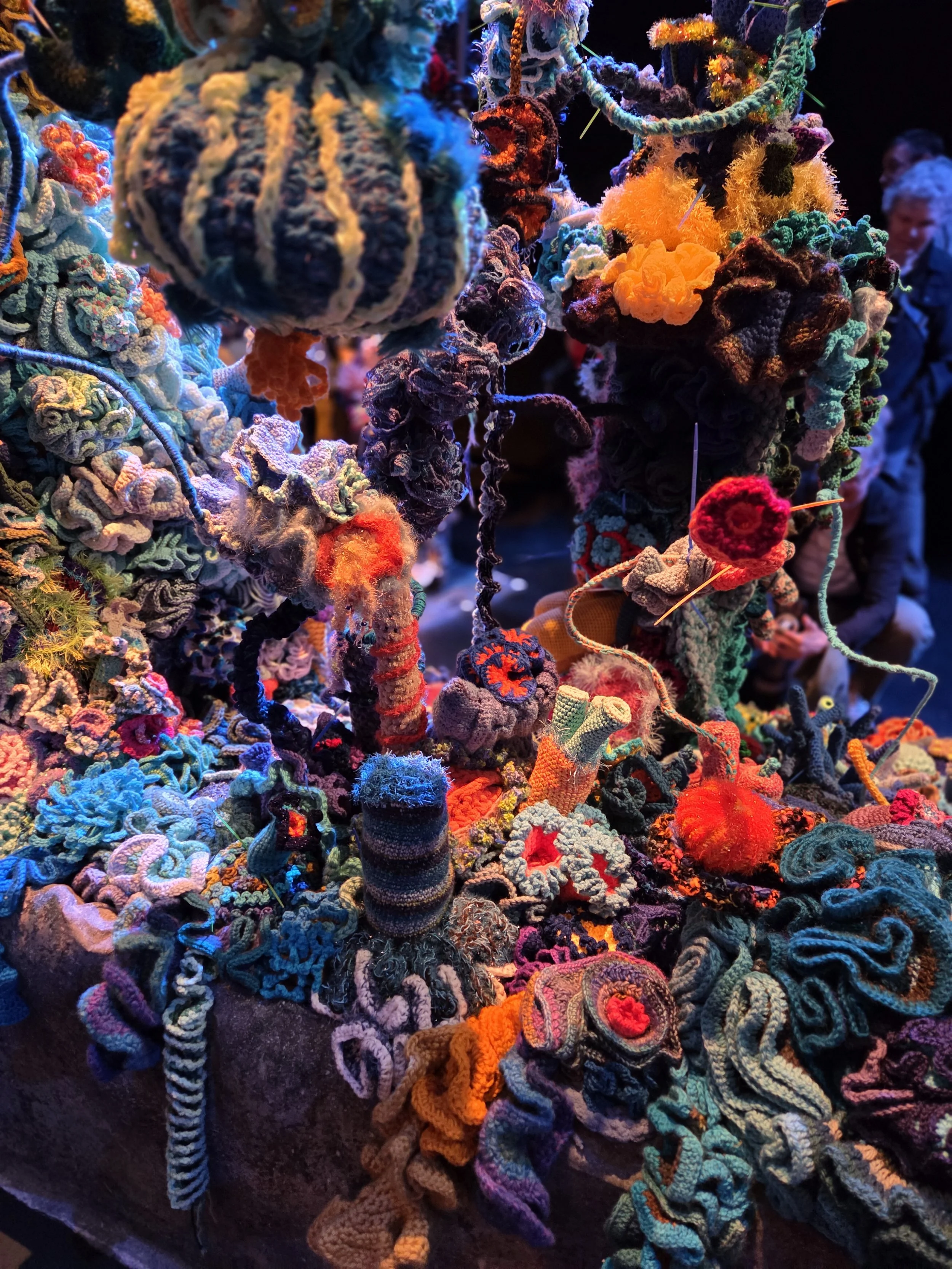
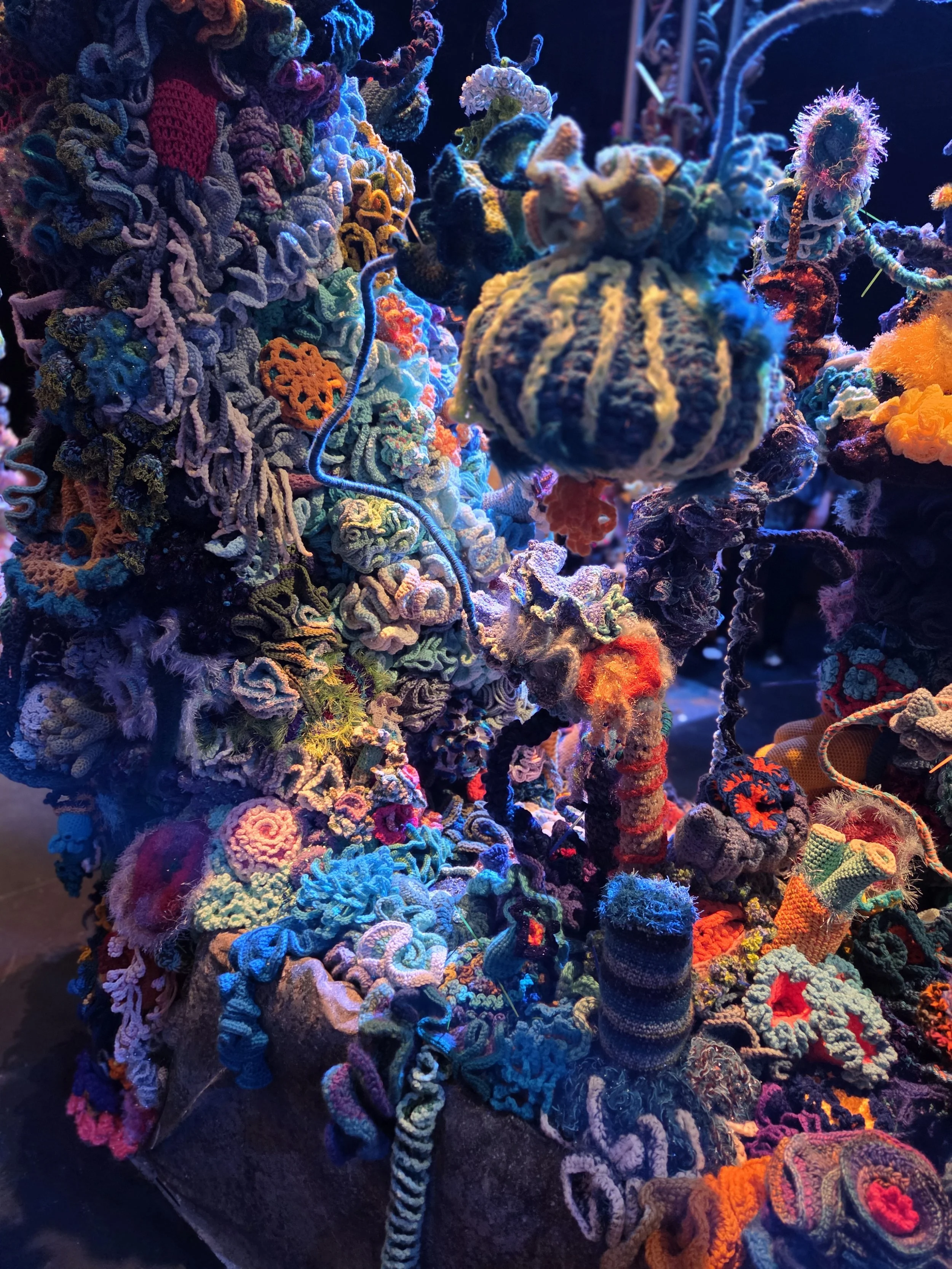
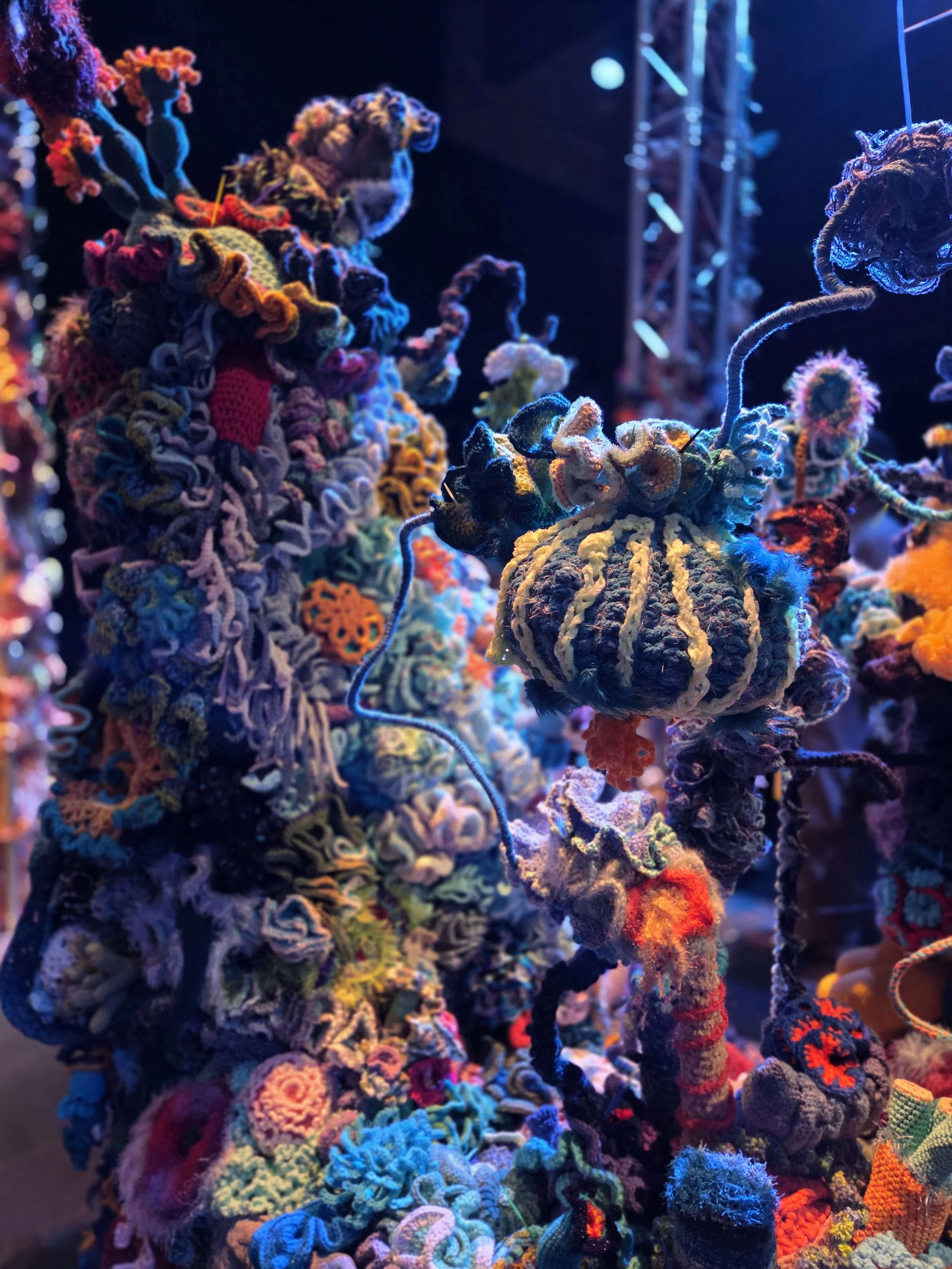
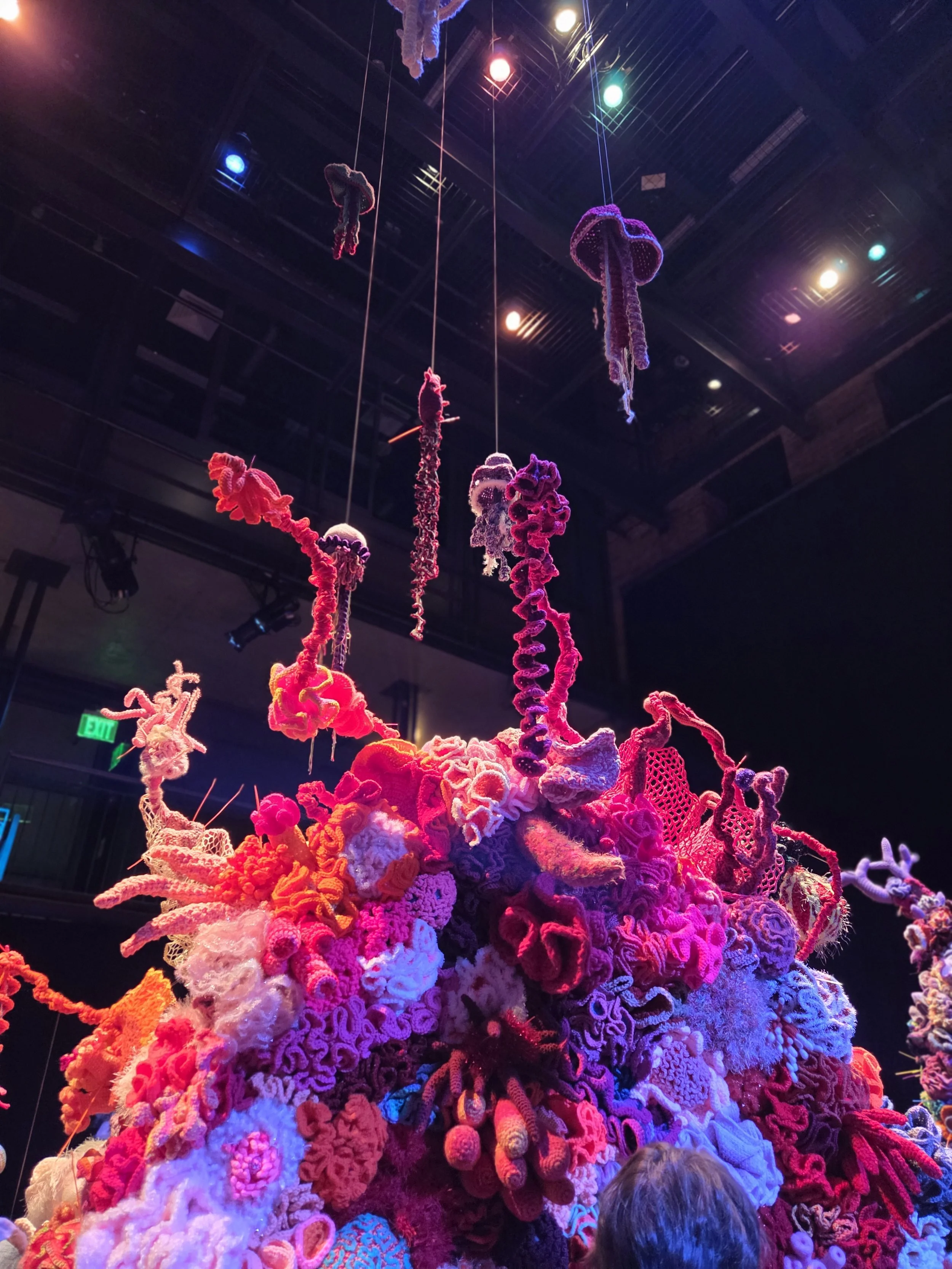
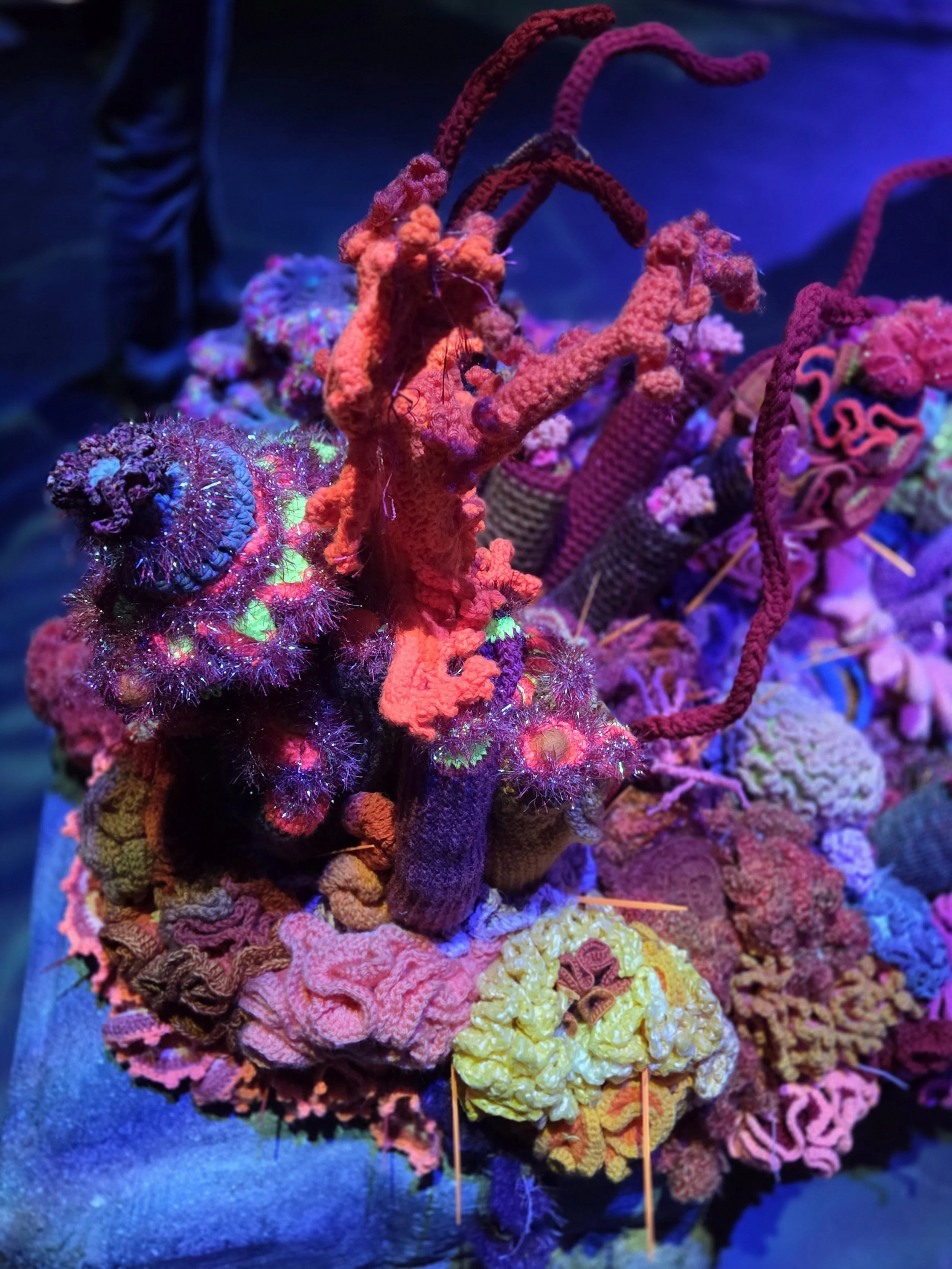
After visiting the Herman Melville House (where they didn’t allow you to take photos), the opening day of the reef arrived. The reef project was led by the theatre department at Williams College and was on one of their stages. This allowed for changing lights and sounds which gave the reef even more character. It was amazing. It was also fun to go around and “visit” the corals that I recognized from our reef. Like saying good bye to some old friends.

There are still reef parts left and I will still be watching out for new reefs to donate to but for now, it’s on to other adventures.

So Long and Thanks for all the Fish by CHRISTINA HARKNESS

Last Friday we took down the installation at the Coos Art Museum and packed the reef away once more. Over the past year I have been actively searching for a permanent home for the PNW Community Coral Reef as this four + year project winds down. After reaching out to science organizations, children’s museums, and arts organizations to no avail, I have made the decision to break up the reef. Currently I am dismantling vignettes that I built years ago, boxing up single corals and sending them across country to become a part of a new fiber art reef being built in Massachusetts. Their reef will be at Williams College and their hope is that it will be a permanent display. This feels right to me. Recycling and reusing are fundamental ways forward for everyone. including the PNW Community Coral Reef.

Certain wall hangings and the creatures of the PNW Community Coral Reef will be held back for future donation to marine science organizations to use in fundraising efforts. Chief among these organizations will be the Marine Education and Research Society and the Whale Interpretive Center, both located on Vancouver Island, Canada. The Whale Interpretive Center recently suffered a catastrophic fire and has been fundraising to rebuild their center. If you are interested in donating, please visit their donation page here. To see the center in their former glory, watch the incredible video series Whale Bones that tracks the cleaning and articulation of one of their whale skeletons. Of note, all of their installations and their building were lost in the fire.

I would just like to thank everyone for their participation and hard work on this multi year journey. As far as I go, I will personally continue to create work that supports marine education and supports the protection of our marine environment.
The Art of the Re-jigger by CHRISTINA HARKNESS

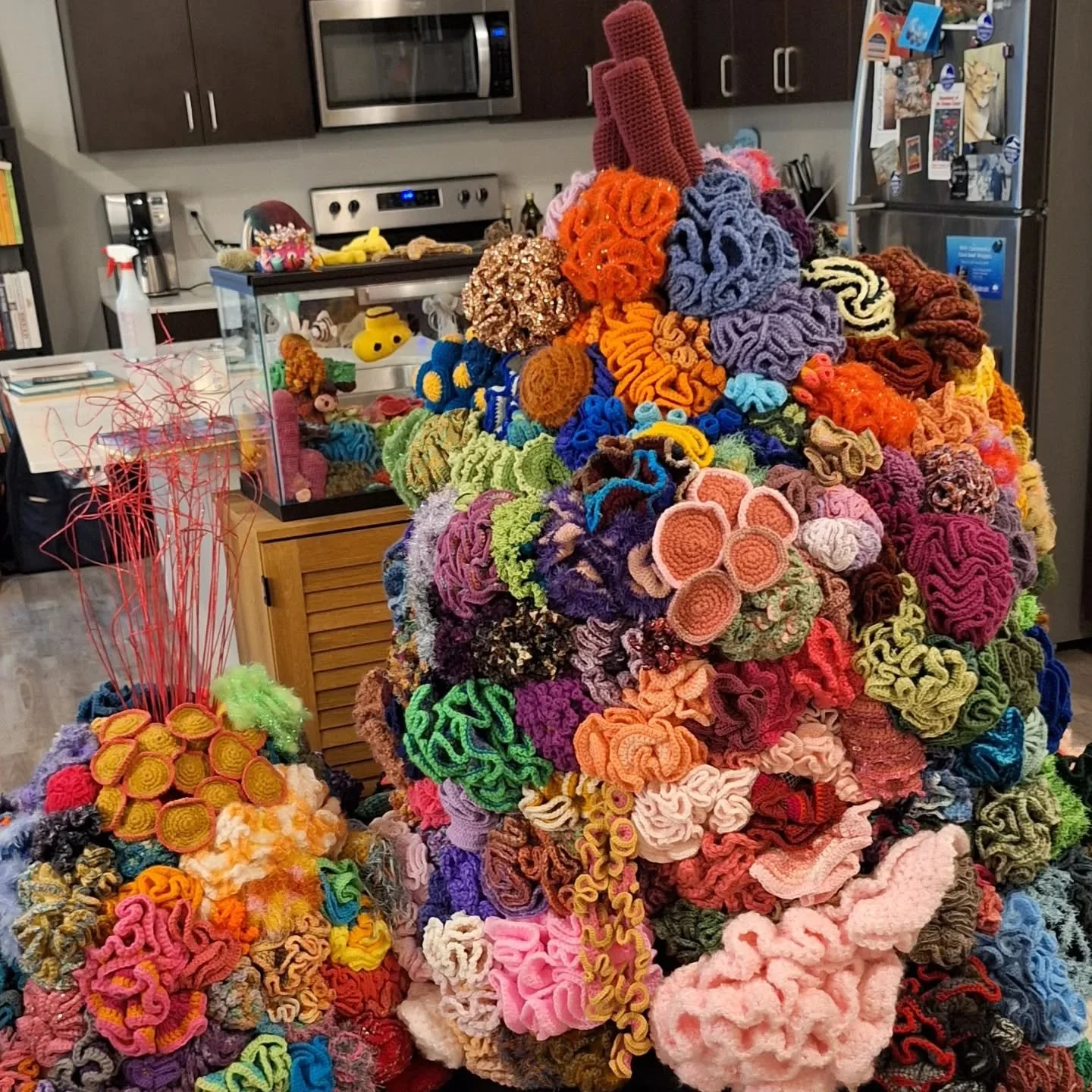
It’s been a few months since I’ve posted here but there has been work on the PNW Community Coral Reef happening behind the scenes. As we get ready for our next show at the Coos Art Museum in May, I have been taking our frames apart, which were the pieces that created our coral wall. It has been an exercise in Buddhist detachment to sit down and cut apart the 20 frames that took me weeks of work to assemble in the first place.
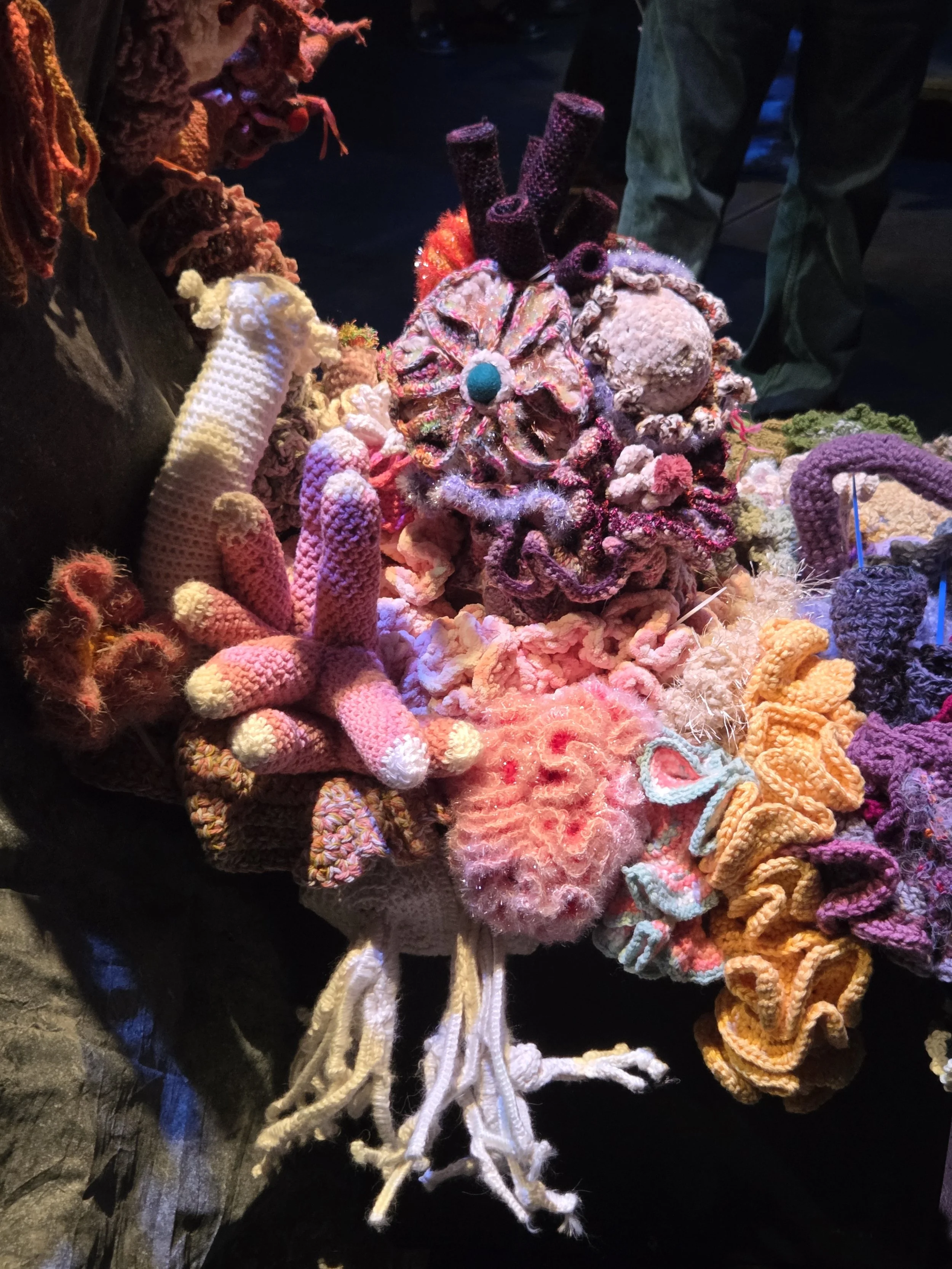
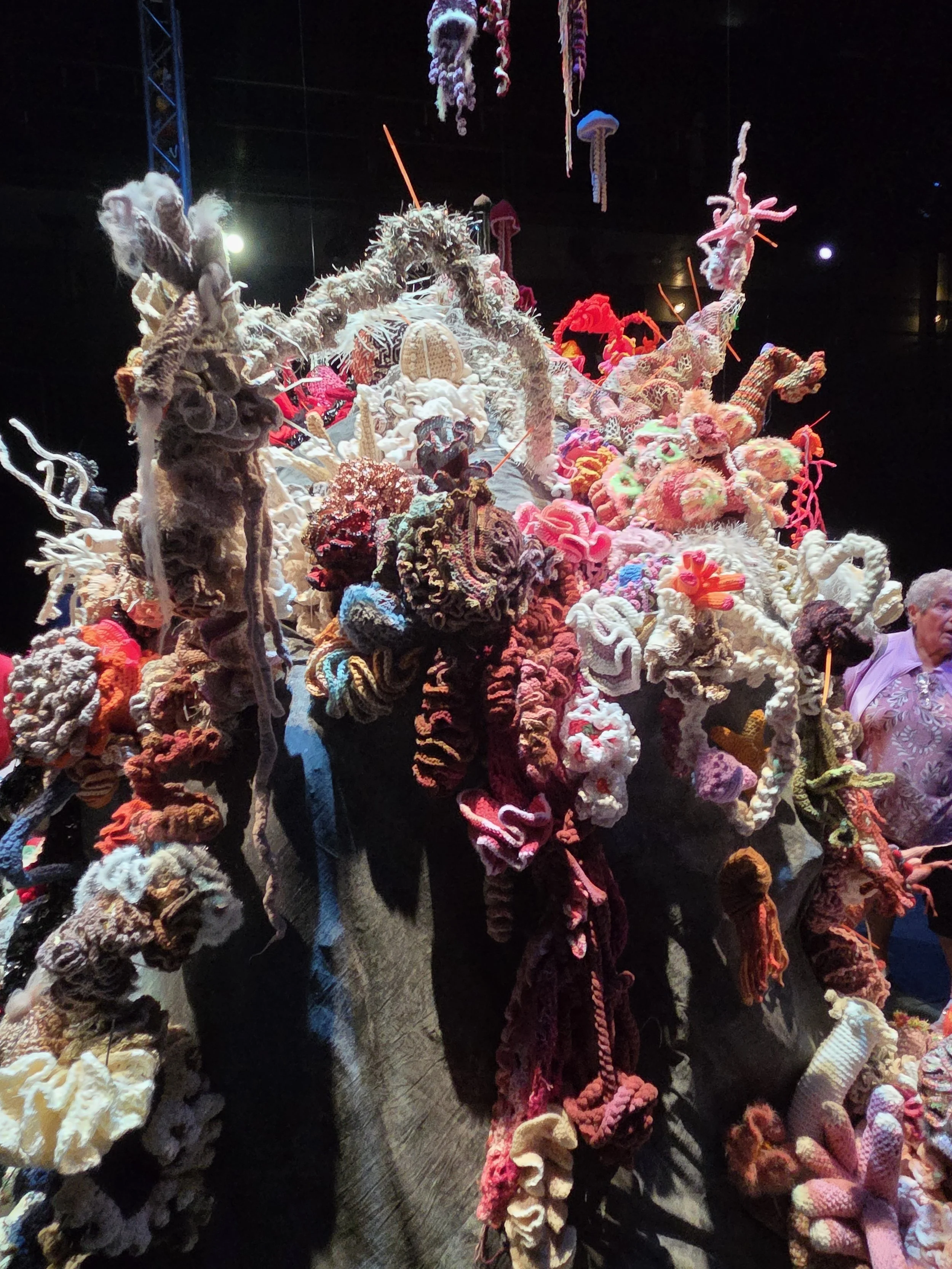
With the lay out of our upcoming installation being in a small space, the goal is to have our reef based on the floor with a few risers to change the depth here and there. This means, we need a show piece in the center of the room with the installation built around it. I have also taken apart some of our coral vignettes to create a large wall hanging as it will be necessary to take advantage of as much wall space as possible.

I must admit, I am always inspired by the works of Mulyana, the first fiber artist that I came into contact with who made amazing coral installations. The fact that he builds his reefs on the floor and then hangs things from the ceiling to create an all encompassing coral experience makes me believe that we could do something similar.

The one difference is that Mulyana has a huge infrastructure behind him to get his pieces moved from one place to the next. I am currently concerned that I won’t be able to fit the coral pillar that I created from all of the disassembled frames, out of my front door. Since taking these photos, I have wrapped it for moving day and hopefully compressed it a bit. We shall see!
Coos Art Museum 2025 by CHRISTINA HARKNESS

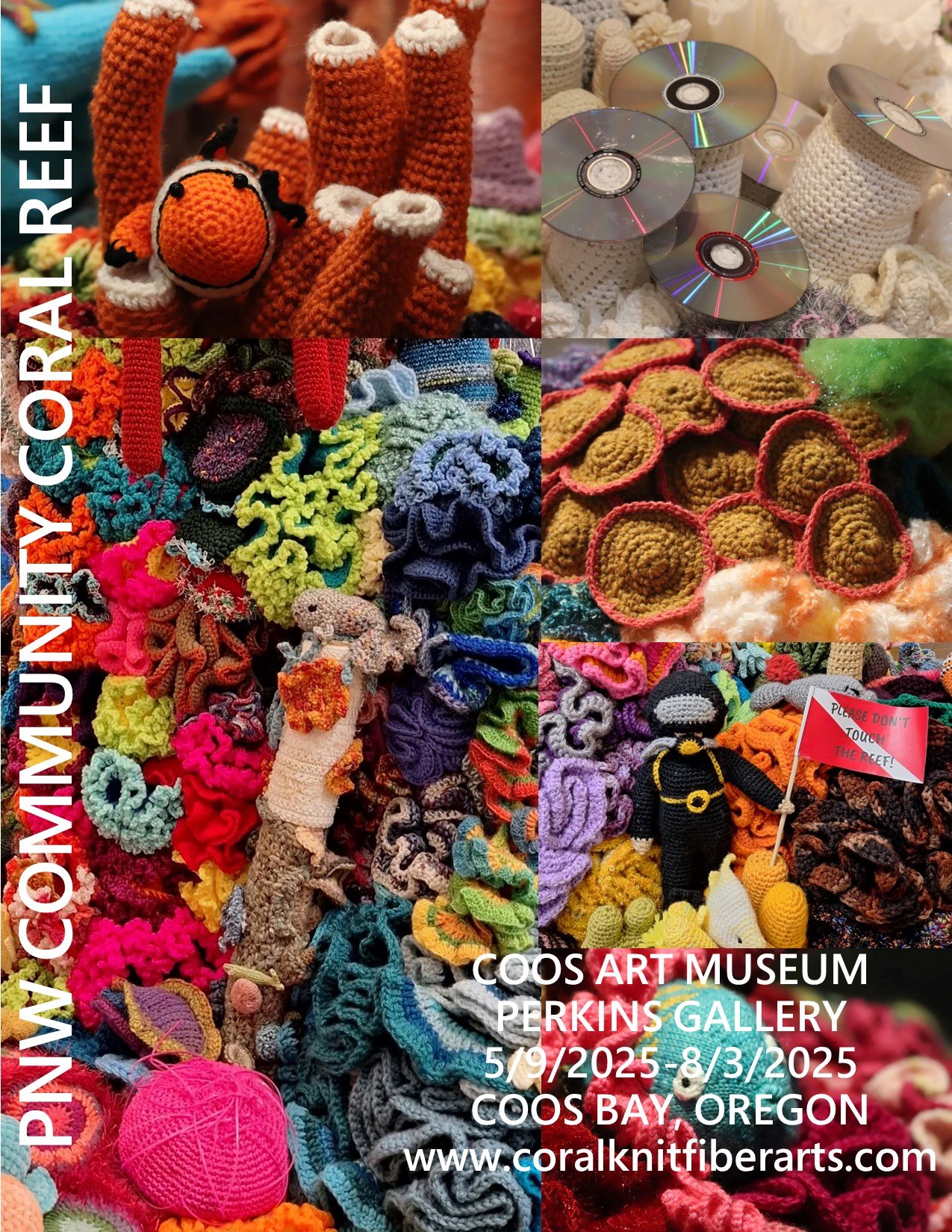
After having a few weeks to decompress after our Lincoln City installation came down, the PNW Community Coral Reef has been invited to the Coos Art Museum in Coos Bay, Oregon for an installation running from May 9th through August 3rd, 2025.

What's so great about this project is how the reef is different in every installation. When we have the space to stretch out, the reef can be displayed on a variety of plinths and risers. For this installation, the gallery space is limited and my thought are to utilize the walls and ceiling. Instead of creating an open room experience of a coral reef, I hope to create a cave or cocoon-like experience. Corals on the floor and walls, creatures and kelp coming from the ceiling and a small pathway to walk through.
Since many of our pieces are vignettes and are connected, this entails picking the pieces that are best suited to life on the floor and bringing them along. Other pieces will be dismantled and turned into wall hangings. Additionally, I have started a couple jumbo sized bull kelp to see if they might be happy in this new configuration.

I've already visited the space, paced it out, wondered aloud and scratched my head a few times. My next plan is to visit a couple of nearby sea caves at low tide, just to get myself in the mood.

Onwards!

Ready for Lincoln City! by CHRISTINA HARKNESS

Our “rewind” installation is ready to go in Lincoln City and I have to say, it is the best one yet. With bridges and pillars covered in corals, visitors can walk beneath the corals and get a true immersive experience.

The opening reception is Friday August 9th from 5-7 and the exhibit runs through October 13th.